













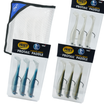
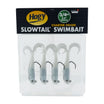
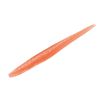

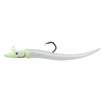
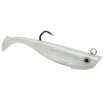



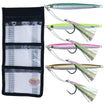
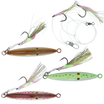
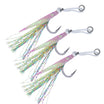
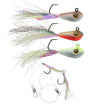
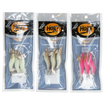
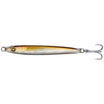
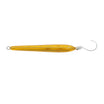
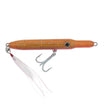

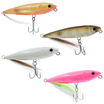
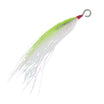
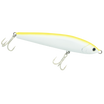
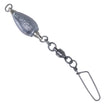
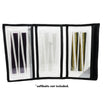
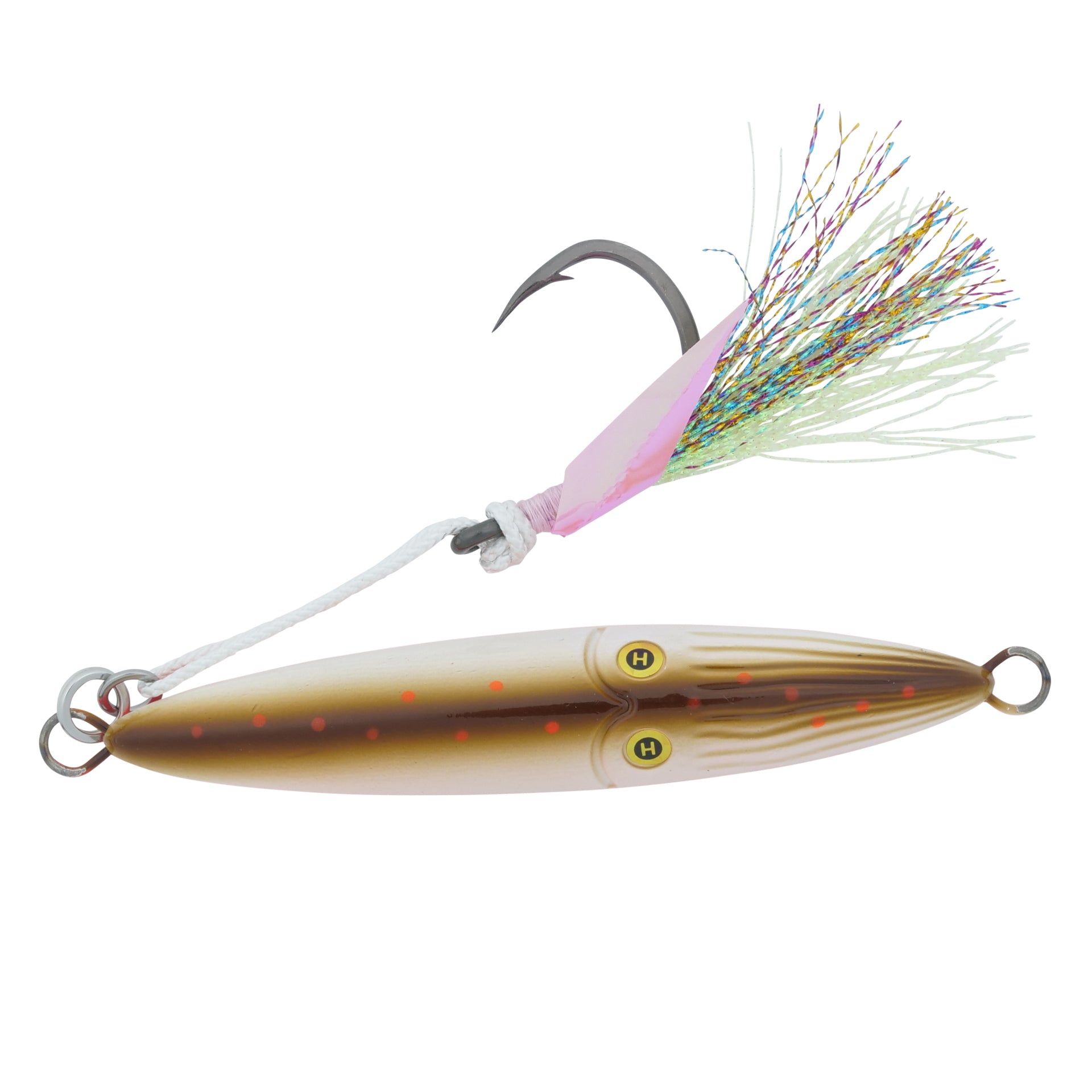
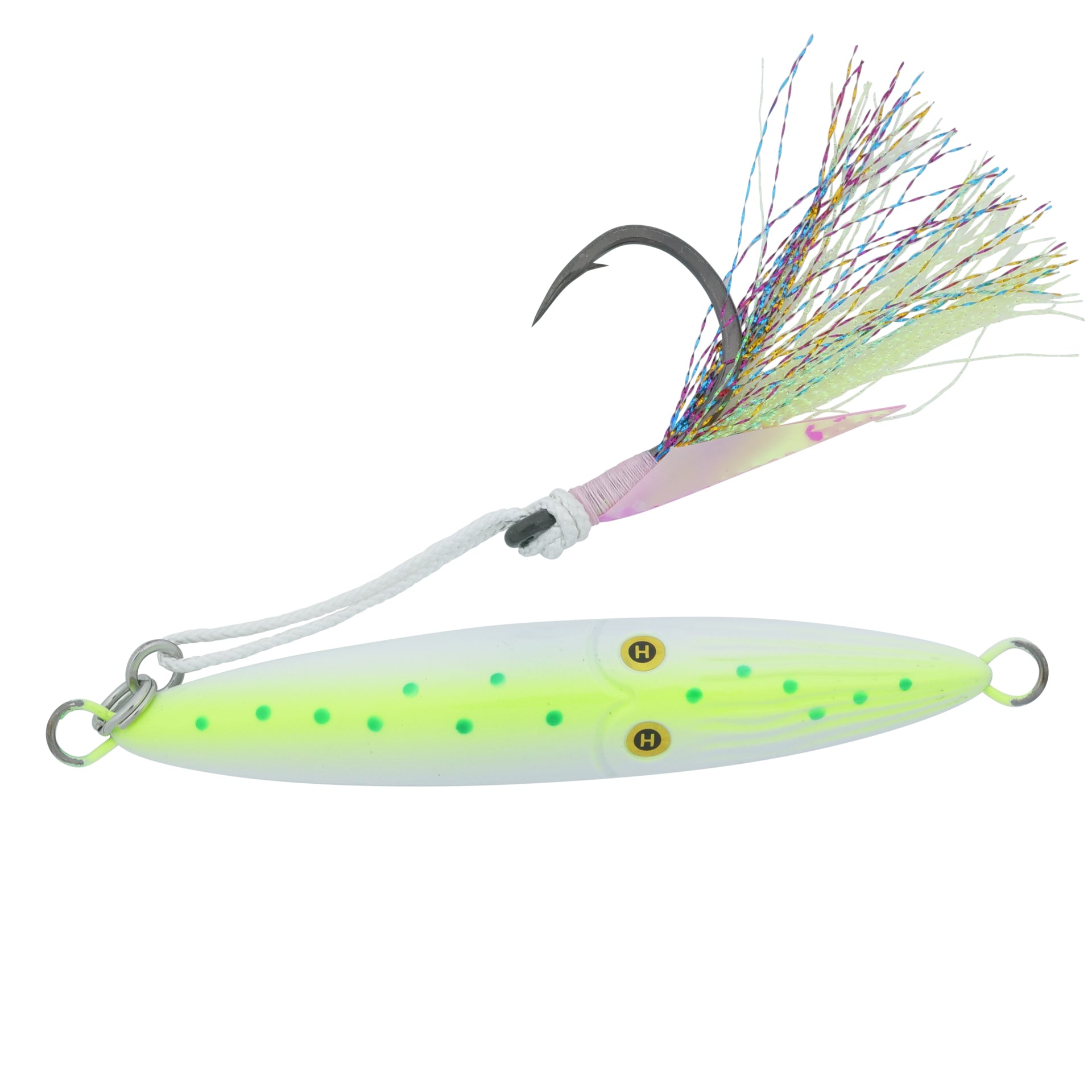
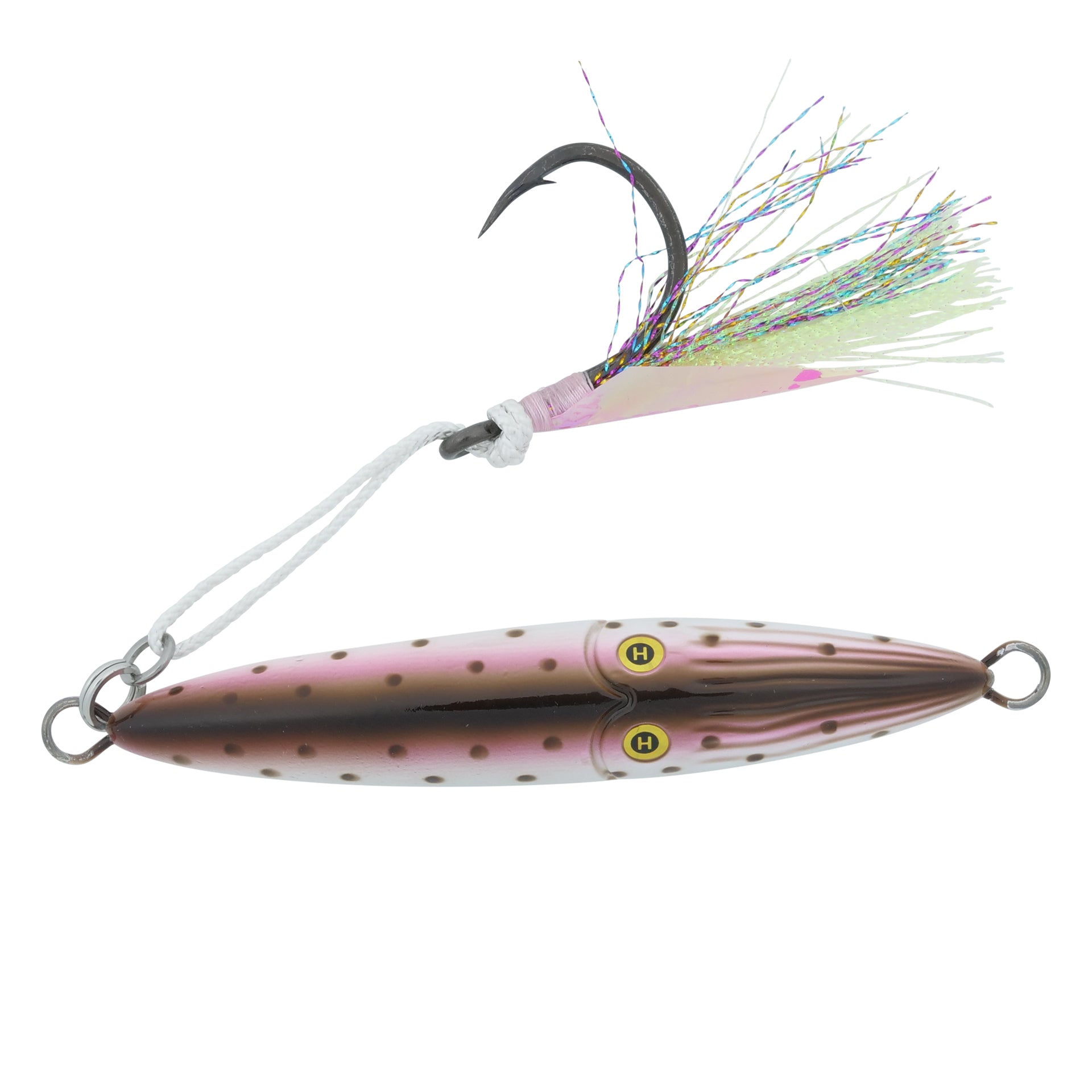
8.5oz (5.5inch) Squinnow Jig

Grade

Last

Shipping

Checkout
Product Specifications
"Controlled Flutter. Bottom Commotion. More Bites."

Description
Key Features
Retrieve & Techniques
Salty Cape System® Filters
Reviews
- DLDerek L.Verified Buyer1 month agoReviewing3.5oz (4inch) Squinnow JigRated 5 out of 5 starsLove me a squinnow
I have now switched to fishing squinnows for life. They catch fish, quickly make it to the bottom, easily castable, the paint can take a beating on the rocks, and rarely get stuck while fishing them sticky areas. Thanks for making a solid reliable product.
- CGCharles G.Verified Buyer2 months agoReviewing6.5oz (5inch) Squinnow JigRated 4 out of 5 starsGreat for North Eastern Sea bass
Went on a Porgy trip but killed the Sea bass with this jig
- EFEric F.Verified Buyer1 year agoReviewing6.5oz (5inch) Squinnow JigRated 5 out of 5 starsMemorial Day Fishing Buzzards Bay
The Sqinnow jig was the only lure my wife and I used to catch 7 different species of fish in half a day of fishing! on our boat . We caught 3 striper, 3 bluefish, 18 fluke , 8 sea bass . 1 scup, 2 sea robin and 2 pesky sand sharks. The jig withe the teaser is my new favorite!!!
- TSTimothy S.Verified Buyer1 year agoReviewing6.5oz (5inch) Squinnow JigRated 5 out of 5 starsStriper in the Bay
Excellent fish lure
- RWRafe W.Verified Buyer1 year agoReviewing1.75oz (3inch) Squinnow JigRated 5 out of 5 starsIncredible!
These are incredible for seabass, porgy, and even fluke. Well made jig that doesn't get tangled with your line like other bottom hook jigs. Also doesn't snag bottom as easily. I've enjoyed slow pitching with these jigs so much that I've neglected my other fishing methods and species. Perfect the method and you'll be hooked as well.
DOCK TALK
FAQ about fishing applications & techniques for this product.
In The Field
Related Videos
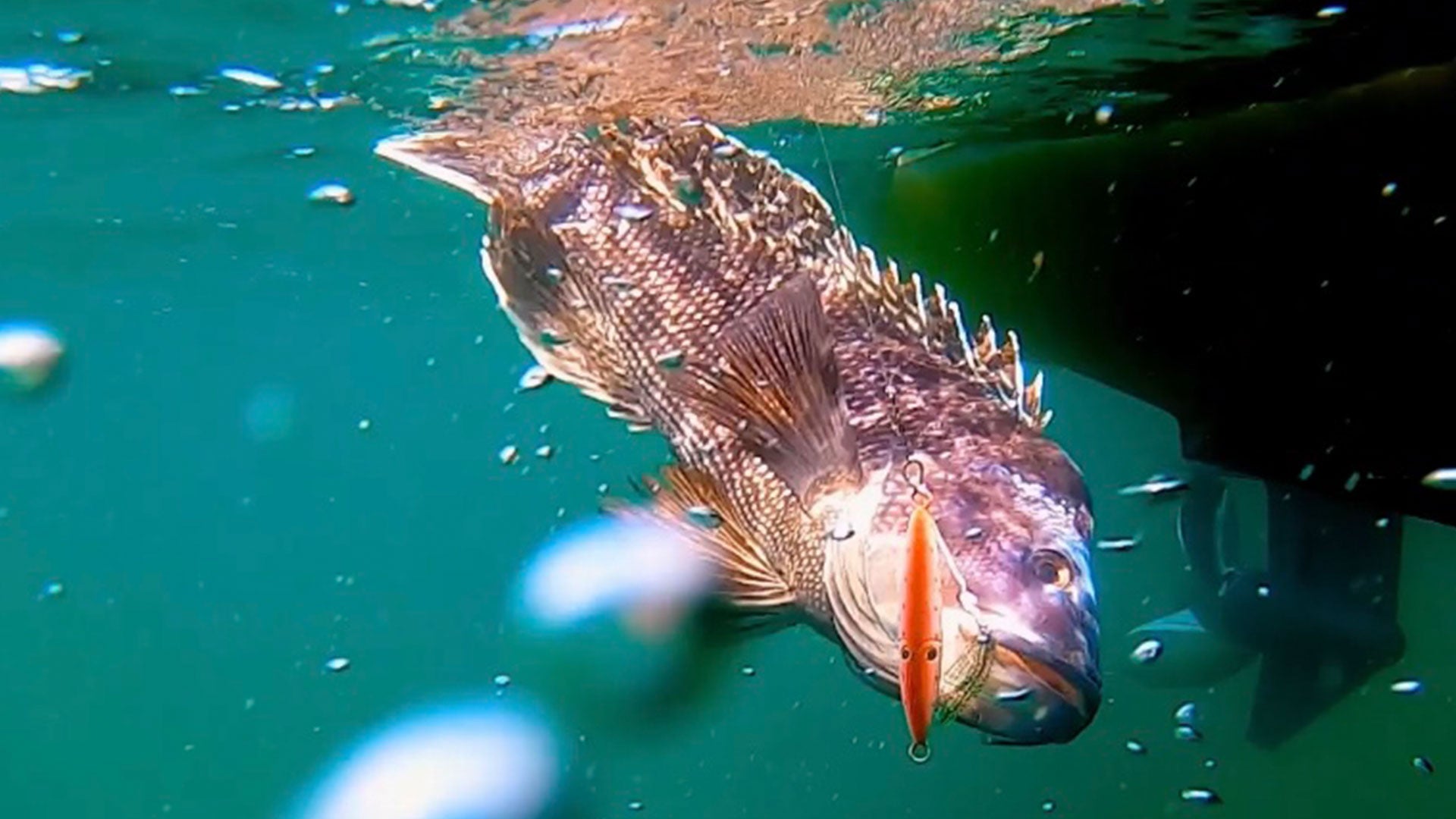
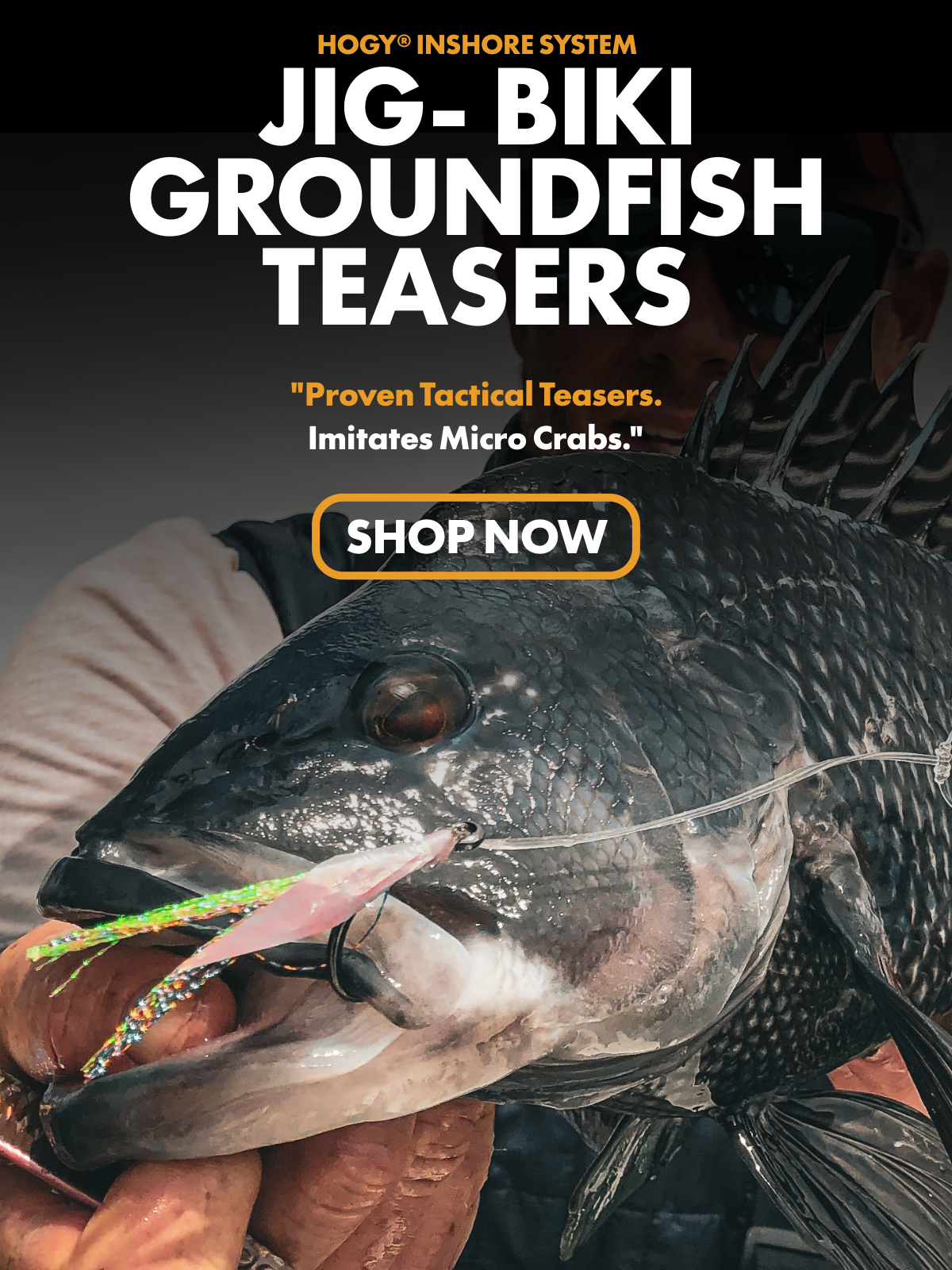
Seabass Jigging Cape Cod - Hogy Squinnow Jigs + Jig Biki
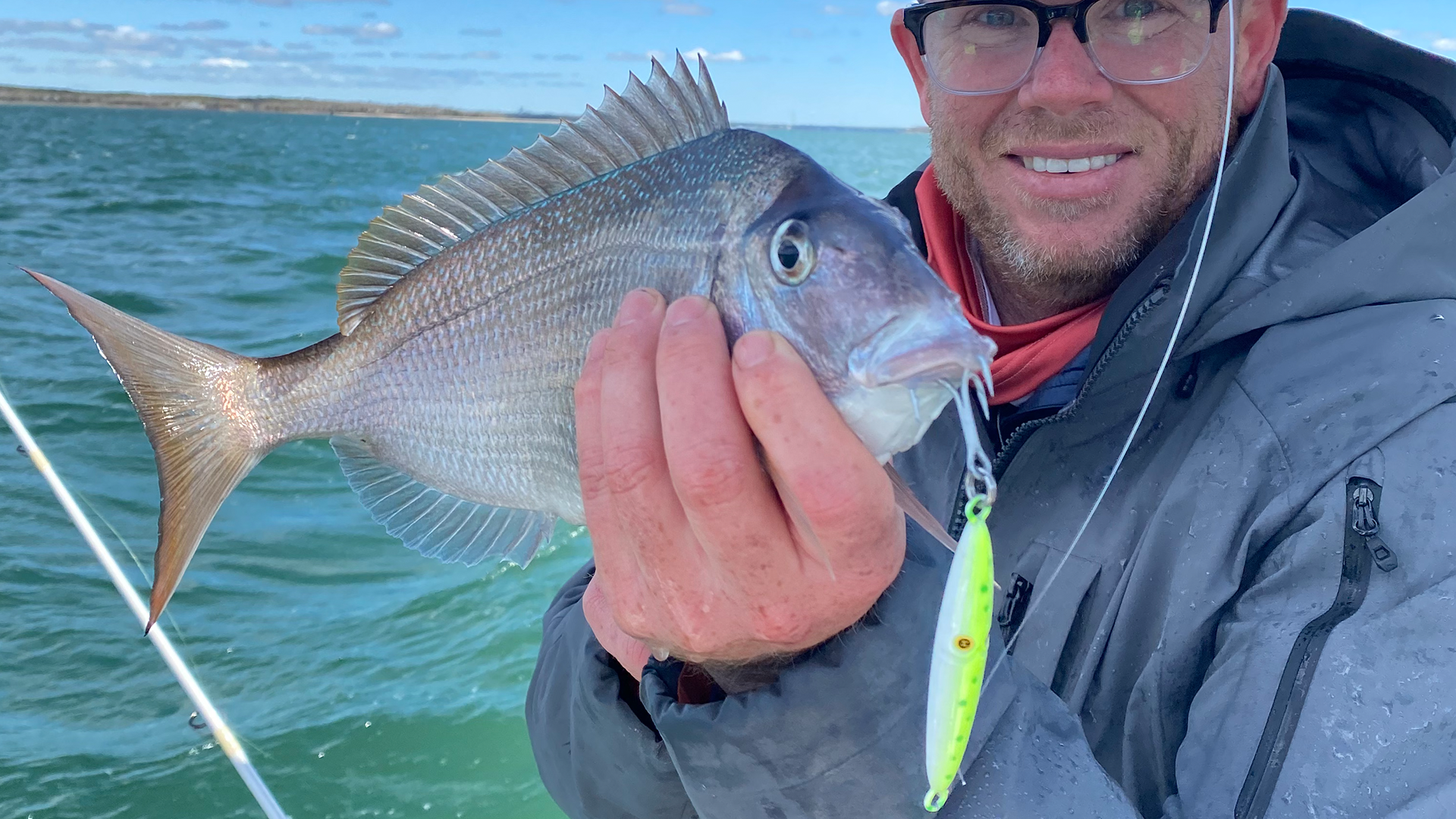
Cape Cod Sea Bass | Porgy Jigging with Squinnow Jig