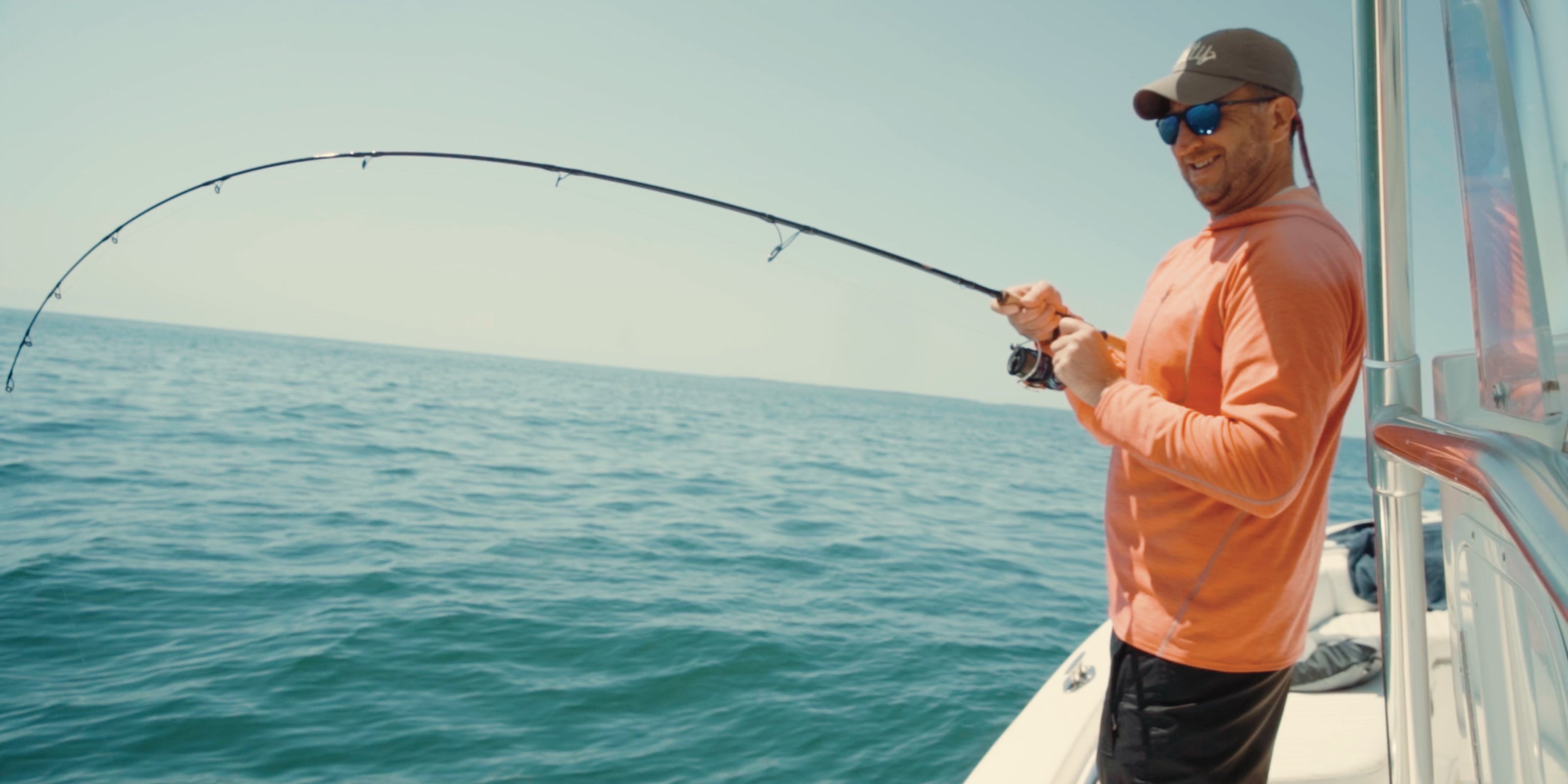
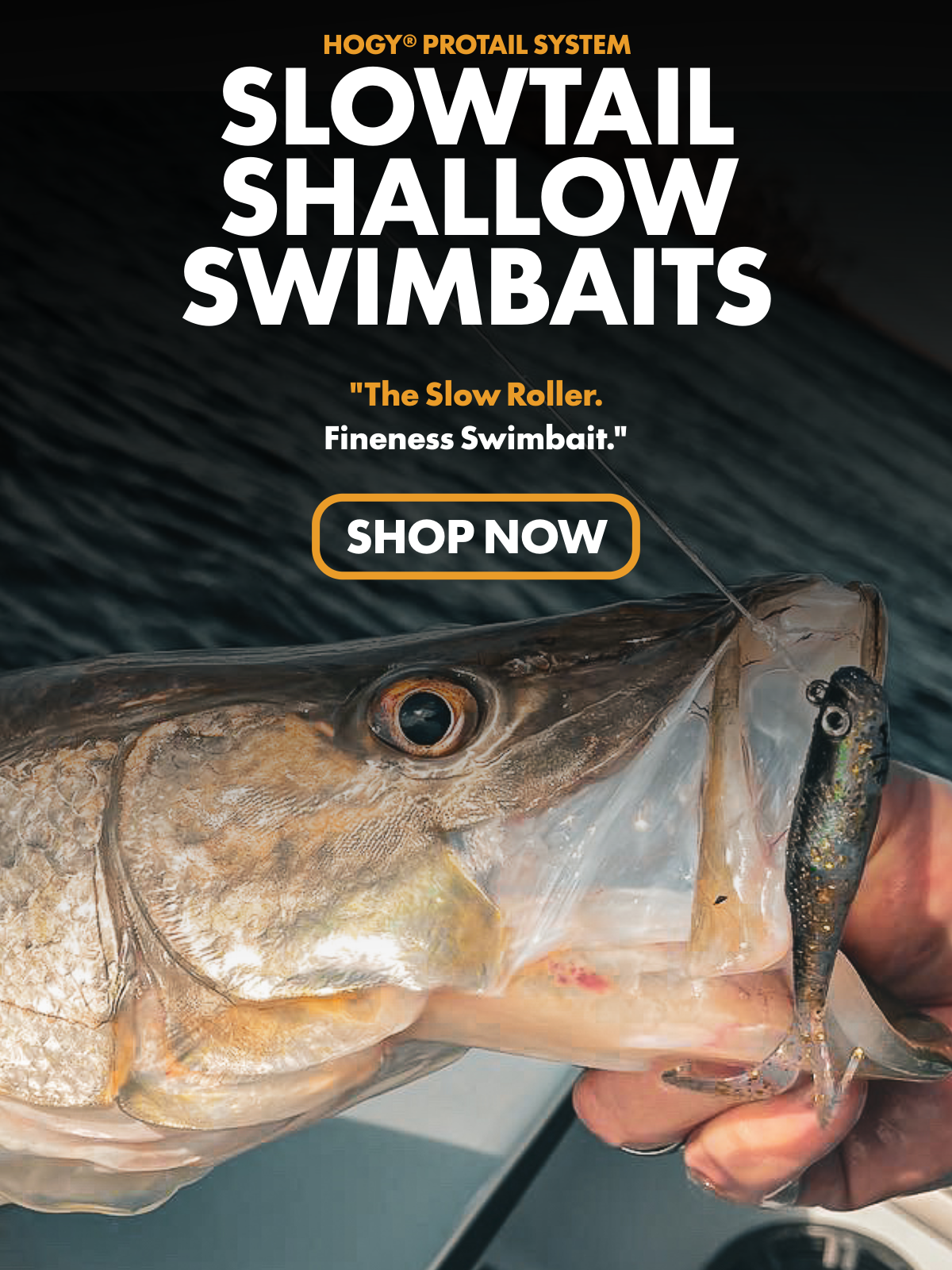







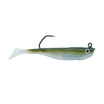
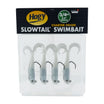
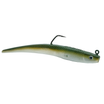
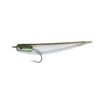
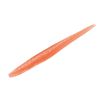

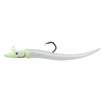
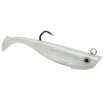


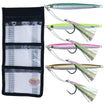
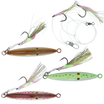
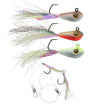
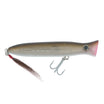
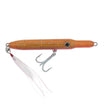
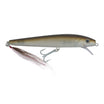

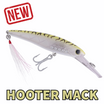
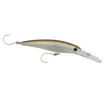
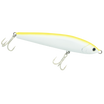
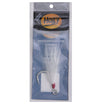
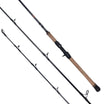
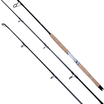
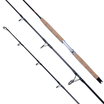
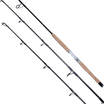
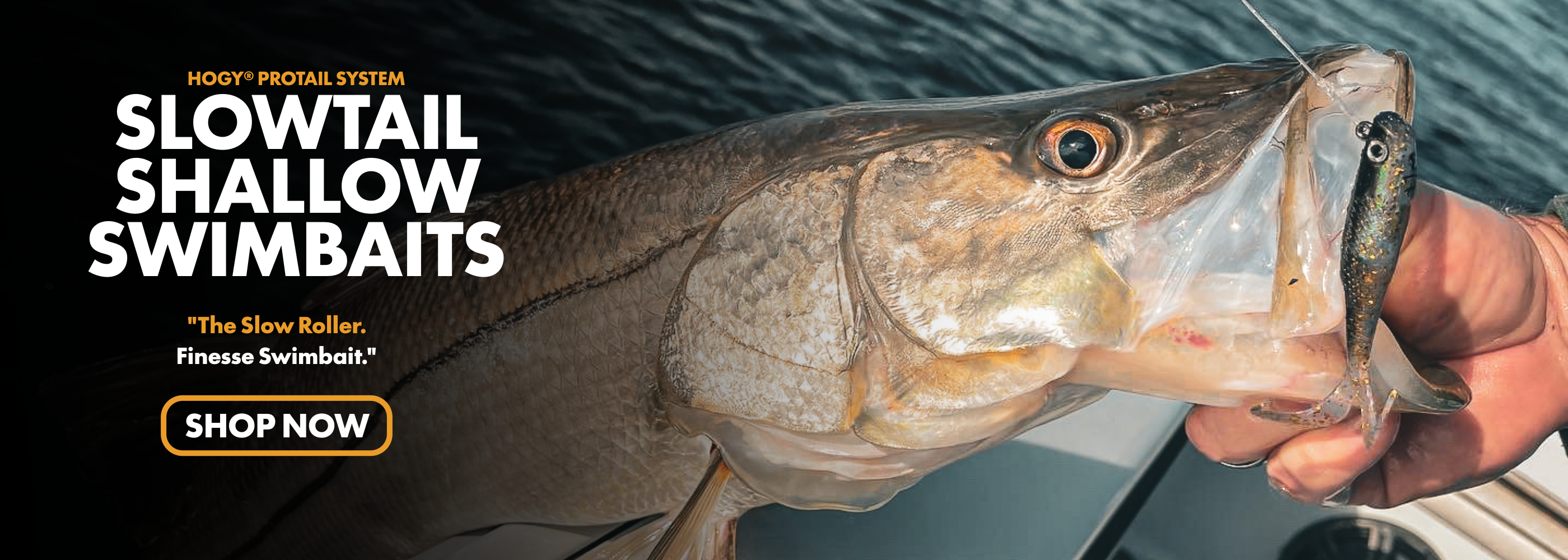
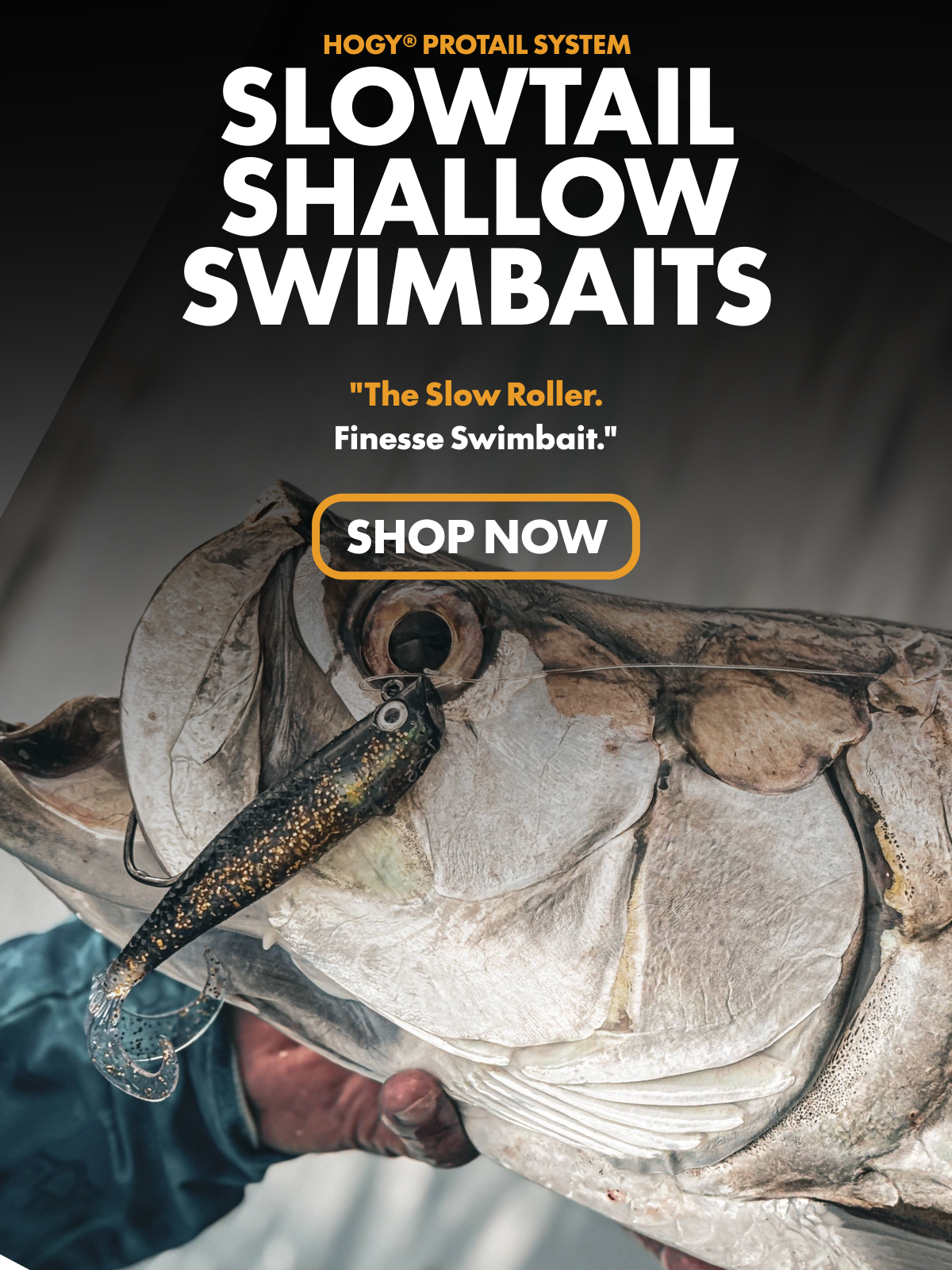
Built for trophy inshore and light tackle offshore species. Checkout the Slowtail Swimbait overview with Capt. Ross Gallagher
Watch Video
"The Code Breaker. Small bait. Big fish."
The Hogy Slowtail Swimbait:
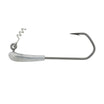
The Slowtail is the most underrated lure in the Hogy system and the code breaker for guides who need a subtle option when everything else fails. Twin tails flutter at zero speed — on the fall, on the drift, on the slowest crawl. Pre-rigged in three sizes: 3.5” (¾ oz), 4.5” (1 oz), and 5.5” (1¼ oz) with labeled chin weights for instant selection.
Micro-Forage Profile: The Slowtail fills the finesse and micro-forage niche that traditional paddles and stickbaits cannot reach. Its compact profile across three sizes — 3.5”, 4.5”, and 5.5” — matches the smallest prey layers that big predators feed on when they’re not chasing baitfish: shrimp, krill, crabs, glass minnows, juvenile pilchards. In the tropics, this is the bread-and-butter forage year-round. In the Northeast, it’s the early-season and tough-bite answer.
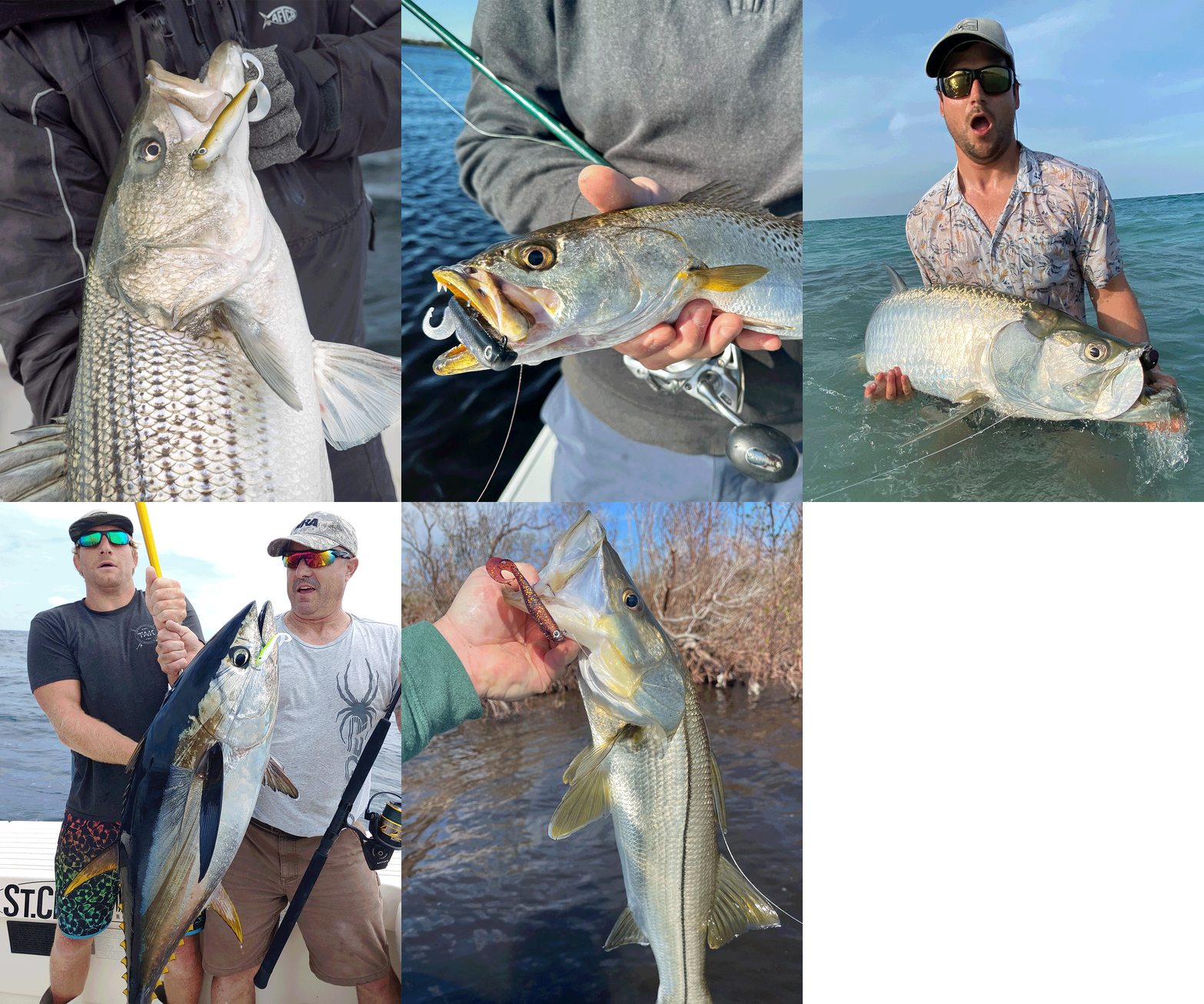
Twin-Tail Flutter — Action at Zero Speed: The defining feature. Two soft tails produce a delicate, low-frequency flutter that stays alive with almost no forward speed — on the fall, on a dead drift, on the slowest possible crawl. Where a paddle tail needs forward motion to kick, the Slowtail’s twin fins pulse and shimmer with nothing more than gravity or current. This is what makes it lethal for dock snook (they eat it dropping past pilings), bridge tarpon (they inhale it drifting through the shadow line), and pressured stripers (they commit because it doesn’t overdrive the zone).
The Fall Is the Presentation: Most softbaits are designed to be retrieved. The Slowtail is designed to fall. The twin tails continue fluttering as the bait descends, keeping fish engaged throughout the entire drop. This is critical around vertical structure — seawalls, dock pilings, bridge abutments, rock fingers — where snook, tarpon, and stripers stage at specific depths and eat whatever drifts past at the right level. Cast tight, let it fall, and the twin tails do the selling on the way down.



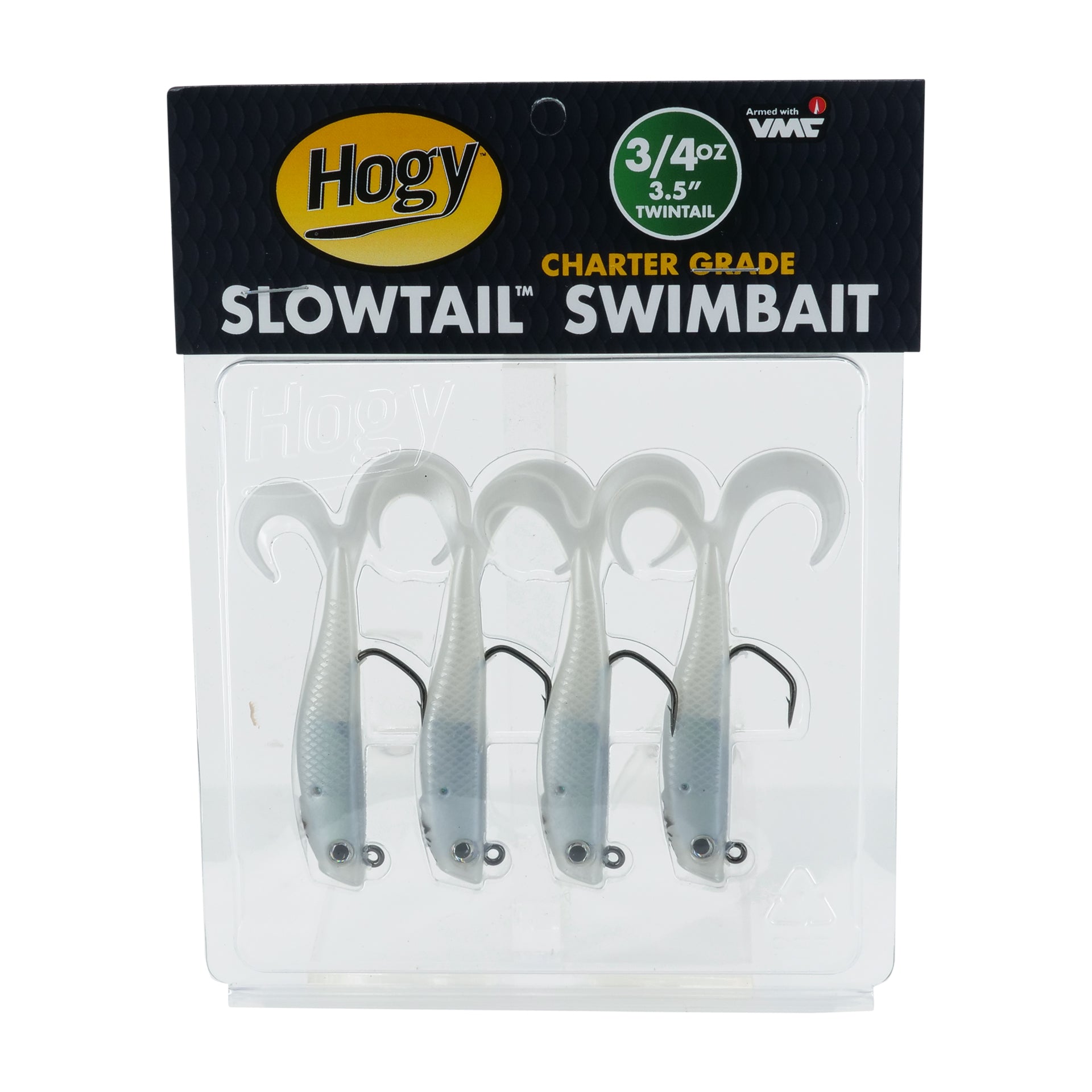
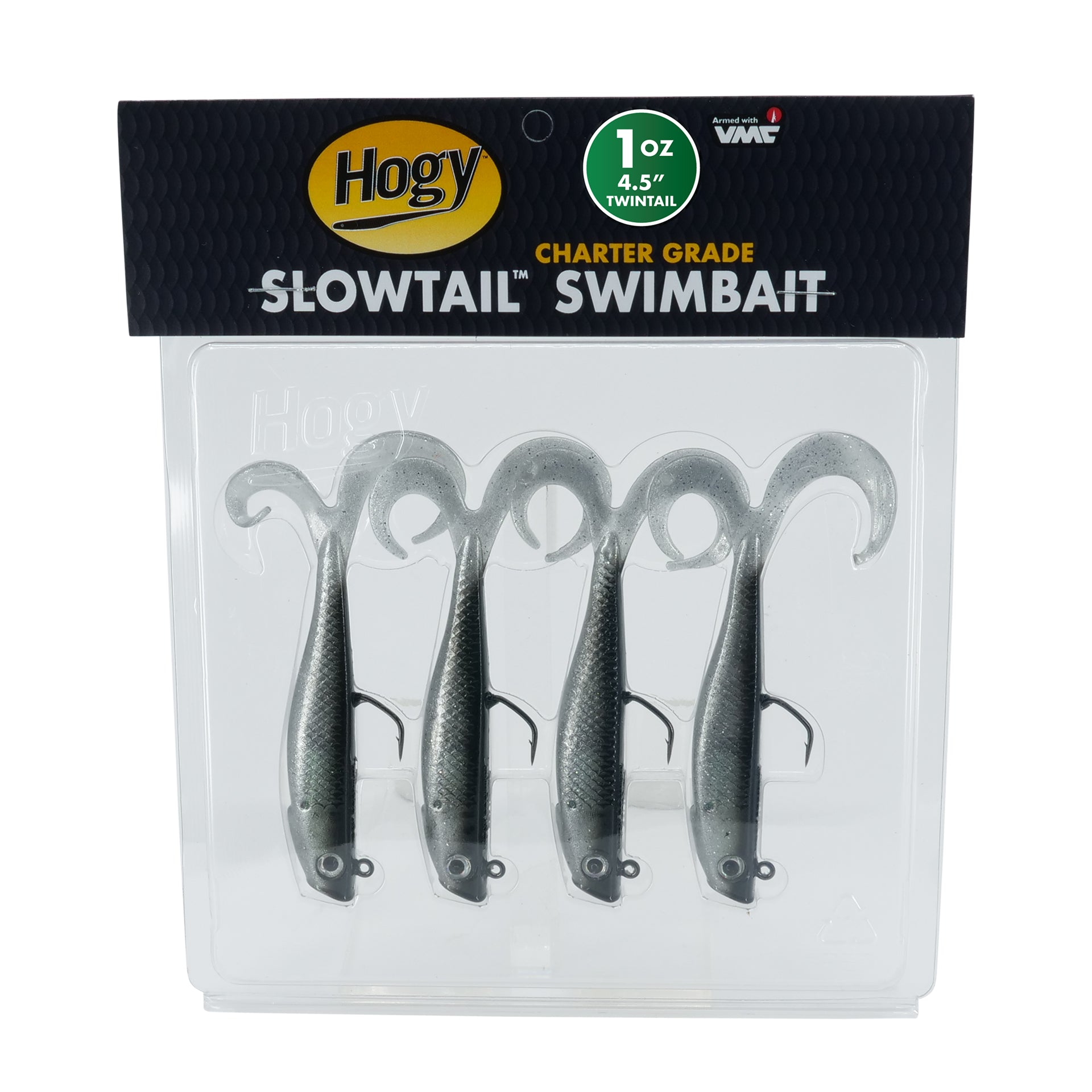
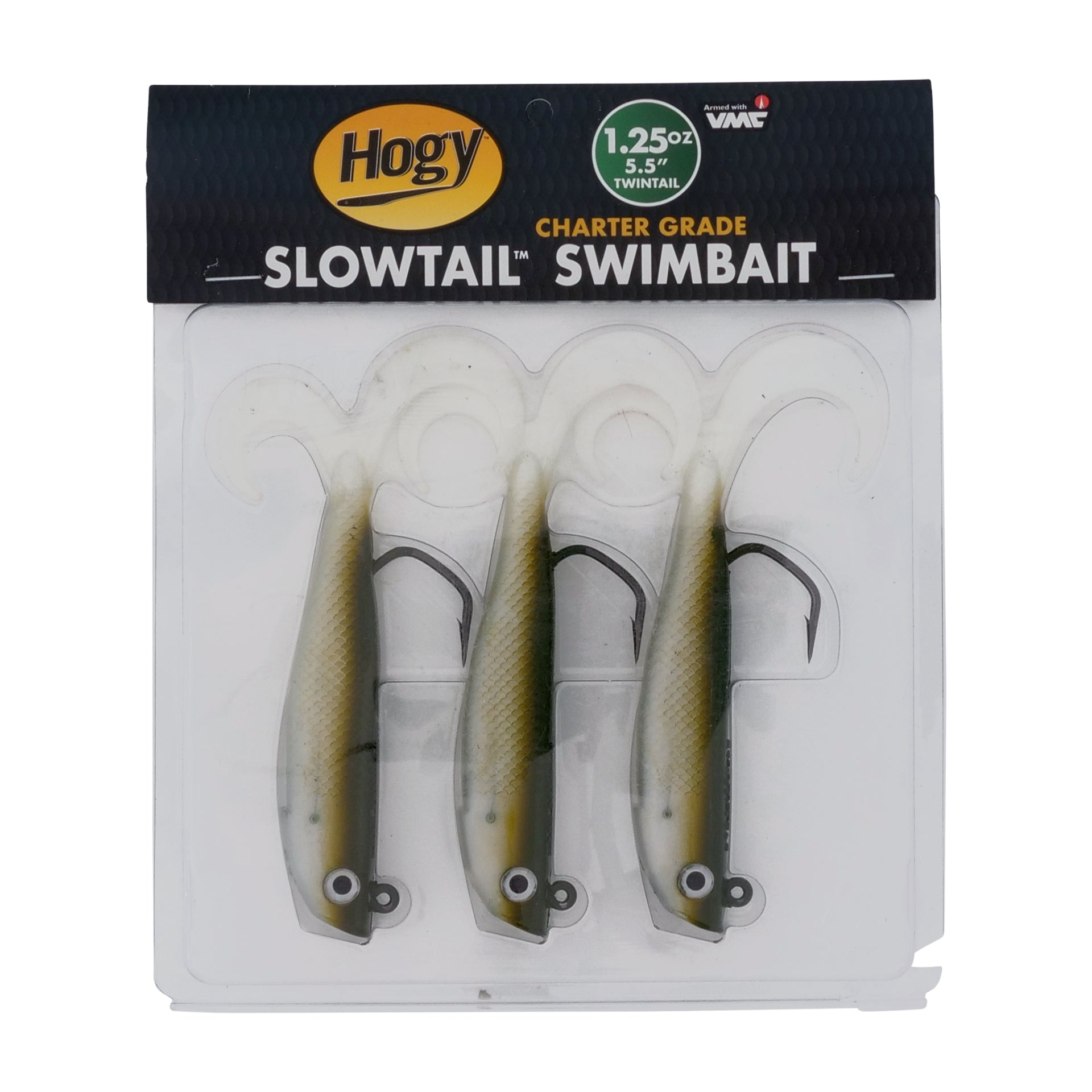
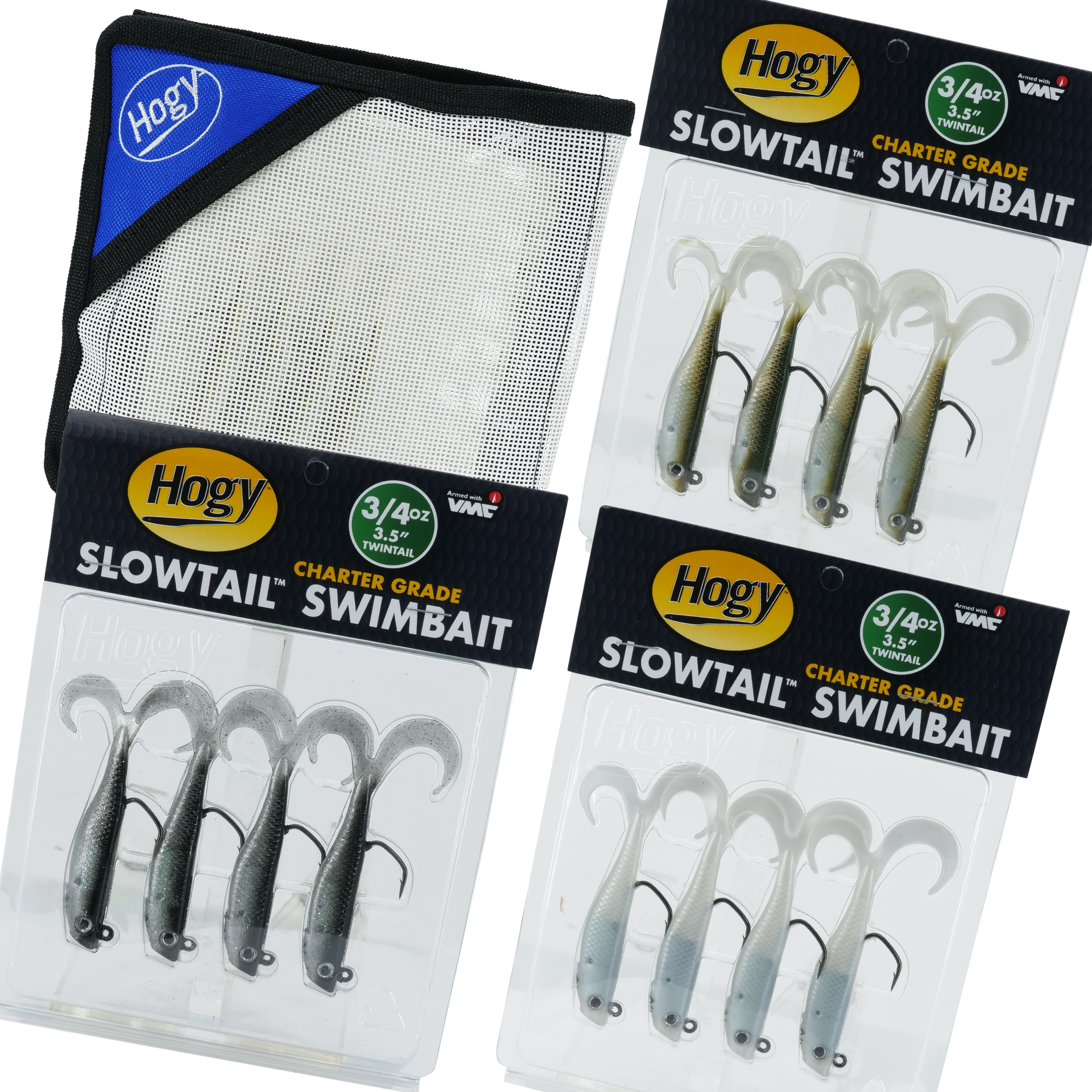
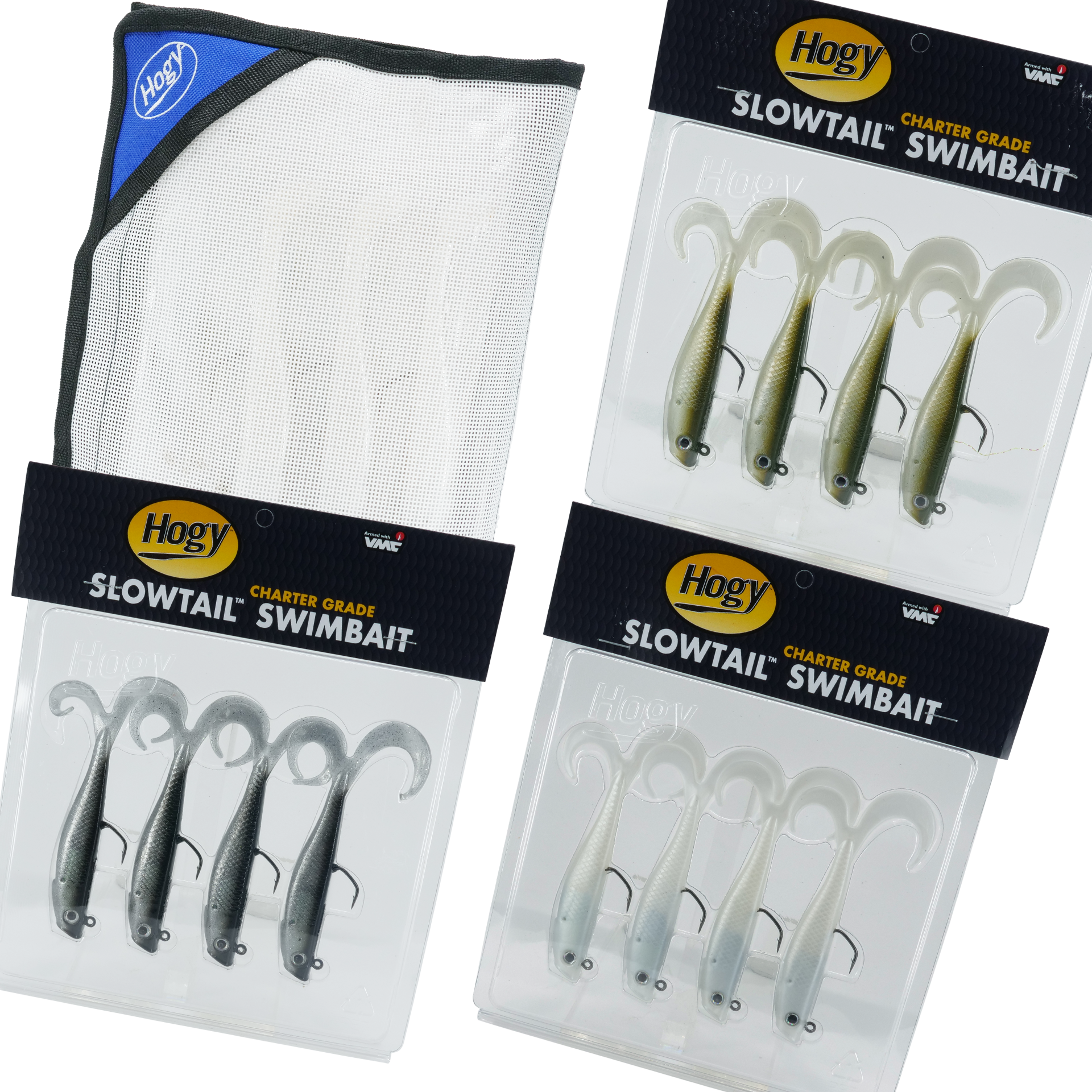
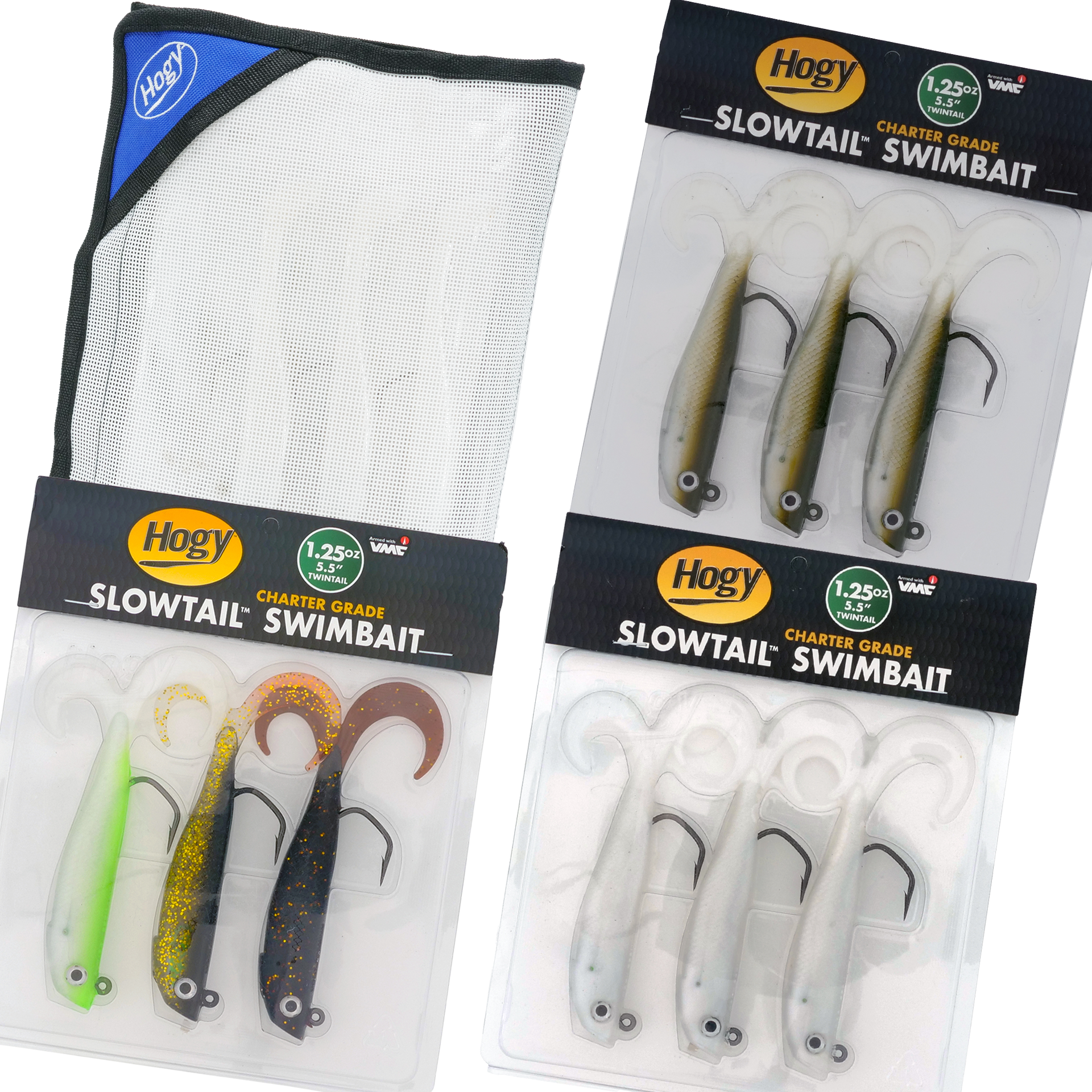
“I bought this lure for shallow water fishing and the action and build to the lure is very impressive. The hook is razor sharp and the casting distances is phenomenal. I will definitely be getting more from Hogy! - Hogy Customer Jacob M.
DOCK TALK
Quick answers for most commonly asked questions about the Slowtail Swimbait and fishing applications.
Why is the Slowtail so underrated?
How is it different from the Protail Paddle?
Can I really catch tarpon on a 4.5” softbait?
When should I NOT use the Slowtail?
SALTY CAPE SYSTEM
How to fish the Slowtail Swimbait and fishing applications.
Environmental Factors (E):
- Flat calm + clear water: Natural flutter creates presence without flash or noise. The defining Slowtail scenario — glass-calm flats, gin-clear docks, still backwaters.
- Light wind or slack current: Tail kicks with almost no water pressure. Stays alive when everything else goes dead. Slack-tide dock fishing is prime time.
- Ultra-shallow water (< 1 ft): Keeps swimming even when crawling over sand, mud, eelgrass, or turtle grass. Doesn’t bottom out like heavier swimbaits.
- Night / lit structure: Twin tails pulse and shimmer under dock lights and bridge lights. The subtle movement registers against the light column without overdoing it.
Observational Factors — BASE:
- Micro bait visible (glass minnows, small pilchards, juvenile shrimp): The 3.5” matches the forage size that paddles and plugs overshoot.
- Shrimp popping on the surface: Slowtail on a dead drift or glide-and-pause mimics a shrimp falling back down. Snook and seatrout key on this.
- No visible bait but fish are present: Subtle search tool for flats, backwaters, and structure edges where fish are feeding on micro-forage you can’t see.
- Bait hugging structure (pilings, mangrove roots, seawalls): Cast tight, let the Slowtail fall past the shadow line. The flutter on the drop triggers ambush predators.
A — Activity / Feeding Style:
- Following but not eating: The Slowtail’s subtle twin-tail swim gives fish time to inspect and still commit. The pause is the trigger.
- Nose-down feeding behavior: Fish rooting along bottom, nosing through sand or grass. Slow-and-Low crawl matches their mood.
- Post-blitz shutdown: Fish pushed down after a surface feed. Kerplunk-and-Pulse drops into their zone with a natural entry.
- Refusing everything: The nuclear finesse option. If they won’t eat the paddle, the eel, or the stickbait, they’ll eat this.
- Rolling/cruising (tarpon): Dead drift through the roll zone. Don’t retrieve. Let the current deliver.
S — Structure (Relation):
- Pinned to structure (dock pilings, seawalls, bridge abutments, rock fingers): Cast tight, let it fall. The twin tails flutter on the drop. This is the snook presentation.
- Suspended mid-column: Count down to their depth, then glide-and-pause at their level. The Slowtail hangs in the zone longer than any other softbait.
- Bottom-hugging: Crawl it across sand, grass, or mud. Still looks alive at zero speed over eelgrass, turtle grass, and oyster beds.
- Holding in current (passes, bridge shadows, rip seams, inlet mouths): Dead drift through. Fish the swing. Let the bait act like stunned forage swept by tide.
E — Echo / Sonar:
- Marks at specific depth around structure: Count the Slowtail down to match. The labeled chin weight makes depth control predictable.
- Marks mid-column, not on bottom: Suspended fish. Glide-and-Pause at their depth, or dead drift through.
- Fish following the lure on screen: Stop. Let it hang. The twin tails keep pulsing at zero speed while the fish decides.
Structure + Approach (S+A):
- Docks, seawalls, pilings: Cast tight, let it fall parallel to the structure. Count it down past shadow lines and ambush zones. Snook, tarpon, and stripers all stage here.
- Mangrove edges / marsh drains: Swim it slow along root lines and outflow seams. The ultra-subtle presentation won’t blow out fish staging in inches of water.
- Bridge shadows and passes: Dead drift through the shadow line on current. Tarpon eat shrimp exactly this way. The Slowtail replicates it on artificial.
- Ultra-skinny flats: Crawl it across inches of water over mud, sand, eelgrass, or turtle grass. Still looks alive at speeds that would kill a paddle tail.
- Estuaries + backwaters: Swim it slow along drains, creeks, and grass edges. Fan-cast to cover water with the ¾ oz or reach structure with the 1¼ oz.
- Eddies + tidal pockets: Drop and hover in soft seams where subtle presentation is key. The Slowtail suspends in micro-current zones that flush other baits through too fast.
- Holding in current (passes, bridge shadows, rip seams, inlet mouths): Dead drift through. Fish the swing. Let the bait act like stunned forage swept by tide.
TIPS & TECHNIQUE
PROTAIL SLOWTAIL SWIMBAITS
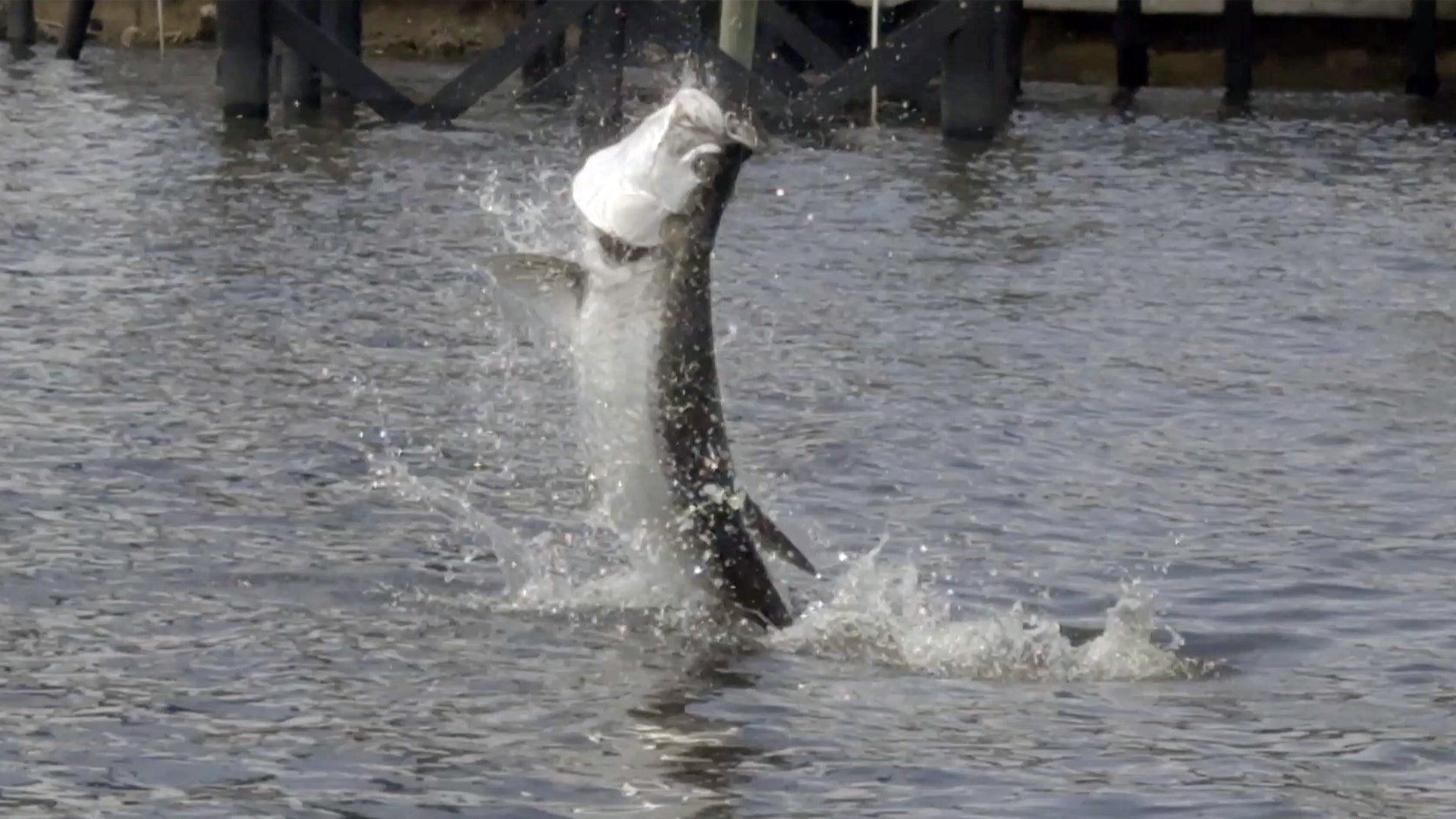
Small Swimbaits for Big Canal Tarpon
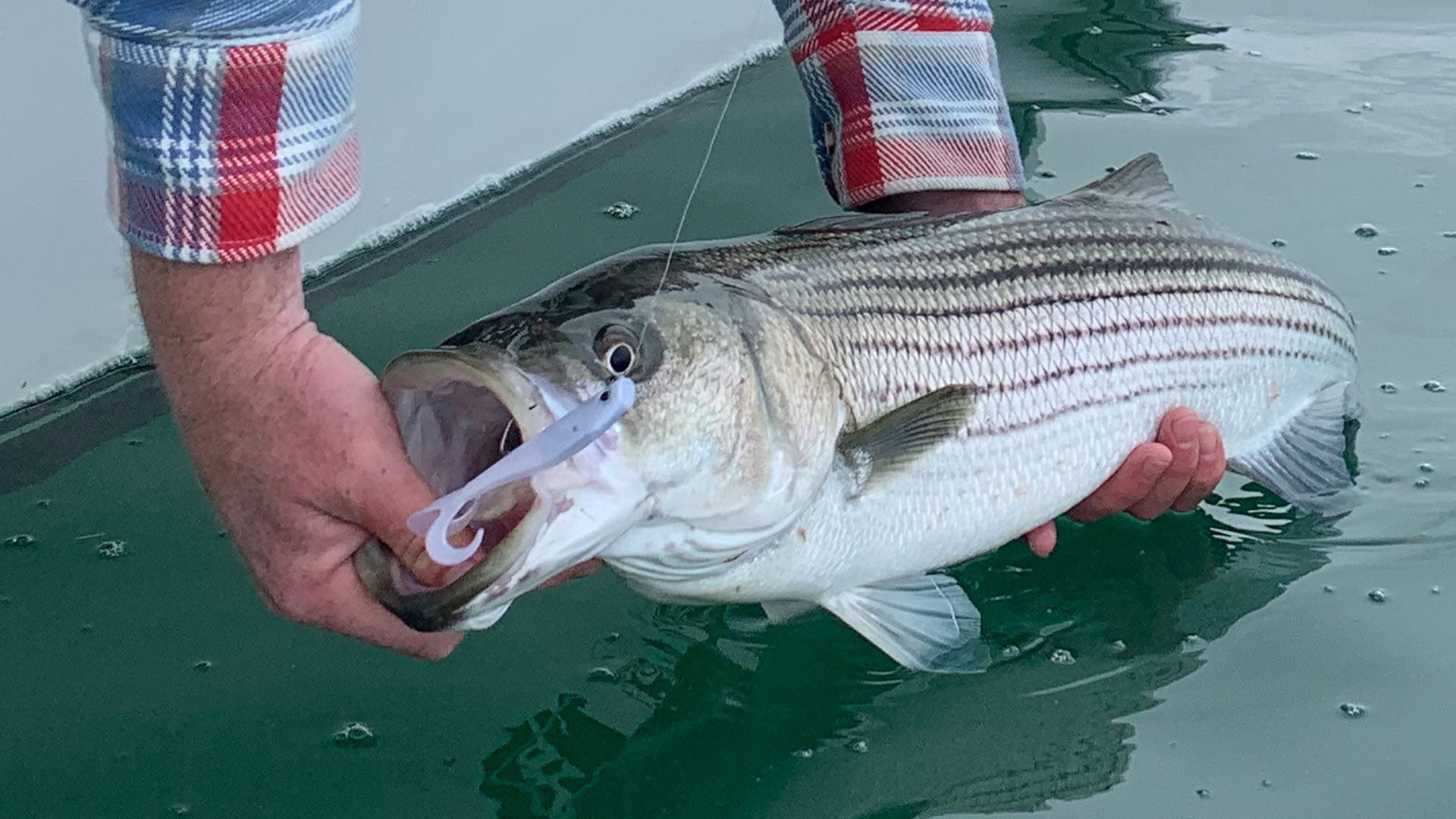
Spring Stripers | Hogy Slow Tails | Cast + Drop
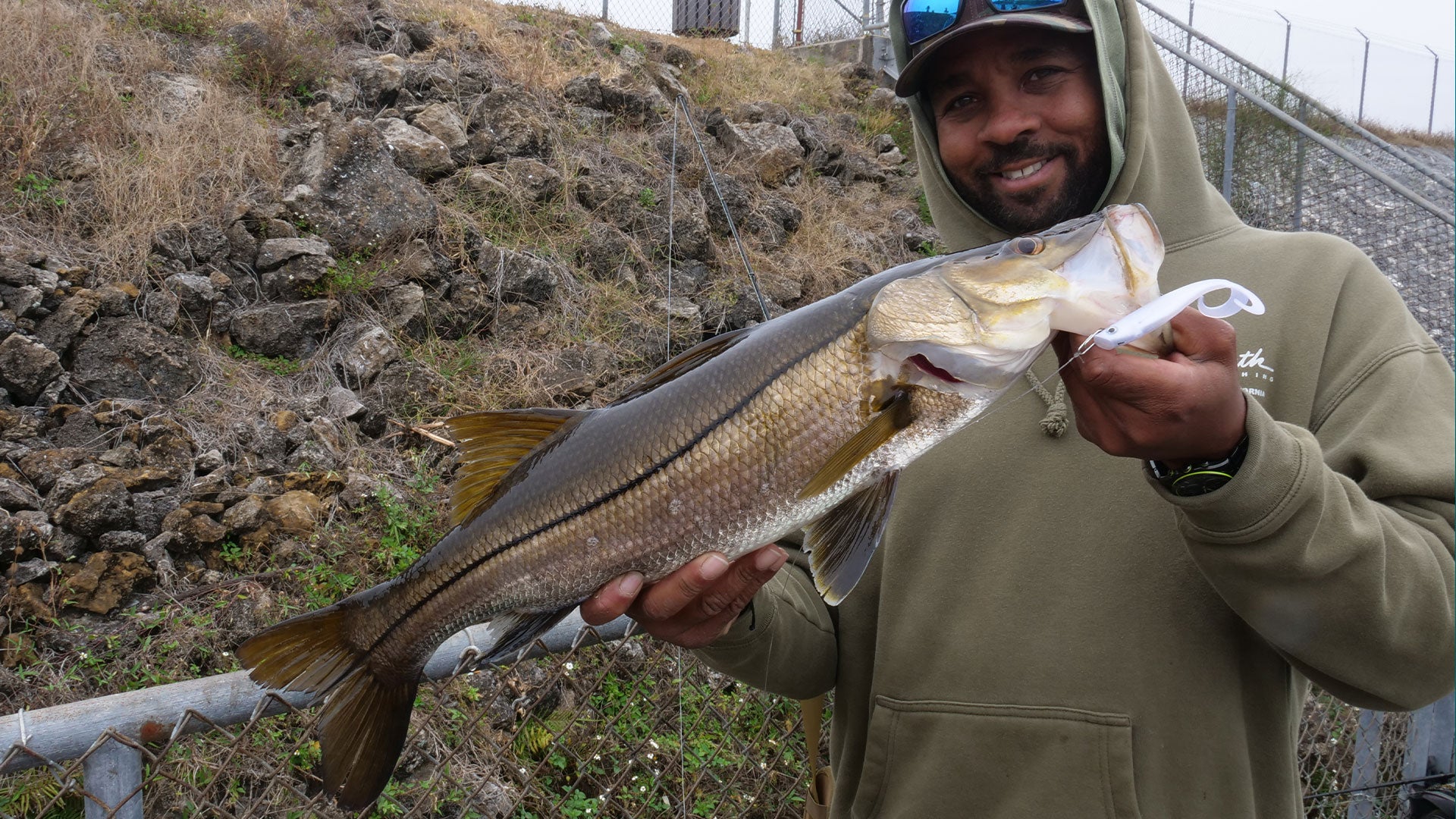
How To: Swinging Swimbaits In The Current For Spillway Snook
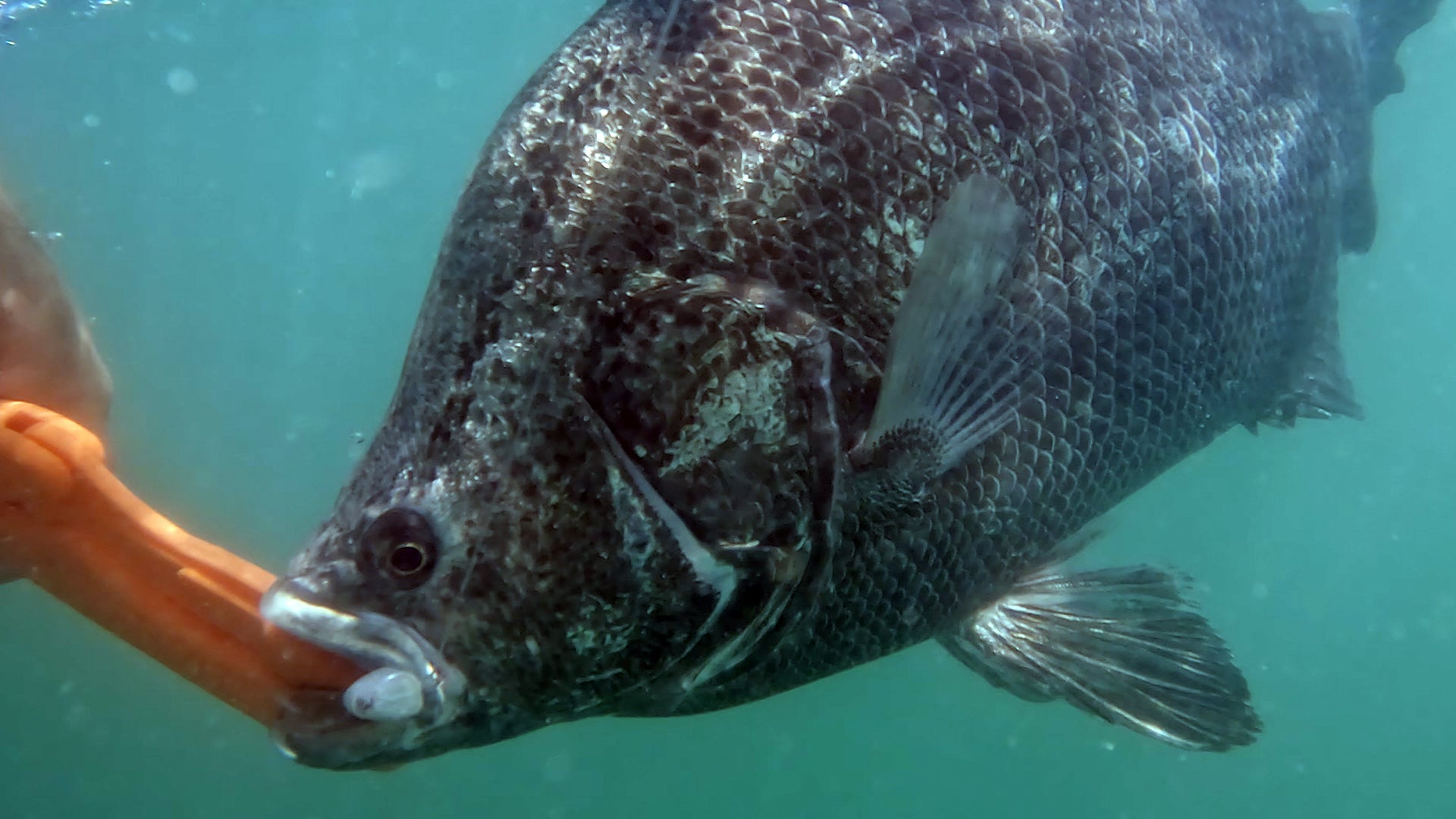
Sight Casting Tripletail with Slowtail Swimbaits
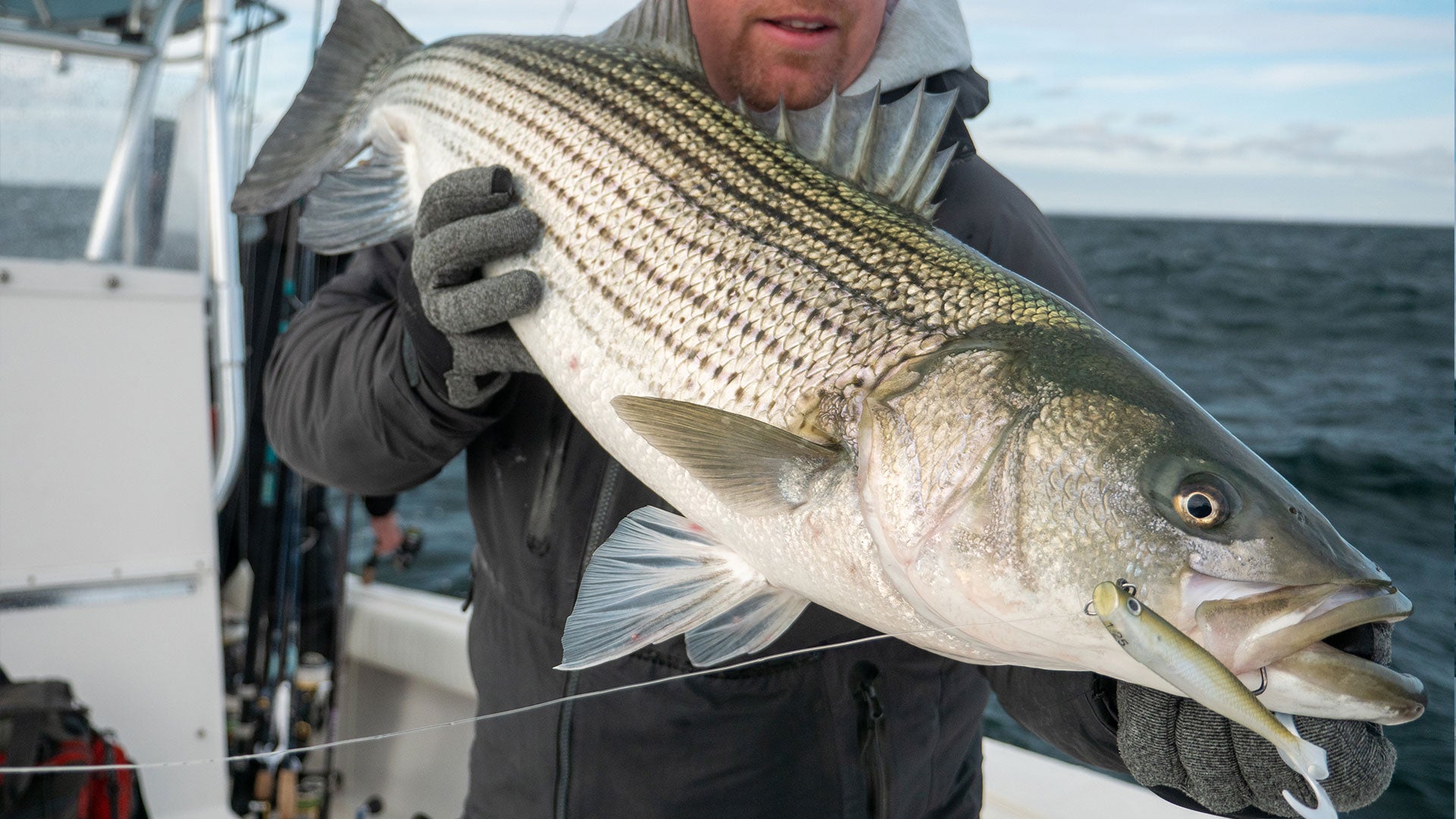
How To: Slowtails For Finicky Surface Sipping Stripers
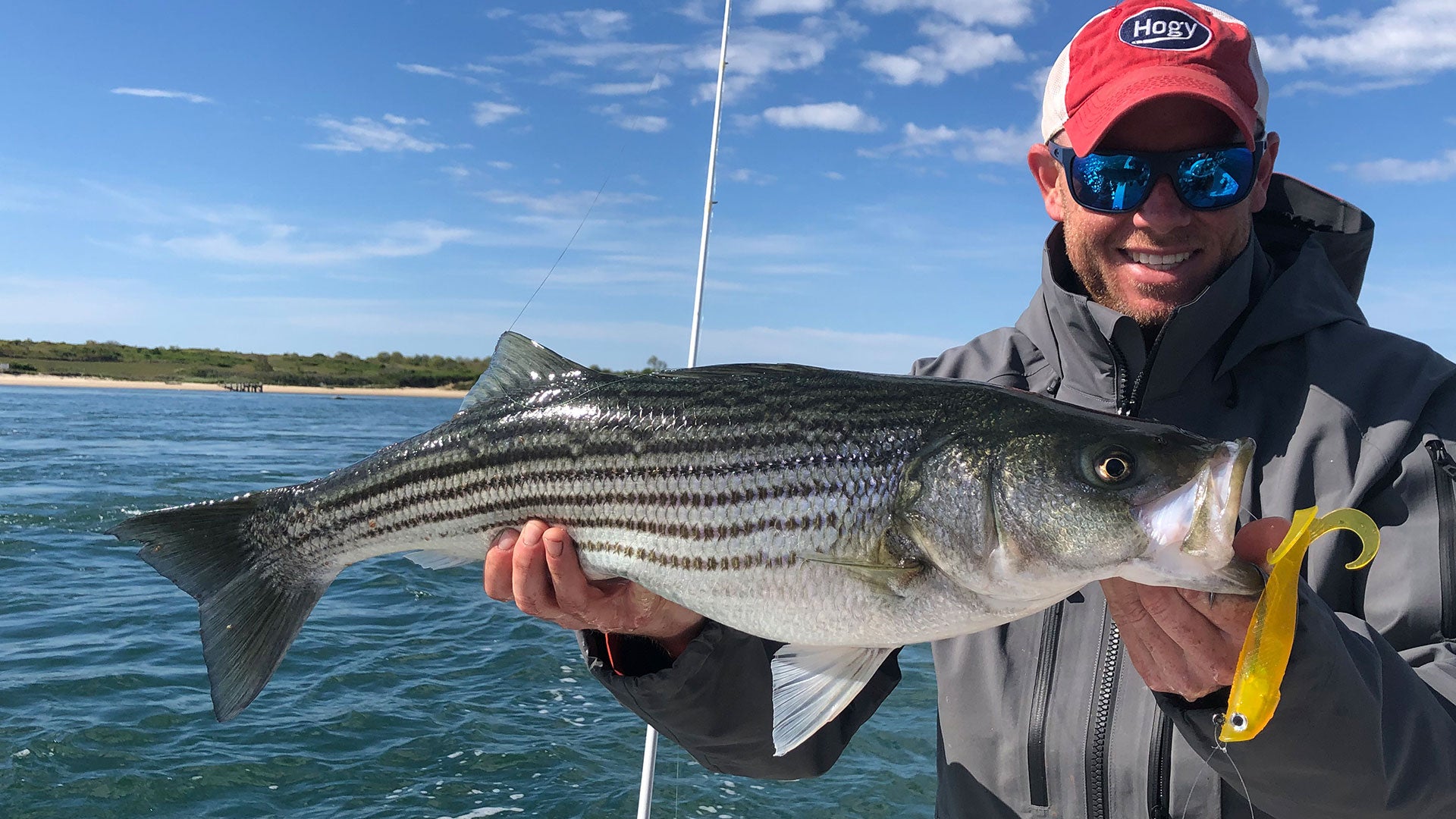
Dead Drifting Slowtails For Stripers
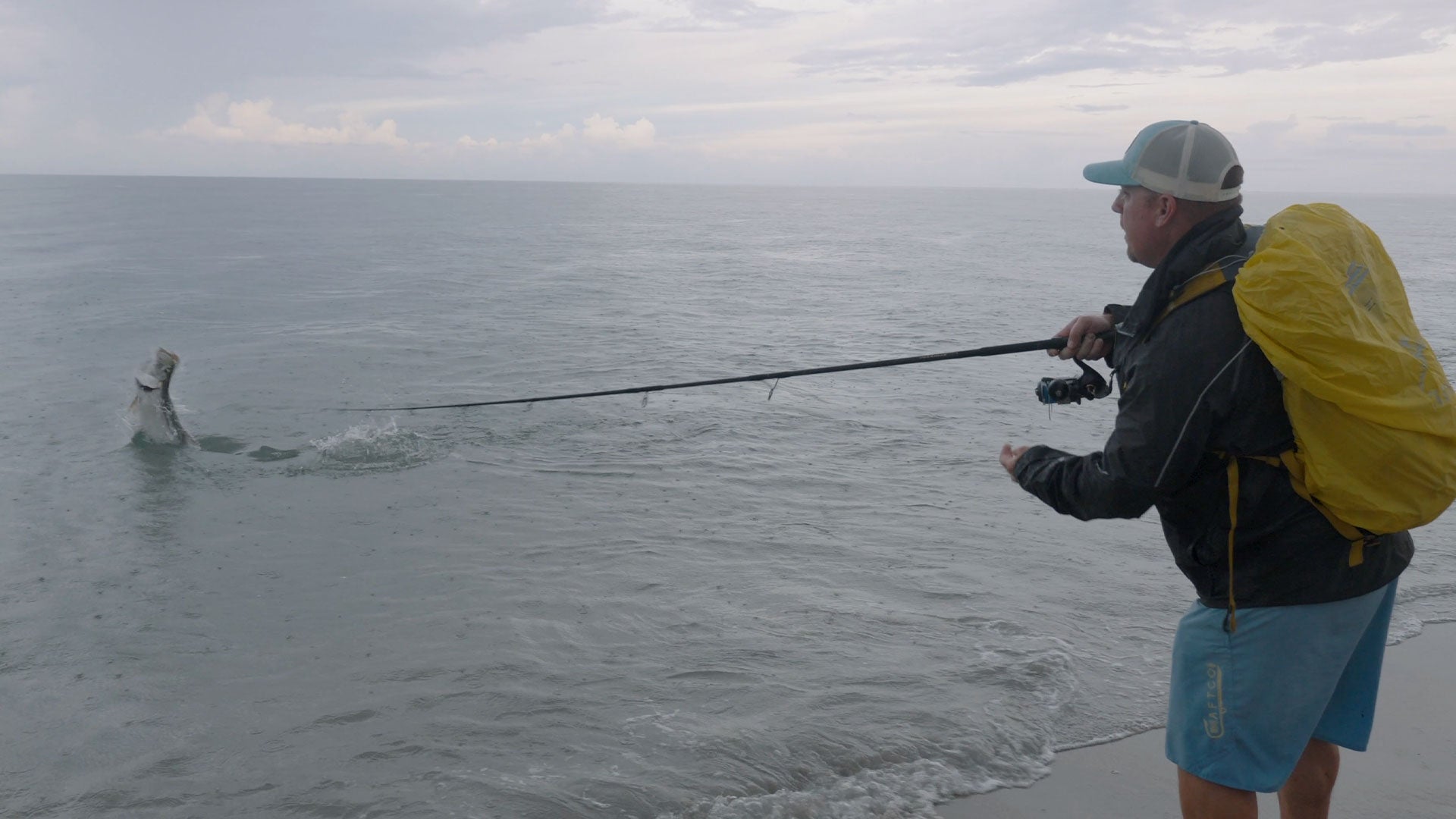
Landbased Tarpon Fishing The Minnow Run With Hogy Lures
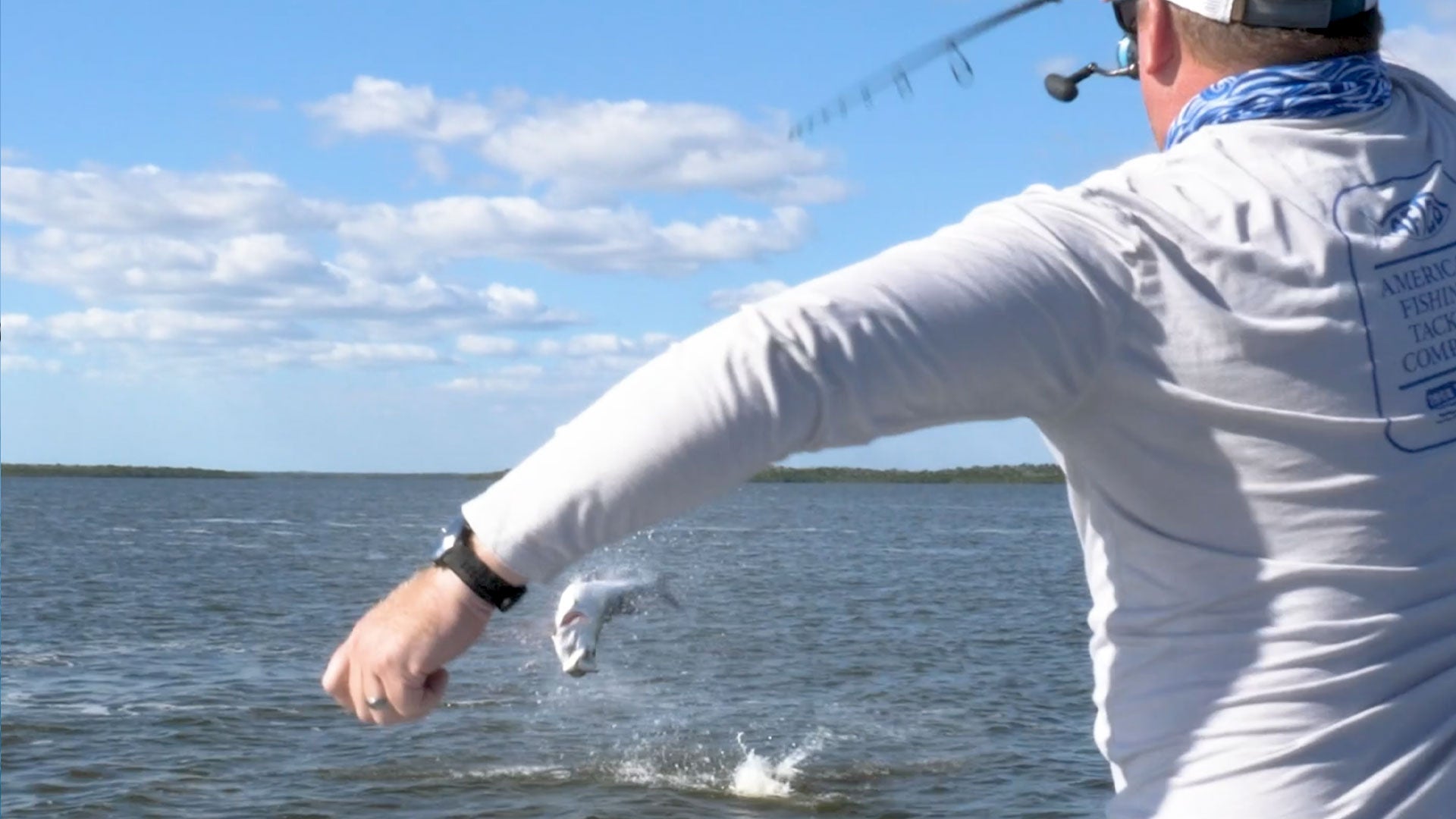
Everglades Winter Tarpon Fishing With Hogy Lures
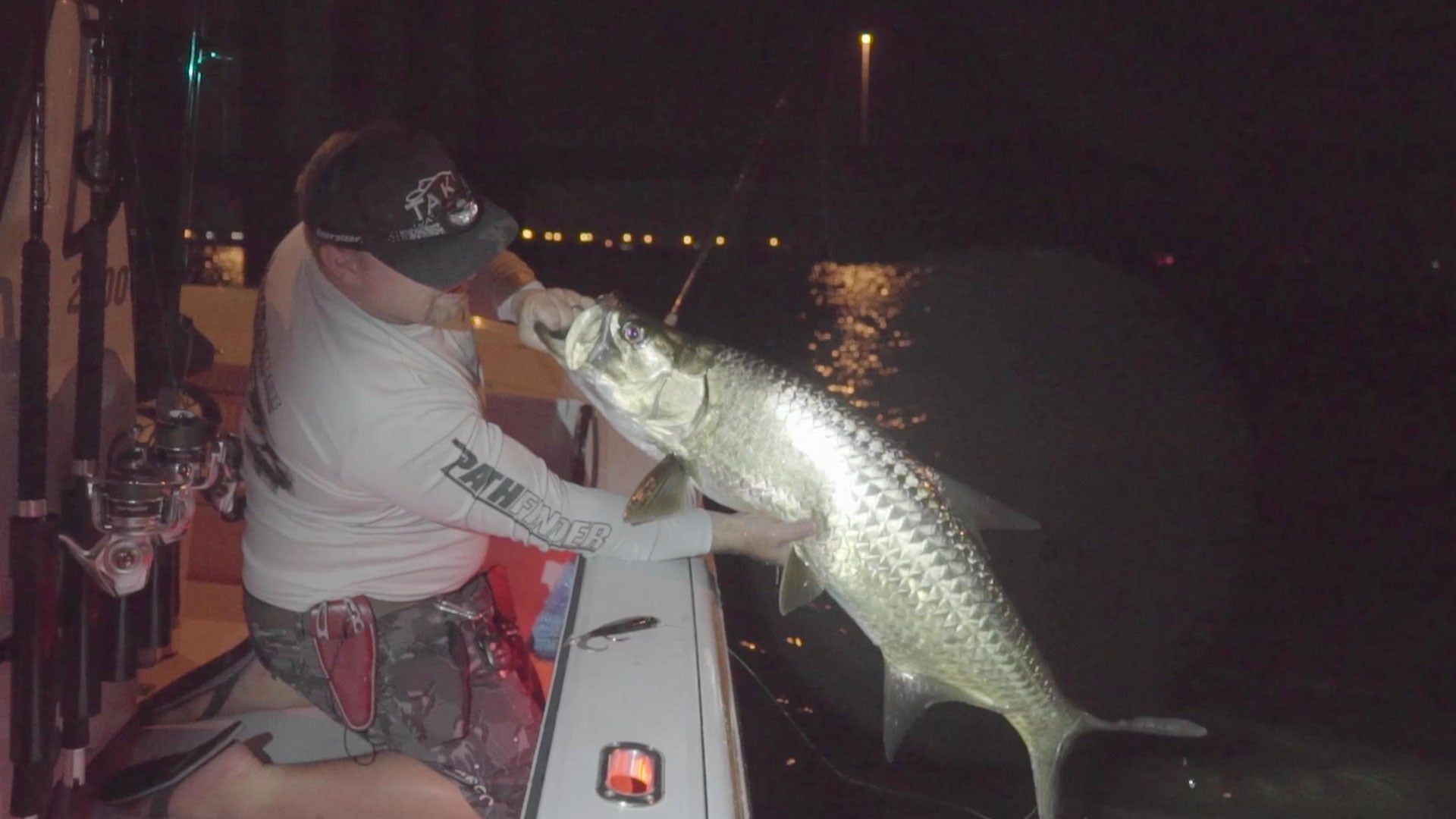
Light Tackle Tarpon Bridge Fishing
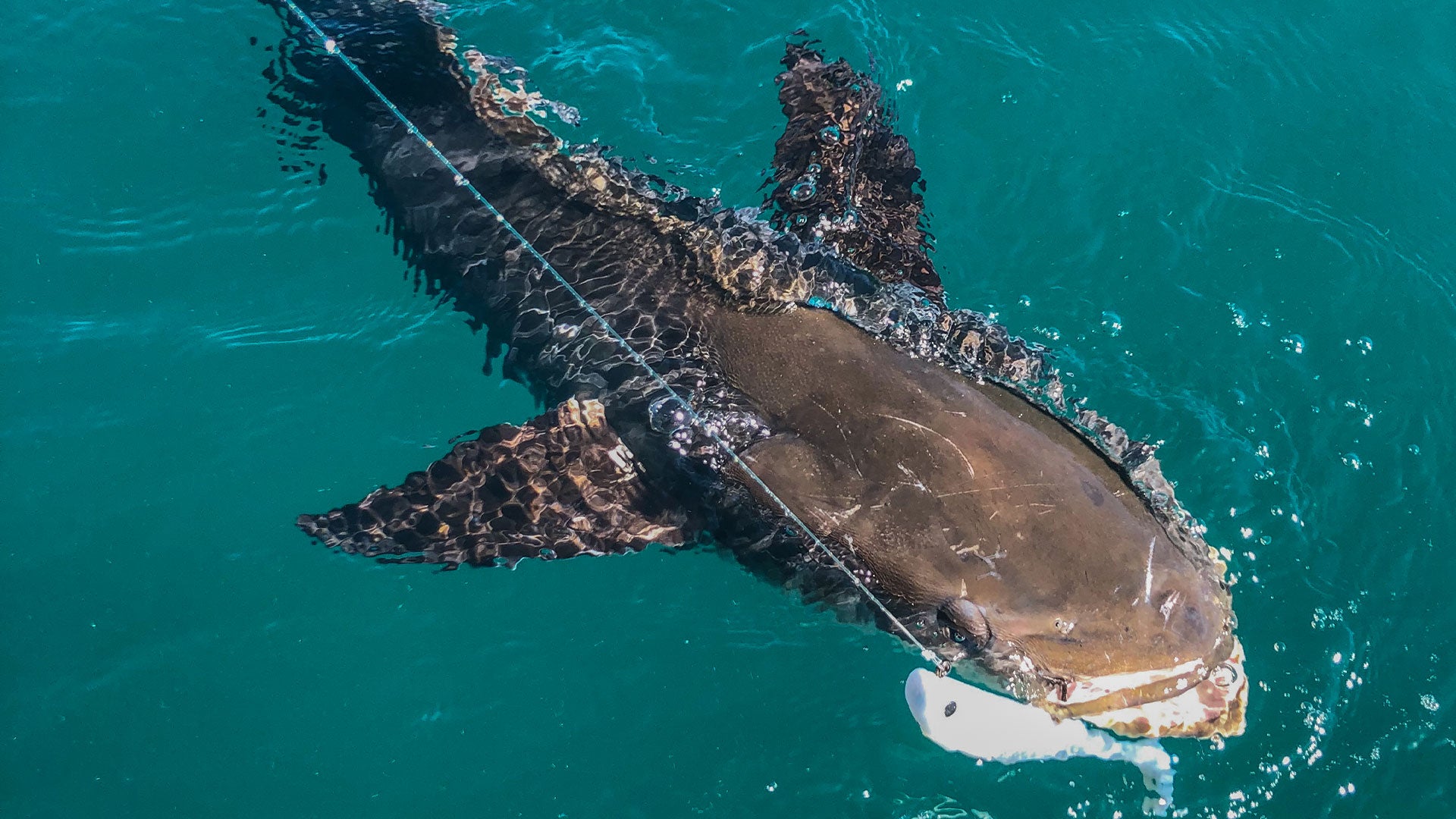
How To: Sight Casting Cobia On The Surface
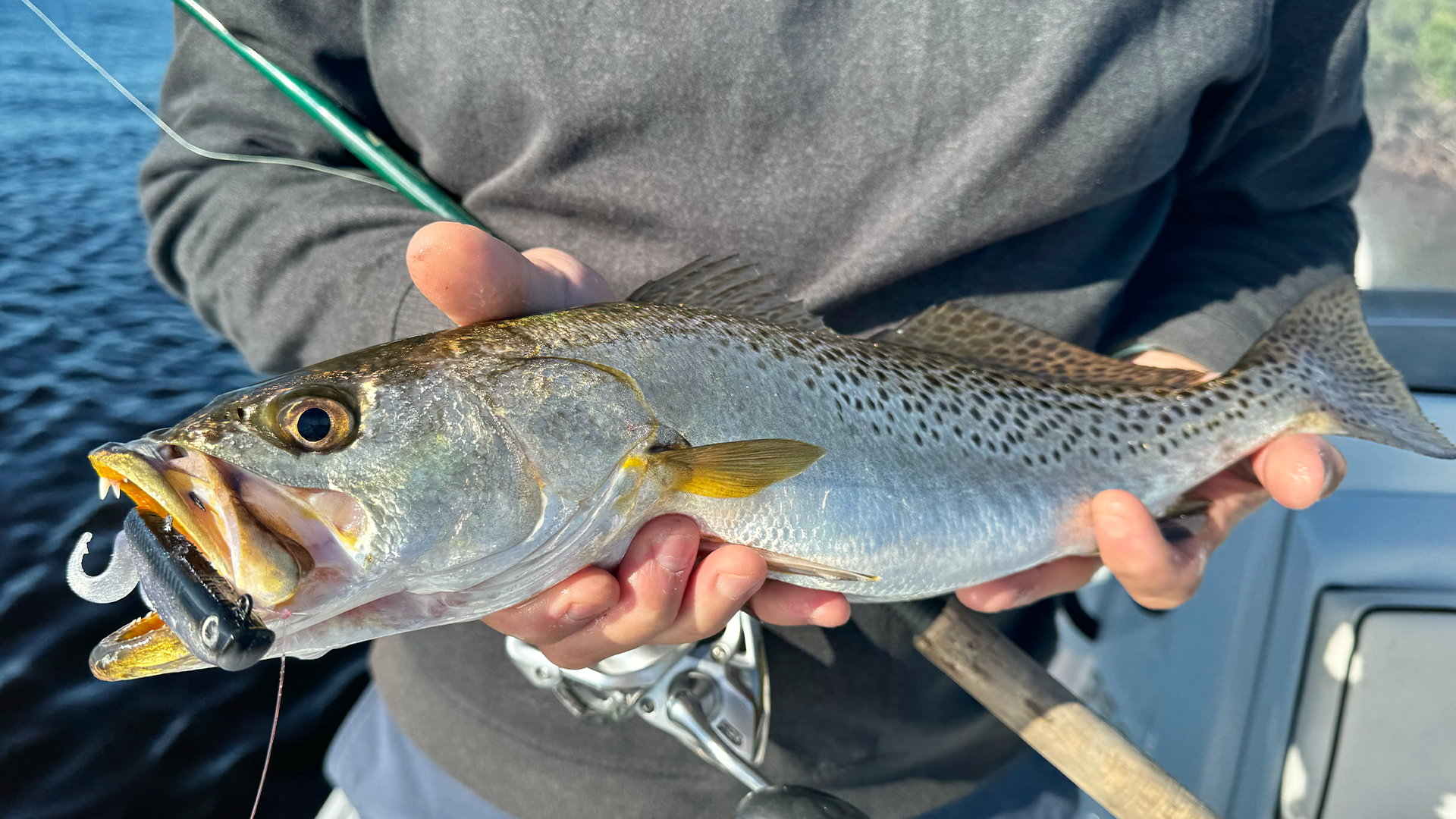
Winter Sea Trout | Slowtail Swimbaits
In the Field Blog
Deep Dives
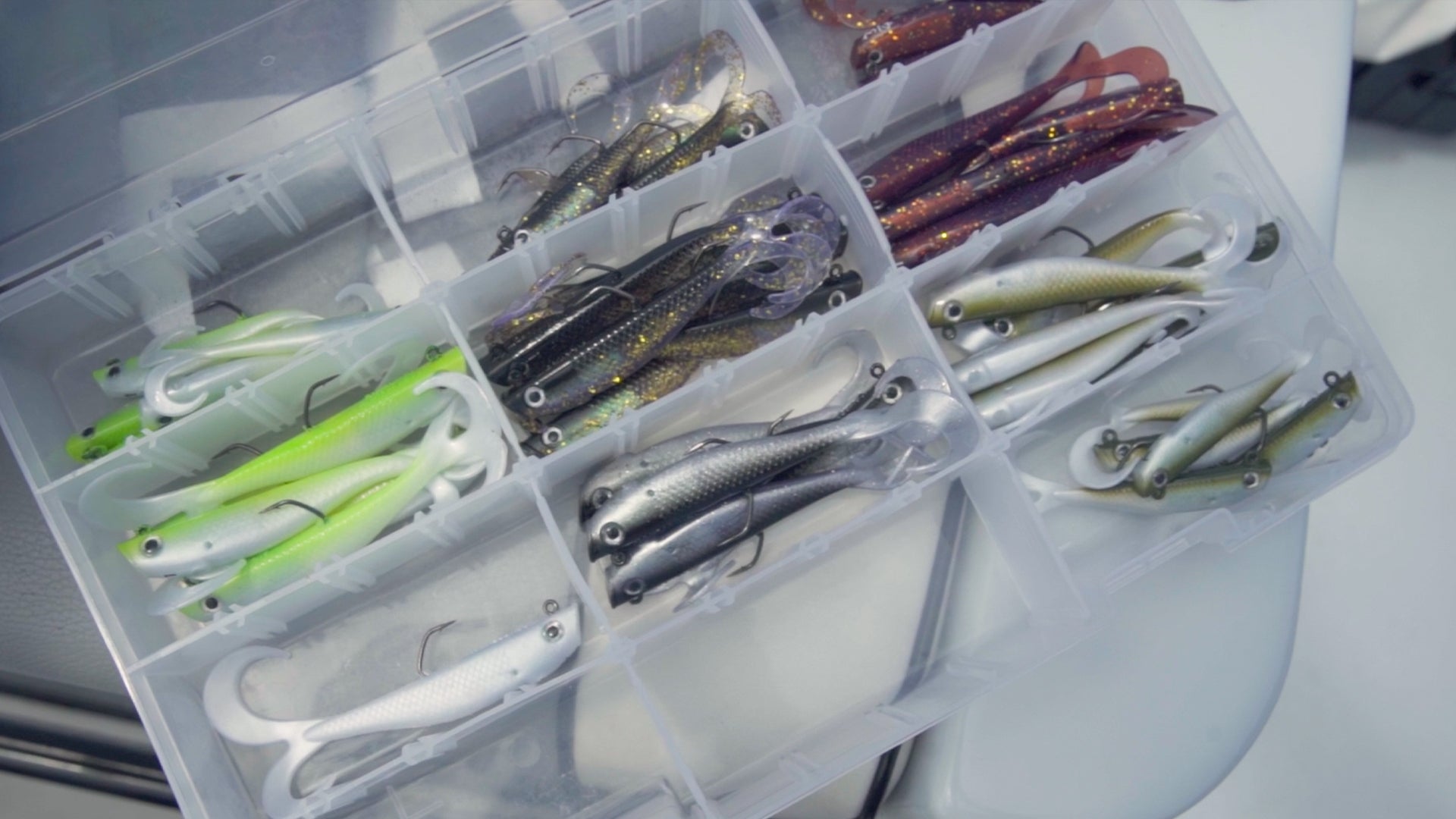
Comparing the Hogy Slowtail vs. Hogy Protail Paddle: When and Why to Use Each
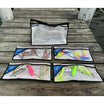
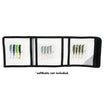
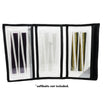
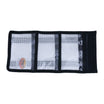
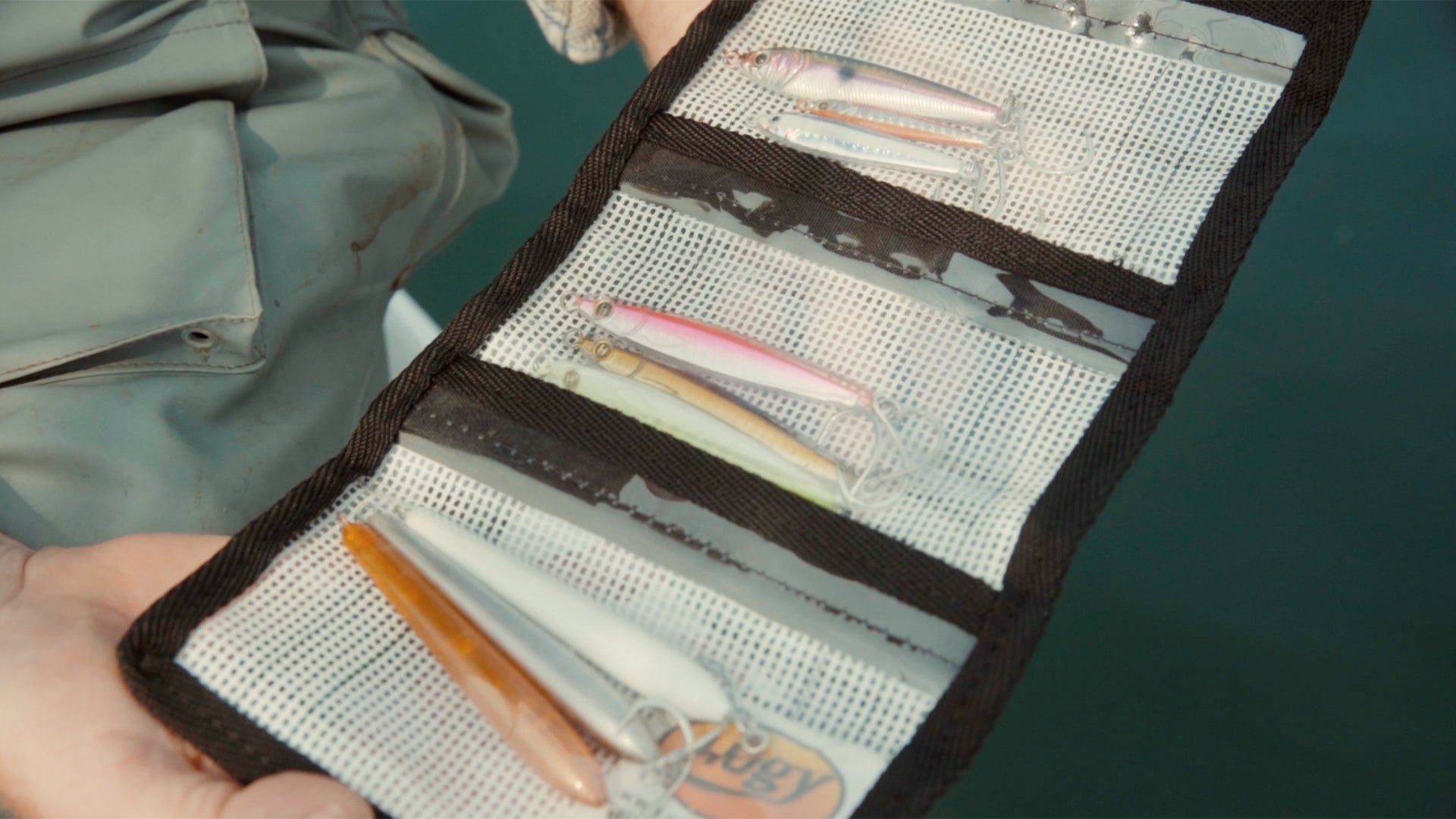
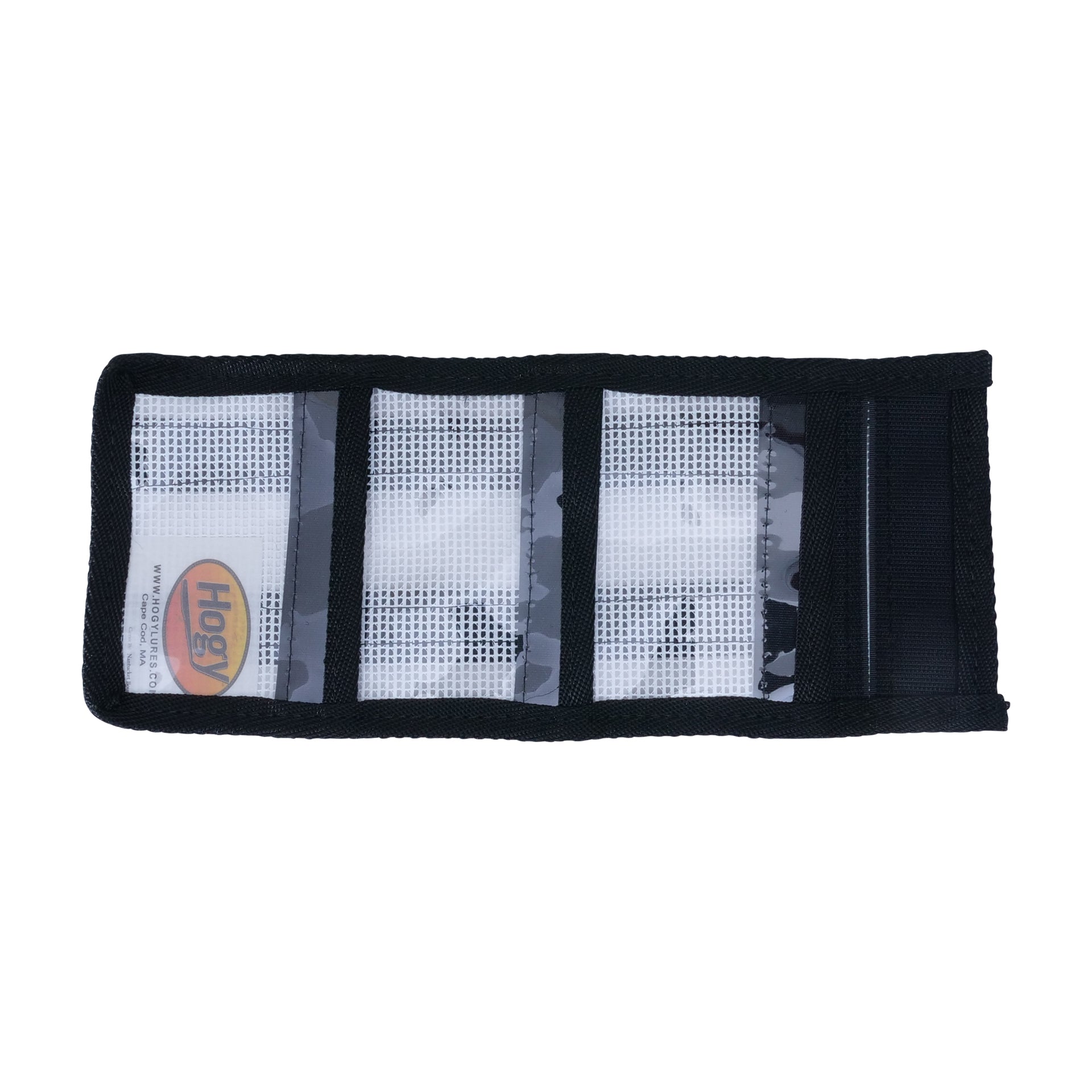
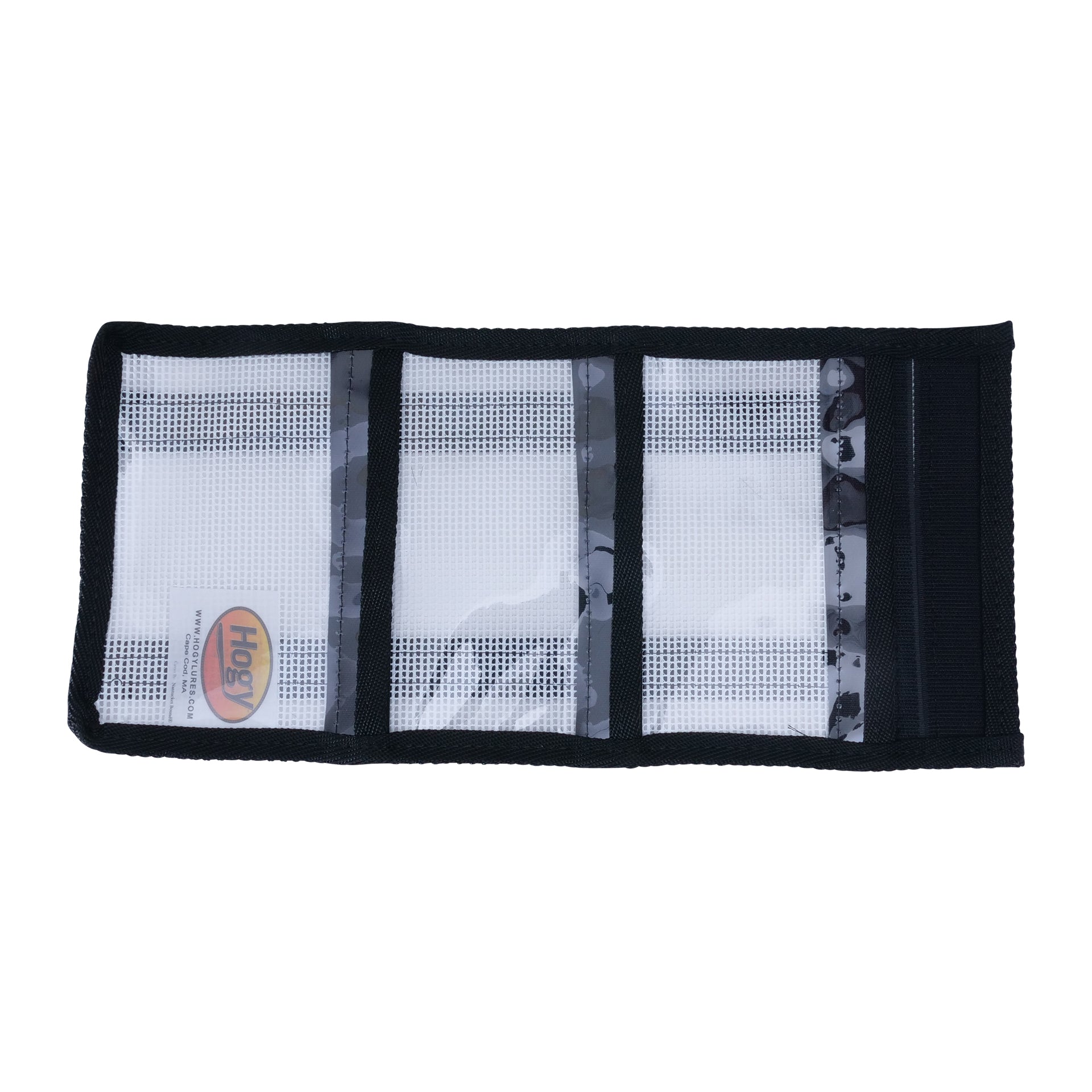
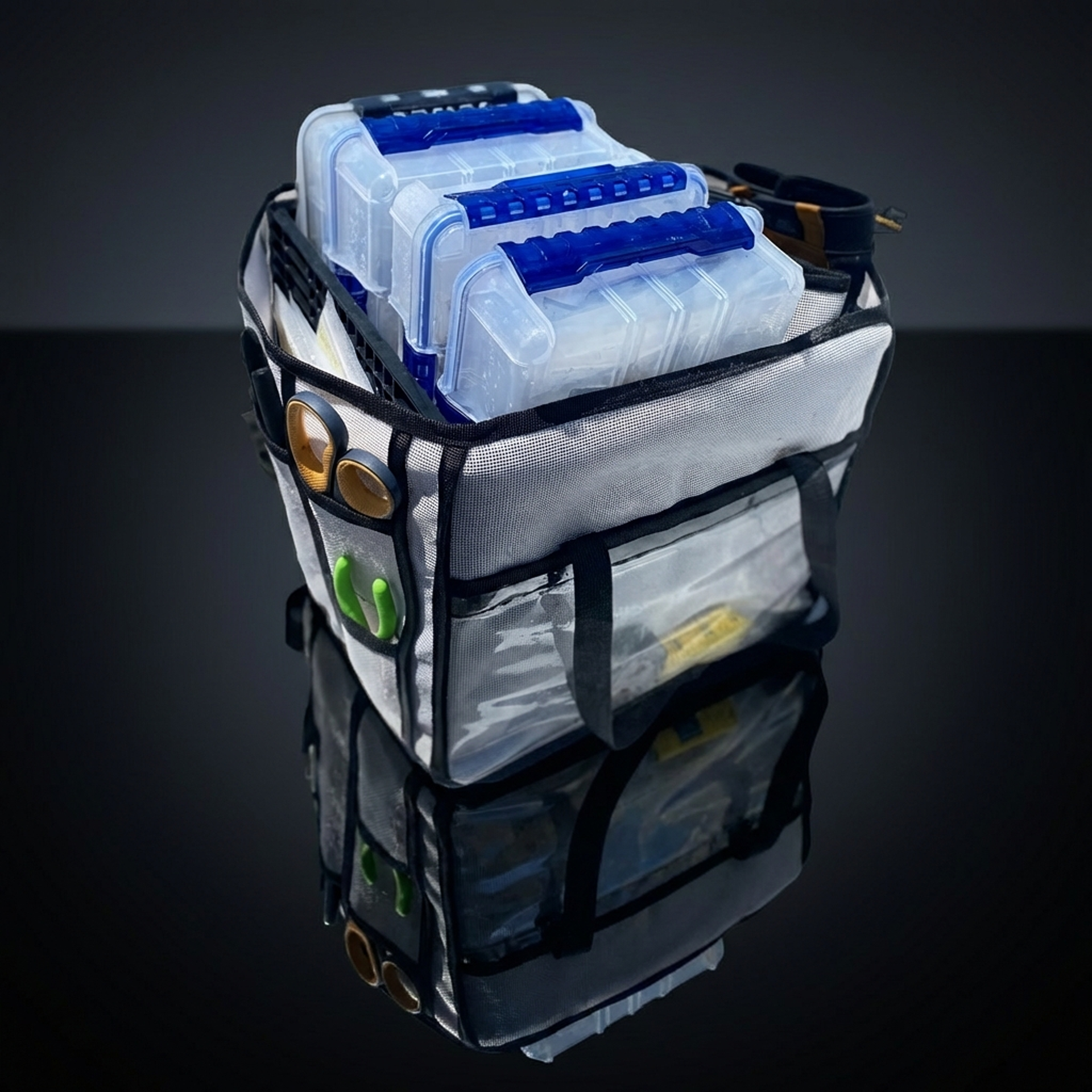
Roll Up Storage
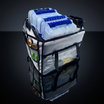
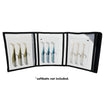
Keep all your swimbaits carefully stored in one place with easy to rinse and store marine grade mesh storage bags.
- Easy-rinse marine grade mesh.
- Holds up to 12 Protail Paddles.
- Hassle free multi-pouch storage.
- Sturdy and durable locking wrap.
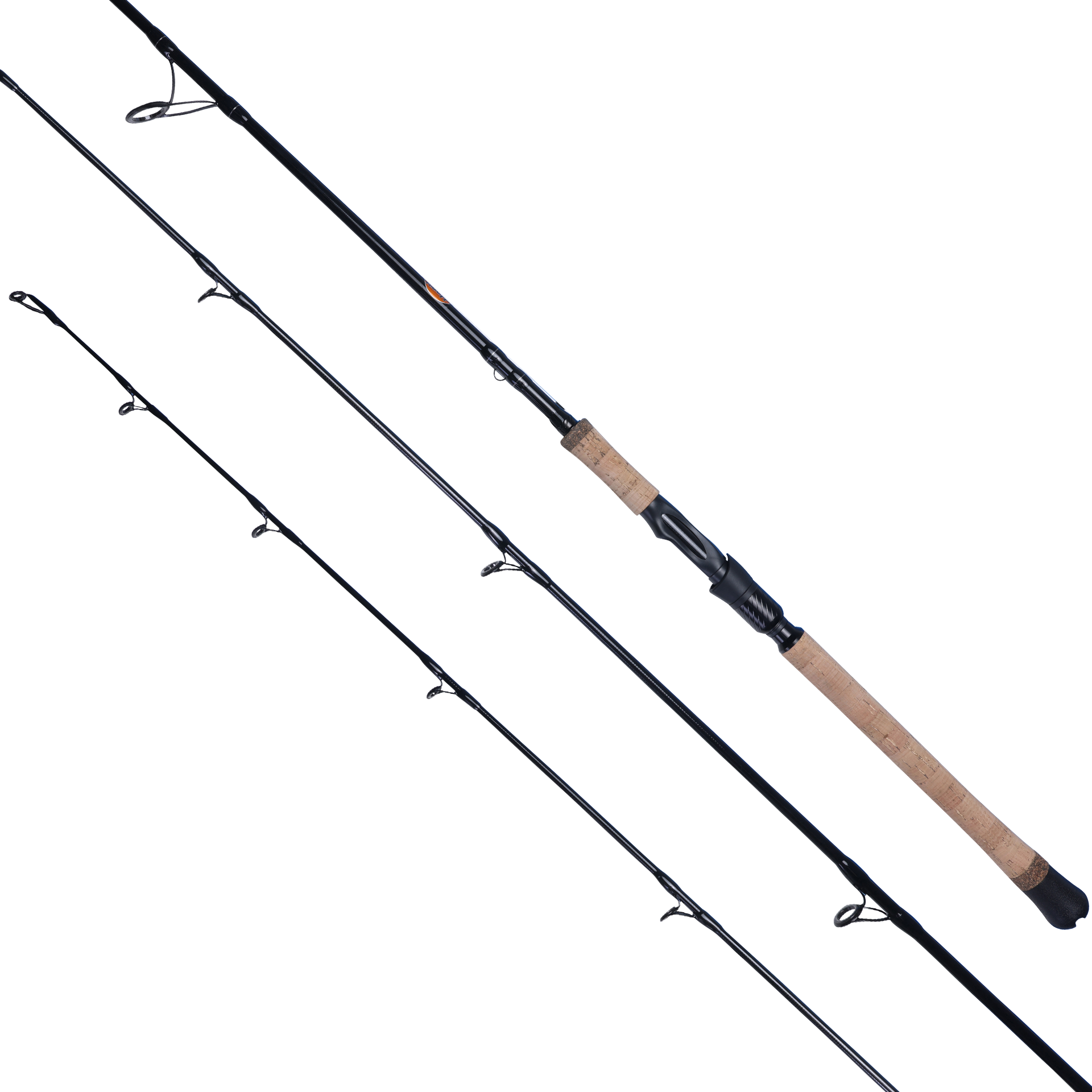
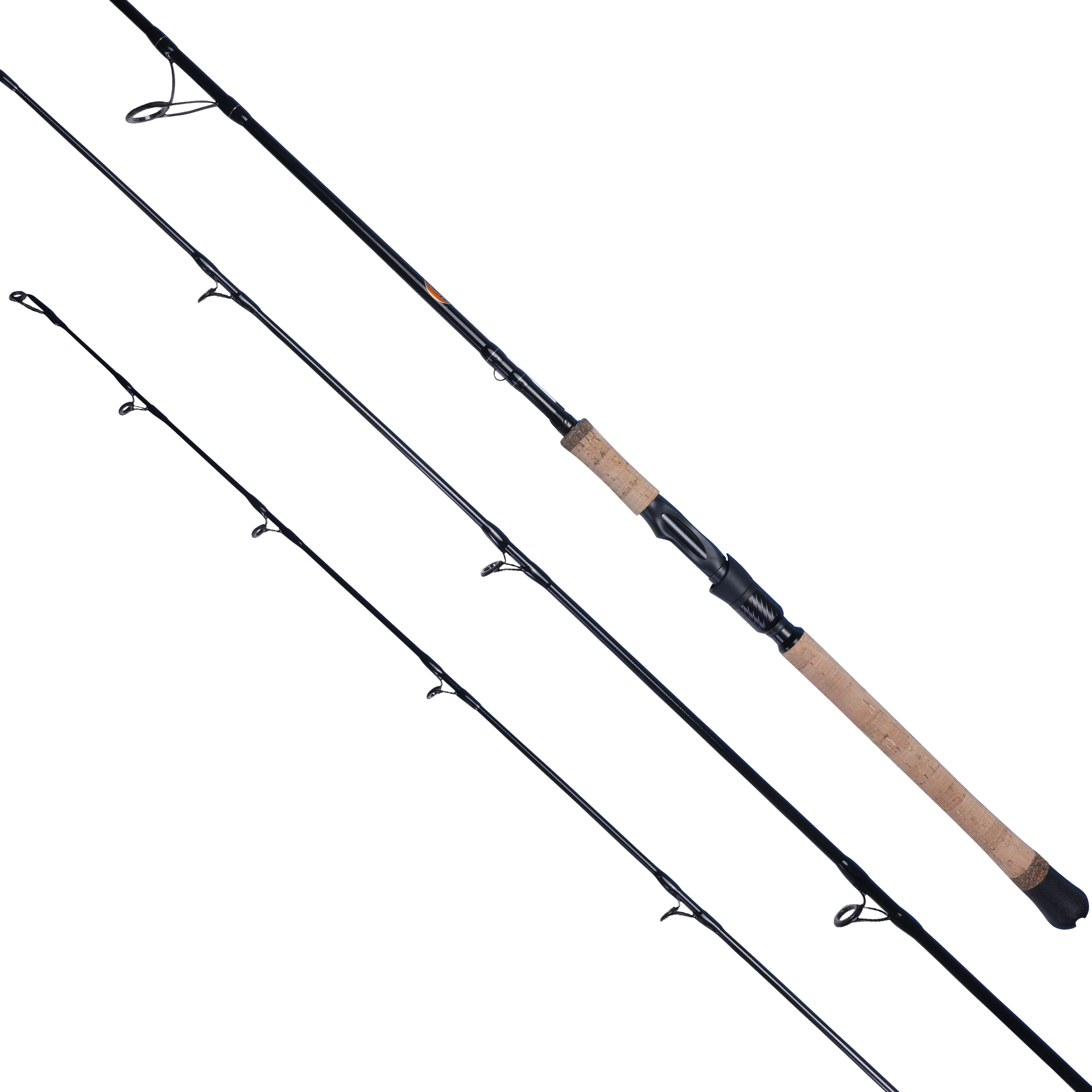
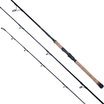
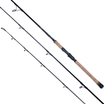
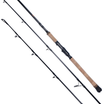
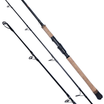
Swimbait Casting Rods
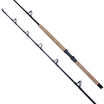
Built with a soft, yet sensitive blank, these rods resist accidental breakage due to high sticking but still offer high sensitivity to light bites on smaller presentations, plus they have plenty of backbone in the blank to apply added pressure for larger inshore species. Paired with an appropriately sized reel, these are a pleasure to fish for daily applications.
- Mod-Fast Action Black For Increased Sensitivity.
- Premium Grade Cork Grip
- Heavy Duty Locking Aluminum Reel Seat
- Premium Ceramic Guides