










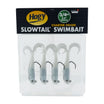
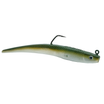



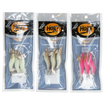

Video: Daytime Deep Drop Swordfish
How-To Video
Daytime Deep Drop Swordfishing with Hogy Lures
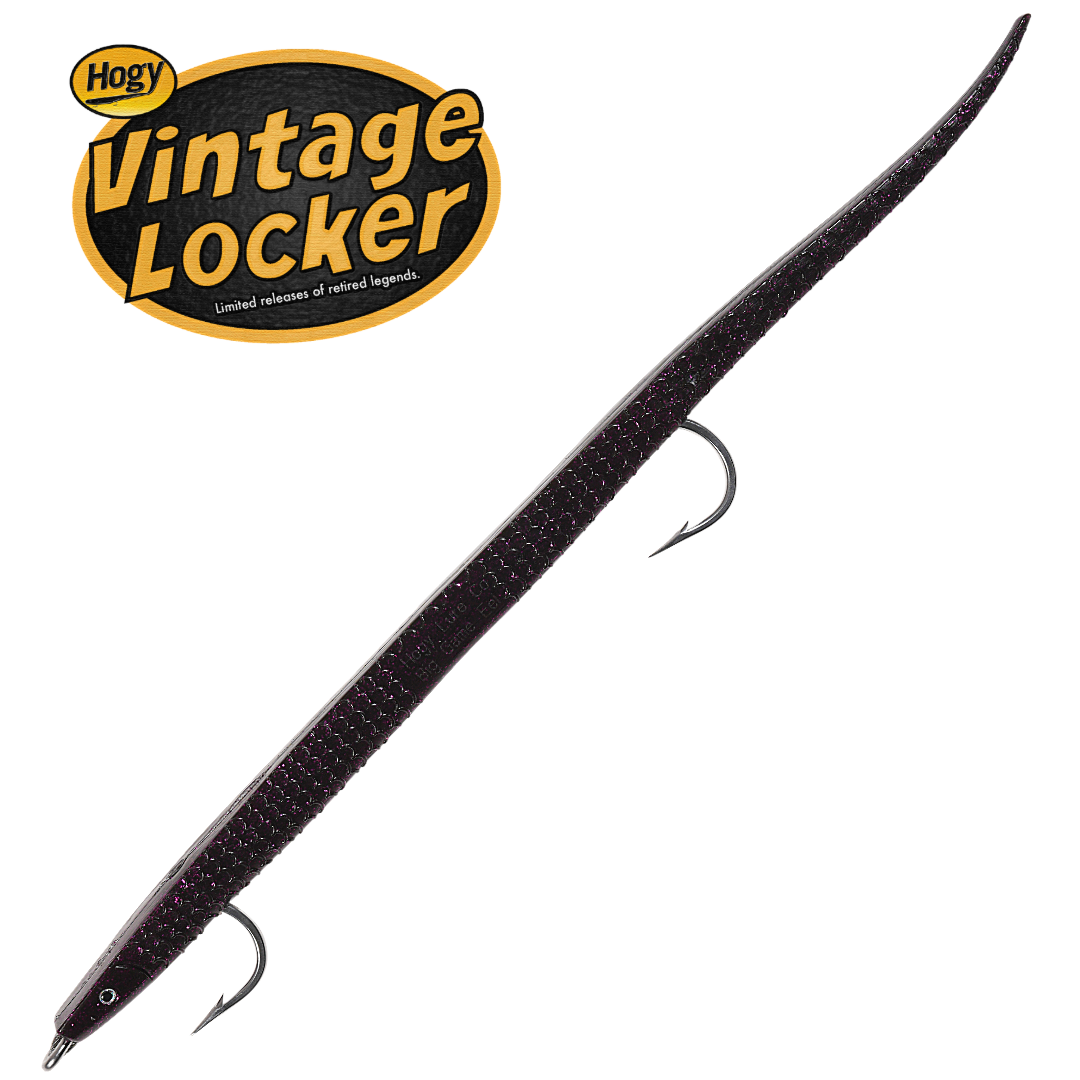
Learn how to rig, deploy, and work an 18-inch Hogy Sword Eel for daytime swordfish. This walkthrough covers leader setup, breakaway lights, controlled drops, depth checks, bait movement, and the subtle signs that reveal a bite more than 1,000 feet below the boat.
Video Description
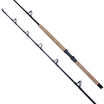
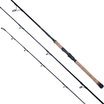
Daytime swordfishing does not require a complicated spread. With one appropriate outfit, a handful of baits, a deep-drop weight, and the right terminal gear, you can put a durable artificial presentation into the strike zone. Follow Capt. Mike Hogan and Capt. Corey Burlew as they prepare the rig, position the boat, manage the descent, and turn a subtle deep-water bite into a hookup.
Core Tackle
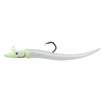
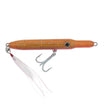
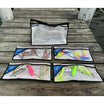
- Double-hook Hogy Sword Eel rig
- 5–7 feet of 250 lb leader
- 300–600 lb swivel
- Approximately 160 feet of 250 lb top shot
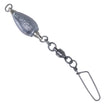
- Deep-drop weight with longline clip
Light Setup
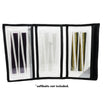
- Two or three deep-water lights
- First light 45–50 feet above the bait
- Additional lights about an arm’s length apart
- Inexpensive rubber bands for breakaway attachment
Tips and Techniques
1. Keep the Eel Tracking Straight 0:32
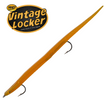
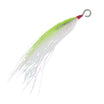
Fish the double-hook eel beneath a stabilizing skirt. The skirt helps keep the long bait centered and tracking correctly as it moves through the water.
2. Rig Lights to Break Away 1:00
Secure each light with a tightly wrapped rubber-band loop. During the retrieve, the bands can break at the rod tip and allow the lights to slide down toward the swivel, clearing the working area for the gaff or harpoon.
3. Start Ahead of the Structure 2:15
Account for current, depth, and descent time before deploying. Begin ahead of the target so the rig reaches the bottom near the pinnacle, canyon edge, or other structure you intend to fish.
4. Control the Descent 2:43
Ease the leader, sinker, and bait into the water, then pause the descent briefly at regular intervals—about every 100 feet during the initial drop. These pauses let the system straighten and reduce spinning, fouling, and tangles.
5. Fish About 100 Feet Off Bottom 4:20
Watch the rod tip for the weight to touch bottom, then retrieve approximately 100 feet of line. Slowly work against the current to keep the bait moving naturally and cover ground at a controlled pace. In the conditions shown, the crew targets roughly 1.4–1.6 knots.
6. Reset the Zone Regularly 5:03
Periodically return the weight to bottom and reset it approximately 100 feet above the seafloor. The check accomplishes three things:
- Confirms depth: Wind, current, and line angle continually change the bait’s true position.
- Adds action: The falling sinker pulls the soft eel down with a natural undulation that can trigger a strike.
- Keeps you engaged: Working the rod helps you recognize small changes in its normal rhythm.
7. Convert the Bite 6:31
Swordfish bites at depth may appear as a light tap, a stalled rod tip, or line that repeatedly goes slack as the fish swims upward.
- After a subtle tap, raise the weight about 10 feet before dropping back to bottom.
- After a pronounced bump, drop immediately to bottom and reset to the working zone.
- Watch for unexpected slack while winding—it may indicate that the fish is moving upward with the bait.
- Once the rod loads and stalls consistently, maintain contact and come tight.
The Key Takeaway
Do not simply soak the bait. Repeatedly confirm bottom, reset the eel into the strike zone, and stay tuned to the rod. Each reset verifies depth, gives the lure a natural rise-and-fall action, and improves your chances of seeing the lightest swordfish bite.
Note: Leader strength, weight, deployment distance, working depth, and boat speed should be adjusted for current, water depth, reel configuration, sea conditions, and the captain’s preferred system.
Filters
1 product