








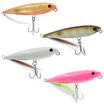
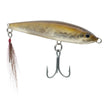
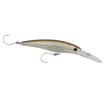
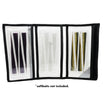

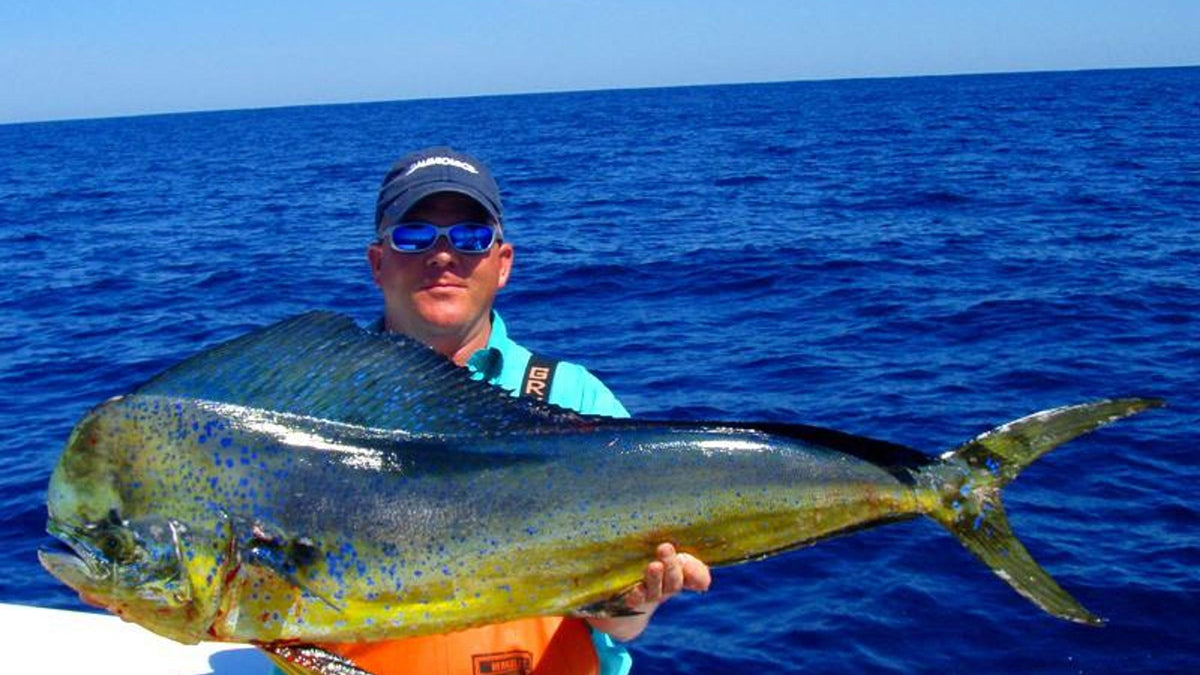

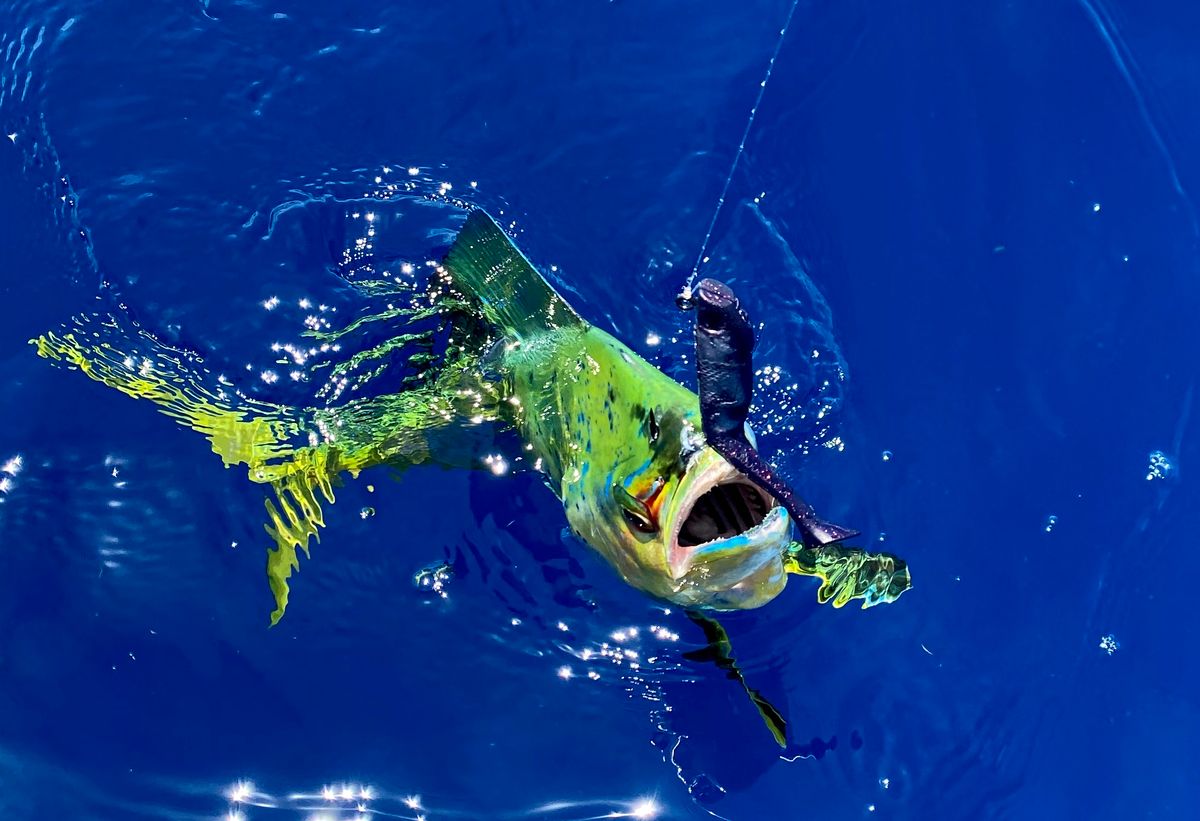
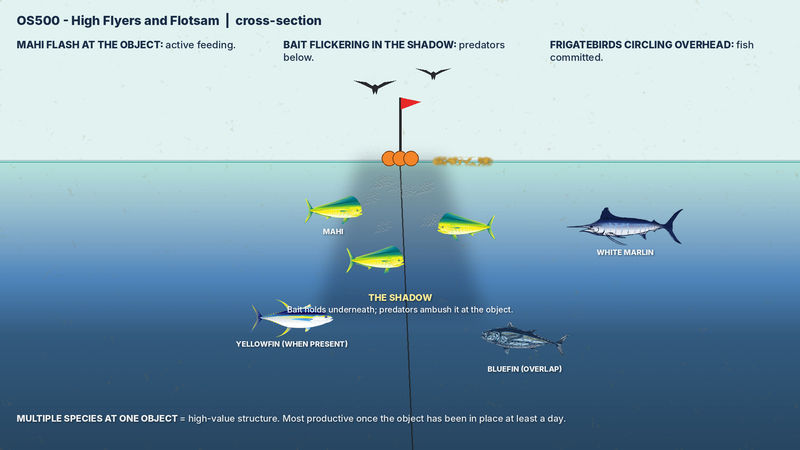
Late July, the blue water rides up onto the shelf south of Martha's Vineyard and the mahi move onto anything that floats: the high flyers on the lobster gear along the Fingers, the Banana Buoy at the Gully, the weed lines at Ryan's Horn and Gordon's Gully. Mahi are structure fish in a place with no structure. The same warm water brings yellowfin, and the same epoxies and Heavy Minnows cover skipjack and the other small tunas under 25 pounds.
Running the gear string costs nothing, because you're already running past the flyers on the way to the tuna grounds, and the pass pays for more fuel than people admit. Keep one light rod rigged all trip for it. These five are what I'd put on that rod.
Offshore angler who casts to mahi on high flyers, weed lines and anything else floating, and keeps a rod ready for skipjack and small yellowfin. Their trips run late July into October in warm blue water, from a 25-foot center console up to a sportfisherman: south of the Vineyard, out on Coxes Ledge, or in the Gulf Stream off Florida. Some days it's the side game on a tuna trip. Some days it saves the trip.
If he slows down for every pot buoy on the way to the tuna grounds, this is him.
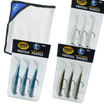
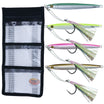
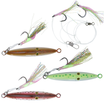
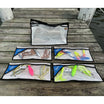
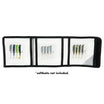
The full set is $95.75 MSRP. One of each covers the gear string, from the first flyer to the small tuna on top.
Not sure of the color? Albie Crack for the first cast at a fresh flyer, Pink once the school has seen it. Out there, speed beats color.
Want to keep it small? The two epoxies and the Surface Eraser are my whole mahi crate. Add the Tuna Epoxy for the yellowfin.
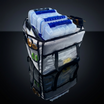
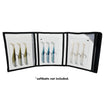
Giving the full set? Print the guide and tuck it in the box.
THE LINEUP

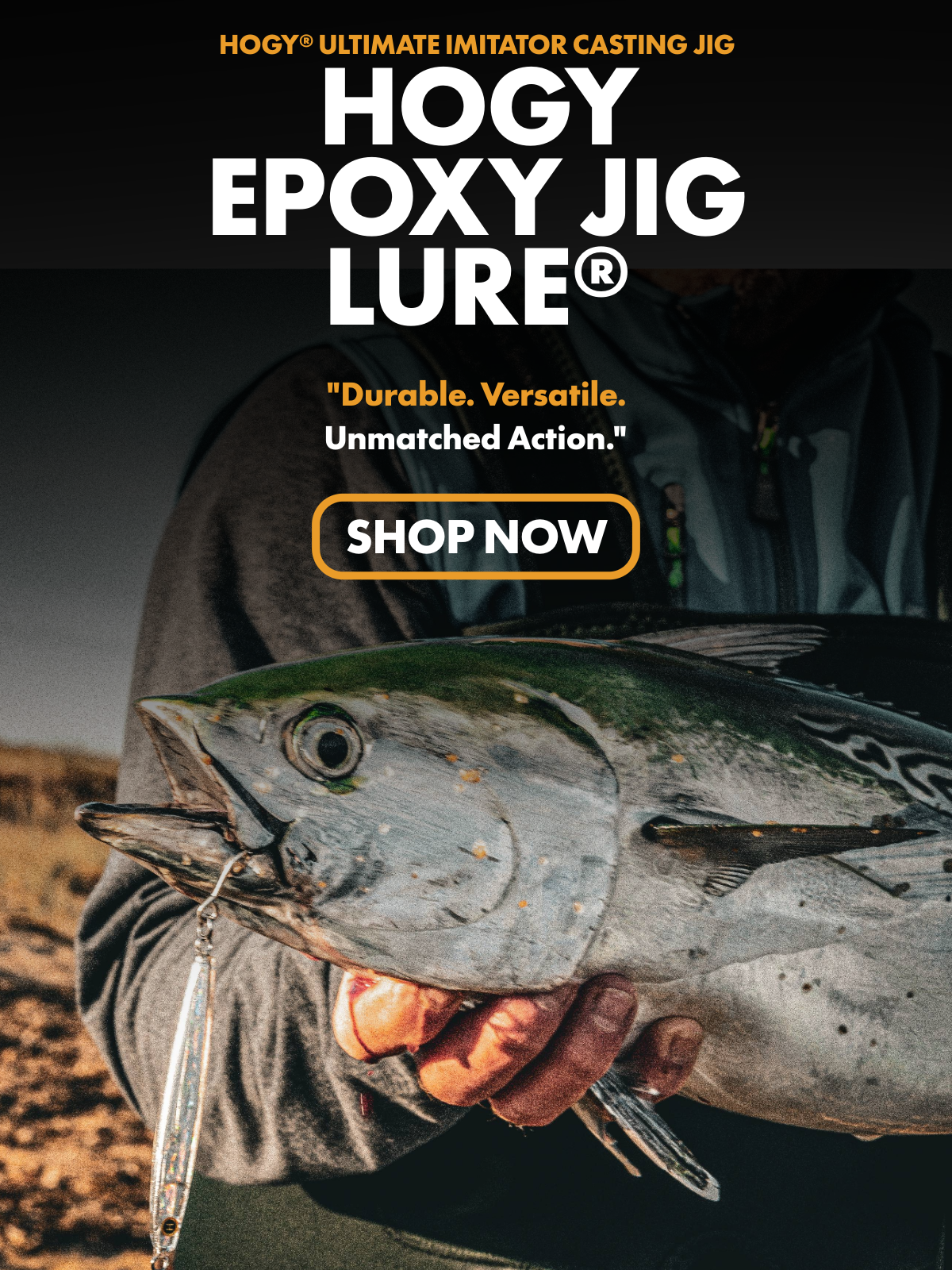
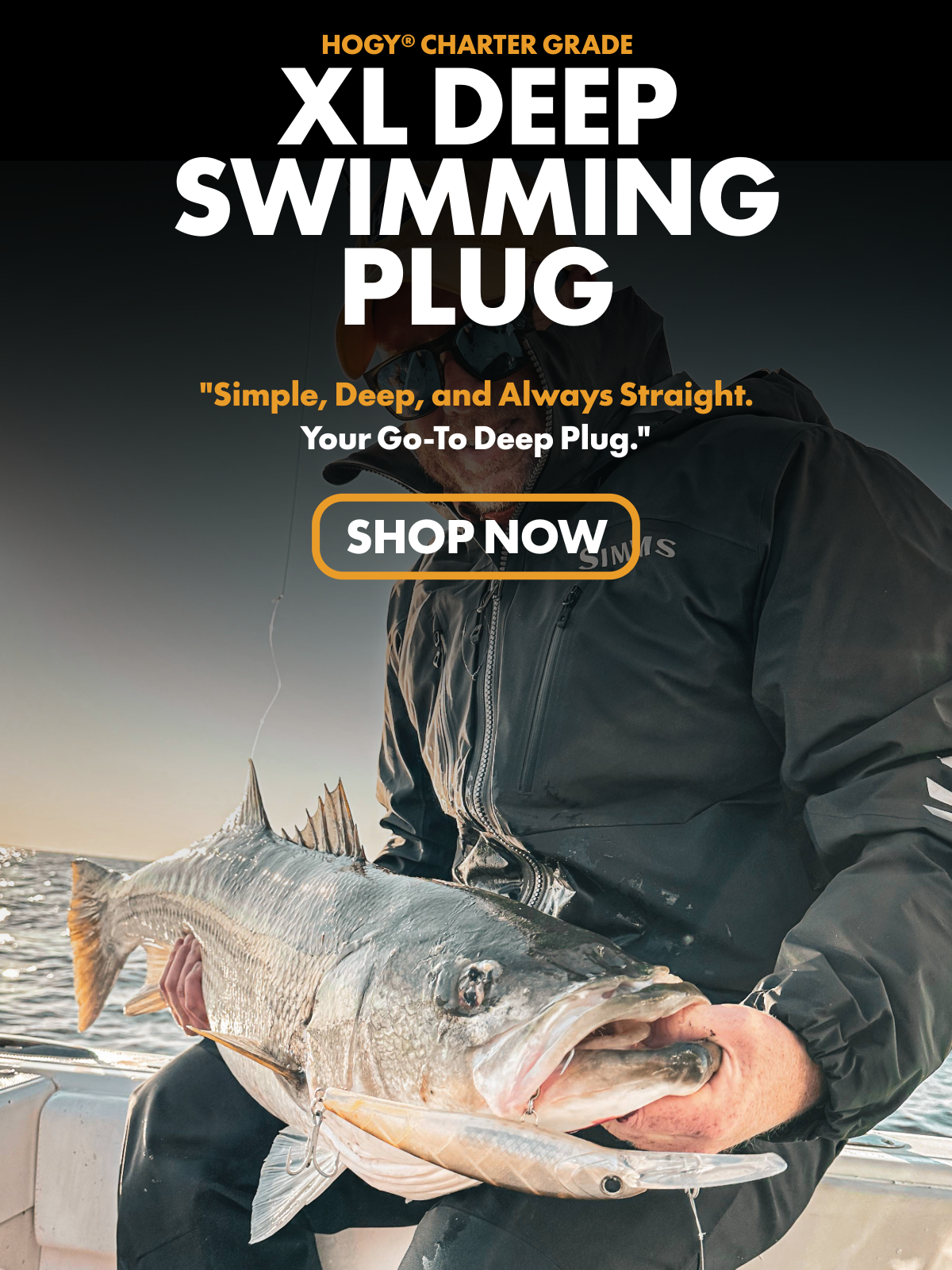
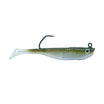
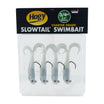
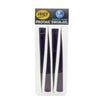
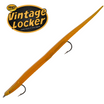
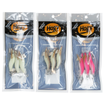
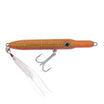
1 Epoxy Jig 7/8 oz “The First Jig Out”
WHEN The first cast at a fresh flyer, before the school wises up. Green and gold flashes a few feet down, bait tight to the float and rope, fish stacked and competitive. Speed beats precision here.
FISH IT Come in from down-current, kill the engine 50 yards out and look before you cast. Burn it past the flyer and back along it, tip high so it skips, and the take happens away from the gear. Hook one and leave it in the water: the school stays with it.
WHY THEY'LL LOVE IT Mahi eat like oversized albies with a temper, so the albie jig works out here at the same size. It's the OG epoxy, and the keel holds a true track at a burn instead of rolling. The in-line single makes the small ones quick to put back.
“A Mahi killer this year” John E.
Add to cart | MSRP $14.95See details ›
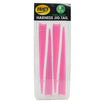
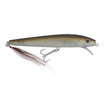
2 Epoxy Jig 1.25 oz “The One-Two-Three”
WHEN Wind on the run, with the boat drifting onto the gear. The extra weight reaches the flyer without putting the hull on it. Also the size stack: the first fish up are small, and more flash shows below.
FISH IT Cast past the flyer and let it sink past the eager ones before you start the retrieve. The better fish sit deeper, and most eats come on the fall or right after it. Then a fast, twitching retrieve just under the surface.
WHY THEY'LL LOVE IT A school gets finicky after a few fish come out of it. Pink is the second-pass color once the Albie Crack stops producing, and the EPO lands soft and hovers, so the slow sink past the schoolies looks like bait, not a sinker.
“Using for Bonito and Albies North Jersey area. Great action in the water” Ralph G.
Add to cart | MSRP $16.95See details ›
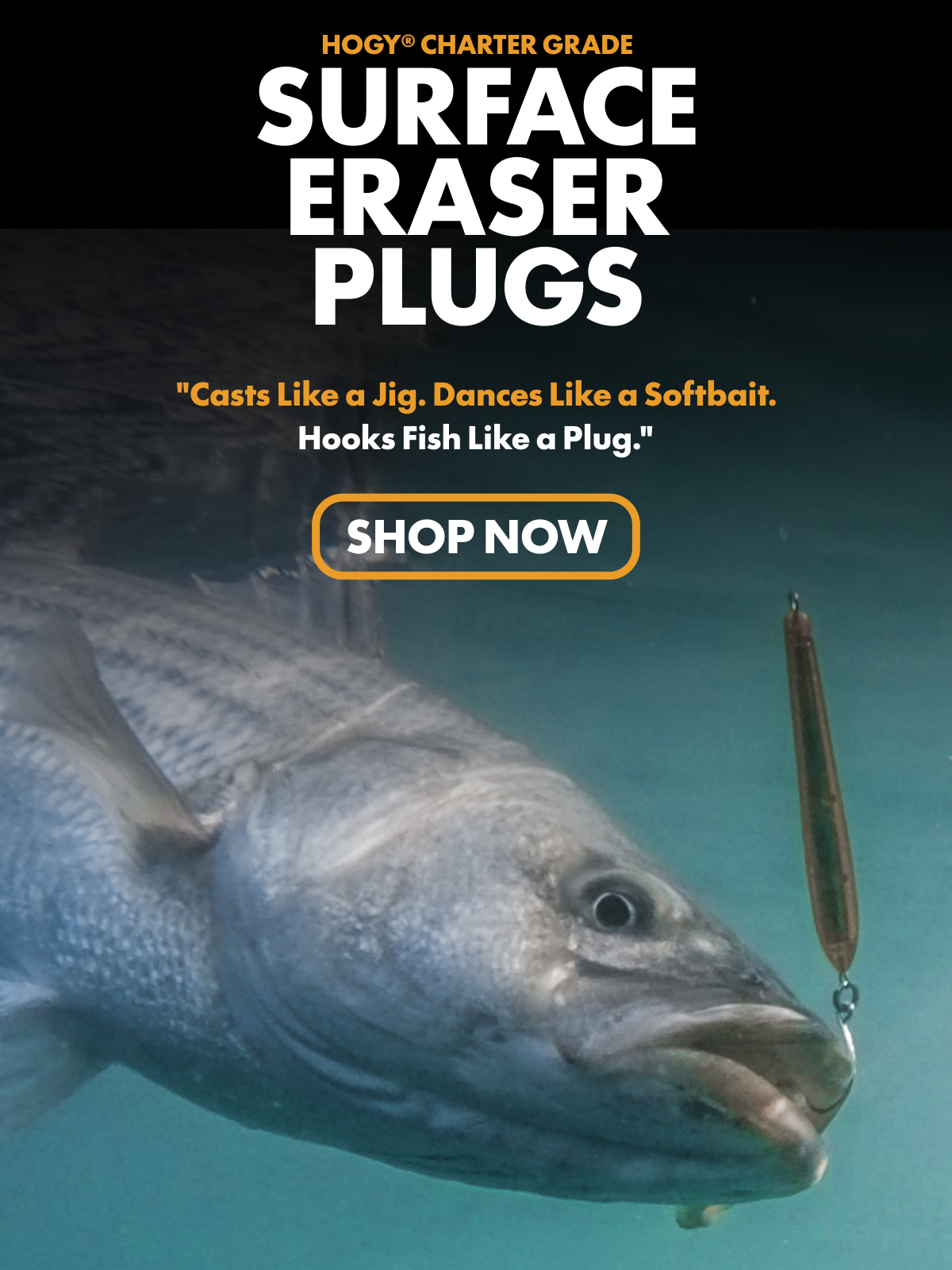
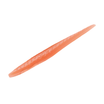
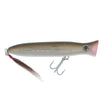
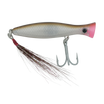
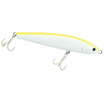
3 Surface Eraser XL “The Shape-Shifter”
WHEN The school cools off after a few fish, or the better mahi come up through the eager small ones and push bait. By September the fish on the weed lines run 15 to 30 pounds, and this is the plug for them.
FISH IT Tip parallel to the water, short sharp wrist pops with a sideways kick, a reel turn or two per pair. Walk it, skip it or wag it on the same plug. Wrist, not arm, and don't let it dive.
WHY THEY'LL LOVE IT Something different on top buys one more eat and finds out how big the fish under the flyer really are. It's through-wired, and that matters: a bull mahi or a stray tuna finds any weakness in a plug.
“At over 2 oz and a slim profile it will cast a mile with a fast enough rod.” Brendan B.
Add to cart | MSRP $18.95See details ›
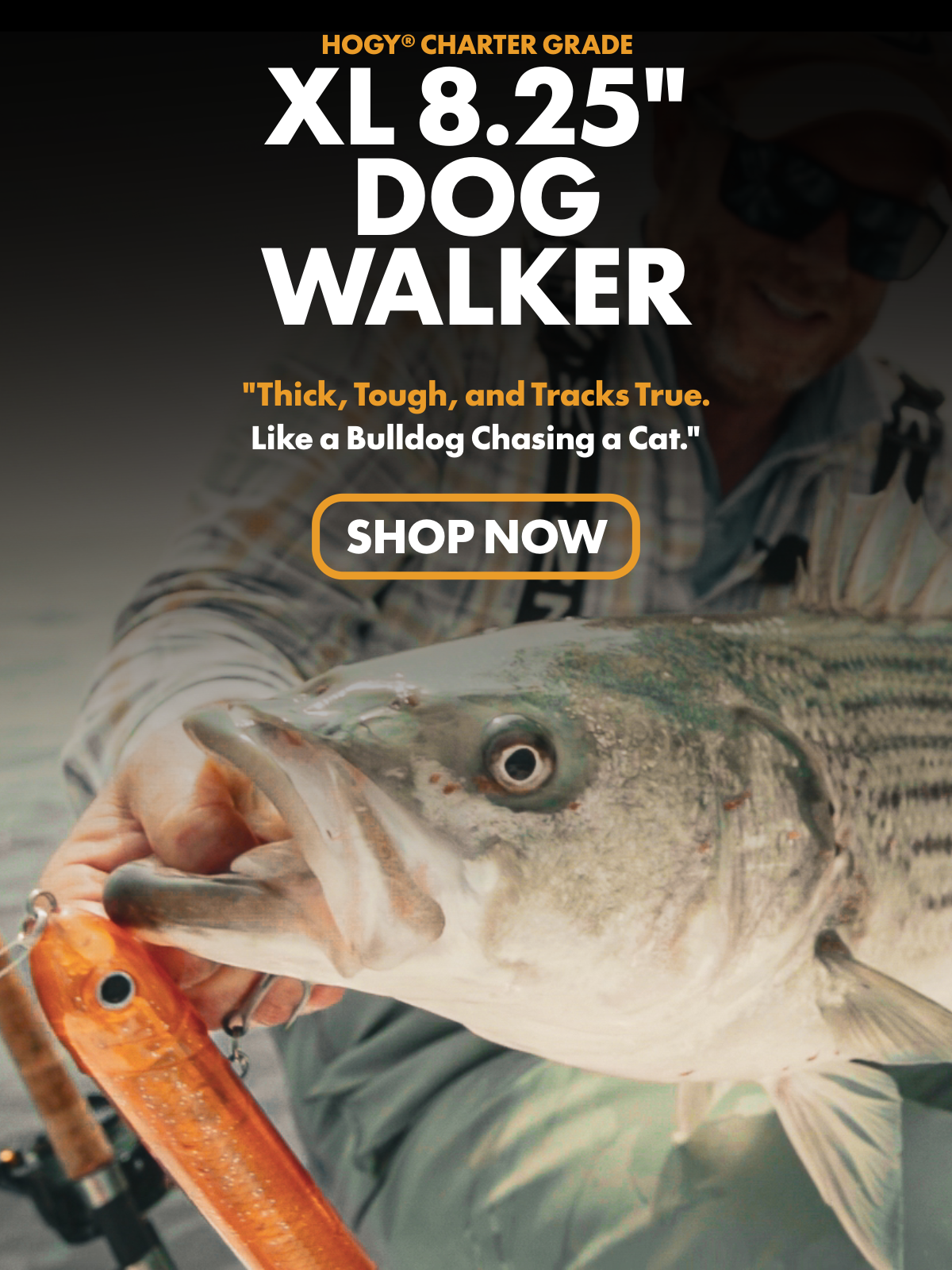
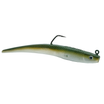
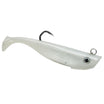
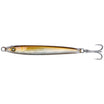
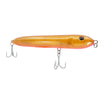
4 Heavy Minnow “The Wind Beater”
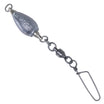
WHEN Reach. A flyer you can't get close to in the wind, or skipjack and the other small tunas busting bait at the edge of casting range. It's the long-range tool on the light rod.
FISH IT Throw it past the feed or the flyer, let it flutter a count, then burn it back. Fish chasing and not eating? Stop it for a beat, let it flutter, and go again.
WHY THEY'LL LOVE IT It's an epoxy profile on a solid metal core with an HD holographic finish, so the small-bait look goes a long way on a light rod. The fish that are too far for everything else are the ones it's for.
“...slow sink rate compare to regular metal jigs.” Ryoji H.
Add to cart | MSRP $11.95See details ›
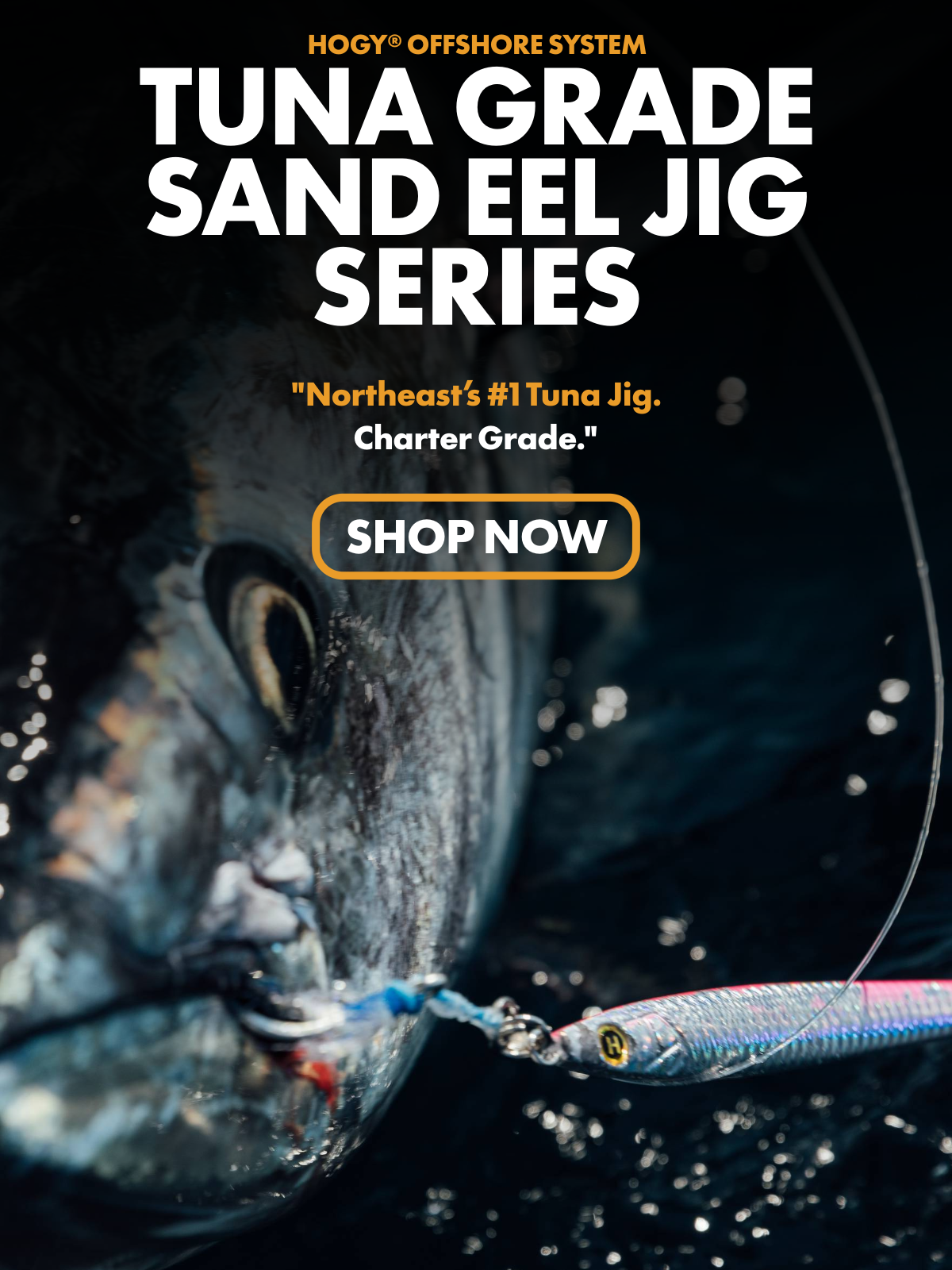
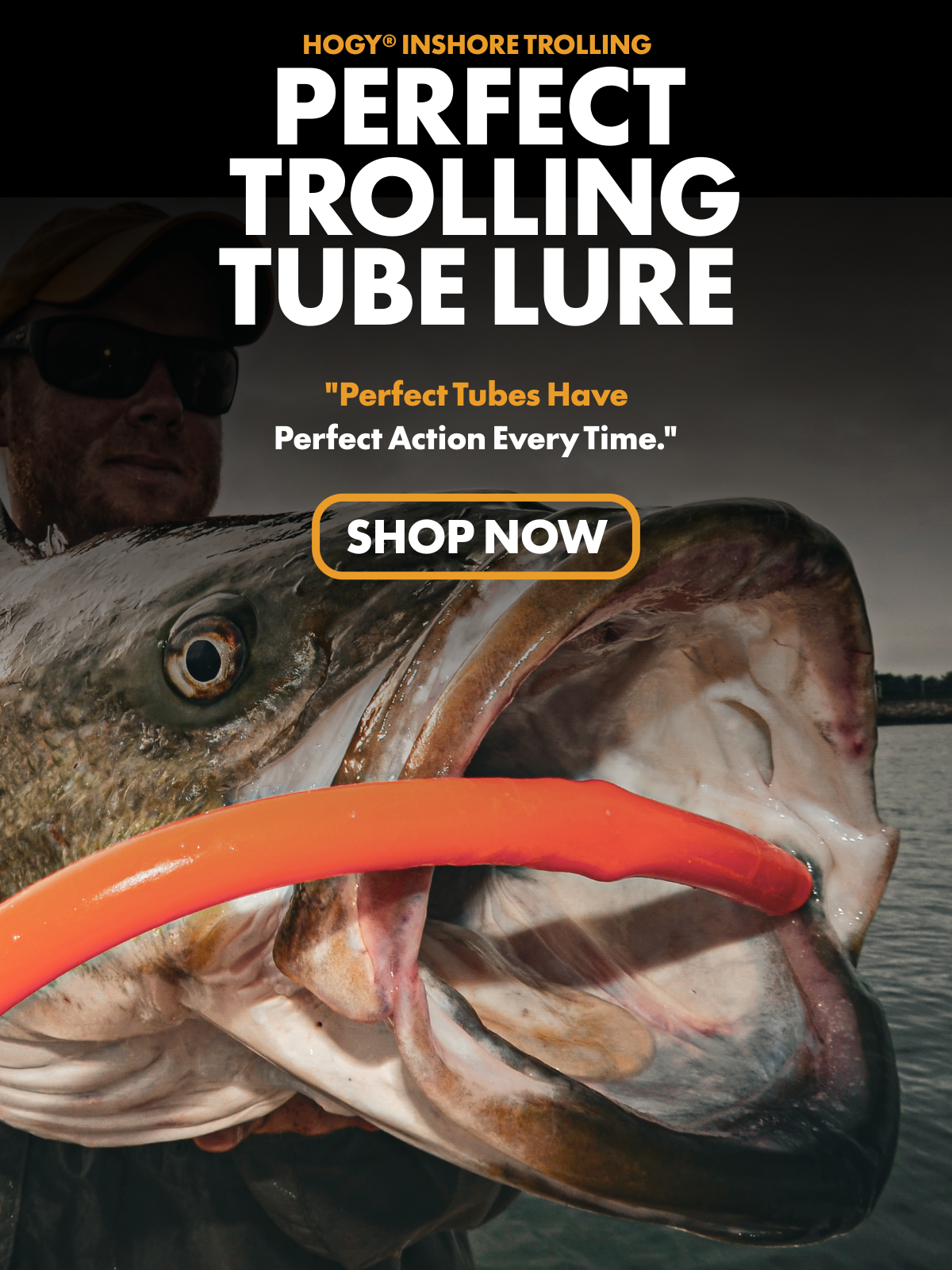
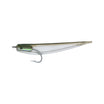
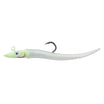
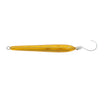
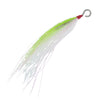
5 Tuna Rigged Epoxy Jig “The Distance Tool”
WHEN Small yellowfin on small bait: picky fish, flat calm, or a school you can't get the boat close to. In September the butterfish bite is the most selective of the year, with fish visible and refusing most of what you throw. Slow down and slim down.
FISH IT Long cast, tip down, then burn it or swim it slow and let it hang. When you drop to the epoxy, drop the leader too: lighter fluorocarbon in flat calm. Doing half of it is why people decide the epoxy doesn't work on picky fish.
WHY THEY'LL LOVE IT It's the EPO scaled up for tuna, and it's mostly epoxy, so four ounces is light for its size: it hangs in front of a picky fish where a metal jig would dive past. Olive matches the sand eels.
“Fortunately it came through on my first trip with a nice yellowfin.” Ronald J.
Add to cart | MSRP $32.95See details ›WHICH ONE, WHEN
| WHEN YOU SEE THIS | TIE ON |
|---|---|
| Fresh flyer, green and gold flashes, bait tight to the rope | 1 Epoxy 7/8 oz |
| Wind pushing the boat onto the gear, or small fish up and bigger ones below | 2 Epoxy 1.25 oz |
| School cooled off, or the better fish up and pushing bait | 3 Surface Eraser XL |
| Skipjack or small tuna busting out of range, or a flyer you can't get close to | 4 Heavy Minnow |
| Small yellowfin on small bait, flat calm, picky | 5 Tuna Epoxy |
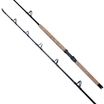
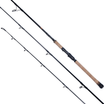
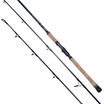
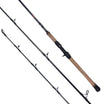
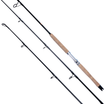
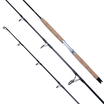
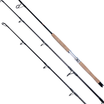
The mahi rod: a 7-foot medium-heavy spinning rod, a 4000 to 5000 reel, 30 lb braid and a short fluorocarbon leader. It throws the epoxies, the Surface Eraser and the Heavy Minnow. Set the drag right, because a bull will test the knot you tied in a hurry.
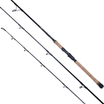
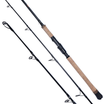
Small yellowfin: the 4 oz Tuna Epoxy goes on a 7-foot heavy hybrid spinning rod with an 8000-class reel, 40 to 65 lb braid and 40 to 80 lb fluorocarbon. It handles school fish to about 120 lbs, and mahi straight off the tuna rack.
Never touch, wrap or pull the gear; it's somebody's living. Keep the first fish in the water to hold the school, and put the small ones back fast.
More from me on Hogy: Capt. Mike's 4-Rod Tuna System and my Offshore Tackle Crate and Load Out.
QUESTIONS ANGLERS ASK
What are the best lures for mahi on high flyers?
A small in-line epoxy jig is the first cast: the 7/8 ounce Hogy Epoxy, burned past the flyer and back along it. When the school cools off, a Surface Eraser on top sorts out the bigger fish. In wind, the 1.25 ounce epoxy reaches the flyer without putting the boat on the gear, and the 2 ounce Heavy Minnow reaches the ones you can't get close to.
When do mahi show up south of Martha's Vineyard?
Late July, about ten days behind the first yellowfin, when warm blue water in the 68 to 78 degree range fills the high flyers. The peak runs August 5 to September 20, and in a warm year they hold on the weed and flotsam into the second week of October. Schoolies in August, 15 to 30 pound fish by September.
What lures catch skipjack and small yellowfin?
The same epoxies and Heavy Minnows I throw at mahi cover skipjack and the other small tunas under 25 pounds, on the same light rod. For bigger school yellowfin, step up to the 4 ounce Hogy Tuna Epoxy on a 7 foot heavy hybrid spinning rod. It's mostly epoxy, so it casts a long way and hangs in front of picky fish.