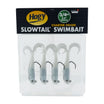
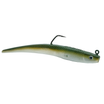
- Environmental Factors (E):
- Flat calm + clear water: Natural flutter creates presence without flash or noise. The defining Slowtail scenario — glass-calm flats, gin-clear docks, still backwaters.
- Light wind or slack current: Tail kicks with almost no water pressure. Stays alive when everything else goes dead. Slack-tide dock fishing is prime time.
- Ultra-shallow water (< 1 ft): Keeps swimming even when crawling over sand, mud, eelgrass, or turtle grass. Doesn’t bottom out like heavier swimbaits.
- Night / lit structure: Twin tails pulse and shimmer under dock lights and bridge lights. The subtle movement registers against the light column without overdoing it.
- Observational Factors — BASE:
- Micro bait visible (glass minnows, small pilchards, juvenile shrimp): The 3.5” matches the forage size that paddles and plugs overshoot.
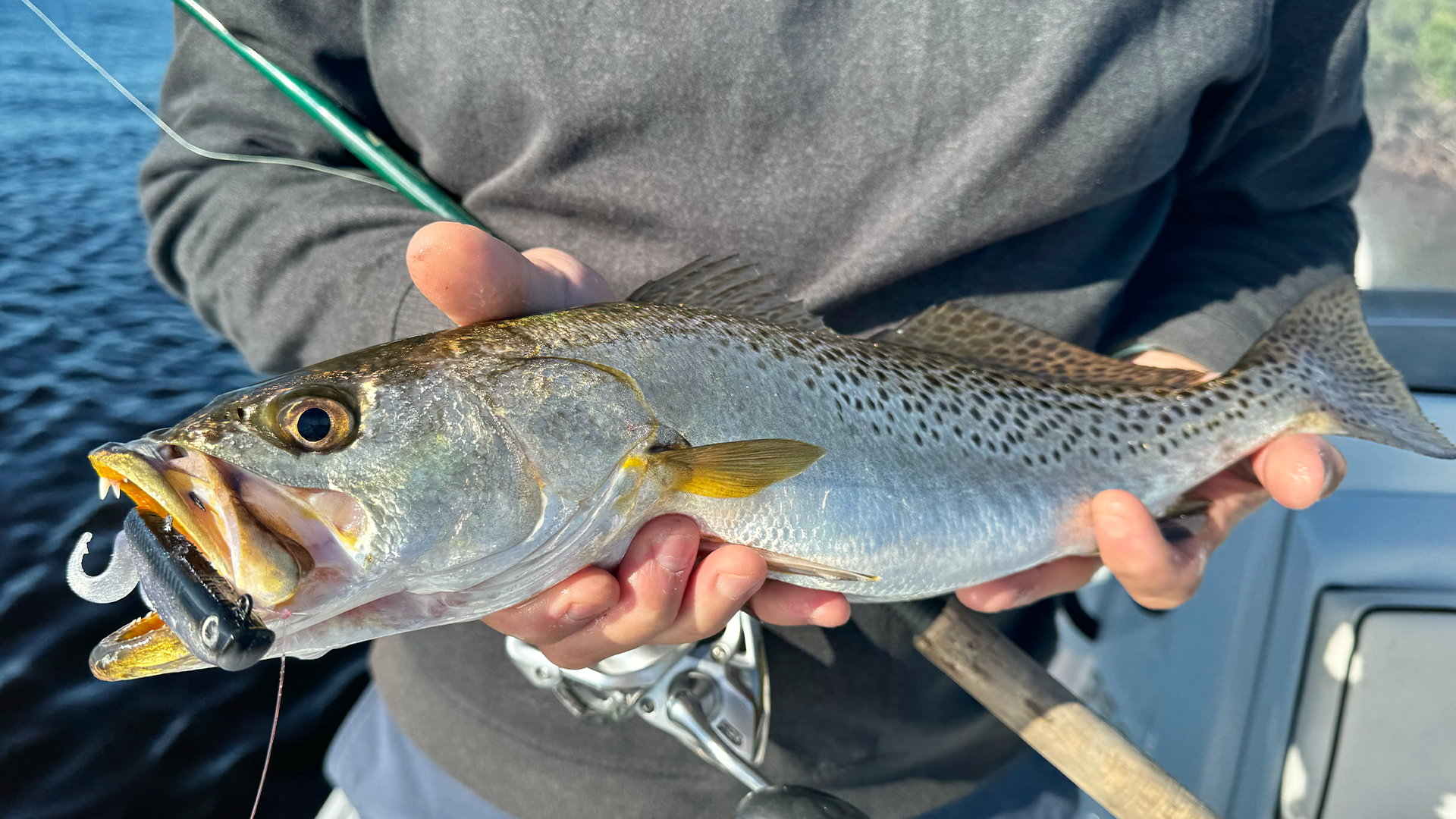
- Shrimp popping on the surface: Slowtail on a dead drift or glide-and-pause mimics a shrimp falling back down. Snook and seatrout key on this.
- No visible bait but fish are present: Subtle search tool for flats, backwaters, and structure edges where fish are feeding on micro-forage you can’t see.
- Bait hugging structure (pilings, mangrove roots, seawalls): Cast tight, let the Slowtail fall past the shadow line. The flutter on the drop triggers ambush predators.
- A — Activity / Feeding Style:
- Following but not eating: The Slowtail’s subtle twin-tail swim gives fish time to inspect and still commit. The pause is the trigger.
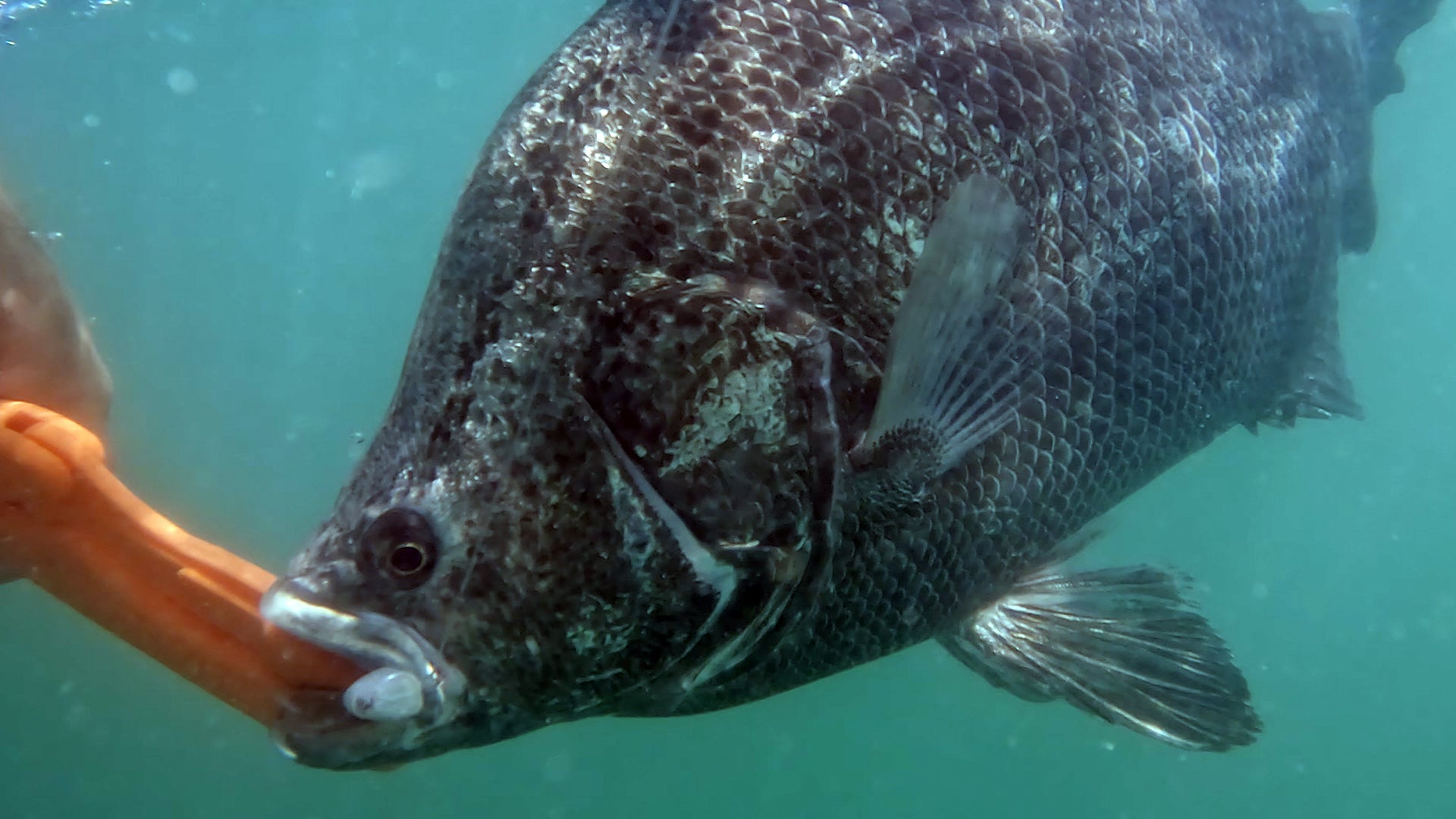
- Nose-down feeding behavior: Fish rooting along bottom, nosing through sand or grass. Slow-and-Low crawl matches their mood.
- Post-blitz shutdown: Fish pushed down after a surface feed. Kerplunk-and-Pulse drops into their zone with a natural entry.
- Refusing everything: The nuclear finesse option. If they won’t eat the paddle, the eel, or the stickbait, they’ll eat this.
- Rolling/cruising (tarpon): Dead drift through the roll zone. Don’t retrieve. Let the current deliver.
- S — Structure (Relation):
- Pinned to structure (dock pilings, seawalls, bridge abutments, rock fingers): Cast tight, let it fall. The twin tails flutter on the drop. This is the snook presentation.
- Suspended mid-column: Count down to their depth, then glide-and-pause at their level. The Slowtail hangs in the zone longer than any other softbait.
- Bottom-hugging: Crawl it across sand, grass, or mud. Still looks alive at zero speed over eelgrass, turtle grass, and oyster beds.
- Holding in current (passes, bridge shadows, rip seams, inlet mouths): Dead drift through. Fish the swing. Let the bait act like stunned forage swept by tide.
- Marks at specific depth around structure: Count the Slowtail down to match. The labeled chin weight makes depth control predictable.
- Marks mid-column, not on bottom: Suspended fish. Glide-and-Pause at their depth, or dead drift through.
- Fish following the lure on screen: Stop. Let it hang. The twin tails keep pulsing at zero speed while the fish decides.
- Structure + Approach (S+A):
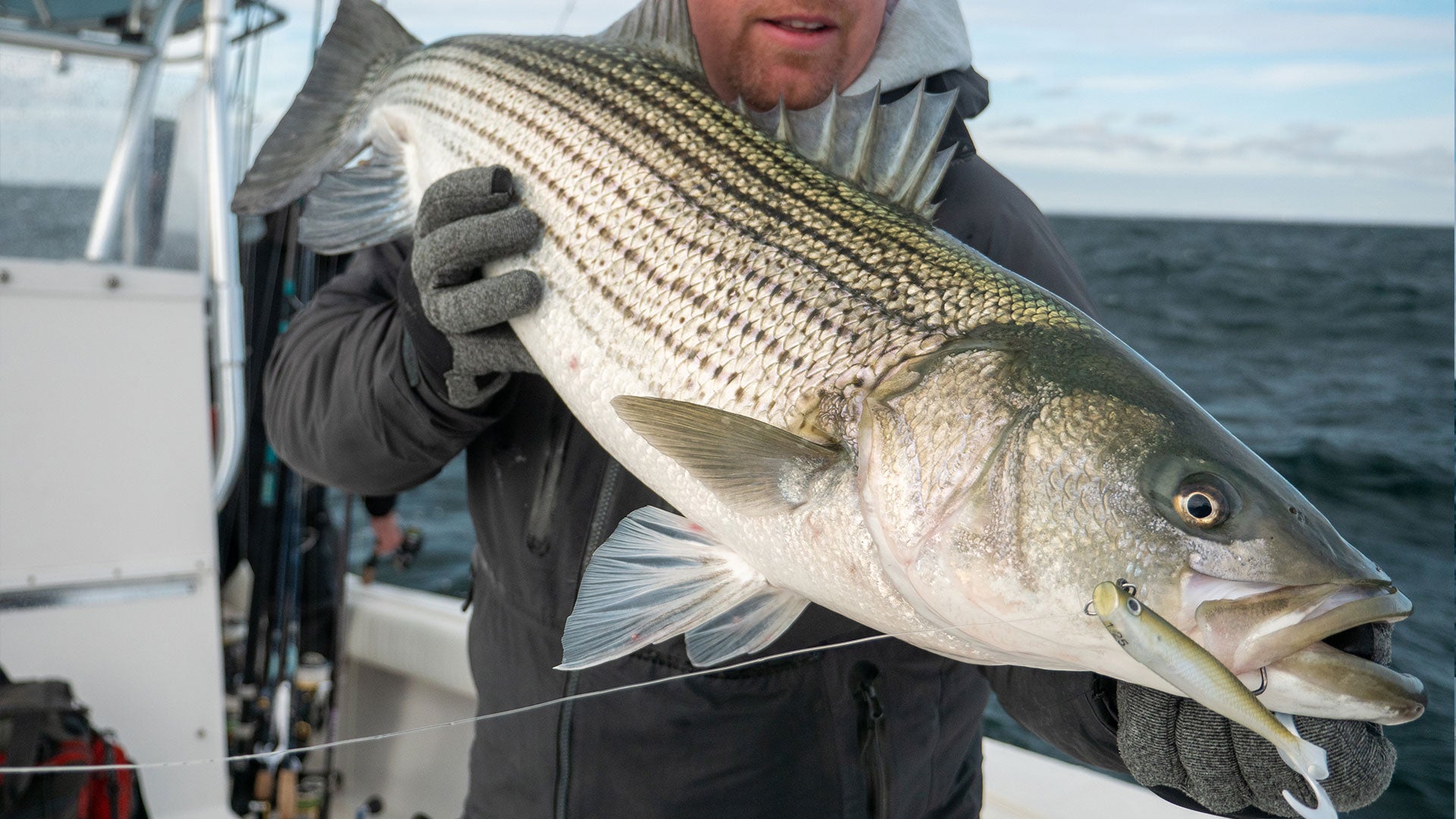
- Docks, seawalls, pilings: Cast tight, let it fall parallel to the structure. Count it down past shadow lines and ambush zones. Snook, tarpon, and stripers all stage here.
- Mangrove edges / marsh drains: Swim it slow along root lines and outflow seams. The ultra-subtle presentation won’t blow out fish staging in inches of water.
- Bridge shadows and passes: Dead drift through the shadow line on current. Tarpon eat shrimp exactly this way. The Slowtail replicates it on artificial.
- Ultra-skinny flats: Crawl it across inches of water over mud, sand, eelgrass, or turtle grass. Still looks alive at speeds that would kill a paddle tail.
- Estuaries + backwaters: Swim it slow along drains, creeks, and grass edges. Fan-cast to cover water with the ¾ oz or reach structure with the 1¼ oz.
- Eddies + tidal pockets: Drop and hover in soft seams where subtle presentation is key. The Slowtail suspends in micro-current zones that flush other baits through too fast.