





Rules of Thumb: 7 Tips On Conservation-Friendly Releases
Hooked in the mouth, brought up slow, and back in the water fast. A few habits that keep the fish you release healthy for next season.

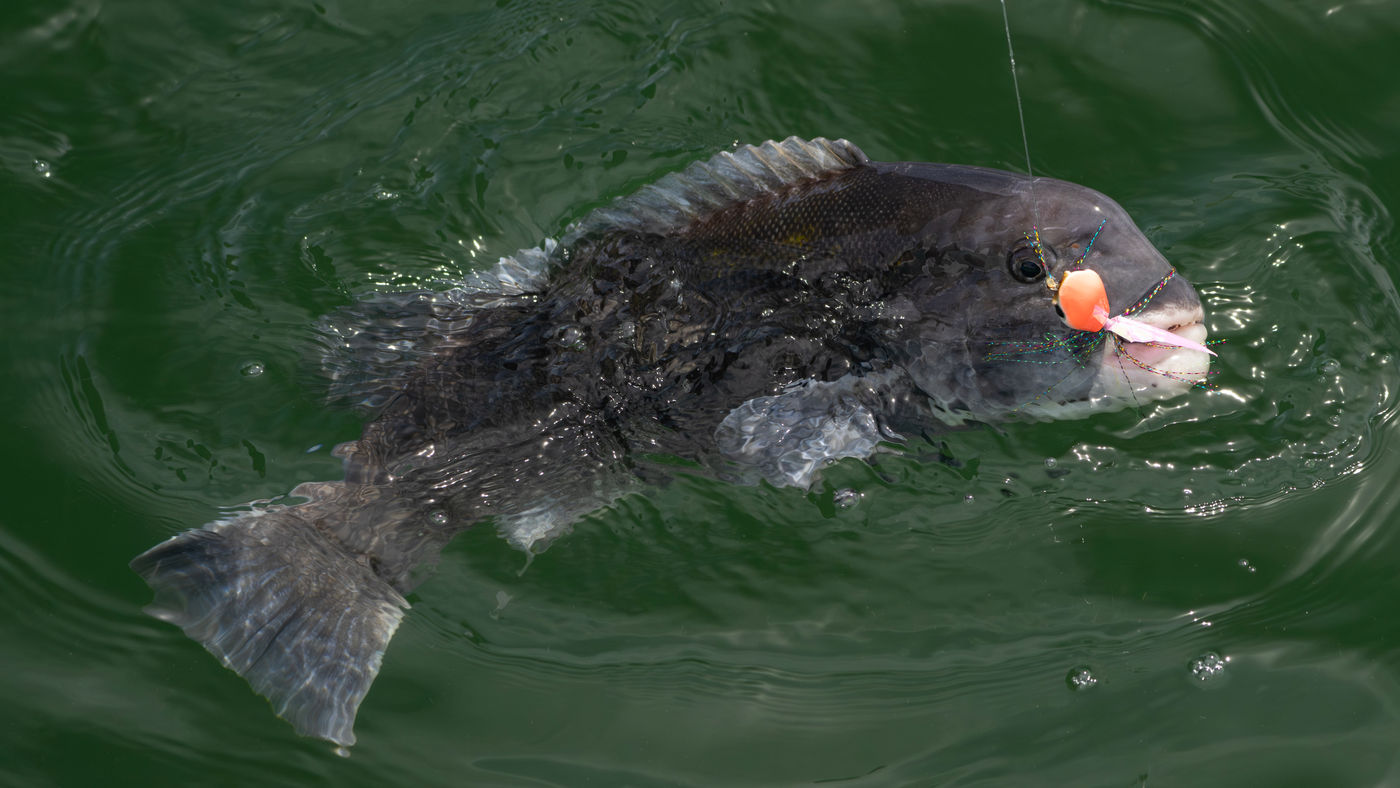
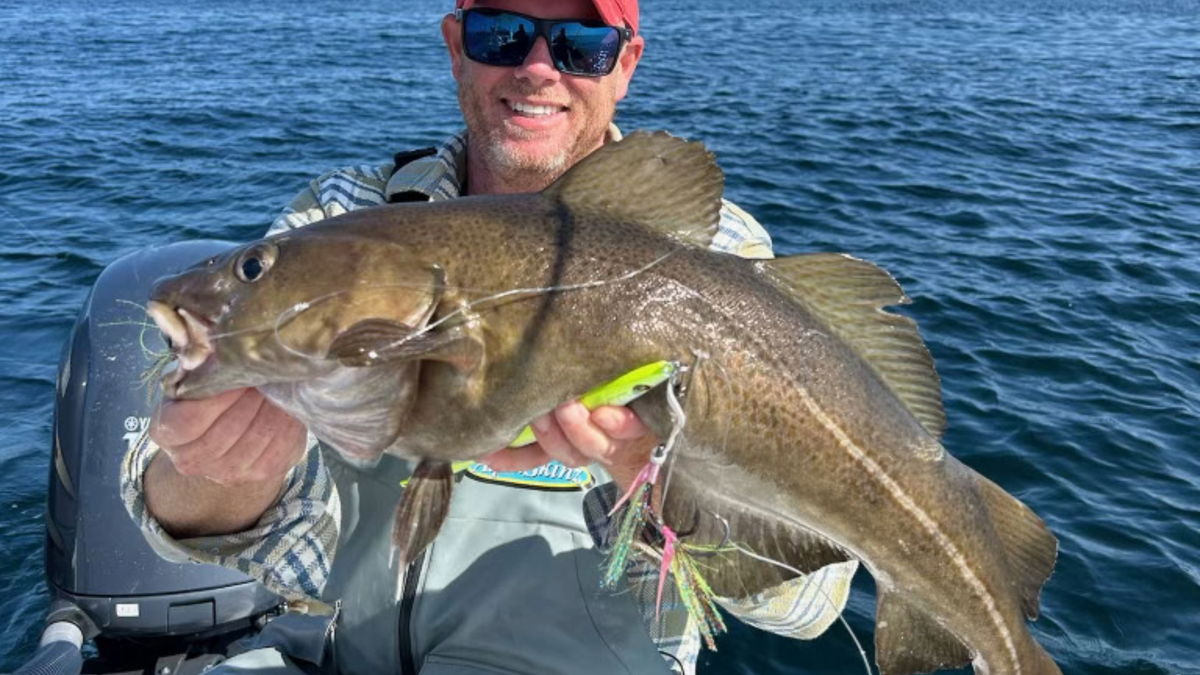
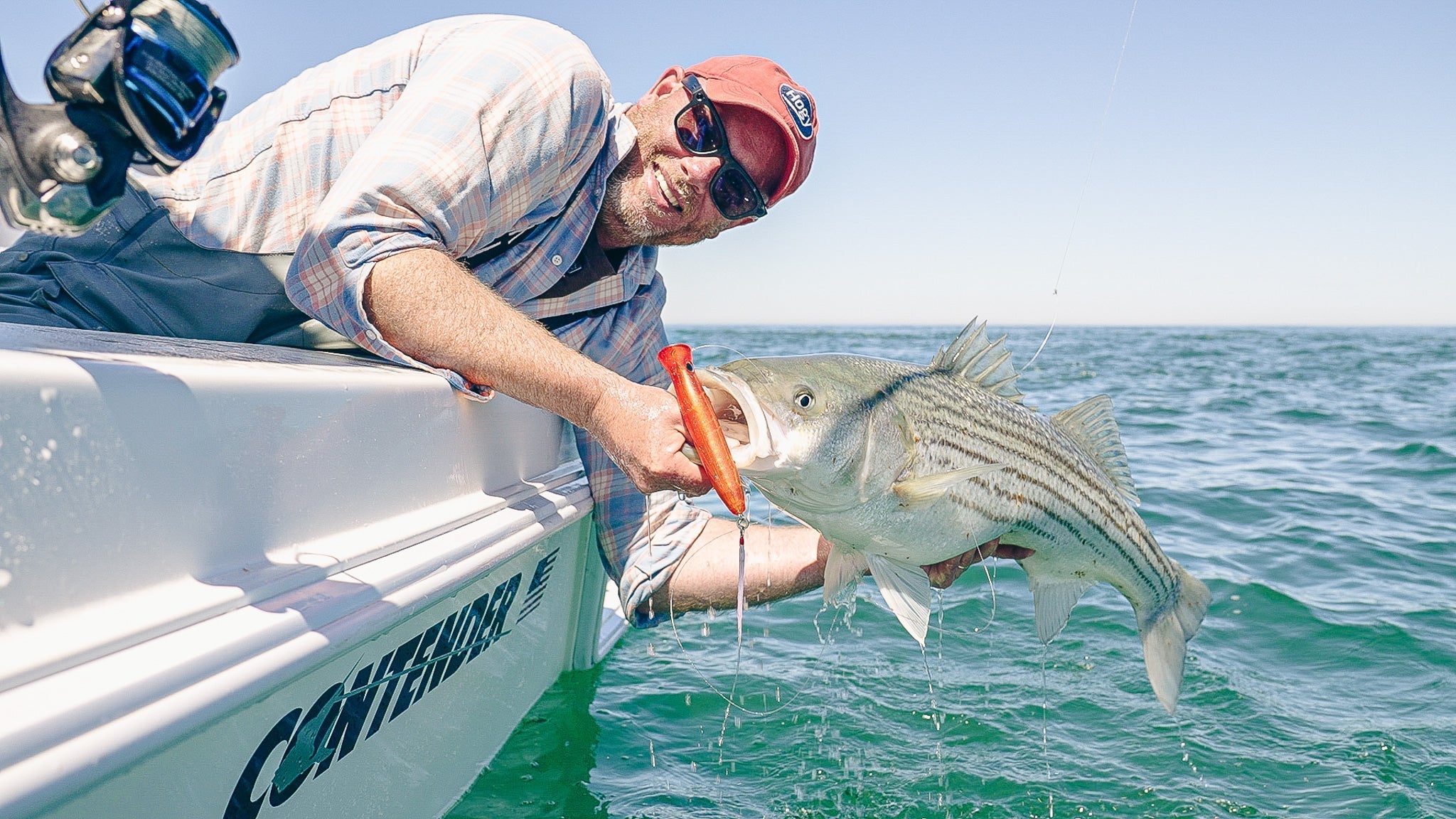
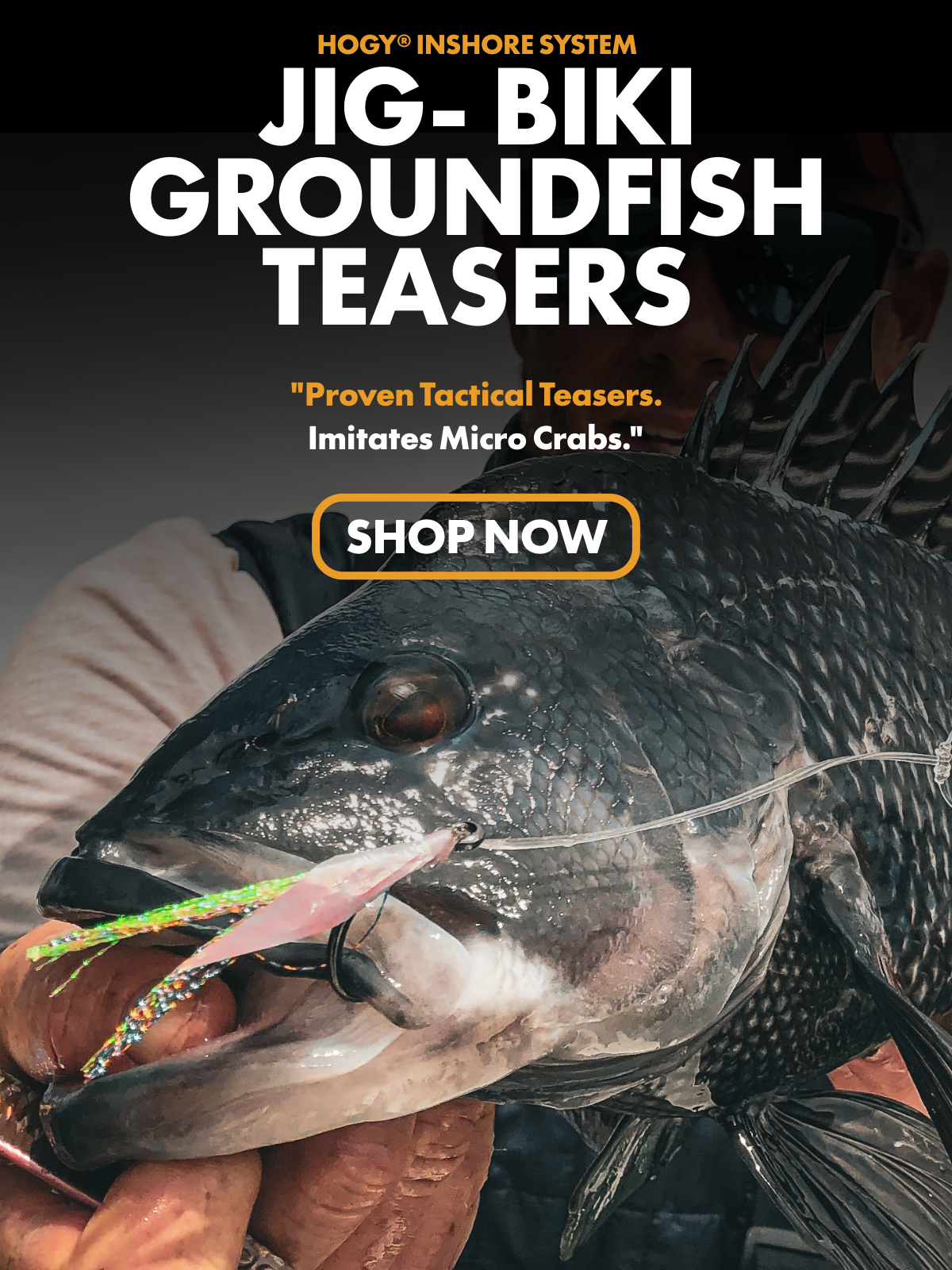
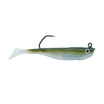
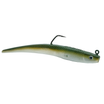
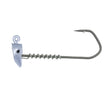
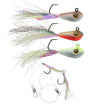
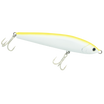
Hooked clean in the jaw on a Biki Jig. Clean hookups make fast releases.
Groundfishing is meat fishing for a lot of people, and I get it. Sea bass, tog and cod are some of the best eating we have. Most of the fish we hook still go back, though: shorts, big females, over-limit fish and the bycatch. How you hook them and how you bring them up decides whether they swim away or just float away.
None of this costs you fish in the box. Most of it puts more there.
1Go artificial
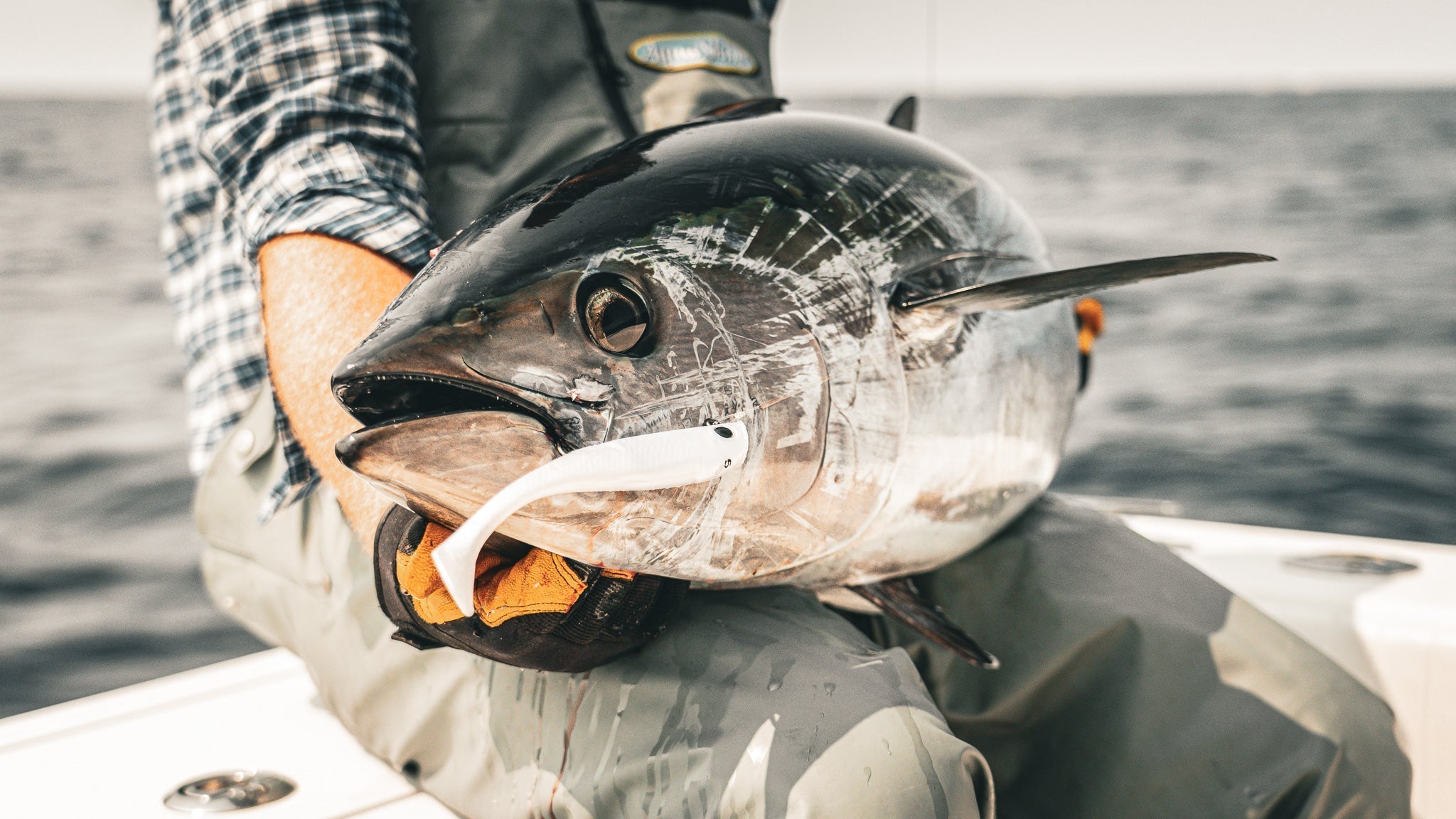
Artificials are always better than bait for the fish you let go. A fish eats a jig and you come tight in the mouth. A fish that finds a chunk of bait gets time to swallow it, and a swallowed hook is the one that kills fish you meant to release.
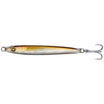
That's a big reason I fish no-bait jigs for sea bass and casting jigs for tog. Clean hookups, fast releases, and no bait bucket.
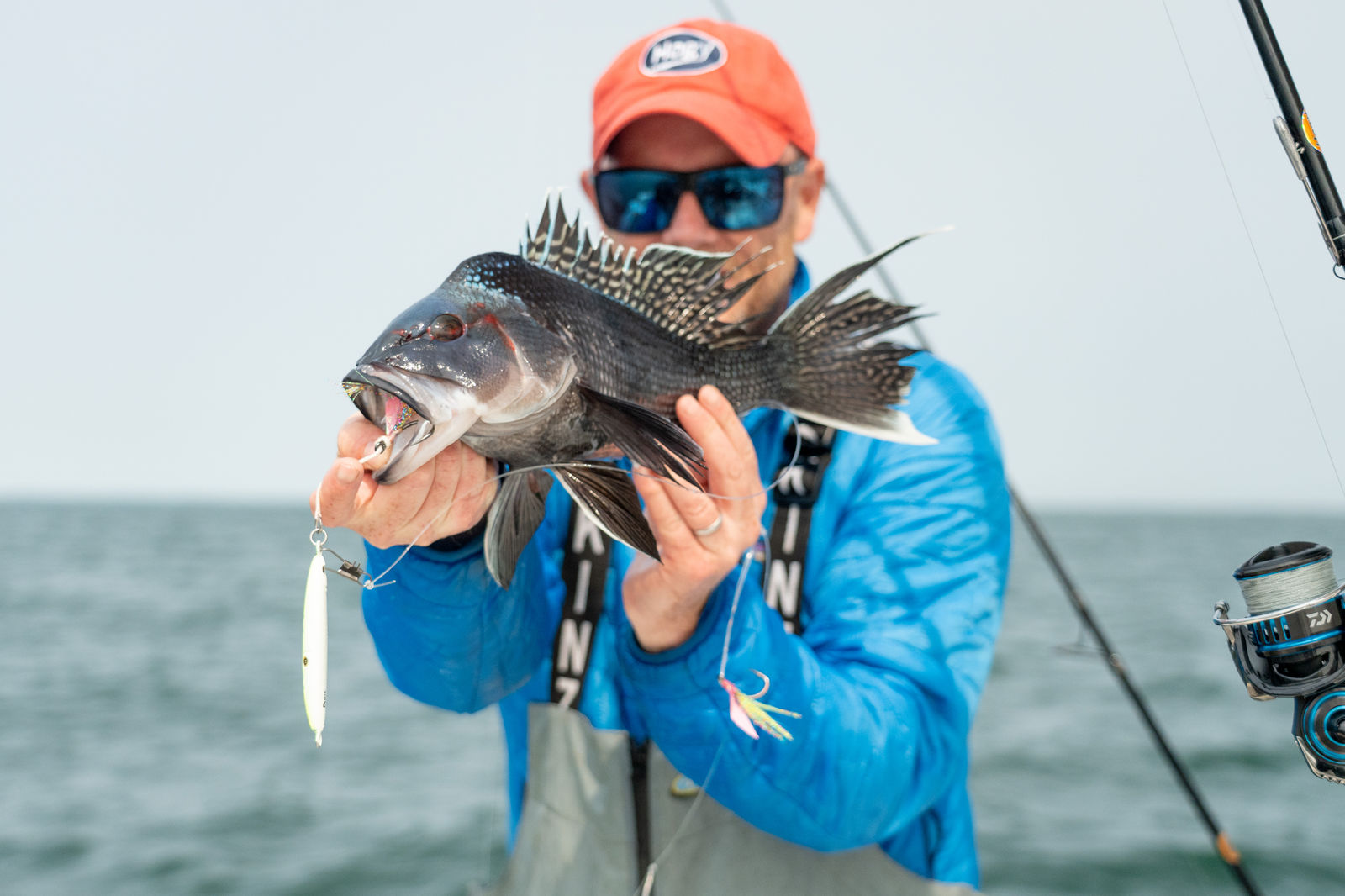
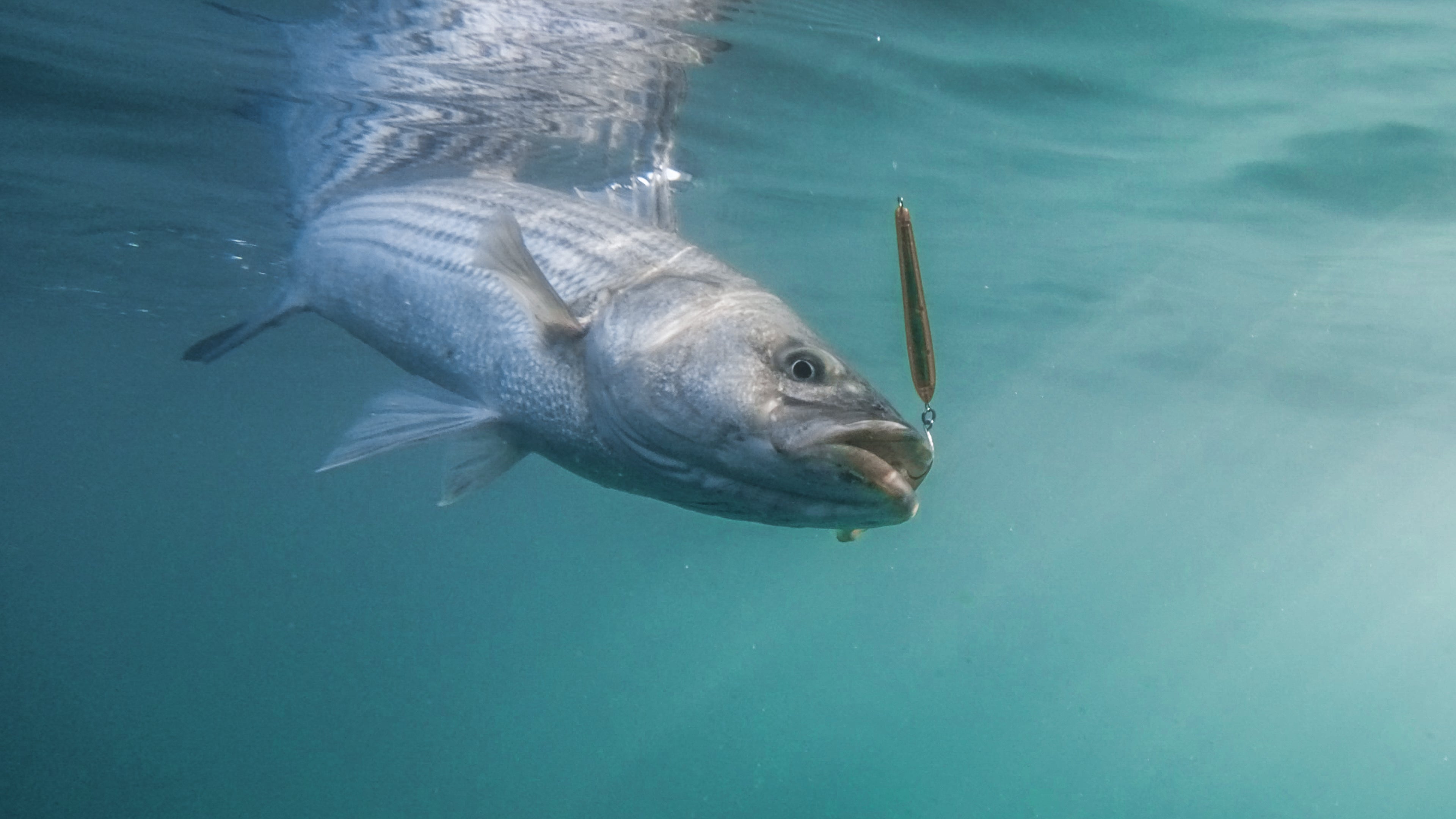
No bait, hooked on the jig. That's the release you want to make.
2If you use bait, use circle hooks
When bait is part of the plan, put it on a circle hook instead of a J hook. A circle hook slides to the corner of the mouth as the fish swims off and the line comes tight. Don't swing on it. Let the rod load and the hook does the work. A J hook goes wherever the fish took it, and that's often the gut.
3Go way up on hook size
This one surprises people. Go way up on hook size. The little fish will still find that hook, so you won't stop catching them, but a bigger hook is a lot harder for a small fish to swallow. You get fewer gut-hooked shorts and more fish that go back in good shape.
4Single hooks on everything
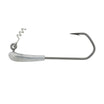
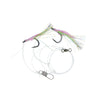
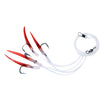
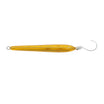
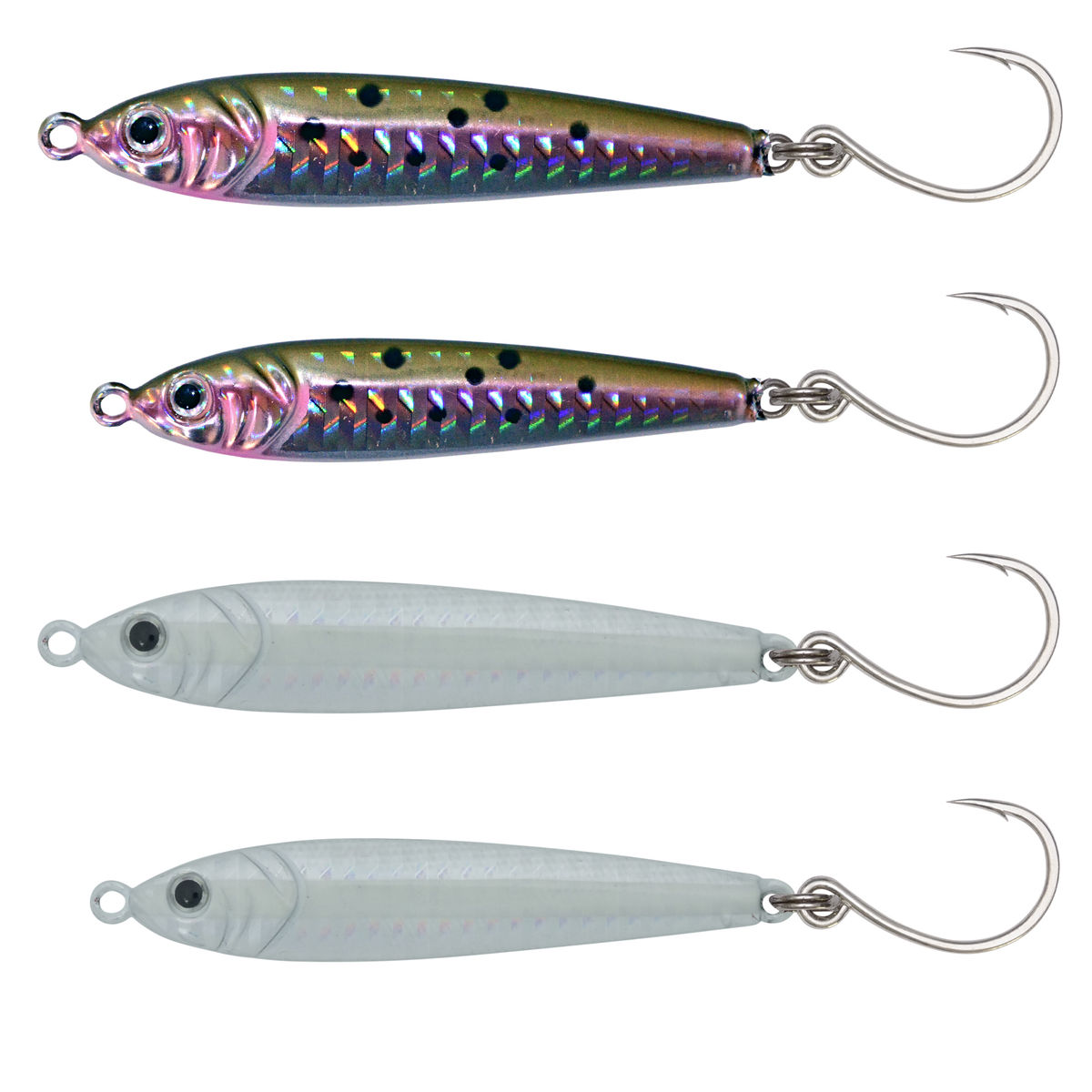
My casting jigs ride inline singles. A single hook pins the fish just as well, snags less in the rocks, and comes out in seconds. Fewer hooks in a fish means less damage and a faster release. On the boat, it also means fewer hooks in the angler.
5Stop snagging fish
This is the big one offshore. When you drop into a pile of cod and haddock, a lot of fish get snagged on the jig instead of eating it, often in the soft tissue of the belly. That's foul hooking. It's hard on the fish, it's hard to land, and it isn't clean fishing.
Long, fast sweeps of the rod are what do it. Rip a jig up through a tight school and you're snagging fish, not catching them in the mouth. When the sounder shows a pile of fish, slow the jig down and let them eat it:
Short lifts, tap it down, pause.
Hold the jig on the bottom and let the boat and the teasers move it.
Quick, short pops right off the bottom, then let it fall.
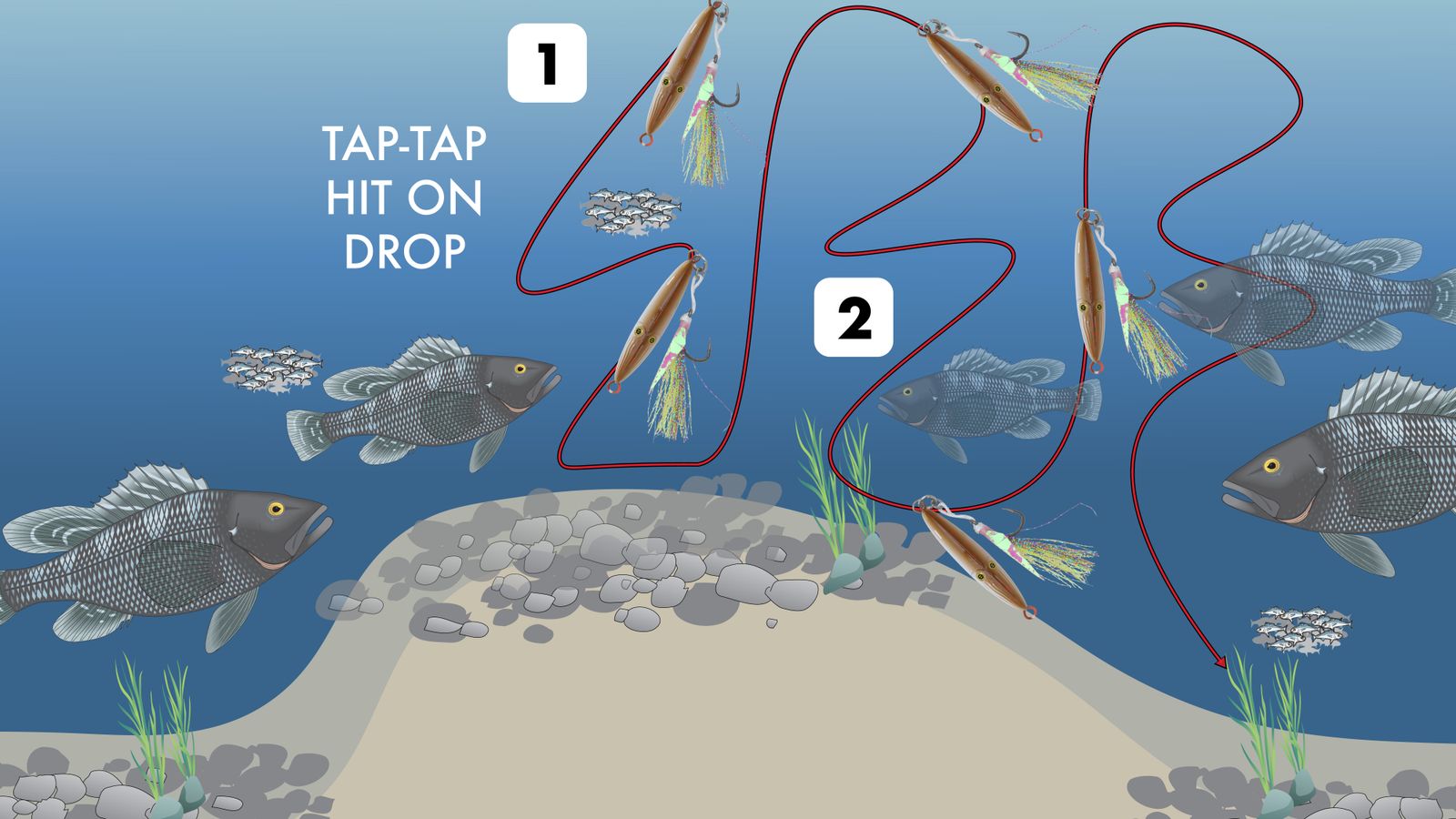
Short strokes in a pile of fish. They eat it on the drop, and you hook them in the mouth.
If you keep bringing up fish hooked in the side or the belly, that's your sign. Shorten the stroke.
6Reel slow from deep water
Don't reel fish in too fast. A sea bass or cod coming up from 100 feet or more goes through a big pressure change on the way. Bring it up slow and steady and give it a chance to handle that. A fish cranked up from the bottom as fast as the reel will go comes up in rough shape, and the ones you release have a harder time getting back down.
This matters most on the fish you plan to let go. Slow down on every one, and decide early whether a fish is a keeper.
7Release fast
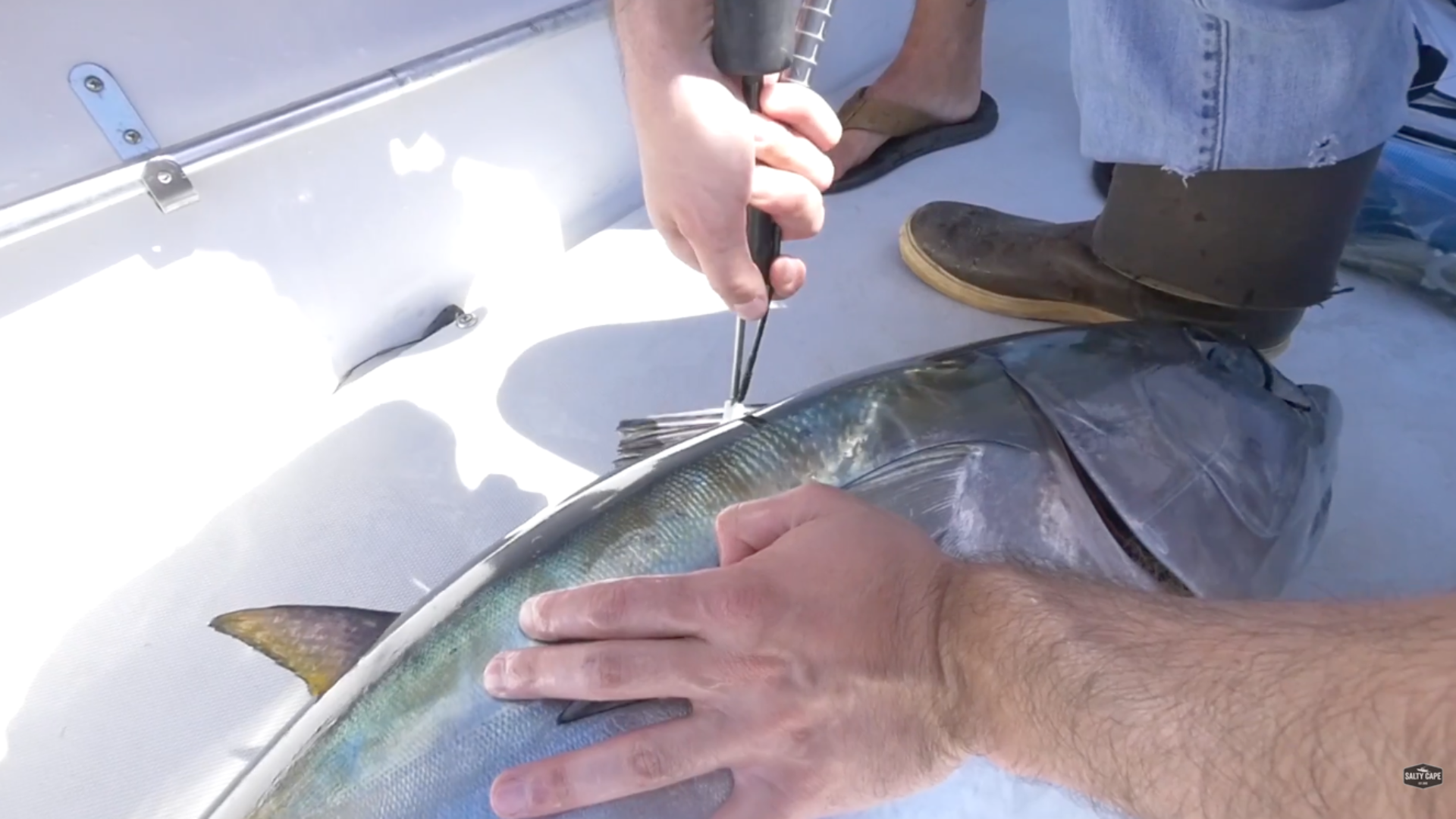
The faster the release, the safer for the fish. Have pliers within reach, measure quickly, and get it back in the water. On tog, send the big females back. They're the ones that make next spring.
Leave a rod's length of line out when the fish comes up. Put the rod in the holder, swing the fish in, and you have both hands free to unhook it fast.

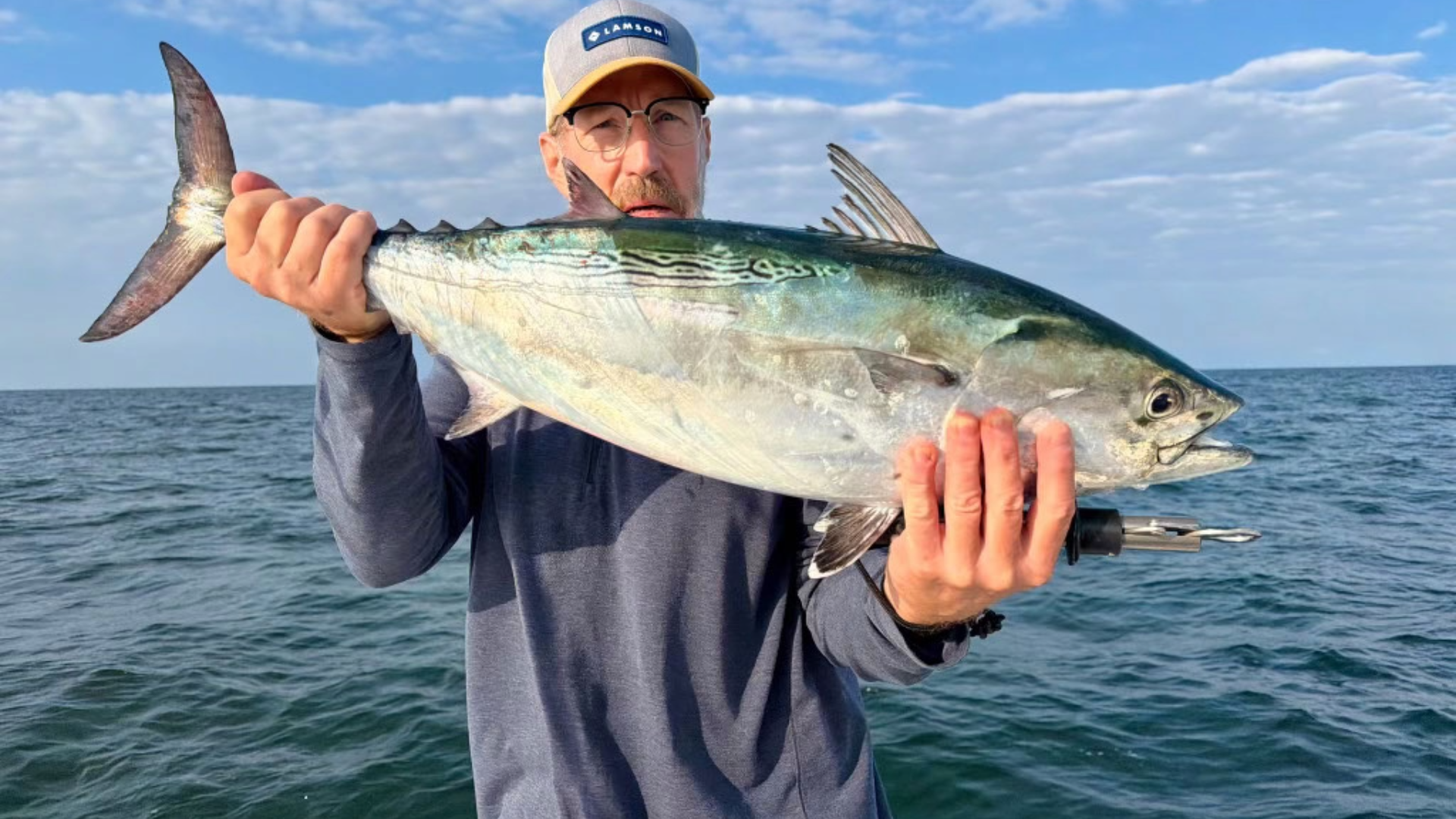
Quick photo, quick decision. Measure it, and if it's going back, get it back fast.