
















November Bluefin — The Pro Tail Paddle and the Stall in Greasy-Calm Water
Almost Thanksgiving, flat-calm and spooky, with fish milling on small butterfish. Capt. Mike Hogan and John Burns search the Outer Cape backside and crack it with a Pro Tail Paddle — a slow swim held just under the surface, and the speed-and-stall that gets the eat.

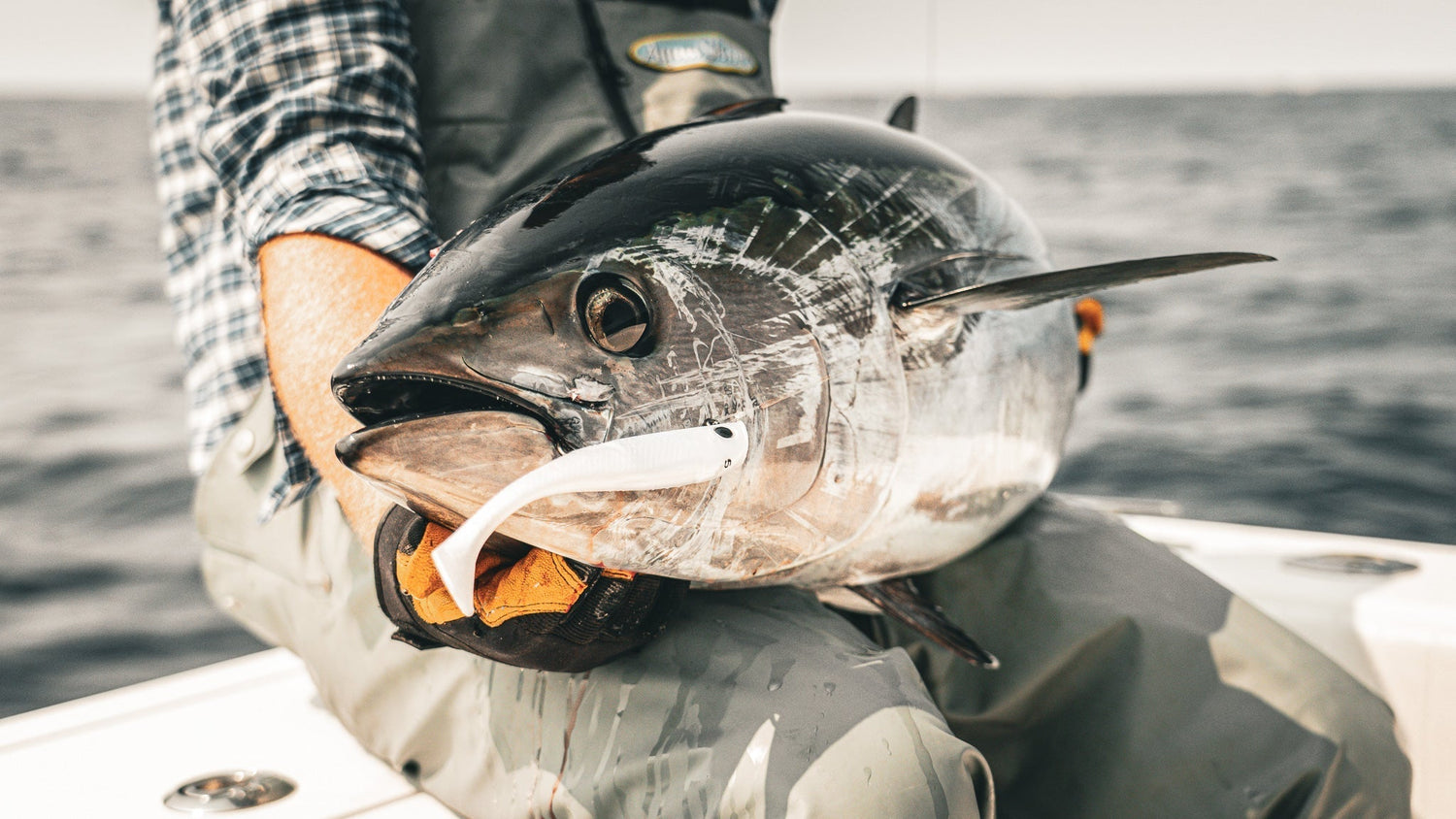
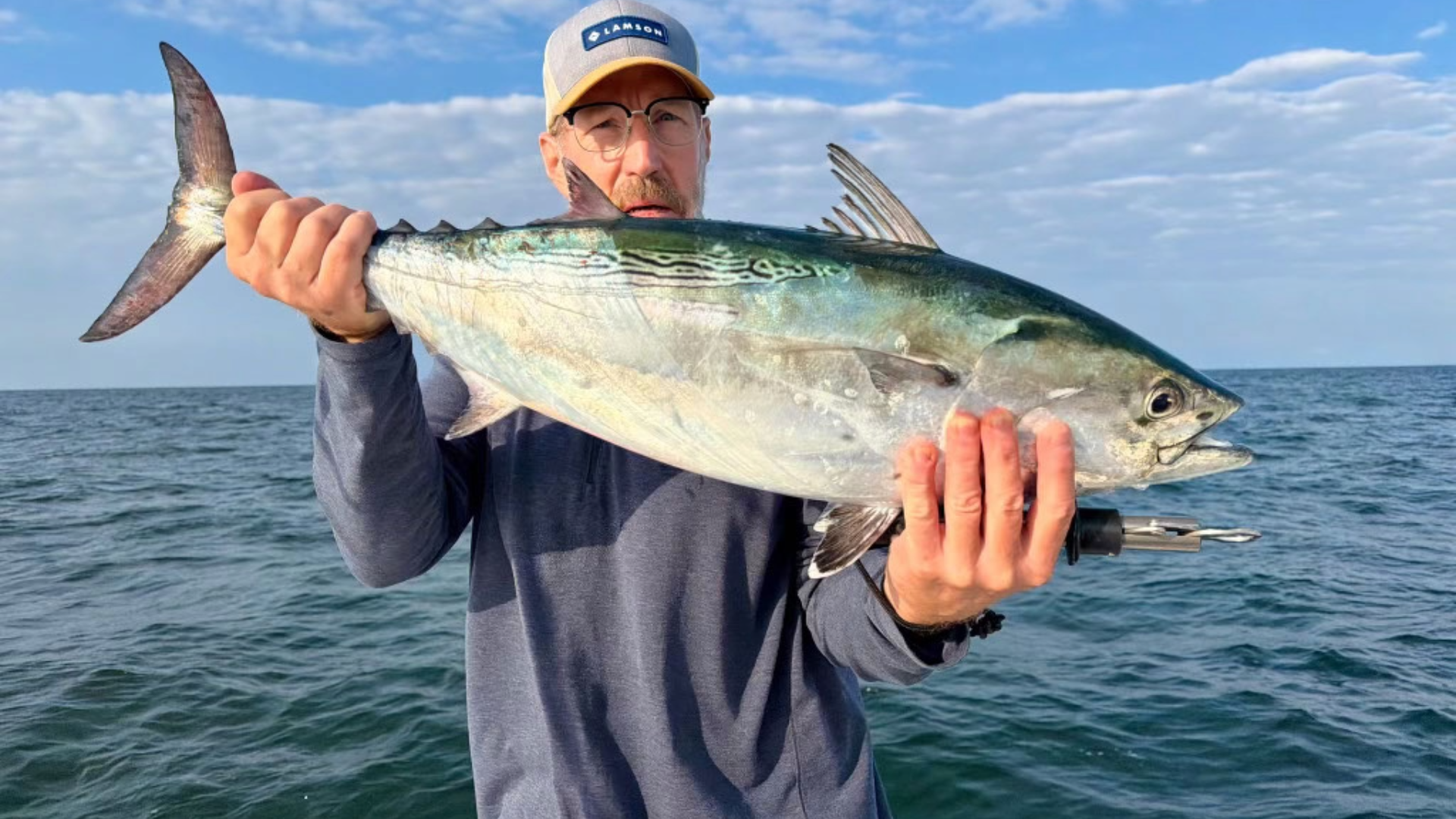
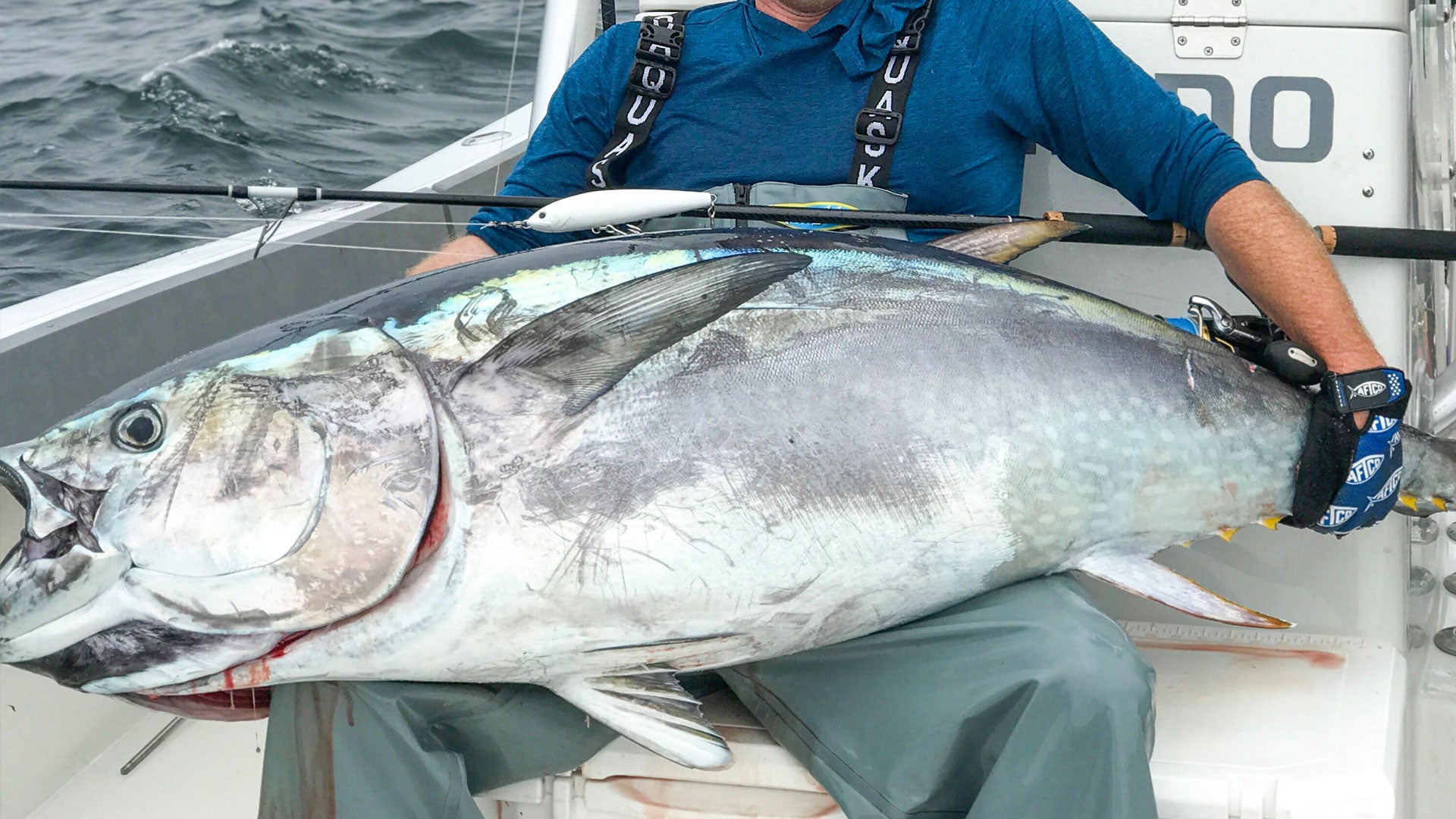
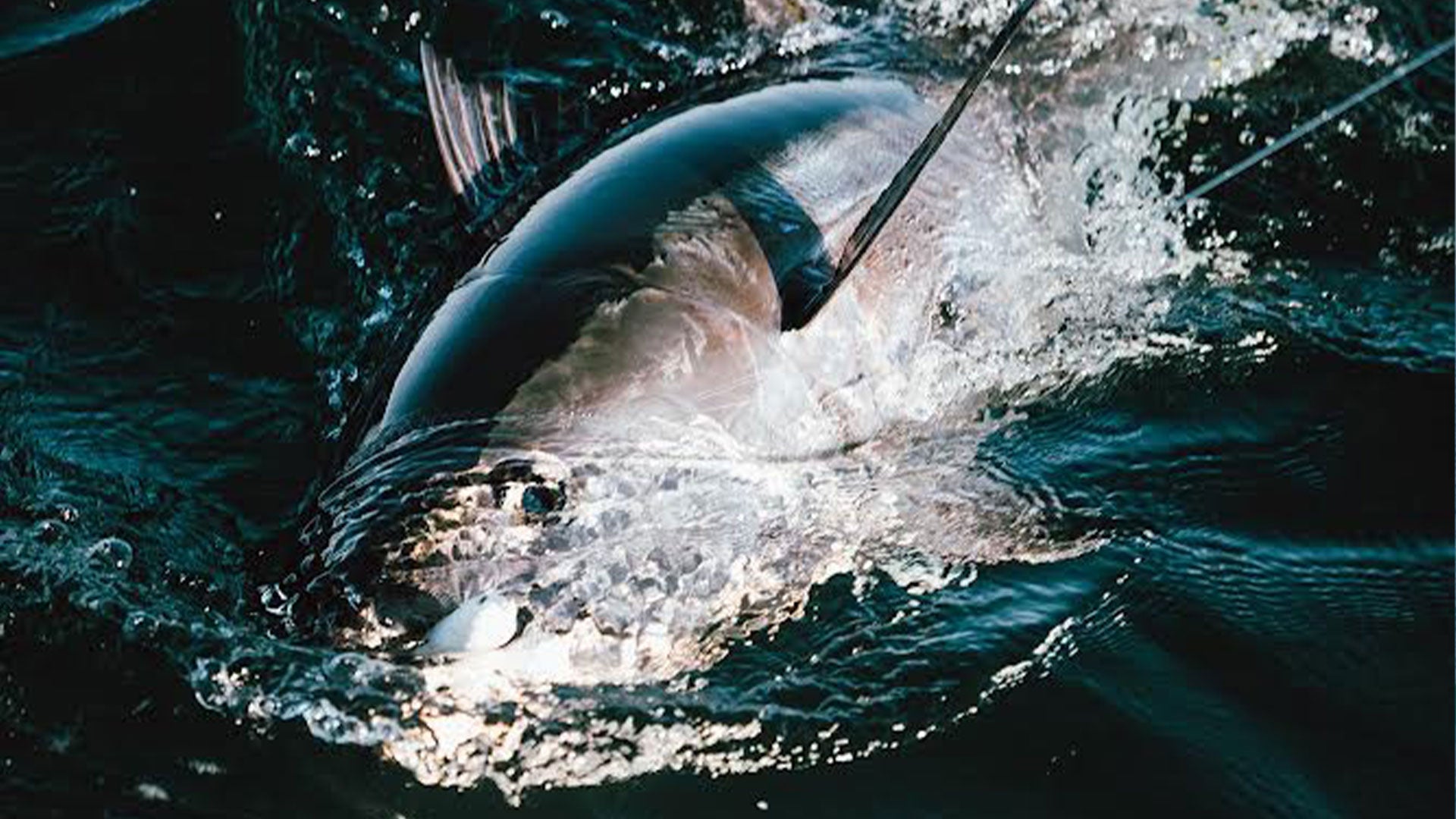
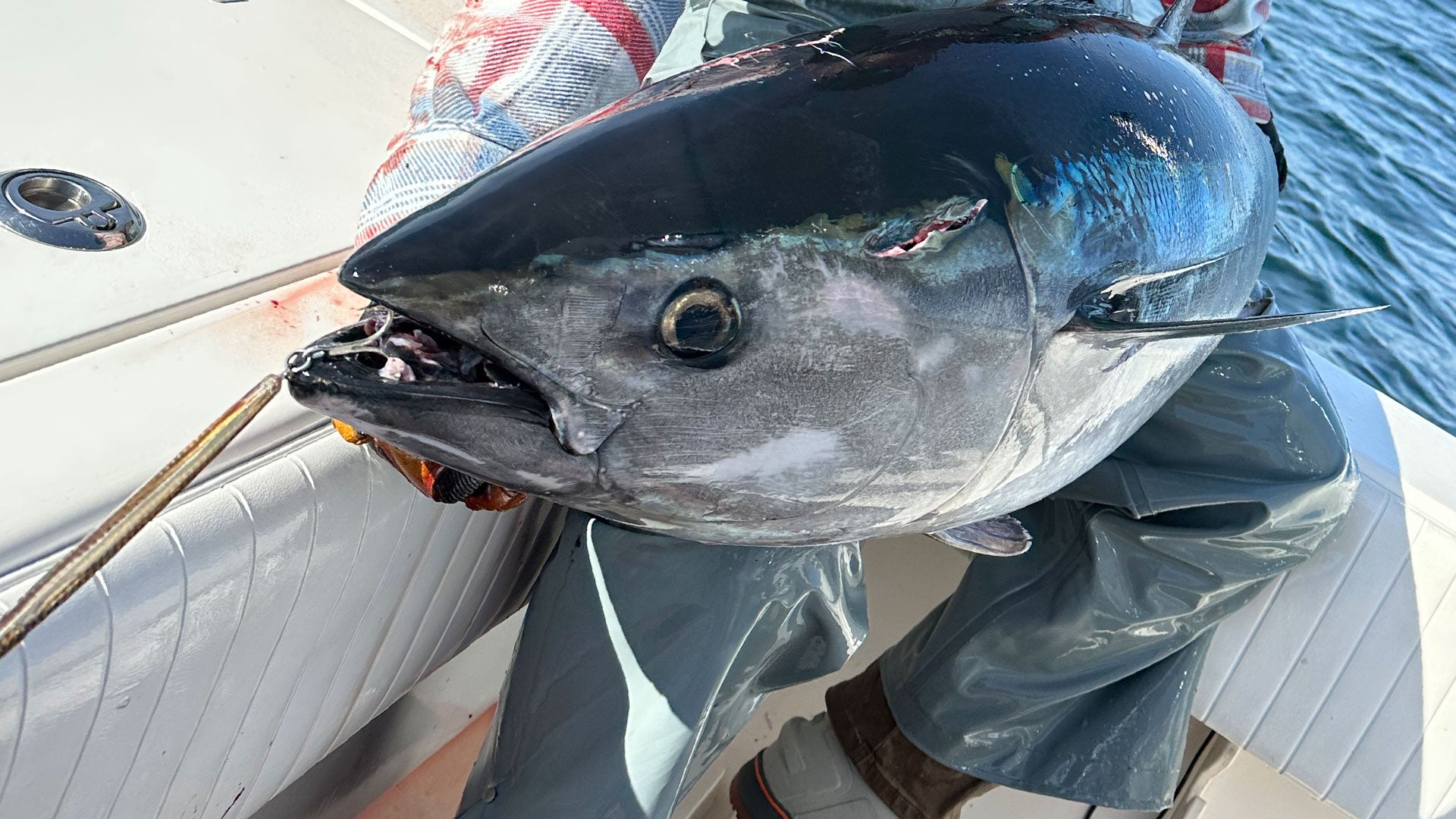
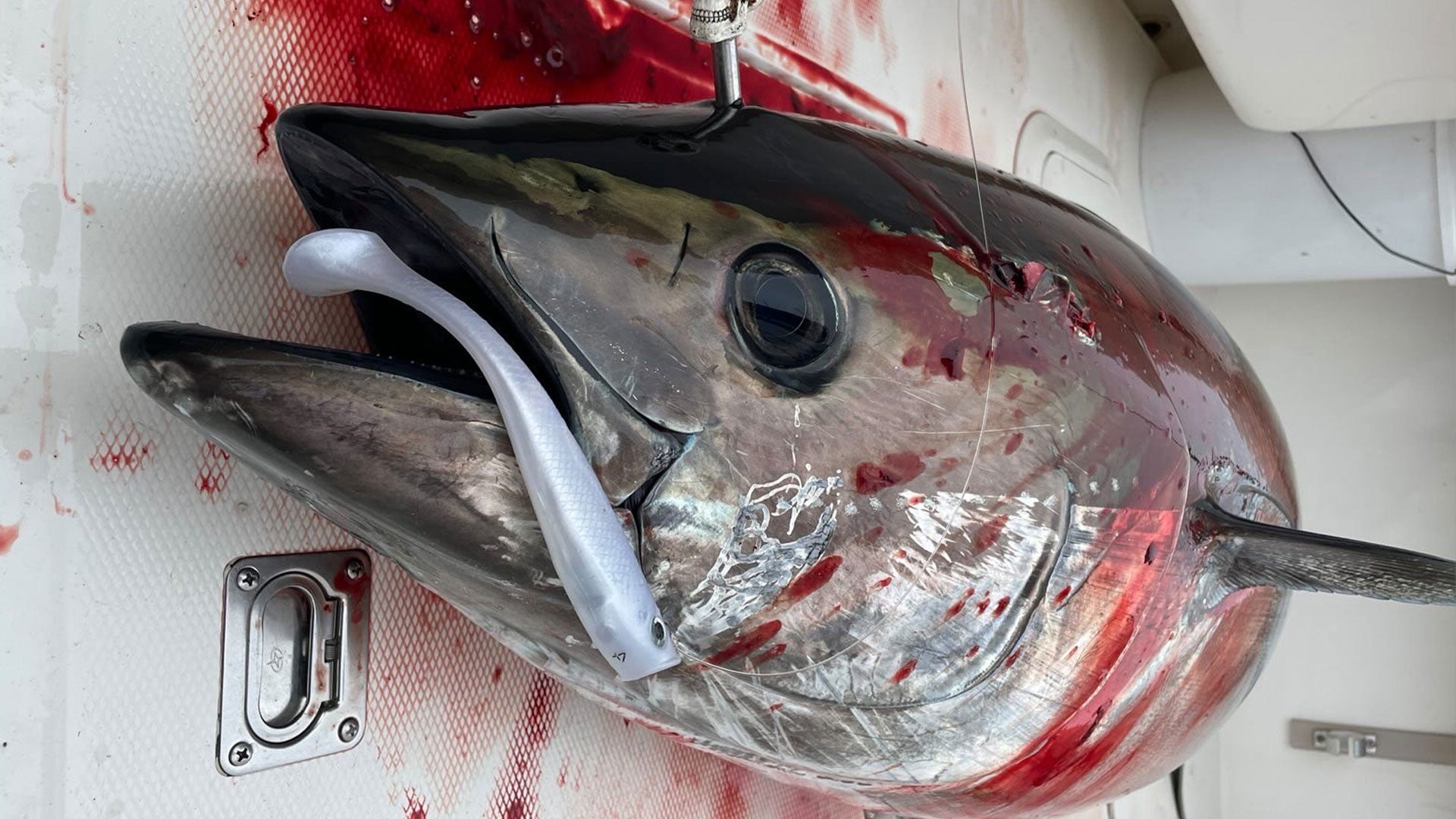
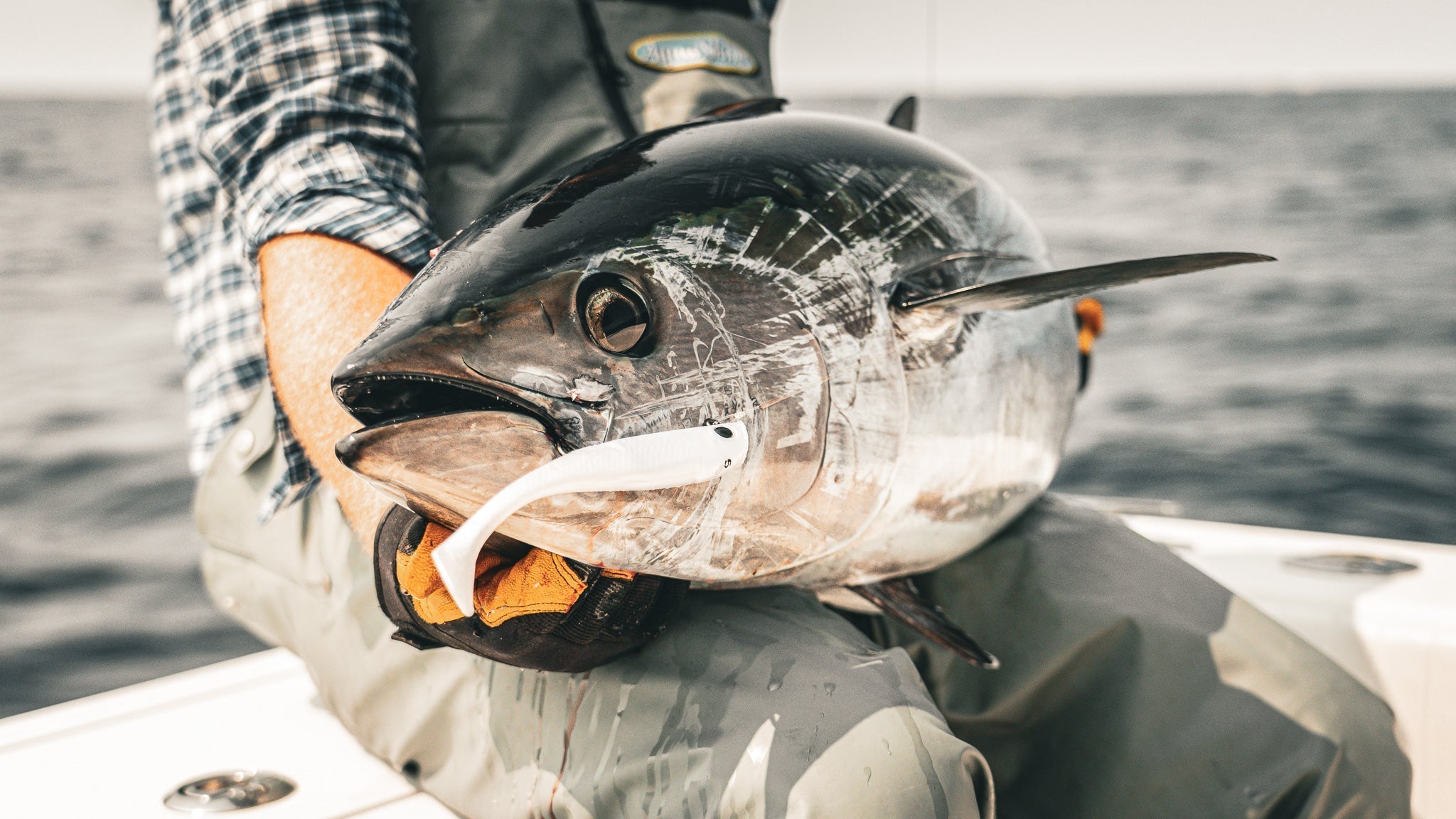
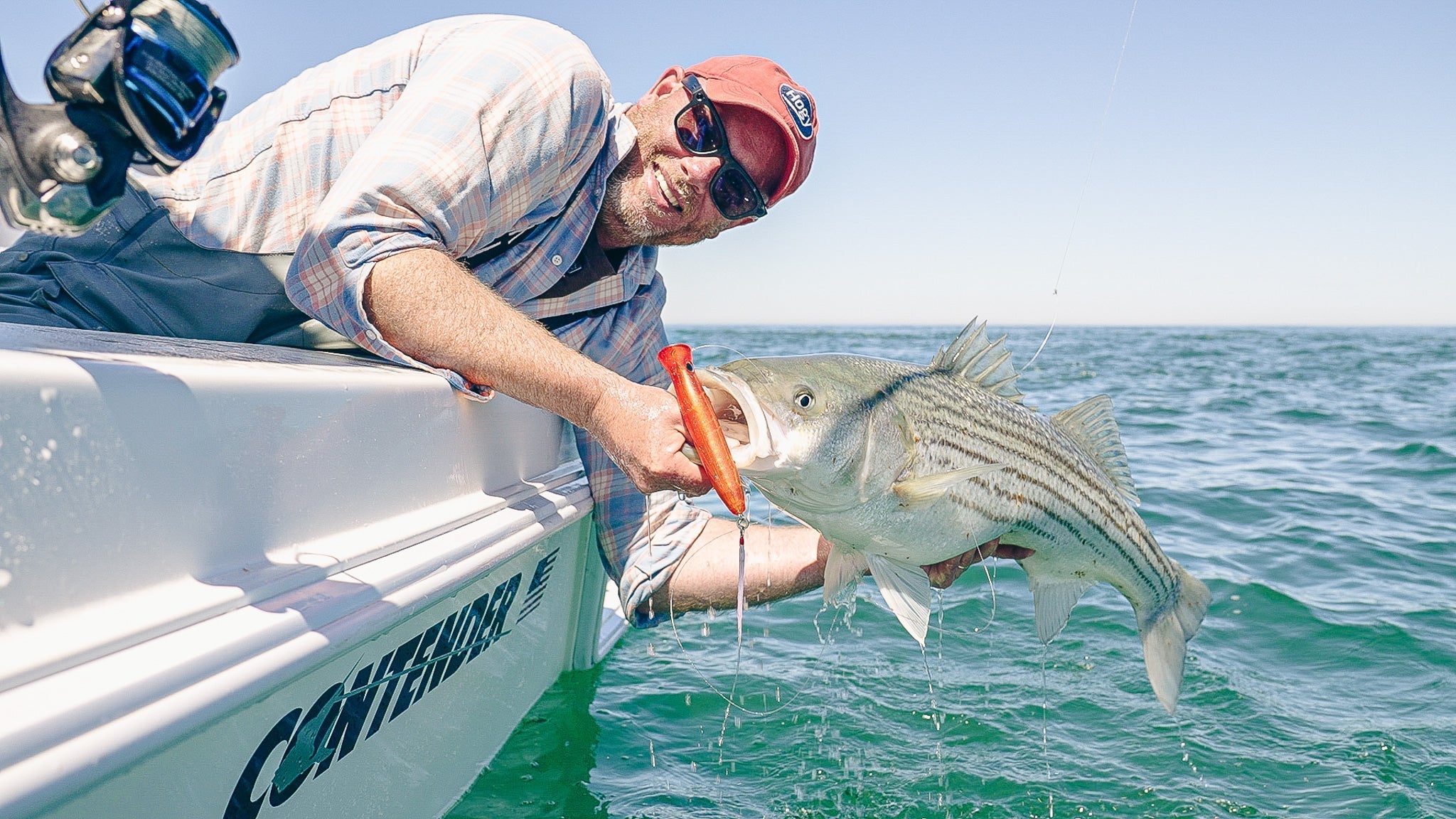
A November bluefin that slurped a slow-rolled Pro Tail Paddle off the Outer Cape backside — late-season fish, greasy-calm water, and a stall that sealed the deal.
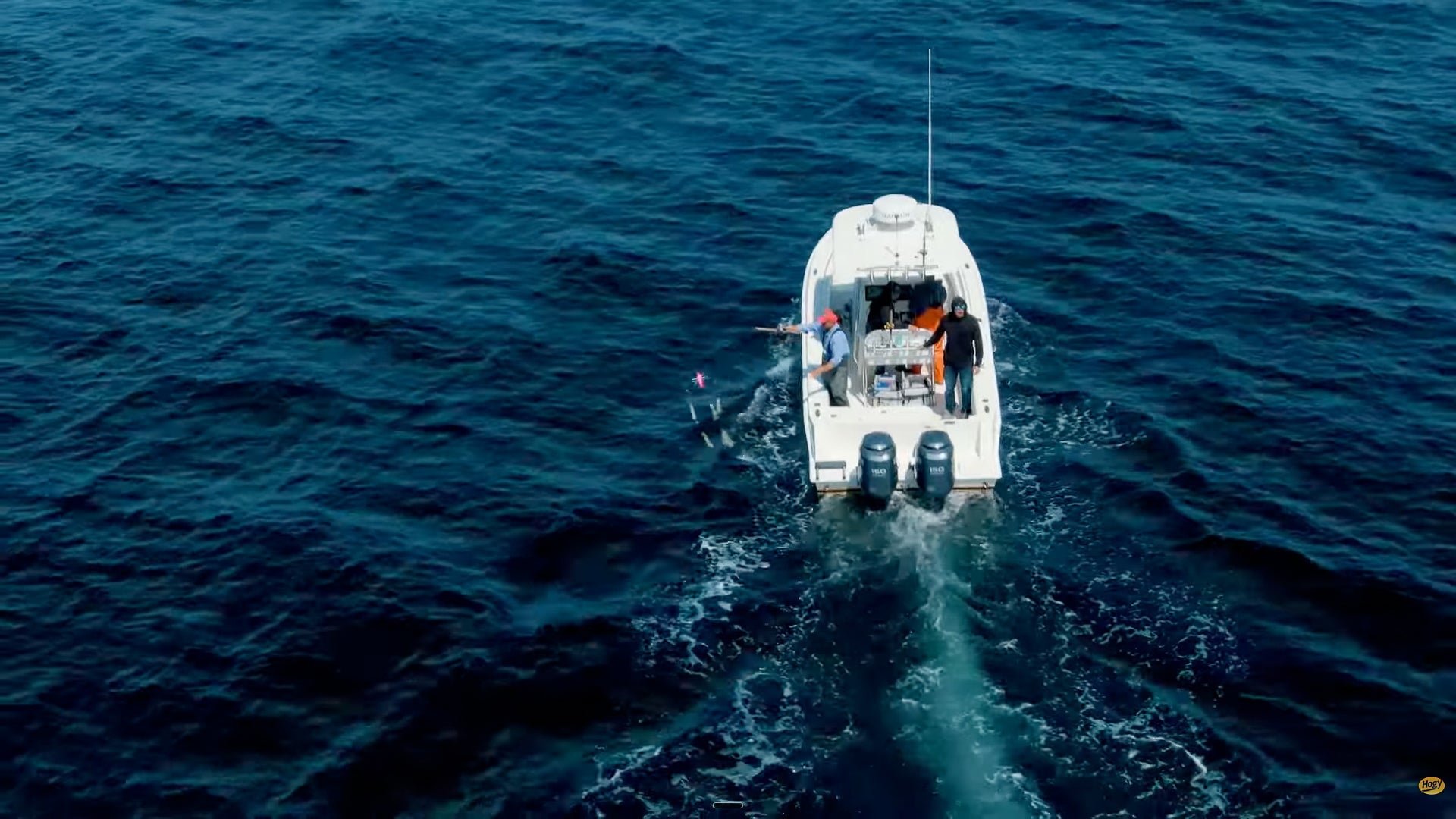
It’s nearly Thanksgiving, and the bluefin are still here. Capt. Mike Hogan is out with John Burns aboard his 25′ Edgewater, the Relentless, working the east side of the Outer Cape — poking around Peaked Hill, sliding down to the Golf Balls, and continuing south until they find fish. The forecast finally laid down, and after a recent trip that showed plenty of life but few tuna, they’re optimistic. The catch is the conditions: greasy-calm water makes the fish milling and very spooky, so the day is all about fluorocarbon leaders, ultra-clean presentation, leading the fish properly, and matching the hatch.
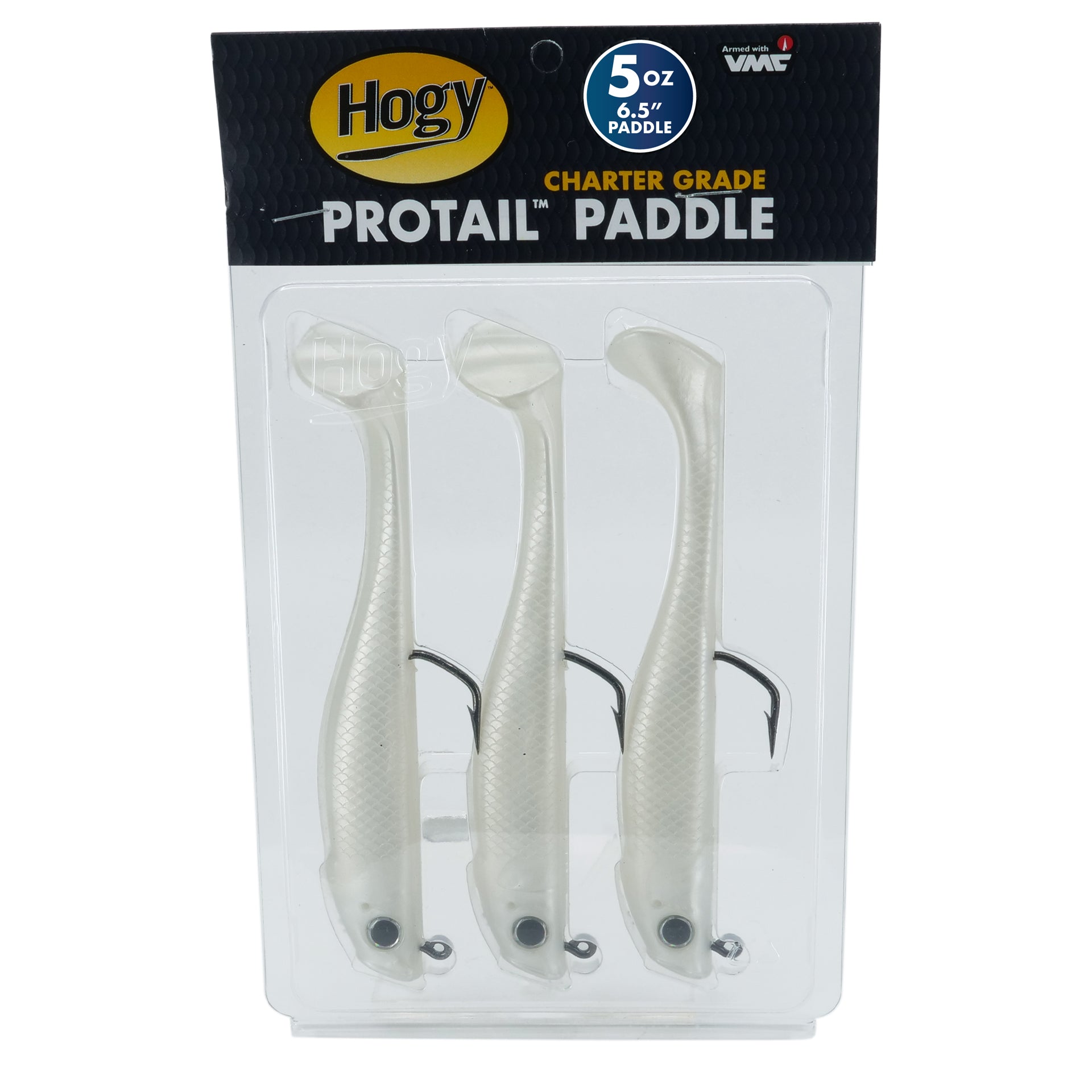
The bait tells the story — there’s mackerel around, but the fish finder is showing large plumes of smaller bait, and the tuna are gorging on small butterfish. The answer is a Hogy Pro Tail Paddle, fished slow. Its built-in paddle acts like a parachute that keeps the weighted lure riding just under the surface, and the trigger is a speed-and-stall cadence that, in calm water on spooky fish, gets the eat almost every time on the drop.
Late-season fish, still feeding
Context that shapes every decision that follows.
The Outer Cape backside holds bluefin late into the fall — this trip is in November, almost Thanksgiving, and the bite is still hot and heavy with plenty of action left in the season. The fish move along the east-side grounds from Peaked Hill down past the Golf Balls and beyond, following the bait, so the historical play late in the year is a search: cover the backside, keep going south until you find life, and trust that calm-weather windows will produce. The other historical truth this trip leans on is lure confidence — the Pro Tail Paddle has been a fish-manufacturing lure all season, and Mike has taken tuna to 150 pounds on it, so when fish show, there’s no hesitation about what to throw. (Peaked Hill and the Golf Balls are named here as geographic markers on the offshore tuna grounds; the tuna program is its own stack, separate from the inshore backside spots.)
- Season runs long. Bluefin hold on the backside into November, near Thanksgiving.
- Search south. Peaked Hill to the Golf Balls and beyond until you find life.
- Calm windows produce. Wait out the weather; flat days can be prime.
- Small bait. Late-season fish gorge on small butterfish.
- Trust the lure. The Pro Tail Paddle has been a season-long producer.
Greasy calm, spooky fish
Flat water that demands a clean presentation.
The weather finally laid down to greasy calm — beautiful for running, but tough for fooling fish. In flat, clear water, milling bluefin get very spooky, see everything, and refuse anything that looks off. That single condition dictates the whole presentation: fluorocarbon leaders, an ultra-clean cast, and leading the fish properly so the lure arrives ahead of them rather than landing on their heads. Calm water also rewards a slow, subtle approach over a loud one. The environmental read is that greasy-calm conditions move all the leverage to presentation finesse — light leader, perfect placement, and a slow, natural retrieve.
Match small bait, eat on the stall
Four layers. Each one narrows the answer further.
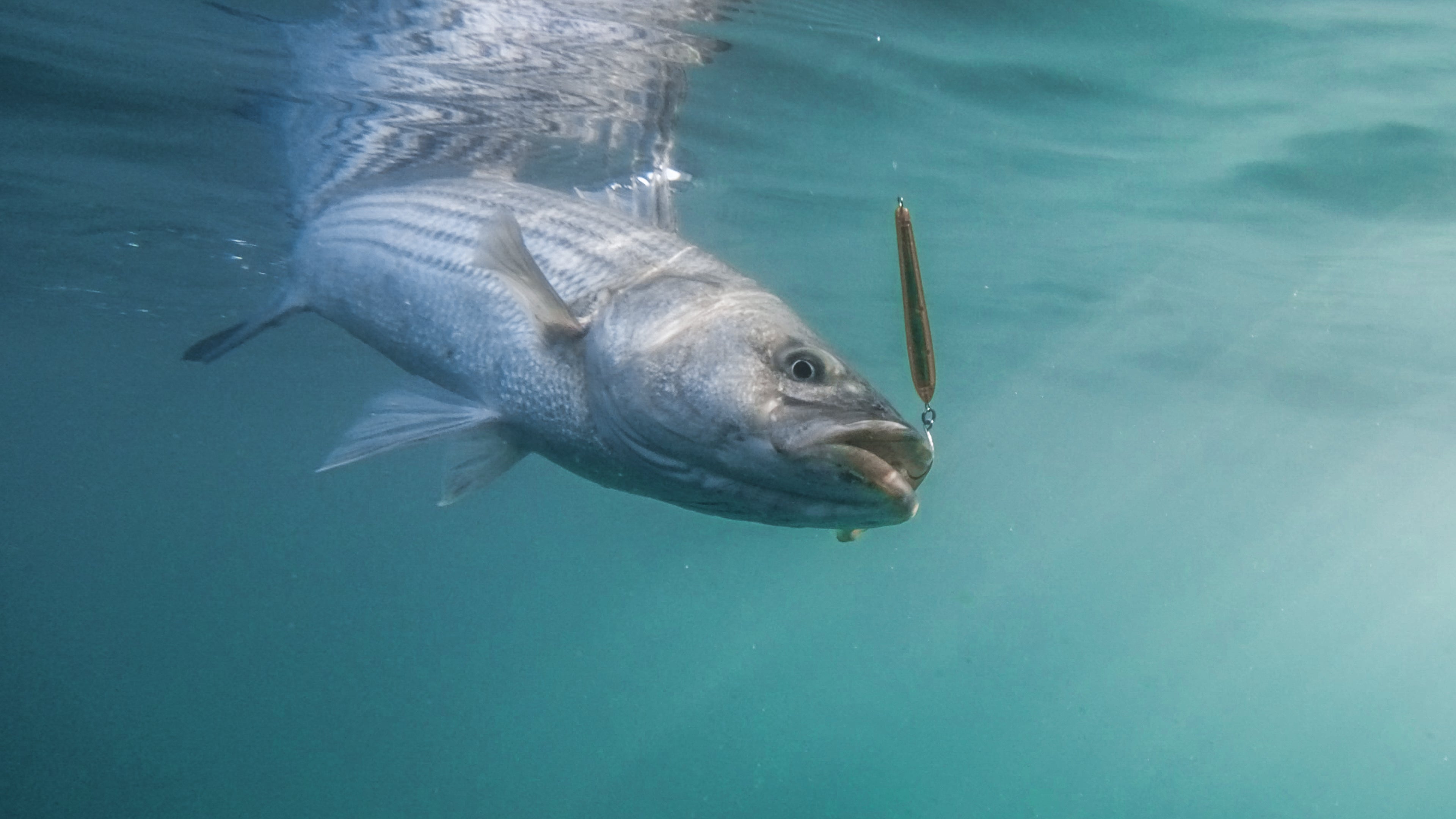
“Despite the weight inside the nose, that paddle works like a brake or a parachute — on a slow retrieve it keeps the bait four or five feet under the surface. If I want to excite a fish, I speed it, speed it, speed it, then stall; the bait quivers and descends, I let it sink, count to two or three, then the paddle brings it back up. Nine times out of ten, if the fish is going to hit it, it hits it on the stall.”
Mackerel around, but large plumes of small butterfish on the sounder — the focus. Confirmed: a small-profile paddle to match the butterfish.
Milling, spooky fish, then a school rolling on the surface 20 yards out. Confirmed: lead them, present clean, and fish slow.
OS800 open-water bait and S400 backside contour lines holding the fish. Confirmed: search-and-cast the backside grounds until fish show.
A slow swim held 4–5 ft down; the eat comes on the stall as it quivers and drops. Confirmed: slow retrieve with the speed-and-stall trigger.
Search and cast the backside
OA200 Side-Scan Search & Cast / OA100 Classic Approach.
The approach is a moving search along the backside: run the east side from Peaked Hill down past the Golf Balls and keep heading south, side-scanning and watching for life until fish show. When a school rolls on the surface — as it did here, up ahead at one o’clock about twenty yards out — make the classic approach: ease toward them in the calm without spooking them, then lead the fish with the cast so the lure swims into their path rather than landing on top of them. Once you’re tight to a fish, the calm-water spookiness is behind you and it becomes a fight-management job — plenty of drag and a confident hookset, since these late-season fish can be big.
Approach — step by step
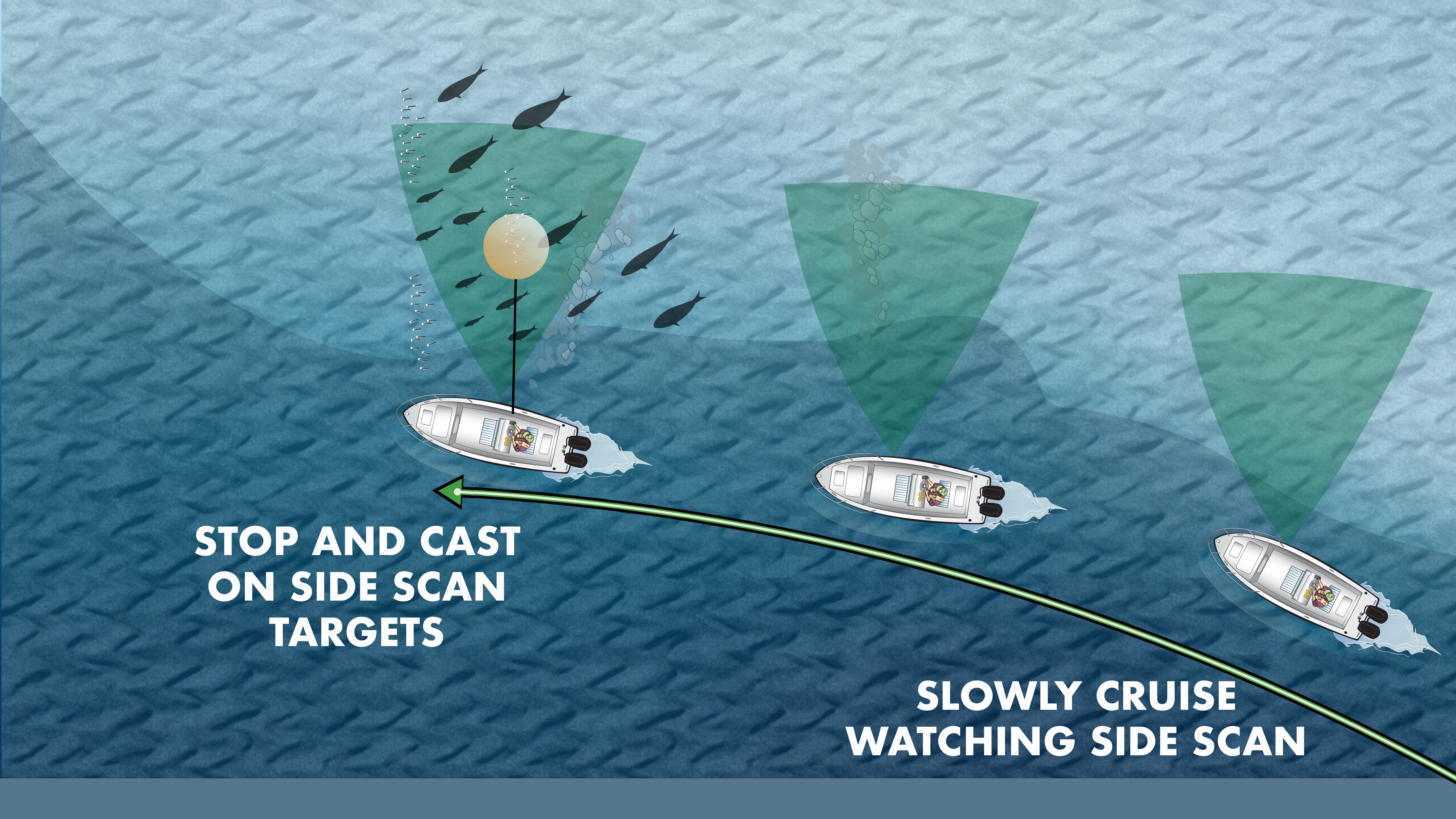
OA200 Side-Scan Search & Cast — run the backside grounds watching the sounder, then cast when bait or fish show.

OA100 Classic Approach — ease in on rolling fish in the calm and lead them so the lure swims into their path.
A paddle that parachutes
Small profile, casting weight, and the stall.
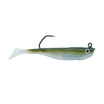
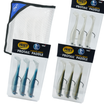
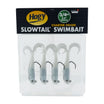
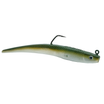
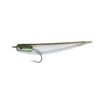
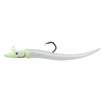
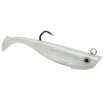
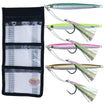
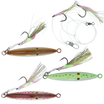
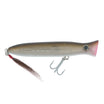
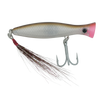
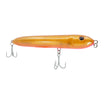
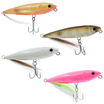
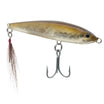
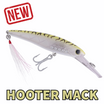
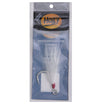
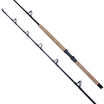
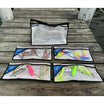
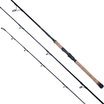
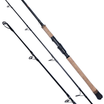
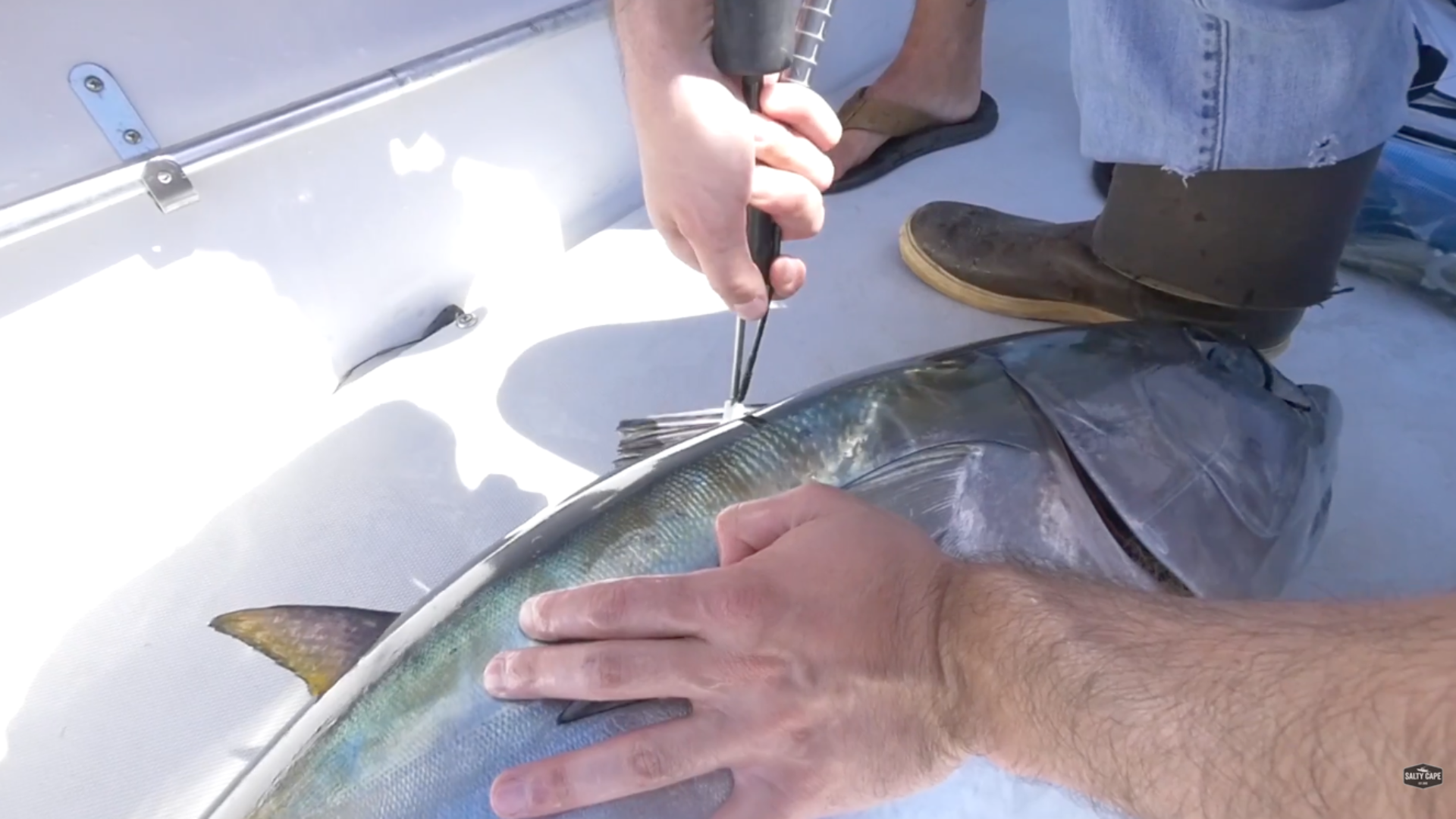
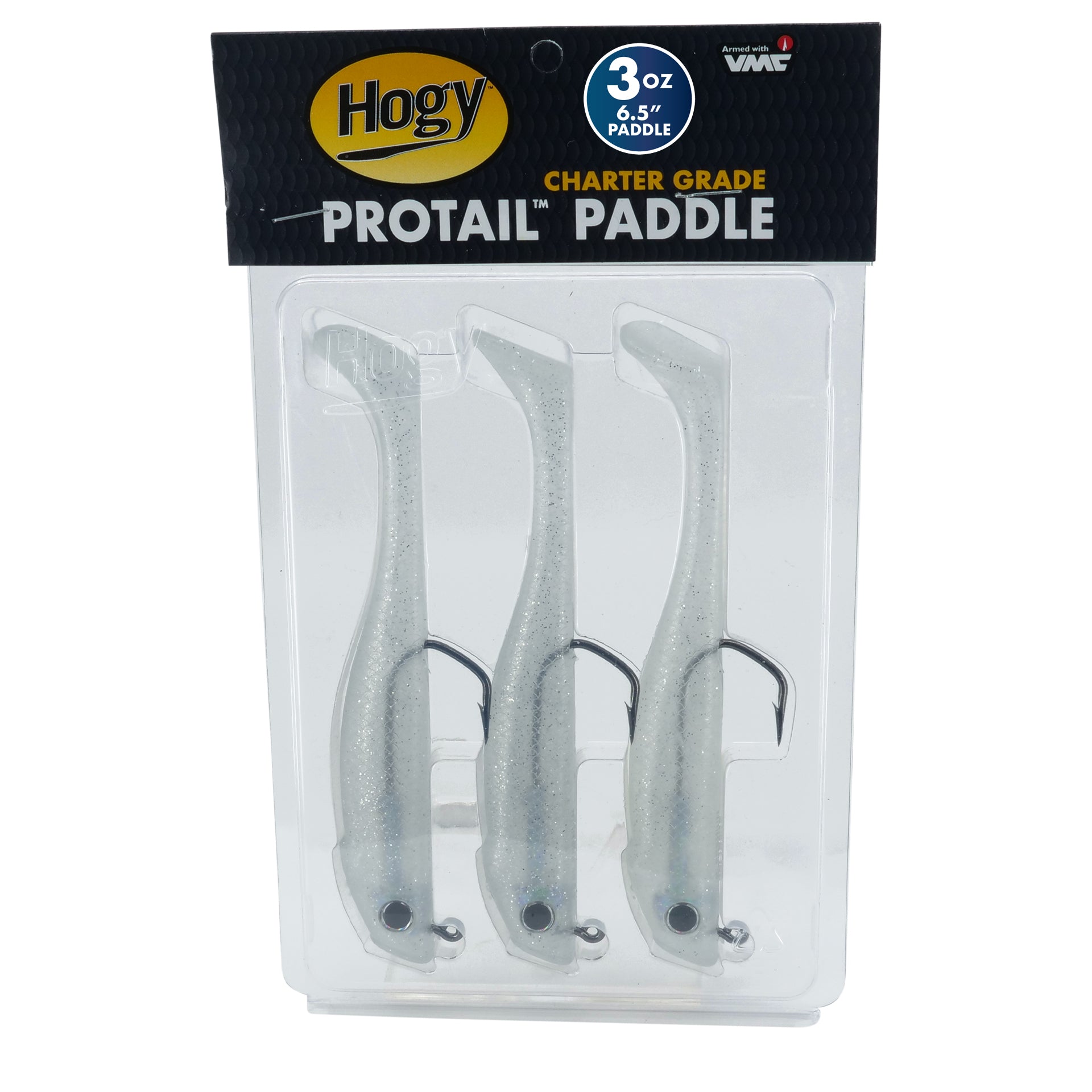
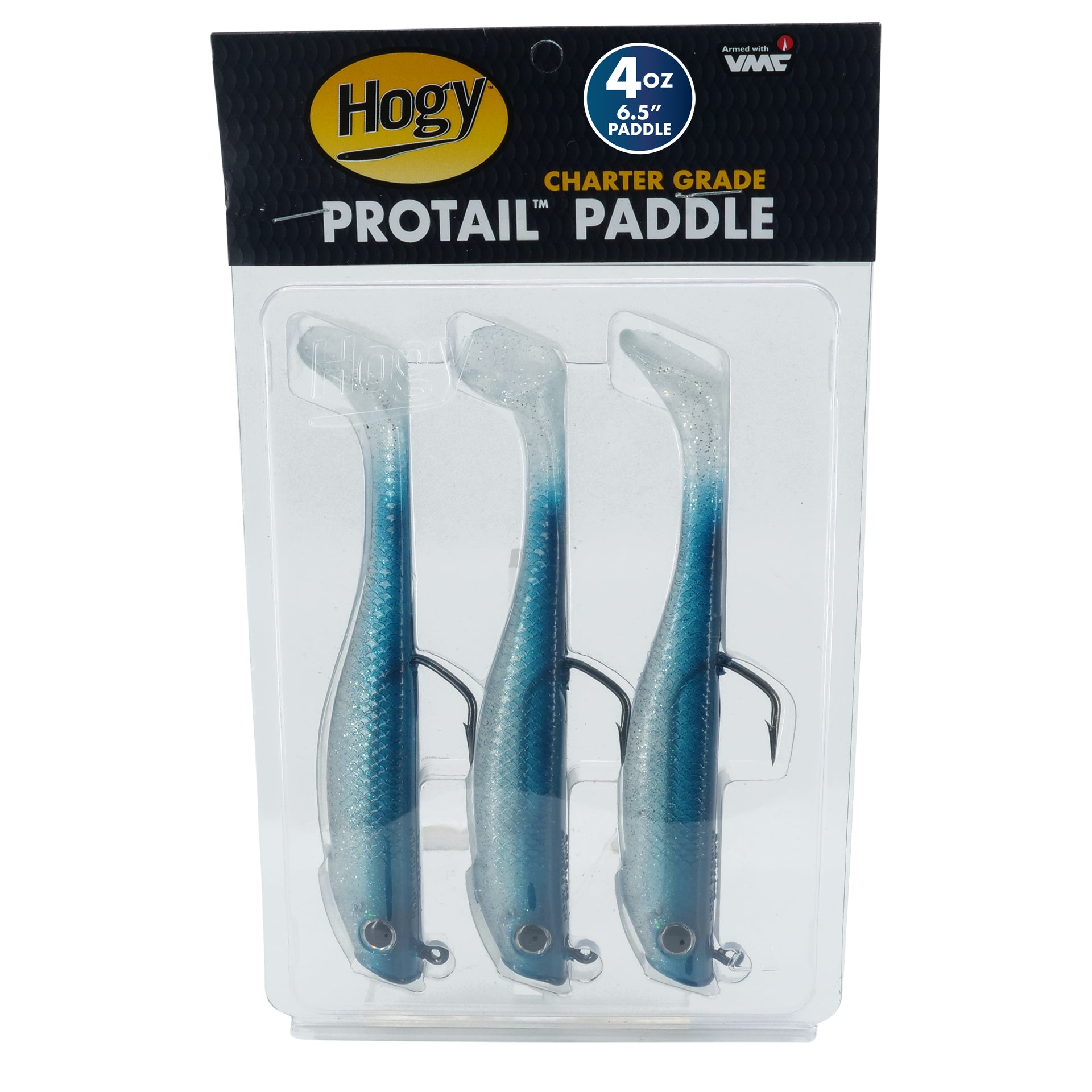
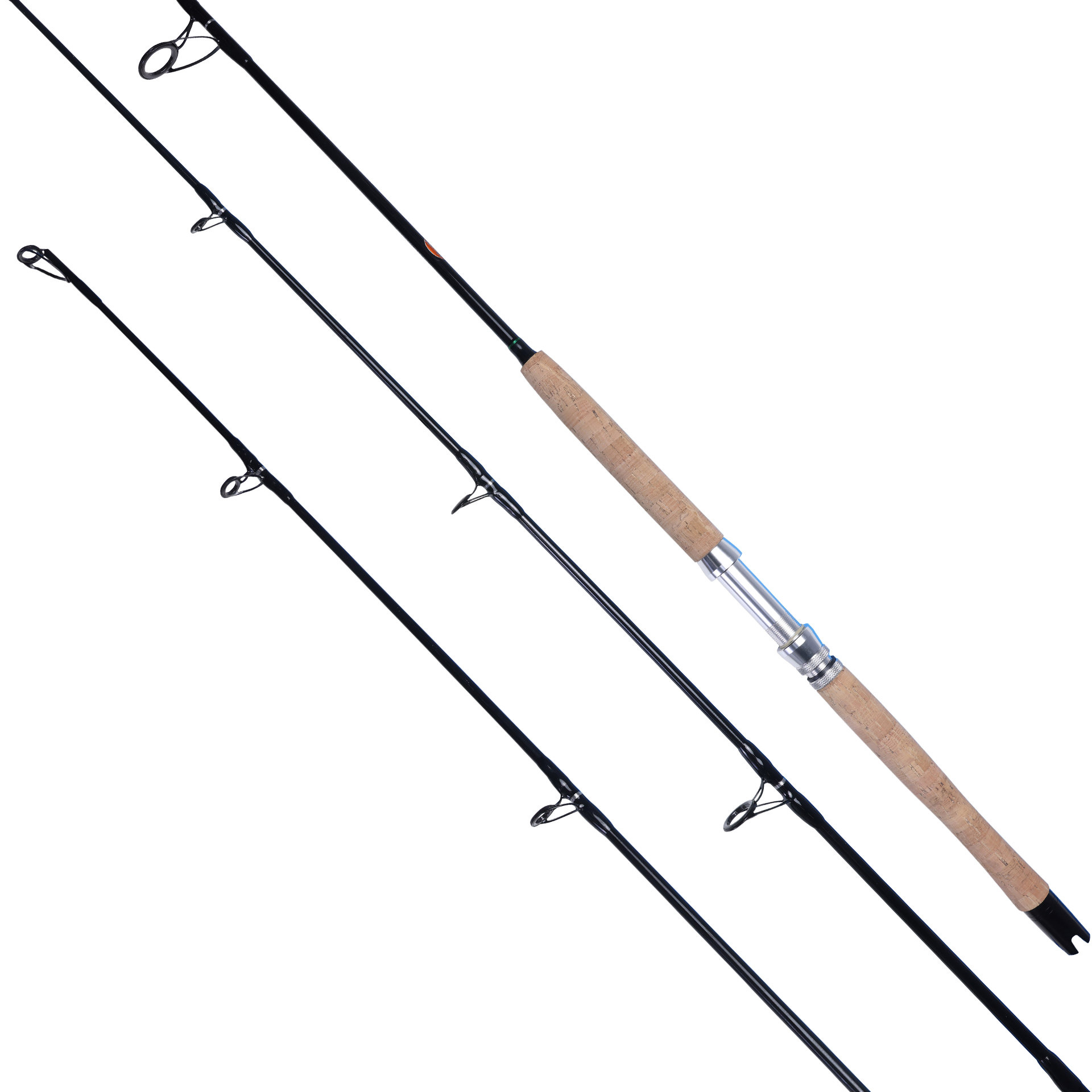
The lure is a Hogy Pro Tail Paddle (6.5″, 5oz, bone) — about as small a profile as you can throw and still carry enough casting weight for a Stella 20000-class reel on a heavy-duty Terez spinning rod, which is exactly what you want to match small butterfish. Its oversized eye and roughly four ounces of weight in the nose give it the cast, while the paddle tail does something clever: it acts as a brake or parachute, so on a slow retrieve the lure rides a constant four to five feet under the surface instead of sinking away. Keep the rod at about 45 degrees for the first half of the cast, then drop the tip as the line angle steepens near the boat to hold that same depth. The trigger is the speed-and-stall: speed it, speed it, speed it, then stall — the paddle makes the bait quiver and descend, you let it sink for a count of two or three, then reel and it rises back toward the surface. As you get closer to the boat, the stalls get shorter. Nine times out of ten, the eat comes on the stall. Run it on fluorocarbon leaders, with plenty of drag and full confidence in the hook — this lure has landed tuna to 150 pounds.

The retrieve
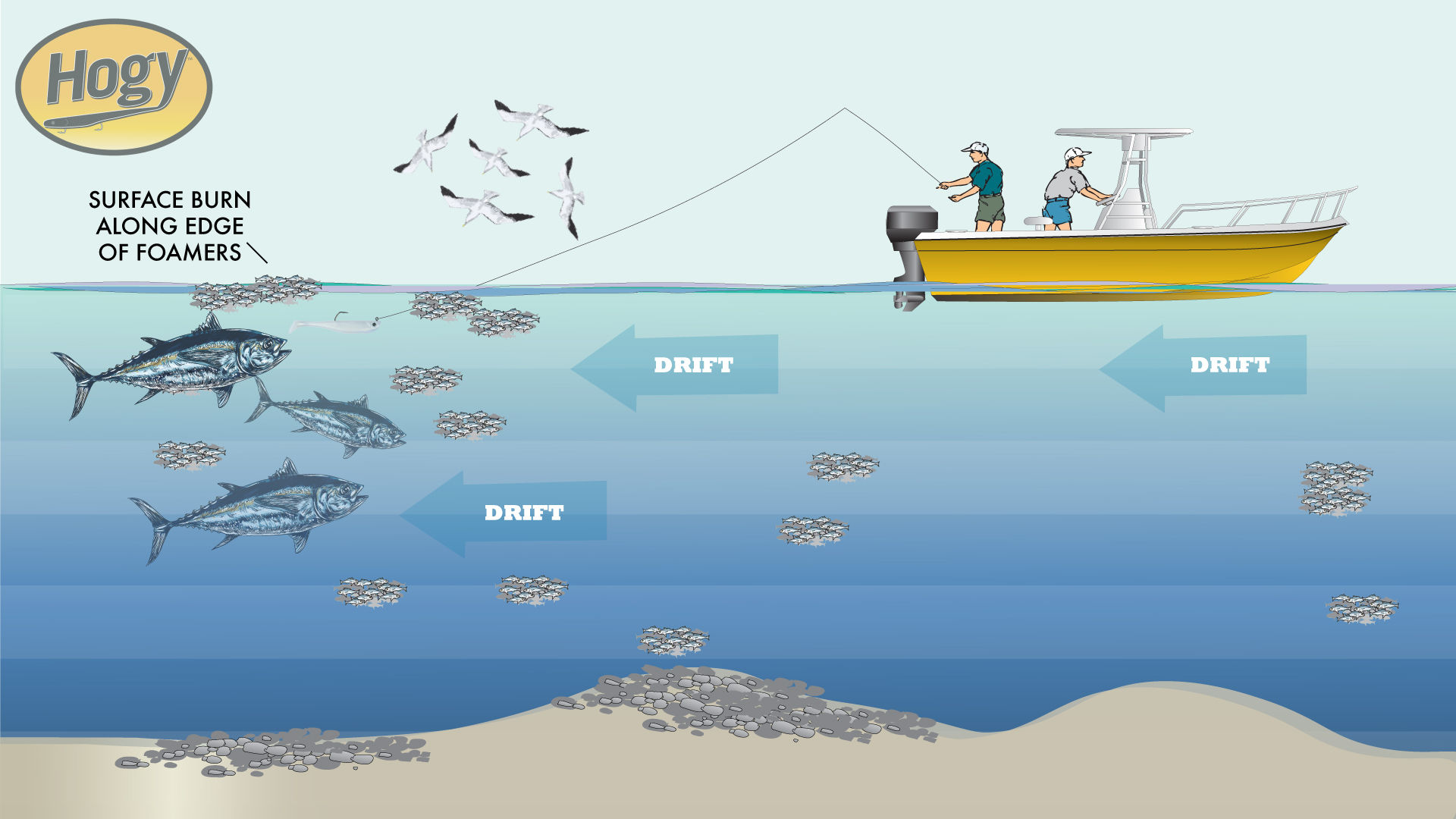
R600 Swimbait — a slow retrieve and the parachute paddle hold the lure 4–5 ft down, swimming naturally past spooky fish.
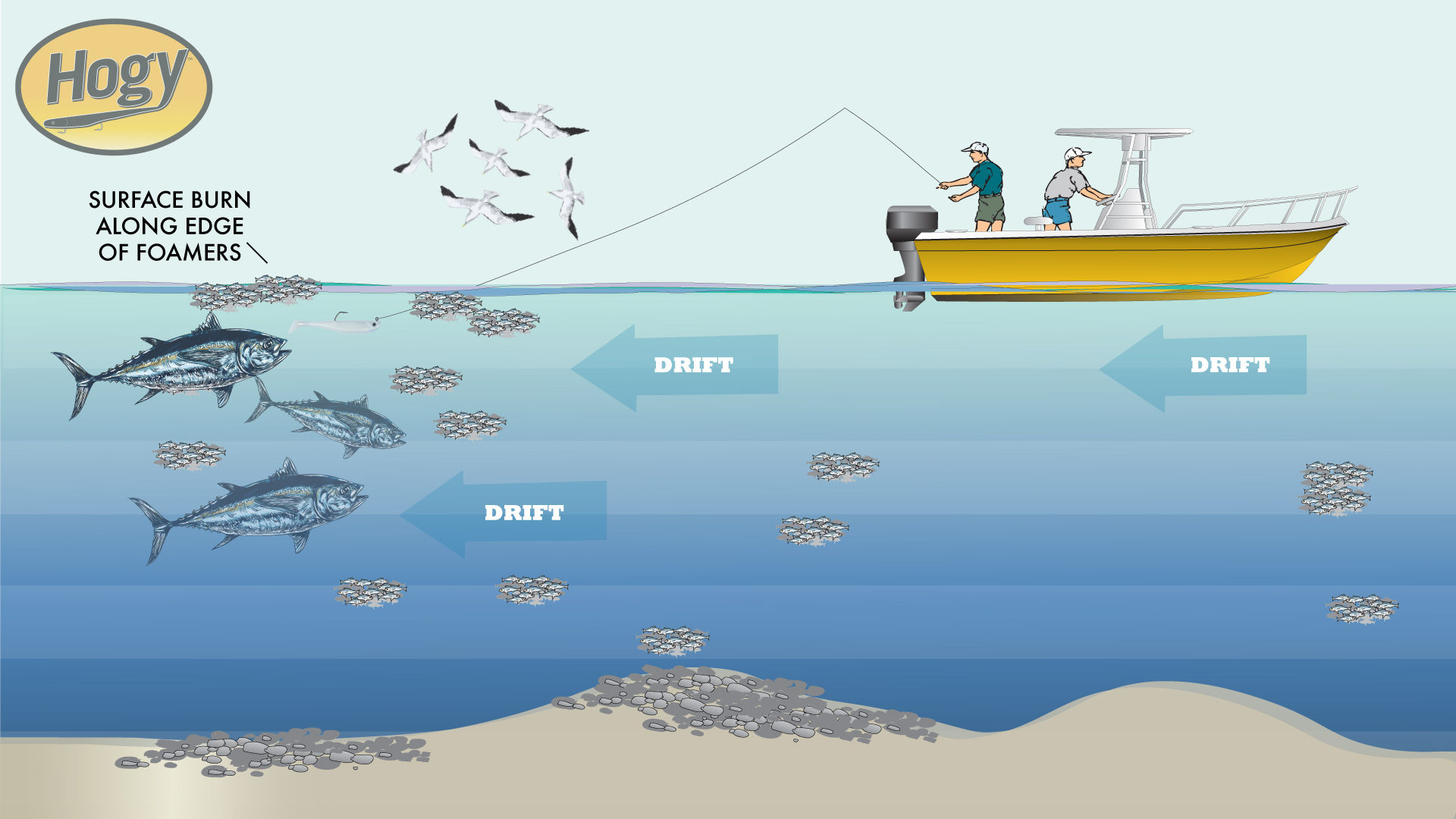
The stall — after a burst of speed, let the paddle quiver and descend for a two- or three-count; nine times out of ten the eat comes right there.
Outfit
The decision at a glance
Step 1 framed it: bluefin still feeding on the backside into November, found by searching south. Step 2 set the conditions: greasy-calm water that puts everything on clean, finesse presentation. Step 3 delivered the unlock: match the small butterfish and trigger the eat with a speed-and-stall. Step 4 built the approach: search-and-cast the backside, ease in on calm-water shows, and lead the fish. Step 5 closed it out: a small-profile Pro Tail Paddle that parachutes to hold depth and gets eaten on the stall. The code for late-season calm-water bluefin is finesse — go small, present clean, fish slow, and let the stall do the work.

Leave a comment
All comments are moderated before being published.
This site is protected by hCaptcha and the hCaptcha Privacy Policy and Terms of Service apply.