














Tagging Bluefin — Sight-Casting for Science at The Star
Flat-calm water, slow-cruising bluefin, and a research mission. Capt. Mike Hogan teams with fisheries scientist Willy Goldsmith and Capt. Shaun Ruge to sight-cast Pro Tail Paddles and place satellite tags — studying whether released bluefin survive.

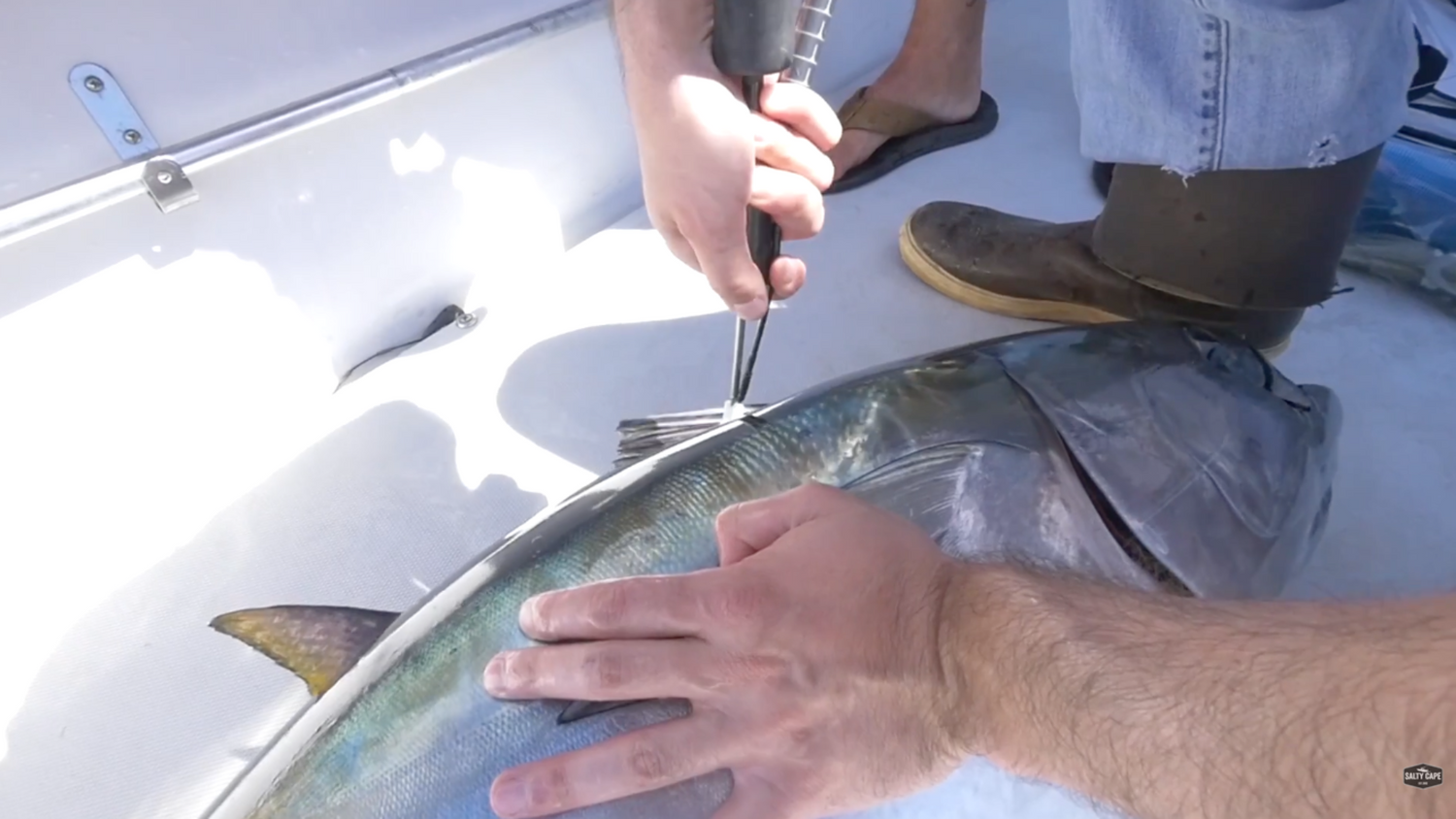
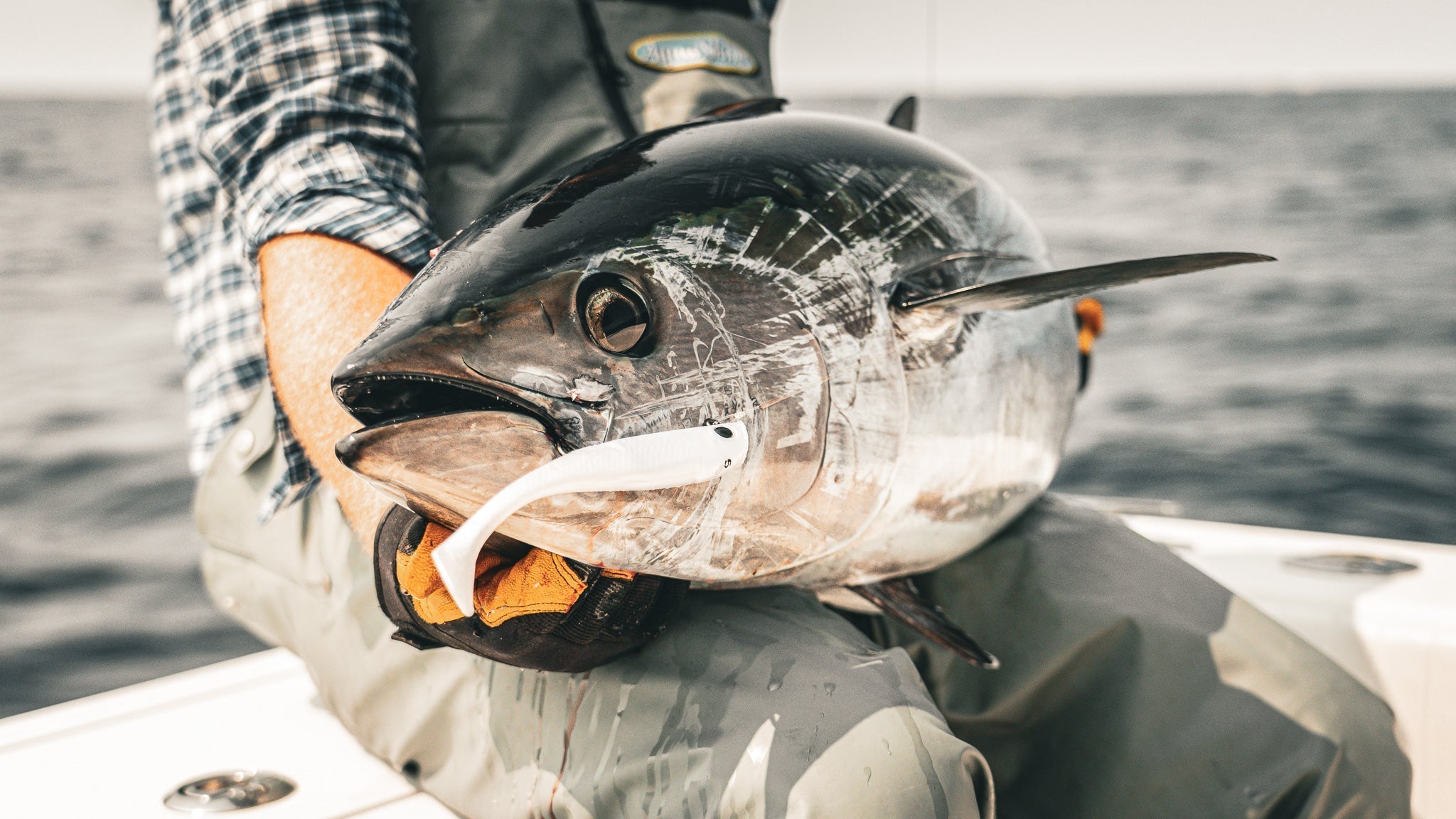
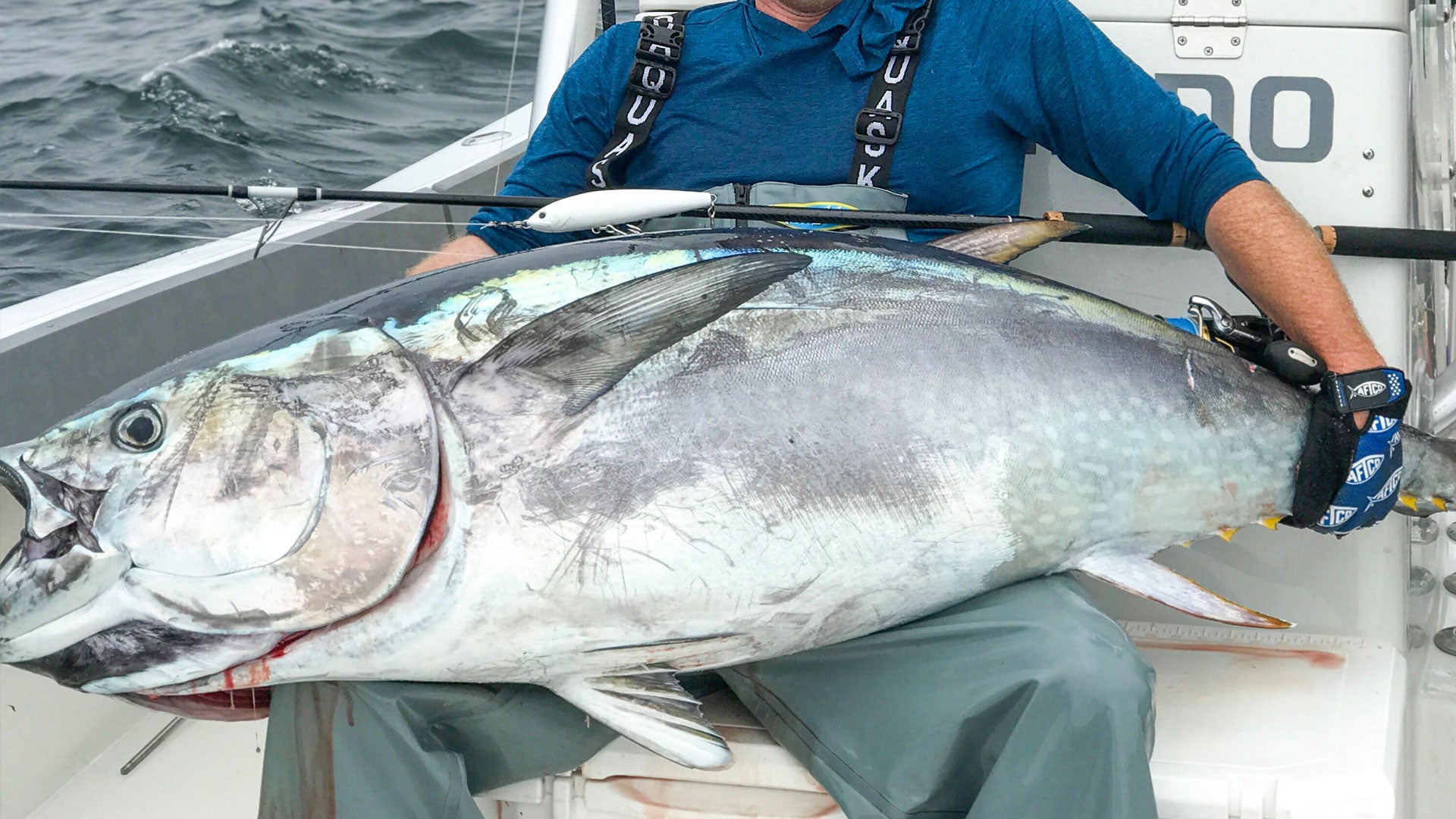
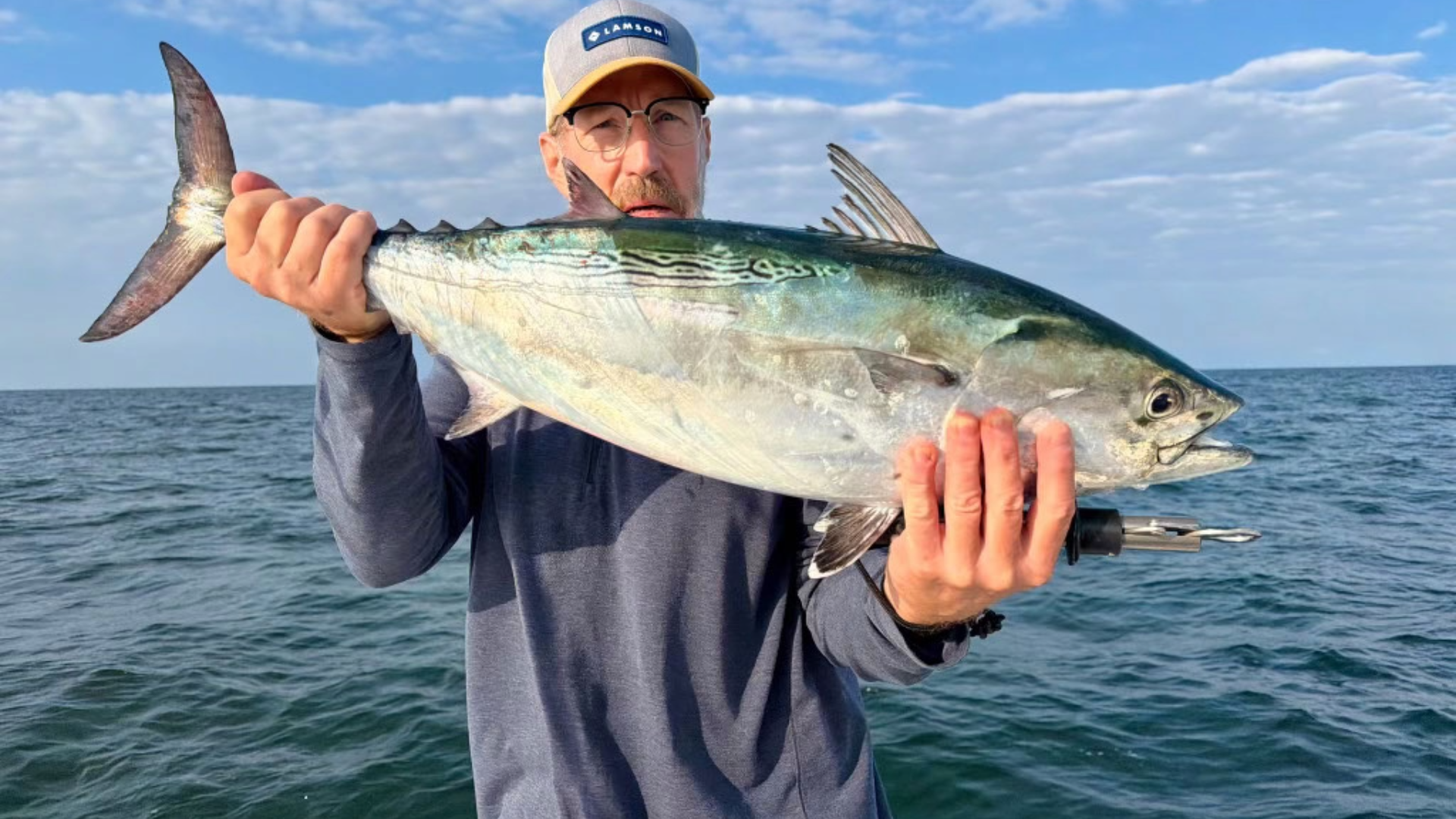
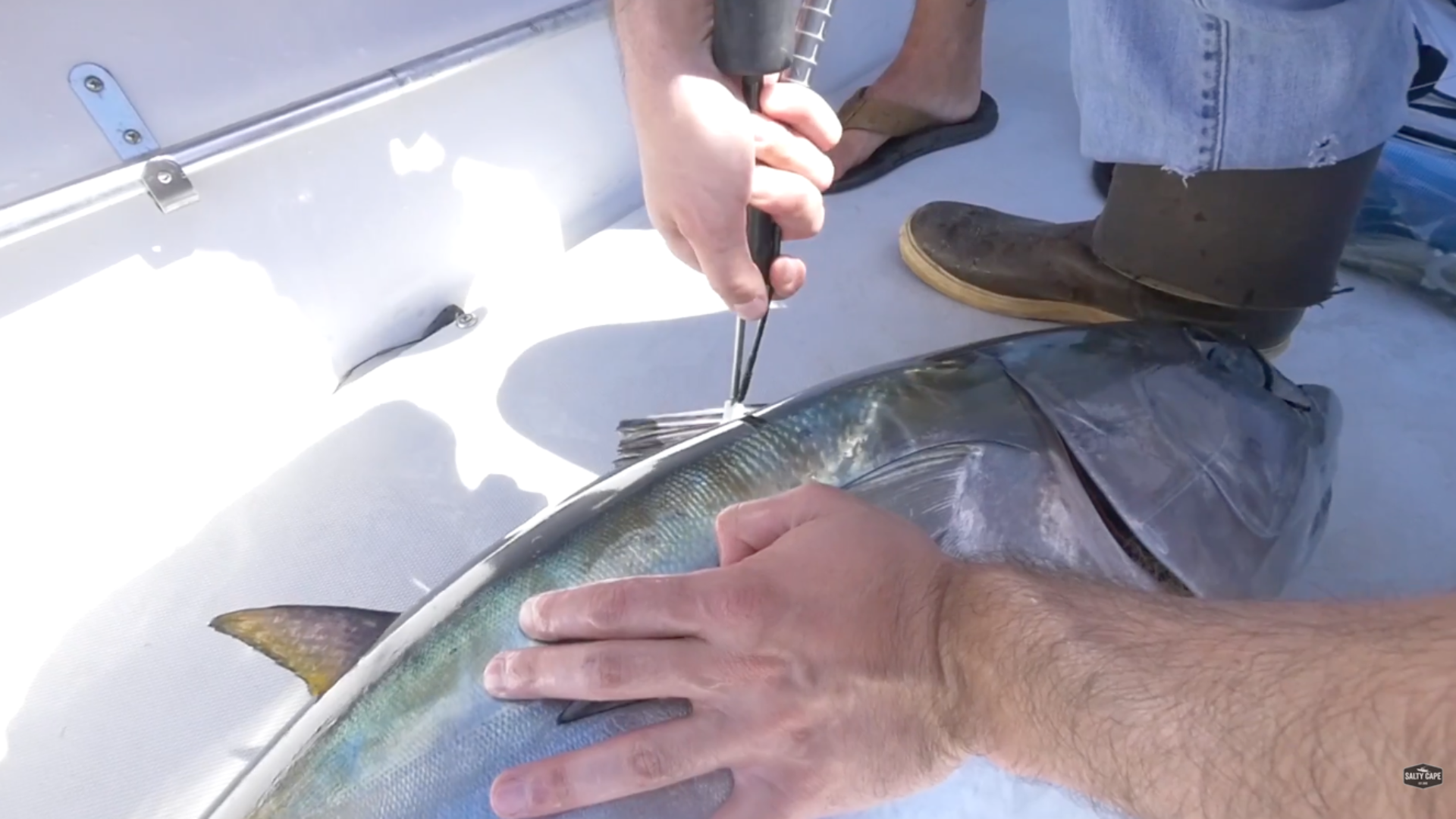
A 53-inch bluefin getting a pop-up satellite tag in its dorsal fin before release — sight-cast on a Pro Tail Paddle for a post-release survival study.
Today’s trip has a mission beyond catching: place satellite tags in as many bluefin as the crew can land, and follow their movement for about 30 days to learn whether they survive after release. Capt. Mike Hogan is joined by Willy Goldsmith of the Virginia Institute of Marine Science and Capt. Shaun Ruge of Riptide Charters, fishing flat-calm conditions south of Martha’s Vineyard for slow-cruising, subsurface bluefin on topwater soft plastics. There’s a large school of small-to-medium fish, bait popping, and happy tuna coming up — and the paddle-tail soft plastics have exactly the profile they want.
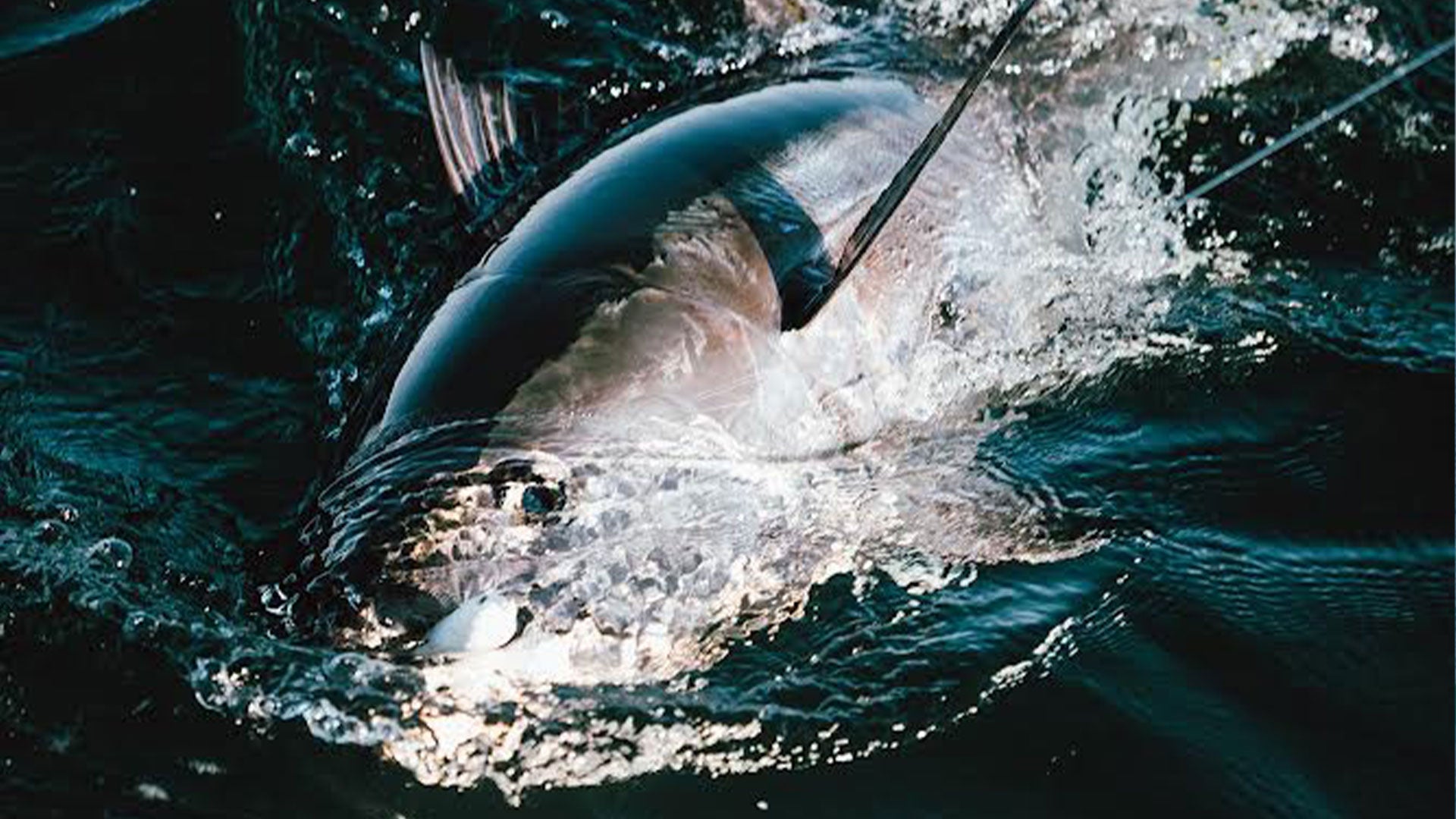
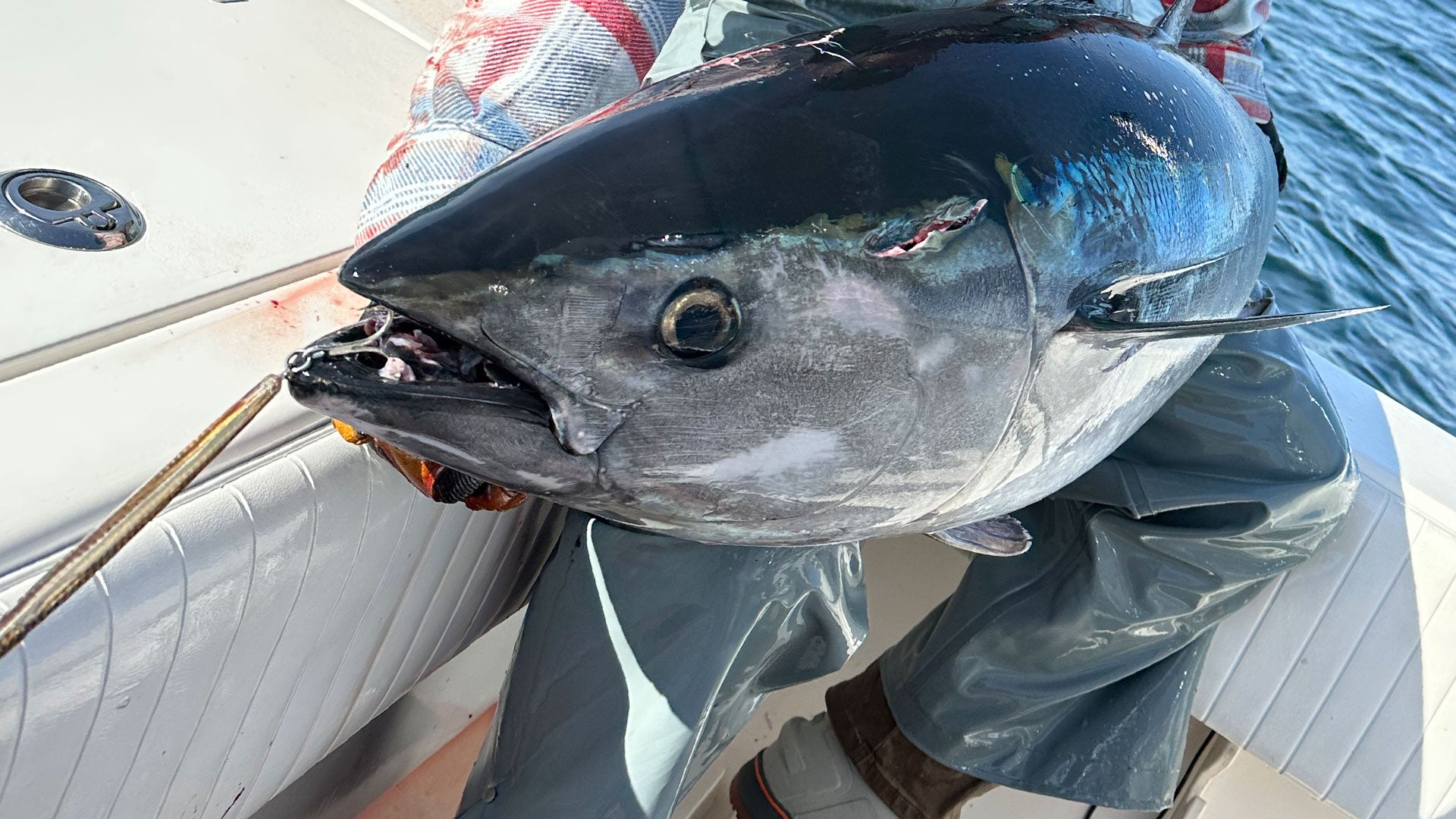
The fishing is a sight-casting clinic. When the fish come up, Willy doesn’t plunk the lure into the school — he casts just ahead of it and leads the school to his lure, and one fish vectors off and drills it. That’s textbook bluefin sight-casting. The catch becomes science: a 53-inch fish gets a pop-up satellite tag set into its dorsal fin and is released, one more data point in a study that, so far, shows these released fish are surviving.
Fishing with a purpose
Context that shapes every decision that follows.
Slow-cruising, subsurface bluefin south of the Vineyard are a classic late-summer sight-casting target — fish you can see and cast to with soft plastics. What makes this trip special is the purpose: it’s a tagging mission, partnering recreational anglers with a fisheries scientist to study post-release survival. The historical play is the same sight-casting that produces on any calm-water bluefin day, but here every fish landed becomes a research data point, so clean fights and careful handling matter even more than usual. Come ready to sight-cast cruising schools, and treat each fish as both a catch and a contribution.
- Slow cruisers. Subsurface bluefin you can see and cast to.
- Perfect profile. Paddle-tail soft plastics match what they want.
- Lead the school. Cast ahead and lead the fish to the lure.
- Handle with care. Tagged fish need clean fights and quick release.
- Science partner. Anglers and researchers working the same fishery.
Flat calm and spooky
Calm water that demands finesse.
The day is flat calm, with a 70-degree surface and bait popping — beautiful conditions for spotting fish, but tough for fooling them. In that glassy water, slow-cruising bluefin are very easily spooked, so the presentation has to be clean and considered. The environmental read drives the whole approach: idle up gently, don’t crash in on the school, and use casts that draw a fish off the edge rather than landing on their heads. Calm water rewards patience and precision — you get good looks at the fish, but you have to earn the eat with a careful approach and a leading cast.
Lead them, then pull away
Four layers. Each one narrows the answer further.
“Willy did that perfectly — he didn’t plunk the lure right into the fish, he cast just ahead of the school and led them to it, and one vectored off and drilled it. That’s textbook sight-casting for bluefin. In this calm water they spook so easily, so you want a presentation where you pull the bait away from the school, to see if one or two will follow and come eat it.”
Bait popping on top; sand eels, half-beaks, and herring in the mix. Confirmed: a paddle-tail soft plastic with the perfect baitfish profile.
Slow-cruising, subsurface fish coming up happy but easily spooked. Confirmed: sight-cast and lead the school; don’t crash in.
OS800 open-water bait and S400 contours holding fish at The Star. Confirmed: search and cast the open-water schools.
A lead cast and a pull-away retrieve drew fish off the edge of the school. Confirmed: lead the fish, then pull the bait away to draw a follower.
Idle in, lead, and tag
OA400 Sight Casting / OA200 Side-Scan Search & Cast.
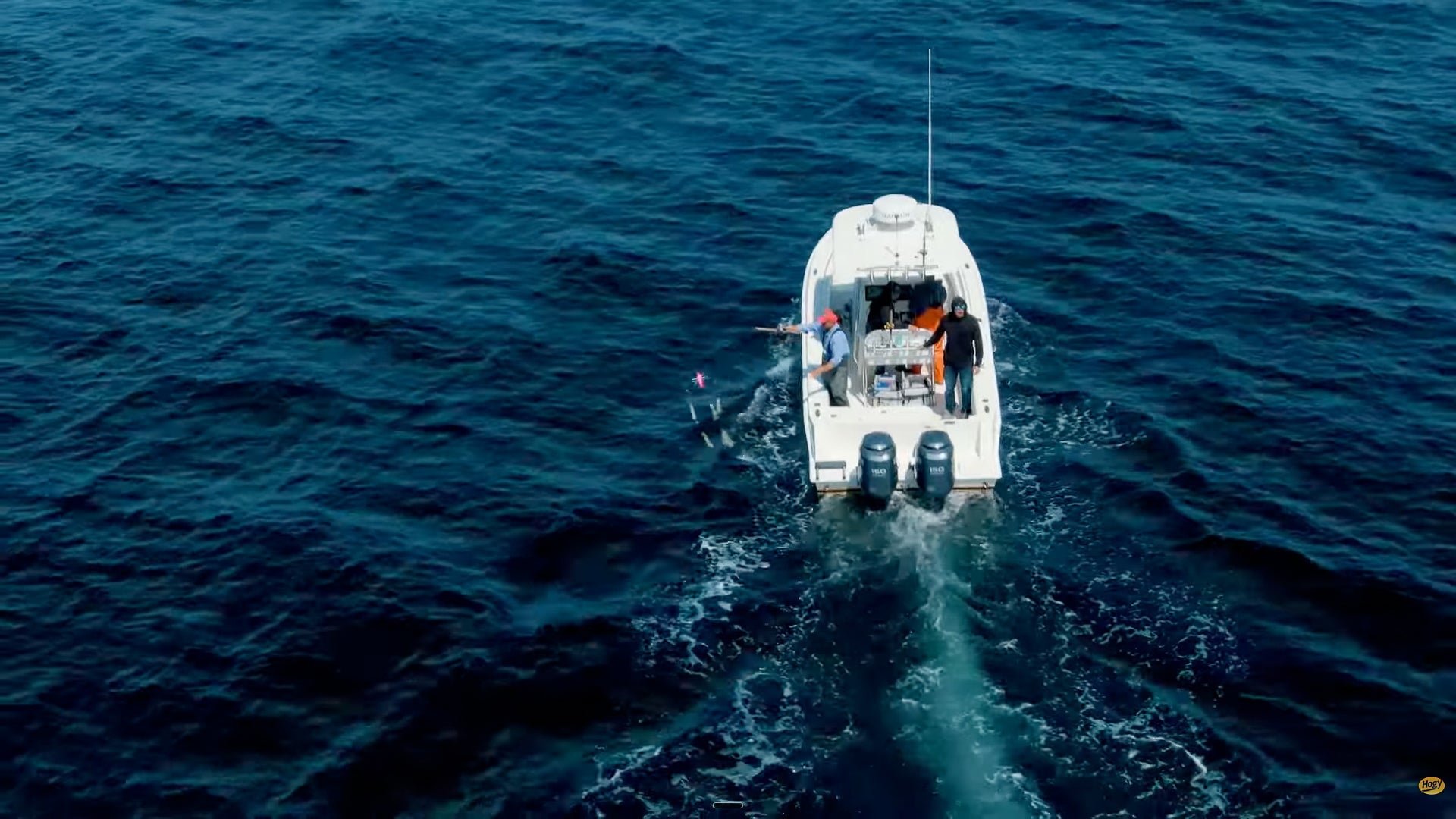
The approach is gentle sight-casting. Search and side-scan for cruising schools, then idle up on them carefully — the calm water spooks fish so easily that a clumsy approach blows the shot. When you’re in range, cast just ahead of the school and lead the fish to the lure rather than dropping it into them; then retrieve so the bait pulls away from the edge of the school, tempting one or two to vector off and eat. Once you’re tight, fight the fish efficiently, because the goal is a healthy fish at boatside. Then comes the tagging: the crew measures the fish (a 53-incher here), sets a pop-up satellite tag firmly into the dorsal fin so it locks in tight, notes the conditions, and releases. The whole sequence — gentle approach, leading cast, clean fight, quick tag — is built around getting fish back in the water strong.
Approach — step by step
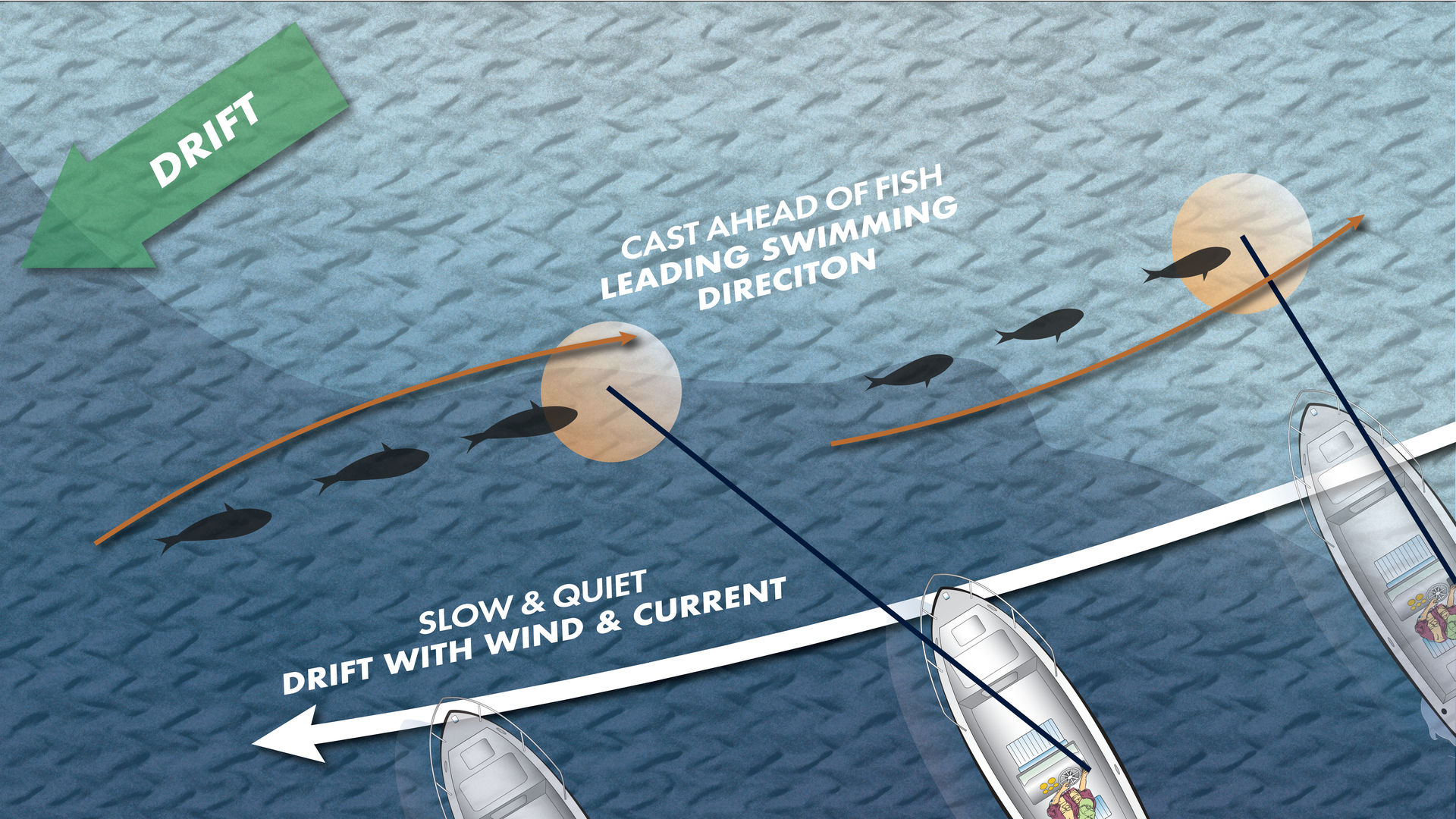
OA400 Sight Casting — cast just ahead of the cruising school and lead the fish to the lure rather than dropping it on their heads.
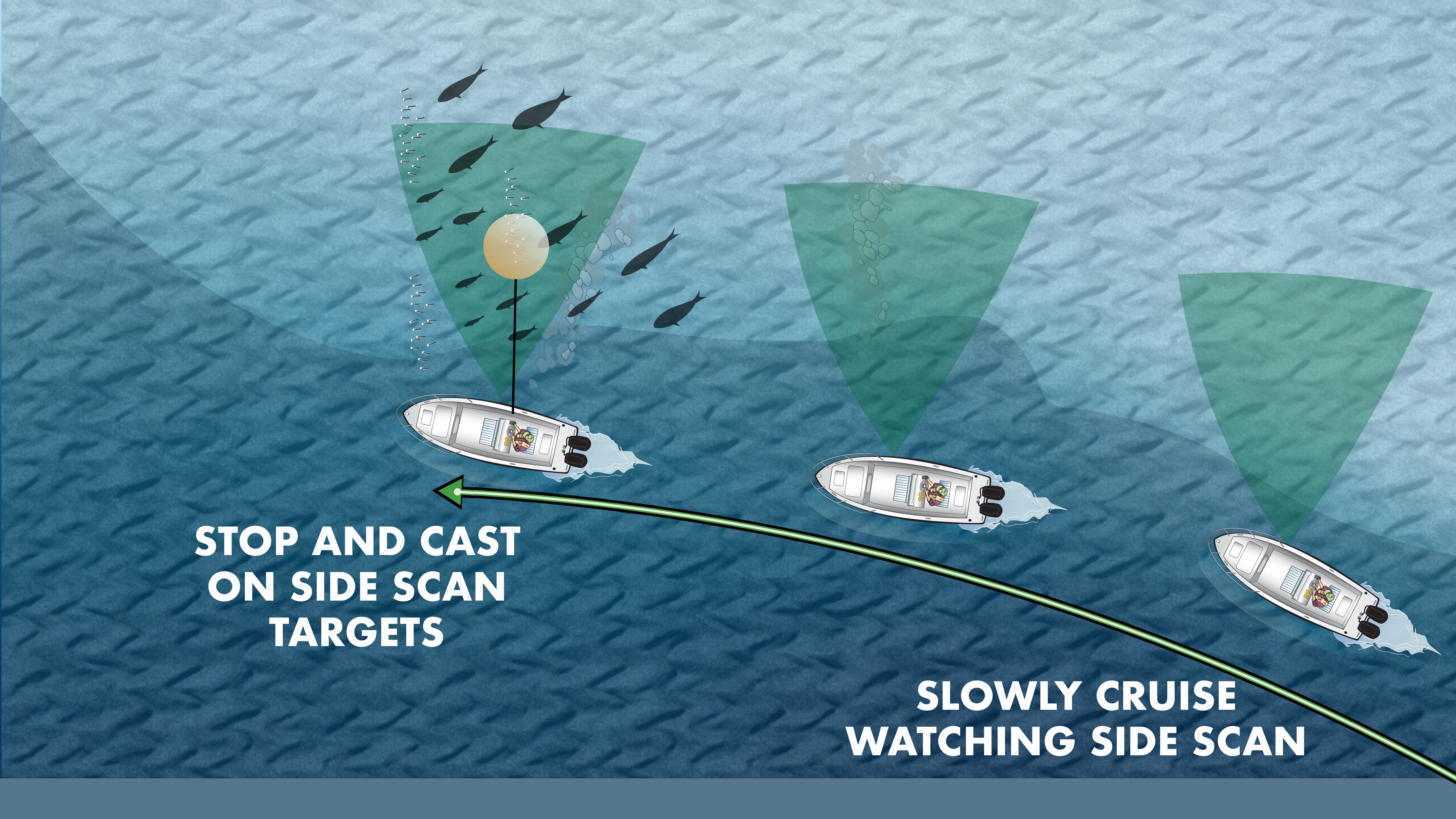
OA200 Side-Scan Search & Cast — locate slow-cruising schools, then idle in gently in the spooky calm before making a leading cast.
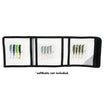
The perfect-profile paddle
A soft plastic built to lead and lure.
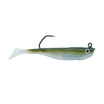
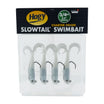
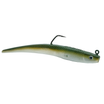
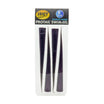
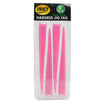
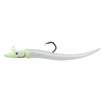
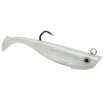
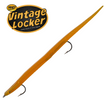
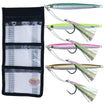
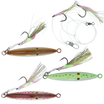
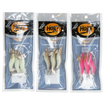
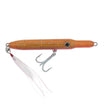
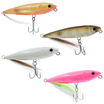
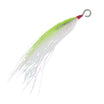
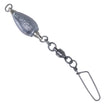
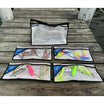
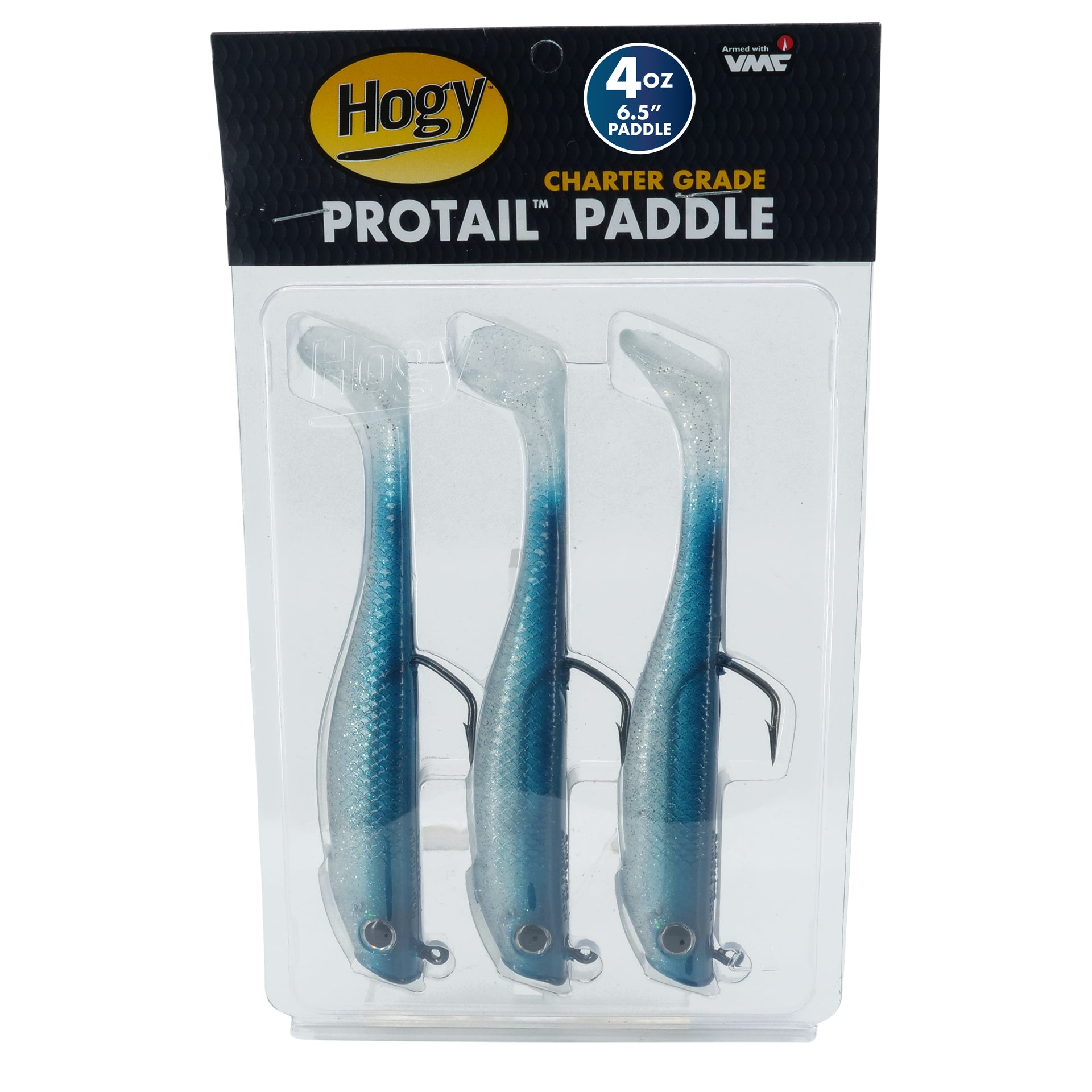
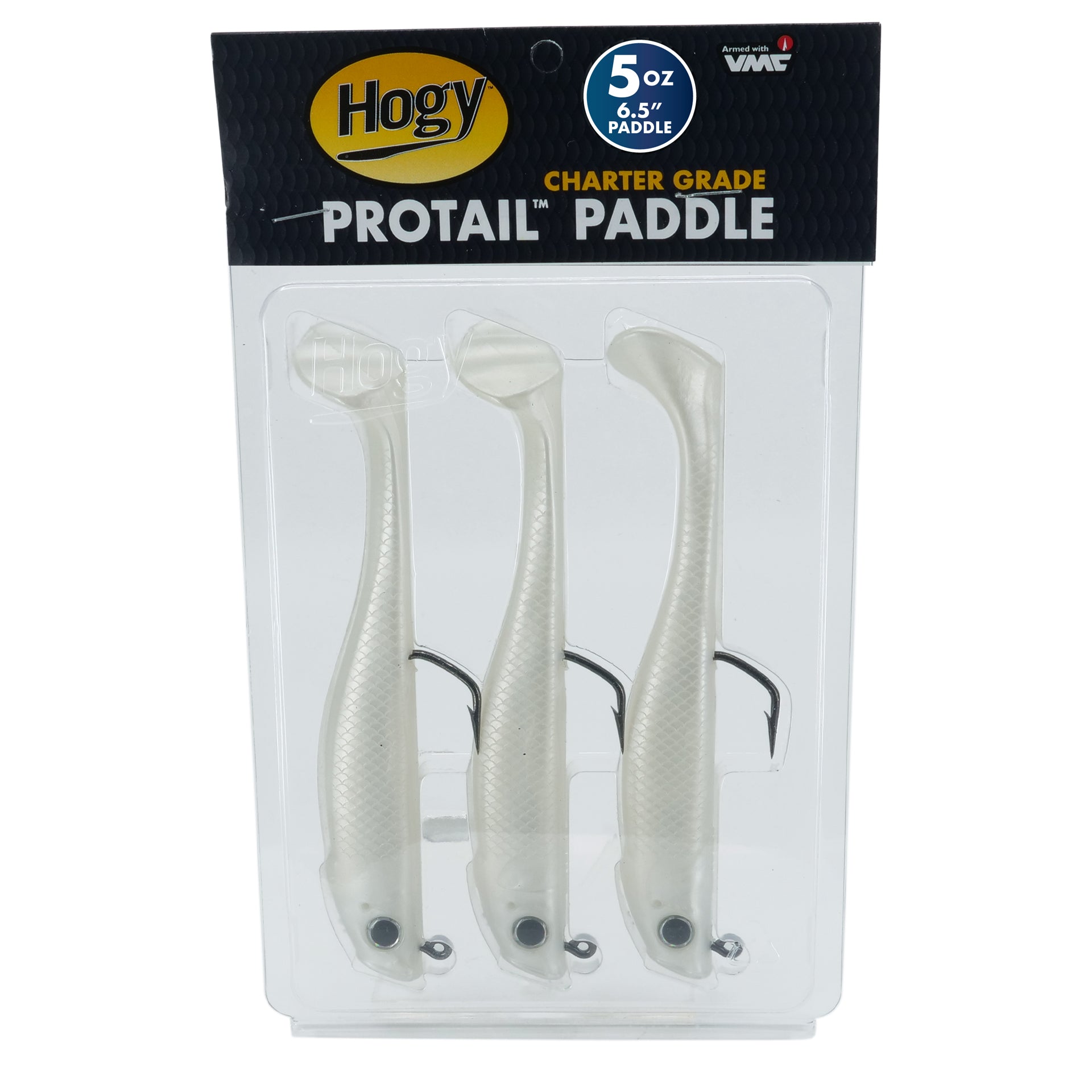
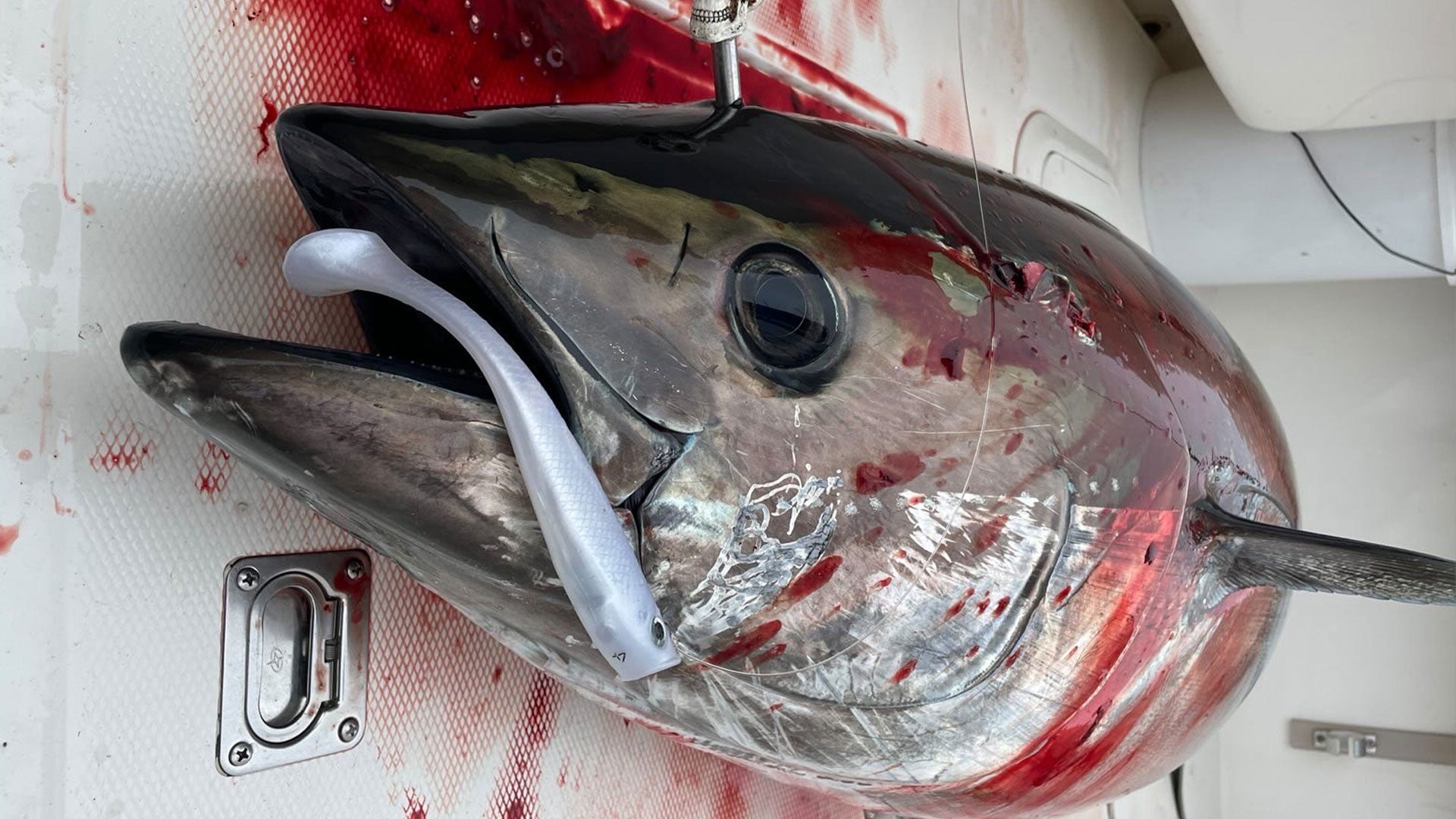
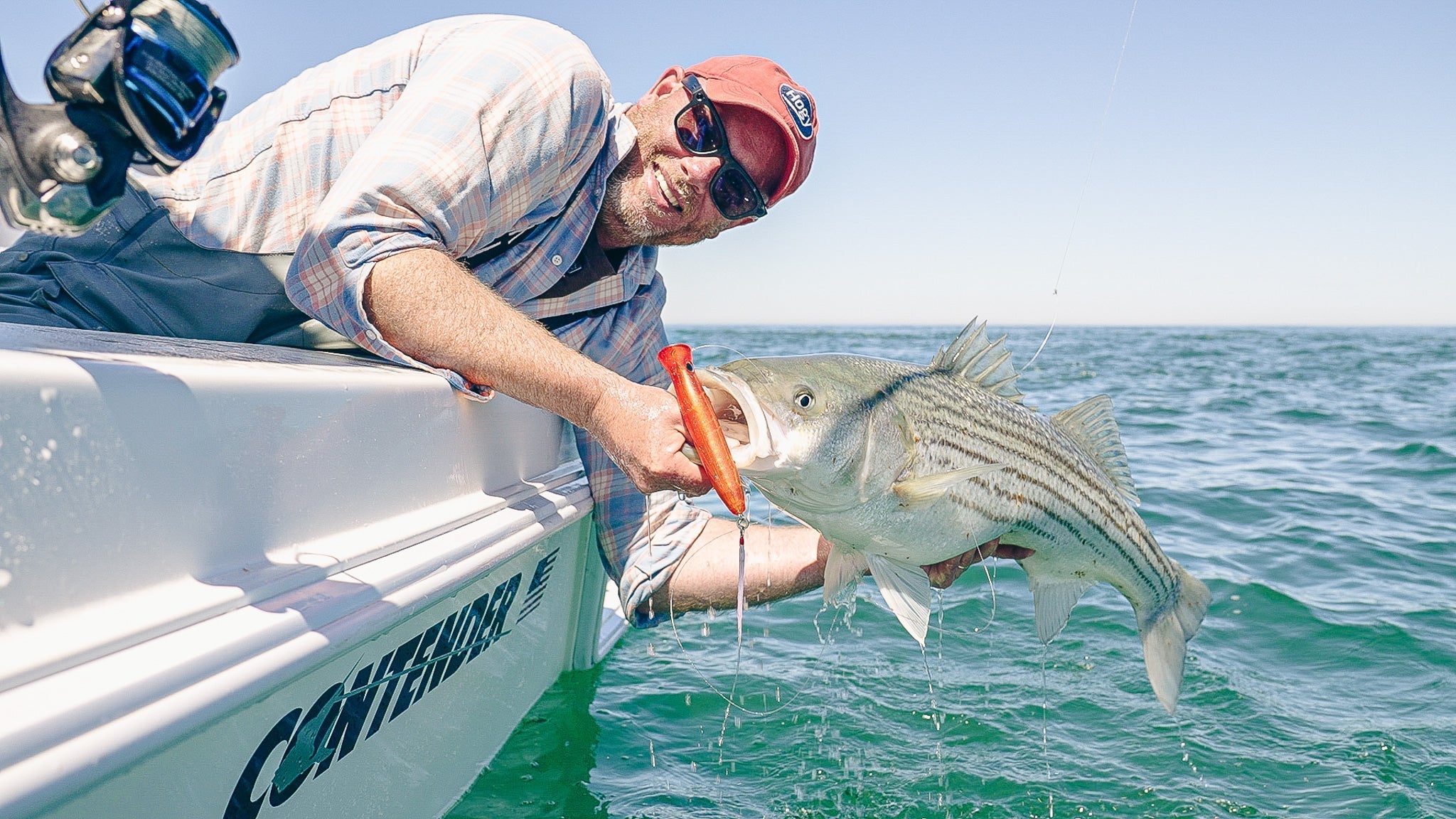
The lure is the Hogy Pro Tail Paddle, and the fish make the case for it themselves — they like the paddle tails because they have the perfect baitfish profile for slow-cruising bluefin on sand eels, half-beaks, and herring. Fished on a tuna casting outfit, it’s ideal for the leading-cast game: cast it ahead of the school and swim it so it pulls away from the edge, drawing a fish to follow and commit. The technique is all finesse — a clean, leading cast and a steady swim, not a splashy presentation that spooks calm-water fish. Land each fish efficiently to keep it healthy, then hand it to the tagging work. It’s a simple, effective lure for exactly this situation: visible cruising fish that want a natural profile led to them rather than thrown at them.

The retrieve
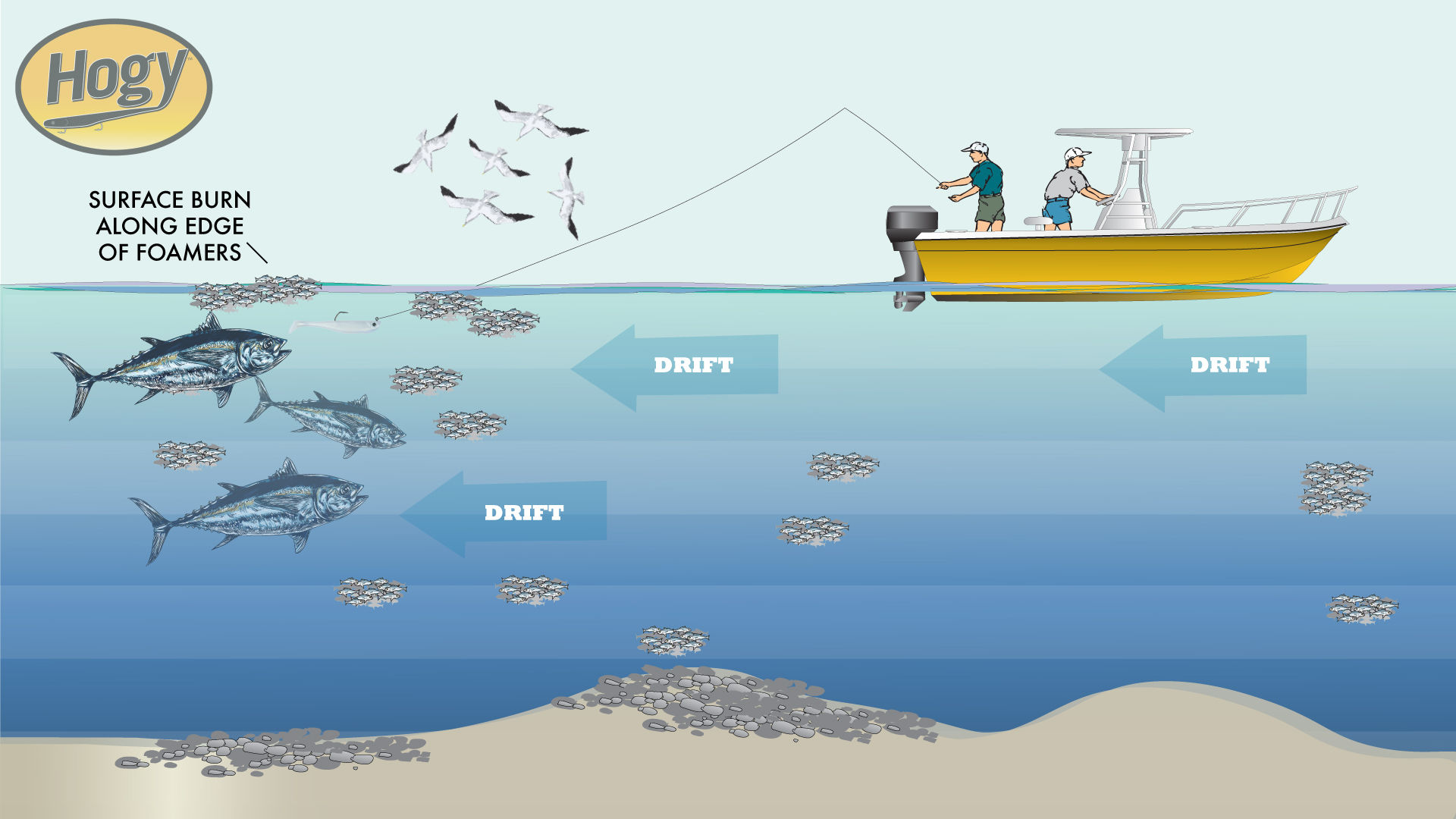
R600 Swimbait — lead the school and swim the paddle naturally; its perfect profile draws a cruising fish to follow.
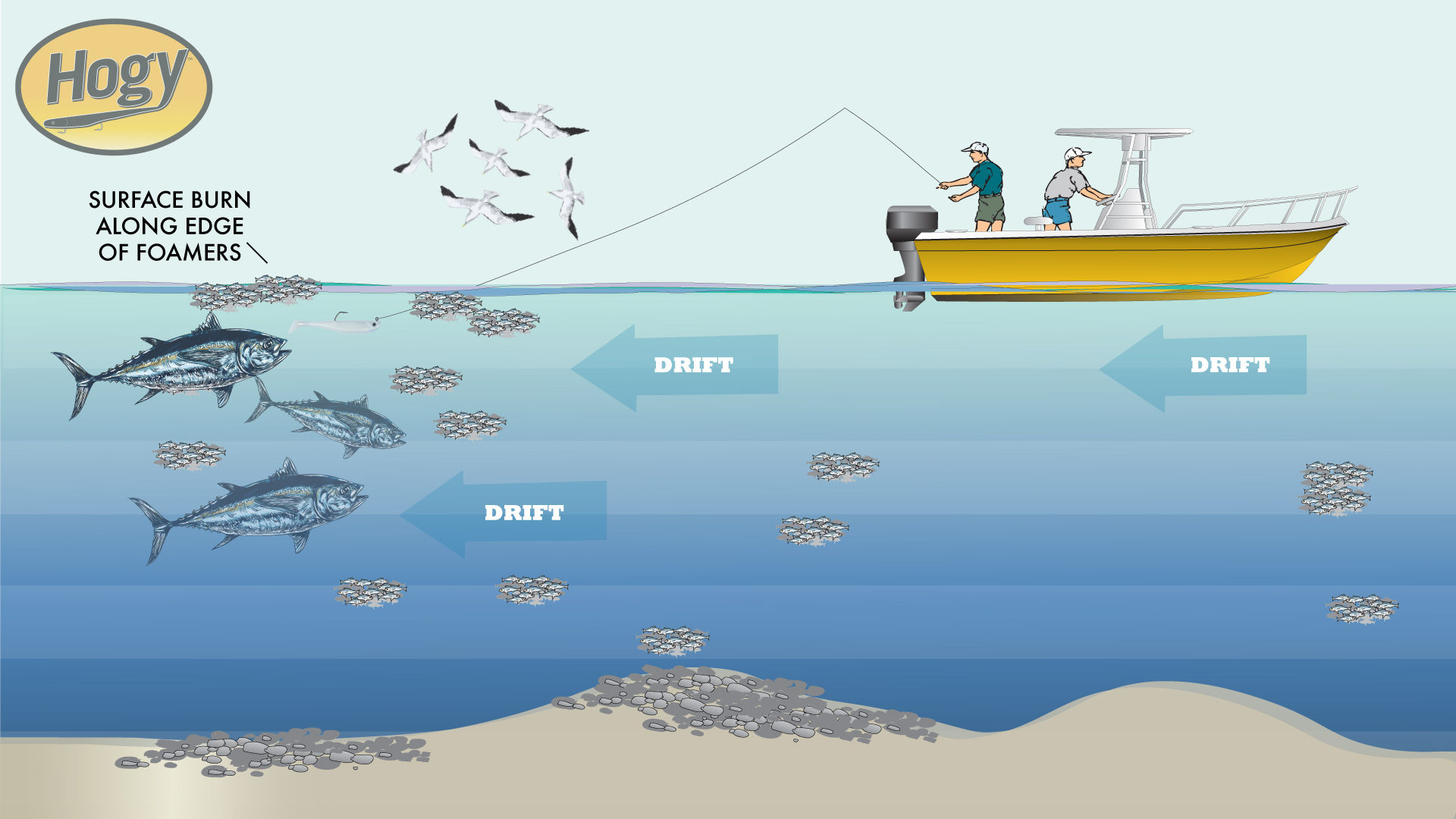
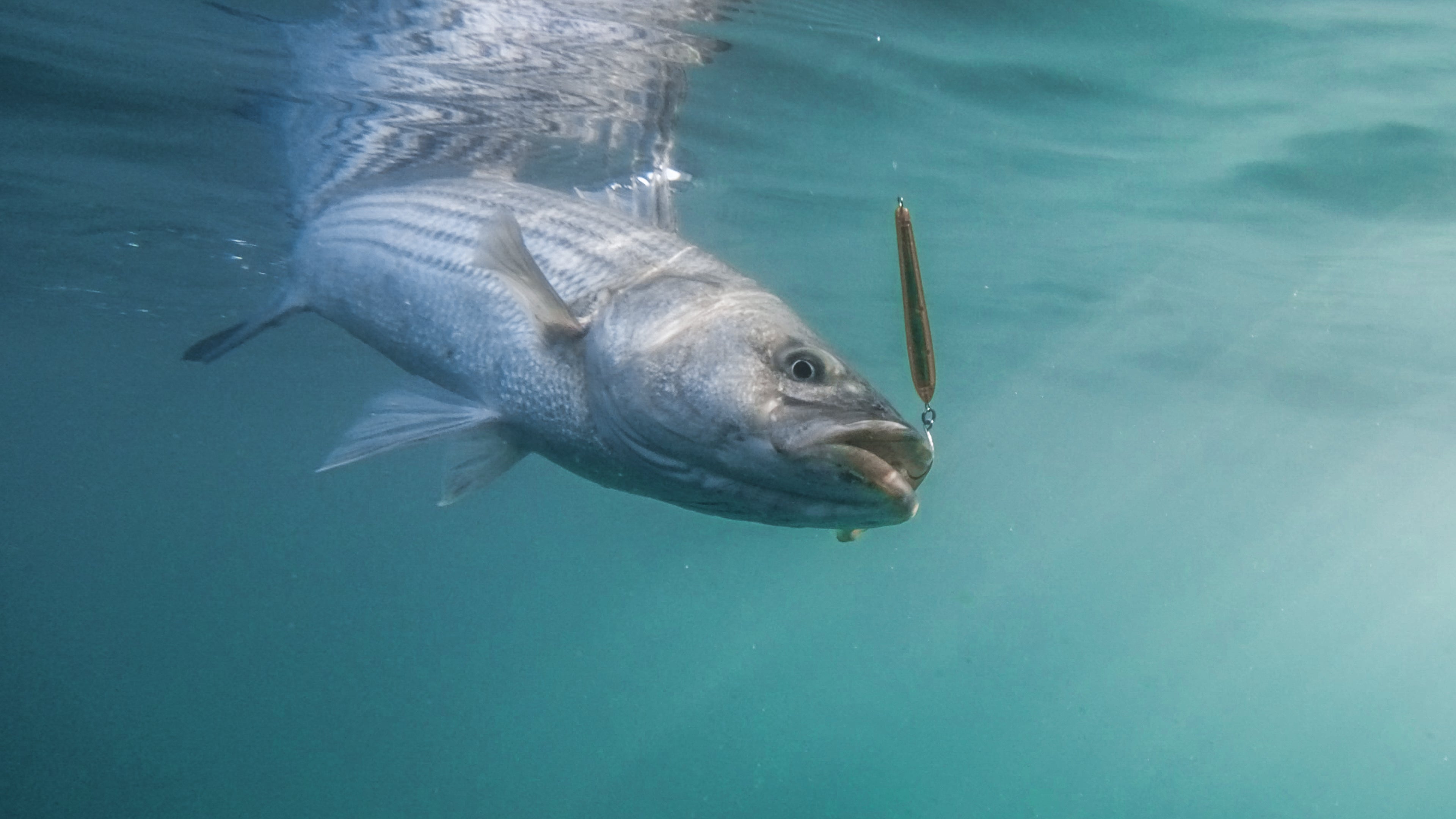
The pull-away (R1602) — swim the paddle off the school’s edge so one or two fish vector off and commit, away from the spooky pack.
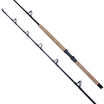
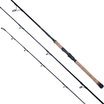
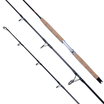
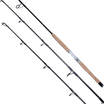
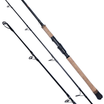
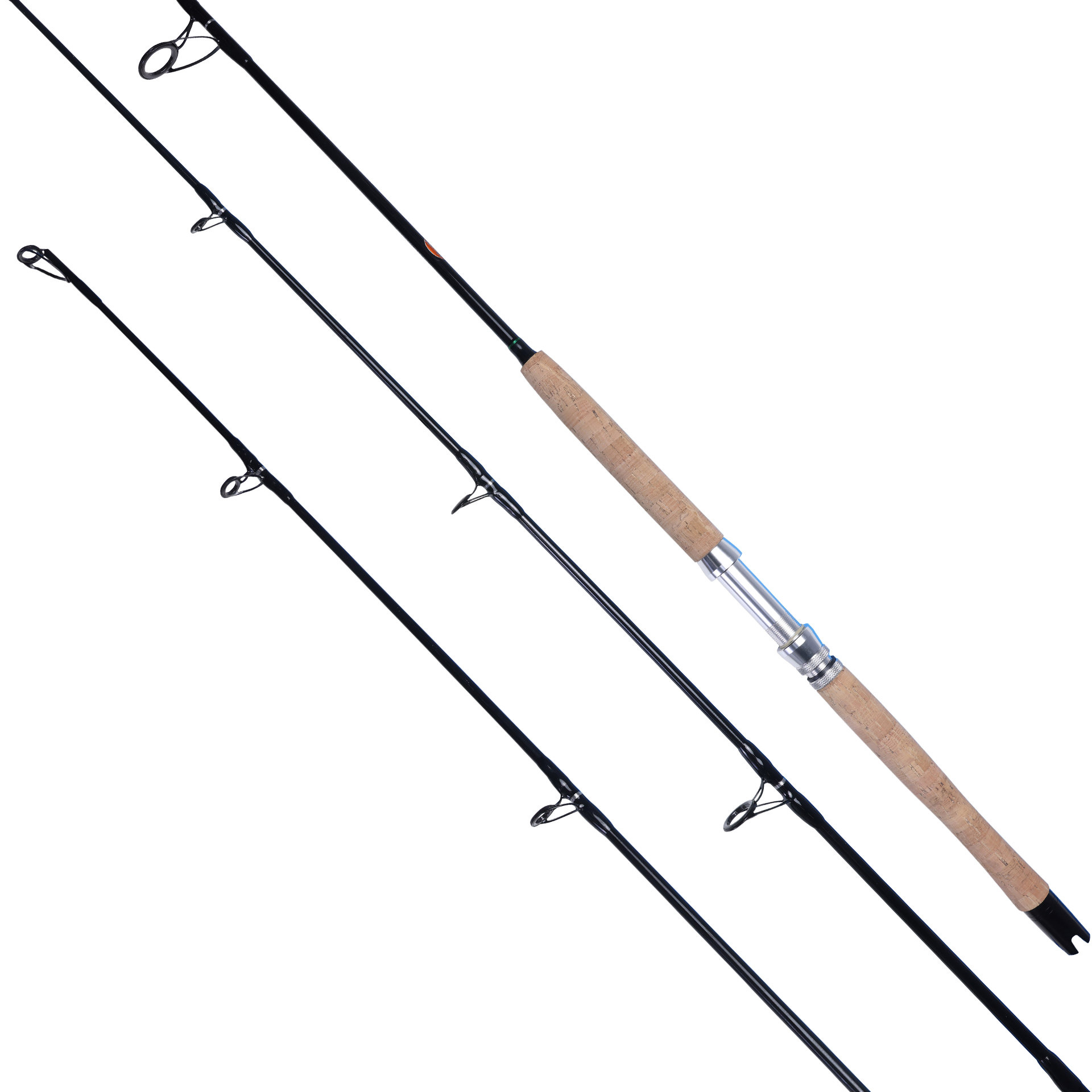
Outfit
The decision at a glance
Step 1 framed it: late-summer cruising bluefin, sight-cast with a research purpose. Step 2 set the conditions: flat-calm water and spooky fish that demand finesse. Step 3 delivered the unlock: lead the school and pull the bait away to draw a follower. Step 4 built the approach: idle in gently, lead the cast, fight clean, and tag. Step 5 closed it out: a perfect-profile Pro Tail Paddle and careful handling for healthy, tagged releases. The code at The Star is to fish with purpose — sight-cast cleanly, land fish efficiently, and release them strong, contributing to the science that keeps this fishery around for the next generation.

Leave a comment
All comments are moderated before being published.
This site is protected by hCaptcha and the hCaptcha Privacy Policy and Terms of Service apply.