Bluefin Tuna

Crack The Code: East Of Chatham Tuna Trolling Spread

Crack The Code: East Of Chatham Tuna Trolling Spread

Bluefin Tuna  ·  Crab Ledge, East of Chatham  ·  Summer
Cracking the Code
Location
Crab Ledge — East of Chatham
Season
Summer
Species
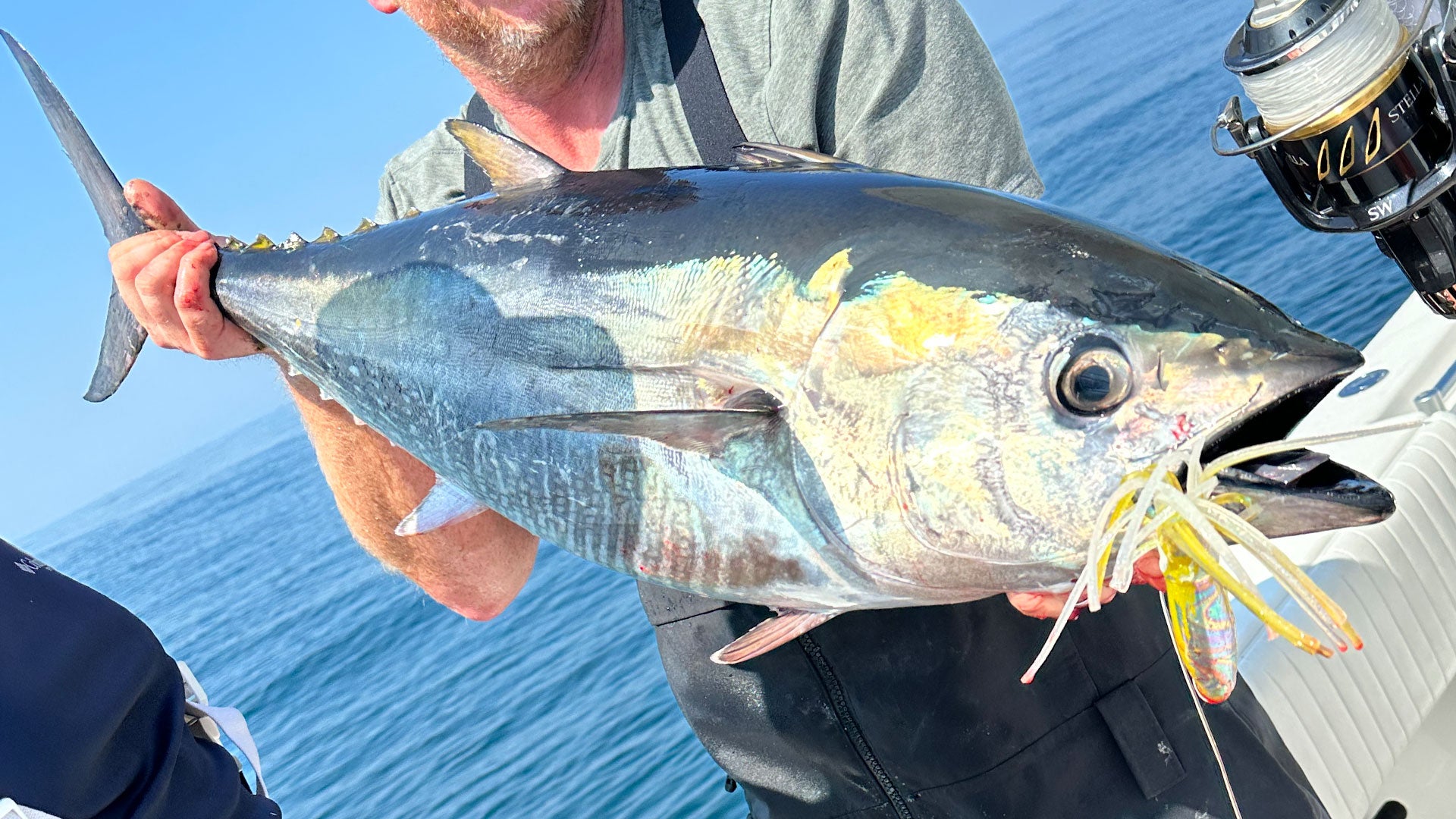
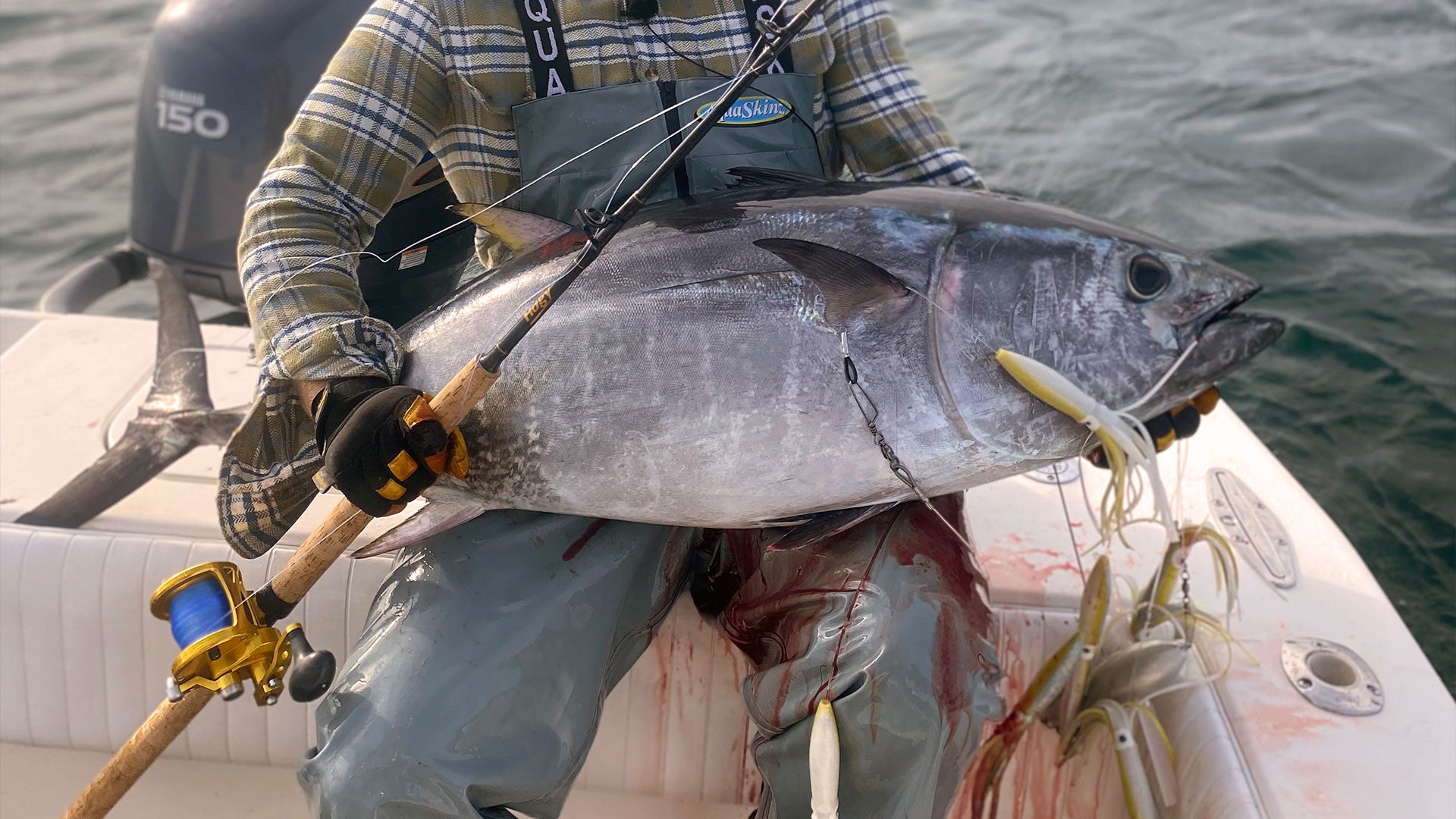
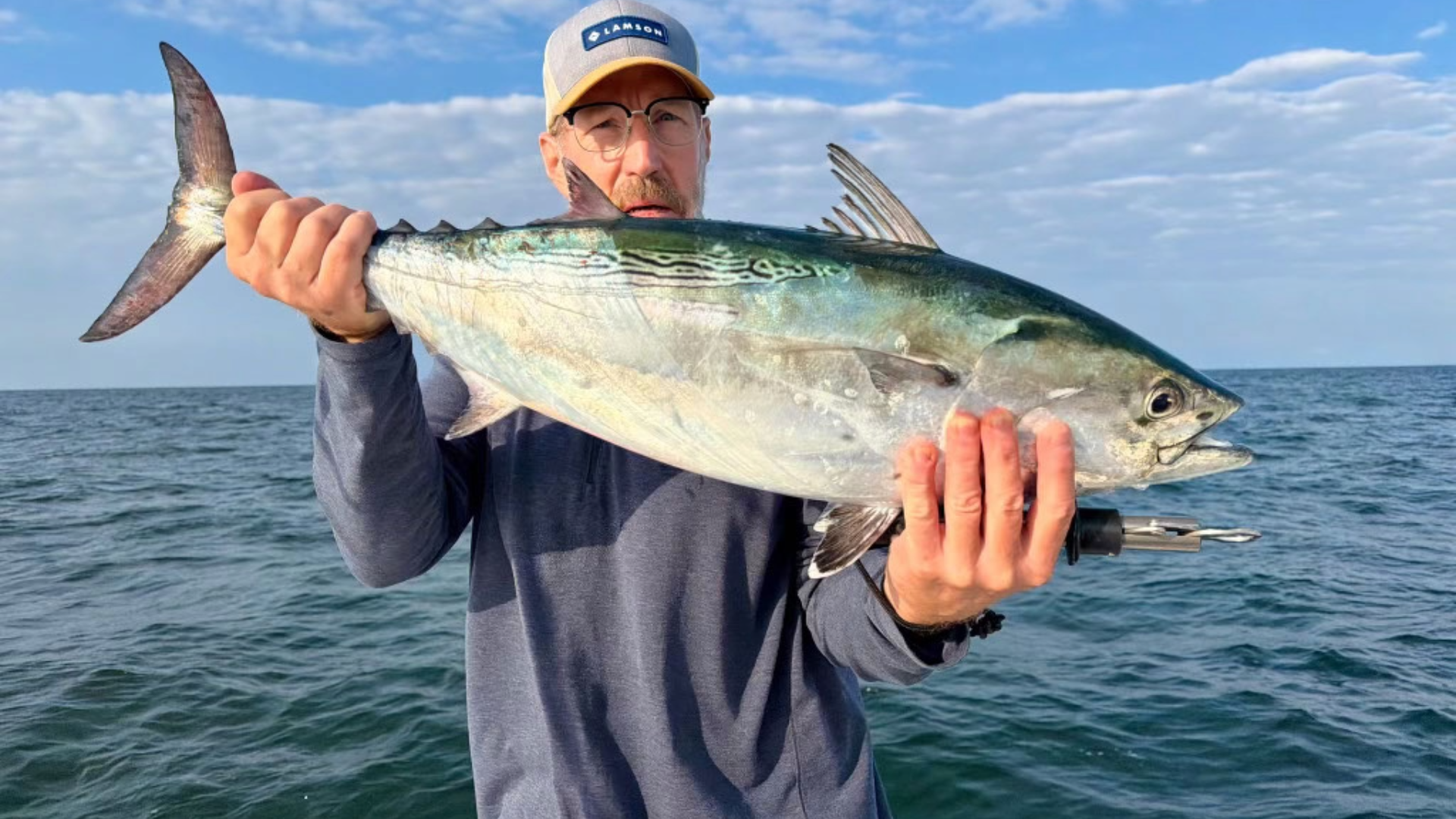
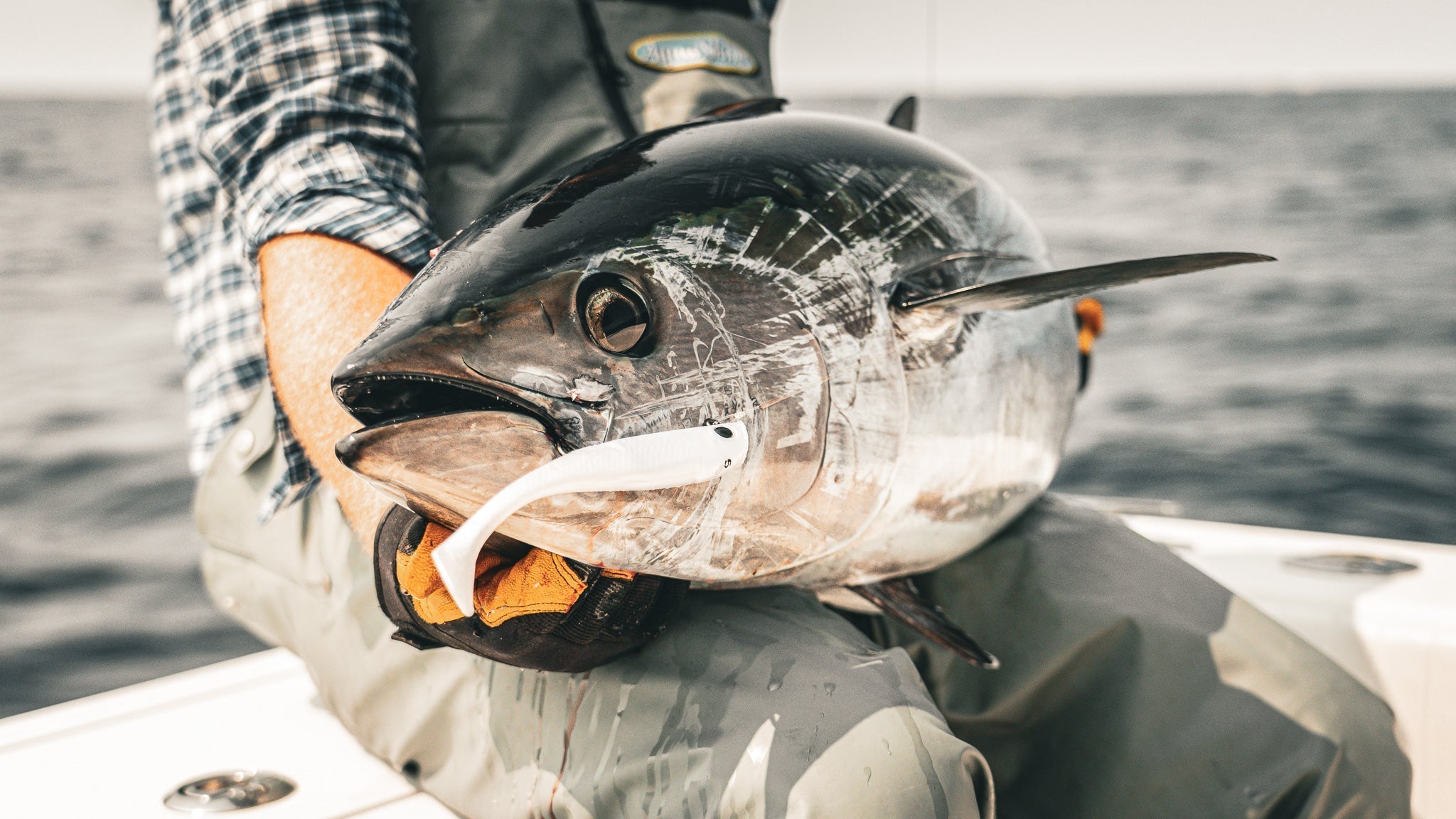
Bluefin Tuna ~55″
System
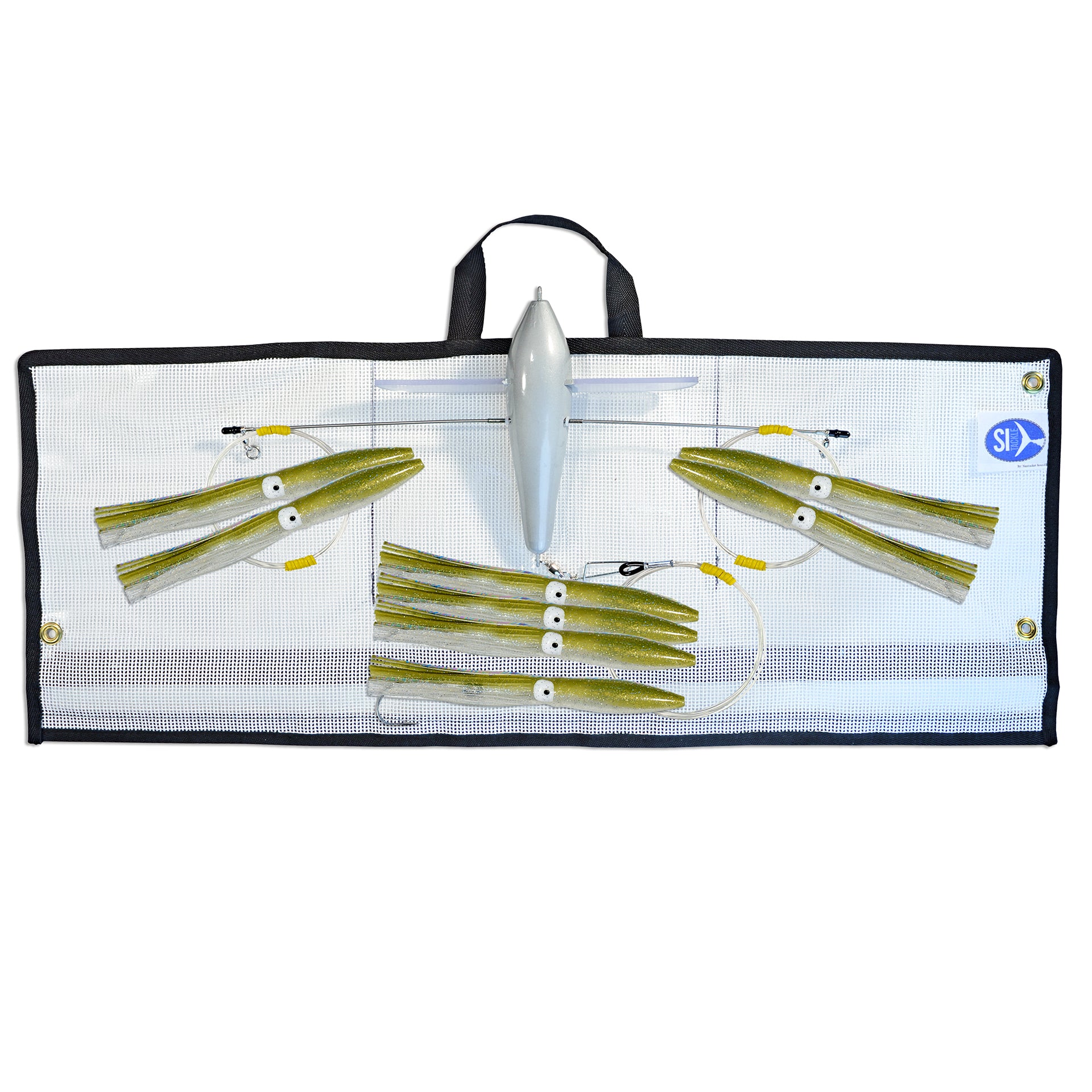
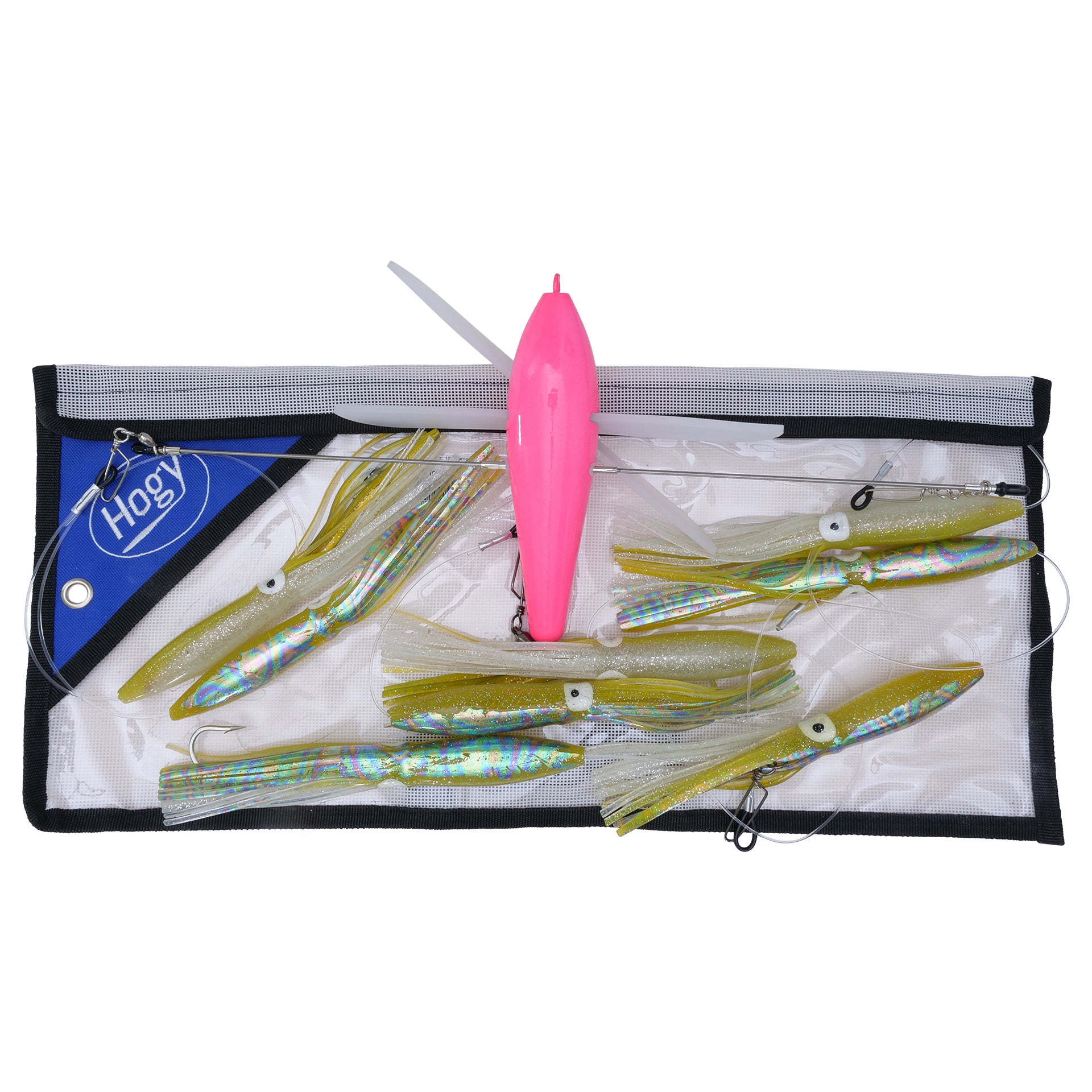
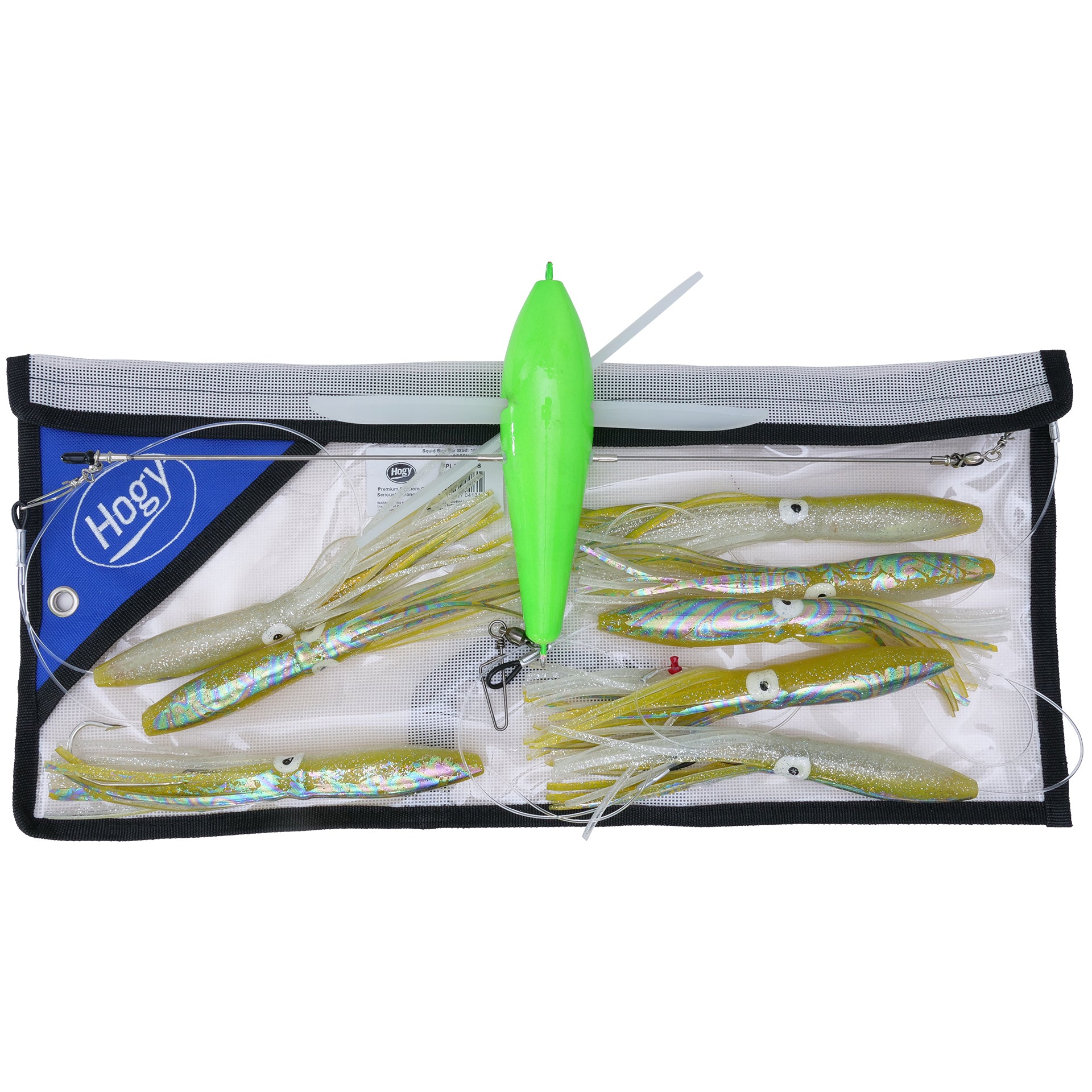
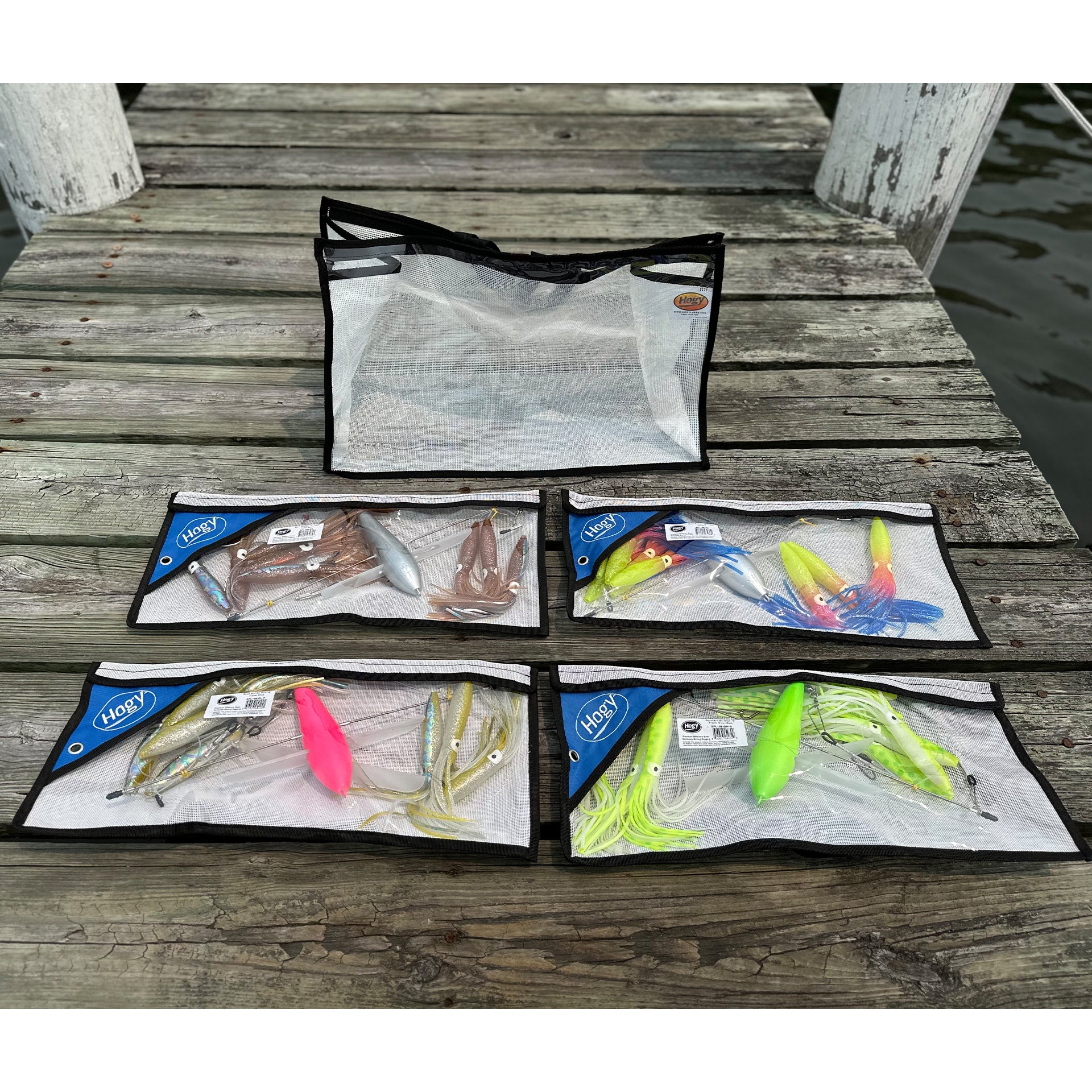
Hogy Bird Bar — Directional + Classic 4-Bar Spread
Forage
Sand Eels — Olive Imitator

The W Formation — Bird Bar Tactics to Match Sand Eels in Cold Water

Came to cast to feeds at Crab Ledge. The feeds dispersed. So the directional bars went out, the classic bars went inside the wash, the lines staggered to different depths, and olive beat pink every time. This is the spread deployment tutorial.

SC
Salty Cape TV powered by Hogy
Summer  ·  Crab Ledge
10 min read

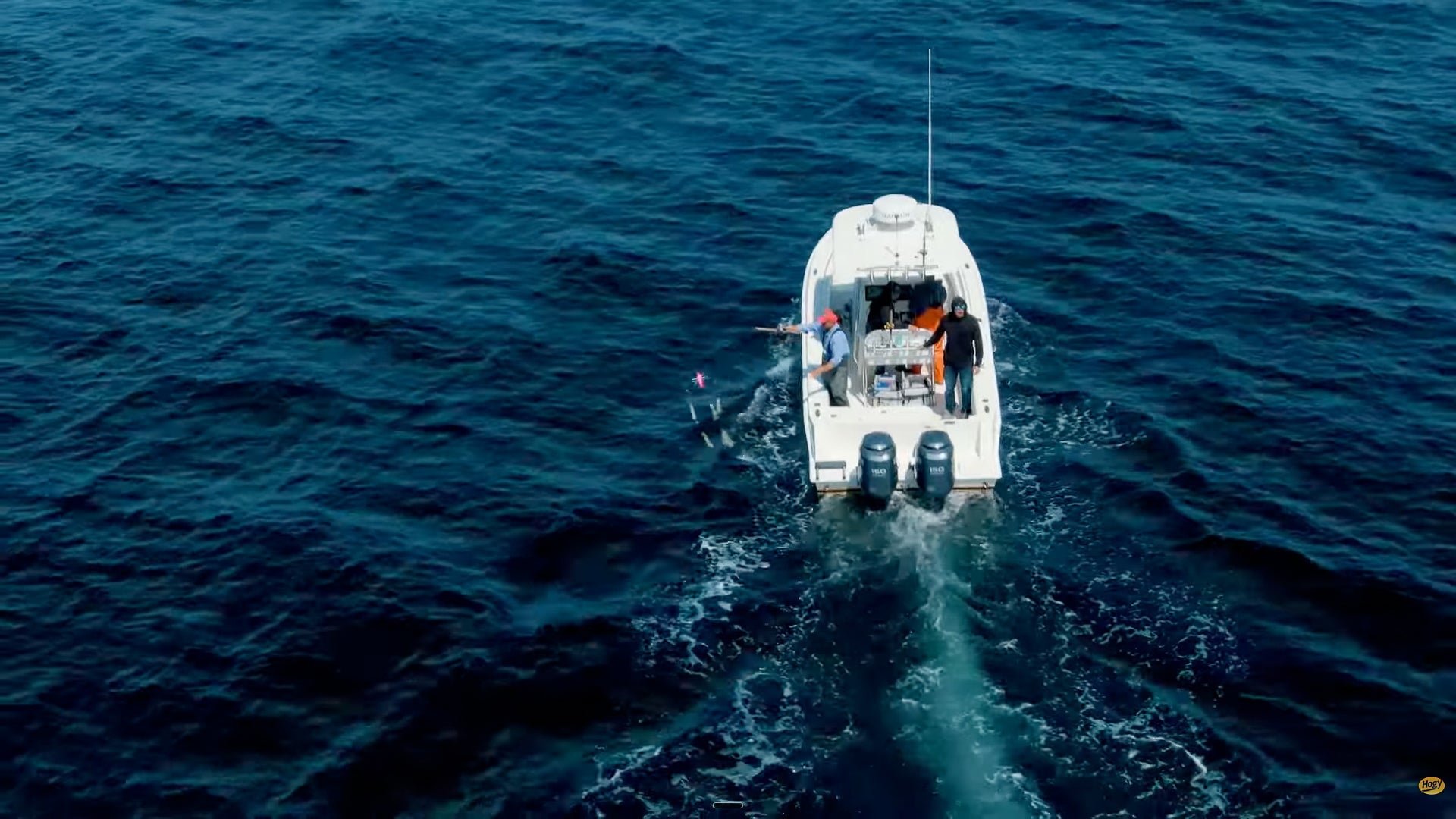
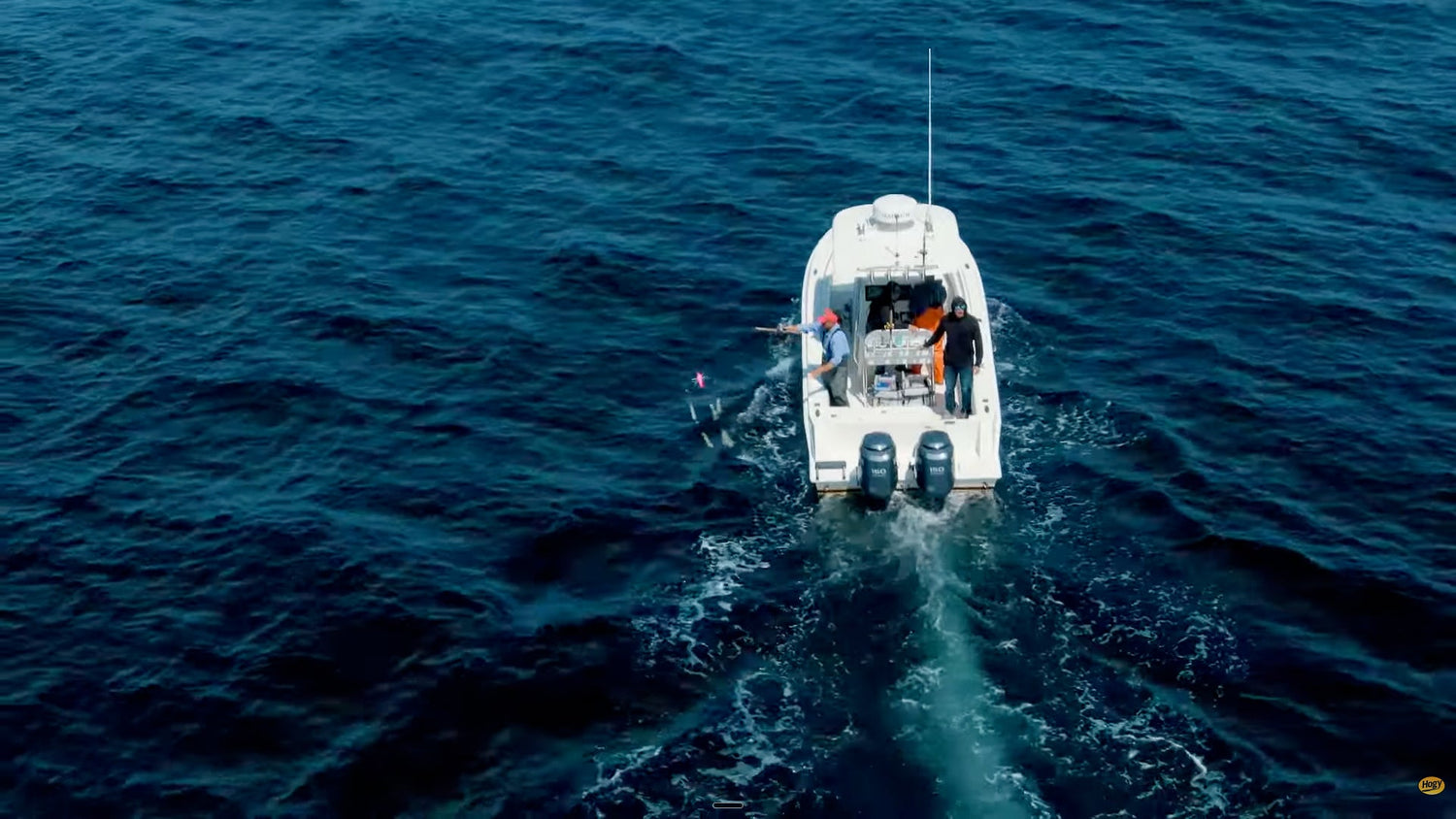
Crab Ledge, east of Chatham. The feeds had dispersed and the casting plan was off the table. Four bird bars, directionals outside the wash, classics inside, all olive — and couldn’t keep the bars out more than a couple minutes before getting hit.

The original game plan was casting to tuna keying on sand eels at Crab Ledge. There were good feeds earlier. The tuna were still there — but the feeds weren’t as epic as they had been. Scattered, dispersed, not castable. Plan B: light-tackle trolling with the bird bar spread. And once the bars went out, it became clear what color these fish wanted. Olive. Every time. Not pink, not green — olive, because the fish were keyed tight on sand eels and they wanted the imitator, not the attractor.

This episode is the spread deployment tutorial. Port vs. starboard bar placement, directional vs. classic bar logic, inside vs. outside the wash, staggered line lengths, the surge-and-drop tease on the classics, and the short-crew technique of letting a floating bird bar fish itself while you fight another fish. Every element of building and running a four-bar spread, on camera, with context.

The challenge: sand-eel-keyed bluefin at Crab Ledge with dispersed feeds — fish present but not castable, forage confirmed, original plan abandoned. Build a four-bar spread that covers inside and outside the wash, pick the right color for a tight bait-key situation, and stay maneuverable on a short crew.
Step 1 Historical Analysis

East of Chatham on sand eels — know your forage before you load the spread

Context that shapes every decision that follows.

East of Chatham in summer is sand eel country. When tuna are working that water, there’s a roughly 75% chance the forage is sand eels. Mike said it directly: “75% of the time when I come out here, sand eels are the tuna forage.” That historical read doesn’t change the plan for the day, but it immediately tells you the color starting point — load the spread with imitator colors and have attractor colors as a secondary option. Don’t start with pink when the fish are almost certainly on sand eels.

Local Knowledge — Crab Ledge, East of Chatham
  • Sand eels are the baseline forage assumption east of Chatham. Load olive and natural colors first, attractor colors second. The historical read saves you the attractor-to-imitator correction mid-session.
  • When casting feeds disperse, the spread doesn’t have to replace them immediately — the fish are still in the area. They’ve just gone subsurface or scattered. The spread finds them when the feeds aren’t showing.
  • Crab Ledge holds tuna on contour lines (S400). The fish use depth bands to stage. The tactical troll series covers those contour lines effectively when fish aren’t showing on the surface.
  • Tuna are attracted to the boat. Mike’s theory: the wash and the boat hull moving through the water simulates a whale or a fish discarding bait. That attractor effect is why the W formation works — fish come in on the boat and find bars at every entry point.
  • Sand eel forage means tighter, more specific color matching. On a general bait day you can run attractors and imitators mixed. On a tight sand eel key, it’s all olive by the end of the morning.
Step 1 output
Sand eels ~75% likely east of Chatham. Start with olive imitators, have attractor colors on deck. Crab Ledge contour structure holds fish when feeds disperse. Tactical troll series covers it.
Step 2 Environmental Factors

Feeds dispersed — the Plan B trigger

The conditions that moved the session from casting to trolling.

Good feeds earlier in the session confirmed tuna were on the grounds. But by the time lines went in, the feeds had scattered — still fish in the area, still bait, but not the castable concentrations from earlier. This is the Plan B trigger: fish confirmed present, original approach no longer viable. Switch to the spread and cover water rather than waiting for a feed that may or may not reform.

The name of the game on a day like this is staying maneuverable. Keep the spread close to the boat, lines relatively short, ability to spin the boat quickly on a sonar mark or a surface boil. Longer spreads with outriggers sacrifice maneuverability. The short no-outrigger setup with directional bars is the tactical choice precisely because it stays responsive.

MH
Capt. Mike Hogan

“The name of the game today is to remain maneuverable and really have a tactical trolling pattern. Most of these bars are quite close to the boat. Stay agile.”

Step 2 output
Feeds dispersed = Plan B trigger. Fish still in the area. Stay maneuverable — short spread, lines close to the boat. Tactical troll, not a long-range set-and-forget.
Step 3 Observational Factors — B.A.S.E.

Olive beats pink — reading the color key in real time

Four layers. Each one narrows the answer further.

MH
The Unlock Key

“We started half attractors, half imitators. By the end of the morning it was all olive colored spreader bars — and that was the ticket. When they’re keyed in, when there’s a lot of bait like there is today, the natural colors really did the trick.”

Layer What We Saw What It Eliminated / Confirmed
B
Birds & Bait
Sand eels confirmed as the primary forage from the earlier casting session. Fish keyed tight on them — tight enough that attractor colors underperformed throughout the session. The historical read (75% sand eel probability east of Chatham) was confirmed by the in-session color data.
Sand eel forage confirmed = imitator colors. Olive from the start would have been the correct call. Starting half/half was the diagnostic approach — the fish voted for olive within the first few bars. By the end it was all olive, all the time.
A
Activity
Fish came in on the olive color bar specifically — both the inside and the outside bar positions produced fish. The inside bar caught a fish that had swum into the wash, then the outside bar caught a fish that veered away from the wash. The spread geometry was validated: fish entering from different angles found different bars.
Inside + outside bar both produced = the spread geometry is working. Fish approach from multiple angles and the W formation has coverage for all of them. The staggered lengths mean there’s something at every depth in the spread.
S
Structure
S400 Contour Lines — Crab Ledge. Depth contours hold bait and fish along the edge. The tactical troll series covers contour lines by running parallel to the edge and working the depth transitions. Fish stage on the contour, the boat working the edge brings the spread through their holding zone repeatedly.
Contour structure = run parallel to the depth edge. The tactical troll covers the productive depth band. Work the contour, not just open water. Fish holding on the edge will see the spread on each pass.
E
Echoes / Sonar
Side scan confirmed fish in the area even when surface activity was absent. “There’s literally fish on this side scan.” One fish appeared on the side scan just before a strike, confirming the spread was working productive water. Fish marks on the side scan = keep running that track.
Side scan marks = stay on that track. When the side scan shows fish in the spread zone, the next hit is coming. Don’t turn off a productive piece of water because the surface is quiet.
Step 3 output
Olive beats pink confirmed by mid-session. Sand eel key = imitator over attractor. Inside + outside bar both producing = spread geometry correct. Side scan marks = stay on the track.
Step 4 Structure & Approach

Tactical troll along the contour — maneuverable, close, responsive

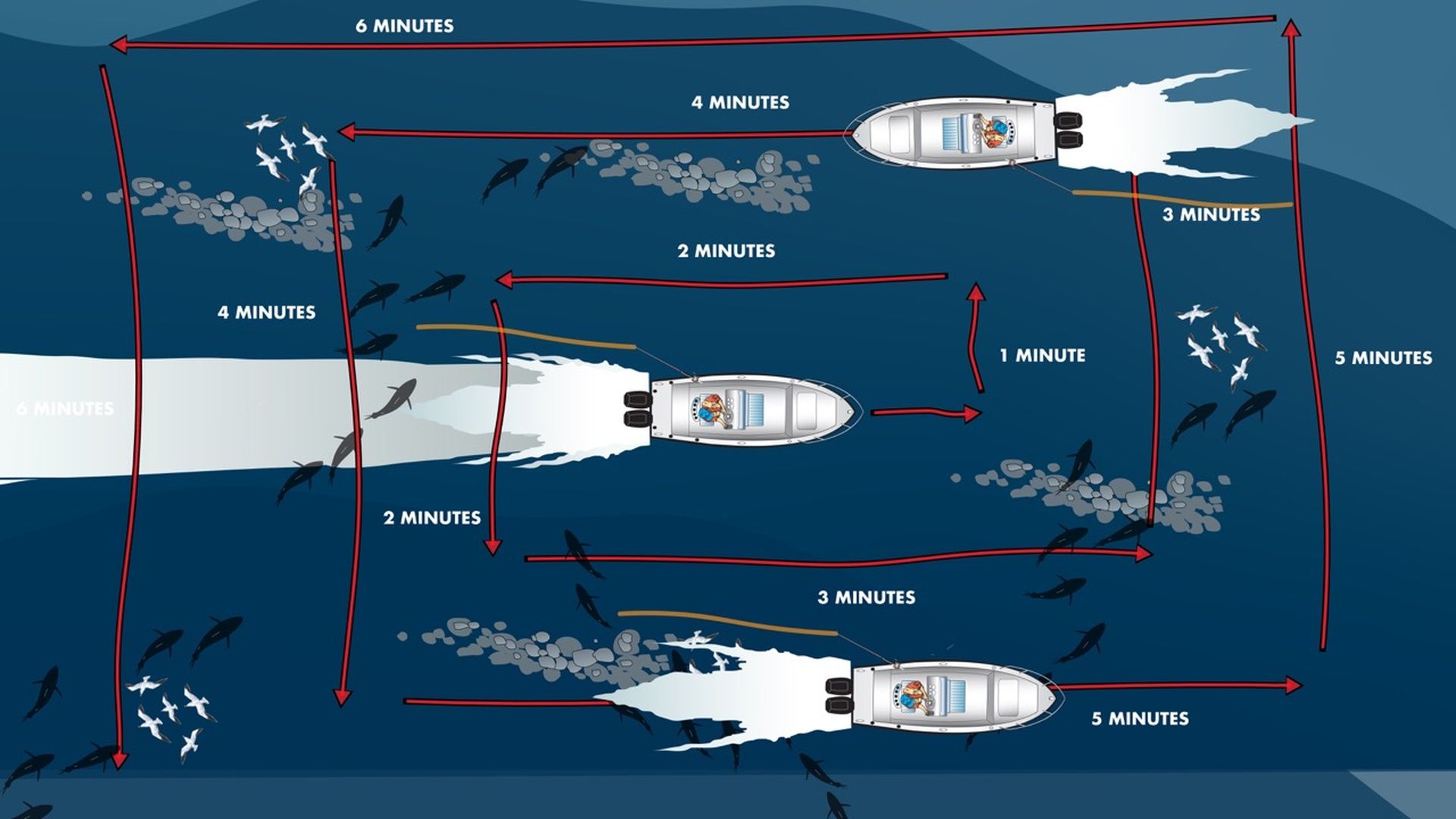
OA800 Tactical Troll Series — short spread, lines close to the boat, ready to spin on a mark.

The tactical approach at Crab Ledge is different from the grid-and-surge pattern at The Dump. Here the structure is known — Crab Ledge is a specific contour. The troll works the edge of the contour, running parallel to the depth transitions where fish are staging. Lines stay close to the boat for maximum maneuverability. When a fish shows on the side scan or a boil appears, the boat can spin quickly without a long spread tangling.

Approach — step by step
1
Deploy the outside (directional) bars first. Port directional bar = pink/red. Starboard directional bar = green. Same as running lights. Send them out on the outside rod holders or leaning post. The fin pushes them outboard as line pays out — more line = wider track.
2
Deploy the inside (classic) bars in the wash. Classic bars run straight down the middle. Stagger the lengths so port classic is at a different distance than starboard classic. This creates spread depth — a high point and low point in the W at different distances behind the boat.
3
Keep bars close and maneuverable. On a tactical troll at Crab Ledge, lines are short. The goal is to spin on a mark quickly. Long lines sacrifice that ability. Close bars = fast response to any side scan reading or surface activity.
4
Work the contour lines. Run parallel to the depth edge, keeping the productive depth band within the spread zone. Each pass covers the staging area. Fish on the contour will see the spread on repeated passes.
5
Tease the classic bars periodically. Crank a classic bar in, let it back out. Surge-and-drop, surge-and-drop. The bar appears to flee. Fish following behind will commit on the drop. No outrigger to pop = you can tease freely without worrying about the clip.
6
Short crew: let the floating bar fish itself. When a fish is on and you’re fighting it alone, the other bars just float. Hogy bird bars are self-correcting and float. They keep fishing while you work the hooked fish. “Be amazed at how many times a fish will hit a bird bar that’s just floating in the water.”
OA800 Tactical Troll Series — Crab Ledge contour troll

OA800 Tactical Troll Series — work the contour edge, lines close to the boat for maneuverability. Spin quickly on side scan marks and surface boils. Short spread, high responsiveness.

Step 4 output
Directionals outside, classics inside wash, lines short and close. Work the contour edge. Tease classics with surge-and-drop. Short crew = let floating bars fish themselves. Spin on any mark immediately.
Step 5 Gear, Lure & Technique

Building the spread — port vs. starboard, directional vs. classic, olive vs. pink

Every decision in the spread deployment explained on camera.

Port vs. Starboard
Directional bars have a fin on the underside that pushes them outboard in a specific direction. Put them on the wrong side and they’ll swim toward the boat. Pink/red = port. Green = starboard. Same as running lights — instant identification. “Because obviously these fins on the underbelly are going to track their outboard direction.” Hogy bars are self-correcting — if you put one on the wrong side, it’ll right itself and swim outboard regardless.
Outside the Wash
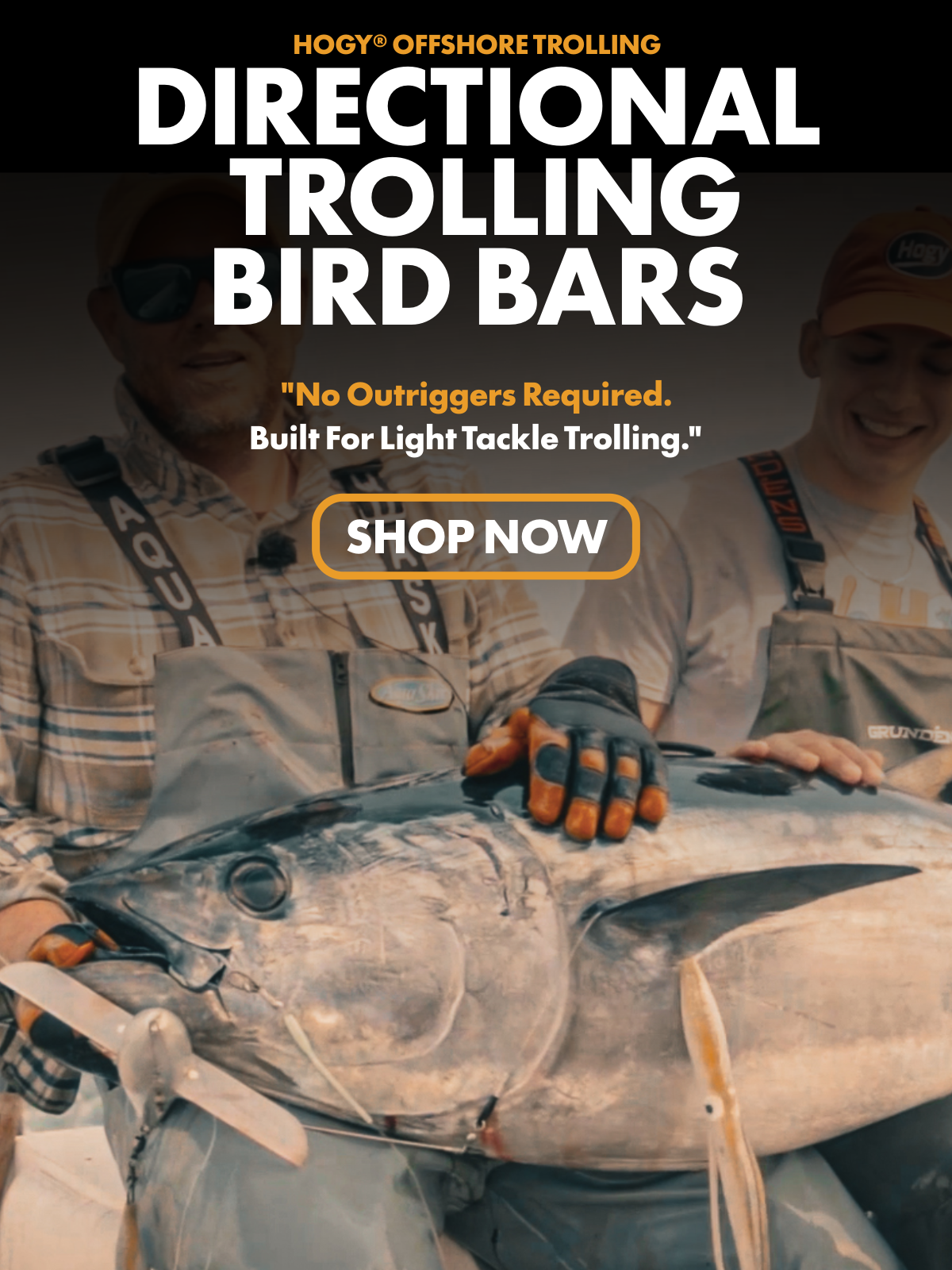
Directional bars on the outside rod holders or leaning post. More line = wider track. Leaning post gets the rod tip up higher, which swings the bar even further outboard on the same amount of line. Two directionals maximum — more than two and weed checks become impossible because they want to swim outward as you reel them in.
Inside the Wash
Classic bars run straight down the middle of the wash. Port classic and starboard classic staggered at different lengths. This creates depth in the spread — high points (closer bars) and low points (further bars) in the W formation. Tuna approaching from different distances find a bar at their level.
The W Formation
From above: directional bar tips way out on each side, classic bars staggered in the middle. Looks like a W. Tuna attracted to the boat enter the whitewash from the side, from behind, from below — there’s a bar at every entry point. The boat in the center acts as the attractor. “Depending on which entry point a fish comes into the wash, we’ll have something for everybody.”
The Surge Tease
On the classic bars: crank the bar in toward the boat, then let it back out. Surge-and-drop, surge-and-drop. The bar appears to flee, triggering FOMO in fish following behind. “That surge and drop, surge and drop, surge and drop can really create that FOMO sensation.” No outrigger to pop = tease freely.

The color decision — attractor vs. imitator

There are two categories of color in a bird bar spread: attractors (bright colors — pink, fluorescent green) and imitators (natural colors — olive, white, sand eel imitations). On a general bait day with no specific forage key, run a mix. On a tight bait key, run imitators. The session at Crab Ledge started half/half and ended all olive.

Color Type When to Use This Session
Attractor (pink, bright green) General bait day, no specific forage key, high viz in stained water, early session diagnostic Started on deck. Replaced by olive by mid-session. Fish didn’t want it when keyed on sand eels.
Imitator (olive, white, natural) Sand eel keyed fish, lots of bait in the water, clear water, fish feeding specifically not opportunistically Both hookups came on olive. By the end it was all olive, all four bars. Sand eel match confirmed.
MH
Capt. Mike Hogan — Color Logic

“There’s two types of colors when it comes to lures: attractors and imitators. Attractors are your bright colors — your pinks, your fluorescent greens. Imitators are specifically imitating something. Today the fish were really keyed in on sand eels. I always load up on all olive colored spreader bars. We started half attractors, half imitators — and by the end of the morning it was all olive colored spreader bars, and that was the ticket.”

Outfit

Light-Tackle Tuna Trolling Loadout — Crab Ledge
Bars
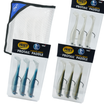
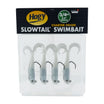
Hogy Directional Bird Bar (outside, port pink / starboard green) + Hogy Classic Bird Bar (inside, staggered lengths). All olive color by mid-session.
Rod
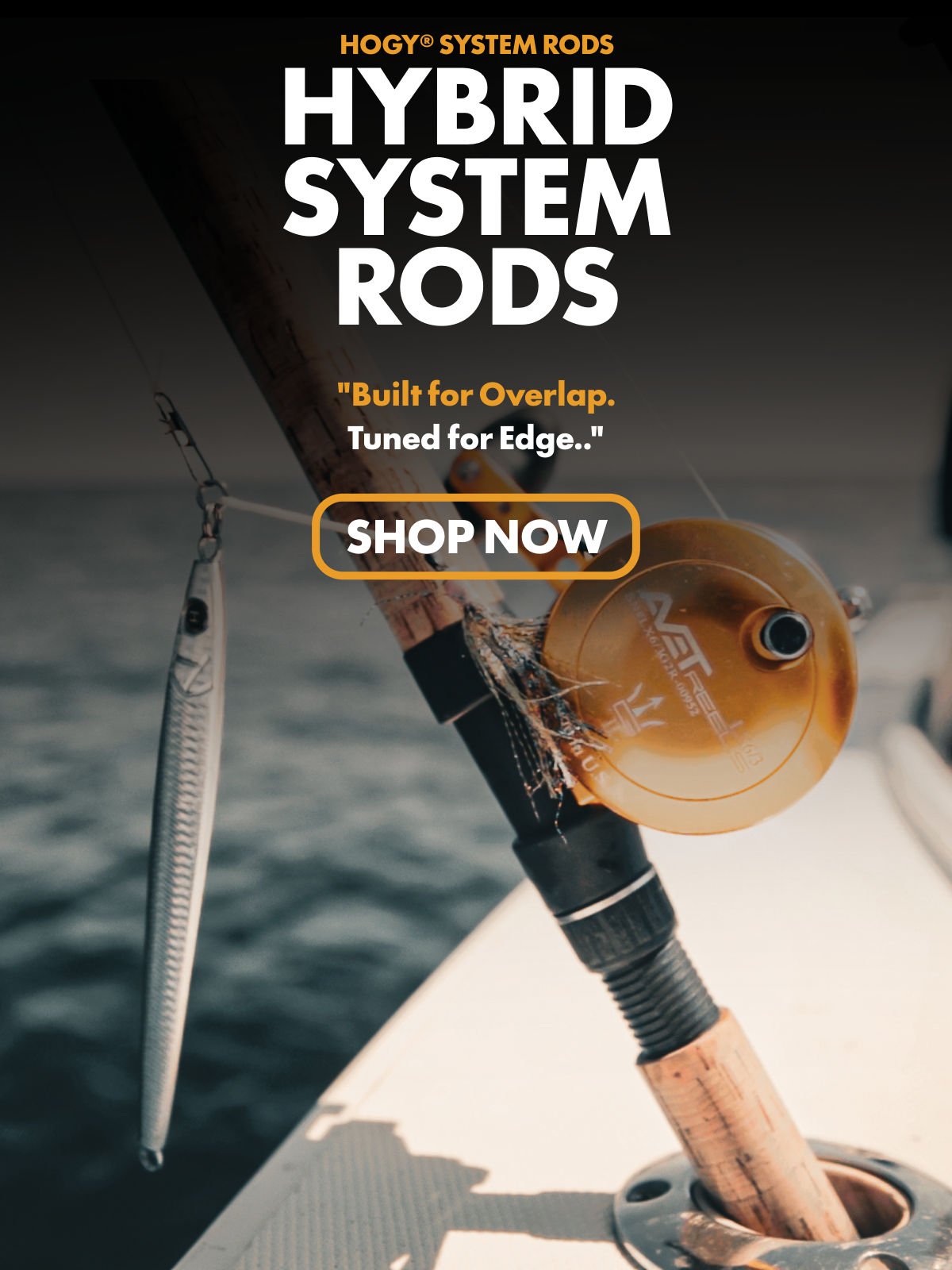
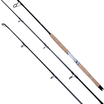
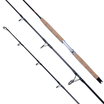
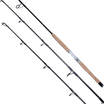
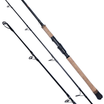
Hogy Hybrid Rod — short, light, low-profile. Jigging and trolling on the same outfit. Parabolic action handles the shock of a tuna strike without breaking. Stows in the center console head.
Reel
Avid LX6 two-speed. High gear for fast cranks as fish approach the boat. Low gear for heavy loads when a big fish takes line and you need sustained pressure without burning out. “This two-speed feature makes this outfit so much easier to use.”
Line
80lb braid + 30ft top shot of 65lb mono. The mono is critical for trolling: it stretches where braid doesn’t, absorbing the shock of a tuna hitting at trolling speed in the other direction. “Serves as a shock absorber — mono tends to stretch more than fluorocarbon, certainly more than braid.”
Fight technique
Keep the fish upwind when fighting. Take the port engine out of gear to spin the bow toward the fish. Short pumps as the fish nears the boat. When the top shot appears at the guides, that’s the cue — leader time. Glove the leader and walk the fish.

The decision at a glance

Signal from the System Decision
Casting feeds dispersed Plan B. Pull the spread. Fish are still in the area — switch to tactical troll and cover the contour.
East of Chatham, forage unknown Start with half imitators (olive), half attractors (pink/green). Let the fish vote. Expect sand eels — 75% historical probability.
Both hookups on olive Go all olive. When the fish are keyed tight on sand eels, imitators beat attractors. Remove the attractor bars and replace with olive.
Short crew, one fish on Let the other bars float. Hogy bars are self-correcting — they’ll fish themselves. Focus on landing the hooked fish cleanly.
Fish following bar but not eating Surge-and-drop tease on the classic bars. Crank in, let out, repeat. FOMO trigger. No outrigger to pop — tease freely.
Two bars on different sides Port = pink/red directional. Starboard = green directional. Same as running lights. Don’t mix them up — the fin direction is side-specific.
Side scan shows fish Stay on that track. Don’t turn off productive water just because the surface is quiet. The next hit is coming.
Step 5 output
Directional bars outside the wash, classics inside, all olive by mid-session. W formation, short lines, maneuverable. Tease the classics with surge-and-drop. Mono top shot for shock absorption. Couldn’t keep the bars out more than a couple minutes before getting smoked.
Putting it together
Olive beats pink

Step 1 loaded the historical read: east of Chatham means sand eels 75% of the time — start with imitators, have attractors on deck. Step 2 confirmed the Plan B trigger: feeds dispersed, fish still present, switch to tactical troll and stay maneuverable. Step 3 delivered the unlock in real time: both hookups on olive, attractor colors sitting untouched. Sand eel key confirmed. By the end of the morning it was all olive, all four bars. Step 4 built the spread approach: directionals outside the wash, classics inside, lines short for maximum maneuverability on the contour edge, surge tease on the classics. Step 5 closed with the deployment details: port is pink, starboard is green, the W formation covers every entry point, the mono top shot absorbs the shock, and the two-speed reel makes the fight manageable for any crew. The fish couldn’t keep away from the olive bars. Couldn’t keep the bars out more than a couple minutes before getting hit.
Also in the series
Trolling on the Menu — Scattered Tuna and the Surge Recon Pattern at The Dump
Same spread, different game plan — when there’s no structure to troll and you need to cover open water with a grid.
Bluefin Tuna Bird Bar Crab Ledge East of Chatham Trolling W Formation Sand Eels Olive vs. Pink Directional Bar Offshore Summer Capt. Mike Hogan Cracking the Code

Reading next

Crack The Code: Topwater Striper Handkerchief Shoal

Leave a comment

All comments are moderated before being published.

This site is protected by hCaptcha and the hCaptcha Privacy Policy and Terms of Service apply.

Related Videos

School Bluefin Tuna Trolling | Simple 4 Rod Spread | South of MV

Capt. Mike from Salty Cape and Hogy Lures loads up his 28' Contender and steams South of MV in anticipation of cashing in on a hot school Bluefin Tuna bite. With the fish being scattered, he name of the game was deploying a simple 4-rod spread of the Hogy Directional Bird Bars. These bars are ideal for any angler who doesn't have or doesn't want to deal with outriggers on their boat.

No Outrigger Bluefin Tuna Trolling + Hogy Directional Bird Bar

Capt. Mike Hogan shows us how to deploy a 5-rod no-outrigger tuna spread using the Hogy Directional Tuna Splash Bird Bars for trolling scattered tuna in Cape Cod Bay. The Hogy 18" Pocket Splash Bar has a place in every spread. Its small size makes it easy to manage on light tackle and traditional gear. The bird is made out of super lightweight foam that is impossibly strong. The oversized wings spray water up to 24" and are made of a semi-rigid plastic that reduces breakage when the bar hits the deck.

Related Blogs

Bluefin TunaCrack The Code: East Of Chatham Tuna Trolling Spread

Crack The Code: East Of Chatham Tuna Trolling Spread

Bluefin Tuna  ·  Crab Ledge, East of Chatham  ·  Summer Cracking the Code Capt. Mike Hogan  ·  Salty Cape TV powered by Hogy Location Crab Ledge — East...

CastingCrack The Code: Topwater Striper Handkerchief Shoal

Crack The Code: Topwater Striper Handkerchief Shoal

Cracking the Code: The Franken Popper at Handkerchief Shoal Striped Bass  ·  Handkerchief Shoal  ·  Early Summer Cracking the Code Capt. Mike Hogan  ·  Salty Cape TV powered by H...

CastingCrack The Code: Micro Squid Rips Finicky Stripers

Crack The Code: Micro Squid Rips Finicky Stripers

Cracking the Code: Four Retrieves on One Cast — Surface Eraser vs. Finicky Monomoy Stripers Striped Bass  ·  Monomoy Rips  ·  Mid-June Cracking the Code Capt. Mike Hogan &...

InshoreCrack The Code: Monomoy Rips Topwater Striper

Crack The Code: Monomoy Rips Topwater Striper

Cracking the Code: Poppers on a Squid Bite at Monomoy Striped Bass  ·  Monomoy Rips  ·  S2022 E6 Cracking the Code Capt. Mike Hogan  ·  Salty Cape TV powered by Hogy ...

InshoreCracking The Code: Monomoy Rips Striped Bass

Cracking The Code: Monomoy Rips Striped Bass

Cracking the Code: Surface Eraser on the Monomoy Squid Rips Striped Bass  ·  Monomoy Rips  ·  S2024 Cracking the Code Capt. Mike Hogan  ·  Salty Cape TV powered by Hogy ...

Bluefin TunaCracking The Code: Light Tackle Bluefin - The Gully

Cracking The Code: Light Tackle Bluefin - The Gully

Light-Tackle Bluefin  ·  The Gully  ·  S2025 E6 Cracking the Code Capt. Mike Hogan  ·  Salty Cape TV powered by Hogy Location The Gully — S. of Block Island Season Midsummer Species Bl...