















Four Retrieves on One Cast — The Surface Eraser vs. Finicky Monomoy Stripers
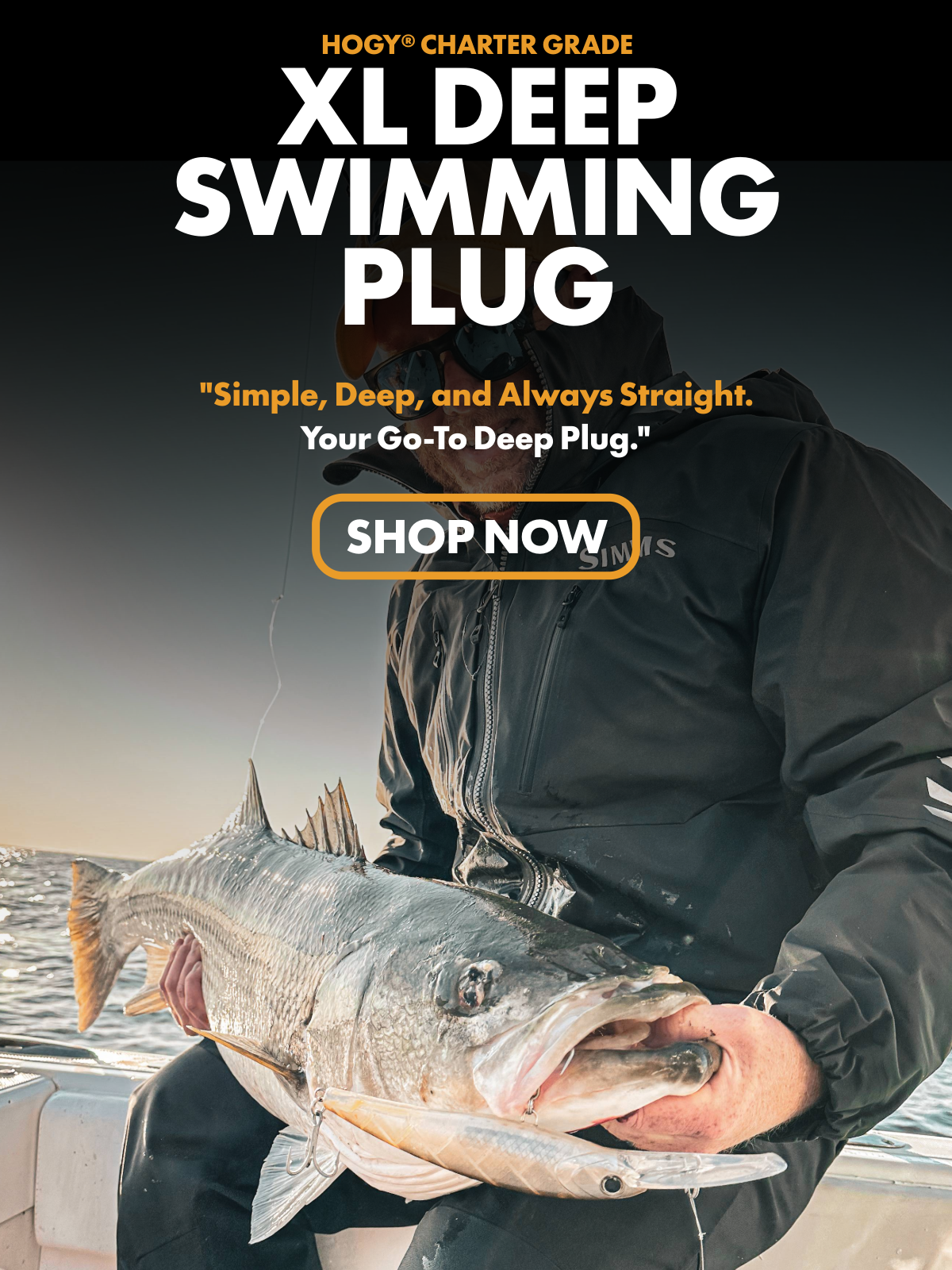
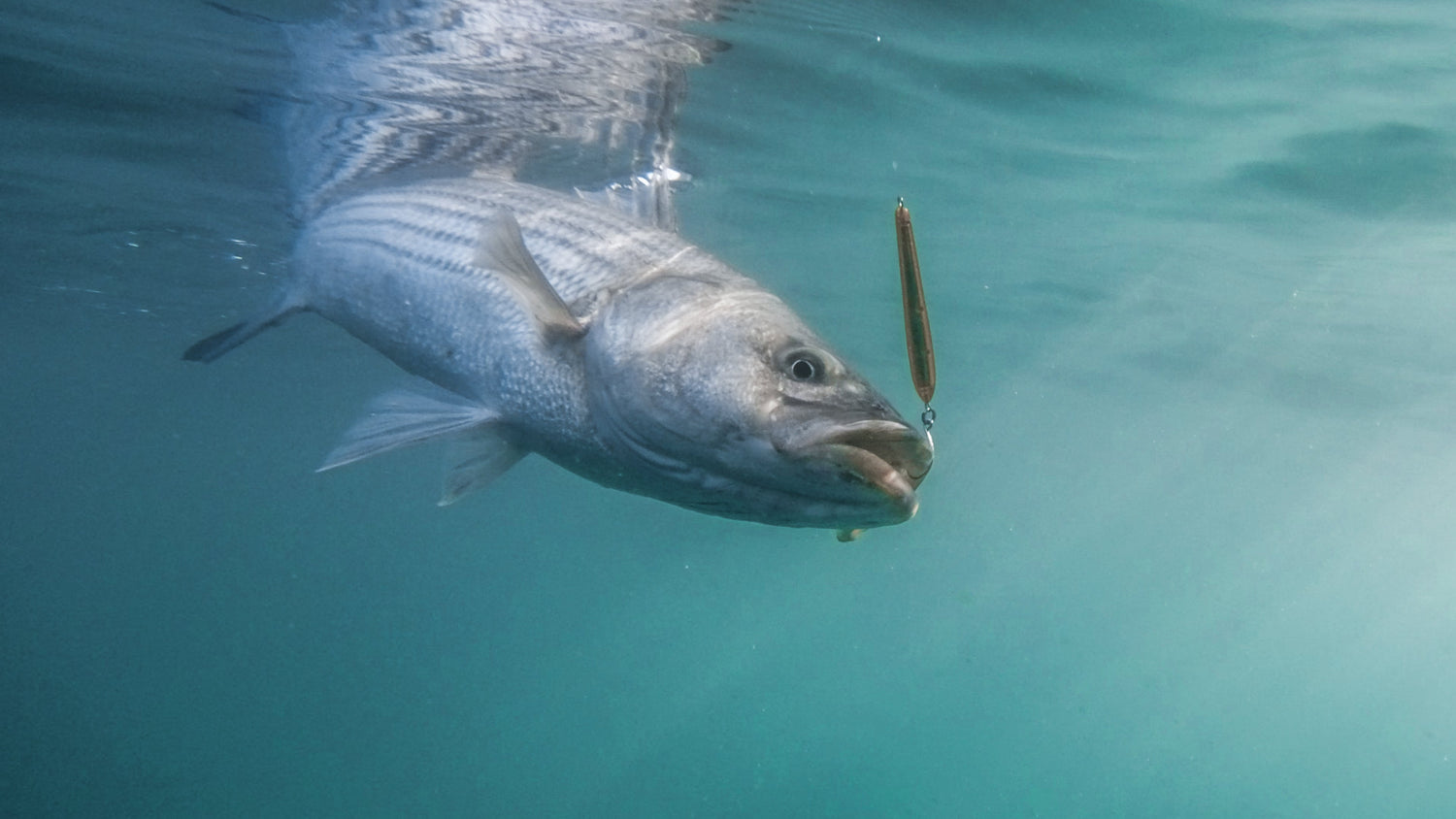
Poppers were working until they weren’t. Fish keyed tight on micro squid needed a smaller lure and a retrieve rotation. The 4″ Surface Eraser matched the bait — and when they got finicky, cycling four retrieves in a single cast closed the deal.

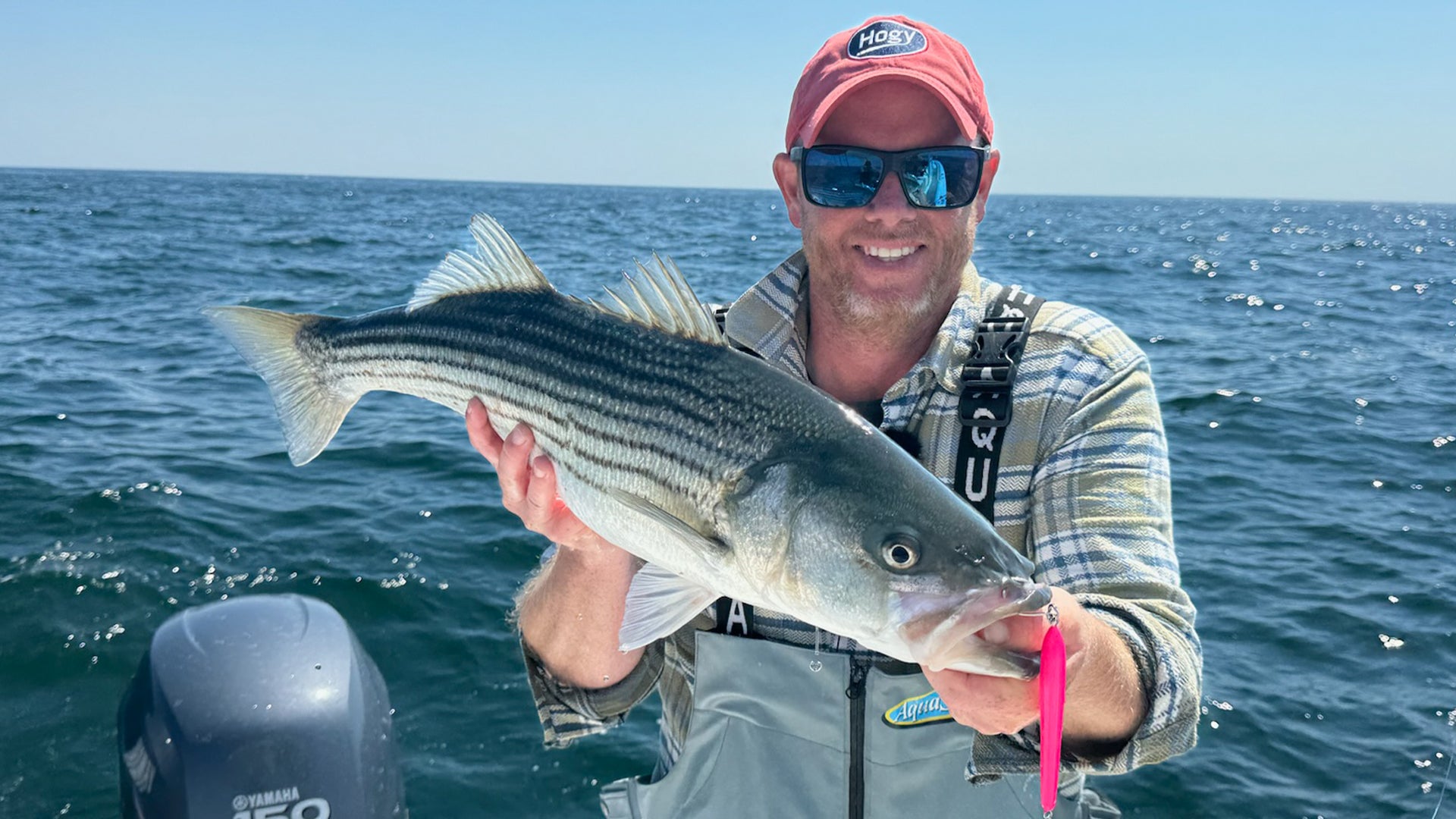
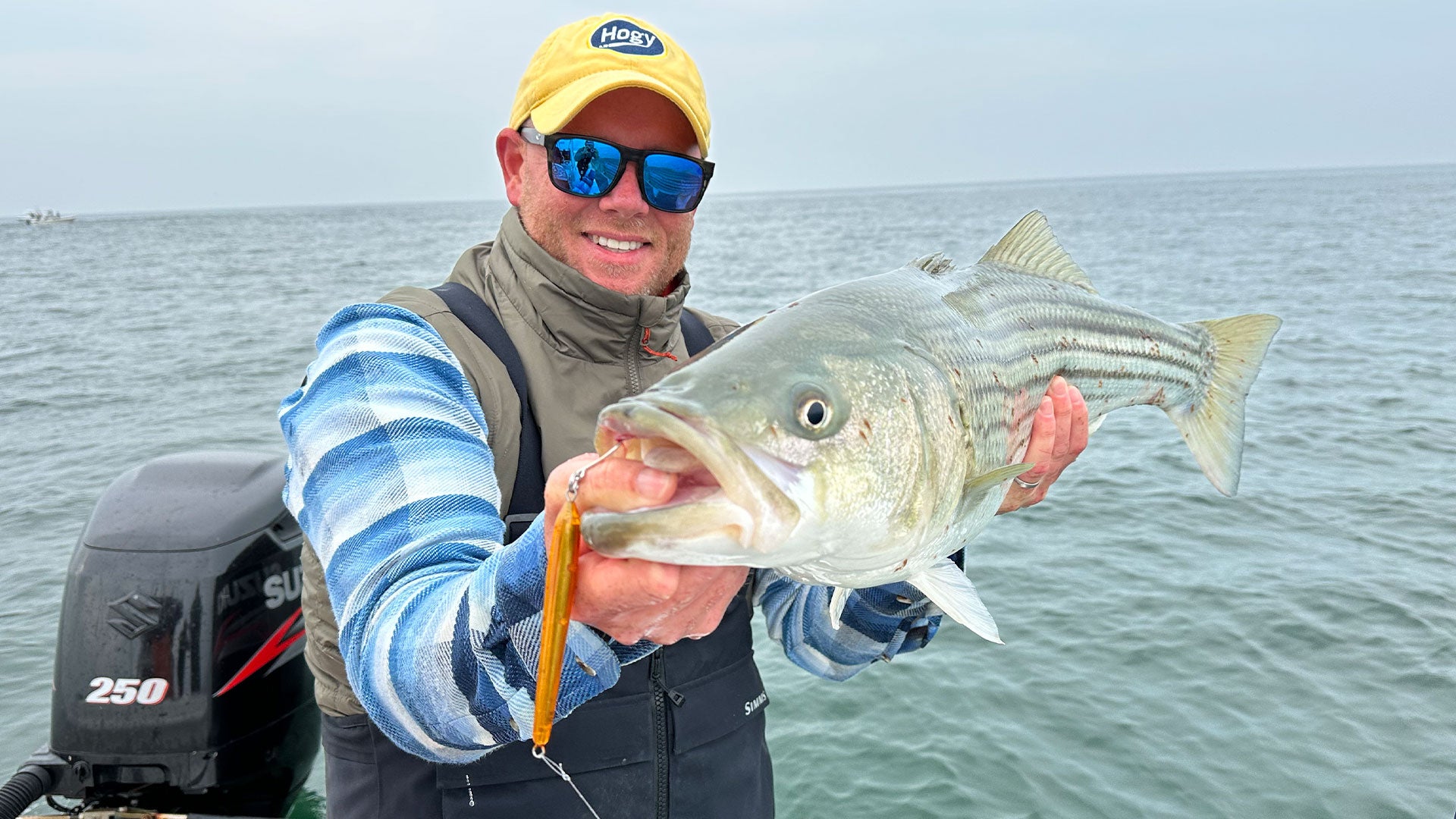
Monomoy Shoals, mid-June fog. Capt. Mike Zammito of Godspeed Charters in the bow. Micro squid everywhere, stripers feeding selectively, the 4″ Surface Eraser doing all the work.
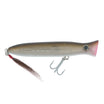
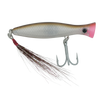
They started with poppers. Good choice — mid-June Monomoy, squid in the water, rips running. But as the tide built and more boats arrived, the conversion rate fell off. The fish were still there. They just went selective — keyed in on teeny micro squid, small enough that even a 5.5″ popper was too big a profile. The 4″ Surface Eraser matched the bait exactly. And when even the eraser needed help, Mike worked four retrieves on a single cast until the fish committed.
Capt. Mike Zammito of Godspeed Charters was in the bow for the session. His perspective: Monomoy’s Handkerchief Shoal and Butler Hole are a 20-nautical-mile run from Falmouth but worth every minute. When the fleet clusters and the bite gets pressured, the answer is always the same — move to find your own birds, your own fish, your own piece of rip.
When micro squid force a size decision
Context that shapes every decision that follows.
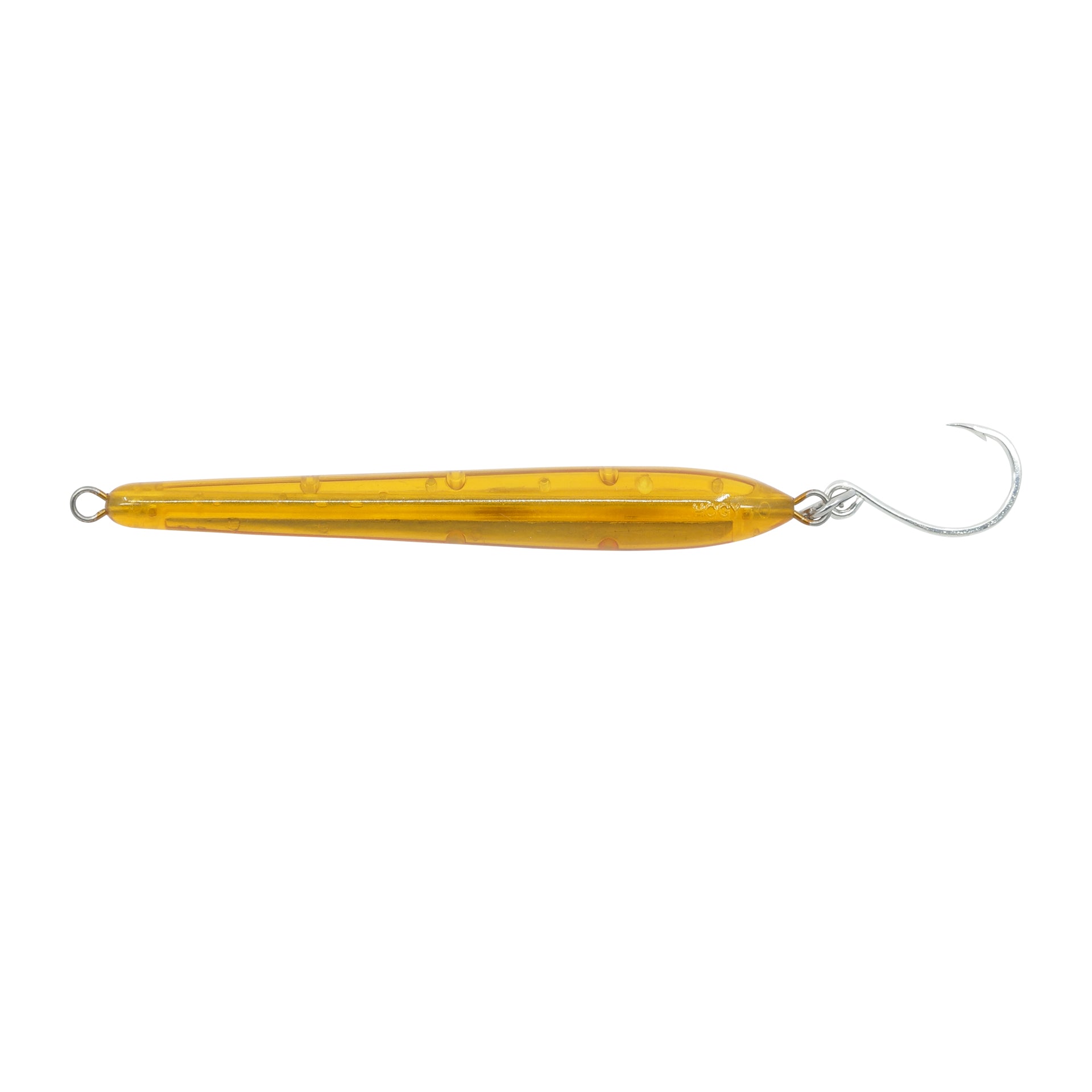
Mid-June Monomoy on a squid bite is a known equation: translucent amber lures, stem the tide, bent rods. The variable is squid size. When stripers key on large squid, poppers and large plugs dominate. When they key on micro squid — the teeny little ones that scatter at the surface when bass push through a school — size matters. A 5.5″ plug is too large a profile. The 4″ Surface Eraser at 3/4oz matches the micro squid footprint and still casts far enough to cover water.
- When the micro squid are in, size down. You’ll see them at the surface — tiny squid scattering and skipping as stripers push through from below. Match the size, not just the color.
- Monomoy Shoals is Handkerchief, Butler Hole, and a series of small nooks and crannies. When the fleet crowds one section, there are almost always birds and bait working somewhere else in the system. Move and find your own fish.
- The Surface Eraser’s retrieve versatility is why it works when finicky fish won’t commit. Four retrieves cover the full range from aggressive to passive — you can find the answer without changing lures.
- Later in the tide when boat traffic builds, fish get pressured and selective. That’s when the retrieve rotation matters most. The fish caught on each retrieve needed exactly that retrieve — not the others.
- Loop knot, not clinch — the loop knot gives the Surface Eraser maximum freedom of movement. On a light 3/4oz plug, knot restriction can kill the action of all four retrieves.
Fog, building tide, increasing pressure
The conditions that turned a wide-open bite selective.
Foggy, mid-June, not unusual for Monomoy. The tide was the key variable — as it built through the session, boat traffic increased on the rips and the fish tightened up. The wide-open popper bite that started the morning gave way to selective micro squid feeding as pressure mounted. When the current gets stronger and more boats arrive, the retrieve rotation becomes the primary diagnostic tool rather than lure selection.
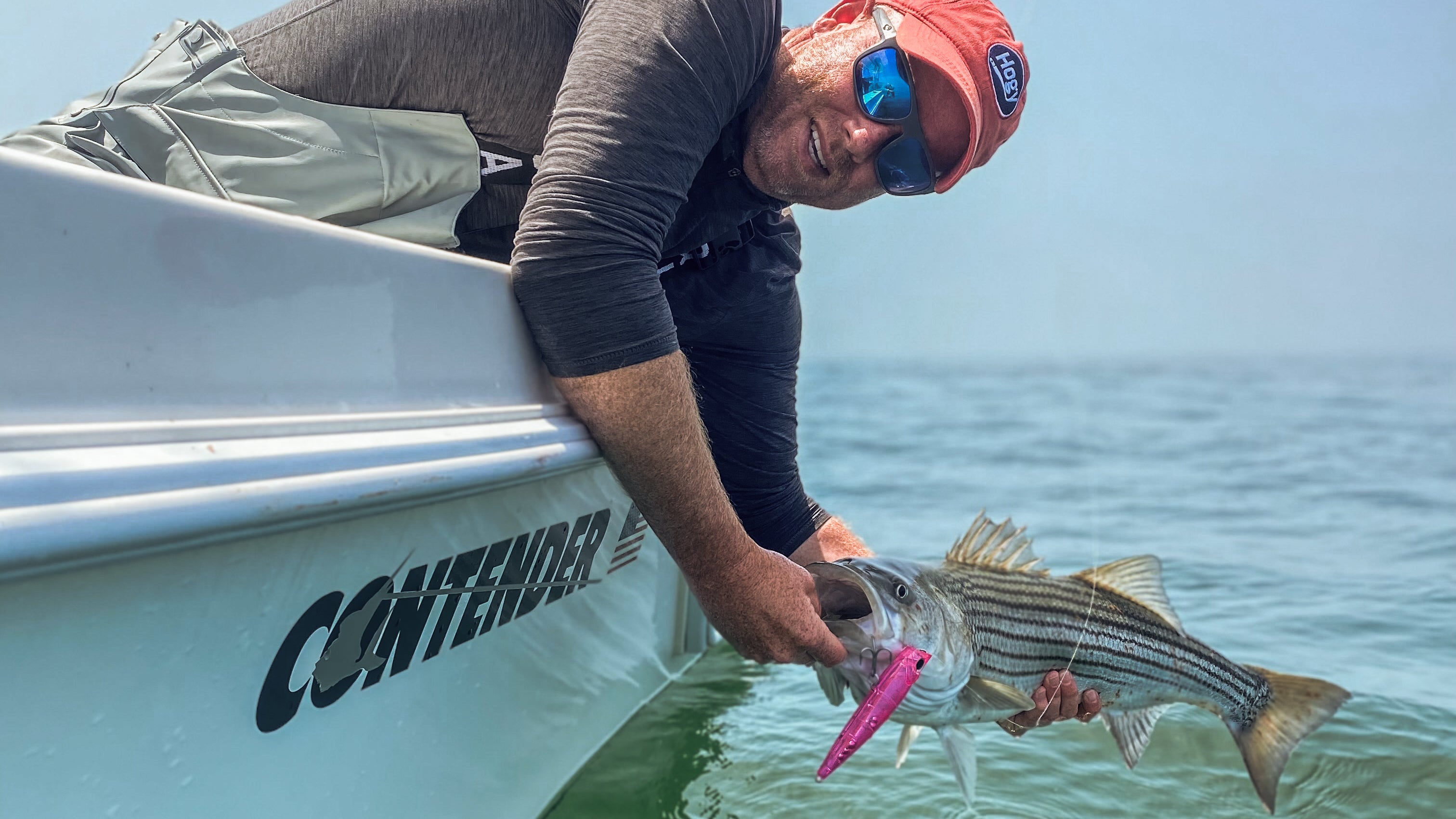
“We started off with the poppers but the conversion rate has gone through the roof on these little surface erasers. These fish are keyed in on those little micro squid — you can see them tatting and getting scarfed up. The eraser is the same size, shape, and profile.”
Reading the finicky bite
Four layers. Each one narrows the answer further.
“I caught a fish on each of those retrieves but in each case it needed to be exactly that one retrieve for that fish. That’s the beauty of the Surface Eraser — it’s a topwater plug, a jerk bait, and a stick bait all in one lure.”
Micro squid visible at the surface, scattering as stripers pushed through from below. Huge amount of bait in the area. Not pinned to one location — widespread throughout the shoals system. Birds working multiple sections of the rip series. Micro squid confirmed = size down to 4″ Surface Eraser. The bait tells you the lure size before you ever make a cast. If you’re seeing micro squid skipping, a large plug is the wrong answer regardless of color.
Popper conversion rate excellent early, fell off as tide built and boat pressure increased. Surface Eraser conversion rate immediately went through the roof on the switch. Late in the tide: fish became very finicky — needed exactly the right retrieve to commit. Fish caught on every retrieve tested, but each fish required a specific one. Confirmed: size match more important than retrieve match when fish first go selective. As pressure increases further, the retrieve rotation becomes the diagnostic. Each fish in a finicky school may need a different retrieve.
S100 Rip Line — Monomoy Shoals system. Handkerchief Shoal + Butler Hole + surrounding nooks and crannies. Fish spread across the system when under pressure from the fleet. Moving away from the clustered boats to find birds on a less-crowded section of rip produced cleaner fish. When the fleet clusters, move. There are multiple productive shoals in the Monomoy system. Fish that have been pressured on one rip will be in fresher shape one shoal over. The birds tell you where.
Huge bait presence confirmed throughout. Fish marks in the water column under the rip. Later in the session, high concentration of bait meant fish didn’t need to move to eat — they could be selective. “If you don’t put this right in front of the fish, you ain’t gonna get it.” High bait density = selective fish. When bait is everywhere, the fish don’t need to commit to anything. Precision placement matters more than usual — cast right on top of marked fish, not near them.
Stem the tide — and move when the fleet crowds
B1100 with a key addition: when pressure builds, move to find cleaner fish.
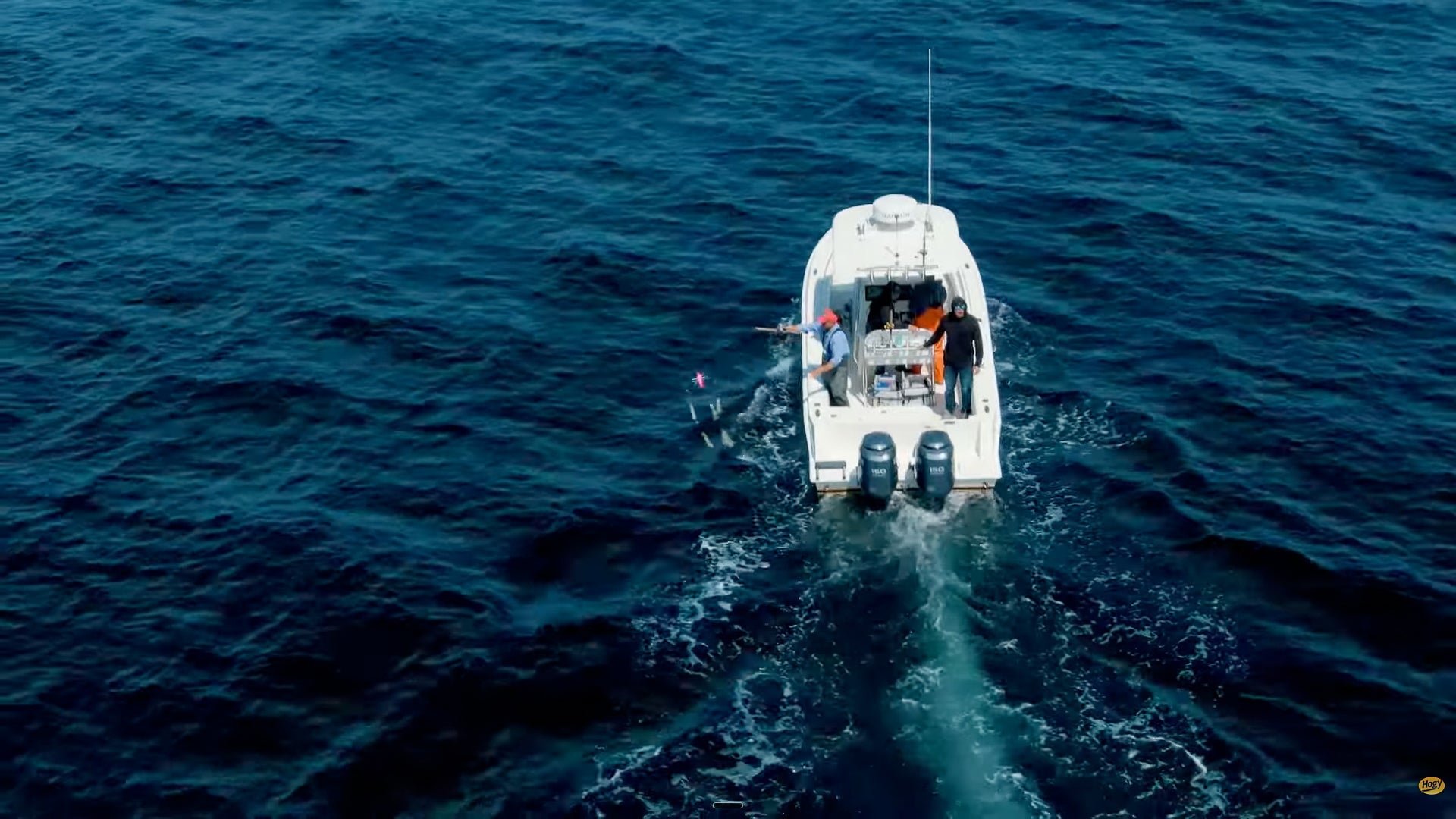
Same approach as always at Monomoy — one engine in gear, stemming the tide, 30 yards past the rip, pitching the lure back into the current and barely reeling because the current does all the work. The addition on a pressured day: when boats cluster, slide away from the crowd and find birds on a section of rip where fewer people are fishing. Fish that have been left alone are easier fish.
“Don’t get caught up in the group thick. What happens is all the boats cluster in and everyone’s doing the same thing. But there’s lots of bait, lots of fish, lots of shoals. You can always find your own fish. We moved away, found the birds, pounded our own fish.”
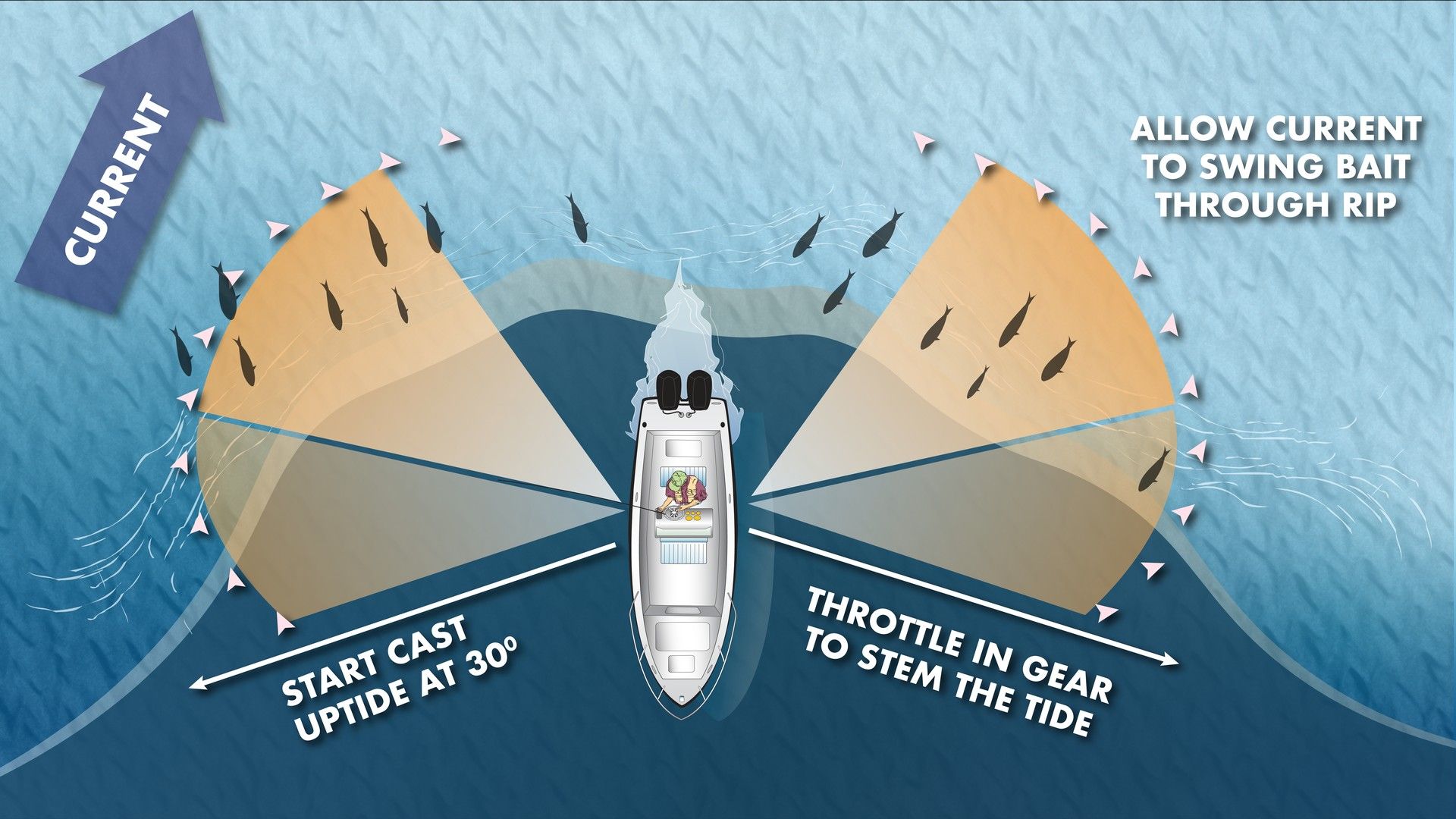
B1100 Stem the Tide — hold position 30 yards past the rip, one engine in gear, pitch the lure back into the current. When pressure builds, slide to a less-crowded shoal and start over.
The 4″ Surface Eraser — four retrieves, one cast
Topwater plug, jerk bait, stick bait. All three in one lure. All four retrieves in one cast.
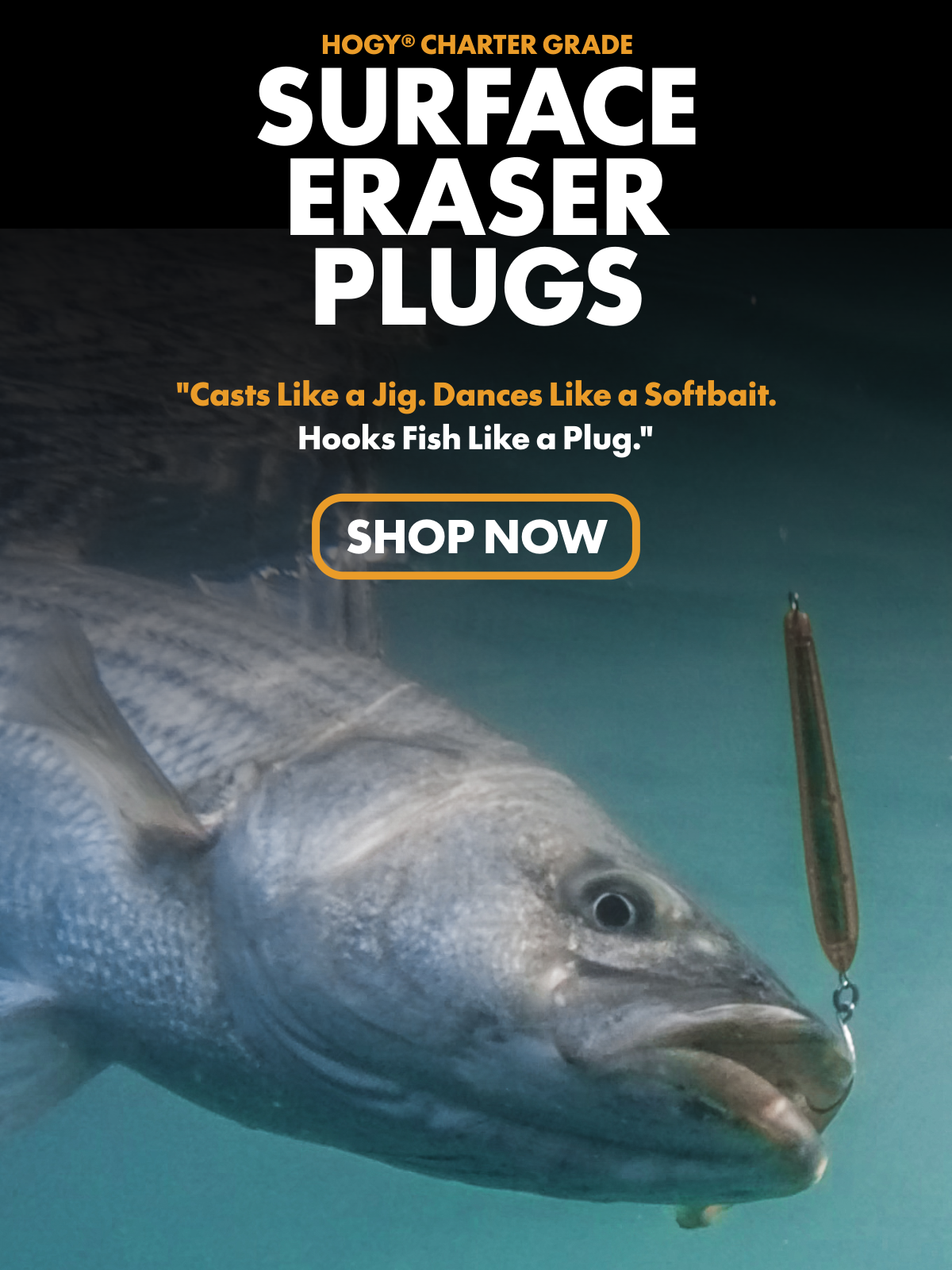
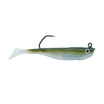
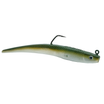
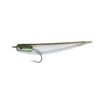
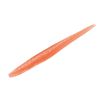
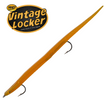
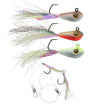
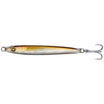
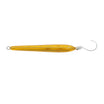
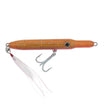
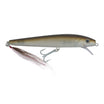
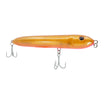
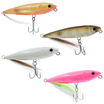
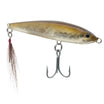
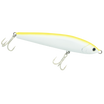
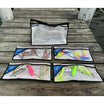
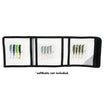
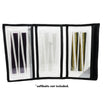
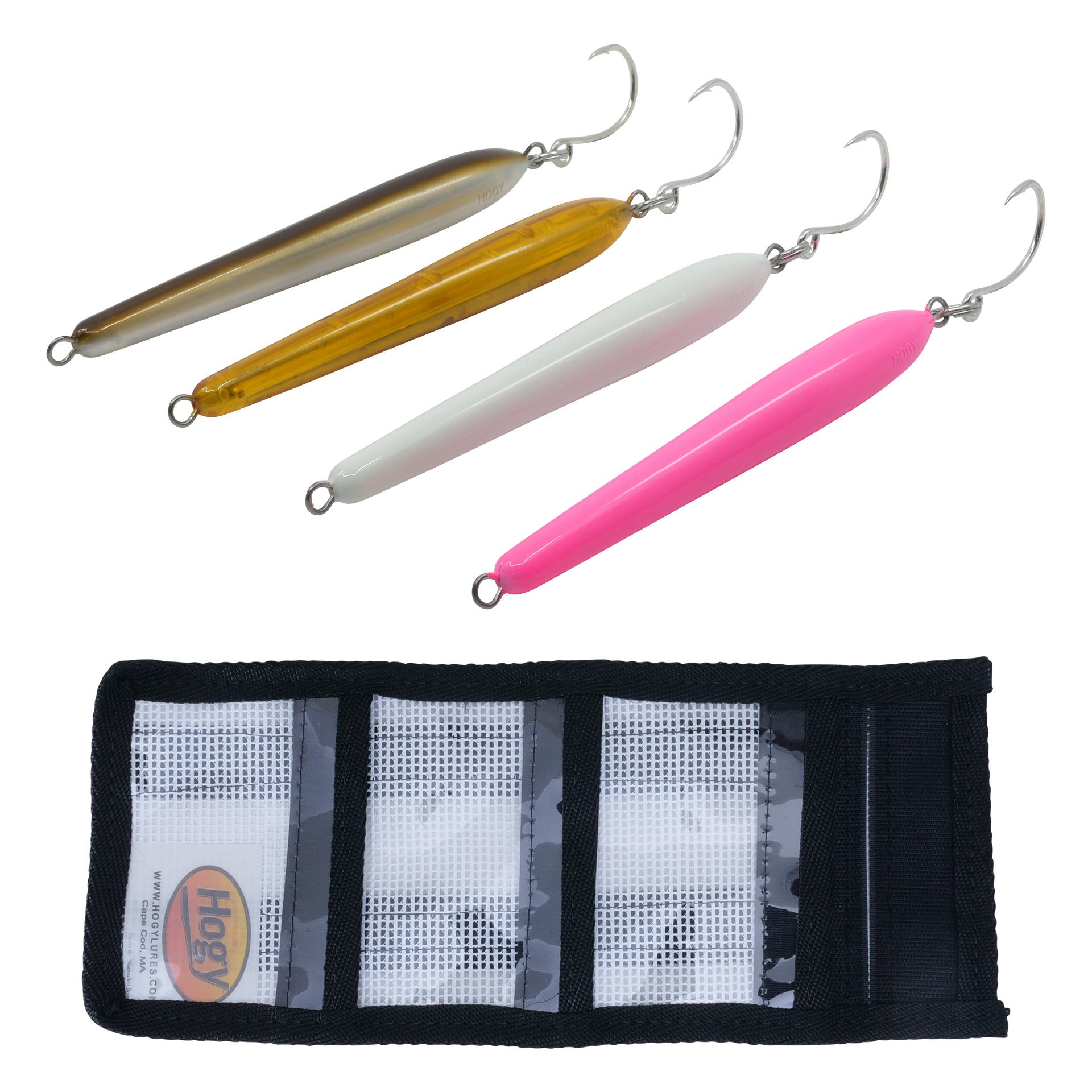
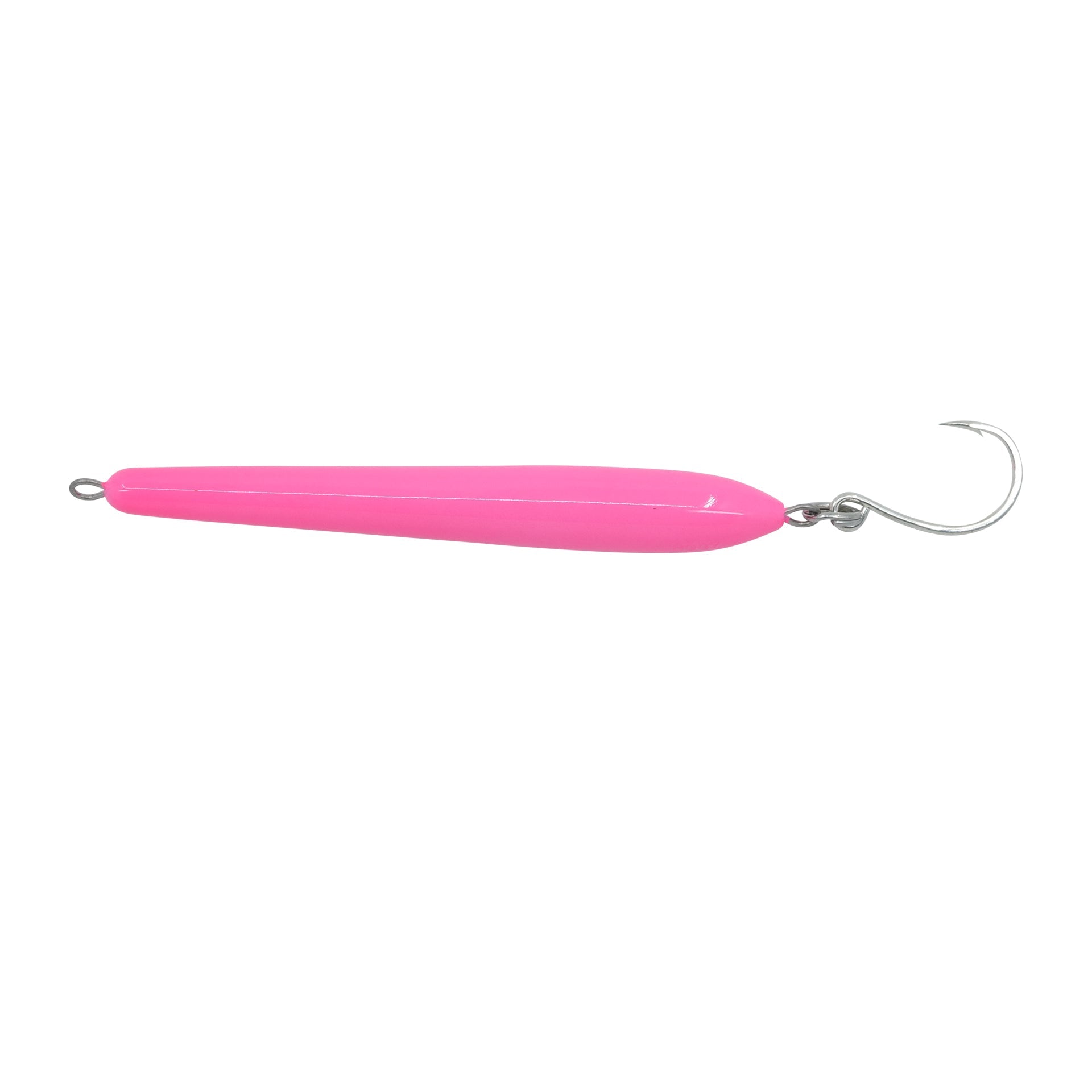
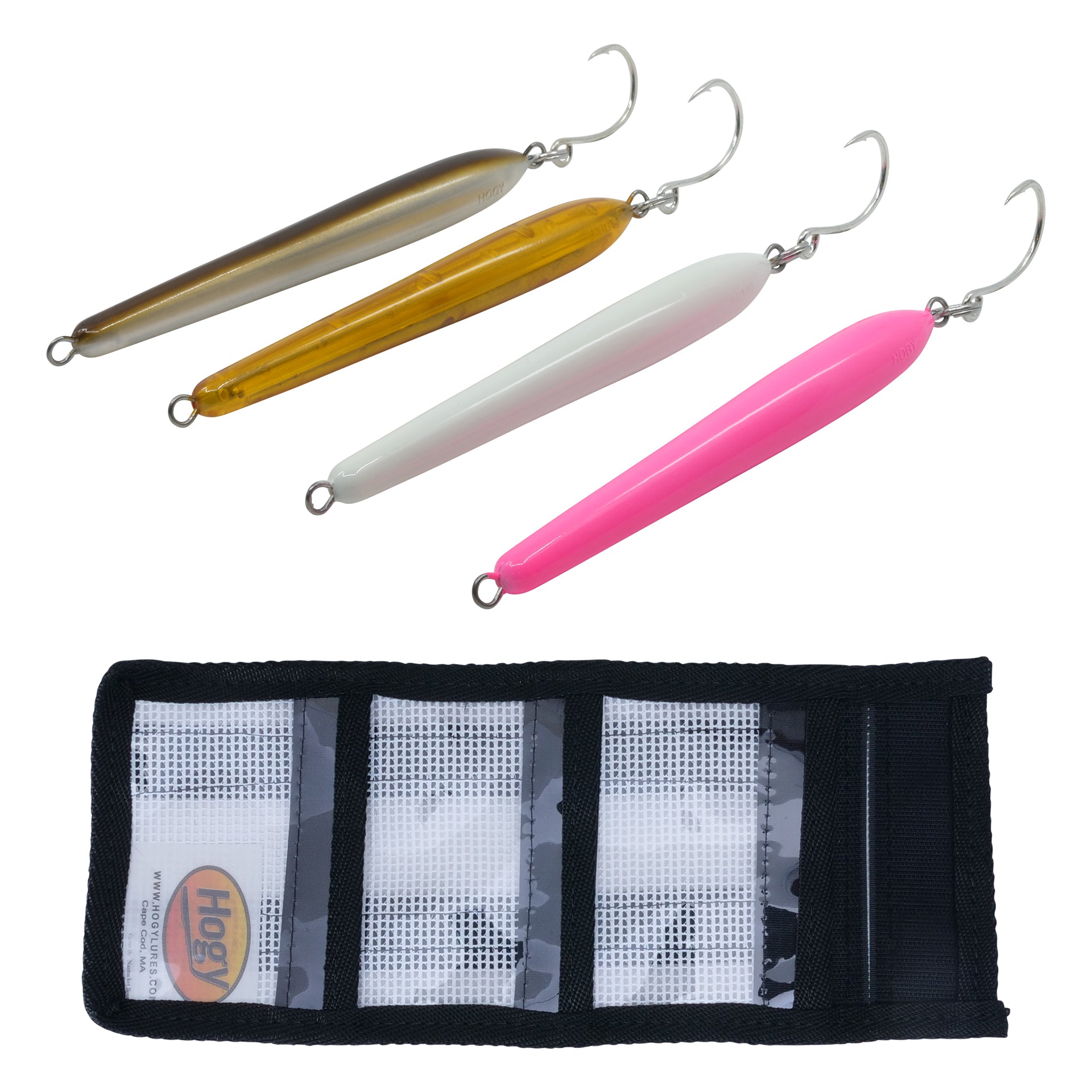
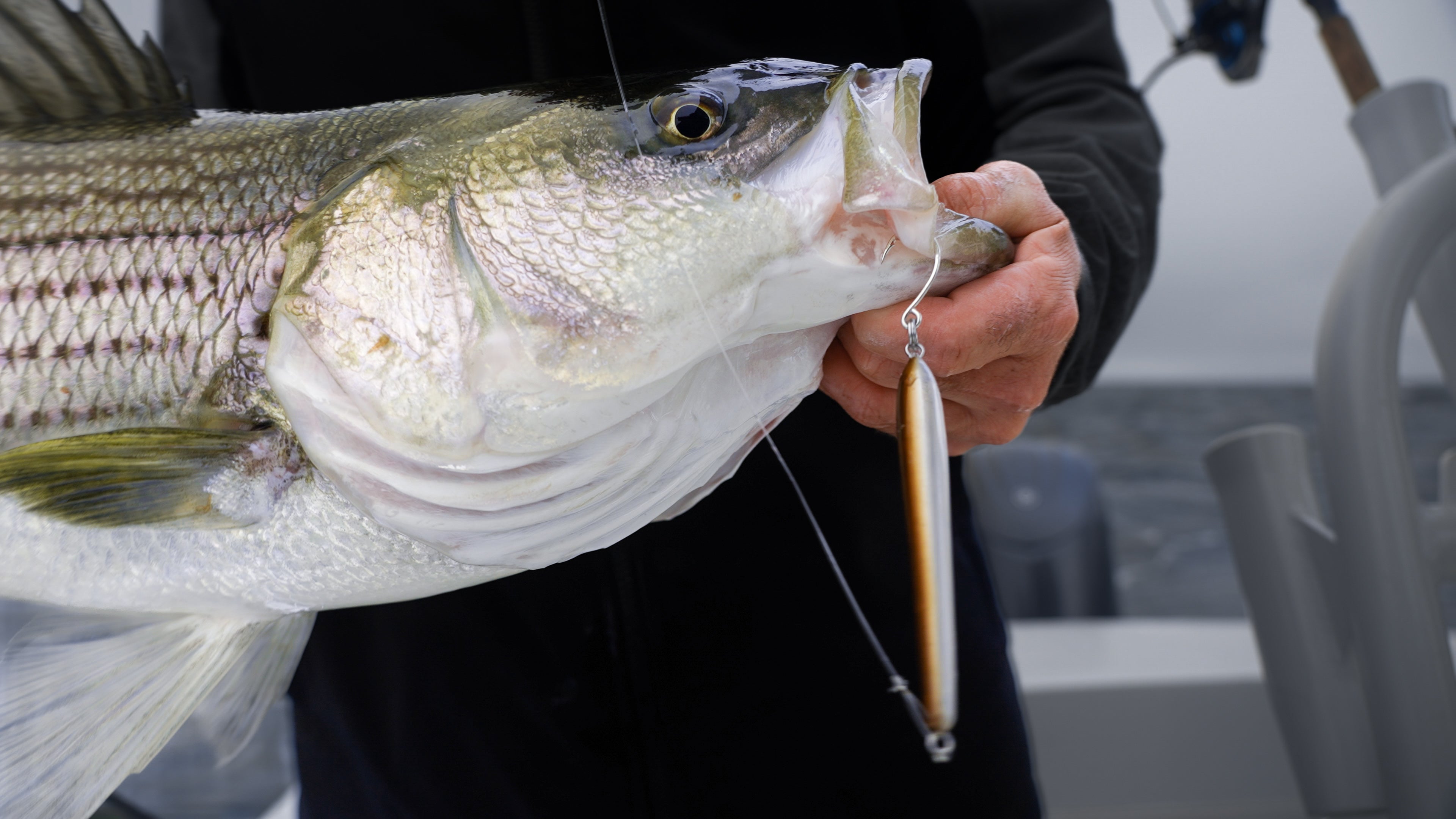
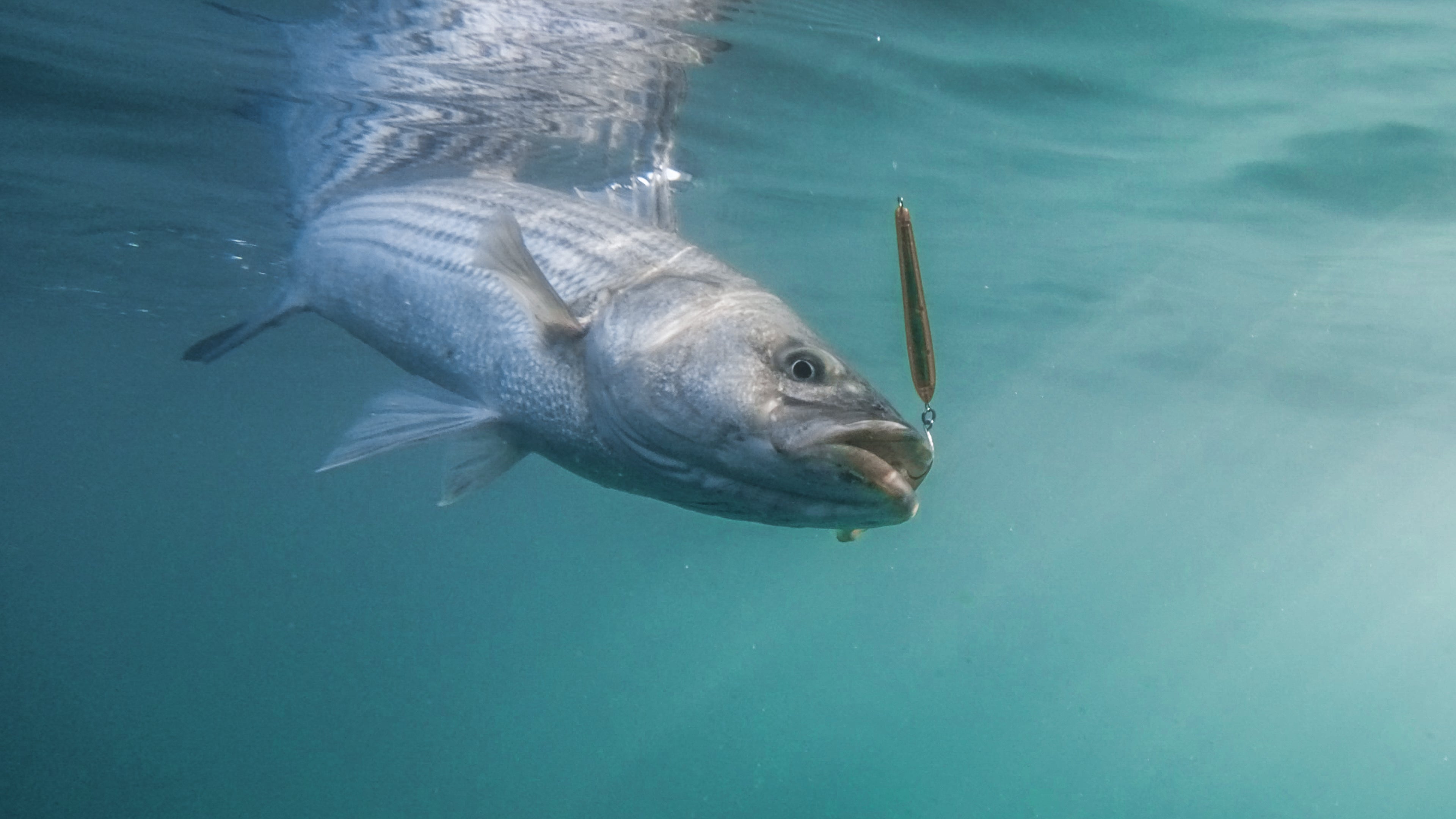
The Hogy Charter Grade Surface Eraser 4″ 3/4oz is the micro squid match — translucent amber, same size and profile as the tiny squid skipping at the surface. It comes rigged with a single inline hook, no modification required. The weighting mechanism is designed for maximum casting distance with a 3/4oz lure that would normally not travel far. Tied with a loop knot for maximum freedom of movement across all four retrieves.
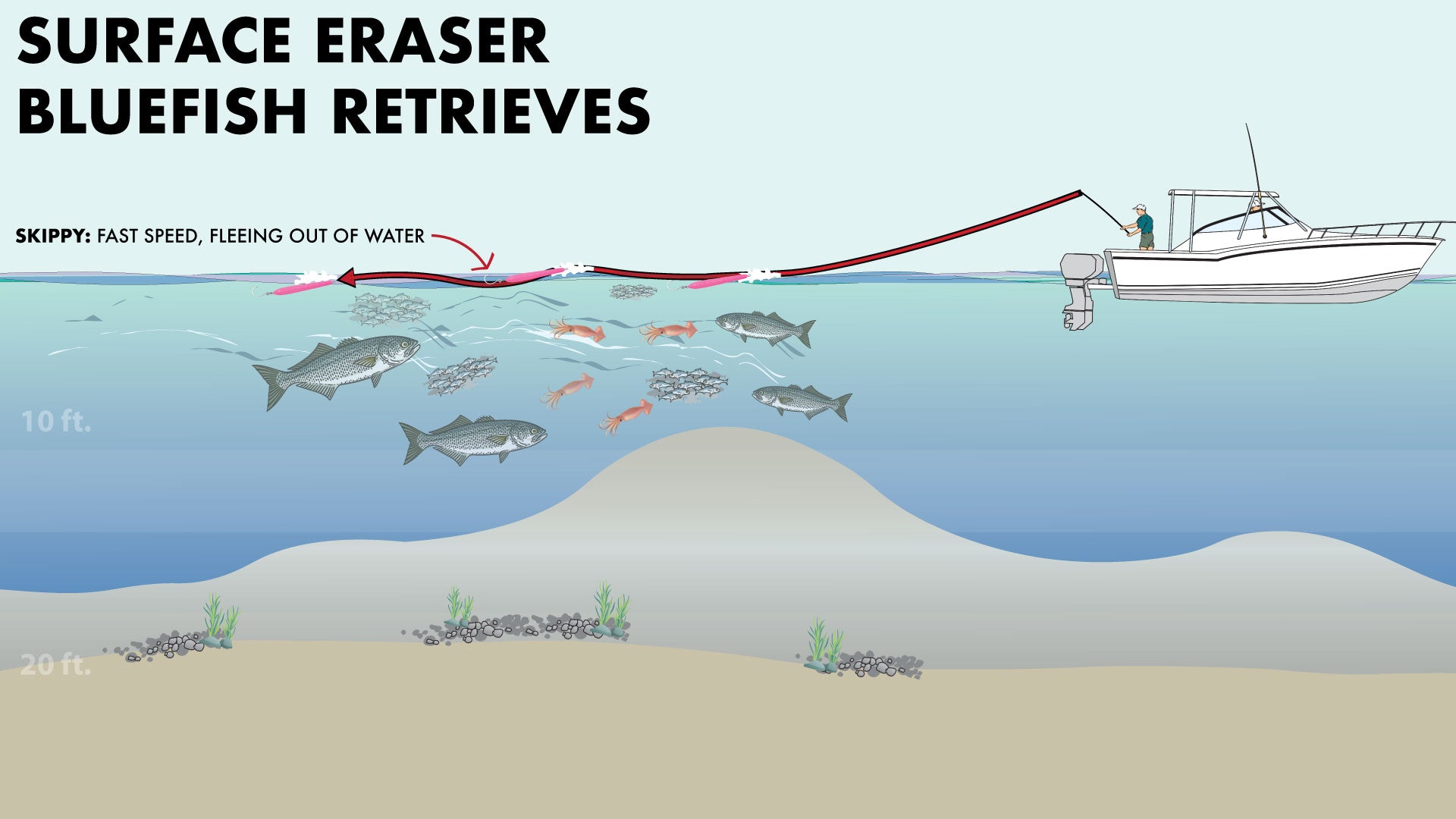
When: Opening retrieve of every cast, and on aggressive fish. Creates surface commotion to attract attention and call fish in.
How: Rod tip high in the air, medium retrieve speed. The lure pops along the surface — pop-pop-pop, like a fleeing squid skipping across the water. The tip angle keeps the lure on the surface and prevents it from diving. Cast, control the line quickly, tip up, skip it in.
Trigger: The visual commotion. Wakes up fish that are there but not in active hunting mode. Start here on every cast even when fish are finicky — the Skippy creates the opportunity that the other retrieves close.
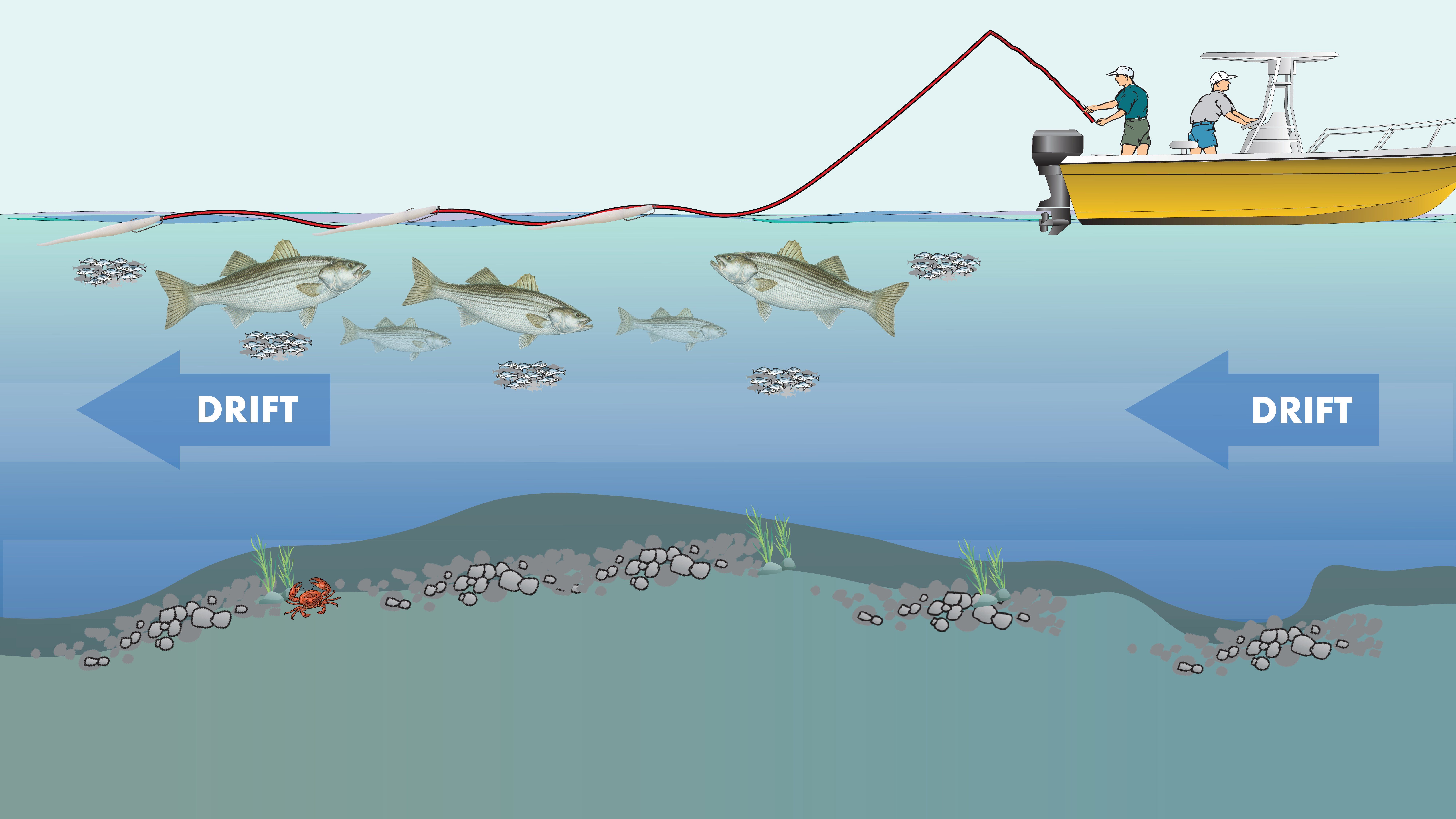
R400 Skippy — tip high, medium speed, pop-pop surface skip. The opening retrieve. Creates commotion that triggers followers.
When: After the Skippy creates followers — drop the tip to convert them. Also on lulls when fish won’t come up to the surface.
How: Drop the rod tip toward the water. Twitch-twitch-pause cadence. The lure dances and darts just below the surface like a jerk bait — “dancing and darting like a traditional jerk bait.” This is when the Surface Eraser transitions from topwater plug to subsurface soft bait on the same cast.
Trigger: The depth change from Skippy to Soft Bait is itself a trigger. Fish following on the surface that won’t commit will often eat the moment the lure drops below the film. “Right when you change retrieves — that’s where you get the hit.”
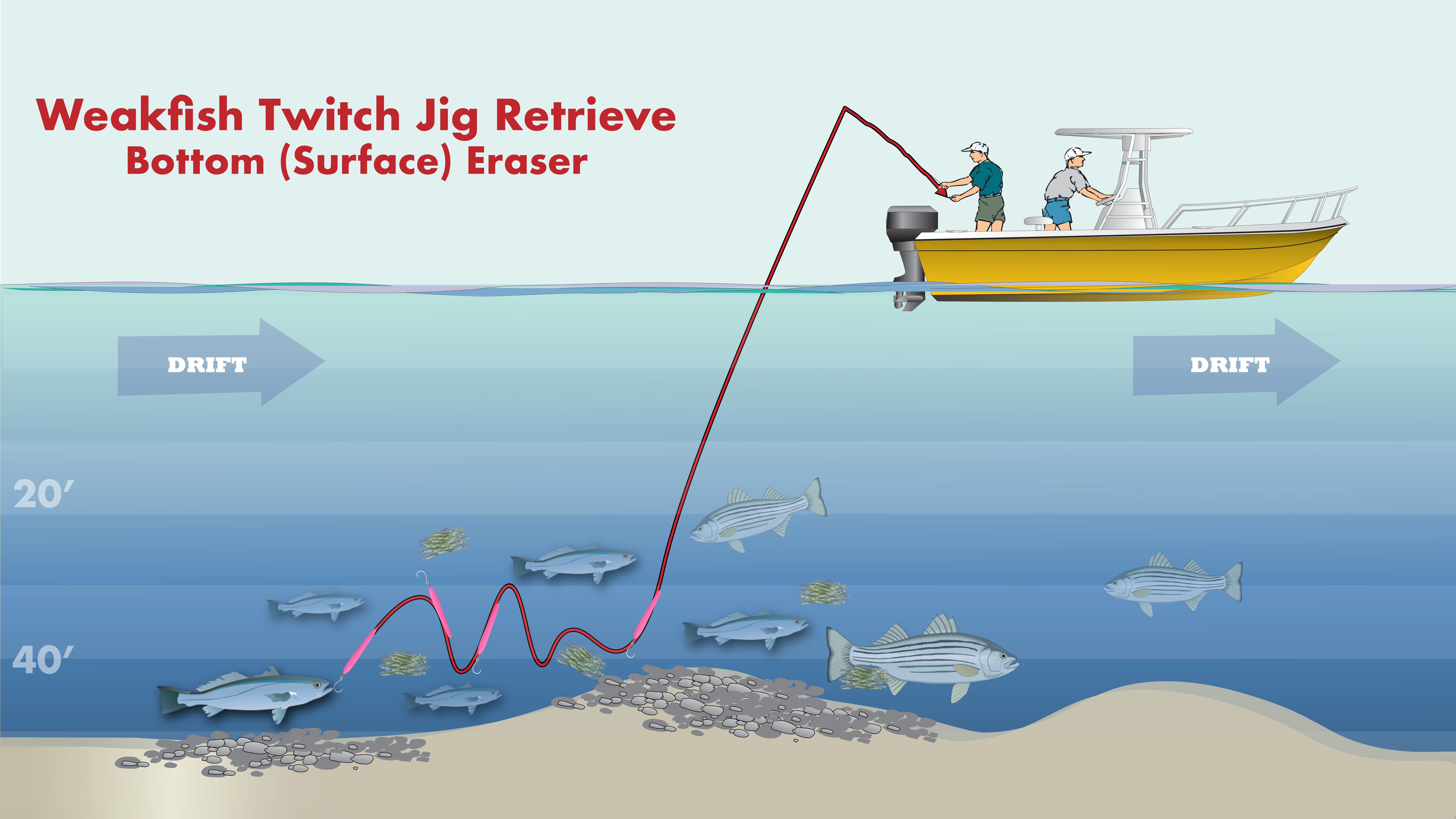
R2501 Eraser Slow Jigging — tip down, twitch-pause, subsurface dance. The retrieve that closes on followers that the Skippy called in.
When: End of the cast to maximize hangtime. Also when fish want a slow, steady presentation — “not complaining but they will only take the needlefish retrieve at this stage of the tide.”
How: Slow and steady retrieve, lure sticking across the surface like a needlefish. Pause occasionally to let it sink slightly, then re-emerge. The change of depth on the pause is its own trigger. “Reel it in like a stick — just slow and steady.”
Trigger: Patience. This is the retrieve for fish that have rejected everything else. The slowest possible speed. Late in the tide when boat pressure is highest, the needlefish retrieve often produces the best fish because it looks like something easy — not threatening, not fleeing.
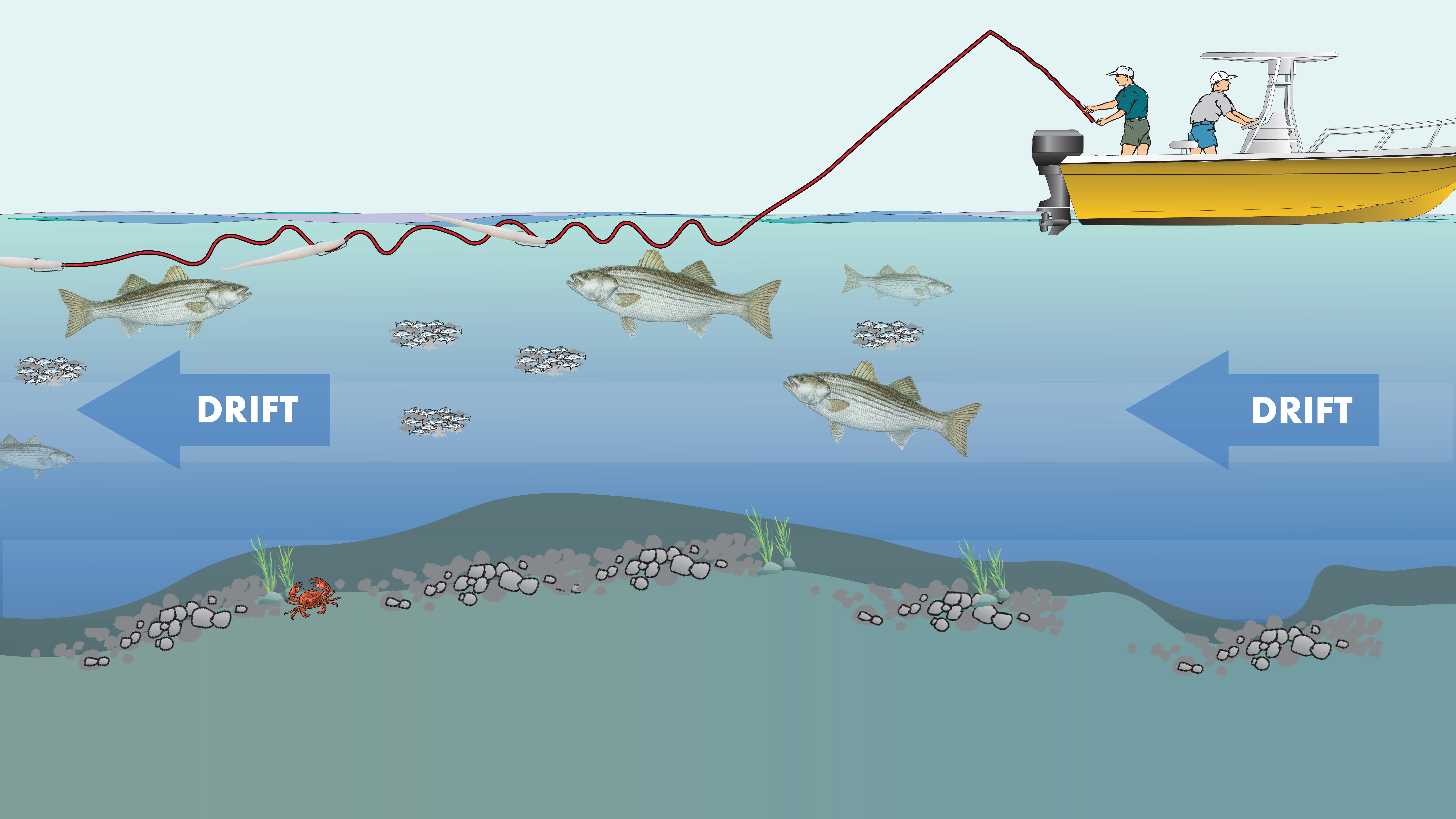
R1600 Needlefish retrieve — slow and steady across the surface. Pause to let it sink, re-emerge. The patience retrieve for late-tide finicky fish.
When: The primary workhorse on finicky fish. The one Mike does most often. Starts with Skippy to create commotion, transitions to Soft Bait when followers appear, finishes with Needlefish to close out the cast length.
How: Cast far. Tip up → Skippy to call them in. Followers appear → drop the tip, Soft Bait twitch-pause. Running out of cast length → slow to Needlefish to maximize hangtime as the lure approaches the boat. Sometimes they’re right next to the boat following — the Needlefish slow-down keeps them interested long enough to eat.
The transition moment: “Drop the tip — usually that’s where you get the hit right when you change retrieves.” The transition from Skippy to Soft Bait is the highest-percentage hook-up moment in the Hybrid retrieve. Watch for it every cast.
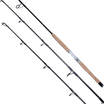
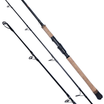
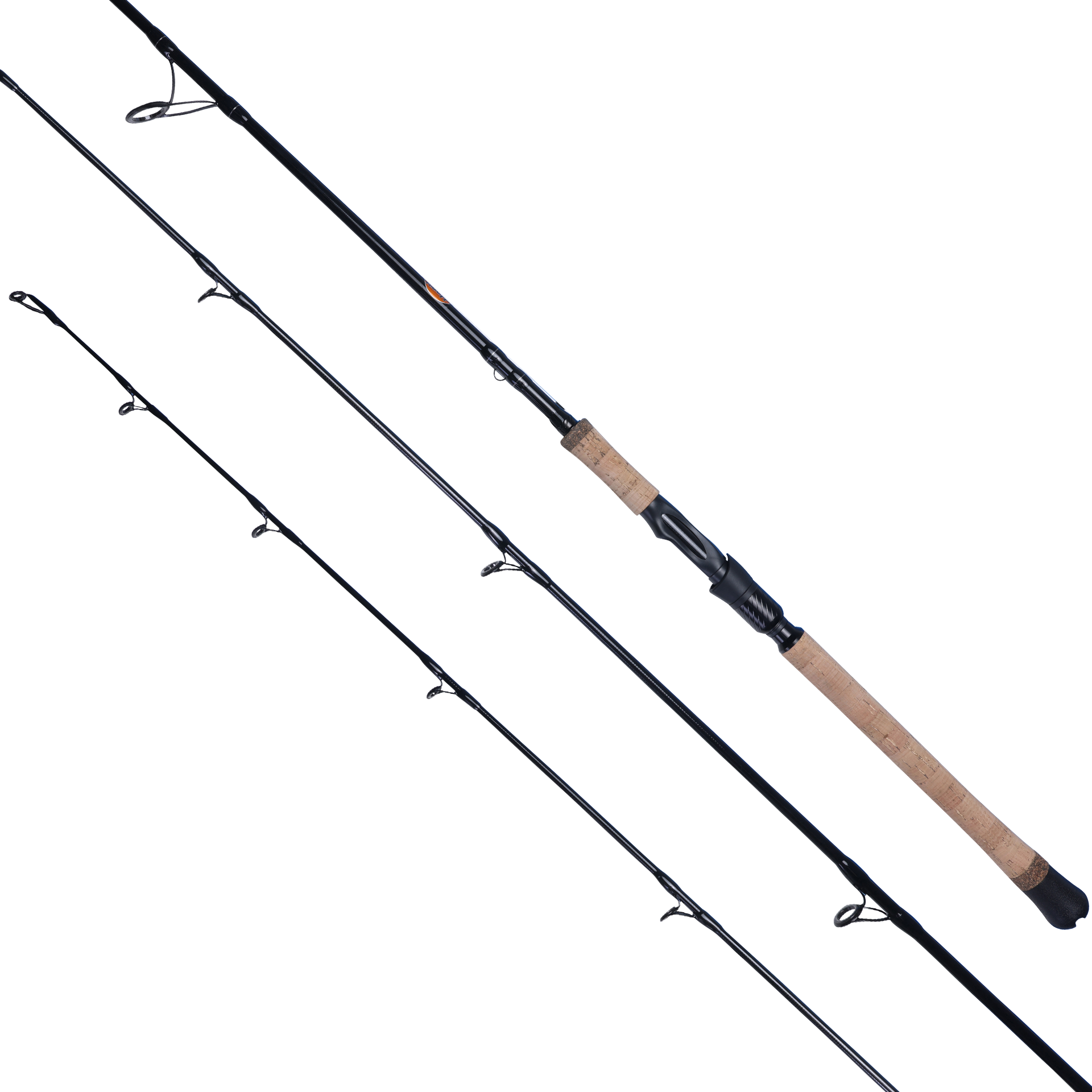
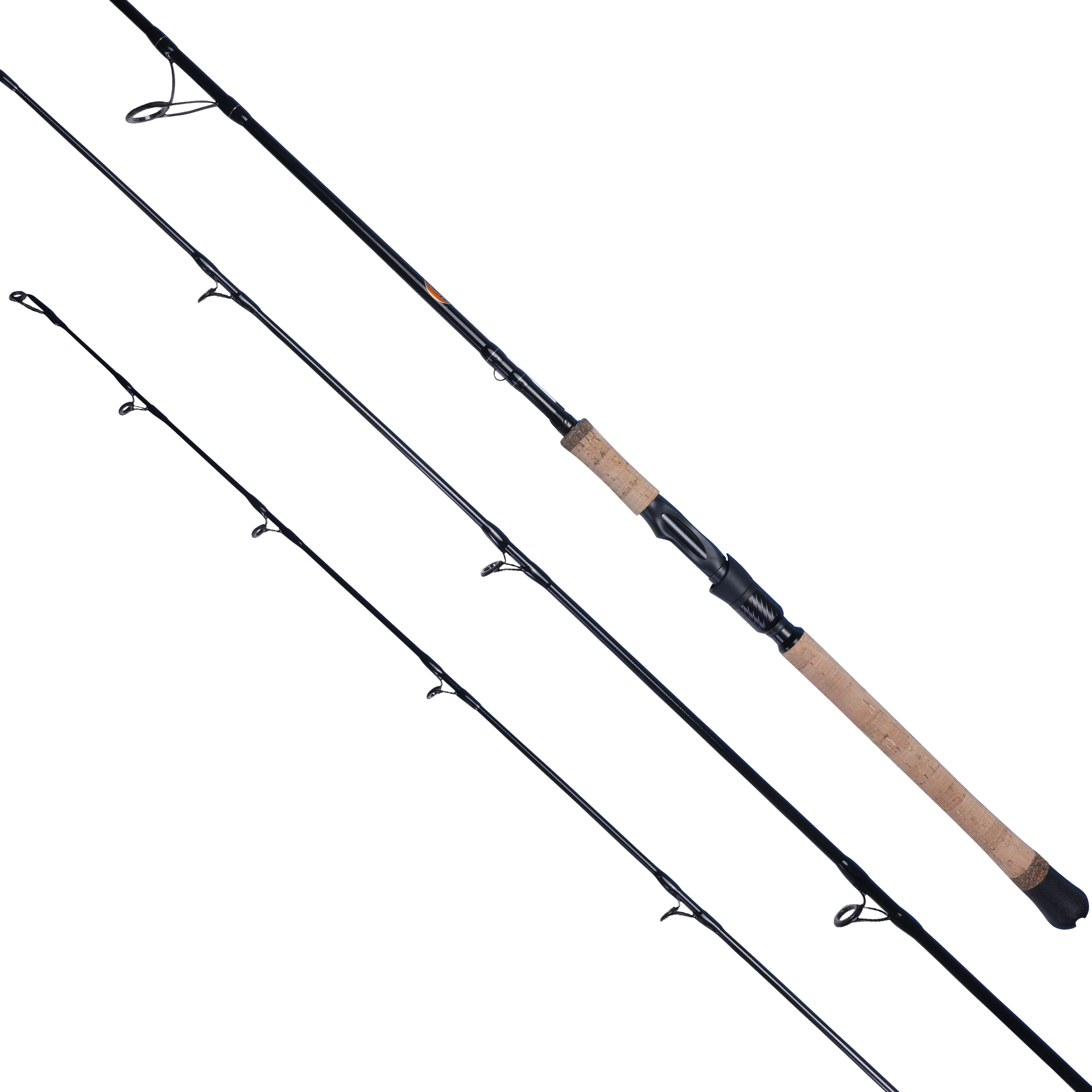
Outfit
The decision at a glance
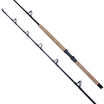
Step 1 set the forage: micro squid at the surface required a size-down to the 4″ Surface Eraser — the same size and profile as the tiny squid scattering under the bass. Step 2 confirmed the session dynamics: poppers worked early, tightened up as tide built and pressure increased. Step 3 delivered the observation: high bait density equals selective fish, and each finicky striper needed exactly one retrieve to commit. Step 4 built the approach: stem the tide, pitch back into the rip, and move away from the clustered fleet to find cleaner fish. Step 5 closed it out: Surface Eraser 4″ 3/4oz amber on a loop knot, four retrieves — Skippy to call them in, Soft Bait on the transition, Needlefish to close the cast. Caught a fish on every retrieve tested. The Surface Eraser is a topwater plug, a jerk bait, and a stick bait all in one lure. On a finicky mid-June micro squid bite, you need all three.

Leave a comment
All comments are moderated before being published.
This site is protected by hCaptcha and the hCaptcha Privacy Policy and Terms of Service apply.