








Inshore

Crack The Code: Monomoy Rips Topwater Striper

Crack The Code: Monomoy Rips Topwater Striper
Cracking the Code: Poppers on a Squid Bite at Monomoy
Striped Bass  ·  Monomoy Rips  ·  S2022 E6
Cracking the Code
Location
Monomoy — CCB-002 Billingsgate Shoal
Season
Early Summer — Mid-June
Species
Striped Bass
System
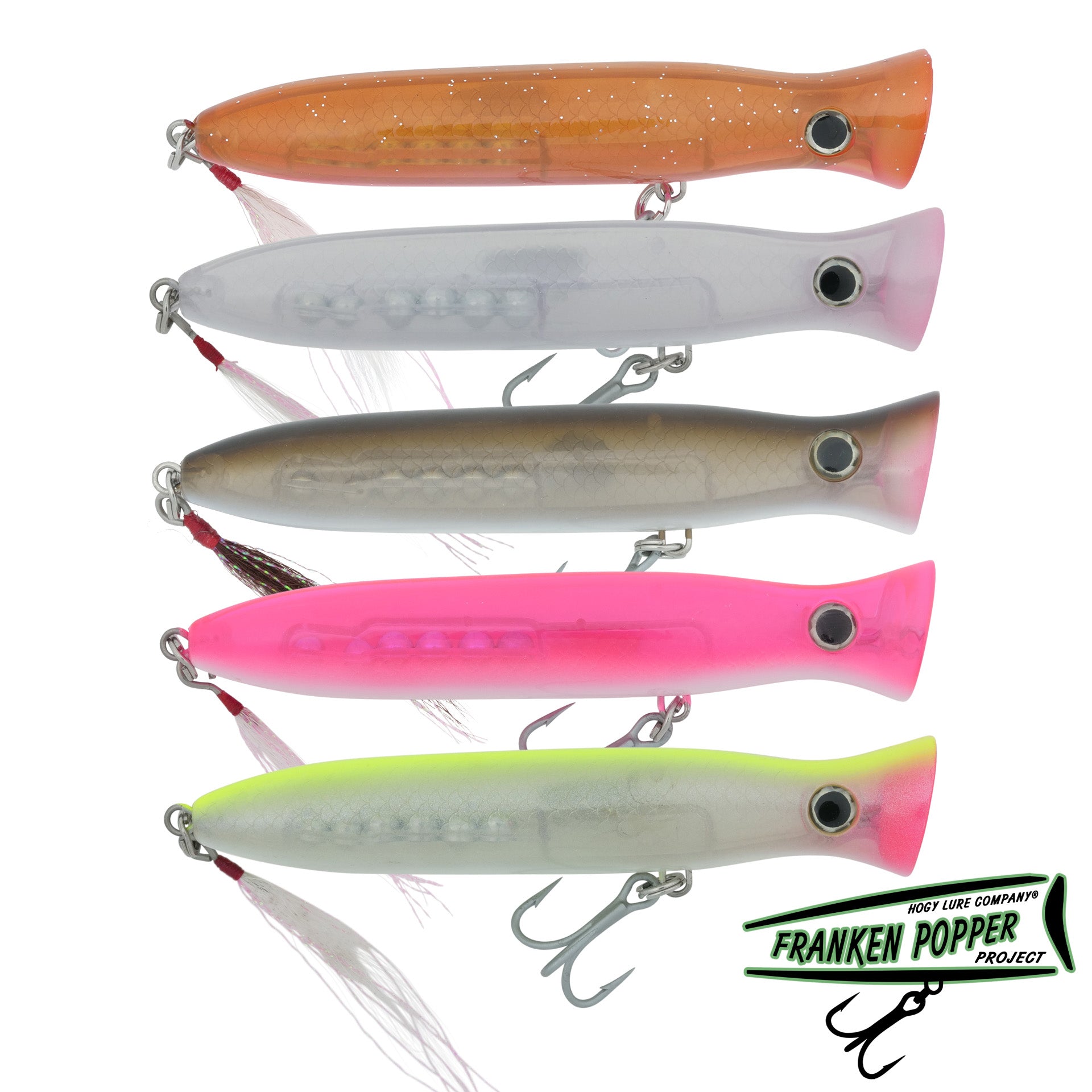
Hogy Macro Chug Popper
Forage
Squid

Pink Beats Amber in the Fog — Poppers on a Squid Bite at Monomoy

Mid-June at the Monomoy rips. Can’t see the rip but you can hear it. Squid in the water, stripers feeding on top, and a simple choice that made all the difference: pink over amber.

SC
Salty Cape TV powered by Hogy
Early Summer  ·  S2022 E6
8 min read
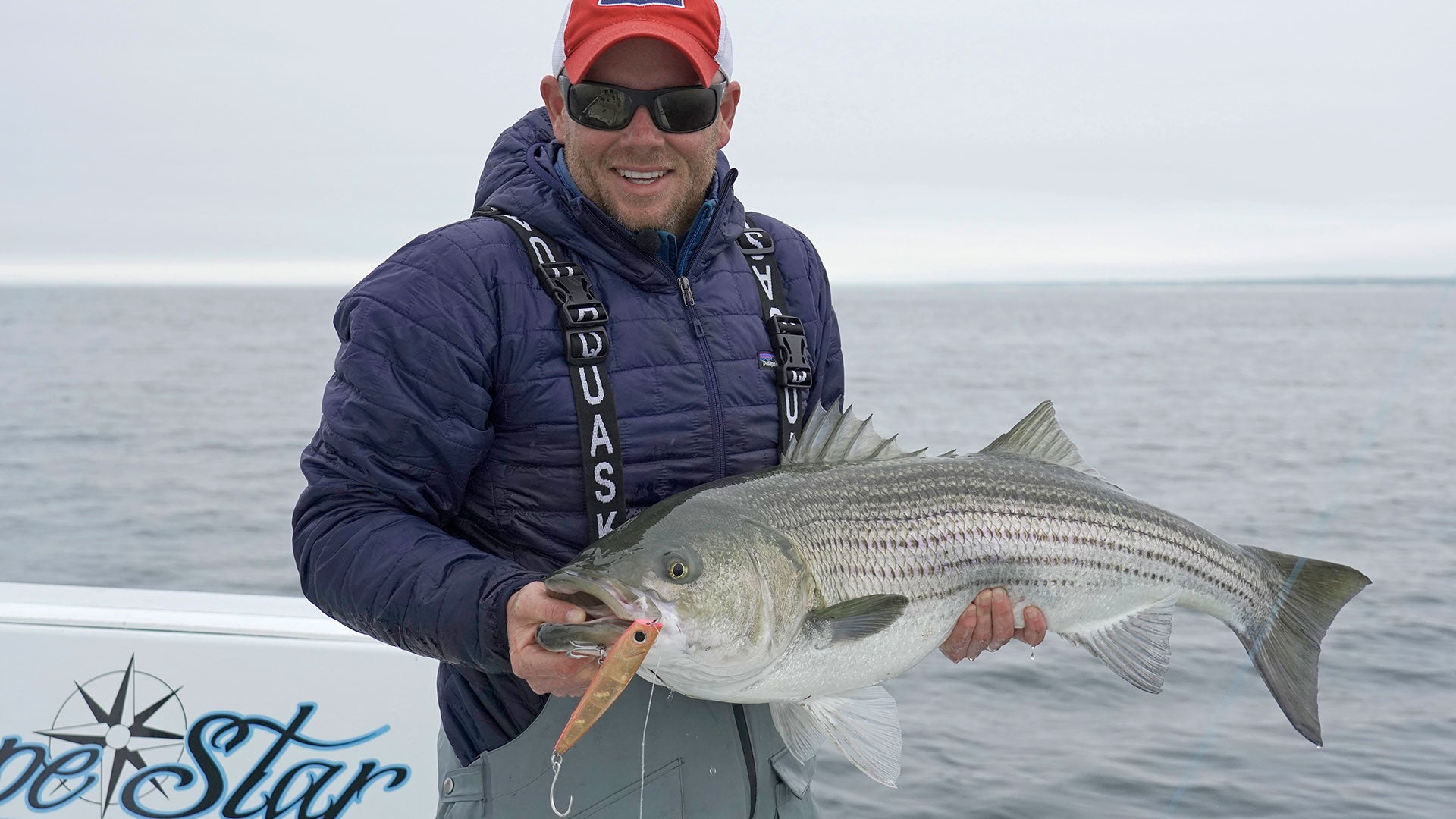
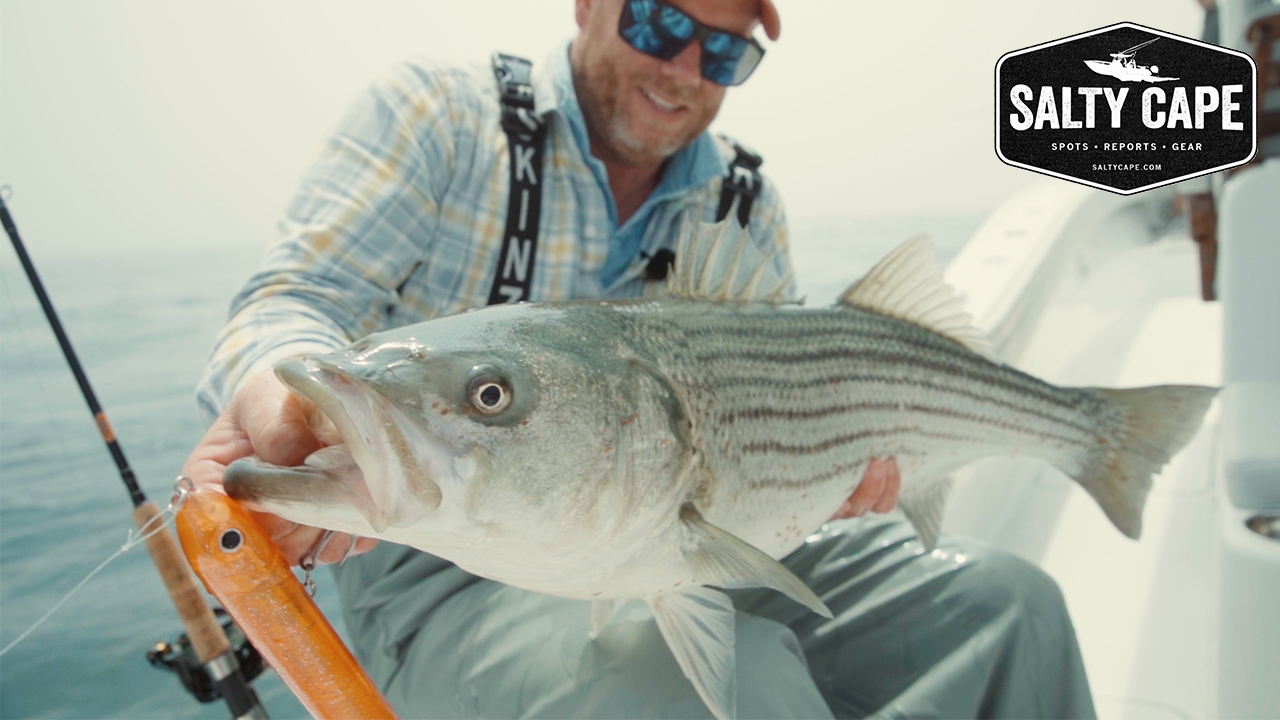
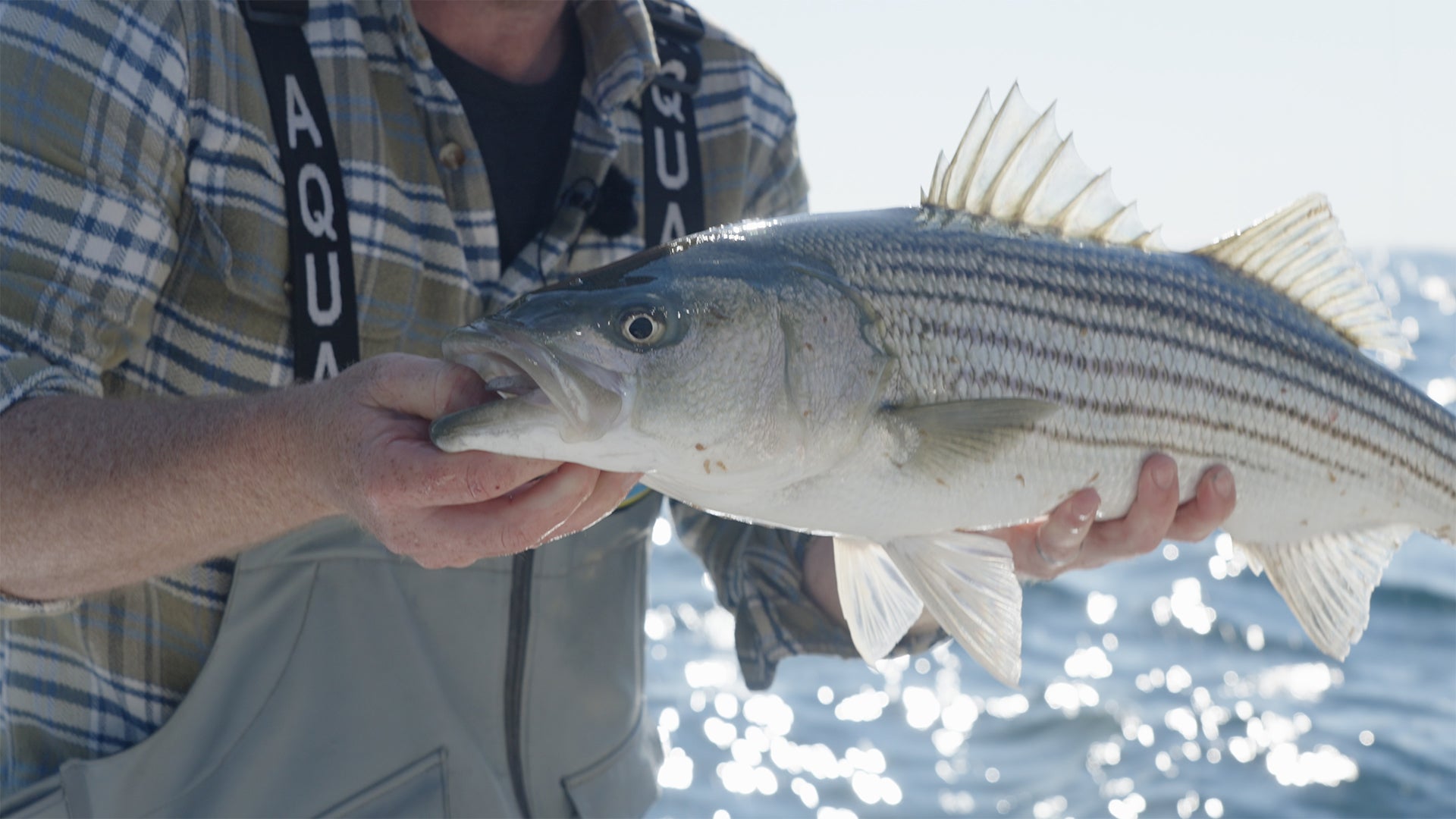
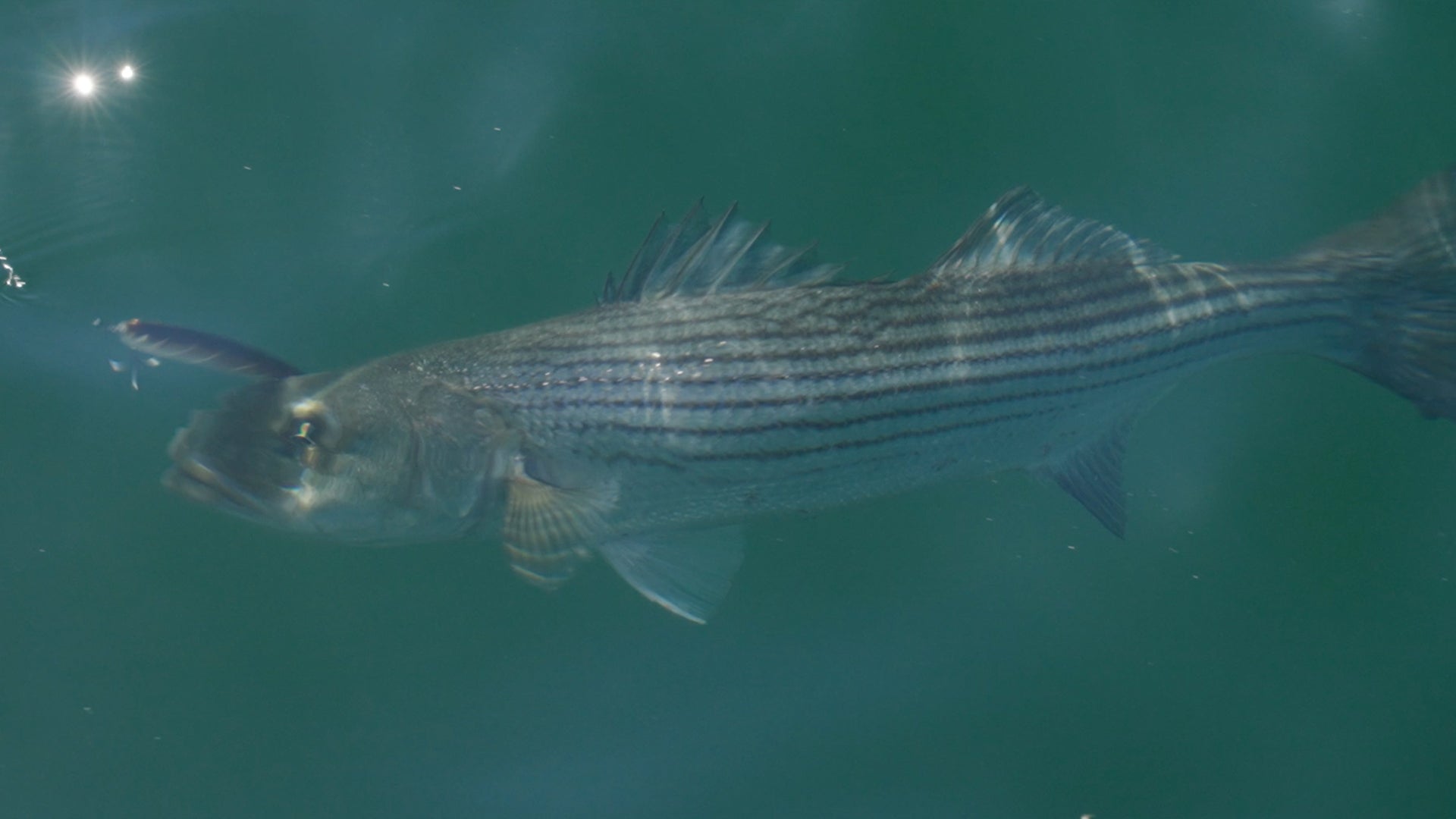
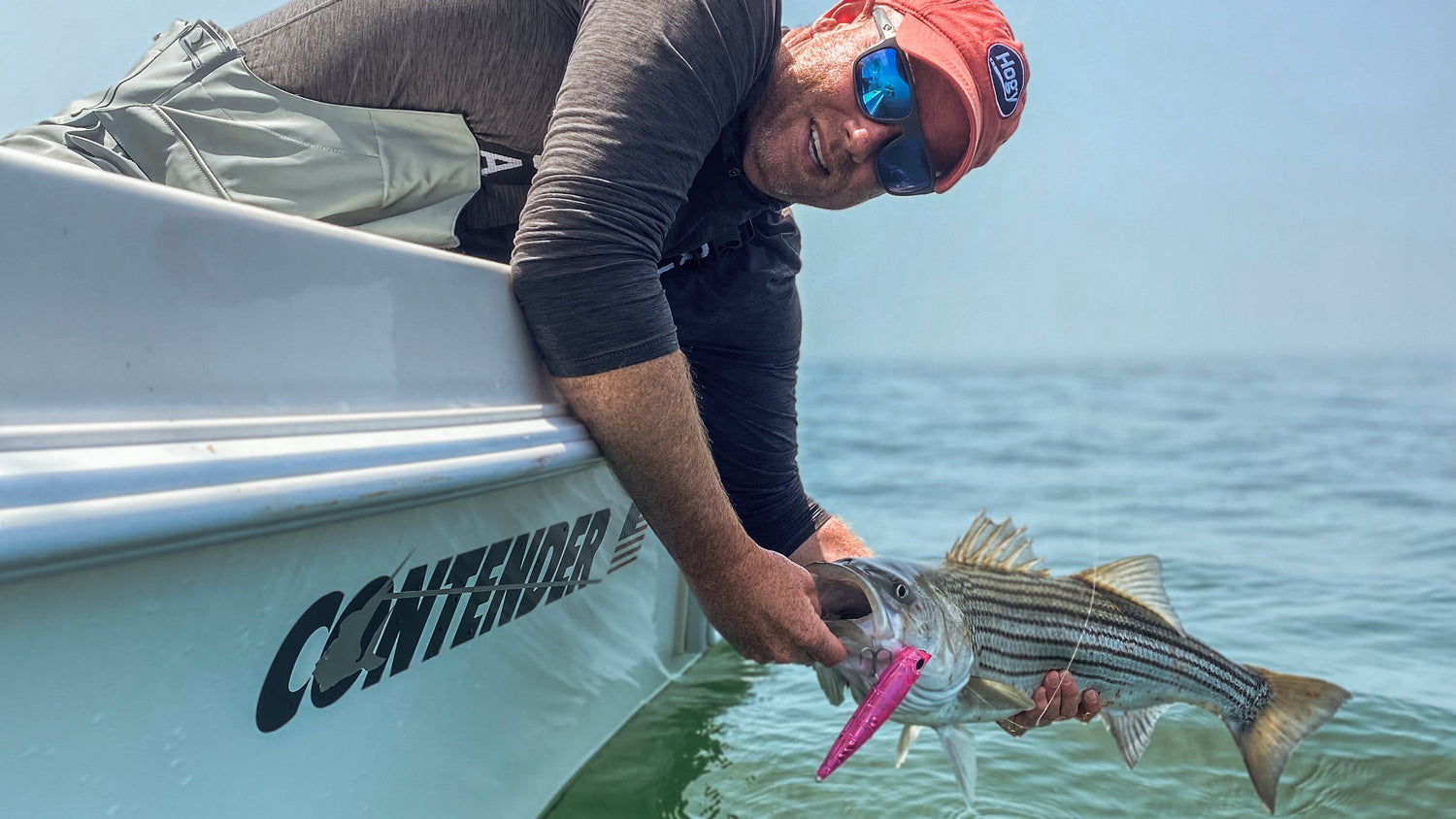
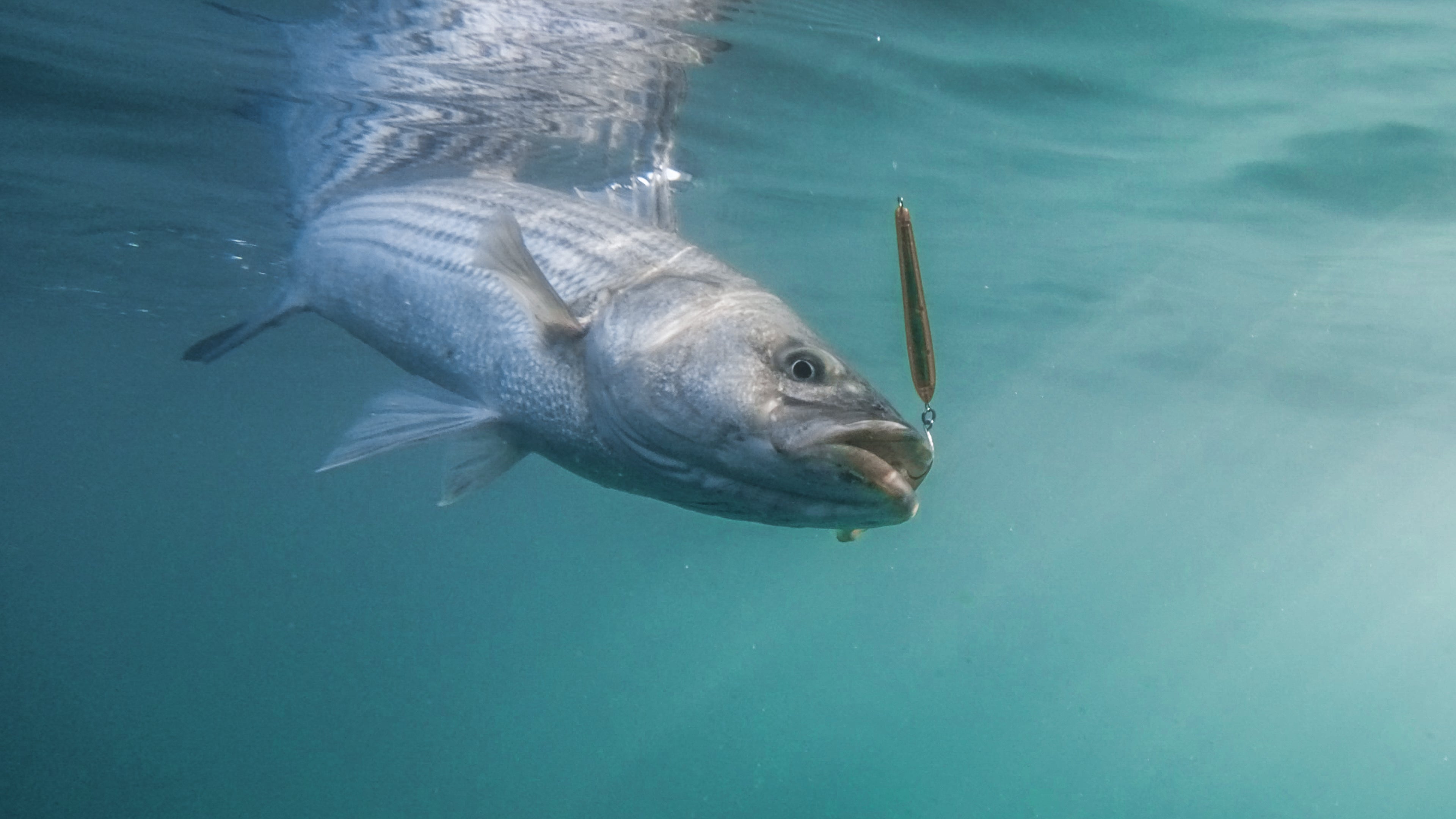
Pink popper striped bass fishing at Monomoy

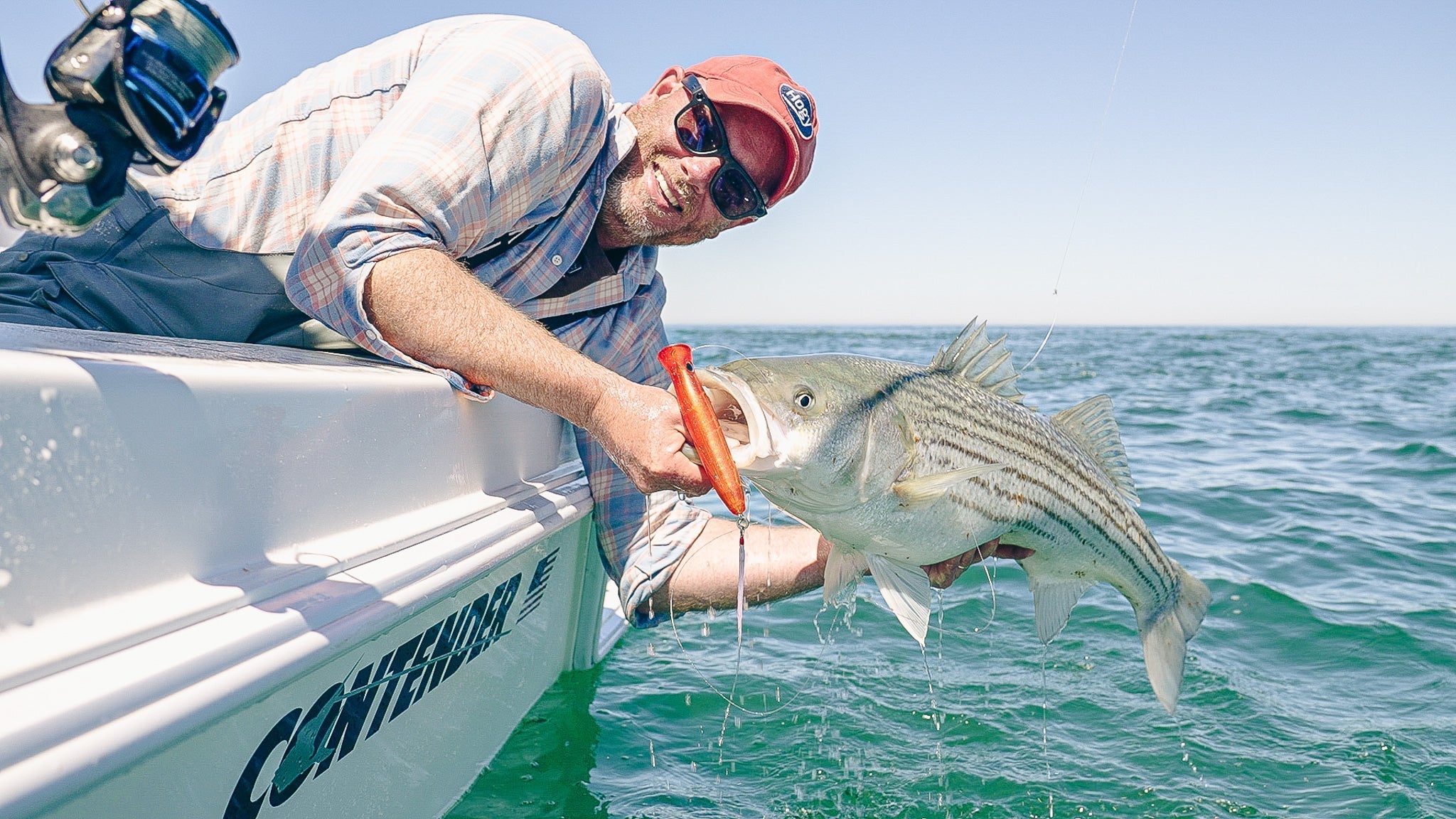
Monomoy, mid-June. The fog makes it mysterious — hard to see the rip, but you can hear it. Squid everywhere, stripers up top, pink popper doing the damage.

Middle June at Monomoy is as good as it gets. The stripers are there, the squid are there, and the rips are firing. Today the fog rolled in heavy enough that Mike couldn’t see the rip — but he could hear it. That’s enough. When you know the squid are in and the rips are running, you don’t need visibility. You need the right color popper and the right approach.

The answer was pink. Not amber — which also worked — but pink outfished it clearly, particularly in the fog. The fish were out in front of the rip, not on the edge. Bigger fish cast further uptide. And the approach was the same as it always is at Monomoy: stem the tide, cast uptide, fish the swing, tip-toe back without disturbing the bite.

The challenge: squid-keyed stripers feeding on the Monomoy rips in foggy early-summer conditions — fish of all sizes in the mix, and the biggest ones out front. Read which color they want today, cast past where you think they are, and manage the boat quietly enough to stay on them.
Step 1Historical Analysis

Mid-June Monomoy — an easy bet

Context that shapes every decision that follows.

Mid-June at Monomoy is one of the most reliable dates on the New England inshore calendar. The squid push is in full swing, the stripers are keyed on them, and the rips are concentrating bait and fish in predictable locations. Every spring this window opens and every spring it fishes the same way: poppers in squid colors, stem the tide, fish the swing. The decision-making before you leave the dock is minimal. Show up, rig up, get on the rip.

Local Knowledge — Monomoy Squid Rips, Mid-June
  • Bigger fish are out in front of the rip, not on the edge. Smaller fish work the shallower rip edge. If you want size, cast further uptide into deeper water in front of the break.
  • The fog doesn’t stop the bite — it helps it. Overcast and fog keep light off the surface and fish up top longer. On bright clear days they push deeper faster.
  • Pink outfished amber in fog conditions on this session. Translucent plugs brighten in sun, mute in low light — pink held its visual presence in the fog better than amber on this day.
  • Tip-toe back up in front of the rip after each fish. Don’t motor through. The fish that didn’t eat your plug are still there, still hungry. Keep the boat quiet.
  • Mid-June squid at Monomoy means medium to large sized squid. Size and color the plug to match — the 6″ 1 7/8oz  Hogy Macro Chug Popper is the right profile.
Step 1 output
Mid-June Monomoy, squid bite confirmed, rips running. Big fish out front. Pink over amber in fog. Stem the tide approach. Tip-toe resets to stay on the fish.
Step 2Environmental Factors

Fog, overcast, light wind — ideal topwater conditions

Does the environment support what the historical read predicted?

Foggy, overcast, light wind. Not the nicest weather, but for a topwater squid bite at Monomoy it’s close to ideal. Low light keeps fish feeding on the surface longer. Light wind means a flat enough surface to see the take and pop the lure effectively. The fog is just atmosphere. The rips are still running, the bait is still in the water, and the fish are still hungry.

Strong current at Monomoy is the environmental variable that defines the approach. The current pushes the boat through the strike zone quickly, which means short, efficient drift windows and quiet, careful repositioning after each fish. The approach has to work with the current, not against it.

Step 2 output
Fog + overcast = extended topwater window. Light wind = flat surface, good plug action. Strong rip current = short drift windows, careful repositioning after each fish.
Step 3Observational Factors — B.A.S.E.

Reading the rip — fish by position, not just by bait

Four layers. Each one narrows the answer further.

MH
The Unlock Key

“We noticed that the bigger fish were out in front of the rip. The smaller fish were closer to the edge of the rip. It was just a good morning overall — and the pink plug definitely outfished the amber.”

LayerWhat We SawWhat It Eliminated / Confirmed
B
Birds & Bait
Squid visible in the water, fleeing and being pushed around by stripers feeding below. No major bird activity required to locate fish — the rip itself concentrates the bait and the fish. Squid were medium to large in size.
Confirmed: squid in the water and fish feeding. Popper profile and color should match the squid present — medium-large size, translucent pink or amber. No need to search; the rip is the locator.
A
Activity
Fish of all sizes feeding on top throughout the session. Biggest fish visibly out in front of the rip in deeper water before the break. Multiple fish on consecutively — “it’s like four fish on that plug.” Pink outfishing amber clearly by mid-session.
Confirmed: fish out front = cast further uptide. Smaller fish on the rip edge. Pink over amber in fog conditions. When one color consistently produces more, commit to it — don’t rotate for the sake of rotating.
S
Structure
S100 Rip Line — the Monomoy rip with strong current pushing over the shoal. Smooth water up front, breaking rip water, turbulence behind. Fish stacked in two zones: big fish in smooth water out front, smaller fish in the rip edge itself.
Two zones, two size classes. Cast into the smooth water out front for size. Work the rip edge for numbers. Don’t burn all your casts on the boiling rip edge if you want the bigger fish.
E
Echoes / Sonar
Fish marking in 20–25 feet of water under the rip throughout the session. The sonar confirmed fish present even during lulls in the surface activity. When fish “laid down” briefly, the sonar showed they were still there — they needed the commotion of the popper to come back up.
Sonar marks during lulls = fish still there, not gone. When surface activity dies, the popper’s noise and disturbance calls them back up. Don’t leave a lull — keep fishing.
Step 3 output
Big fish out front in smooth water — cast further uptide. Smaller fish on the rip edge. Pink over amber confirmed. Fish marking on sonar during lulls — keep the popper working, they’ll come back up.
Step 4Structure & Approach

Stem the tide — cast uptide, fish the swing, tip-toe back

B1100 — the Monomoy rip approach. The current does the work.

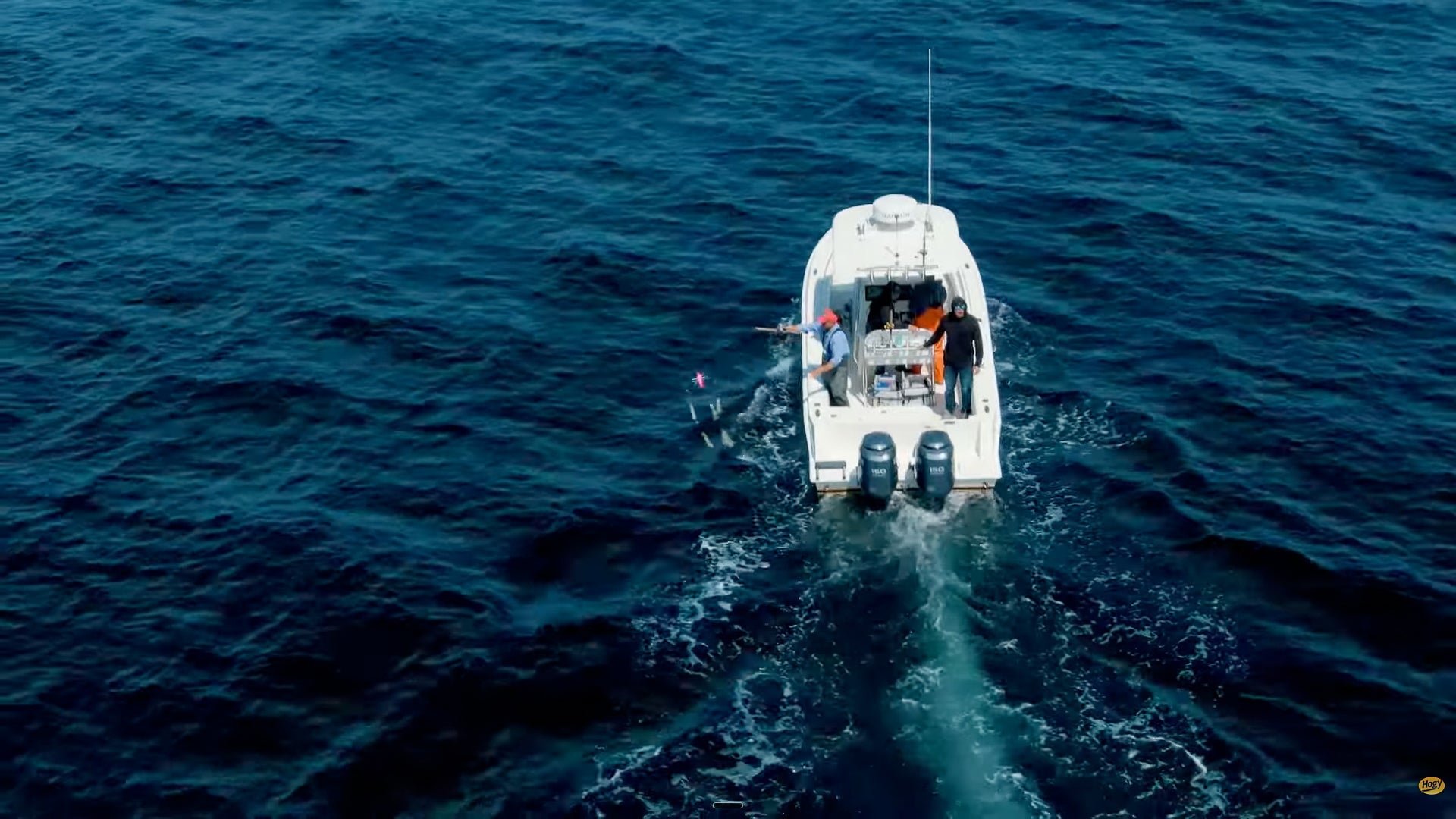
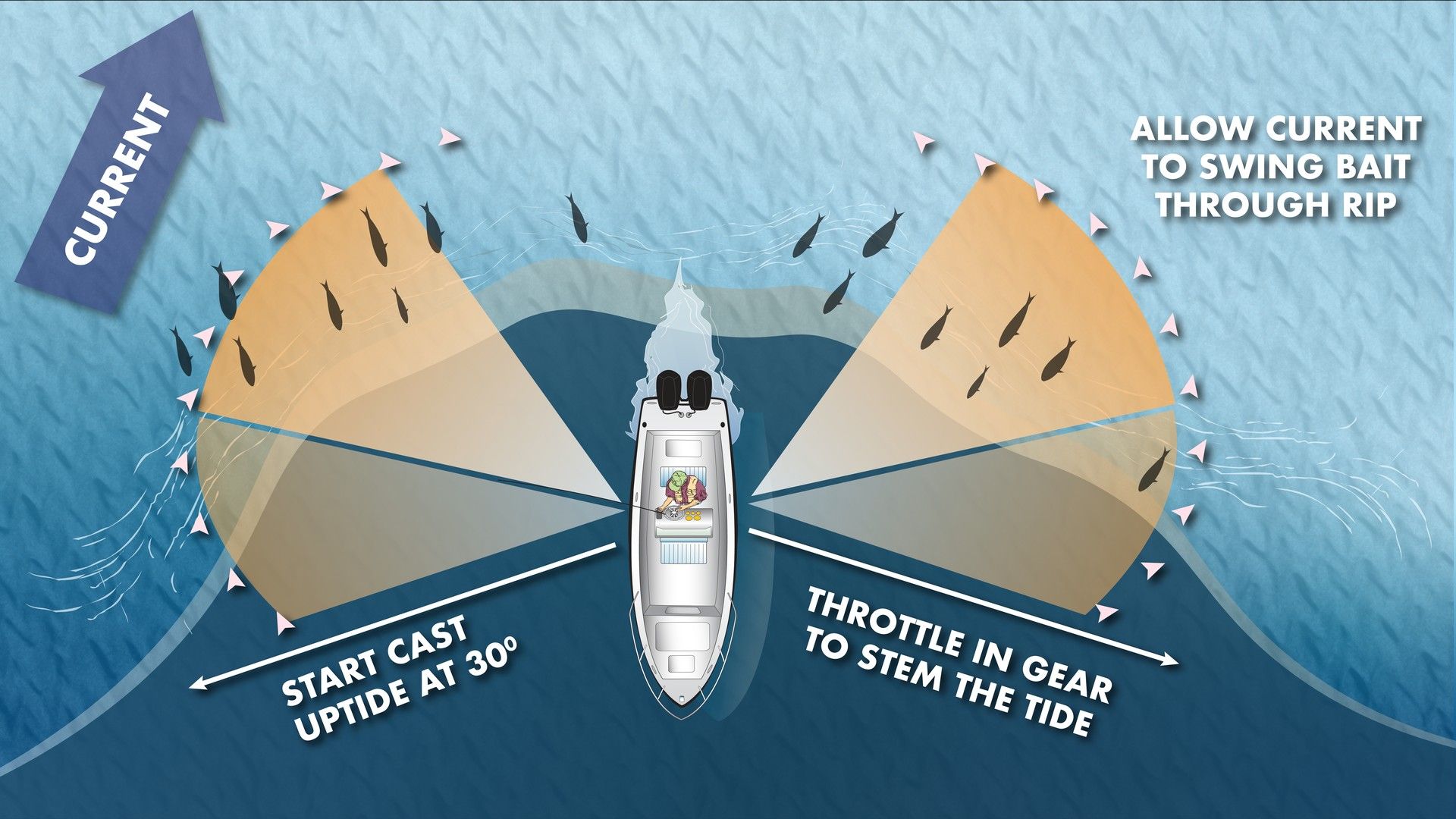
Stem the Tide is the foundational rip approach at Monomoy. Hold the boat in front of the rip in the smooth water — just enough RPMs to hold position against the current without charging around. Cast uptide into the smooth water in front of the break. Fish the popper as it swings across the shoal with the current. When a big fish is on, take the boat out of gear and drift back on it — trying to horse a strong striper out of a Monomoy rip on your terms isn’t the play.

MH
Capt. Mike Hogan

“I don’t want to go charging back — I don’t want to disturb the ecosystem. I want to keep the fish happy and hungry. Just tiptoe right back up to where we were.”

Approach — step by step
1
Set up in the smooth water in front of the rip. Hold position with just enough RPMs to resist the current. The boat should feel like it’s barely moving — too much throttle and you’ll outrun the drift; too little and you get pushed back through the rip.
2
Cast uptide, into the smooth water out front. Not at the boiling rip edge — uptide into the deeper water where the big fish hold. The current will swing the popper across the strike zone naturally.
3
Fish the swing. Work the popper as it crosses the shoal with the current. Rod tip angle changes as the lure gets closer — tip up when the lure is far, tip drops toward the water as the lure approaches. Pop-pause cadence throughout.
4
On a big fish — take the boat out of gear and drift back. Don’t fight a strong striper from a stationary position in current. Neutral, drift with the fish, land it cleanly behind the rip zone, then reposition.
5
Tip-toe back up in front of the rip. Idle back slowly, no wake, no engine noise. The fish that didn’t eat are still there. A noisy run back through the zone puts them down.
6
Repeat. Short, systematic drifts. Every pass is the same track. The fish are in the same place each time — the current holds them there.
B1100 Stem the Tide — Monomoy rip popper approach

B1100 Stem the Tide — hold position in smooth water, cast uptide, fish the swing across the shoal. Drift back on big fish. Tip-toe the reset.

Step 4 output
Smooth water in front of the rip, cast uptide, fish the swing. Big fish = take boat out of gear, drift back. Tip-toe reset. Short systematic drifts. Same track every time.
Step 5Gear, Lure & Technique

The Hogy Macro Chug Popper — three retrieves, one color decision

R150 Cast Back and Pop is the primary. Change speed to trigger followers.

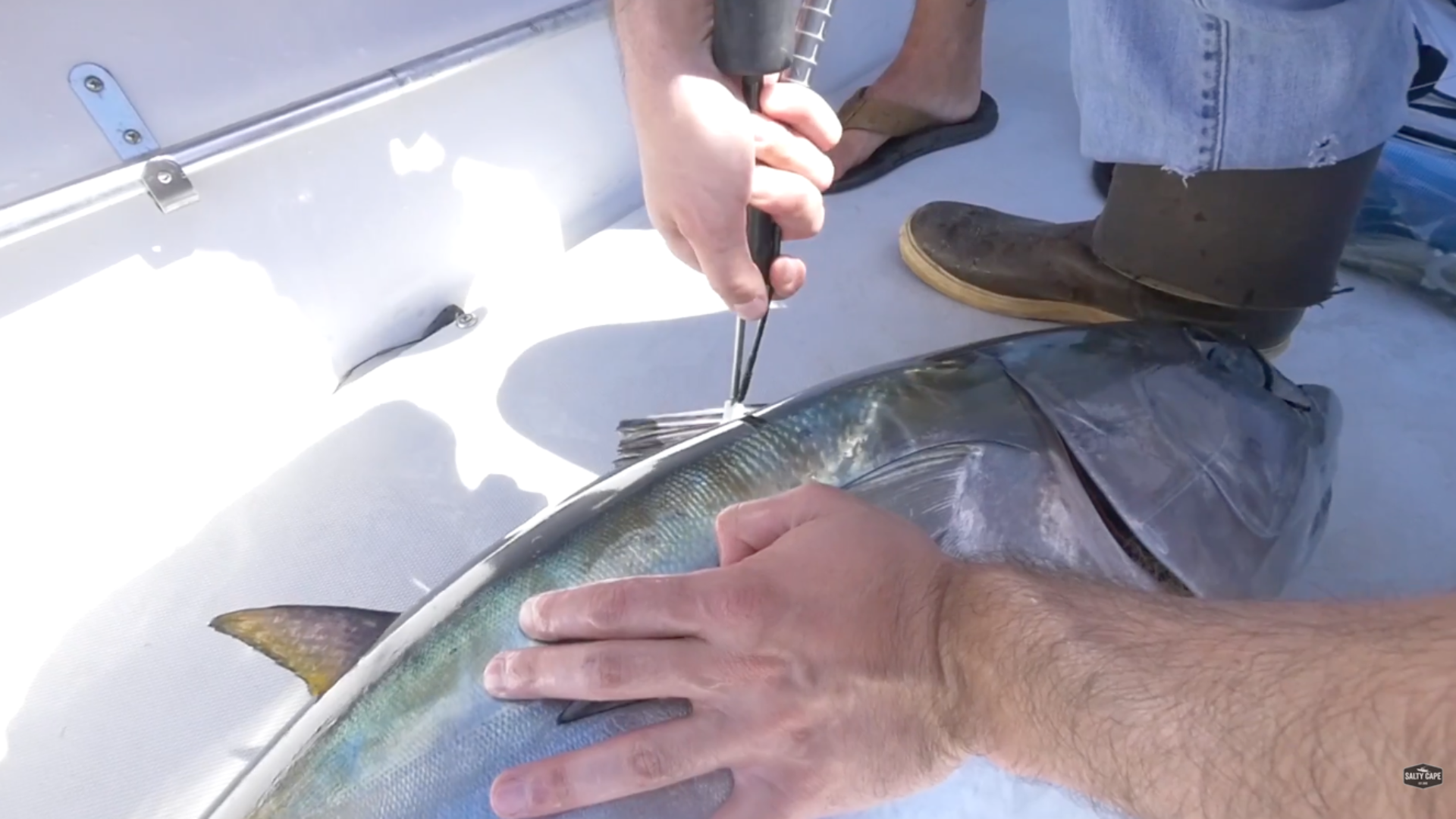
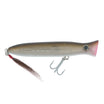
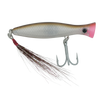
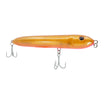
The Hogy Charter Grade Classic Popper is a 6″ Macro Chug  through-wired surface plug with a cupped face and rear-weighted rattle design that helps the lure turn over on the cast for distance. Mike fishes it with the rear hook removed — Hogy plugs are weighted and balanced to fish with just the front hook, and on a squid bite with big fish, a single front treble makes releasing fish cleaner and faster.

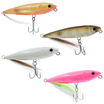
The translucent pink and amber colors are the squid match at Monomoy in June. On this session in fog, pink clearly outperformed amber. The translucent body lets light pass through differently in different conditions: bright day = vivid, dark day = muted. Pink held its visual presence in the fog better than the amber on this particular morning.

The Lure for the Job
Profile
6″ 1 7/8oz through-wired surface plug. Cupped face pushes water and creates the distinctive popping sound. Internal rattles positioned at the rear — helps the lure turn over on the cast for maximum distance. Tuna-strong construction with striper-appropriate hook sizing.
Color
Pink (primary today) and Amber (secondary) — both translucent squid color imitations. Pink in fog and overcast: holds visual presence better than amber in low light. Amber on bright days: cleaner natural squid coloration in clear light. Always carry both — let the fish vote.
Action
Three retrieves in this session: Cast Back and Pop (primary), Twitch-Pause, and Slow and Low / Chug. The most important variable is speed variation — slow-fast-slow within a single retrieve triggers followers that are watching but not committing. That change in cadence is the reaction-strike trigger.
Speed
Medium to slow base retrieve. Pop-pause cadence, or a consistent pop-pop-pop action. The slow-fast-slow variation is the key technique: fish a slow pop for a few beats, then accelerate, then slow back down. A follower that won’t eat the slow presentation often commits on the speed change.
Rod Angle
Rod tip up when the lure is far. As the lure swings closer, tip drops toward the water to maintain efficient line contact and lure action. A high rod tip at close range creates a tight angle that kills the pop. Let the tip come down to water level on the last 30 feet of the retrieve.
Limitations
In heavy chop, the cupped face can dig and kill the walk-the-dog component. In very strong rip current the lure may swing too fast to pop effectively — drop to a slower, more deliberate pop cadence in fast current or switch to a surface eraser that requires less angler input.
Rigging
  • Remove rear hook — single front treble. Hogy plugs are weighted to fish with the front hook only, no action loss.
  • Split ring pliers to remove the rear hook cleanly. Keep the split ring — reinstall at season end if desired.
  • Tie direct to fluorocarbon leader — no snaps. Snaps can affect the plug’s swimming balance and cup-face action.
  • 40lb braid, 30lb fluorocarbon leader. 5000-class spinning reel.

The three retrieves
1
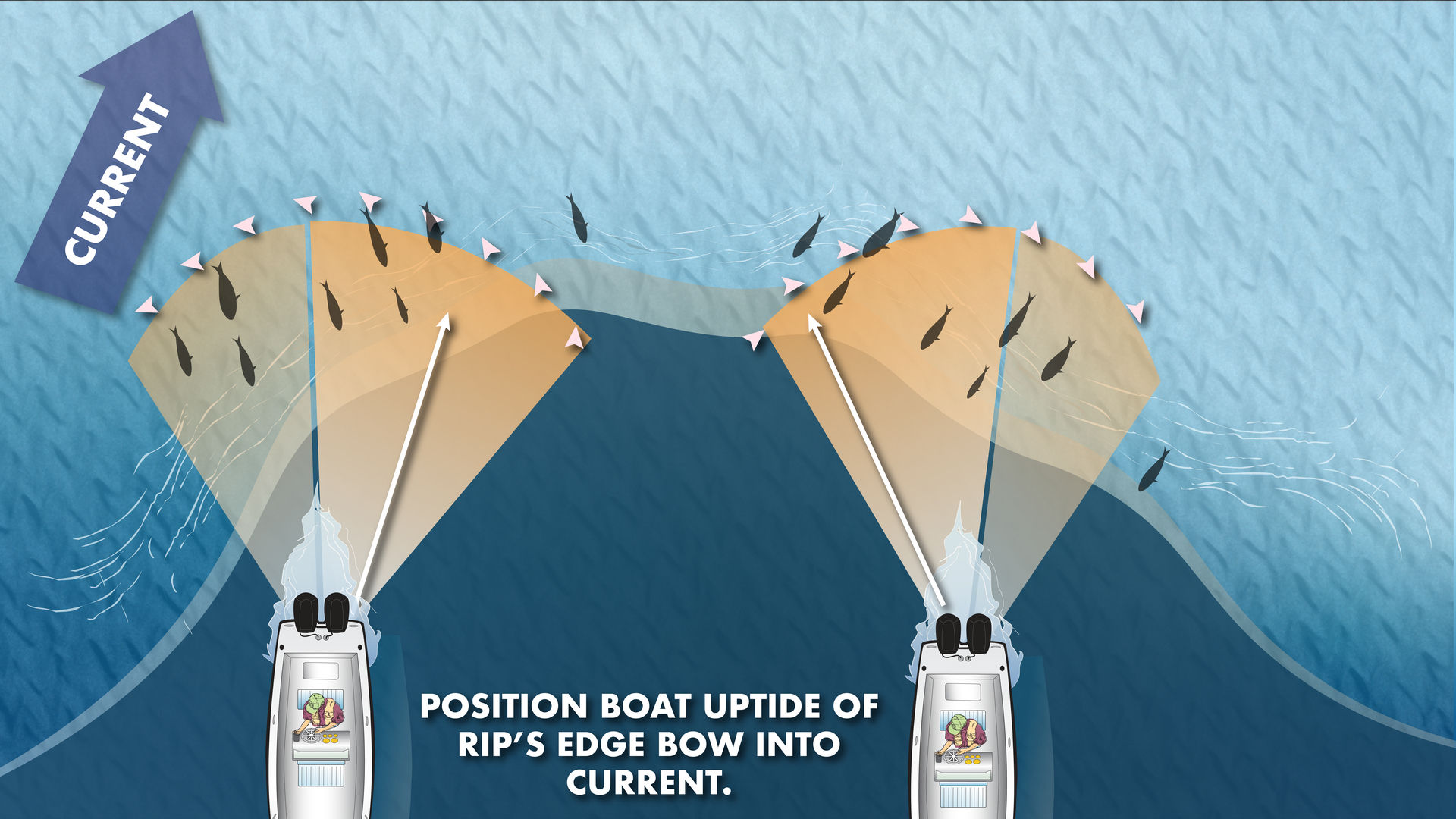
Cast Back and Pop (R150 — primary). Cast uptide, let the lure land cleanly, then begin the pop sequence as the current swings it. Short popping motions, rod tip angled toward the water. This is the swing retrieve — the current does half the work.
2
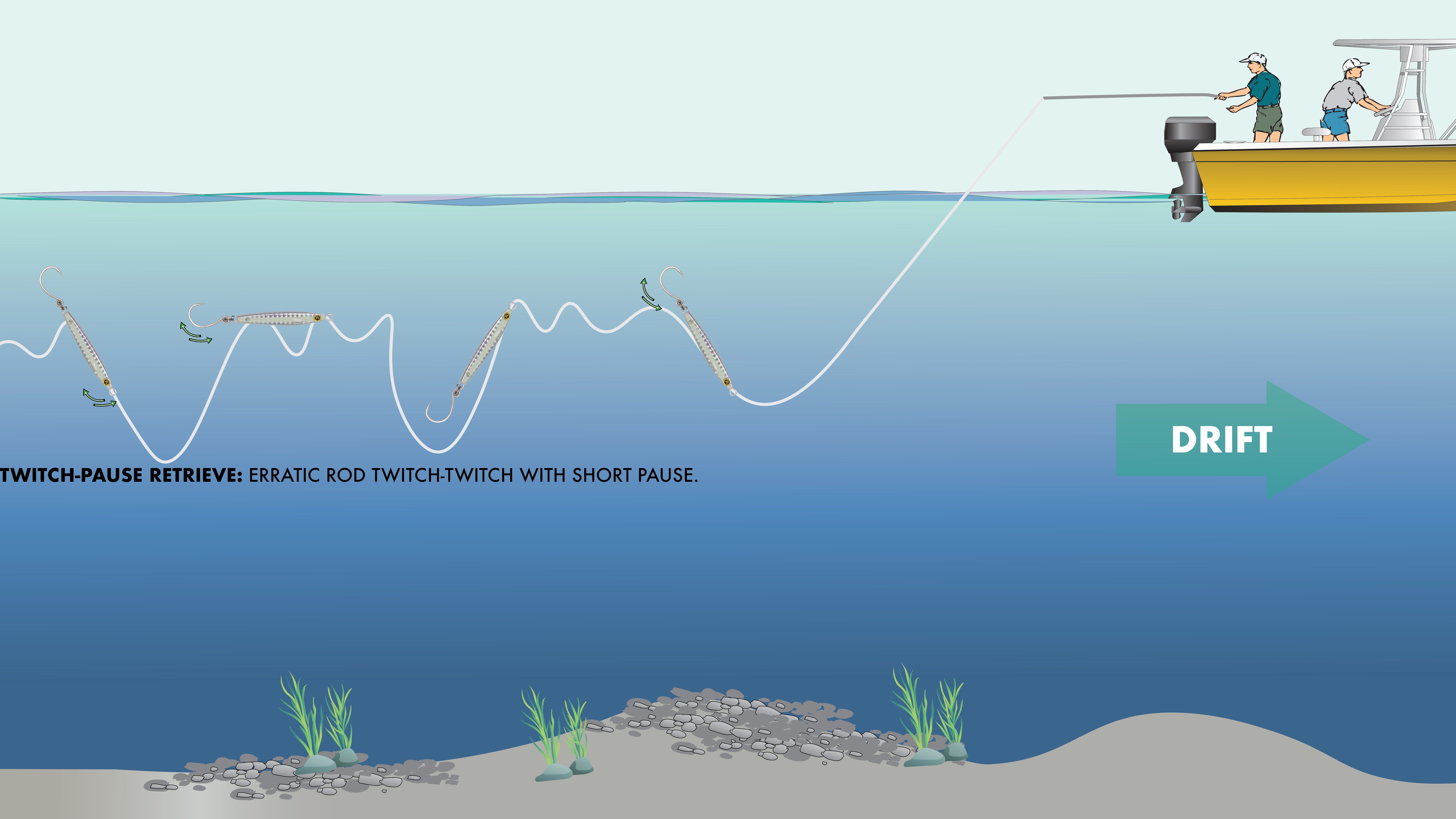
Twitch-Pause (R100). Short sharp twitches with pauses between. The lure sits still in the pause, creating a target. Fish that are following but not committing often eat on the pause. Change the pause length — one second, then three seconds — to vary the presentation.
3
Slow and Low / Chug (R200). Slower, more deliberate pops. For when fish are following at a distance and a fast cadence is outrunning them. Drop the speed and let the lure chug. When you’ve had follows but no eats, this is the adjustment before you change colors.
4
Speed variation is the trigger. Don’t commit to one speed for the whole retrieve. Fish slow for a few pops, then accelerate, then drop back. “If I go slow-fast-slow, sometimes you’ll get fish following your lure and that change in speed can draw out that reaction strike.”
R150 Cast Back and Pop — Monomoy rip popper retrieve

R150 Cast Back and Pop — primary retrieve for the rip swing. Cast uptide, pop as the current swings the plug across the strike zone. Rod tip tracks the lure angle down as it approaches.
R100 Twitch-Pause — secondary popper retrieve

R100 Twitch-Pause — secondary retrieve for fish following but not committing. Short twitches, deliberate pauses. Vary the pause length to find the trigger.

Outfit

Loadout — Monomoy Squid Rip
Lure
Hogy Macro Chug Popper 6″ — Pink (primary) + Amber (secondary). Rear hook removed, single front treble.
Rod
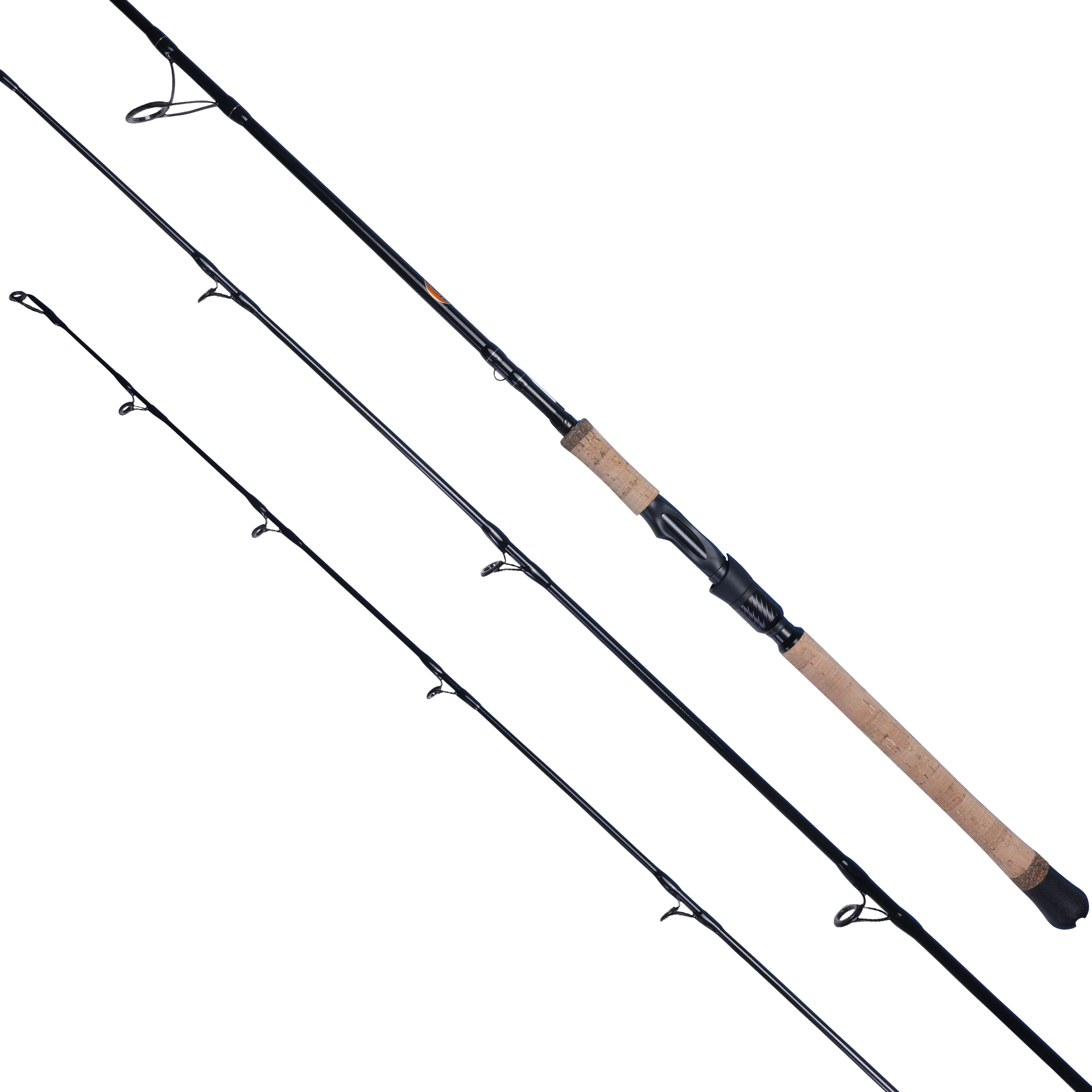
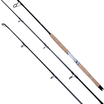
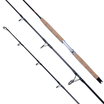
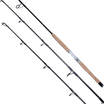
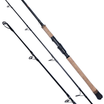
7ft Medium-Heavy Spinning — Hogy 7M or 7MH (HLTI7M / HLTI7MH). Parabolic action for large plugs and hard fighting fish in current.
Reel
5000-class spinning — Shimano Saragosa 5000 or equivalent. High-volume line capacity for long casts into the rip.
Line
40lb braid + 30lb fluorocarbon leader. Tied direct to plug — no snap.
Primary retrieve
R150 Cast Back and Pop — medium-slow cadence, speed variation. Rod tip angle tracks down as lure approaches.

The decision at a glance

Signal from the SystemDecision
Mid-June Monomoy, squid in the waterPink and amber popper, stem the tide approach, cast uptide into smooth water out front. This date, this spot — it’s an easy bet.
Fog and overcast conditionsStart with pink. Translucent pink holds visual presence in low light better than amber. Keep both on deck.
Fish showing out in front of the ripCast further uptide into the smooth water. Those are the bigger fish. The rip edge fish are smaller.
Followers not eatingSlow-fast-slow speed change. Then try the Twitch-Pause. If still no eat, try the other color before moving.
Big fish on in the ripBoat out of gear, drift back on the fish. Don’t horse it in current. Land it cleanly behind the rip zone.
Repositioning after a fishTip-toe. Idle back slowly, no wake, no engine noise. Fish that didn’t eat are still there. A noisy run puts them down.
Surface activity dies in a lullKeep fishing. The sonar shows fish still on the bottom of the rip. The popper’s commotion calls them back up. Don’t leave a lull.
Step 5 output
Hogy Charter Grade Popper 5.5″, pink, single front treble. 40lb braid, 30lb fluoro, tied direct. Cast uptide into smooth water, fish the swing, slow-fast-slow speed variation. Tip-toe resets. Pink beats amber in the fog.
Putting it together
Pink beats amber in the fog

Step 1 set the date: mid-June Monomoy is an easy bet — squid in, stripers on top, rips running. Step 2 confirmed ideal topwater conditions: fog and overcast extend the surface bite window, light wind keeps the presentation clean. Step 3 delivered the unlock: big fish out front in smooth water, smaller fish on the rip edge, and pink clearly outfishing amber in fog. Cast further uptide to find the bigger fish. Step 4 built the approach: stem the tide, cast uptide, fish the swing, drift back on big fish, tip-toe the reset. Step 5 closed it out: Hogy Charter Grade Popper pink, single front treble, R150 Cast Back and Pop as the primary retrieve with slow-fast-slow speed variation as the reaction trigger. Half a dozen fish before the fog lifted. A great day to play hooky.
Next in the series
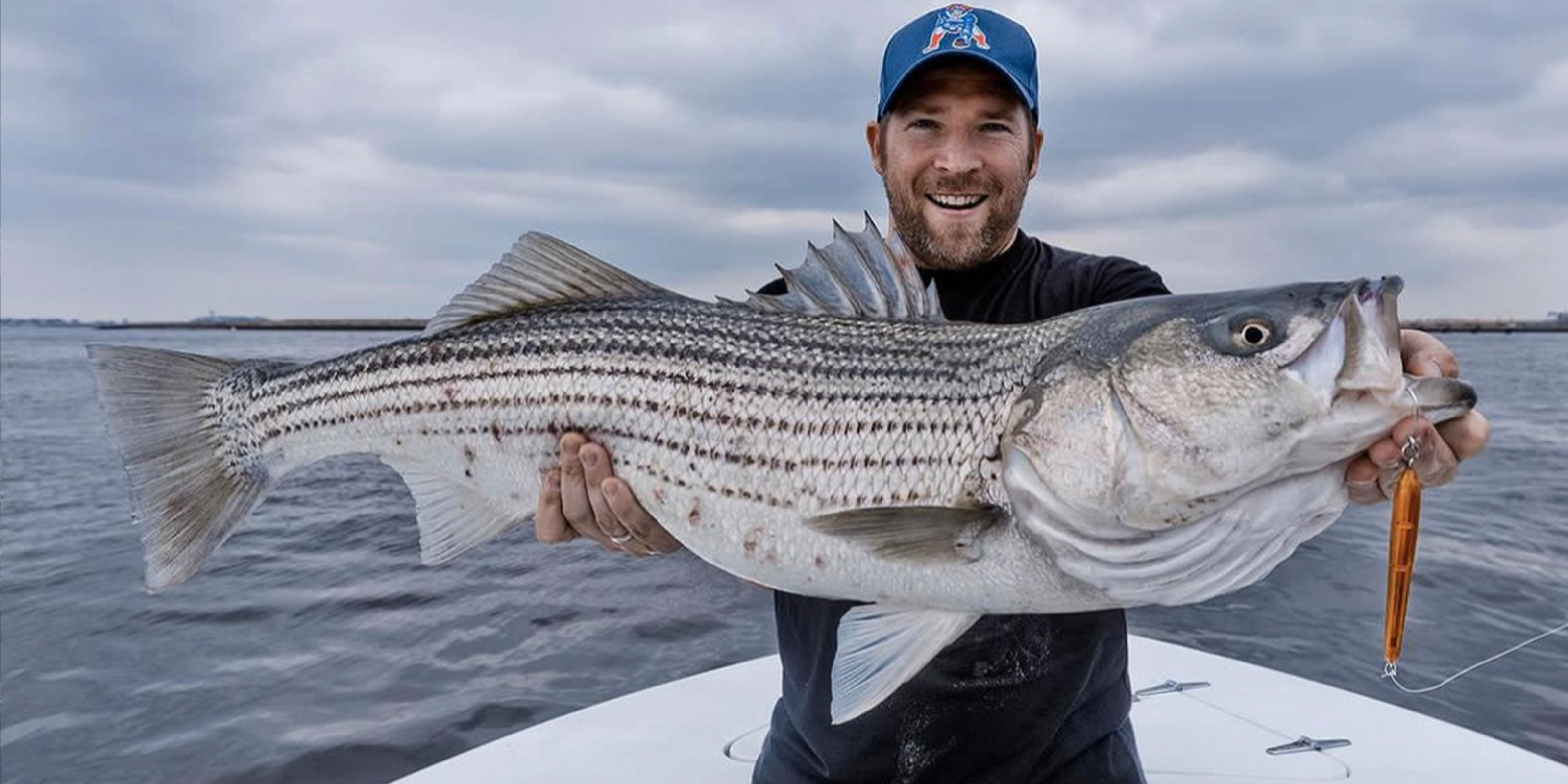
Topwater Poppers for Stripers at Billingsgate Shoal — with Cullen Lundholm
Same approach, different rip, different plug — and a Cullen recommendation that changed the session.
Striped Bass Classic Popper Monomoy Stem the Tide Squid Rip Fishing Early Summer Inshore S2022 E6 Capt. Mike Hogan Cracking the Code

Reading next

Cracking The Code: Monomoy Rips Striped Bass
Crack The Code: Micro Squid Rips Finicky Stripers

Leave a comment

All comments are moderated before being published.

This site is protected by hCaptcha and the hCaptcha Privacy Policy and Terms of Service apply.

Related Videos

Topwater Poppers For Cape Cod Bay Stripers Feeding On Squid

In this video, Capt. Mike Hogan and Capt. Cullen Lundholm fish overcast calm conditions for larger striper feeding on squid. Using the Hogy Charter Grade Popper in Amber, they are able to imitate large squid for some impressive topwater popping action!

Large Nantucket Striped Bass In The Rips | Stemming The Tide

Captain Mike and the crew head out East of Nantucket to target large striped bass in the Rips. Captain Phil Moore of Moore Yacht Sales shows how even larger center consoles like his Costa Custom 34SV can be used to stem the tide, keeping the anglers in the strike zone.

Monomoy | Topwater Rips | Casting For Striped Bass

Captain Mike from Salty Cape presents a topwater casting tutorial for striped bass at Monomoy. The fishing conditions are challenging with strong winds and tides, requiring strategic positioning and precise casting techniques to target striped bass in the rips.

Surface Dogwalker Rips Stripers

Capt. Ray Jarvis hosts this exciting topwater-filled video targeting finicky striped bass holding in rips selectively feeding on sand eels and squid using the Charter Grade Dog Walker. When the tide slacks off, Capt. Ray switches gears and shows us how to us the Squinnow Jig to target stripers holding in deep water near the bottom.

Related Blogs

CastingCrack The Code: Micro Squid Rips Finicky Stripers

Crack The Code: Micro Squid Rips Finicky Stripers

Cracking the Code: Four Retrieves on One Cast — Surface Eraser vs. Finicky Monomoy Stripers Striped Bass  ·  Monomoy Rips  ·  Mid-June Cracking the Code Capt. Mike Hogan &...

InshoreCrack The Code: Monomoy Rips Topwater Striper

Crack The Code: Monomoy Rips Topwater Striper

Cracking the Code: Poppers on a Squid Bite at Monomoy Striped Bass  ·  Monomoy Rips  ·  S2022 E6 Cracking the Code Capt. Mike Hogan  ·  Salty Cape TV powered by Hogy ...

InshoreCracking The Code: Monomoy Rips Striped Bass

Cracking The Code: Monomoy Rips Striped Bass

Cracking the Code: Surface Eraser on the Monomoy Squid Rips Striped Bass  ·  Monomoy Rips  ·  S2024 Cracking the Code Capt. Mike Hogan  ·  Salty Cape TV powered by Hogy ...

Bluefin TunaCracking The Code: Light Tackle Bluefin - The Gully

Cracking The Code: Light Tackle Bluefin - The Gully

Light-Tackle Bluefin  ·  The Gully  ·  S2025 E6 Cracking the Code Capt. Mike Hogan  ·  Salty Cape TV powered by Hogy Location The Gully — S. of Block Island Season Midsummer Species Bl...

Black SeabassCracking The Code: Deep Summer Seabass

Cracking The Code: Deep Summer Seabass

Cracking the Code: Deep Summer Sea Bass — Long Drifts, No Bait, 95 Feet Deep Summer Sea Bass  ·  Vineyard Sound Cracking the Code Capt. Mike Hogan  ·  Salty Cape TV powered b...

Black SeabassCracking The Code: Seabass Three Ways

Cracking The Code: Seabass Three Ways

Sea Bass Three Ways  ·  Eldridge Shoal  ·  S2025 E3 Cracking the Code Capt. Mike Hogan  ·  Salty Cape TV powered by Hogy Location Eldridge Shoal Season Early Summer Species Black Sea B...