














Inshore

Cracking The Code: Monomoy Rips Striped Bass

Cracking The Code: Monomoy Rips Striped Bass
Cracking the Code: Surface Eraser on the Monomoy Squid Rips
Striped Bass  ·  Monomoy Rips  ·  S2024
Cracking the Code
Location
Monomoy — Rip Series
Season
Summer
Species
Striped Bass
System
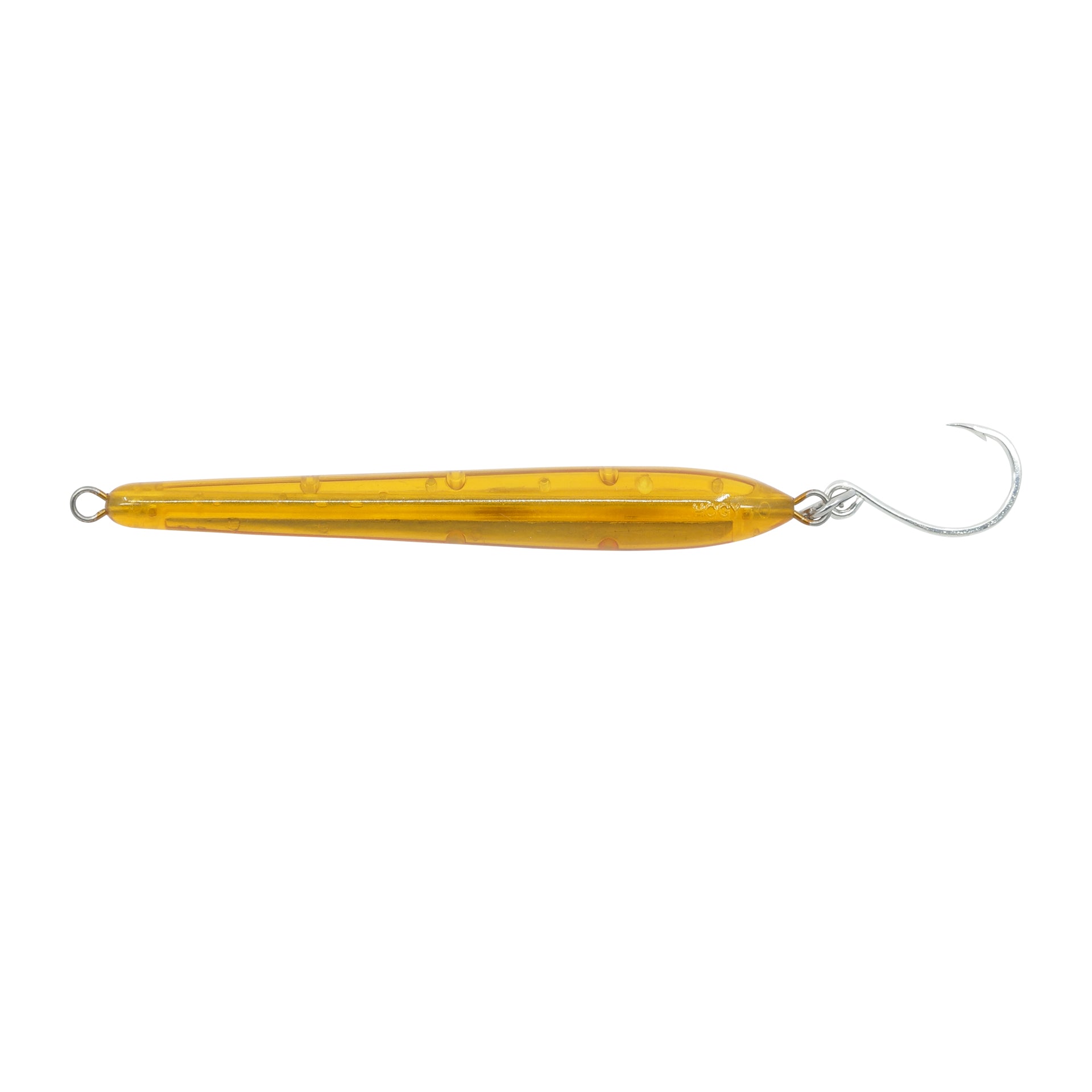
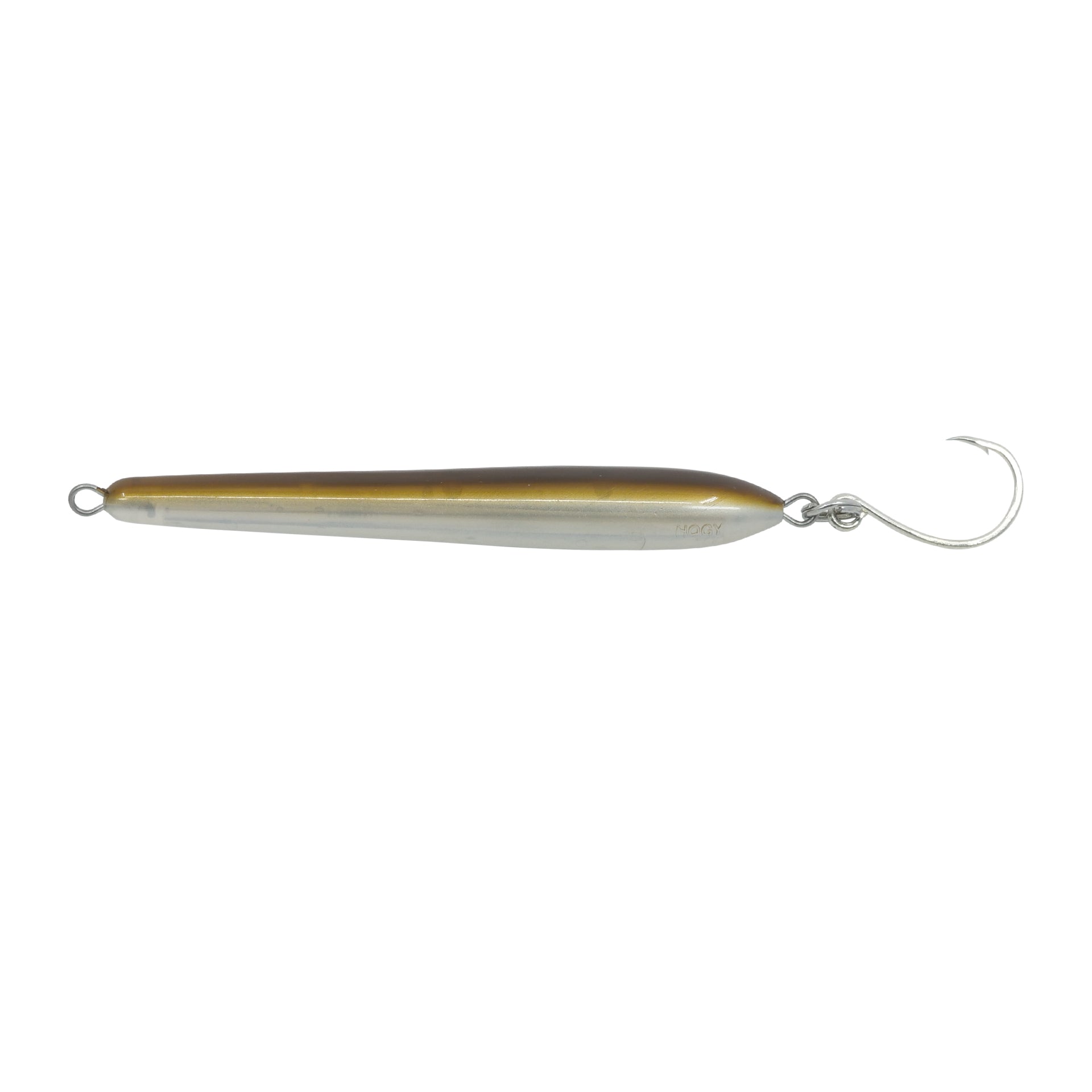
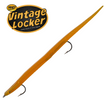
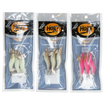
Hogy Surface Eraser 5″
Forage
Squid

Dead Drift, First Cast — The Surface Eraser at the Monomoy Rips

It casts like a plug, fishes like a soft bait, and on the very first cast of the morning — zero retrieve, plug floating in the current — it got eaten. The Surface Eraser is the most practical first choice for a Monomoy squid rip.

SC
Salty Cape TV powered by Hogy
Summer  ·  S2024
8 min read
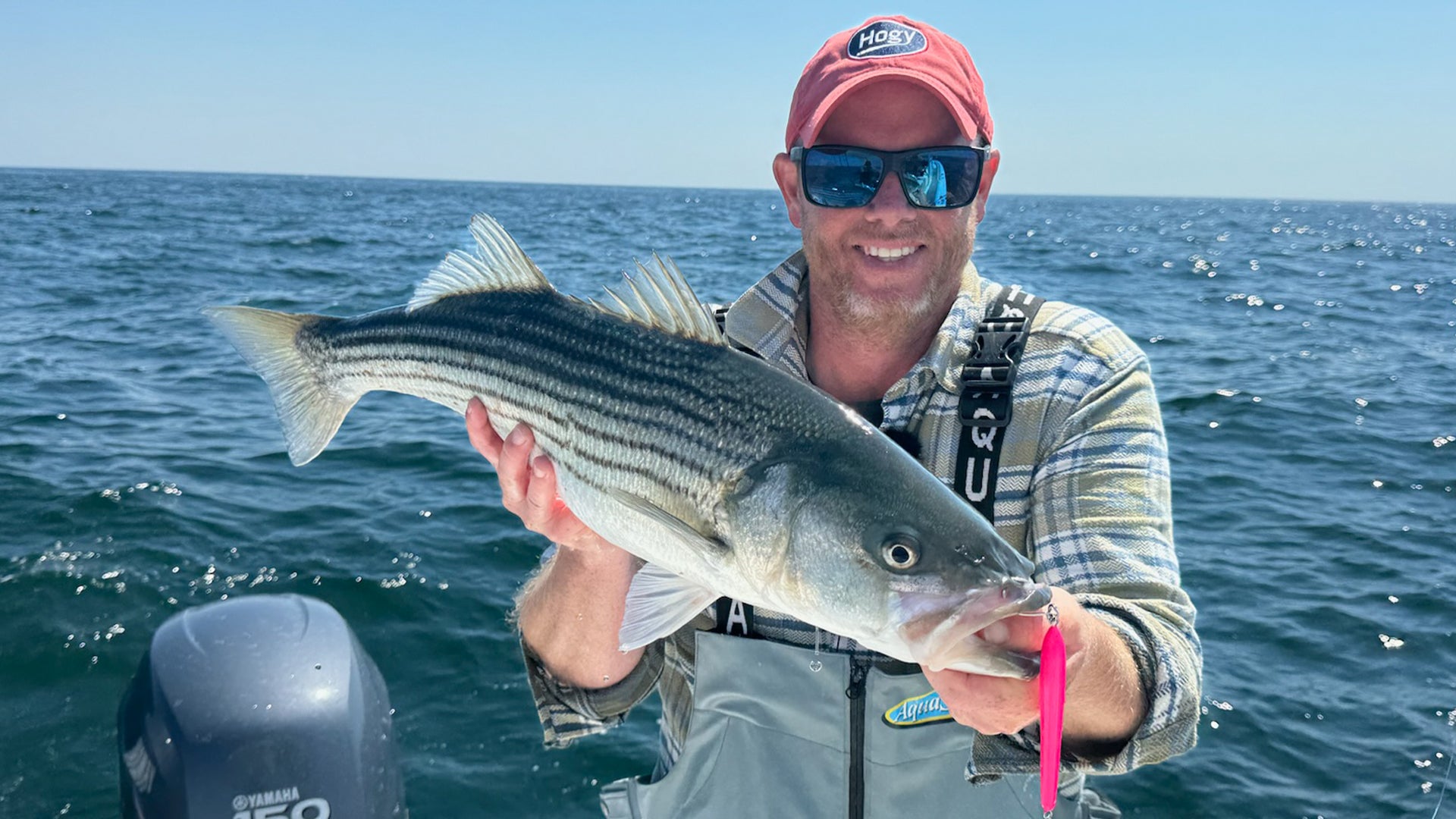
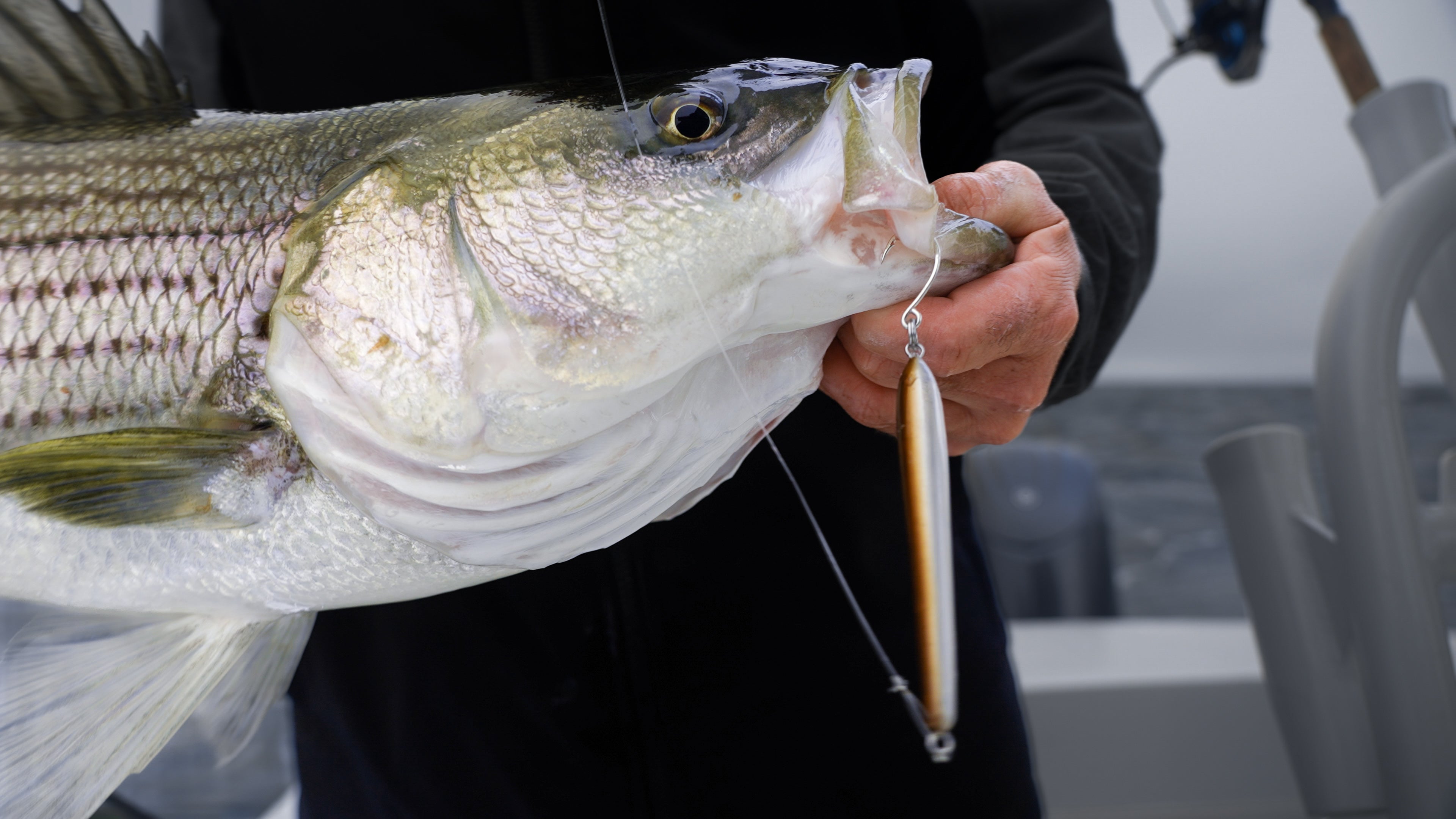
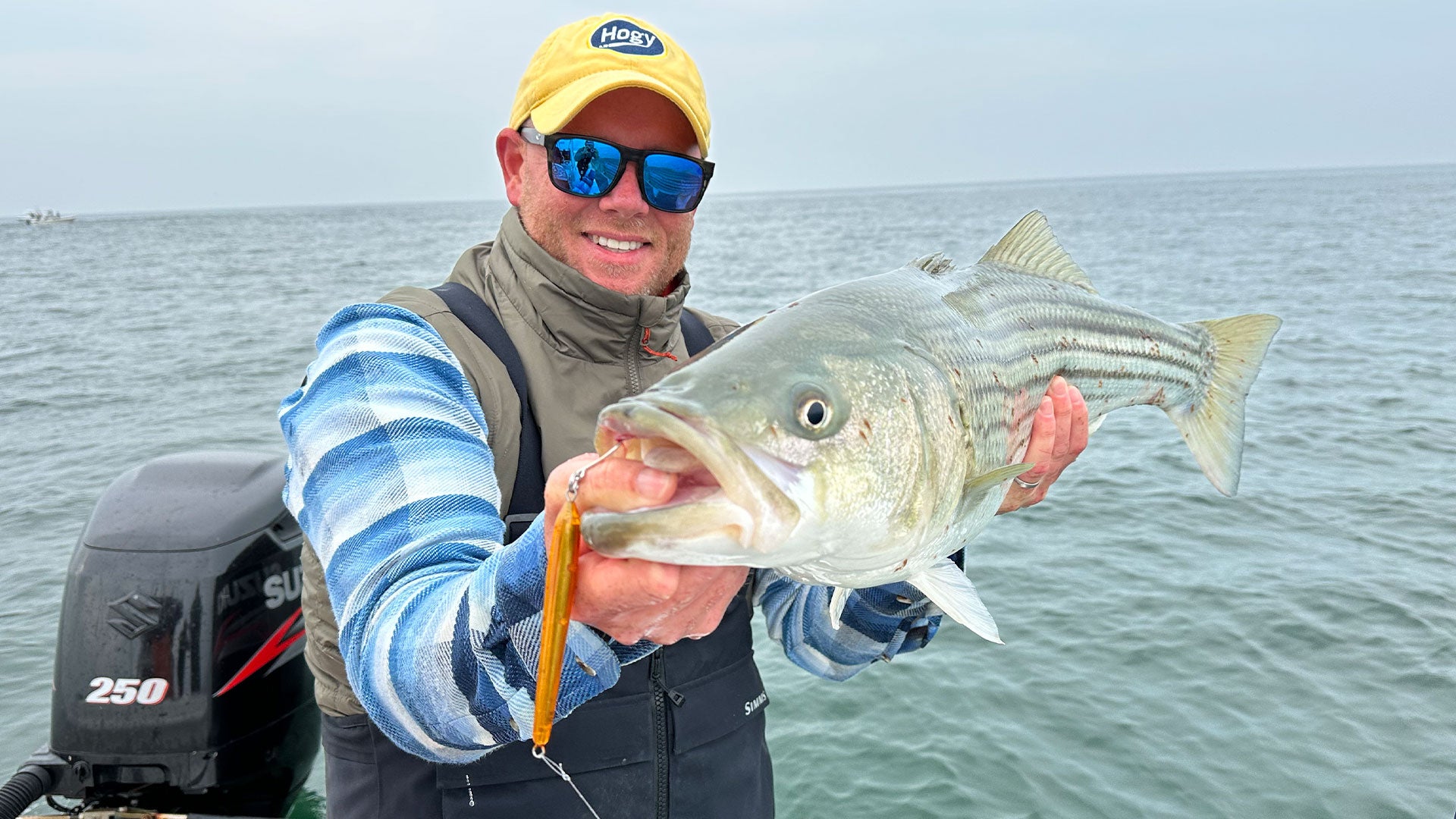
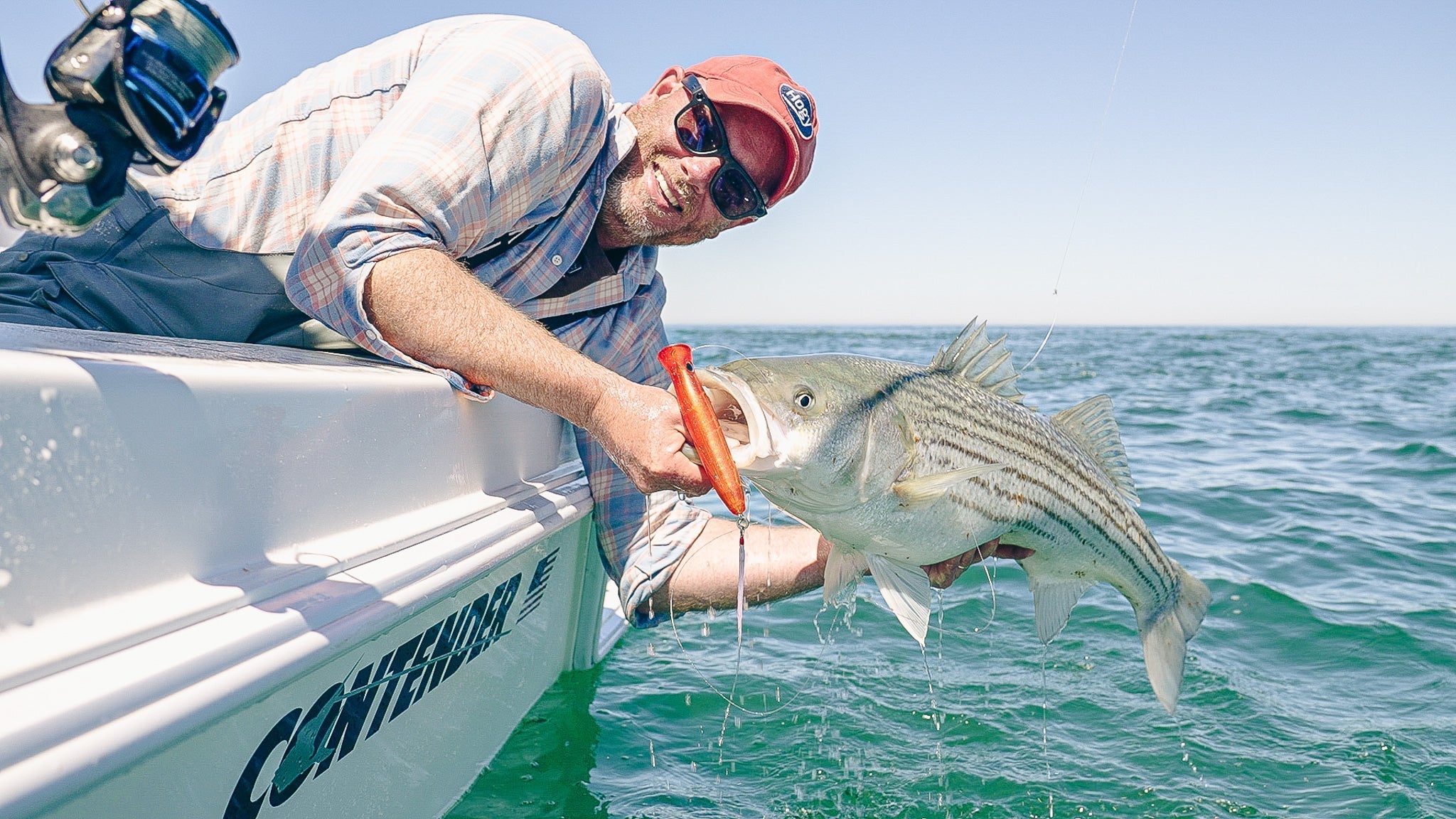
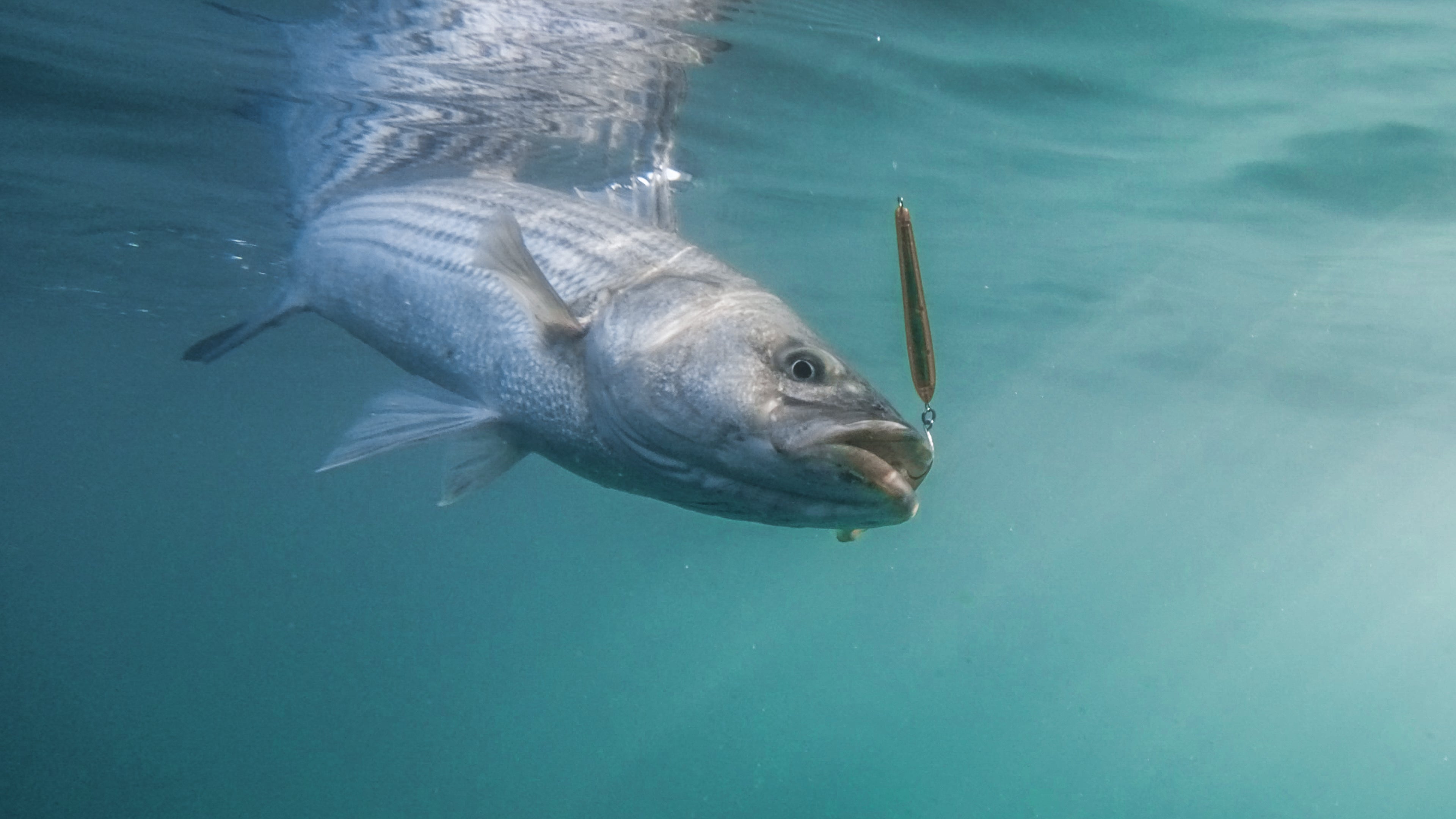
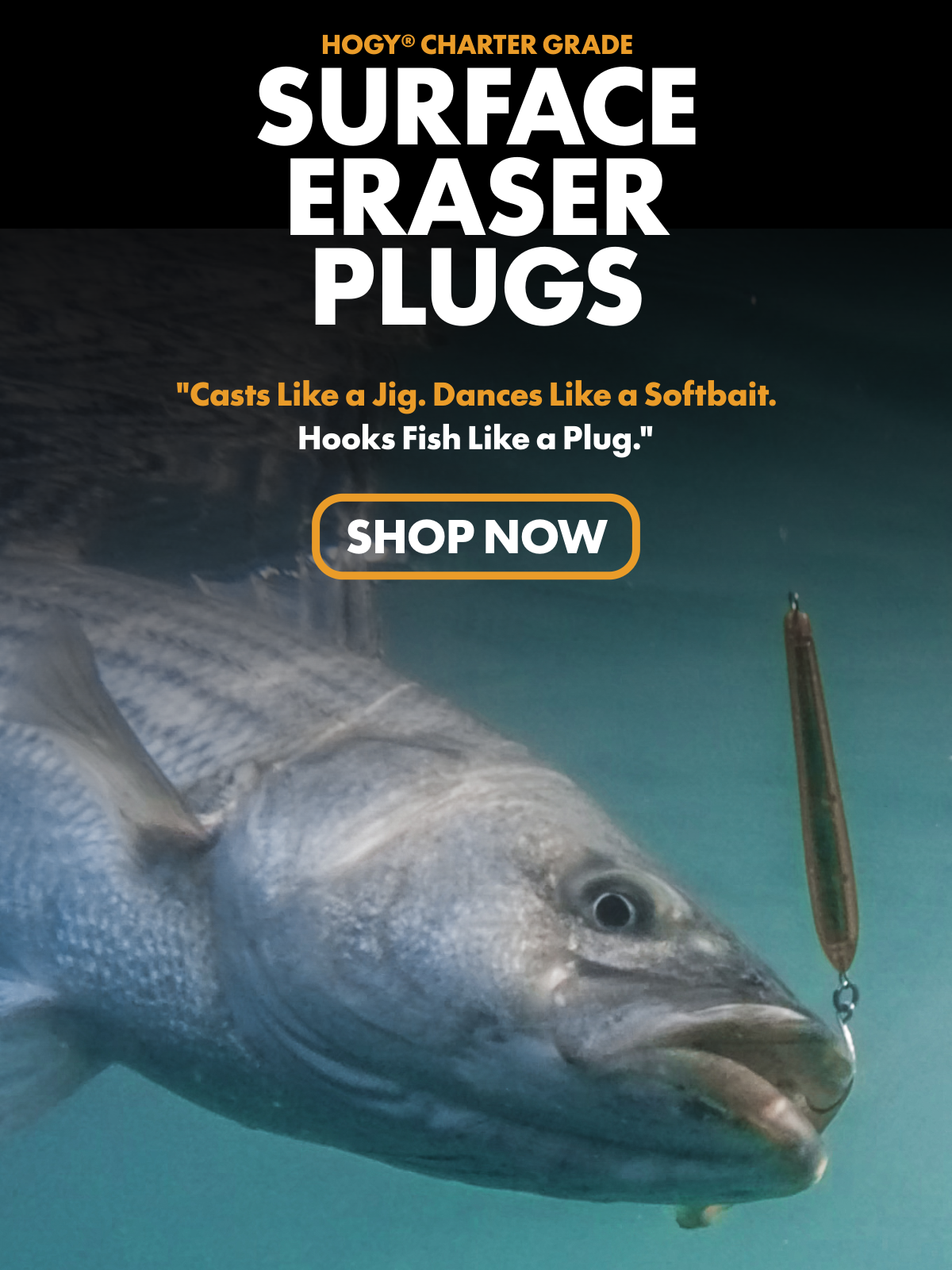
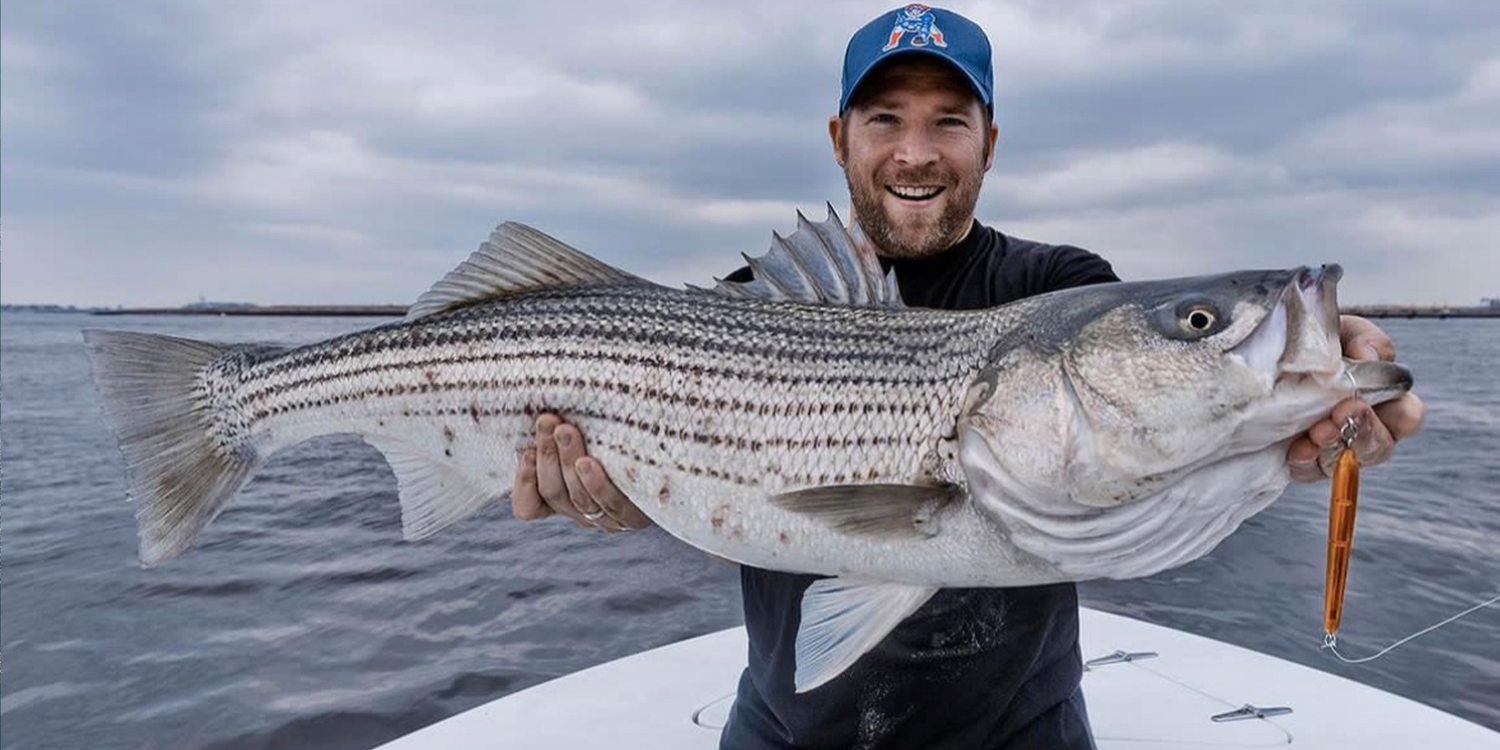
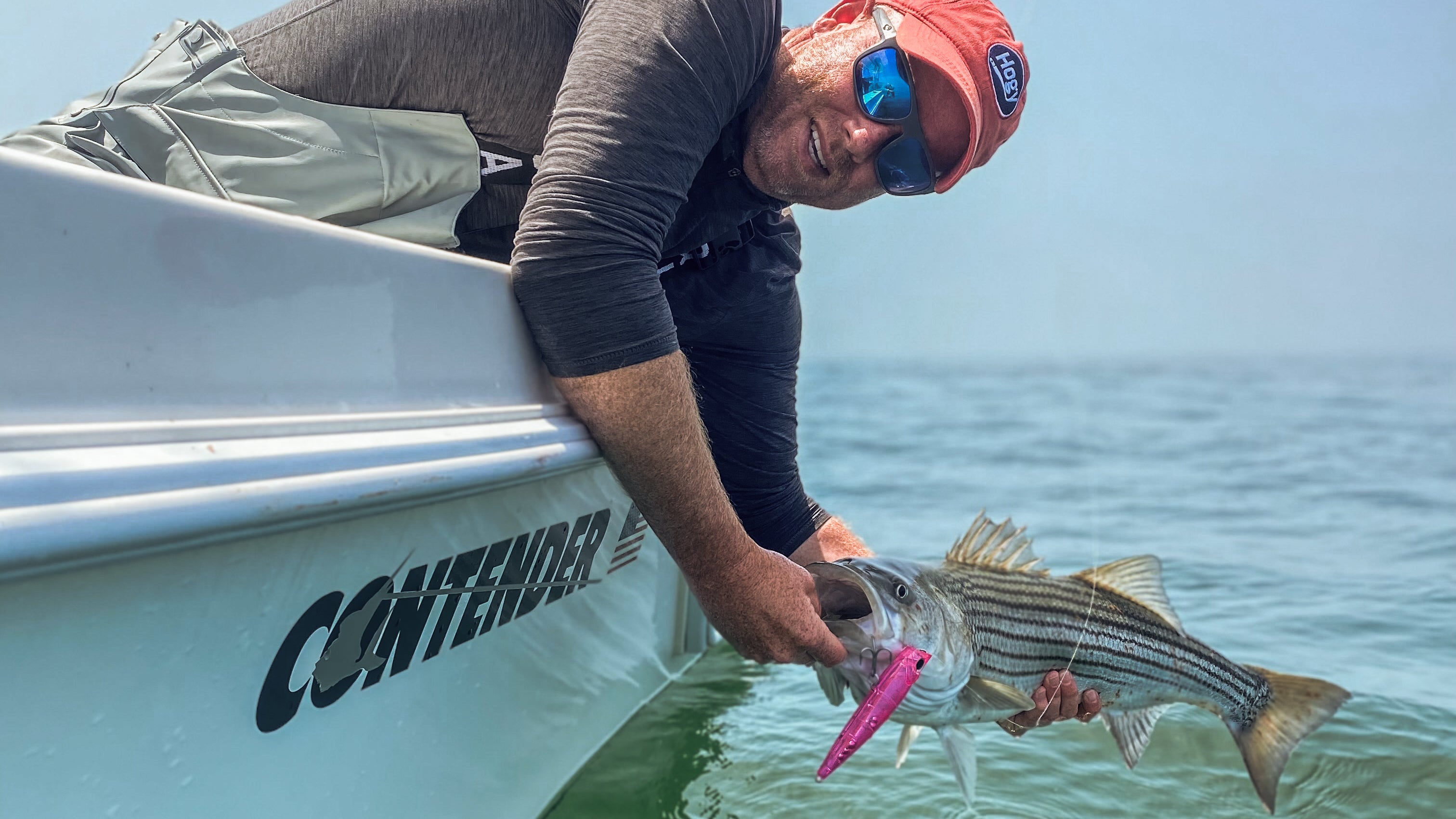
Surface Eraser striped bass fishing at Monomoy rip series

Monomoy rip series, summer. Incoming tide developing, squid in the water, stripers on the edge. Surface Eraser, amber and bone, rods bent all morning.

The forecast underestimated the wind. The incoming tide was still developing — not honking yet. But birds were everywhere, bait was scattered through the area, and the rips were beginning to fire. First cast, Surface Eraser, twitch-pause, then just let it dead drift. The plug floated in the current and a striper blew up on it before Mike could do anything else. That was the morning right there.

Monomoy isn’t one rip — it’s a series. Stone Horse, Round Shoal, Little Round Shoal, a handful of others stretched over a few miles. The approach on a day like this is to start at the first rip and slide down the series as the tide builds, following the peak action as the current develops spot by spot. The Surface Eraser works through all of it: cast like a plug, fish like a soft bait, retrieve at any speed or no speed at all.

The challenge: incoming tide still developing, wind stronger than forecast, squid in the water but fish not yet pinned hard on the rip. Multiple retrieves to read — and a rip series that requires following the bite down as the tide builds rather than staying on one spot all morning.
Step 1Historical Analysis

Monomoy’s rip series — a confluence, not a single spot

Context that shapes every decision that follows.

When Mike says “Monomoy” he could mean any one of several distinct shoals — Stone Horse, Round Shoal, Little Round Shoal, and others stretched over a few miles of productive water. What ties them together is the confluence of warm and cold water that concentrates bait: sand eels, herring, and in summer, squid. The rips fire on moving tide. The approach when the tide is building is to start at the first productive shoal and follow the bite down the series as the current develops.

Local Knowledge — Monomoy Rip Series
  • Follow the rips down with the tide. As the tide builds to peak and then subsides, the peak action shifts from one rip to the next in the direction of the current. If the bite starts to taper at your rip — slide to the next one down-tide before you lose the session.
  • The dead drift is a legitimate retrieve here. Current moving through the rip gives the Surface Eraser action with zero angler input. First-cast fish on this session came on the dead drift.
  • Amber is the natural squid color — translucent, the closest imitation of a swimming loligo squid. Pink is the attractor when the tide slackens and fish spread: it’s on the squid spectrum but brighter.
  • The rip series runs east-west. Tide direction determines which way to slide. Know which way current moves at peak so you can reposition along the productive edge without chasing it.
  • Monomoy also holds sea bass and fluke. A Surface Eraser that targets stripers will occasionally find a sea bass on the edge of the same rip structure. Have a measure on board.
Step 1 output
Monomoy rip series, squid in the water. Start on the first productive shoal, slide down-tide as the peak shifts. Dead drift is a valid retrieve. Amber to start, pink when the tide slackens.
Step 2Environmental Factors

Wind up, tide developing — read the conditions, not the forecast

The conditions shaped the retrieve choice.

Wind stronger than forecast. Incoming tide developing but not yet at peak. Both conditions worked in the session’s favor: chop keeps fish less spooky, and a developing tide means the rip action will build through the morning rather than being gone by the time lines go in. The early window — tide just beginning to run, not yet honking — is when the Surface Eraser’s multiple retrieve options matter most. Fish aren’t hammering yet; you need to find the right speed.

Step 2 output
Developing tide = action builds through the session. Wind = fish less spooky. Early rip = try multiple retrieves to find the right speed before it gets honking.
Step 3Observational Factors — B.A.S.E.

Birds, bait, rip — and a first-cast answer

Four layers. Each one narrows the answer further.

MH
The Unlock Key

“That was on the dead drift right there. Just let it float. First cast of the day, hooked up. The Surface Eraser doesn’t need you to do anything — the current does it.”

LayerWhat We SawWhat It Eliminated / Confirmed
B
Birds & Bait
Birds active throughout the Monomoy area on arrival — lots of them, scattered across the rip series. Bait visible in the water, squid confirmed from the morning’s visual reads. Not pinned yet but present and moving with the developing tide.
Confirmed: squid in the area. Amber and bone Surface Eraser are the right color call before the tide gets moving hard. The bird distribution across the rips suggests sliding will be required during the session.
A
Activity
First-cast hookup on the dead drift confirmed fish were already on the rip edge. Multiple fish throughout the morning at consistent high production. Action tapered at each rip as tide peaked and shifted — sliding down the series extended the session significantly.
Confirmed: fish on the rip, responding to the Surface Eraser at multiple retrieve speeds. When action tapers at one rip, slide to the next rather than waiting for fish to come back. They’ve moved with the current.
S
Structure
S100 Rip Line — the classic Monomoy shoal rip with smooth water in front, breaking turbulence, and fish stacked on the downtide edge. Fish were spread across the rip face: bigger fish in the smooth water out front, smaller fish in the turbulent water on the rip edge itself.
Confirmed: cast into the smooth water and fish the swing toward the rip. Entering the rip zone broadside produces full-body strikes. Fish working the turbulence are typically smaller — cast past them into the quieter water for size.
E
Echoes / Sonar
Fish marking in the water column under the rip edge. When bait and fish marks concentrated at a specific shoal, that was the peak action window. When marks spread or disappeared, the productive zone had shifted down-tide to the next rip in the series.
Sonar confirms the window is open or closing. When marks thin at the current rip, look down-tide for the next concentration rather than continuing to fish empty water. Follow the current, follow the marks.
Step 3 output
Fish confirmed on the first rip from the first cast. Dead drift works. Cast into smooth water for size. When the rip tapers, slide down-tide to the next shoal. Follow the current, not the position.
Step 4Structure & Approach

Stem the tide, slide the series

B1100 with a Monomoy-specific rule: follow the peak bite down the rip chain.

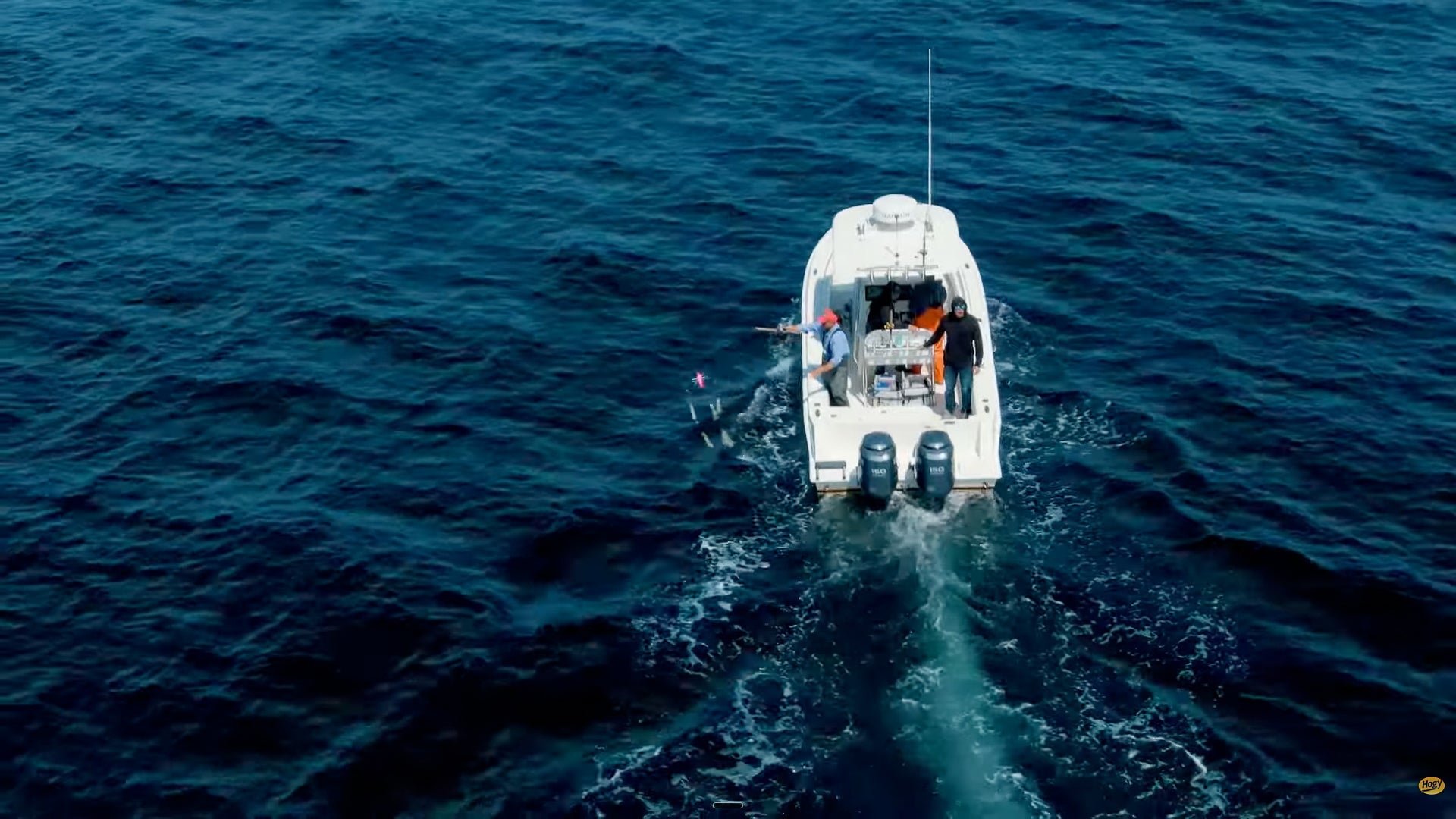
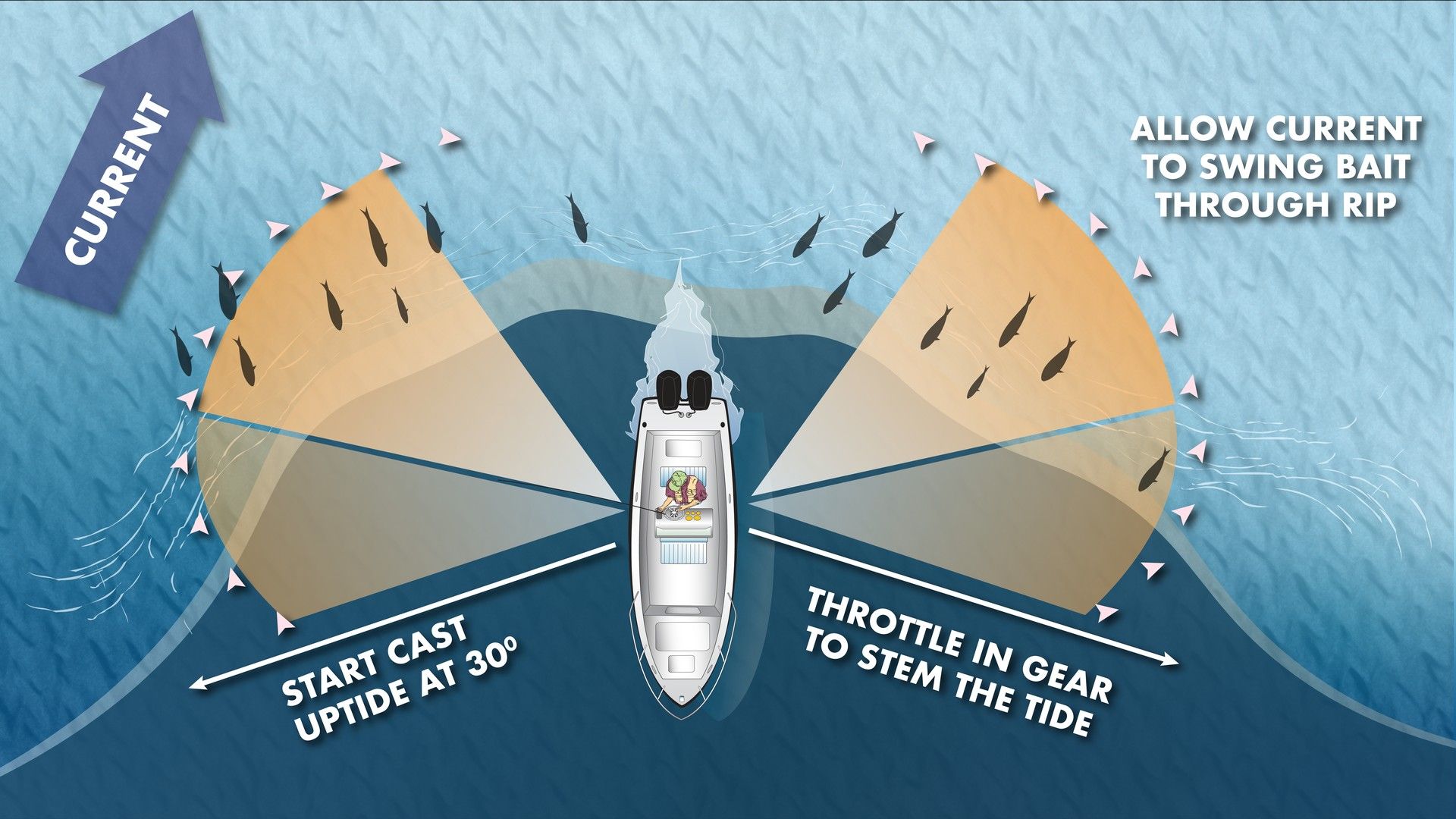
The approach at Monomoy is stem the tide, fish the swing — hold position in front of the rip with just enough forward motion to resist the current, cast uptide into smooth water, and work the Surface Eraser as it sweeps toward the rip edge. Repositioning follows a specific rule: come out at least 100 yards before motoring back up. A straight run up the rip edge spooks fish and disrupts other anglers. Go wide.

MH
Capt. Mike Hogan

“As the tide increases to peak and as the current subsides, I noticed you want to keep hopping further down the rips in the direction of the current. We started on the first rip at Burrows Shoal, then the second rip, then here. Follow the rip series down. That’s how you keep peak fishing action all morning.”

Approach — step by step
1
Start on the first productive shoal in the series. With the tide developing, the earliest rip often fires first. Position in front of it and work the edge while monitoring action up and down the chain.
2
Stem the tide — hold position with just enough throttle. The bow stays pointed into the current, engine in gear at just enough RPMs to hold station. You should feel like you’re barely moving. The current does the work on the lure.
3
Cast uptide into smooth water, fish the swing. The lure enters the rip in a horizontal, broadside position for the full-body strike. Casting into the rip turbulence directly puts the lure in vertical — fish hit it but miss more often.
4
Reposition: 100 yards minimum before motoring back up. A football field’s length out from the rip edge before turning. Wide loop, slow re-entry. The rule: if you can cast and reach another angler’s position, you’re too close.
5
When the bite tapers, slide down the rip series. Don’t wait for fish to come back. The current has moved the peak action to the next shoal down-tide. Slide, set up, fish. Repeat until you’ve worked the full chain.
B1100 Stem the Tide — Monomoy rip approach

B1100 Stem the Tide — hold position in front of the rip, cast uptide into smooth water, swing horizontal into the rip edge. When the bite tapers, slide to the next shoal down-tide.

Step 4 output
Stem the tide, cast uptide, fish the swing. 100-yard minimum on resets. Follow the series down-tide as the peak shifts. Slow, deliberate re-entry. Don’t stop closer than casting range to another angler.
Step 5Gear, Lure & Technique

The Hogy Surface Eraser — five retrieves, one lure

Casts like a plug, fishes like a soft bait. The first lure out of the bag on a squid rip.

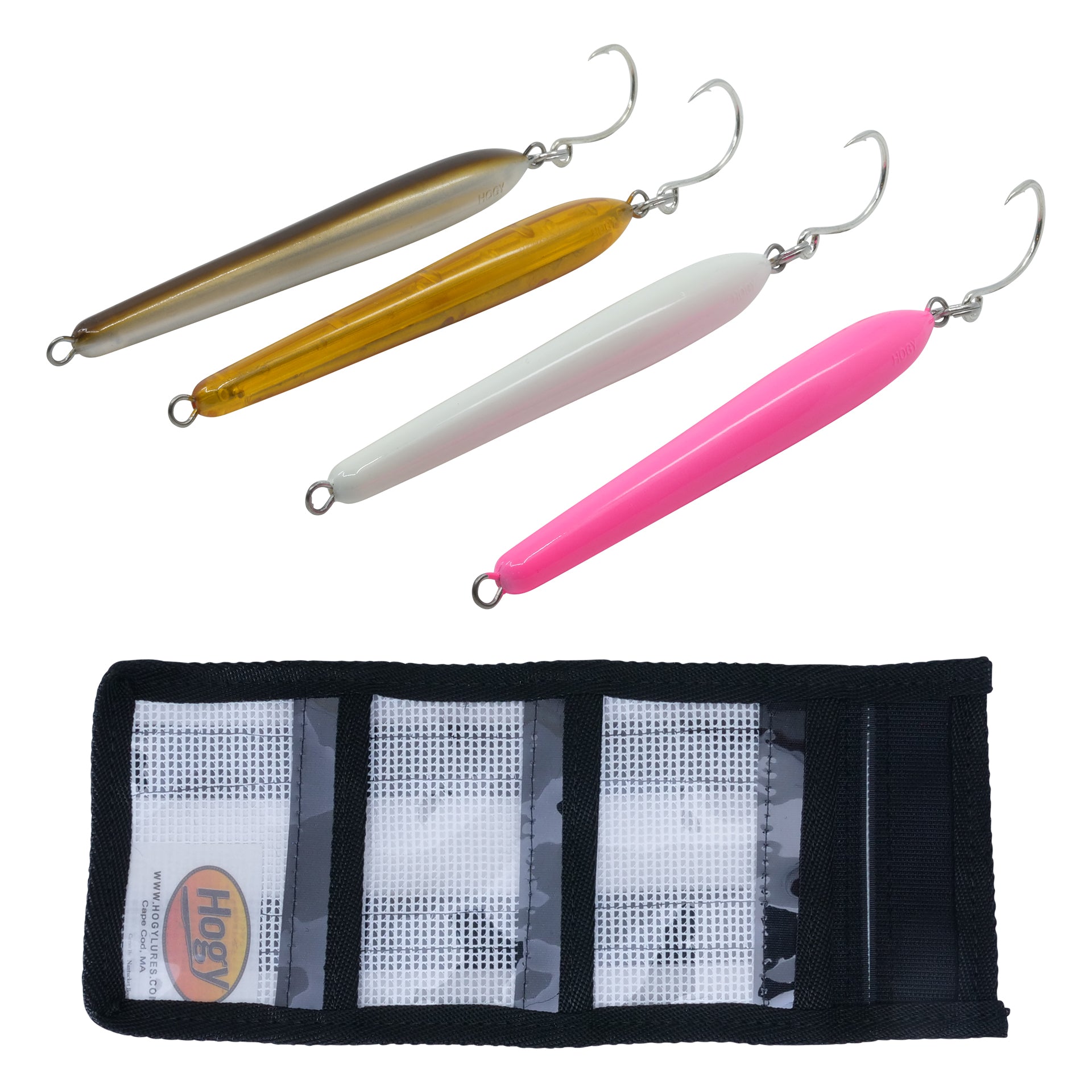
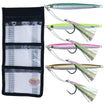
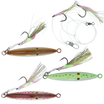
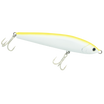
The Hogy Charter Grade Surface Eraser is a 5″ 1.75oz surface plug built for distance casting with the retrieve versatility of an unweighted soft bait. The through-wire construction handles large fish. The profile matches a medium squid — translucent amber or bone, the natural squid colors — and it can be fished at any speed from a full walk-the-dog to a dead drift with zero input. It’s Mike’s first-choice lure for a Monomoy squid rip precisely because it never needs to be swapped: cycle through retrieves until you find what the fish want today.

The System
Through-wired 5″ surface plug that casts like a traditional plug but fishes with the retrieve flexibility of an unweighted soft bait. Small and light relative to its length, which allows twitching, dead drifting, walking, and skipping from the same lure without a rig change. Mike’s words: “Perhaps the most practical lure in my tackle box to put on first when rip fishing stripers on squid.”
Color
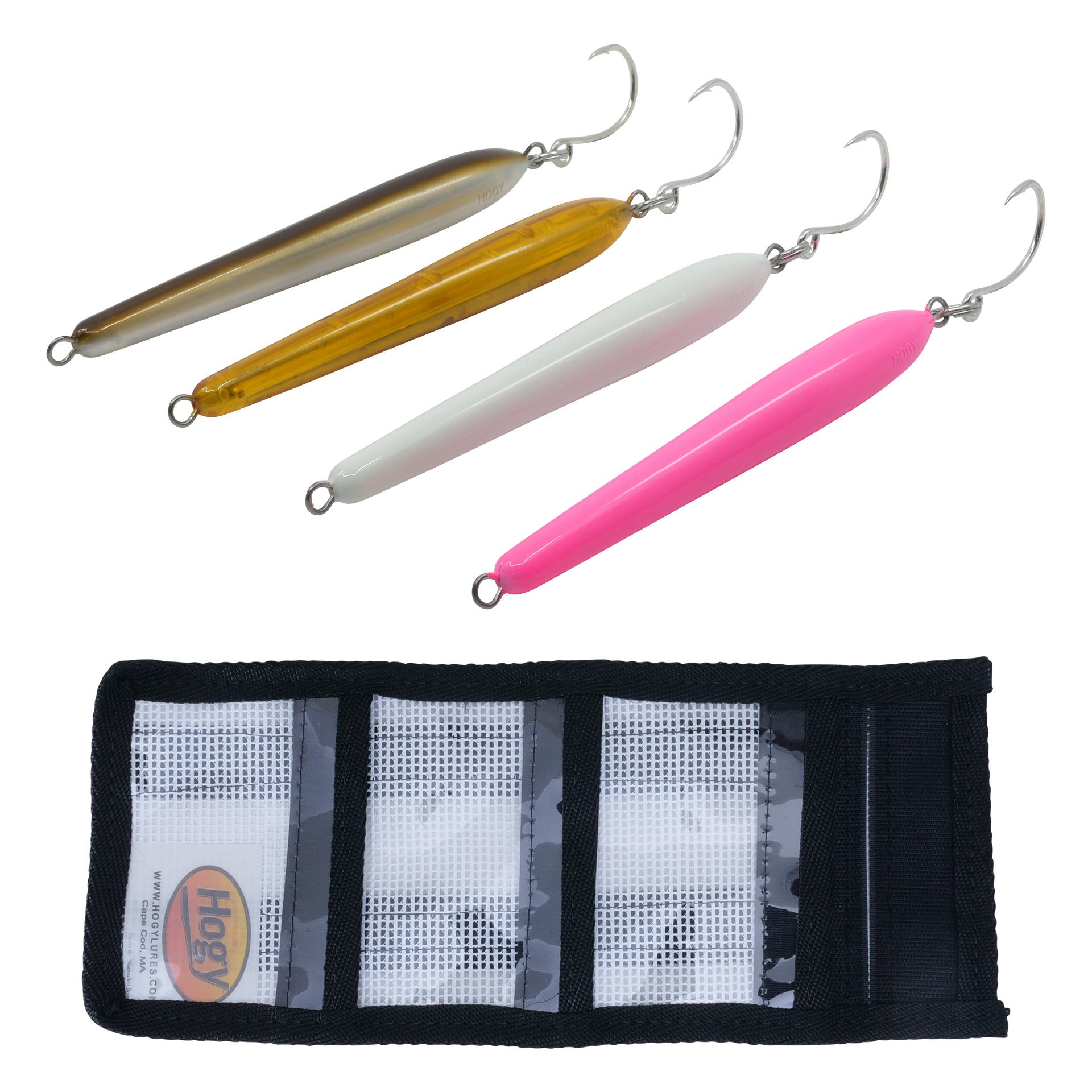
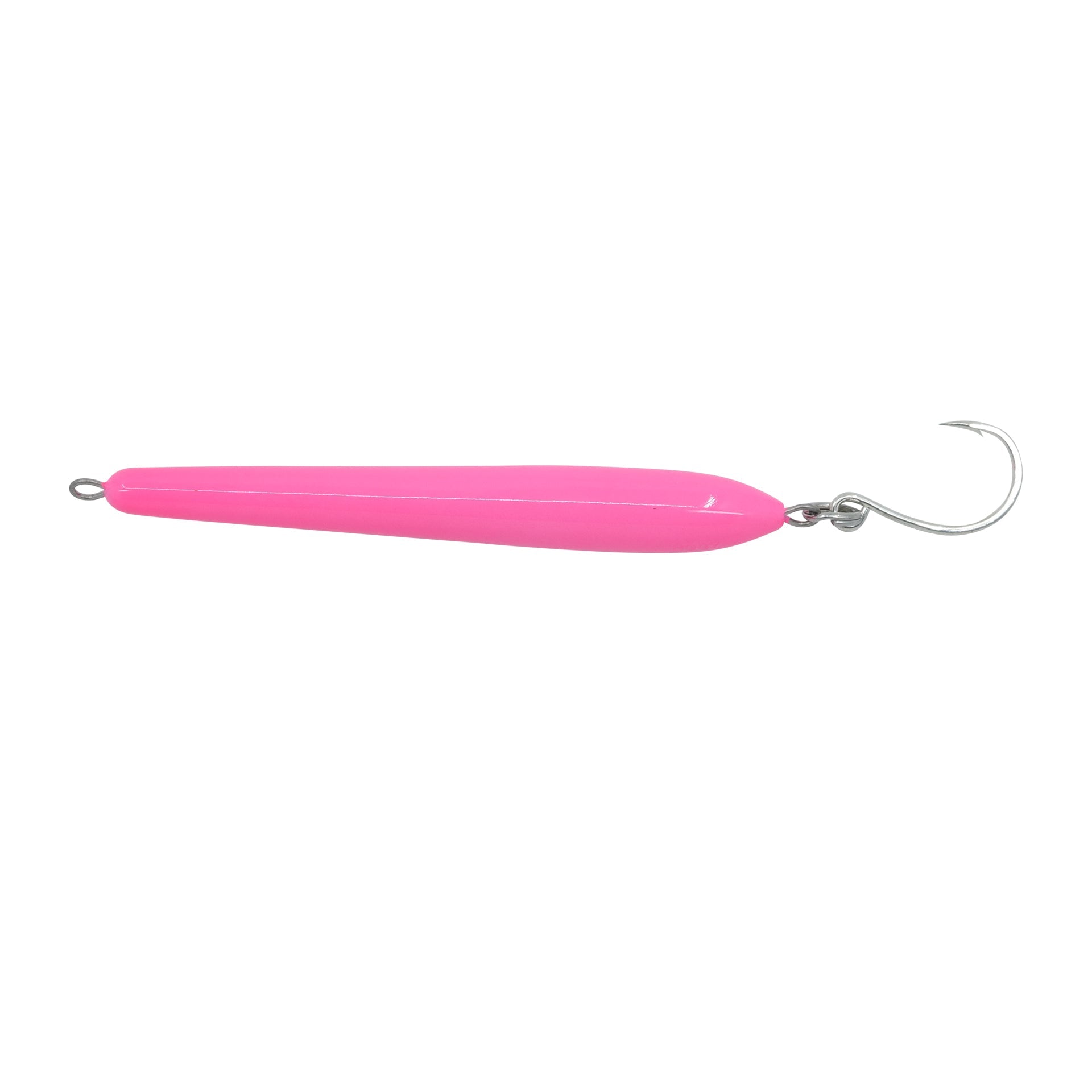
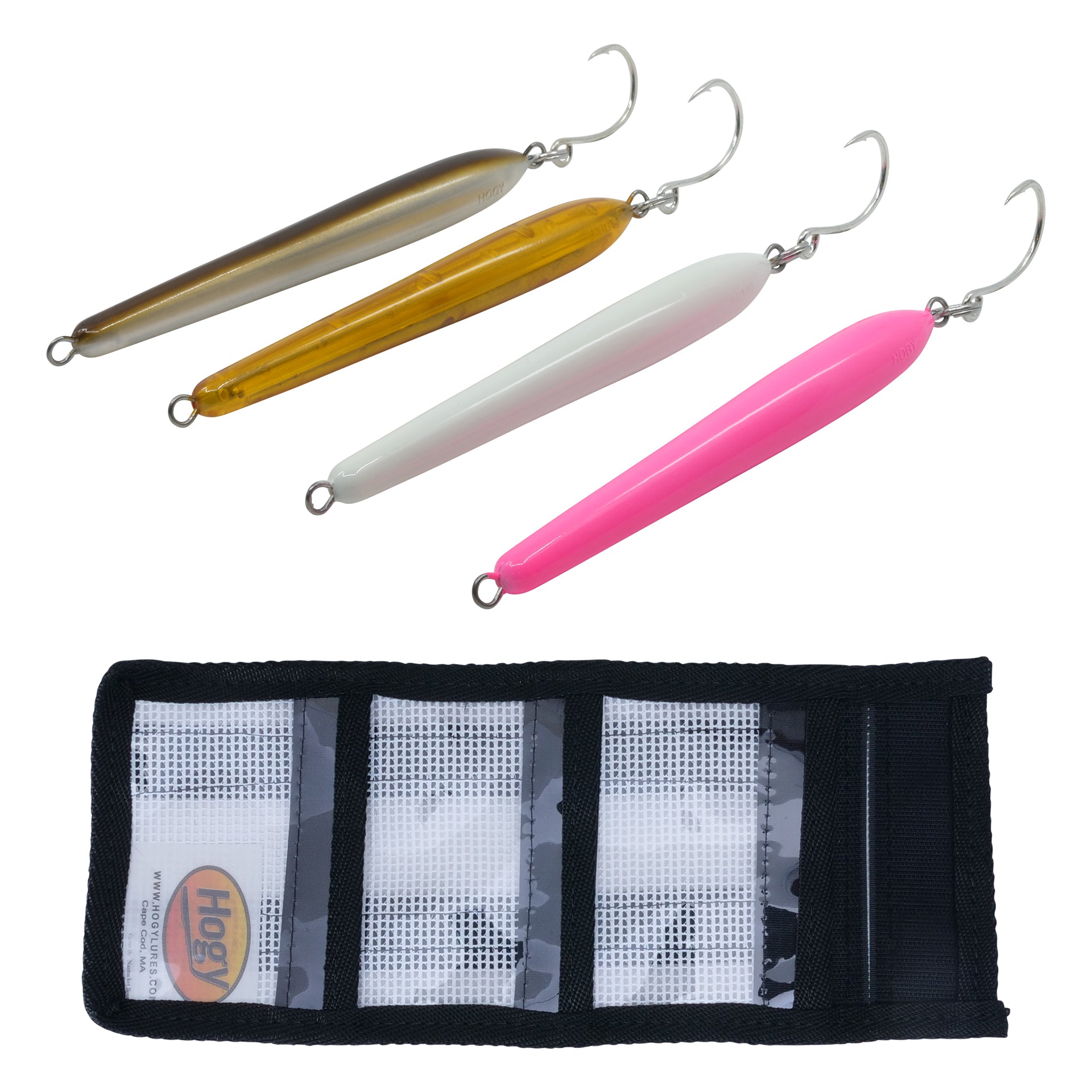
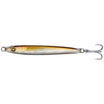
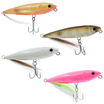
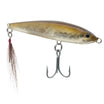
Amber: most natural squid imitation — translucent, shifts from vivid in sun to muted in low light. Start here on a squid bite. Bone: worked all morning alongside amber, slightly brighter profile. Pink: attractor color when tide slackens and fish spread — still on the squid spectrum but grabs attention at slower current speeds.
Five Retrieves
  • Dead Drift (R500): Zero input — plug floats in the current. Produced the first fish of the morning. Start here at the beginning of the session or when the tide is just developing.
  • Twitch-Pause (R100): Short twitches, deliberate pauses. Basic activation retrieve when fish need a little more movement than the dead drift provides.
  • Walk-the-Dog (R1600): Side-to-side surface walk. For aggressive feeding conditions when fish are committing hard.
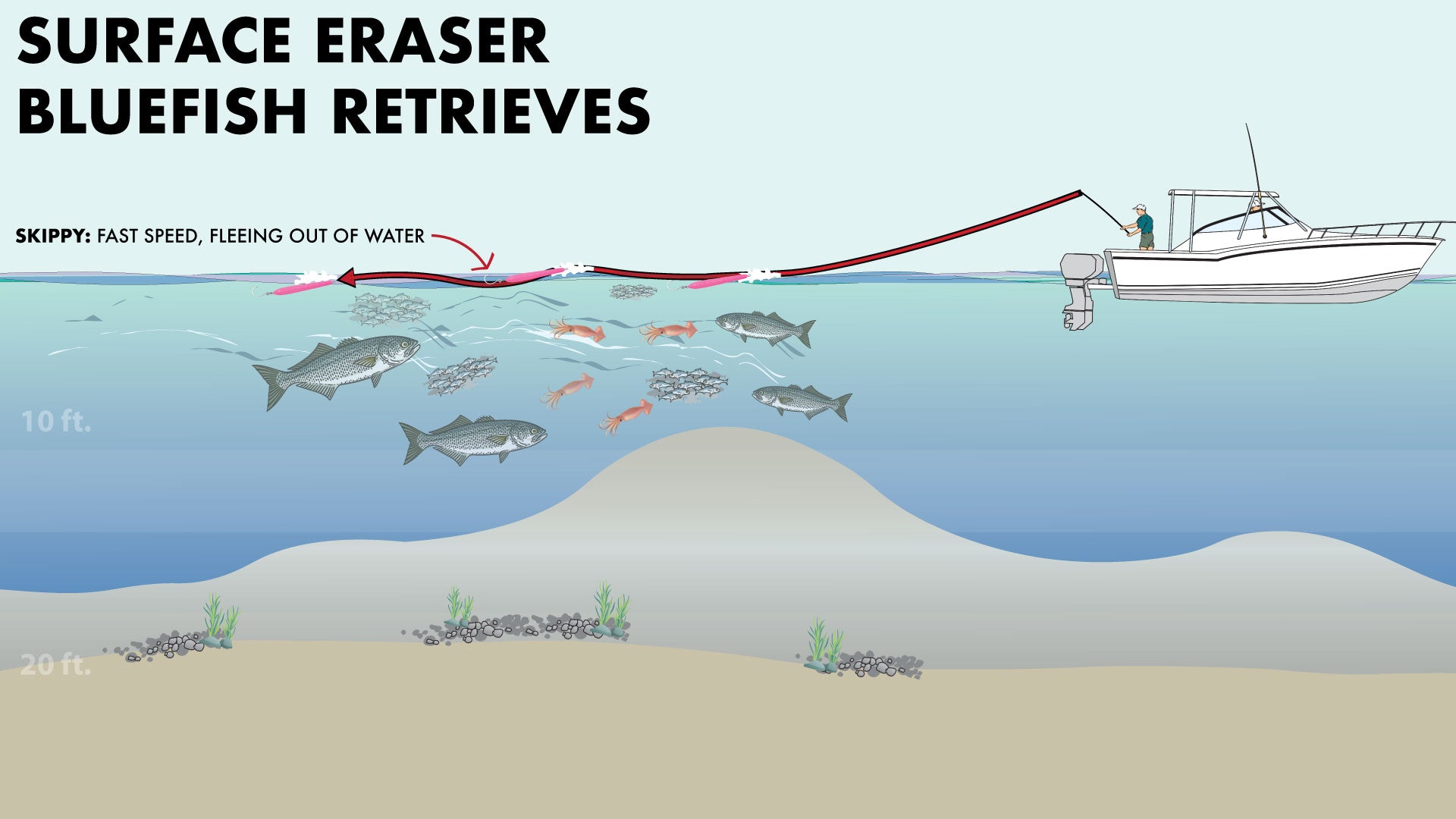
  • Skippy (R400): Fast skip-and-pause along the surface. Works when fish are up and chasing in faster current or when the bite is aggressive.
  • Eraser Slow Jigging (R2501): Allow the plug to sink slightly below the surface, then lift — sub-surface slow jig when fish are just under the film. Unique to the Surface Eraser’s weight.
Speed
Start slow — dead drift or twitch-pause. Let the fish tell you which speed they want today. The advantage over a popper or hard plug is that the Surface Eraser is effective across the full range without losing action at either extreme.
Limitations
In very strong current, the dead drift and slow retrieves can sweep the lure too fast through the zone. In that scenario, switch to a heavier plug that can be worked slower against the current. The Surface Eraser shines in moderate to light current where its light weight gives it the advantage.
Rigging
  • Light tackle: 4000-class spinning reel, 20lb braid, 20lb fluorocarbon leader. The lighter setup balances the 1.75oz lure perfectly and maximizes feel for the dead drift.
  • Tie direct to leader — no snap. Snaps add weight and affect the dead drift behavior.
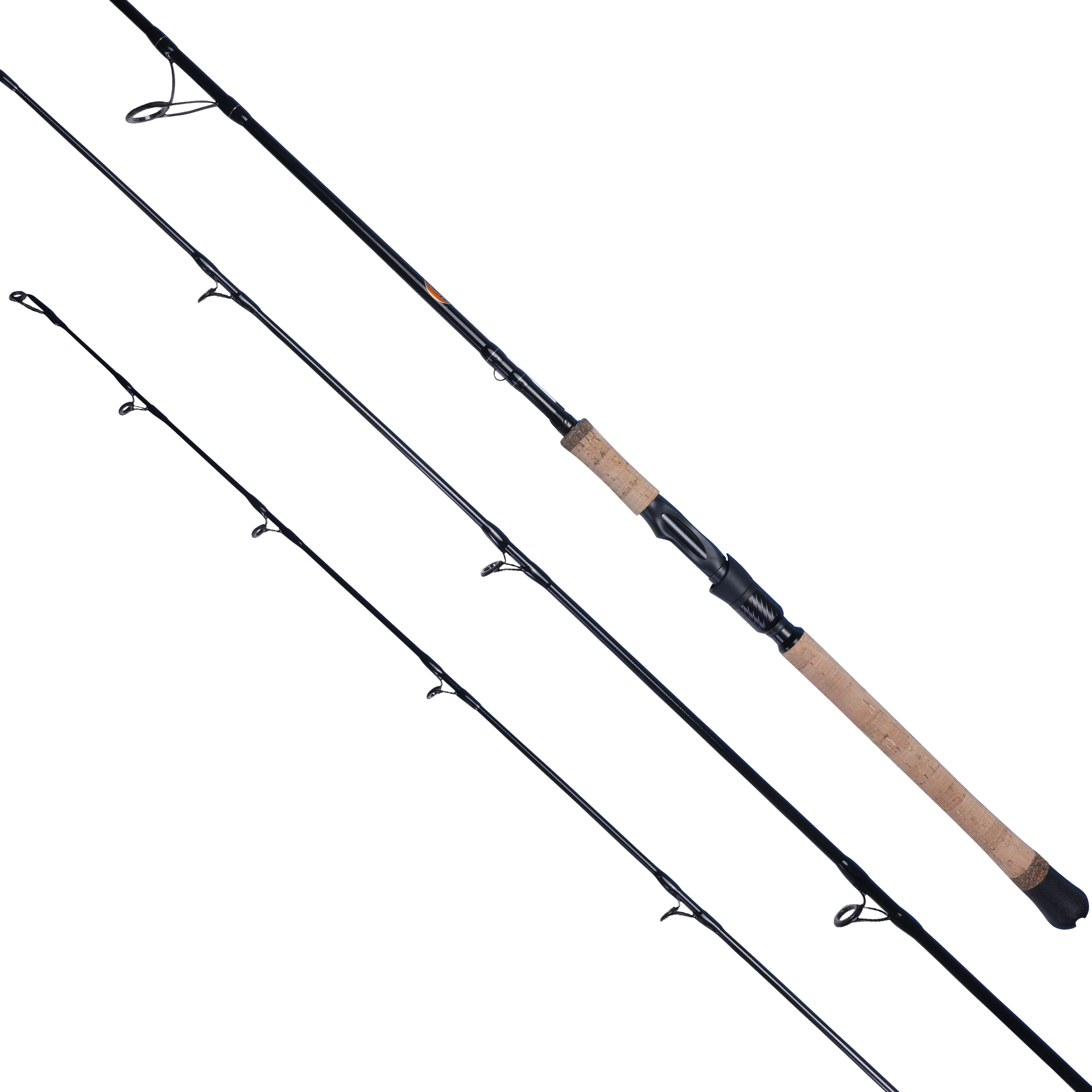
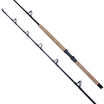
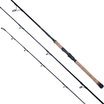
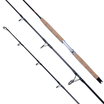
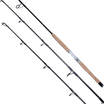
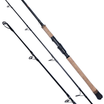
  • Hogy System Inshore Medium rod, 7ft — moderate parabolic action, ideal for this lure weight and for absorbing the boat rocking in chop.

The three primary retrieves — with diagrams
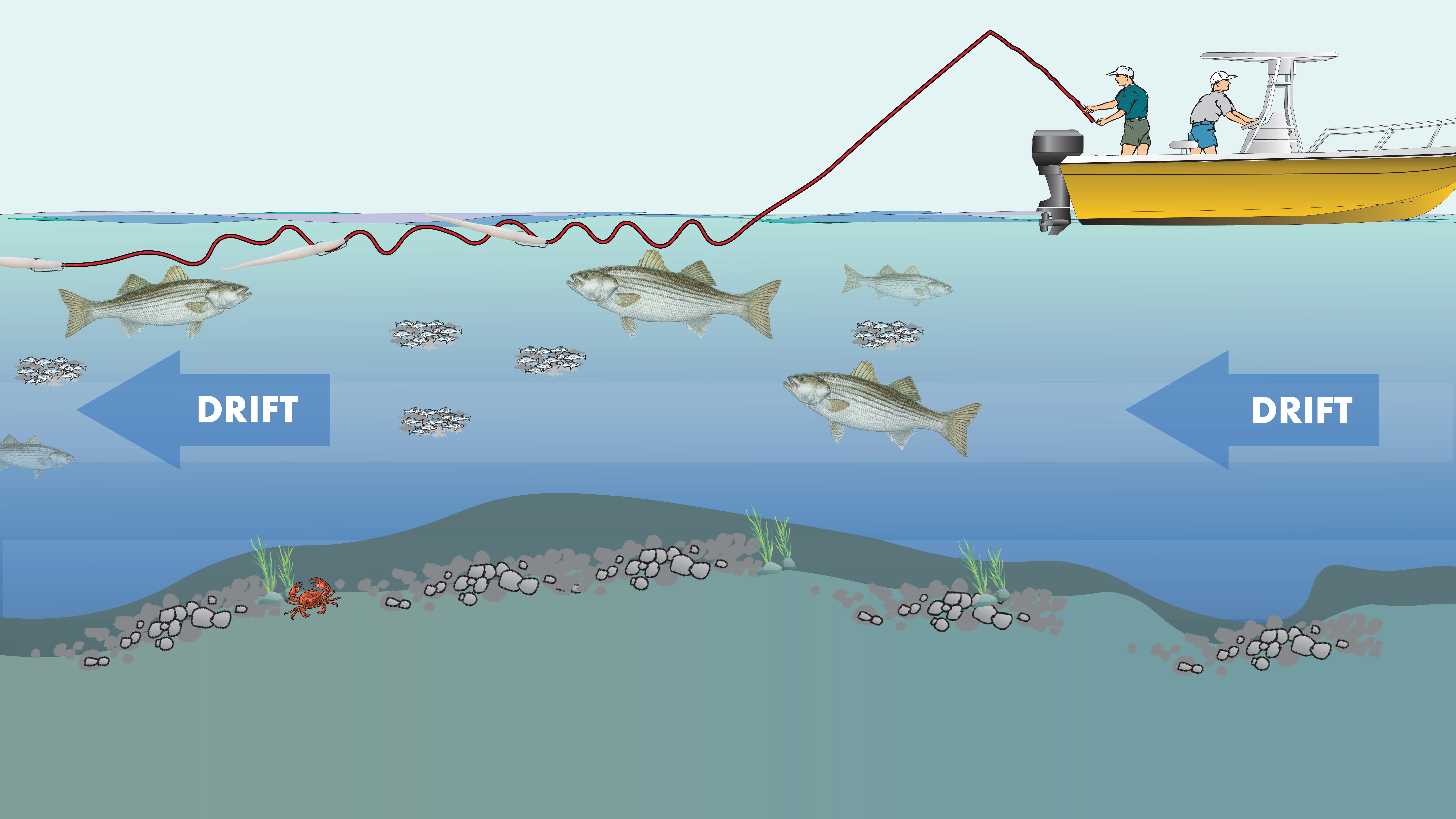
R1600 Walk-the-Dog — Surface Eraser striper

R1600 Walk-the-Dog — side-to-side surface walk for an aggressive squid rip bite. Cast uptide, work the plug as it swings into the rip, rod tip down as the lure approaches.
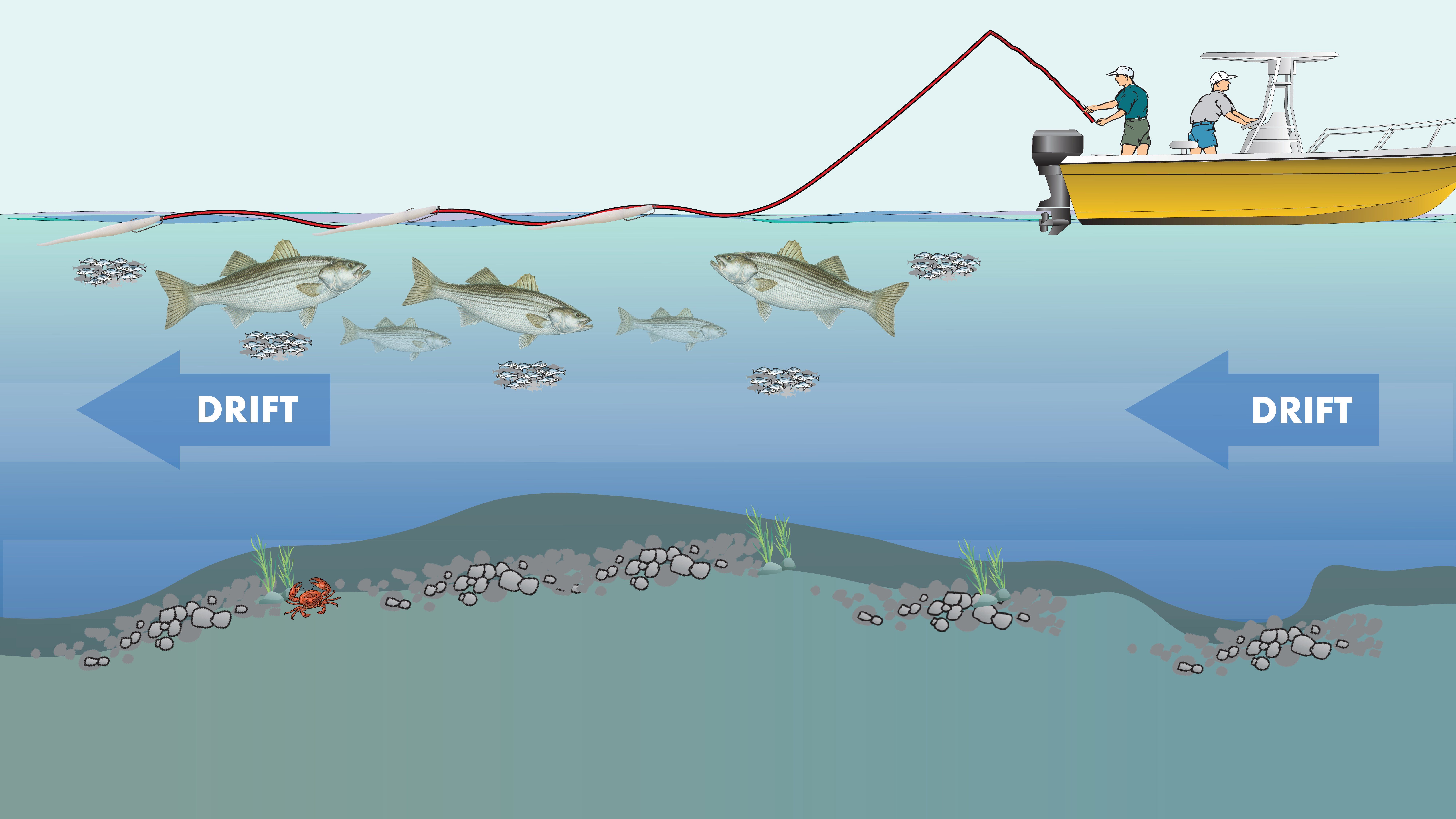
R400 Skippy — Surface Eraser striper fast retrieve

R400 Skippy — fast surface skip for when fish are up and chasing. Works well when the tide is fully running and fish are committed to moving targets.
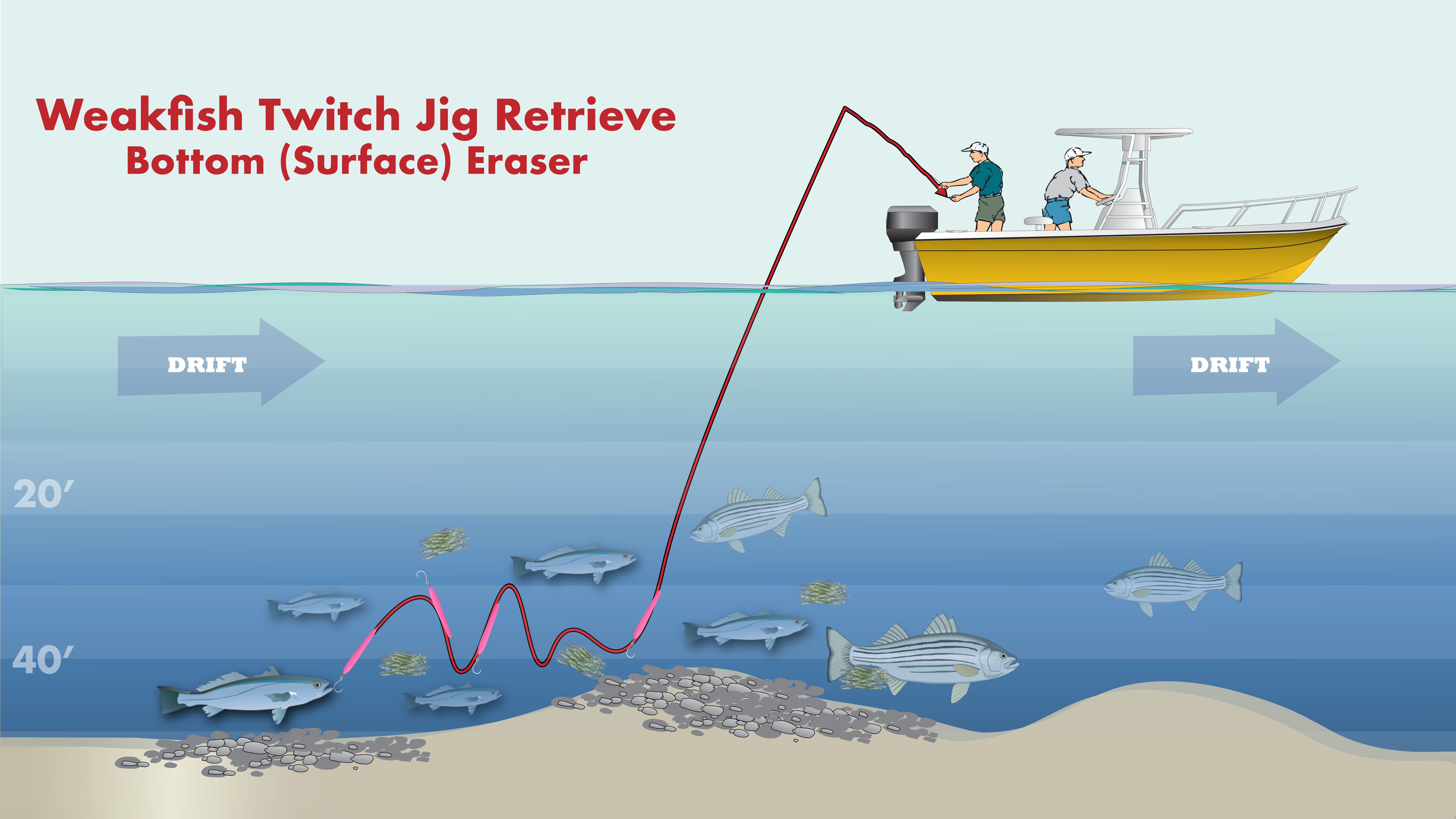
R2501 Eraser Slow Jigging — sub-surface retrieve

R2501 Eraser Slow Jigging — let the plug sink slightly below the surface, then lift. For fish feeding just under the film rather than on top.

The lacrosse cast — keep lures outboard

MH
Capt. Mike Hogan — Casting Tip

“What I call the lacrosse cast: set up like you’re going to cast righty, roll your hands over backwards, and let it rock. Same distance, same accuracy — but the lure goes outboard. Keep lures outboard of the boat. Always.”

Outfit

Light Tackle Rip Loadout
Lure
Hogy Charter Grade Surface Eraser 5″ — Amber + Bone. Start amber, add bone as the session develops.
Rod
Hogy System Inshore Medium 7ft — moderate-fast action, parabolic secondary bend. Handles lures from 3/8–2oz. Very forgiving in chop.
Reel
4000-class spinning — Daiwa Saltist or equivalent. Balances the 1.75oz Surface Eraser perfectly.
Line
20lb braid + 20lb fluorocarbon leader. Lighter than a popper setup — the Surface Eraser’s dead drift needs less weight in the system to behave naturally.
Primary retrieve
Dead drift first, then twitch-pause. Escalate to walk-the-dog or skippy if fish want speed.

The decision at a glance

Signal from the SystemDecision
Squid in the water, tide developingAmber Surface Eraser. Dead drift first cast — let the current do the work before trying retrieves.
Fish not responding to active retrievesDead drift. Zero input. Let the plug float. That’s how the first fish of this session ate on the first cast.
Tide honking, fish up and aggressiveWalk-the-Dog or Skippy. Match the energy of the bite. Don’t slow-fish an aggressive feed.
Bite tapering at current ripSlide down the series. The current has shifted the peak bite to the next rip down-tide. Follow it.
Tide slackening, fish spreadSwitch to pink. Attractor color on the squid spectrum. Larger profile of the popper may also be worth trying when fish are searching.
Repositioning after drift100 yards minimum off the rip before motoring back up. Wide loop, slow deliberate re-entry. Not straight up the edge.
Two anglers in the stern / bowLacrosse cast for the righty in the stern — roll hands over, cast outboard to starboard. Keep lures outboard of the boat at all times.
Step 5 output
Hogy Surface Eraser 5″ amber and bone, 20lb braid, 20lb fluoro, tied direct. Dead drift first — zero retrieve, current does the work. Slide the rip series as the peak shifts. Bent rods all morning.
Putting it together
Dead drift, first cast

Step 1 set the context: Monomoy’s rip series, squid in the water, a tide series that requires following the peak bite from shoal to shoal as the current develops. Step 2 confirmed building tide and wind-up conditions — action will improve through the morning, multiple retrieves needed early. Step 3 delivered the unlock on the first cast: the dead drift, zero retrieve, plug floating in the current, ate immediately. That’s the Surface Eraser’s signature advantage. Step 4 built the approach: stem the tide, fish the swing, 100-yard minimum repositioning loop, and follow the series down-tide as the bite shifts. Step 5 closed it out: Hogy Surface Eraser 5″ amber, 20lb light tackle, dead drift to start, escalate retrieve speed as the tide and bite developed. Bent rods all morning. Mission accomplished before the afternoon wind.
Also in the series
Poppers on a Squid Bite at Monomoy — Pink Beats Amber in the Fog
Same rip, same squid, different lure — and the color call that defined that session.
Striped Bass Surface Eraser Monomoy Rip Series Stem the Tide Dead Drift Squid Summer Inshore S2024 Capt. Mike Hogan Cracking the Code

Reading next

Cracking The Code: Light Tackle Bluefin - The Gully
Crack The Code: Monomoy Rips Topwater Striper

Leave a comment

All comments are moderated before being published.

This site is protected by hCaptcha and the hCaptcha Privacy Policy and Terms of Service apply.

Related Videos

Finicky Striped Bass On Surface Erasers

In this video, Captain Mike shares his expert techniques for targeting finicky stripers feeding on small, slow-moving bait. High wind conditions required long-distance casting and precise control, while boat-shy stripers needed a subtle approach to avoid spooking them. The Hogy Charter Grade Surface Eraser was the effective lure of choice, known for its long casting distance, soft bait-like action, and high durability. This lure imitates small baitfish and can be fished slowly or just below the surface.

Finicky Striped Bass | Micro Bait | Surface Erasers

Captain Mike joins Captain Ray Jarvis for a striper fishing session in Buzzards Bay, discussing their techniques for early-season fishing. They use a 'Walk & Gun' approach to drift towards schools of fish, utilizing light tackle and slow retrieves with the Hogy Surface Eraser. The focus is on distance casting and subtle movements to attract finicky fish. The fishing conditions are windy, and they adjust their tackle accordingly for better results, emphasizing humane catch-and-release practices

Casting SMALL Surface Plugs for Striped Bass | NEW Hogy Surface Eraser

In this video, Capt. Mike joins Capt. Mike Zammito of Godspeed Charters for a day of fishing the rips off of Monomoy for Striped Bass. The name of the game was downsizing our topwater offerings to match the small forage the Striped Bass were feeding on. The NEW @HogyLures Surface Eraser allowed for various retrieves and long distance casting, which was perfect for targeting these finicky Striped Bass!

How To: Topwater Fishing for Bluefish | NEW Hogy Surface Eraser

In this video, we joined Hogy Pro Staffer, Capt. Matt Perachio of Tighten Up Charters, for a day of non-stop topwater fishing for bluefish. The name of the game was downsizing our topwater offerings to imitate the small bait these bluefish were feeding on.

Related Blogs

CastingCrack The Code: Micro Squid Rips Finicky Stripers

Crack The Code: Micro Squid Rips Finicky Stripers

Cracking the Code: Four Retrieves on One Cast — Surface Eraser vs. Finicky Monomoy Stripers Striped Bass  ·  Monomoy Rips  ·  Mid-June Cracking the Code Capt. Mike Hogan &...

InshoreCrack The Code: Monomoy Rips Topwater Striper

Crack The Code: Monomoy Rips Topwater Striper

Cracking the Code: Poppers on a Squid Bite at Monomoy Striped Bass  ·  Monomoy Rips  ·  S2022 E6 Cracking the Code Capt. Mike Hogan  ·  Salty Cape TV powered by Hogy ...

InshoreCracking The Code: Monomoy Rips Striped Bass

Cracking The Code: Monomoy Rips Striped Bass

Cracking the Code: Surface Eraser on the Monomoy Squid Rips Striped Bass  ·  Monomoy Rips  ·  S2024 Cracking the Code Capt. Mike Hogan  ·  Salty Cape TV powered by Hogy ...

Bluefin TunaCracking The Code: Light Tackle Bluefin - The Gully

Cracking The Code: Light Tackle Bluefin - The Gully

Light-Tackle Bluefin  ·  The Gully  ·  S2025 E6 Cracking the Code Capt. Mike Hogan  ·  Salty Cape TV powered by Hogy Location The Gully — S. of Block Island Season Midsummer Species Bl...

Black SeabassCracking The Code: Deep Summer Seabass

Cracking The Code: Deep Summer Seabass

Cracking the Code: Deep Summer Sea Bass — Long Drifts, No Bait, 95 Feet Deep Summer Sea Bass  ·  Vineyard Sound Cracking the Code Capt. Mike Hogan  ·  Salty Cape TV powered b...

Black SeabassCracking The Code: Seabass Three Ways

Cracking The Code: Seabass Three Ways

Sea Bass Three Ways  ·  Eldridge Shoal  ·  S2025 E3 Cracking the Code Capt. Mike Hogan  ·  Salty Cape TV powered by Hogy Location Eldridge Shoal Season Early Summer Species Black Sea B...