




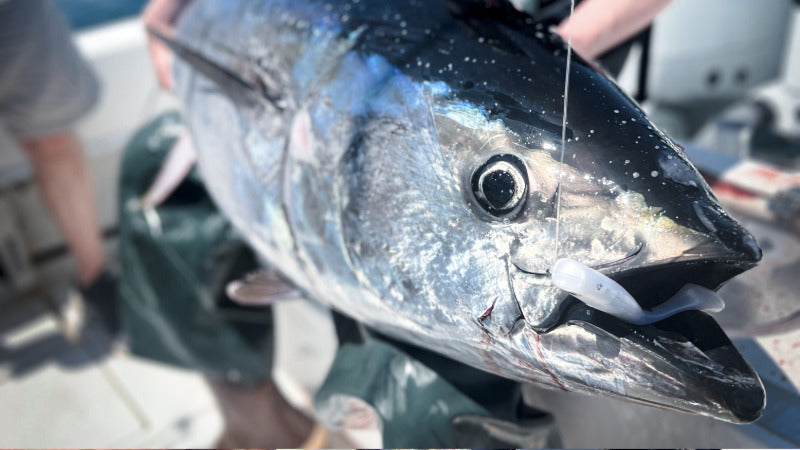
Bluefin Tuna

Cracking The Code: Light Tackle Bluefin - The Gully

Cracking The Code: Light Tackle Bluefin - The Gully

Light-Tackle Bluefin  ·  The Gully  ·  S2025 E6
Cracking the Code
Location
The Gully — S. of Block Island
Season
Midsummer
Species
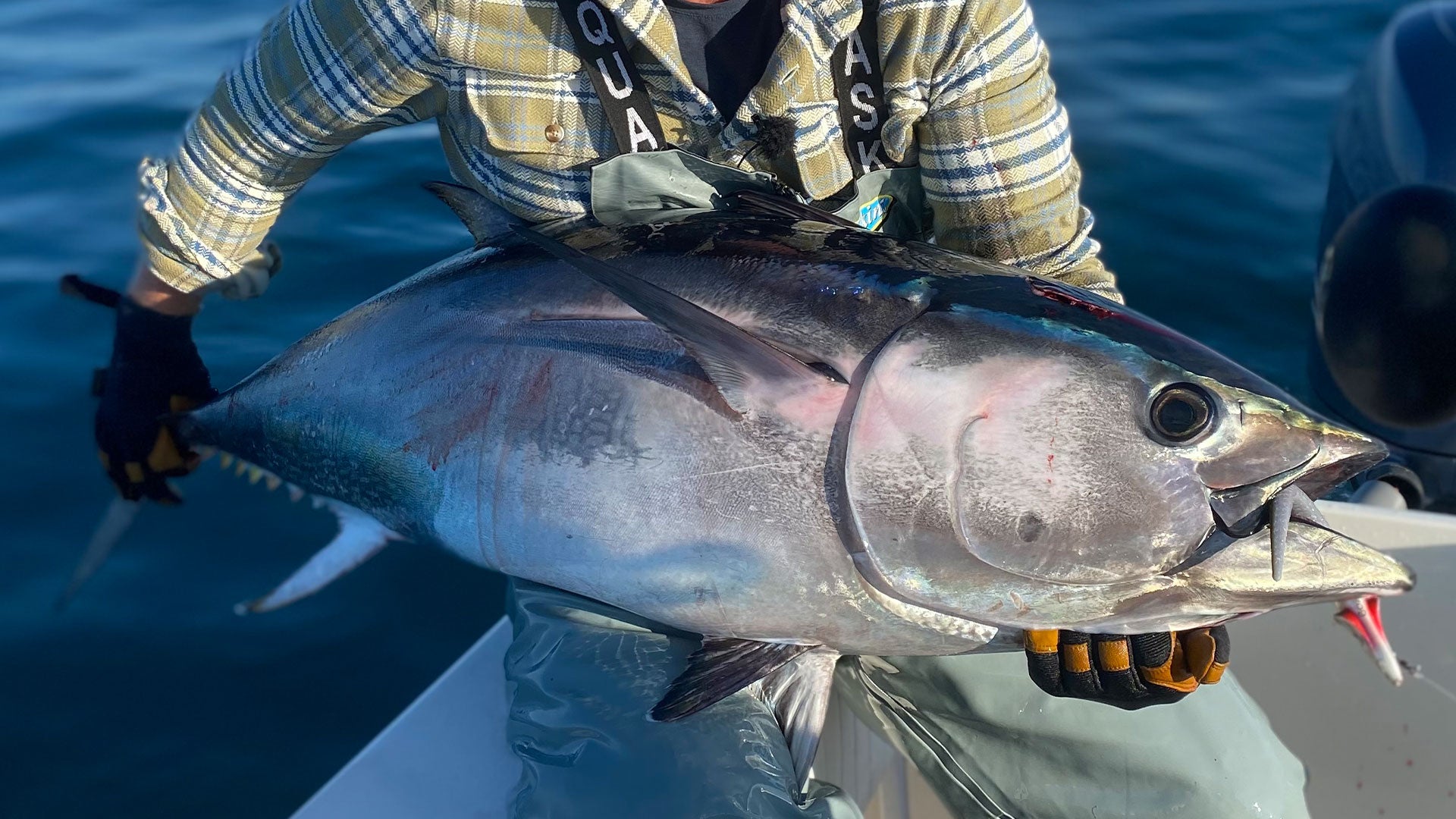
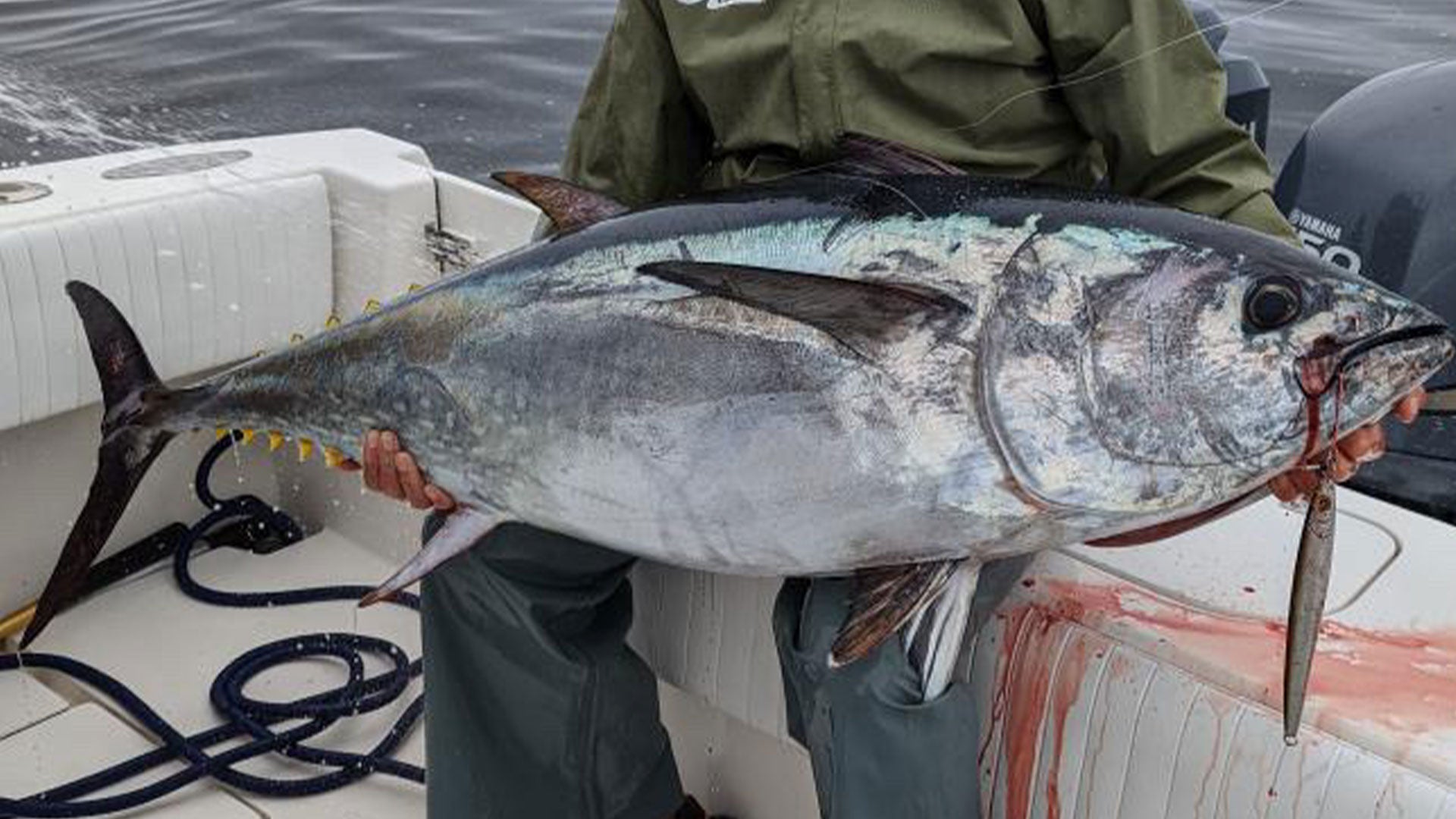
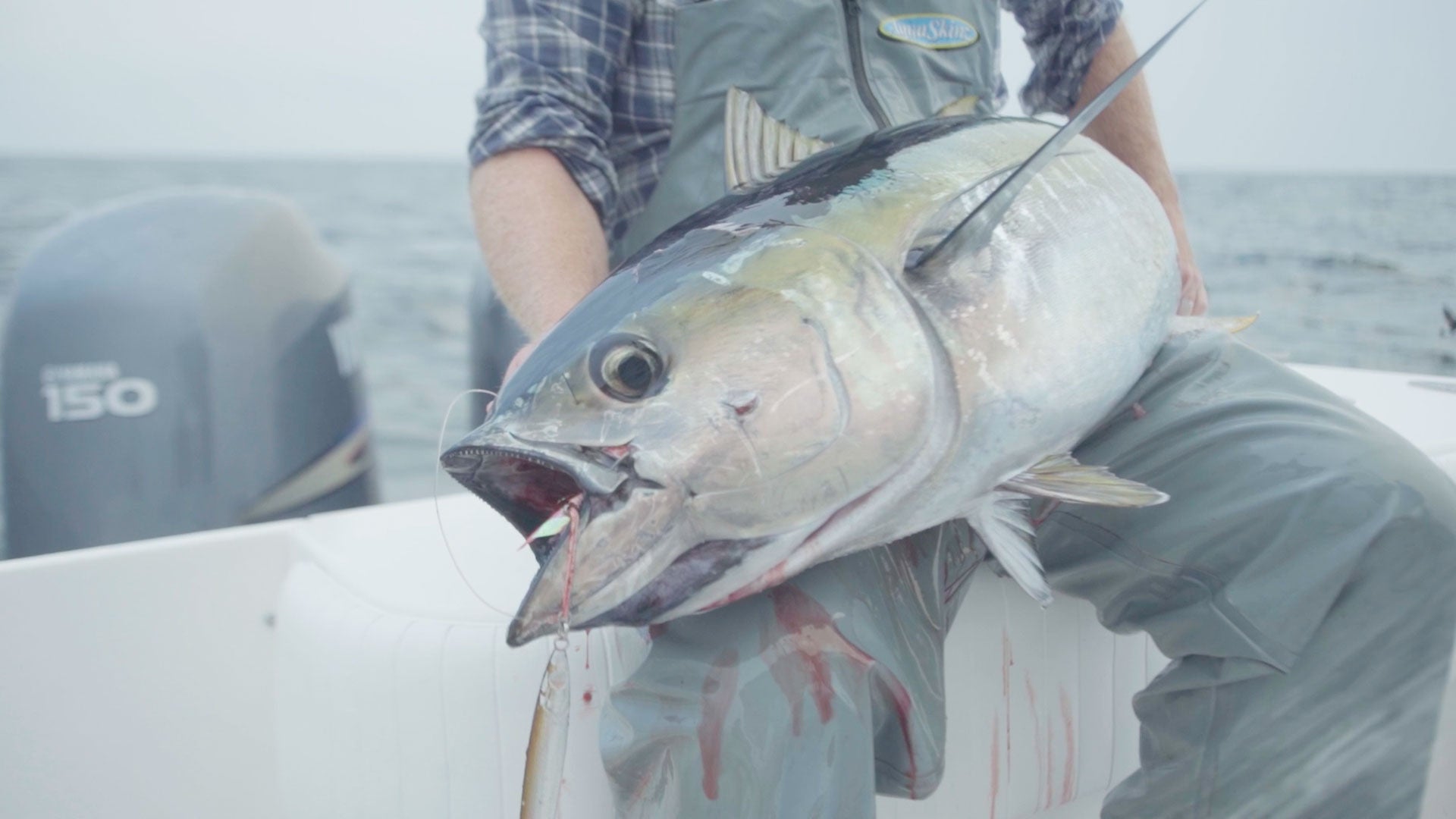
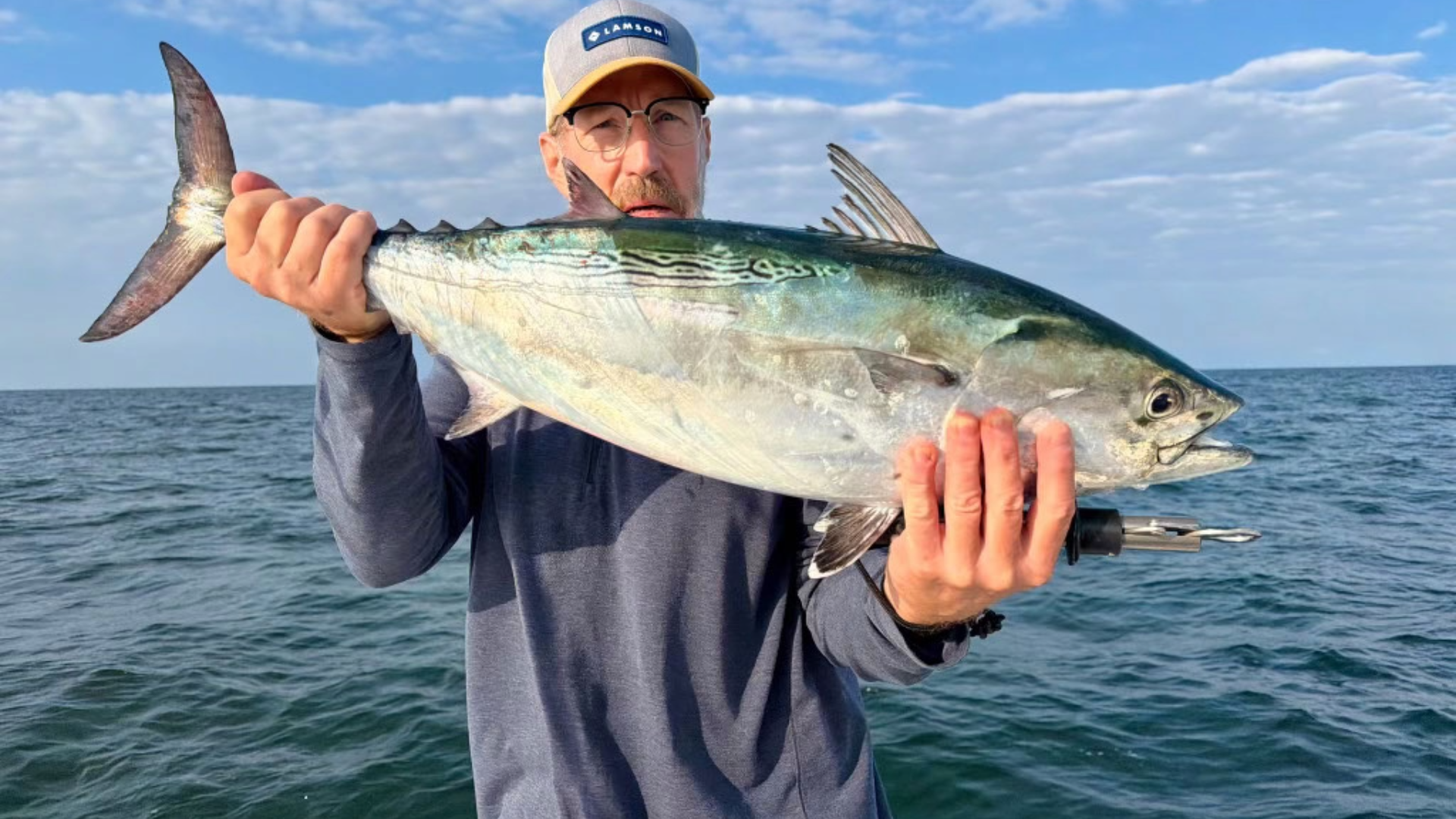
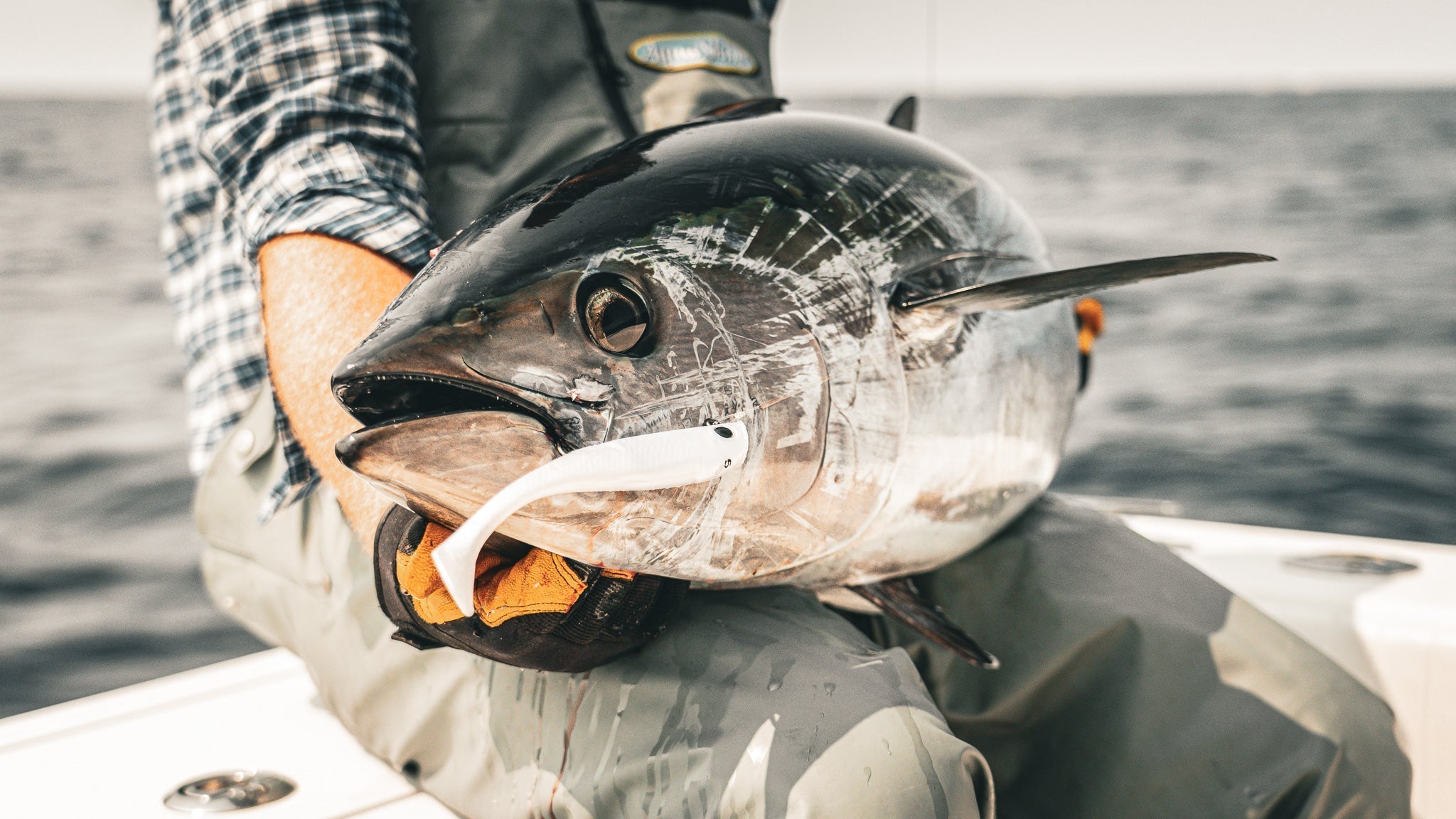
Bluefin Tuna 40–60lb
System
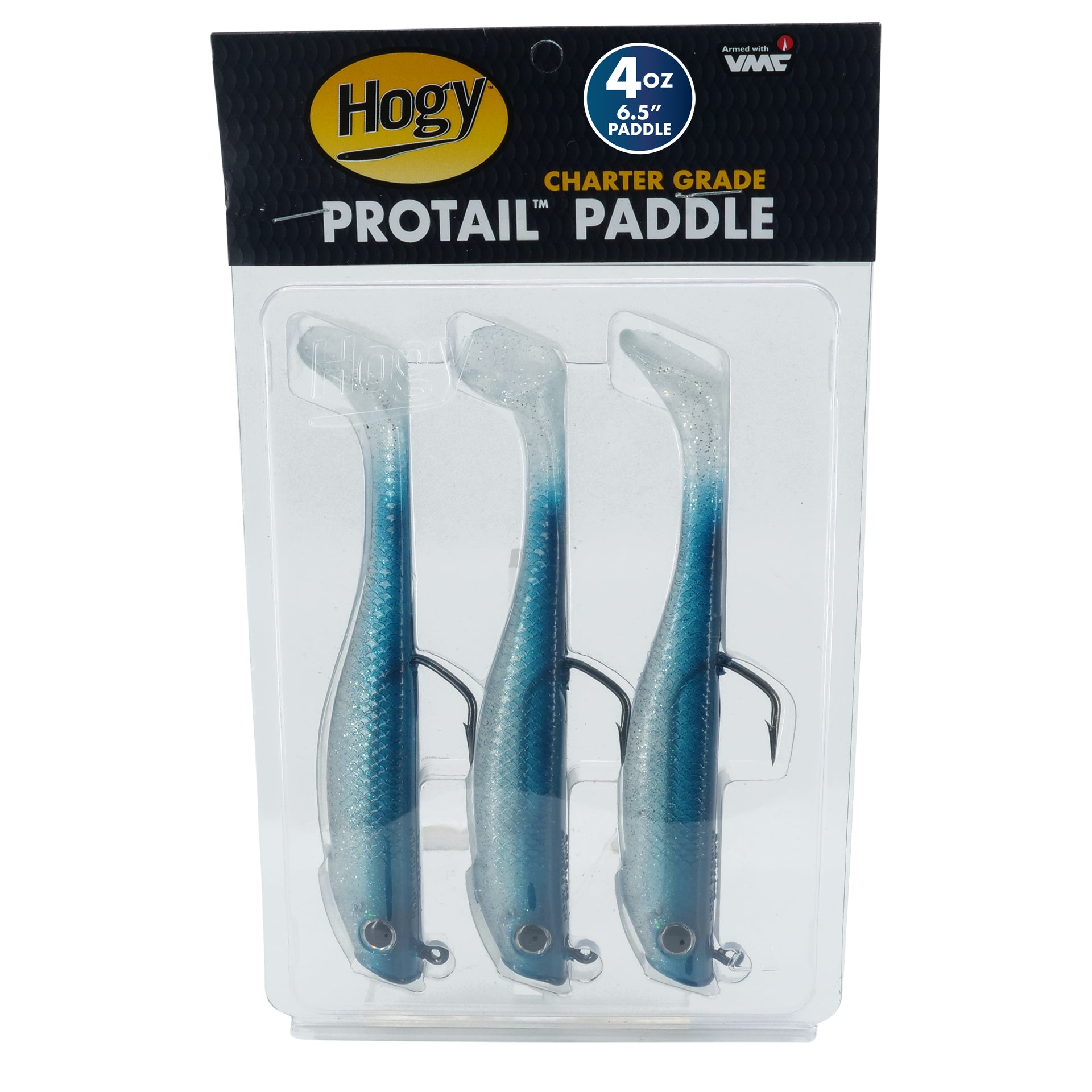
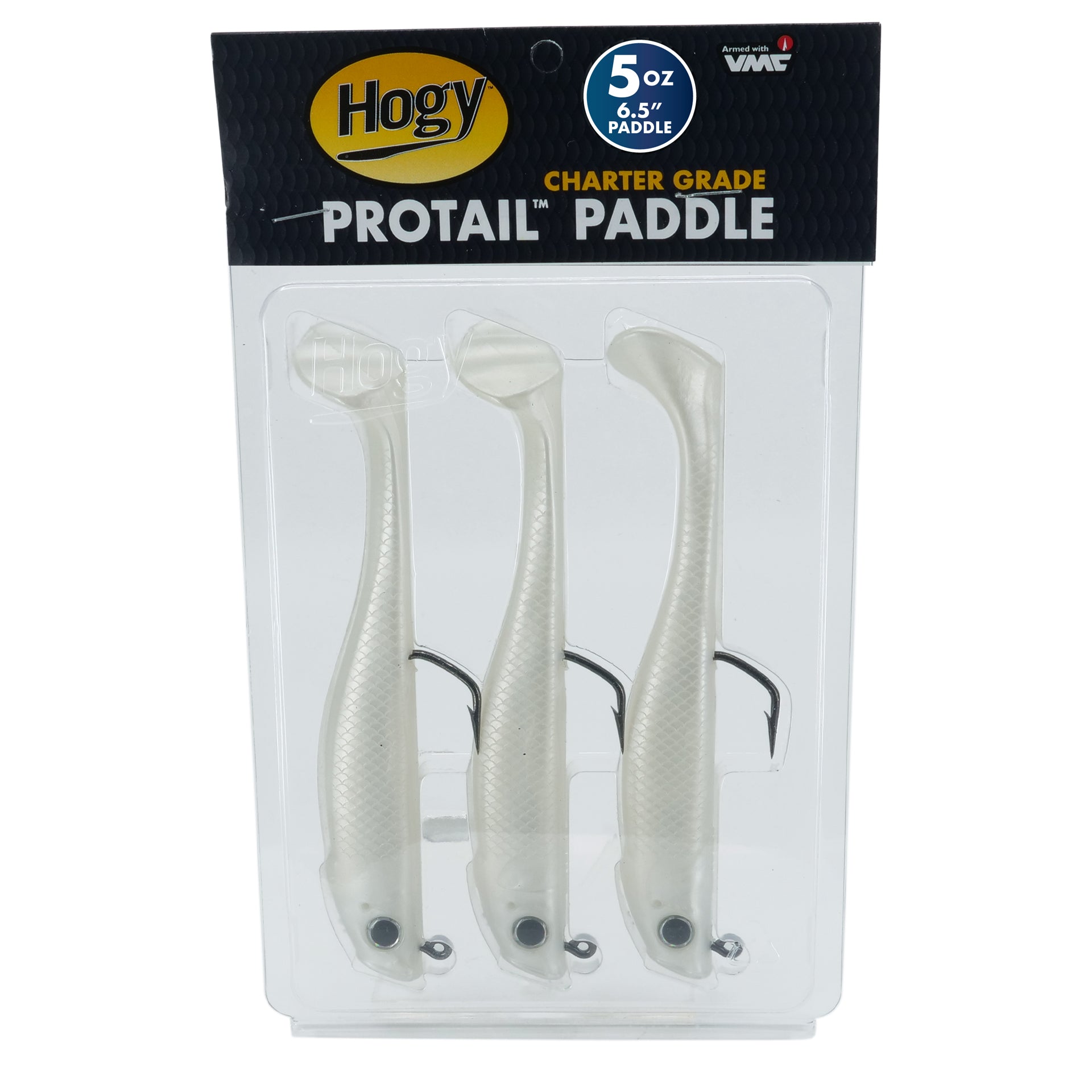
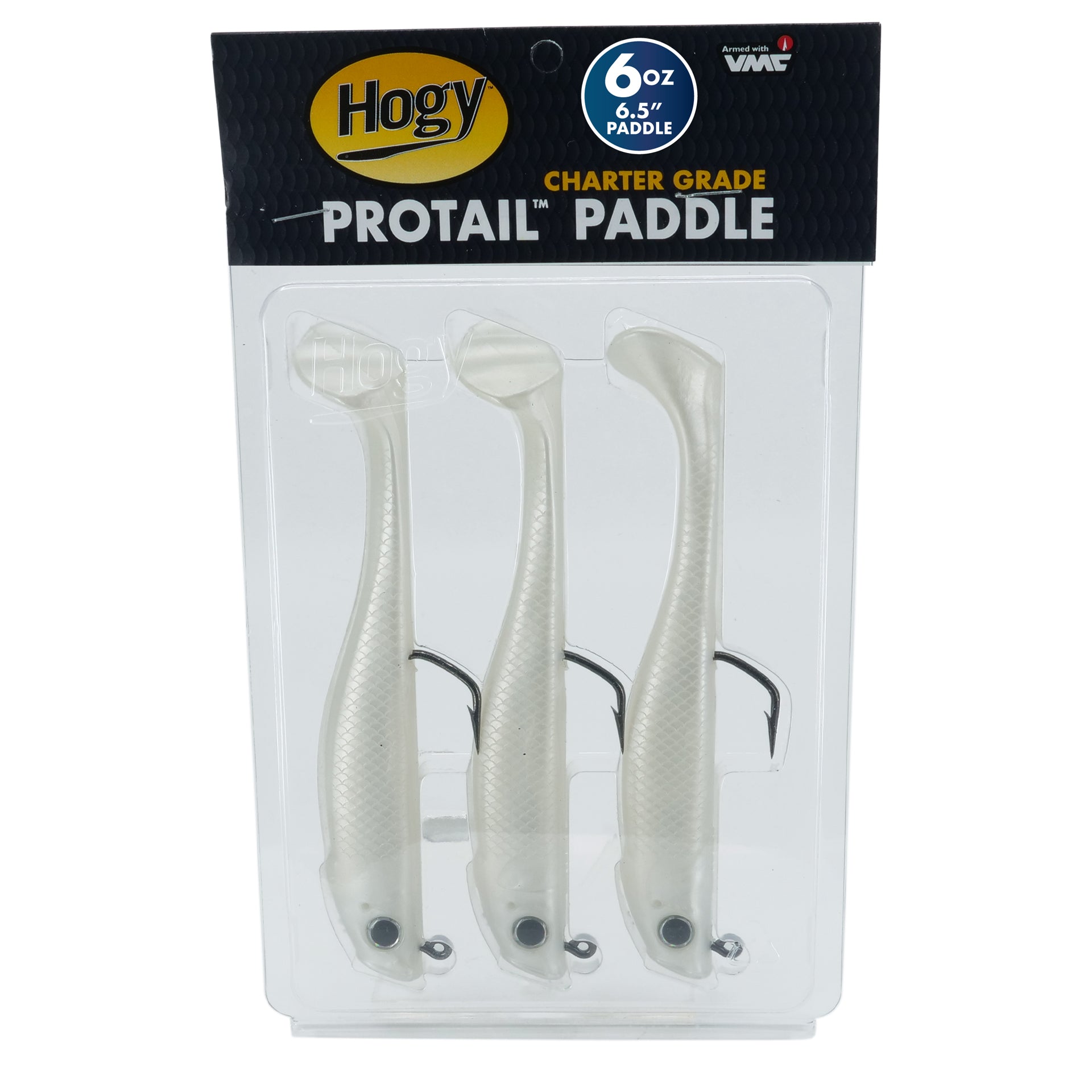
Hogy Protail Paddle 6.5″ 5oz
Depth
150' (Fish at 60')

Walk, Stop, Drop — Light-Tackle Tuna on the Protail Paddle

Scattered sand-eel-keyed bluefin at mid-column depth. Heavy jigs sink past the zone. The Protail Paddle’s paddle tail is the brake that keeps it in the fish.

SC
Salty Cape TV powered by Hogy
Summer
10 min read
Bluefin tuna sand eel jig fishing south of Block Island

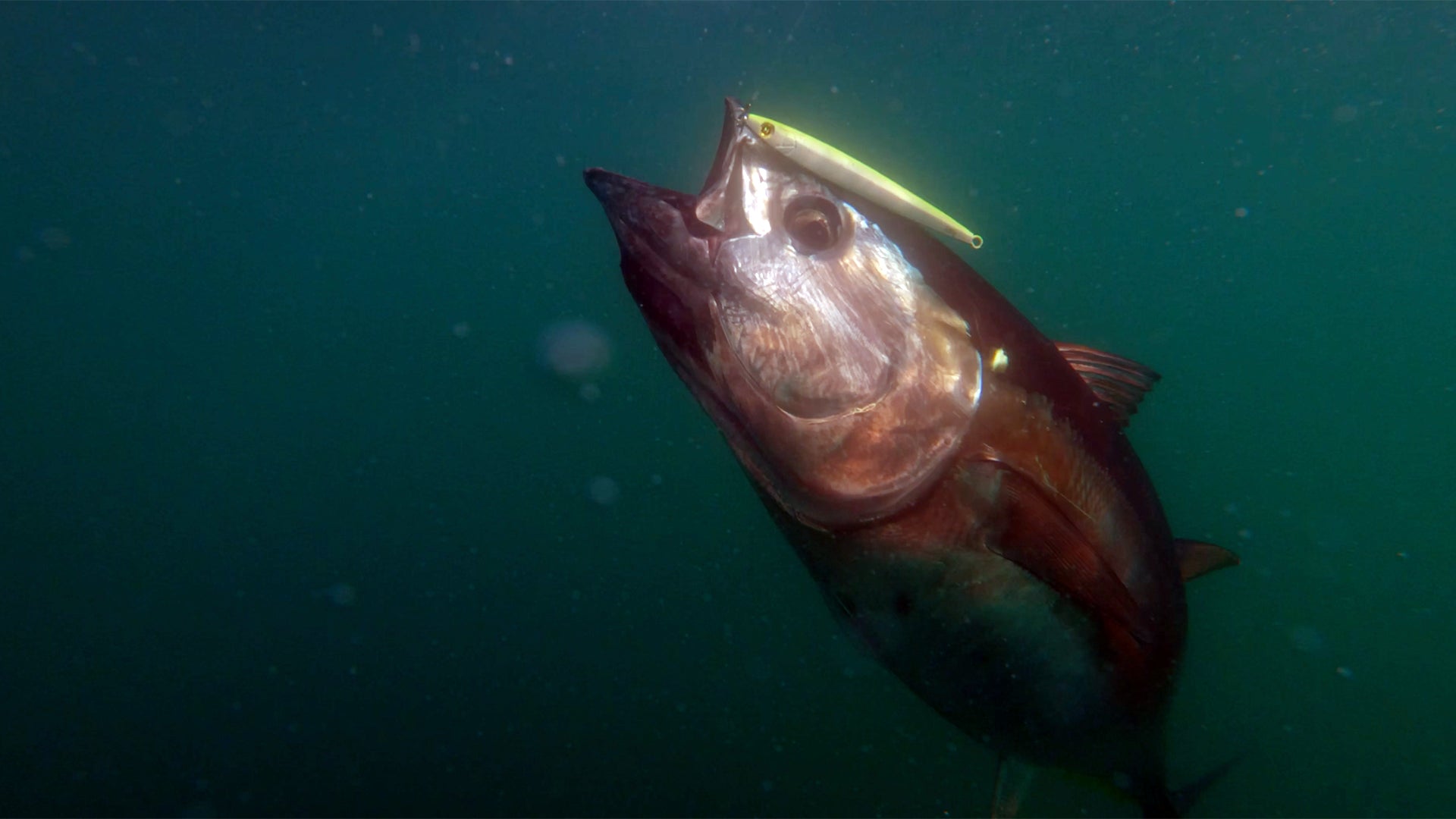
The Gully, south of Block Island, midsummer. 155 feet of water. Bluefin at 50–60 feet in the column, keyed on sand eels, and a 5oz Protail Paddle keeping time with them.

The fleet was struggling. Most boats had already switched to trolling. The fish were there — mid-column, scattered, keyed on sand eels at 50–60 feet in 155 feet of water. The problem was getting a presentation to stay in that zone long enough to get eaten. Heavy jigs drop past it. The Protail Paddle has a paddle tail on the back that acts as a brake, slowing the sink rate and maximizing hang time right where the fish are.

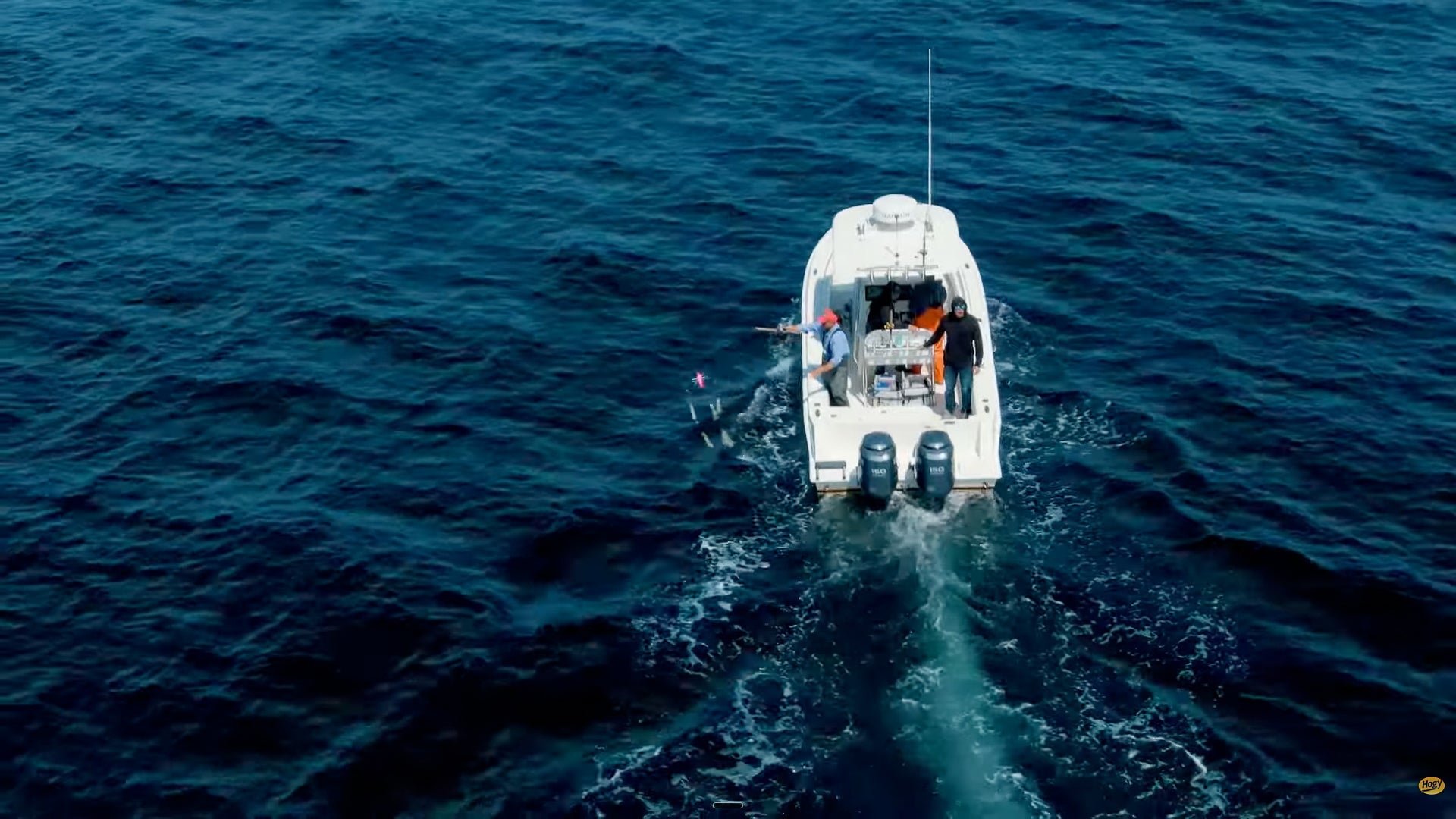
The approach was a search and drop — run at idle, eyes on the down scan and side scan, and when a target appeared, stop and drop. Walk, stop, drop. Midsummer tuna, light tackle, and a friend’s first bluefin. A perfect day by any measure.

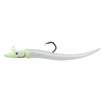
The challenge: sand-eel-keyed bluefin suspended at 50–60 feet in 155 feet of water — not on the bottom, not on the surface. Sand Eel Jigs sink too fast and are difficult to work slow at mid-column depth. The lure needs to stay in the zone, not blow past it.
Step 1Historical Analysis

How to Dial In Variable-Column Tuna

Context that shapes every decision that follows.

Midsummer bluefin in the Block Island / Martha’s Vineyard corridor are open water fish. There’s no reef, no boulder field, no bottom structure to anchor the approach. The bait is the structure — and in this case, sand eels suspended mid-column were holding the fish. When tuna are keyed on suspended bait, the whole system changes: you’re not looking for bottom marks, you’re watching the mid-column on the down scan for targets, and you’re choosing lures that can be kept in that zone.

Local Knowledge — The Gully, South of Block Island
  • The Gully holds midsummer bluefin on sand eel bait in the 50–60 ft column range when fish are suspended. Depth of the structure is 150–160 ft — the fish are not on the bottom.
  • Side scan for bait pods, down scan for individual targets. If the side scan shows bait, stay in the area and loop. When the down scan shows a mark at a specific depth — that’s the drop.
  • These 40–60 lb fish are the perfect light-tackle size. Big enough to be memorable, small enough to land quickly on 80lb braid. They swim at the boat on the fight — get those cranks in fast, one at a time.
  • 30% of fish on the Protail Paddle are caught on the drop. The paddle tail is working the whole time the lure is sinking. If the line stops unexpectedly before you expect bottom — that’s a fish.
  • Challenging days are soft bait days. When the fleet switches to trolling and the conventional approach isn’t working, the search and drop with a paddle tail often finds a way to crack the code.
Step 1 output
Mid-column sand-eel-keyed bluefin at The Gully. No bottom structure — bait is the structure. Side scan for pods, down scan for marks. Search and drop approach. 30% of fish on the drop.
Step 2Environmental Factors

Open water, no structure — reading the column

The sonar is the only environmental read that matters here.

Open water tuna fishing removes most of the environmental variables that define inshore fishing. No current to read, no tide edge to position on, no bottom type to consider. What matters is the water column: where are the bait marks, where are the fish marks, and what depth are the targets holding at. The down scan answered all three. Marks consistently at 50–60 feet told Mike exactly where to keep the Protail Paddle.

The challenging condition was the fish behavior — scattered and finicky, not blitzing. Most marks were singles, not pods. That’s the reason for the search and drop rather than a traditional cast-and-retrieve approach to a visible feed.

Step 2 output
Marks at 50–60 ft consistently. Fish scattered, not blitzing. Open water — sonar is everything. Search and drop over cast to visible feed.
Step 3Observational Factors — B.A.S.E.

Walk, stop, drop — reading the down scan in real time

Four layers. Each one narrows the answer further.

MH
The Unlock Key

“This paddle is going to slow this bait on the drop. You can keep maximum hang time right in the zone — right where the fish are. That paid off. Today’s been very challenging for the fleet, but we found a way to crack the code.”

LayerWhat We SawWhat It Eliminated / Confirmed
B
Birds & Bait
No surface blitz — fish were not breaking. Side scan confirmed bait pods in the area. Sand eels scattered mid-column, not pinned. The absence of surface activity on a challenging day confirmed this was a search situation, not a cast-to-visible-feed situation.
No surface feed = search and drop approach. Eyes off the surface, eyes on the sonar. Side scan for bait pod location, down scan for fish marks. Don’t idle up to where birds aren’t working.
A
Activity
Fish marks consistent at 50–60 ft on the down scan throughout the session. Fish took the Protail Paddle both on the slow jig retrieve and on the drop. Multiple fish landed including a guest’s first-ever bluefin tuna. Fleet around them had largely switched to trolling — confirming this was not a blitz day.
Confirmed: marks at 50–60 ft are the target zone. Drop below them, reel up through the zone, slow jig in that range. The Protail Paddle’s paddle tail keeps it in that window. Search and drop working when trolling is not.
S
Structure
Open water, 155–157 feet. No bottom structure relevant to the approach. The “structure” is the depth band where sand eels are concentrated — 50–60 feet. Fish are using that depth as their ambush position on suspended bait. The column, not the bottom, is the target.
Confirmed: treat the depth band as the structure. 50–60 ft is the zone. Drop to 80–100 ft to get under the fish, reel up slowly through the target window, hold in the zone with the slow jig. Don’t work the bottom.
E
Echoes / Sonar
Down scan showing clear marks at 50–60 ft was the trigger for every drop. Marks that showed targets = stop and drop immediately. If the line stopped unexpectedly before reaching the target depth, that was a fish intercepting on the way down. Side scan confirmed bait pods that kept the boat in the area between drops.
The down scan mark is the permission slip to stop. The moment a target appears at 50–60 ft — put it in free spool. Don’t motor through a mark while deciding. Walk, stop, drop.
Step 3 output
Down scan mark at 50–60 ft = stop and drop immediately. No surface feed — search mode. The depth band is the structure. Fish intercepting on the drop confirms 30% hit rate on the fall. Paddle tail keeping it in the zone.
Step 4Structure & Approach

Search and Drop — walk, stop, drop

OA500: the open water tuna approach when fish are scattered and not showing on the surface.

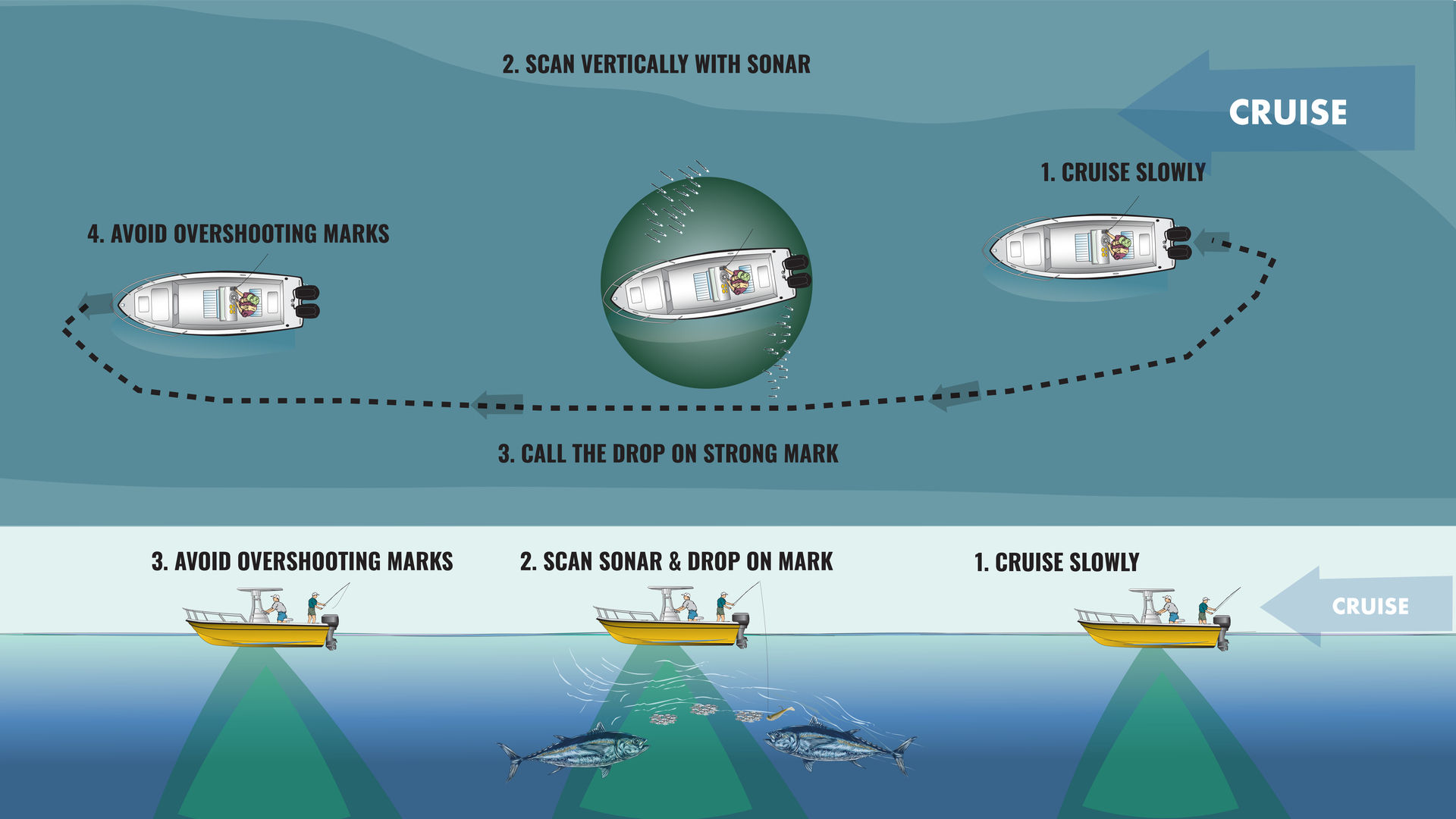
The Search and Drop is Mike’s name for the open water tuna approach when fish are present but scattered and not blitzing. Run at slightly above idle speed, eyes divided between the down scan and the side scan. Down scan: when a mark appears at depth, stop and drop immediately. Side scan: bait pod marks keep you in the productive area between drops. The whole session is walk, stop, drop, repeat.

MH
Capt. Mike Hogan

“Walk, stop, and drop. We’re just cruising along at slightly above idle speed. Eyes glued on the down scan, eyes glued on the side scan. Down scan — when I see a target, that’s when I stop and drop. Side scan — I’m looking for pods of bait. If I see bait, that’s going to keep me on the area.”

Approach — step by step
1
Run at slightly above idle speed. Fast enough to cover water, slow enough to read the sonar in real time. Too fast and you’ll drive past a mark before you can act on it.
2
Down scan eyes: looking for individual tuna marks at 50–60 ft. A mark at depth is the trigger. The moment you see it — put the boat in neutral immediately and get the lure in free spool. Every second of delay is distance from the mark.
3
Side scan eyes: looking for bait pods. Bait pods hold the fish in the area. If the side scan shows a pod, loop around and stay in that zone even if you haven’t marked a tuna yet. The fish are near the bait.
4
Drop below the target depth. If the marks are at 55 feet, drop to 80–100 feet. You want the lure to come up through the zone, not land on top of it. Free spool until you’re below the fish, then put it in gear.
5
Watch for hits on the drop. The paddle tail is working the entire time the lure is falling. If the line stops before you expect the lure to reach depth — stop and reel down, come tight. That’s a fish. Thirty percent of takes happen on the fall.
6
After working the zone, loop wide and reset. Don’t motor back through the area you just covered. Loop wide, come back on the same heading, and walk the search track again.
OA500 Search and Drop approach — open water tuna jigging

OA500 Search and Drop — run at idle, eyes on the sonar. Down scan mark at depth = stop immediately and drop. Side scan bait pod = stay in the area.

Step 4 output
Walk at idle, down scan for individual marks, side scan for bait pods. Mark at 50–60 ft = stop and drop immediately. Drop below the fish, reel up through the zone. Watch for hits on the fall. Loop wide on resets.
Step 5Gear, Lure & Technique

Why the Protail Paddle beats the Sand Eel Jig today

When fish are eating sand eels but the Sand Eel Jig can’t stay in the zone — the paddle tail is the answer.

The textbook answer for sand-eel-keyed tuna is a Sand Eel Jig. But the textbook assumes the fish are at a depth where you can work the jig effectively. When tuna are suspended at 50–60 feet in 155 feet of water, a heavy metal jig is hard to keep in that zone — it wants to sink fast, and working it slowly at mid-column requires constant active input. The Hogy Protail Paddle at 5oz has a built-in brake: the paddle tail creates resistance on the fall and imparts action with an extremely slow retrieve. You can keep it in the 50–60 foot window with minimal effort — which is exactly what these finicky fish needed.
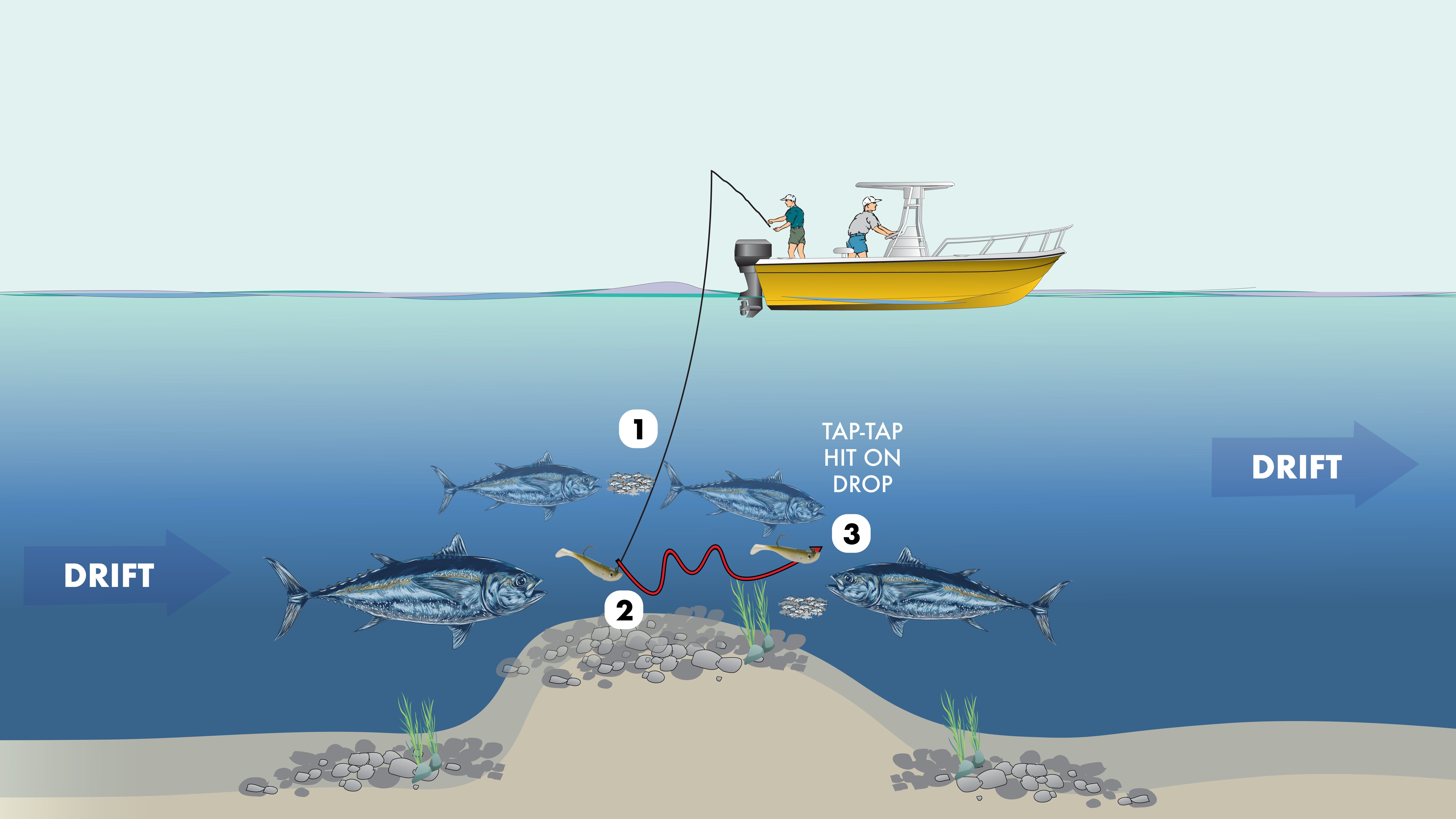
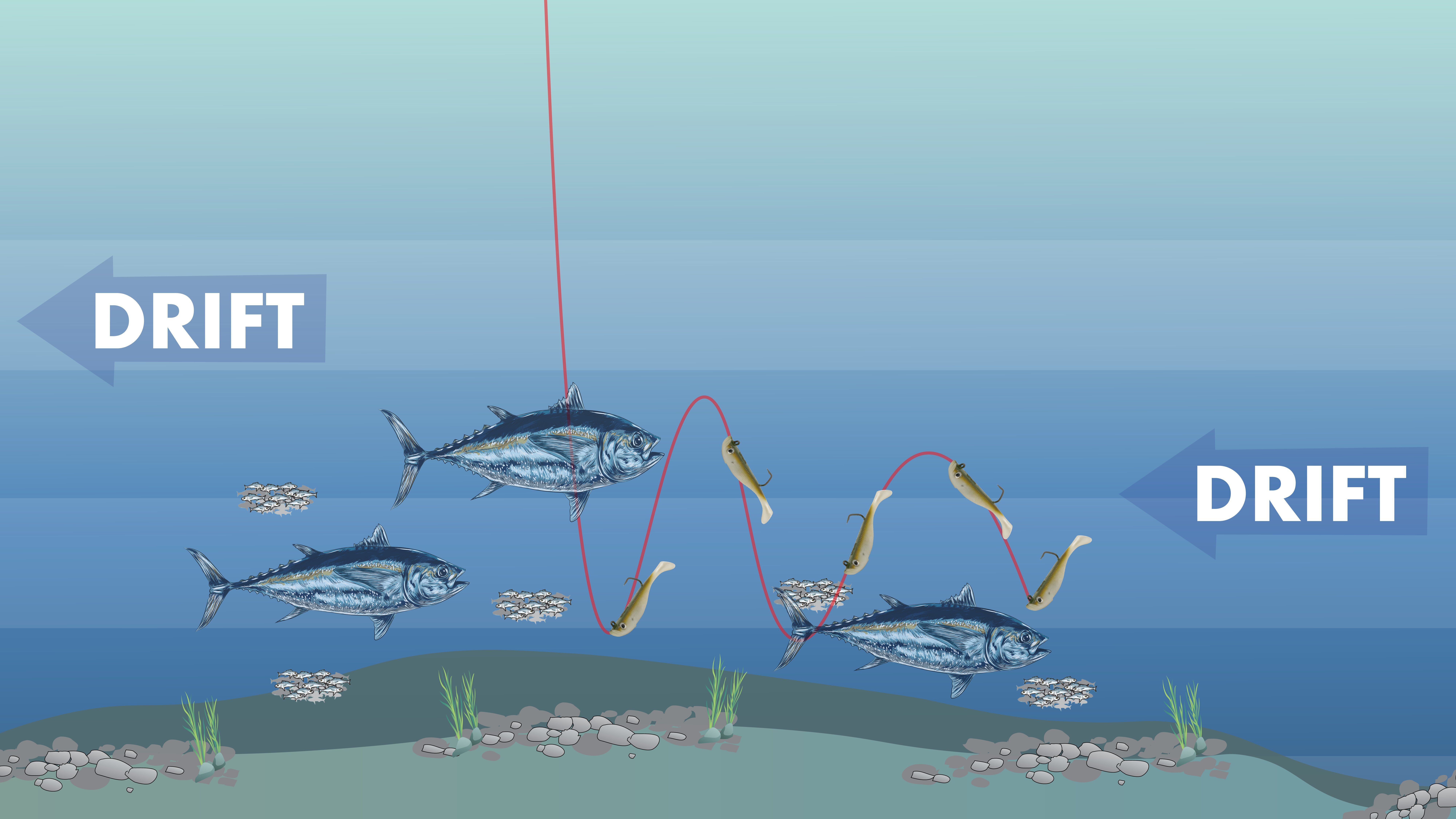
R2501 Slow Jig Protail Paddle — tuna mid-column

R2501 Slow Jig — Protail Paddle on mid-column suspended bluefin. Drop below, reel up through the zone, switch to slow jig in the target window. Escort the lure down.

The Lure for the Job
The System
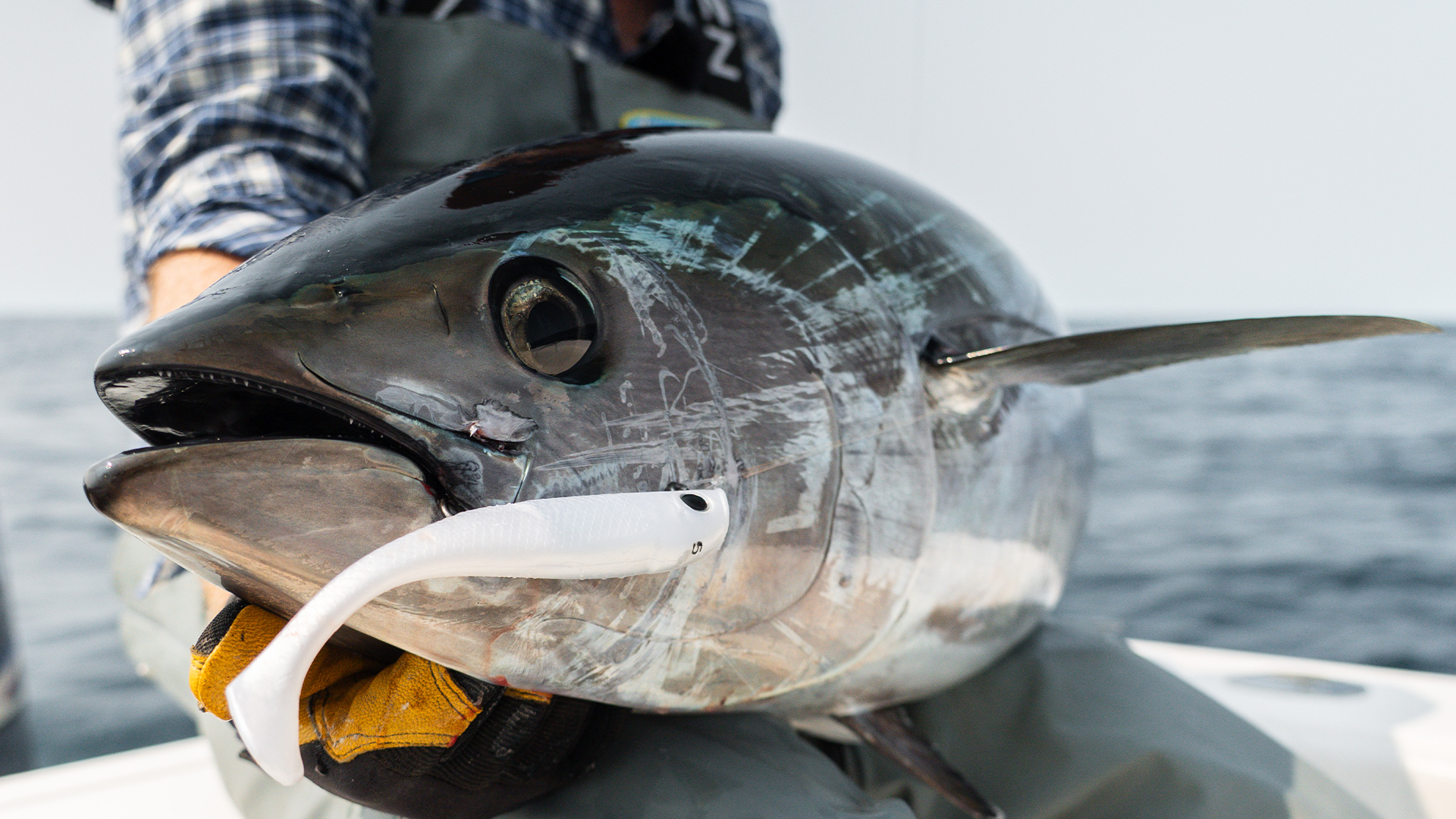
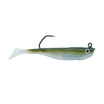
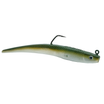
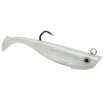
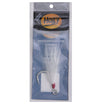
Pre-rigged 5oz soft bait with a paddle tail that creates resistance on both the sink and the retrieve. The paddle imparts action at any speed — from a fast retrieve to an extremely slow jig. At 5oz it’s heavy enough to reach mid-column quickly but light enough to hold in a zone without blowing past it. The Battle Pocket design keeps the sickle hook from tearing the body during head shakes and fight pressure.
Why Not Sand Eel Jig
Sand Eel Jigs are ideal for bottom-keyed or deep-column fish. At 50–60 ft in 155 ft of water, keeping a heavy metal jig in that window requires fast movement or constant active jigging. The Protail Paddle’s paddle tail gives it hang time. You can keep it in the zone at the retrieve speed the fish want — which today was very slow.
Action
The paddle tail thumps on every drop — the lure is fishing on the way down. Drop below the fish, slow reel up through the zone, then switch to a slow jig: lift the tip, escort the rod down at the same speed as the lure sinking. Stay in contact throughout the fall. You should feel the paddle on the way up and on the way down.
Color
Bone was the first-fish color. Mike switched to olive after — a more natural sand eel imitation. Both worked. On sand-eel-keyed fish in clear midsummer water, natural colors (bone, olive, chartreuse, white) outperform heavily patterned options. The guest ran bone, Mike ran olive — covering two profiles simultaneously.
The Hit on the Drop
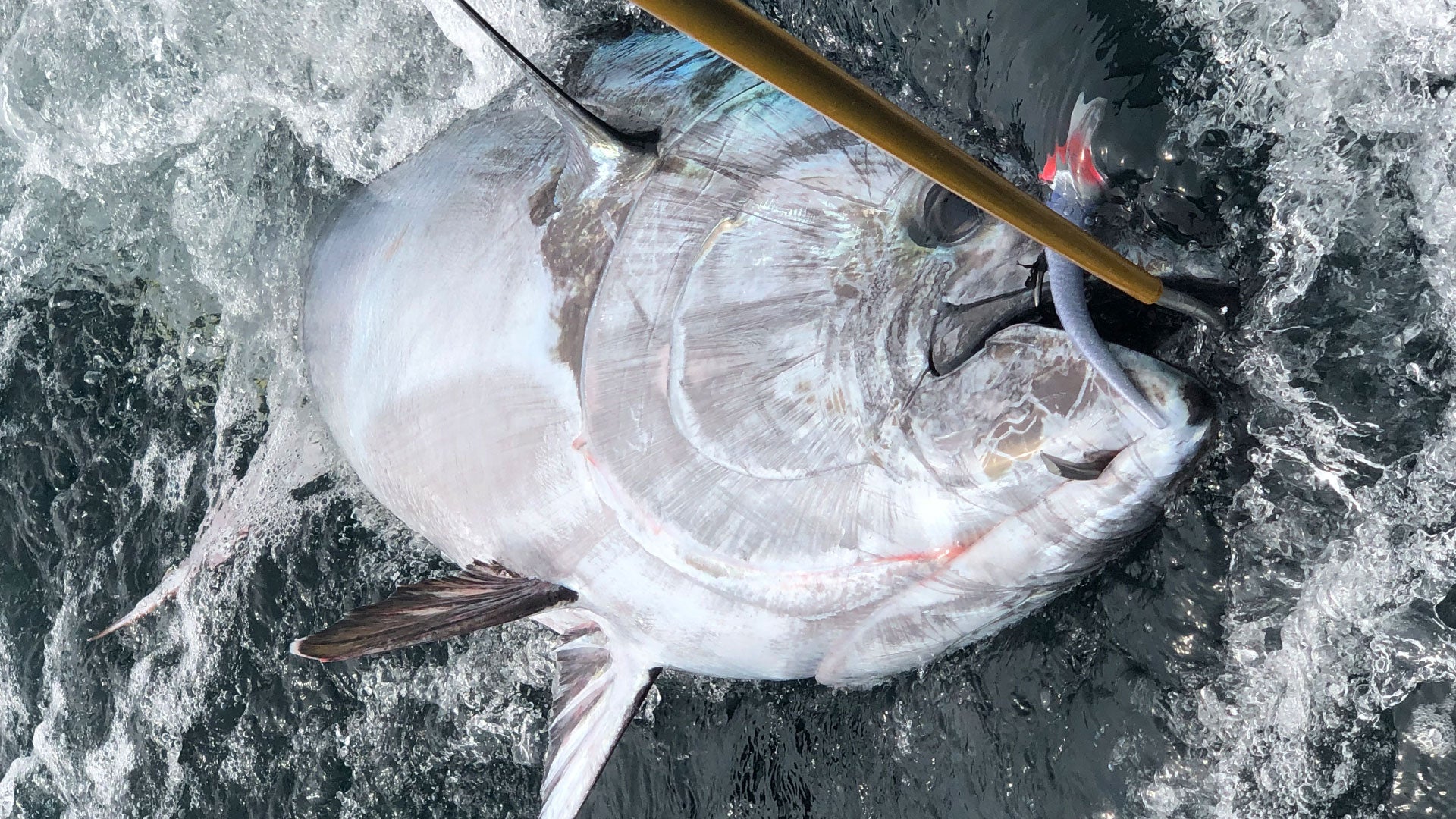
30% of fish on this lure are caught on the fall. The paddle tail is working from the moment the lure enters the water. If the line stops before the expected depth — stop immediately, reel down slowly to come tight. It will feel like hitting bottom. It isn’t. Set on any unexpected interruption in the drop.
Limitations
In very deep water (200+ ft) or strong current, the 5oz version may not get down efficiently. Step up to a heavier jig head or a weighted assist hook system for deeper presentations. Pre-rigged lures cannot be easily weight-swapped — carry multiple weight options.
Rigging
  • Loop knot direct to fluorocarbon leader — “improved bowling” style. Tag end pointing downward to avoid picking up weed.
  • Leader: 80–100lb fluorocarbon. 80lb workable on these fish, 100lb preferable when larger fish are around.
  • Main line: 80lb braid — heavy enough to land a big fish, light enough to sink quickly and maintain feel.
  • Wind-on leader: 25ft, tied to 80lb braid. Allows the leader connection to travel through the guides on the gaff shot.

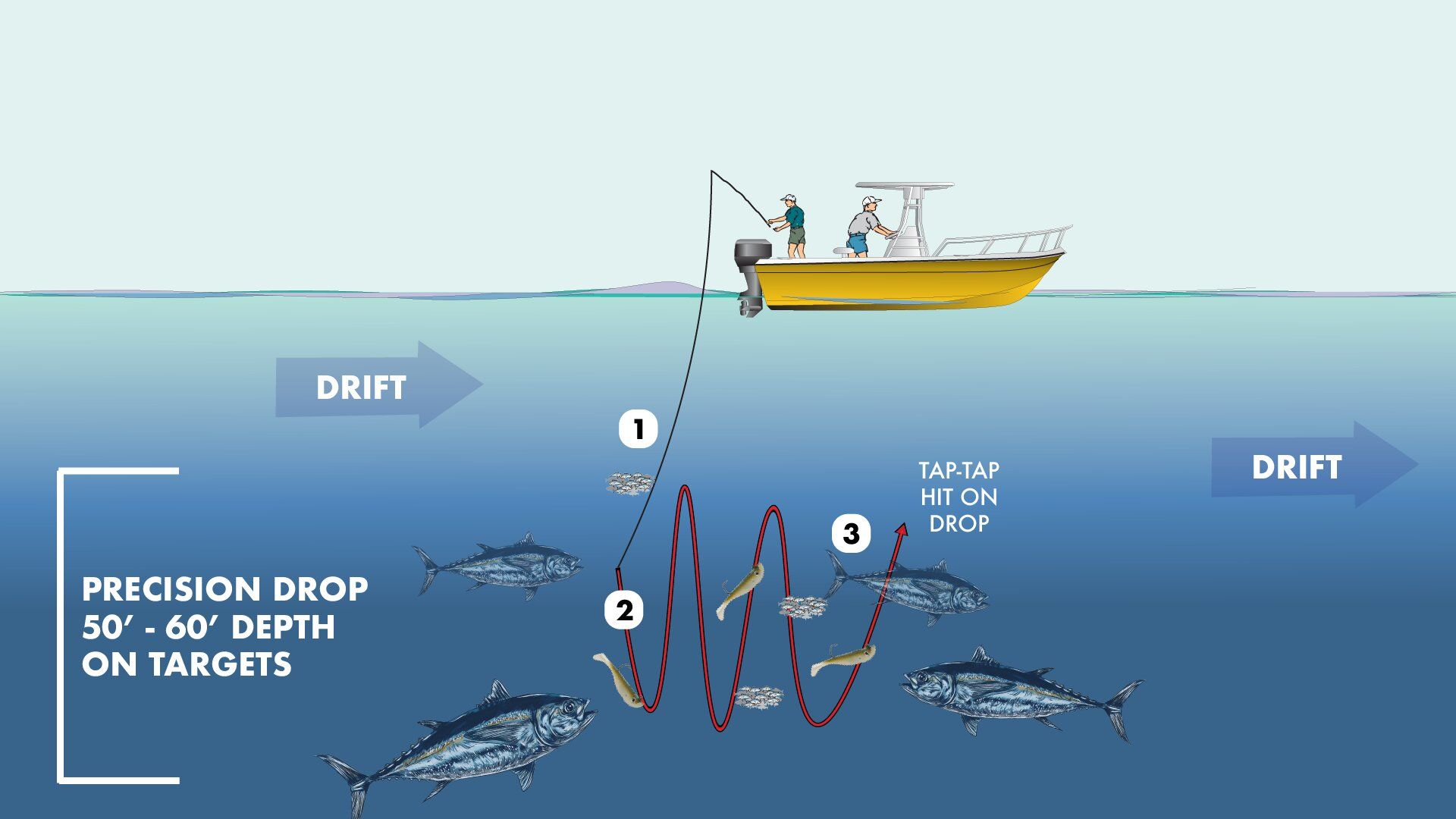
The retrieve — step by step
1
On the mark — free spool immediately. Stop the boat and drop the lure into free spool. Watch the line. If the lure stops sooner than expected, that’s a fish coming from below. Stop and reel down slowly to come tight.
2
Drop below the target depth. Marks at 55 feet — drop to 80–100 feet. You want the lure underneath the fish, not on top. The retrieve comes up through the zone, not down into it.
3
Put in gear, slow reel up through the zone. A slow, steady retrieve brings the Protail Paddle up through the target depth band. Feel the paddle thumping on the rod tip as you reel. That feedback confirms the lure is working correctly.
4
When you reach the target zone — switch to slow jig. Lift the tip up slowly, then escort the rod down at the same speed the lure is sinking. Maintain contact on the fall — you should feel the paddle the entire time. No slack, no guessing.
5
Escort means matching the lure’s sink rate with the rod. Drop the rod at the same speed or just slightly slower than the lure is falling. This keeps the line tight and maximizes sensitivity on the drop. Any interruption or added weight is a fish.
6
When the fish is on — short pumps, one crank at a time. High-speed mode on the two-speed reel (6:1). Short pumps, not long sweeps. As the fish gets closer, more line on the spool means more line retrieved per crank. These short pumps tire the fish efficiently. If the fish swims at the boat — crank as fast as possible to stay tight.
Protail Paddle midwater tuna — search and drop mid-column

Mid-column presentation. Drop below at 80–100 ft, reel up through the target band at 50–60 ft, switch to slow jig in the zone. Escort the rod down on the fall — stay in contact the entire time.
Protail Paddle tuna slow jig closeup — Battle Pocket hook

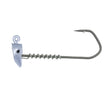
The Battle Pocket and sickle hook — the fish cradles in the corner of the mouth. Pre-rigged, no setup required at the boat.

Outfit

Light-Tackle Offshore Loadout
Lure
Hogy Protail Paddle 5″ 5oz — bone (guest) + olive (Mike). Loop knot direct to leader, no snap.
Leader
80–100lb fluorocarbon wind-on leader, 25ft. Tied to 80lb braid via wind-on connection.
Main line
80lb braid — heavy enough to land large fish, light enough to sink fast and maintain sensitivity.
Rod
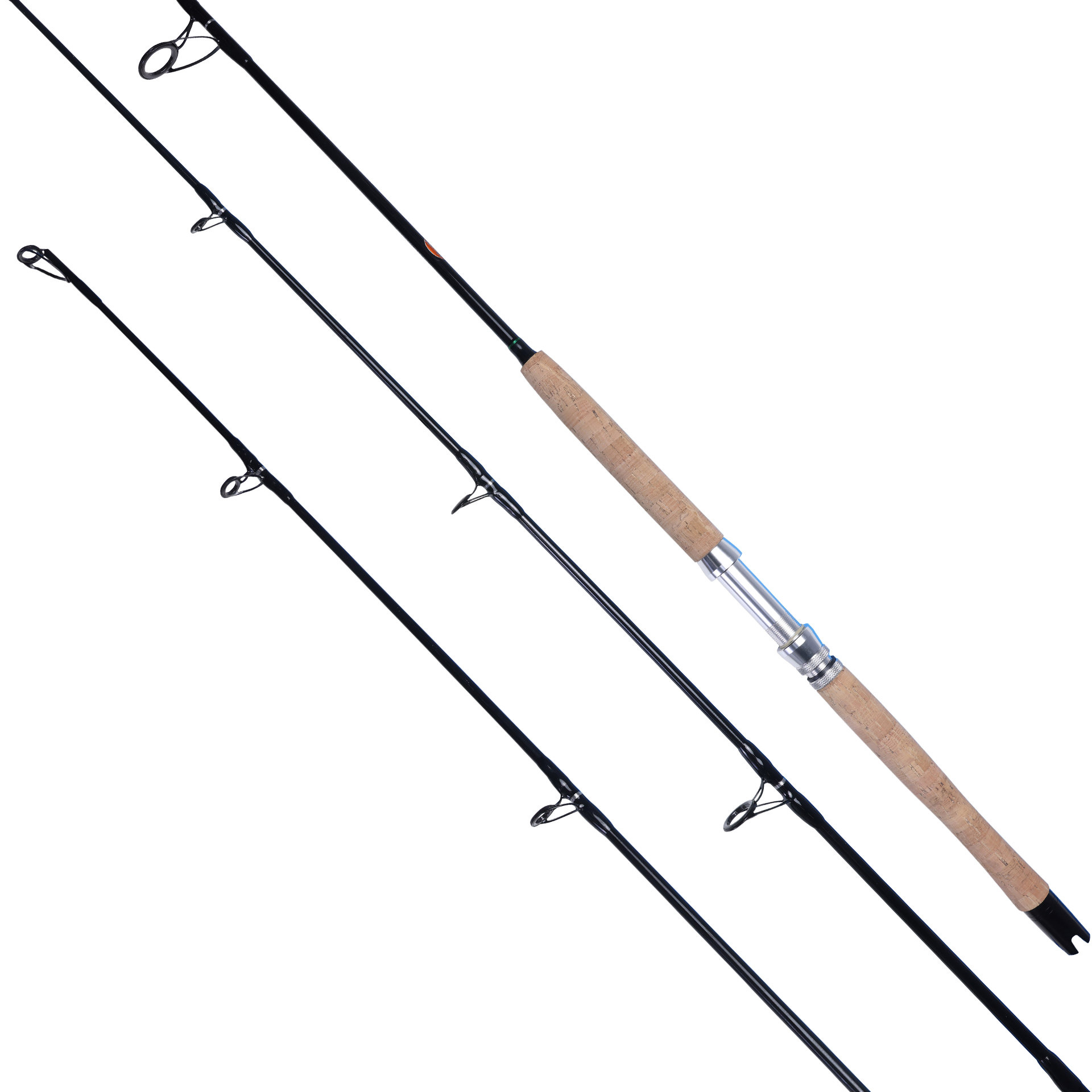
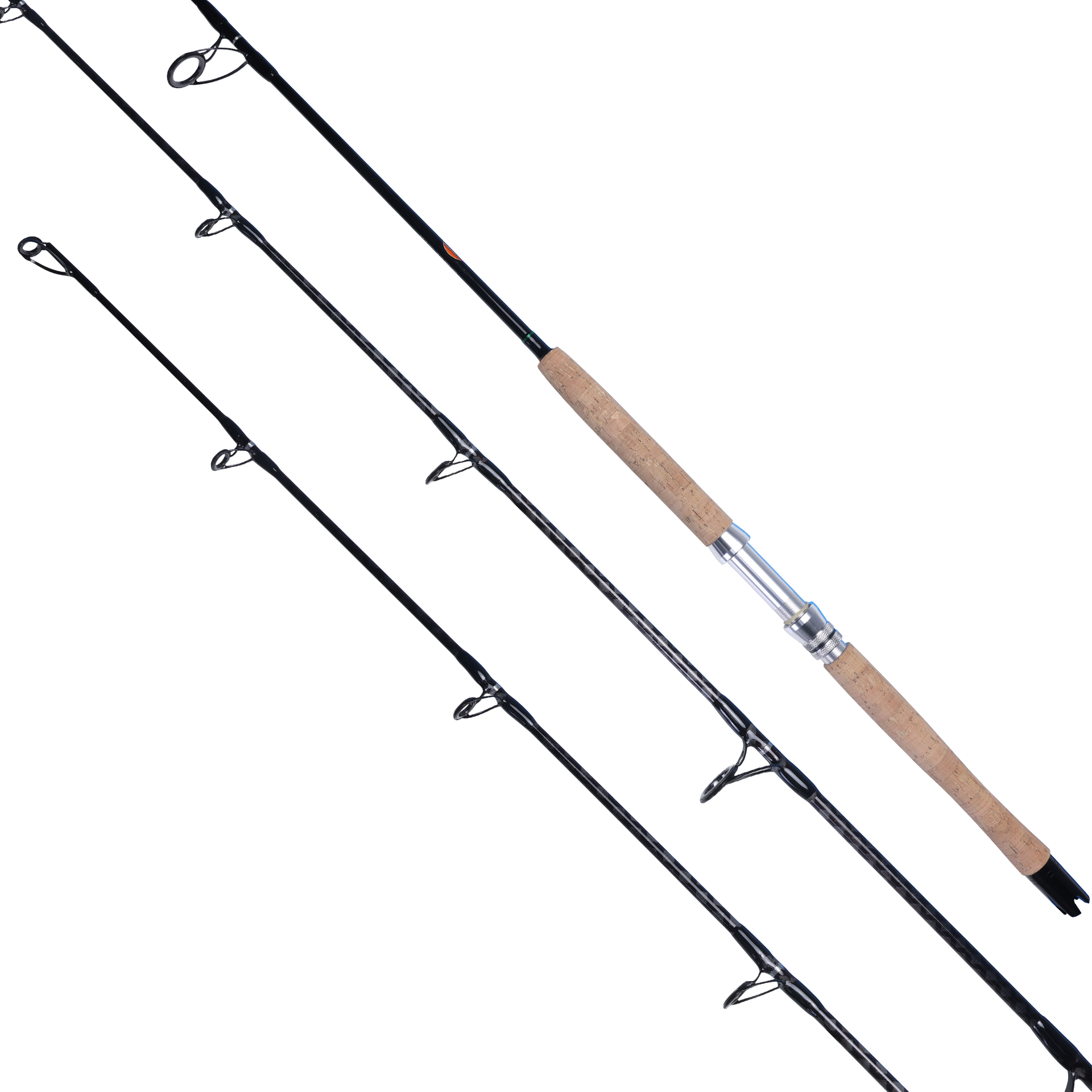
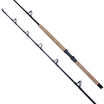
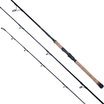
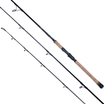
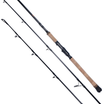
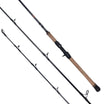
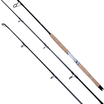
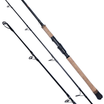
Hogy Hybrid Conventional Rod — light-duty offshore / heavy-duty inshore. Parabolic soft action, glass woven in. Handles 4–16oz range. Extended cork grip for under-arm control.
Reel
Avid LX 62 (2-speed) — 6:1 high gear for fast cranks and fish swimming at the boat, 3:1 low gear for heavy loads and checking trolling gear.
Technique
R2501 Slow Jig — search and drop, drop below, reel up through zone, slow jig with escort on the fall.
MH
Capt. Mike Hogan

“It’s hard to beat this slow jigging technique. Just dropping these baits right on their heads. Works like a charm. We got a first-time tuna catch on board today — that’s always awesome. We got dinner. We’re home in time to be responsible husbands. It honestly doesn’t get much better than this.”

The decision at a glance

Signal from the SystemDecision
Fish at 50–60 ft, no surface blitzSearch and drop. No casting to visible feed — eyes on the sonar. Walk at idle, look for down scan marks.
Down scan mark at depthStop immediately, free spool. Every second of delay = distance from the mark. Walk, stop, drop.
Sand-eel-keyed fish but heavy jigs blow past zoneSwitch to Protail Paddle. The paddle tail holds the lure in the zone at a slow retrieve speed that metal jigs can’t match.
Line stops before expected depth on the dropThat’s a fish. Reel down slowly to come tight — it will feel like hitting bottom. Don’t ignore it.
Fish swimming toward the boatHigh-speed mode (6:1), crank as fast as possible to stay tight. One turn of the handle = six spool revolutions.
Fleet has switched to trollingStay on the search and drop. A challenging day for conventional approaches is often a soft bait day. Keep working the system.
Bone vs. olive color choiceBoth work. Bone is more visible, olive is more natural sand eel imitation. Run one each and let the fish vote.
Step 5 output
Hogy Protail Paddle 5″ 5oz, loop knot direct, 80lb fluoro, 80lb braid. Drop below at 80–100 ft, reel up through the zone, slow jig with escort on the fall. 30% on the drop. Short pumps at 6:1 on the fight. Walk, stop, drop.
Putting it together
Walk, stop, drop

Step 1 set the context: midsummer bluefin at The Gully, sand-eel-keyed, suspended at 50–60 feet in 155 feet of water — no bottom structure, bait is the structure. Step 2 confirmed the environmental reality: open water, mid-column fish, sonar is everything. Step 3 delivered the unlock: the Protail Paddle’s paddle tail is the brake that keeps the lure in the zone — maximum hang time right where the fish are, something a heavy metal jig can’t do at mid-column depth. Step 4 built the approach: Search and Drop — run at idle, down scan for individual marks, stop and drop the moment a target appears at depth. Step 5 closed it out: Hogy Protail Paddle 5oz, 80lb braid, loop knot direct, drop below the fish, slow reel up through the zone, escort the rod down on the fall. Thirty percent of fish on the drop. The fleet was trolling. These guys cracked the code.
Next in the series
Cracking the Code: [ Next Episode ]
[ One-line teaser. ]
Bluefin Tuna Protail Paddle Search and Drop Slow Jig Light Tackle The Gully Block Island Offshore Summer Capt. Mike Hogan S2025 E6 Cracking the Code

Reading next

Cracking The Code: Deep Summer Seabass
Cracking The Code: Monomoy Rips Striped Bass

Leave a comment

All comments are moderated before being published.

This site is protected by hCaptcha and the hCaptcha Privacy Policy and Terms of Service apply.

Related Videos

Bluefin Tuna Slow Jigging Swimbaits

Join Capt. Mike on a midsummer bluefin tuna mission in The Gully, south of Martha’s Vineyard. This trip focused on targeting 40–60lb tuna feeding on suspended sand eels with a light tackle jigging approach

Bluefin Tuna Jigging | Block Island | Sand Eel Jigs

Capt. Mike Hogan heads offshore South Martha's Vineyard in search of tuna. Due to sporty sea conditions, topwater presentations were off the table, deepwater Hogy Sand Eel Jigs were deployed to target the tuna holding close to the bottom. This in-depth video covers step by step instructions for  the approach, technique and landing of bluefin tuna.

How To: Slow Jigging the Hogy Harness Jig for Giant Bluefin Tuna East of Chatham

Capt. Mike Hogan and the Hogy Crew head out to Regal Sword, a well-known fishing spot East of Chatham, to target giant Bluefin Tuna on the Hogy Harness Jig lures. There are two main methods when searching for tuna offshore; staying with life (whales bubble feeding, top water tuna, bait on the surface, bird activity) and the search and drop technique, which involves doing a search pattern with your fish finder looking for targets.

Bluefin Tuna Fishing | Jig & Pop | Hogy Harness Jigs & Sliders

Capt. Mike shows us two techniques for targeting bluefin tuna off of Cape Cod on spinning gear. The Hogy Harness Jigs are carefully balanced to ensure a natural presentation whether they are straight retrieved or fished with a cast and drop retrieve. The Hogy Sliders are perfect to cast on heavy spinning setups and come tuna rigged right out of the package.

Jigging for Bluefin Tuna | Hogy Sand Eel Jigs

Capt. Mike Hogan and Eric Harrison head East of Chatham searching for tuna feeding on sand eels. When fish are suspended mid-water and near the bottom grubbing on sand eels, the Hogy Sand Eel Jig is an excellent presentation for getting deep quickly and covering the water column.

Jigging for Yellowfin Tuna | South of Martha's Vineyard

Capt. Mike from Salty Cape and Hogy Lures loads up his 28' Contender and steams South of MV in anticipation of fishing some of the warmer water pushing into the area. With fish holding in deeper water and feeding on sand eels, the name of the game was jigging for yellowfin and bluefin tuna.

Related Blogs

CastingCrack The Code: Topwater Striper Handkerchief Shoal

Crack The Code: Topwater Striper Handkerchief Shoal

Cracking the Code: The Franken Popper at Handkerchief Shoal Striped Bass  ·  Handkerchief Shoal  ·  Early Summer Cracking the Code Capt. Mike Hogan  ·  Salty Cape TV powered by H...

CastingCrack The Code: Micro Squid Rips Finicky Stripers

Crack The Code: Micro Squid Rips Finicky Stripers

Cracking the Code: Four Retrieves on One Cast — Surface Eraser vs. Finicky Monomoy Stripers Striped Bass  ·  Monomoy Rips  ·  Mid-June Cracking the Code Capt. Mike Hogan &...

InshoreCrack The Code: Monomoy Rips Topwater Striper

Crack The Code: Monomoy Rips Topwater Striper

Cracking the Code: Poppers on a Squid Bite at Monomoy Striped Bass  ·  Monomoy Rips  ·  S2022 E6 Cracking the Code Capt. Mike Hogan  ·  Salty Cape TV powered by Hogy ...

InshoreCracking The Code: Monomoy Rips Striped Bass

Cracking The Code: Monomoy Rips Striped Bass

Cracking the Code: Surface Eraser on the Monomoy Squid Rips Striped Bass  ·  Monomoy Rips  ·  S2024 Cracking the Code Capt. Mike Hogan  ·  Salty Cape TV powered by Hogy ...

Bluefin TunaCracking The Code: Light Tackle Bluefin - The Gully

Cracking The Code: Light Tackle Bluefin - The Gully

Light-Tackle Bluefin  ·  The Gully  ·  S2025 E6 Cracking the Code Capt. Mike Hogan  ·  Salty Cape TV powered by Hogy Location The Gully — S. of Block Island Season Midsummer Species Bl...

Black SeabassCracking The Code: Deep Summer Seabass

Cracking The Code: Deep Summer Seabass

Cracking the Code: Deep Summer Sea Bass — Long Drifts, No Bait, 95 Feet Deep Summer Sea Bass  ·  Vineyard Sound Cracking the Code Capt. Mike Hogan  ·  Salty Cape TV powered b...