















Tip-Toe Away from the Rip — The Franken Popper at Handkerchief Shoal
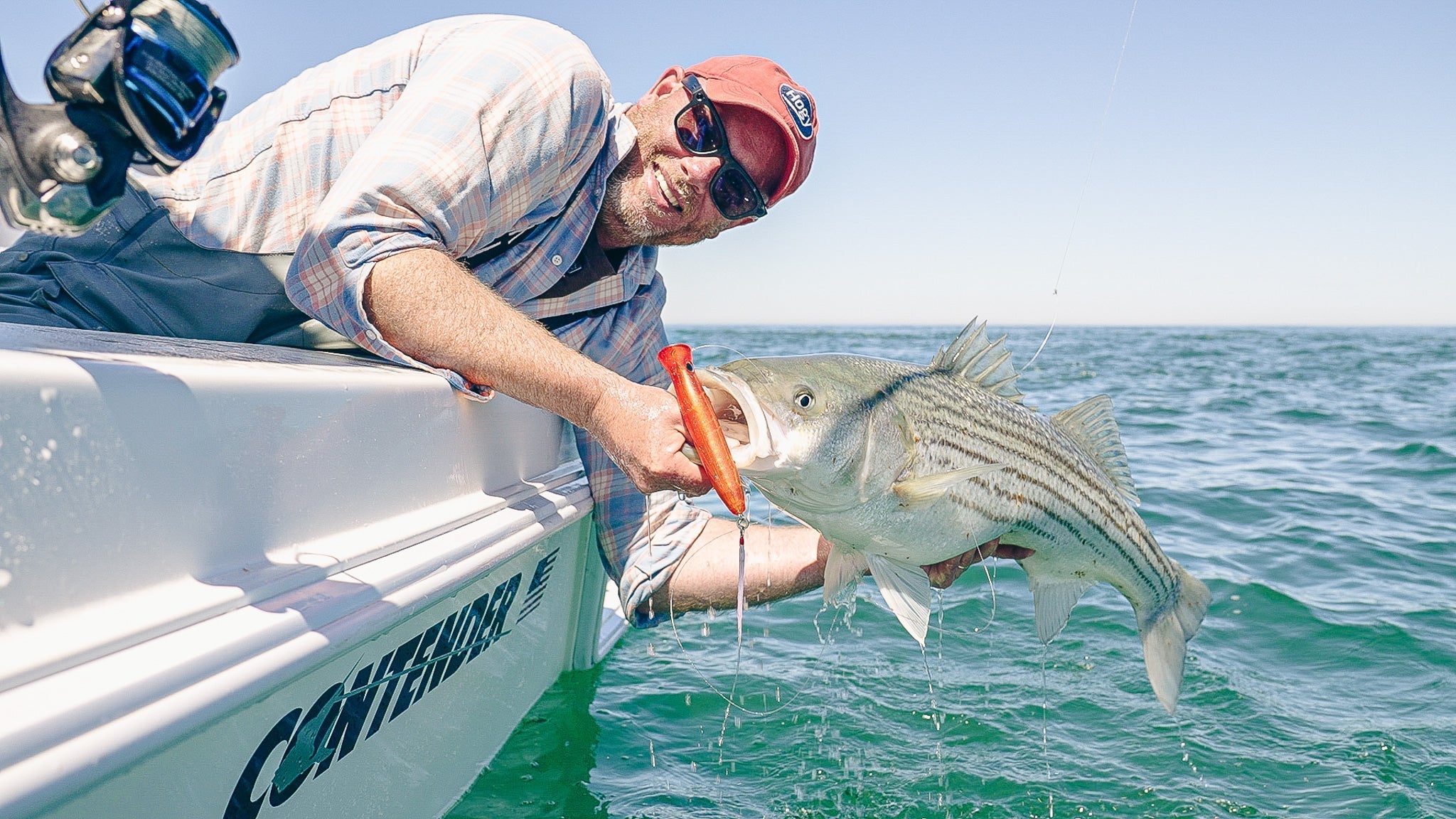
Fish pushed out in front of the rip, sipping squid in greasy calm open water. The rip was crowded. Mike tipped-toe away, made long tactical drifts in the smooth water, and let the 6″ Chug Popper do the talking.

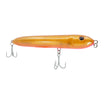
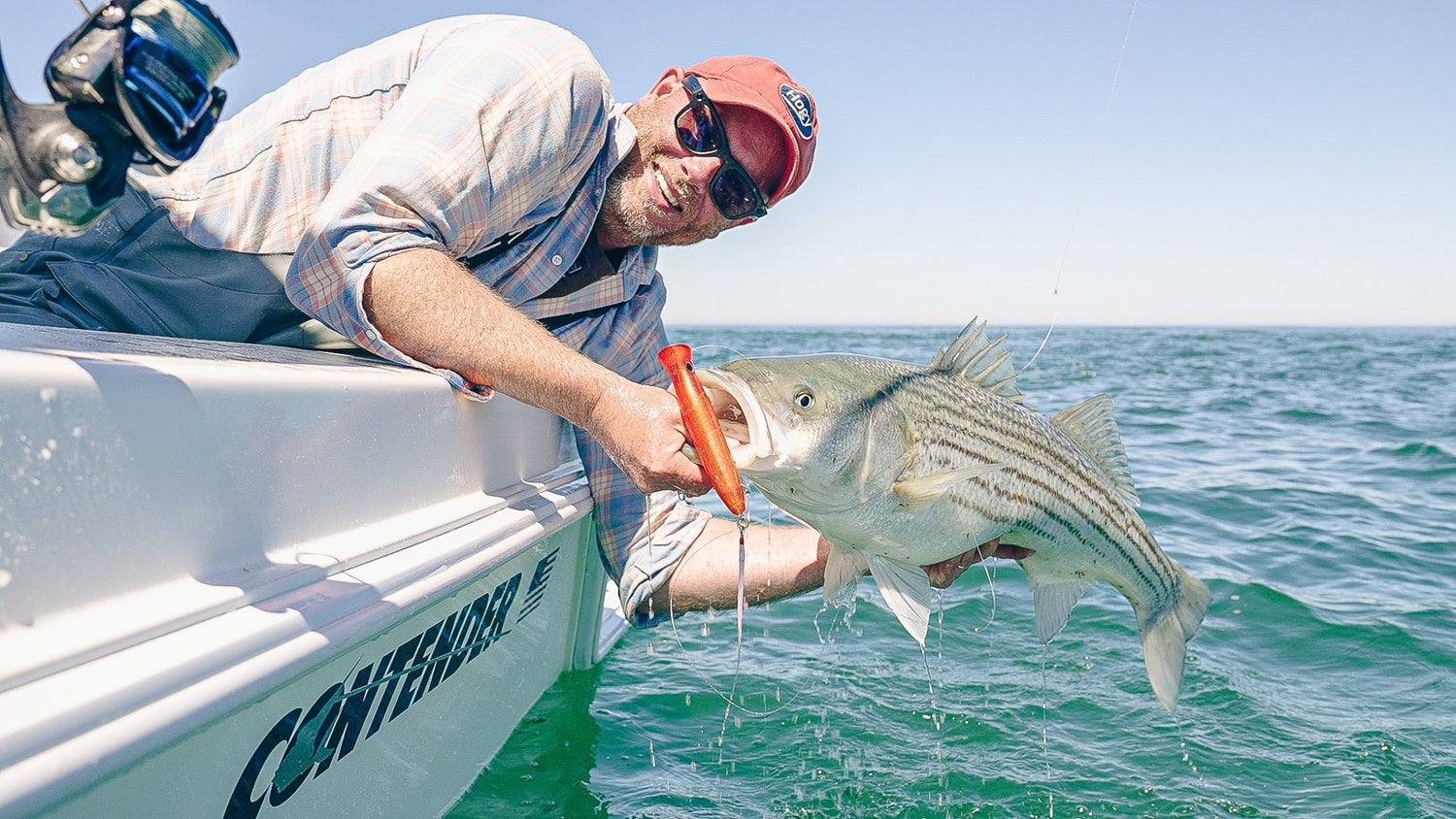
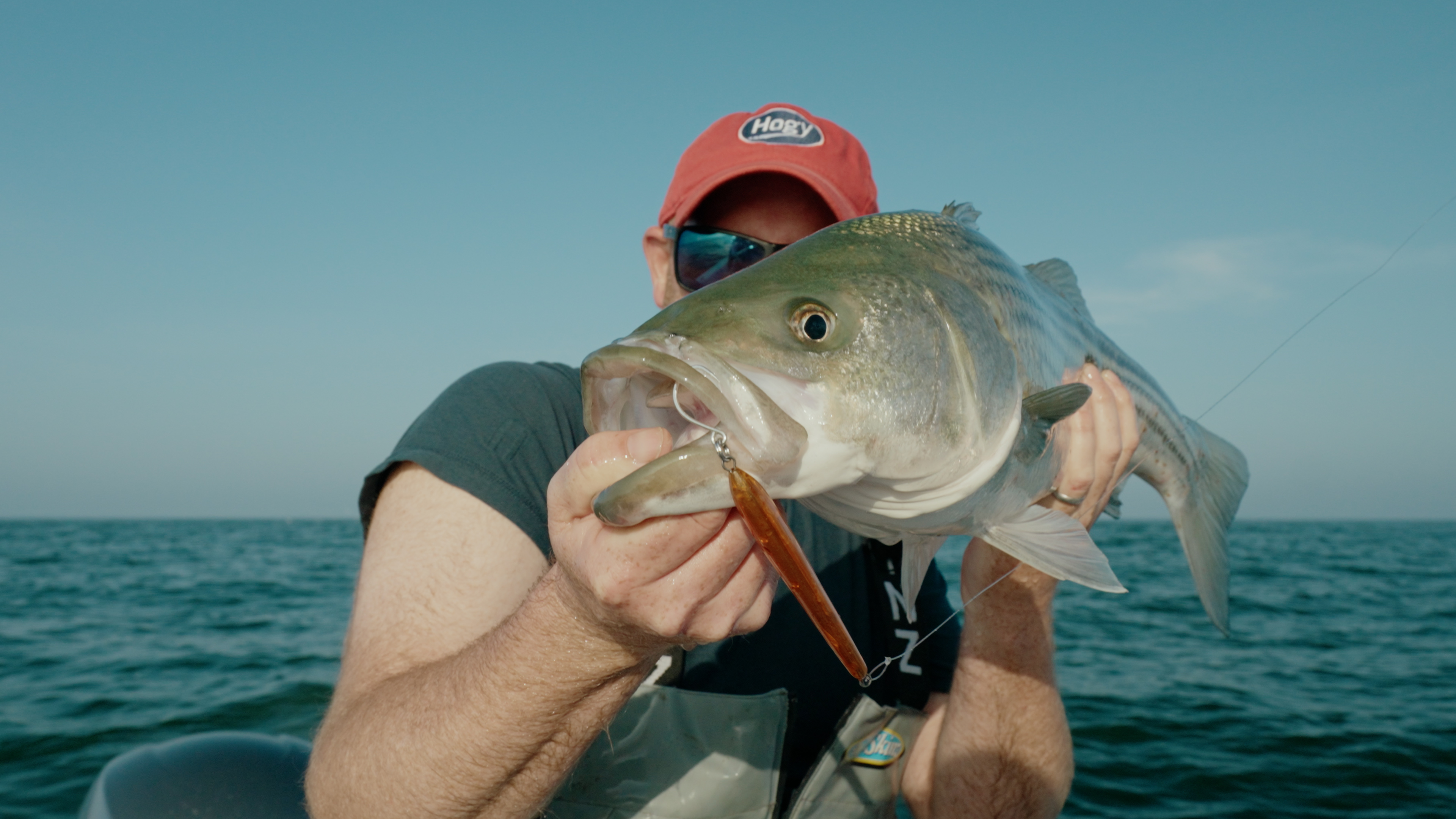
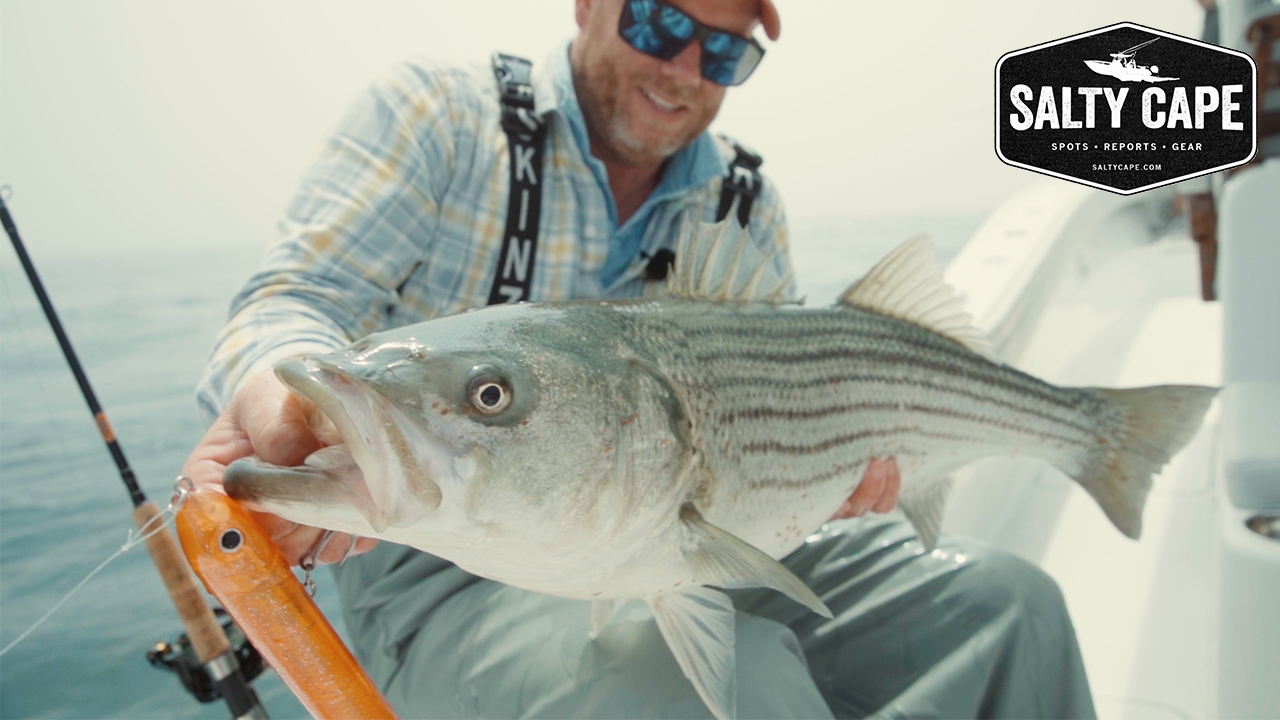
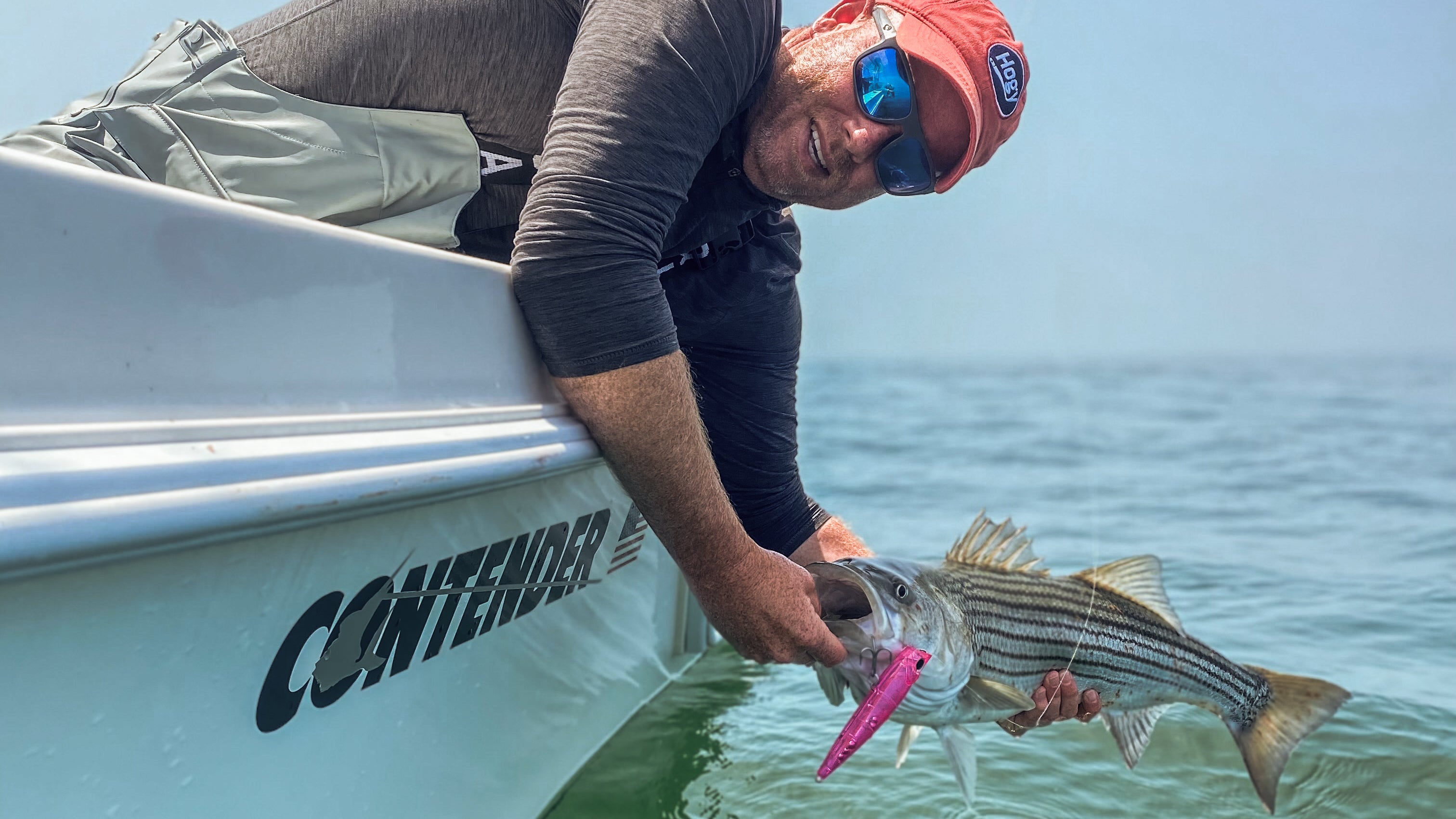
Handkerchief Shoal, Monomoy, June 2nd. Greasy calm, big fish sipping squid in the smooth water out front of the rip. The Hogy 6″ Chug Popper — the Franken Popper — doing everything Mike pictured it would.
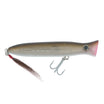
The fish weren’t in the rip. They were out in front of it — big stripers in greasy calm smooth water, sipping squid quietly just before peak velocity. Lots of boats were grinding the rip. Mike tipped-toe away, found the gulls sitting out in the calm water, and started making long tactical drifts. The Hogy 6″ Chug Popper — blind-cast into the smooth water, big loud pop to call them in, walk-the-dog as they circled — handled everything the session threw at it.
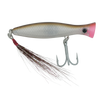
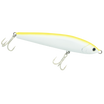
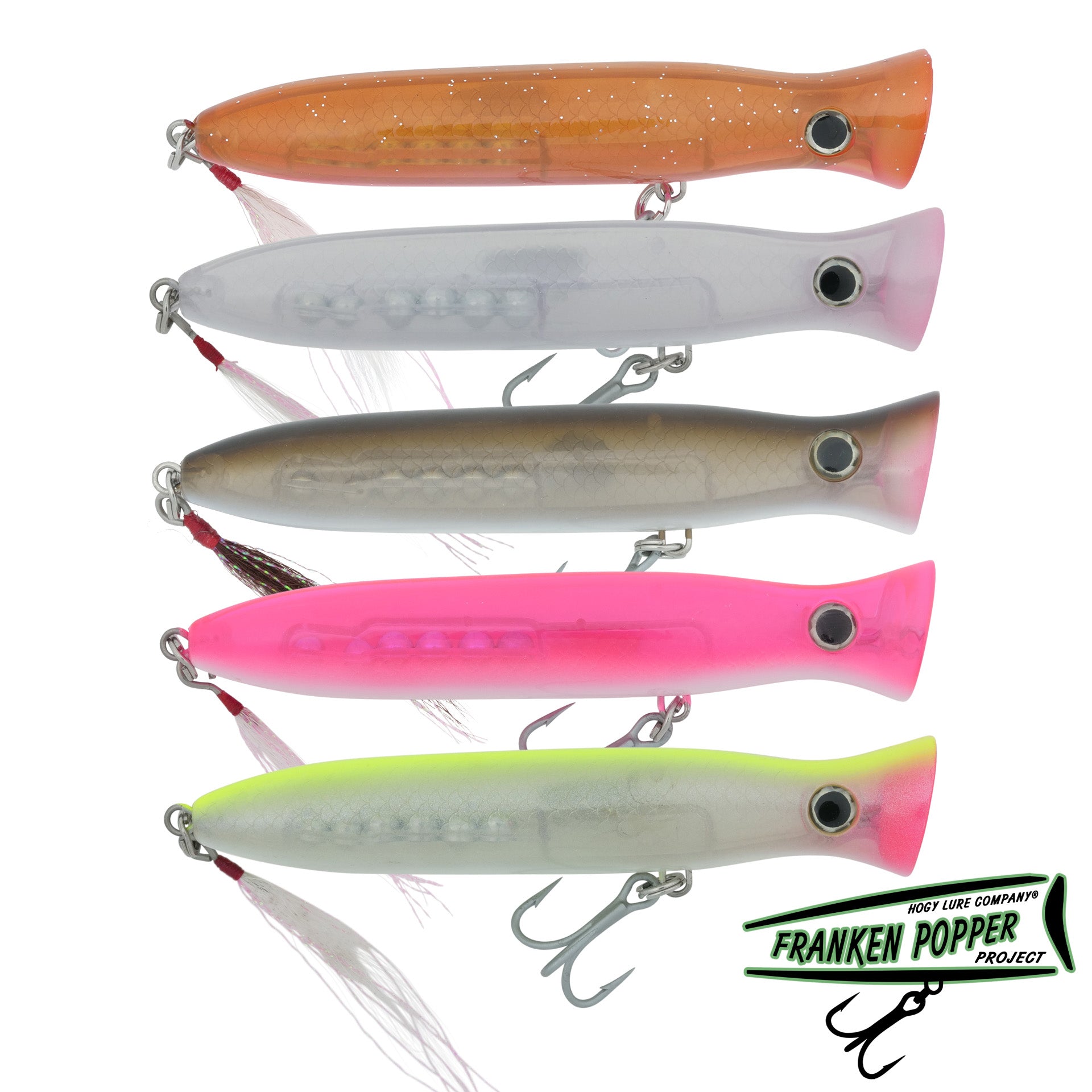
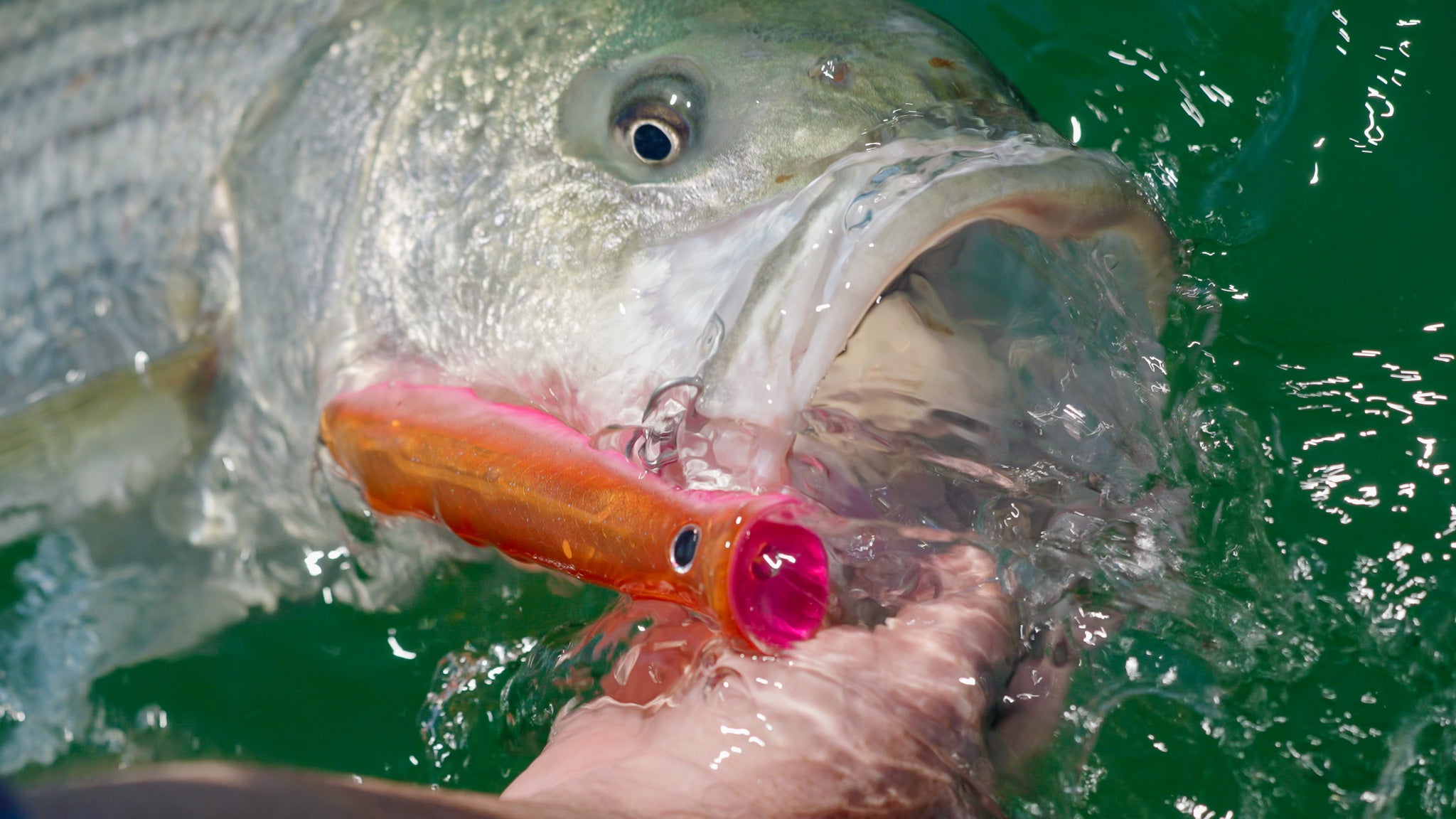
The lure has a story behind it. Mike calls it the Franken Popper because it was crowd-sourced — a customer survey at Hogy asked what anglers wanted in a topwater plug, and the answers drove the design. Dog walker action, chug popper head, classic popper body. Three lures in one. The result is a plug that launches like a missile, floats horizontally like a squid, and can walk the dog, chug, and pop on command — all from a single 6″ 1 7/8oz frame.
What the early June squid run at Monomoy tells you
Context that shapes every decision that follows.
Early June at Monomoy’s Handkerchief Shoal is peak squid season. The loligo run is at full strength and the bass are keyed on it. The rips fire when the tide runs and the fish stack up. But there’s a version of this bite that happens in the smooth water out front — big fish that have pushed off the rip edge to feed in quieter water, sipping squid deliberately rather than ambushing them in the turbulence. This is the patient topwater game and it rewards long casts, calm drifts, and anglers who are willing to leave the crowd behind.
- Fish sometimes push out in front of the rip just before or after peak velocity. When you see gulls sitting in the calm water well in front of the rip edge, that’s the tell. Tip-toe away from the rip and start drifting the smooth water.
- Greasy calm conditions demand less commotion, not more. A continuous hard-pop cadence spooks fish in flat water. Open with big pops to create a focal point, then drop to walk-the-dog. Match the calm.
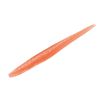
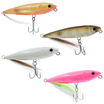
- Squid colors in June: amber is the primary, pink the secondary, bone the wild card. All three should be on the deck. The translucent body refracts differently across conditions.
- The horizontal float is the squid imitation. Squid are always horizontal in the water — the 6″ Chug Popper floats the same way on the pause. That buoyancy is why walk-the-dog works on this lure without correction.
- Blind casting covers more water than sight casting on a sip feed. Periodically you’ll see a small puddle or swirl — aim at it immediately. But between puddles, keep the drift going and keep casting.
Greasy calm — adjust the retrieve, not the lure
The conditions shaped how the Franken Popper was fished today.
Greasy calm. The best possible condition for long casts and seeing surface activity — every swirl, every sip, every puddle is visible at distance. The challenge is that the same calm that lets you read the water also means fish can hear and feel every splash of the plug. Too much commotion on a flat-water day spooks fish that are sipping quietly. The retrieve had to match the mood of the water: open with big pops to create a focal point, then immediately drop to walk-the-dog as fish circled in.
The tide was just approaching peak velocity — the window when fish sometimes push off the rip into the smooth water to feed more deliberately. Not a blitz, not a crash feed. A sip feed. Patience was the primary tool.
Gulls in the calm water — the tip-toe call
Four layers. Each one narrows the answer further.
“We noticed some gulls sitting out front in the calm water — out in front of the rip. So we just tiptoed away from the rip. Started making these big long drifts. Series of blind casts, but periodically you’d see a little puddle — aim the popper right at the puddle. Working smarter, not harder.”
Gulls sitting in calm water out in front of the rip — not working the rip itself, but stationary in the smooth water. Classic tell for fish sipping bait in open water. More birds further down the shoal confirmed the bite was spread across the area, not pinned to one spot. Gulls sitting (not flying or diving) in calm water = sip feed, not a blitz. Fish are there but not crashing. Tip-toe to the calm water, start the long drifts. Don’t blow in with the engine and spook the bite.
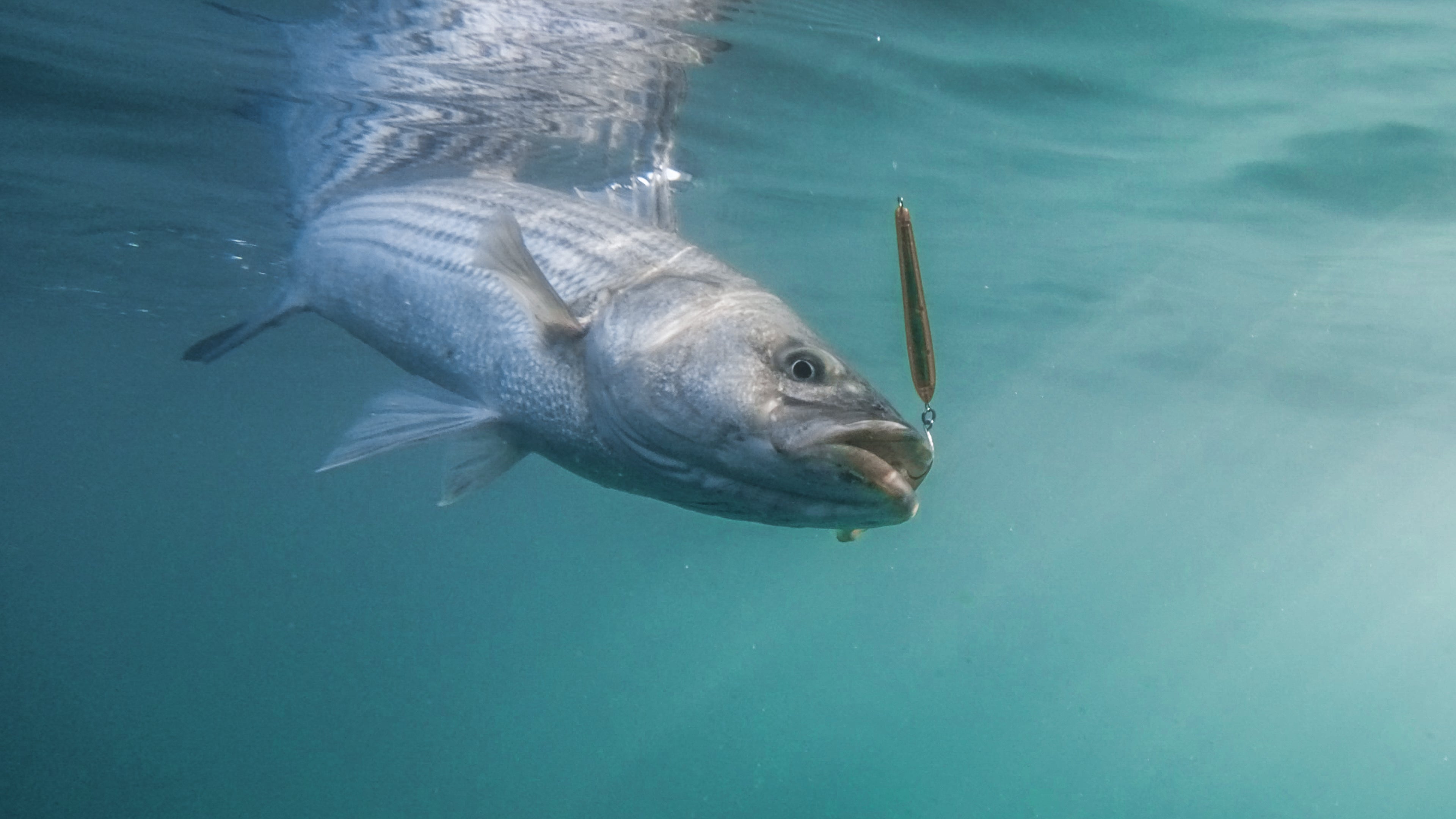
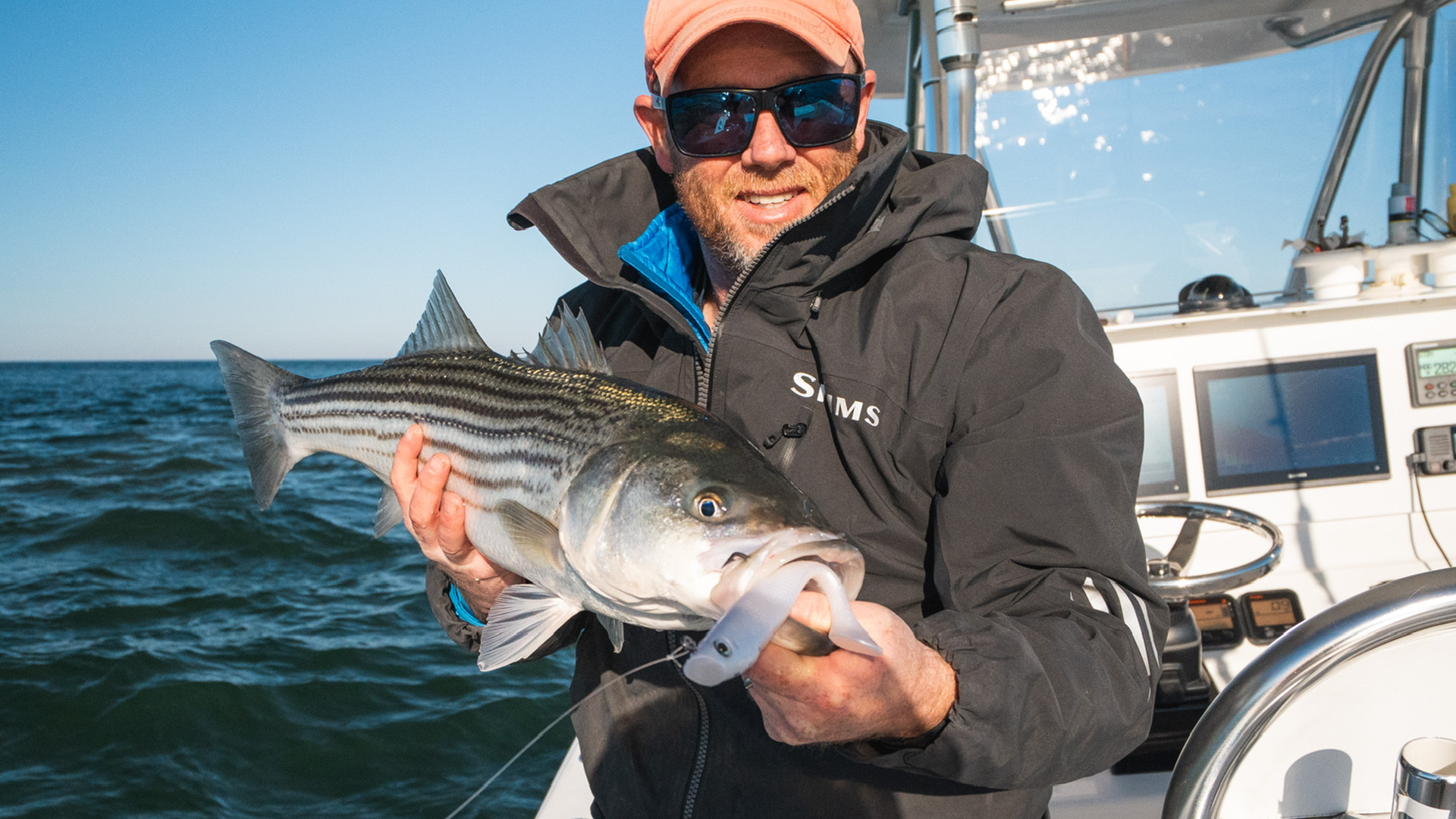
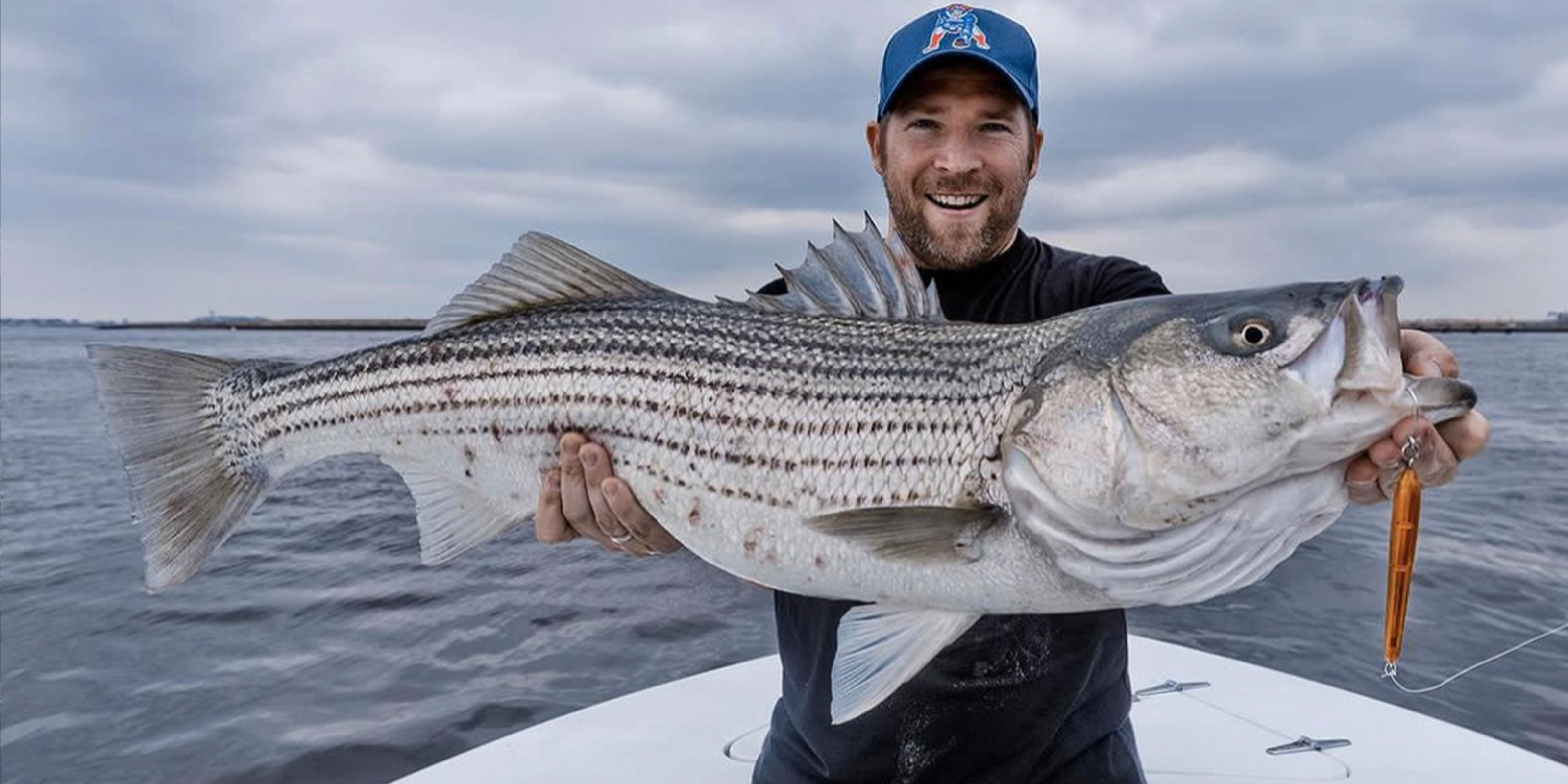
Periodic small puddles and swirls on the calm surface — fish sipping squid close to the top. Not crashing or blitzing. The session went 3 for 4 on big topwater eats. Hook-up ratio strong on the single belly hook. Fish of good size — one described as “a decent fish” on the first hook-up. Confirmed: sip feed, not a blitz. Blind-cast the smooth water between puddles. When a puddle appears, aim immediately. Big pop to call them in, walk-the-dog to close. Single hook doing the job on big stripers.
S100 Rip Line — Handkerchief Shoal rip. But the productive zone today was not the rip itself — it was the smooth water in front of it, where fish had pushed out to feed more deliberately. The rip was crowded with boats. The smooth water out front had almost nobody. Confirmed: leave the crowded rip, drift the smooth water out front. The fish voted with their position. Lots of boats in the rip = pressure on those fish. The open-water sippers are less pressured, more catchable on a patient approach.
No sonar needed — fish were visible on the surface. The calm water amplified every tell: puddles, swirls, the occasional boil when a larger fish turned near the surface. The greasy calm made the observational read straightforward once you were positioned in the right water. Calm surface = maximum visual information. Every swirl is a cast. Use the calm to read the water rather than fighting for position in turbulent rip water where surface reads are harder.
Long tactical drifts — work smarter, not harder
B2401 Open Water Tactical Drifting — the alternative to stem the tide on a sip-feed day.
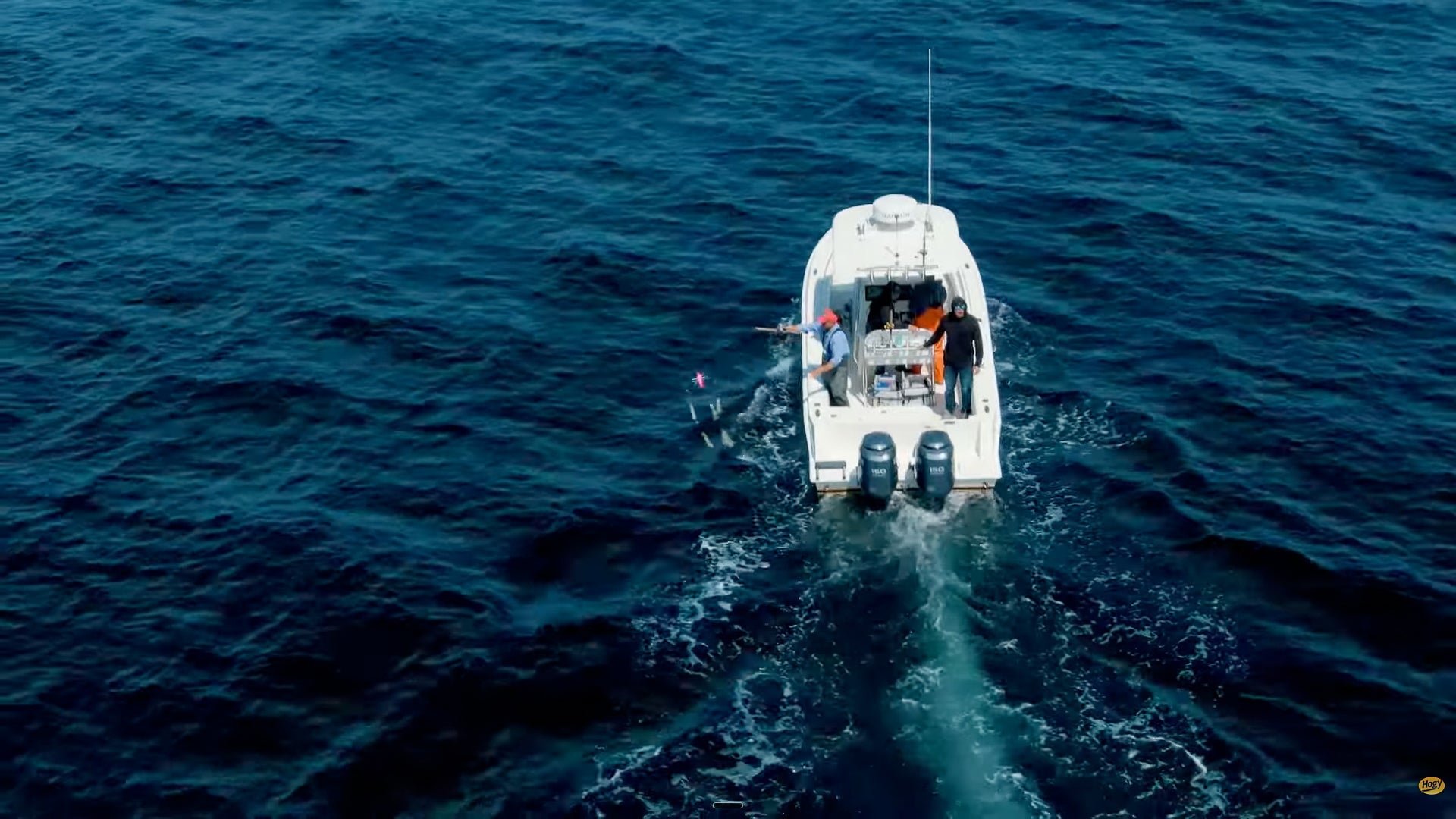
Instead of positioning on the rip and competing for space, Mike ran long tactical drifts in the smooth water out front. Idle-speed approach to the area, engine cut or at idle once positioned, long drifts across the calm surface. The drift covers water efficiently and keeps the boat quiet enough that fish aren’t spooked before the first cast. Between drifts, tip-toe the reset — slow engine, no wake.
“The approach today is making a series of long tactical drifts in front of the rip. The shoal here at Handkerchief — these fish have pushed out in front into the smooth water. So we tiptoed away from the rip. Started making these big long drifts. Series of blind casts, but periodically you’d see a little puddle — aim the popper right at the puddle, and you should be in action.”
Approach — step by step
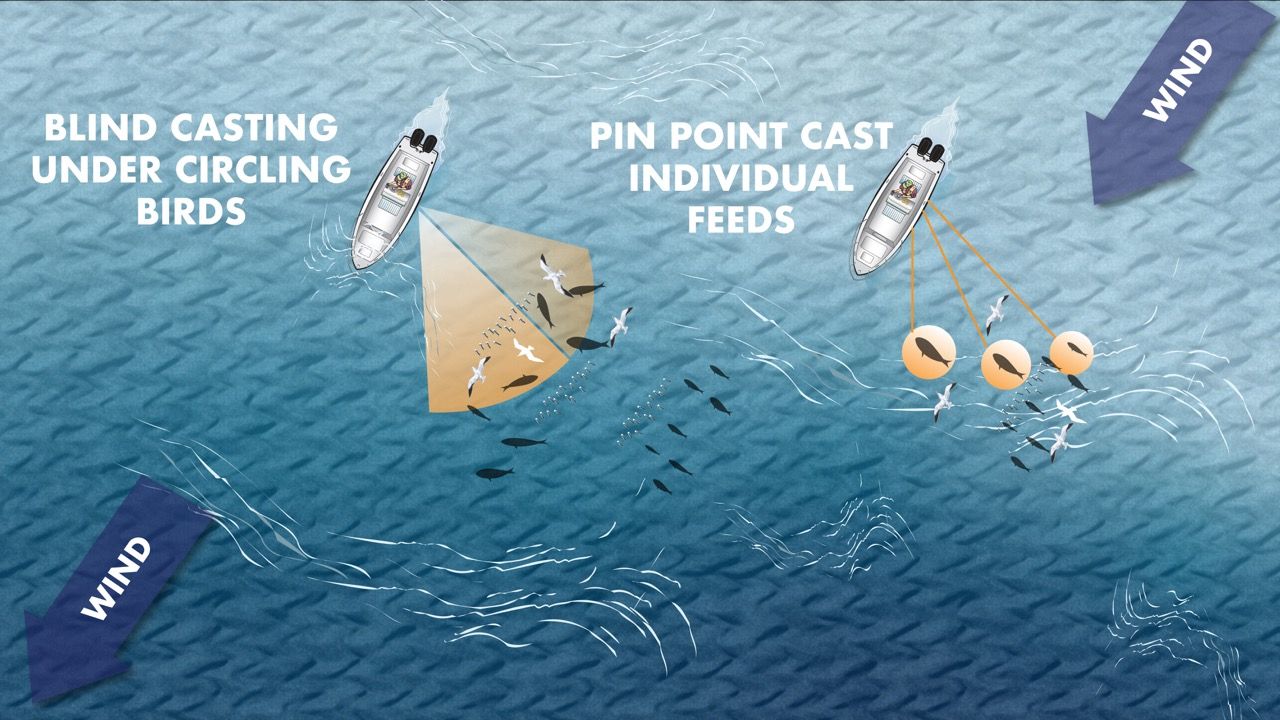
B2401 Open Water Tactical Drifting — long drifts across the smooth water out in front of the rip. Blind-cast between puddles, sight-cast the moment a swirl appears. Quiet resets between drifts.
The Franken Popper — three lures in one plug
Dog walker, chug popper, classic popper. All from one 6″ 1 7/8oz frame.
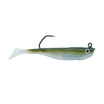
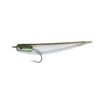
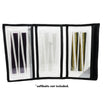
The Hogy Charter Grade 6″ Chug Popper earned its nickname the Franken Popper honestly — it was crowd-sourced. Hogy surveyed customers on what they wanted in a topwater plug and reverse-engineered the results into a single lure. The chug nose from the chug popper. The modified V belly from the dog walker, which lets it walk without correcting itself. The casting weight distribution from the classic popper — weights and rattles fixed at the rear so the plug wants to turn and launch. The result casts further than almost anything in the lineup at its size and fishes three different ways from the same setup.
On a greasy calm squid sip at Handkerchief Shoal, those three modes were all needed in the same retrieve.
The retrieve — three modes, one cast
“I want all the bass in the area to be like, ‘Wow, something just got eaten right there.’ So I just made that loud pop, pop. Now it’s a greasy calm day — too much commotion is going to be too much. So now I’m going to leverage the walk-the-dog factor of this lure. Twitch, twitch, twitch. As the lure gets closer to the boat, I slowly lower the tip of my rod.”
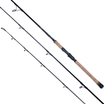
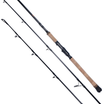
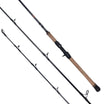
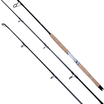
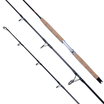
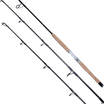
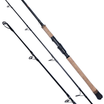
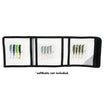
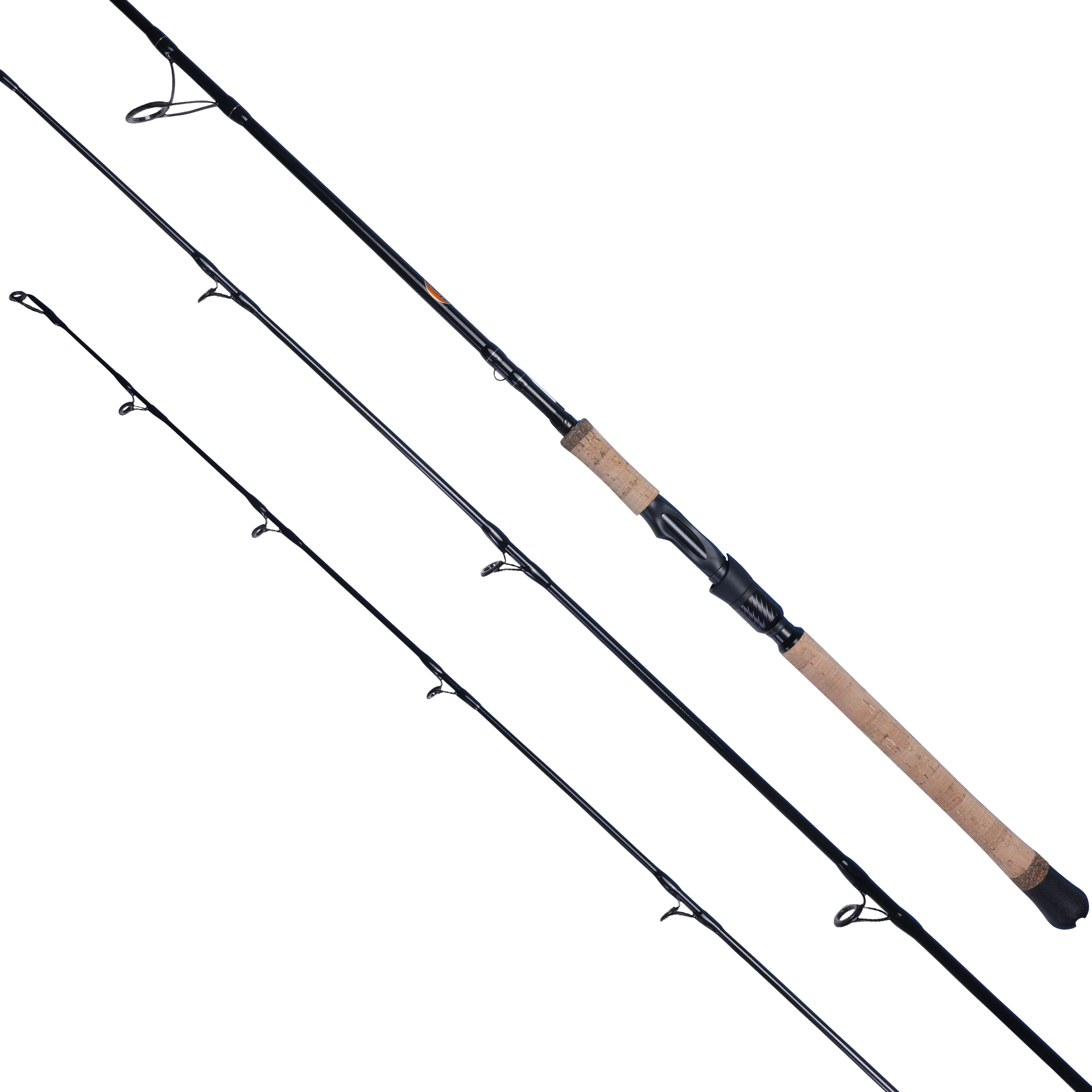
Outfit
The decision at a glance
Step 1 read the calendar: early June Handkerchief Shoal, peak squid run, fish on top. Step 2 confirmed the condition: greasy calm, pre-peak tide, fish sipping selectively — less commotion required, patience the primary tool. Step 3 delivered the unlock: gulls sitting in the calm water out front, not on the rip. Tip-toe away, start the long drifts. Working smarter, not harder. Step 4 built the approach: long tactical drifts across the smooth water, blind-casting between puddles, sight-casting the moment a swirl appeared. Step 5 closed it out: the Hogy 6″ Chug Popper — the Franken Popper — open with big pops to call them in, walk-the-dog as they circled, chug last call as the lure approached the boat. Three lures in one plug, one day on the water, a 3-for-4 hook-up ratio on big topwater stripers. Greasy calm, not too many boats, good fishing. It’s not always this good when you play hooky.


Leave a comment
All comments are moderated before being published.
This site is protected by hCaptcha and the hCaptcha Privacy Policy and Terms of Service apply.