









Hogy How-To: Skinny Water Trolling For Stripers (Pocket Tubes)
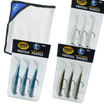
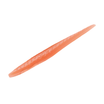
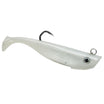
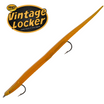
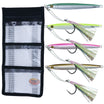
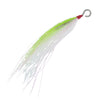
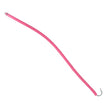
The 12" Pocket Tube is my pick for skinny water and sand eels: a smaller tube on the spinning outfit I already brought for casting.

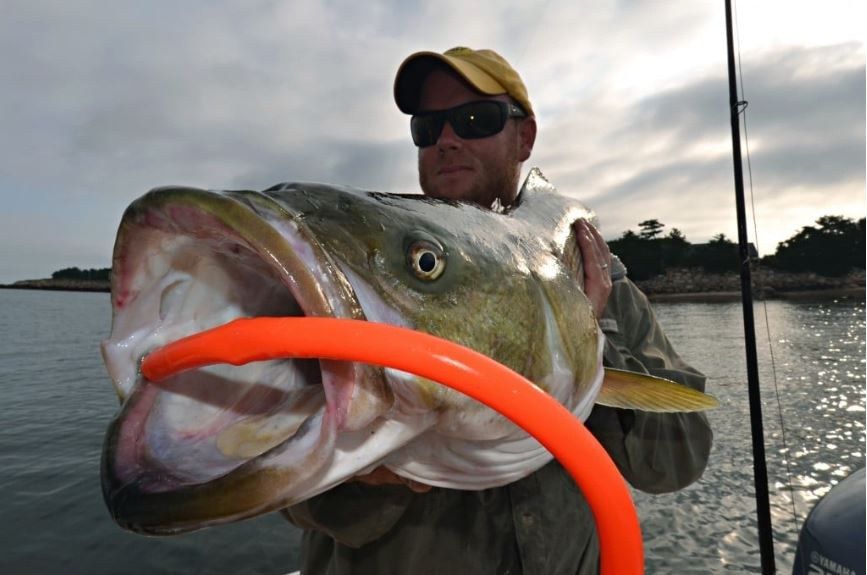
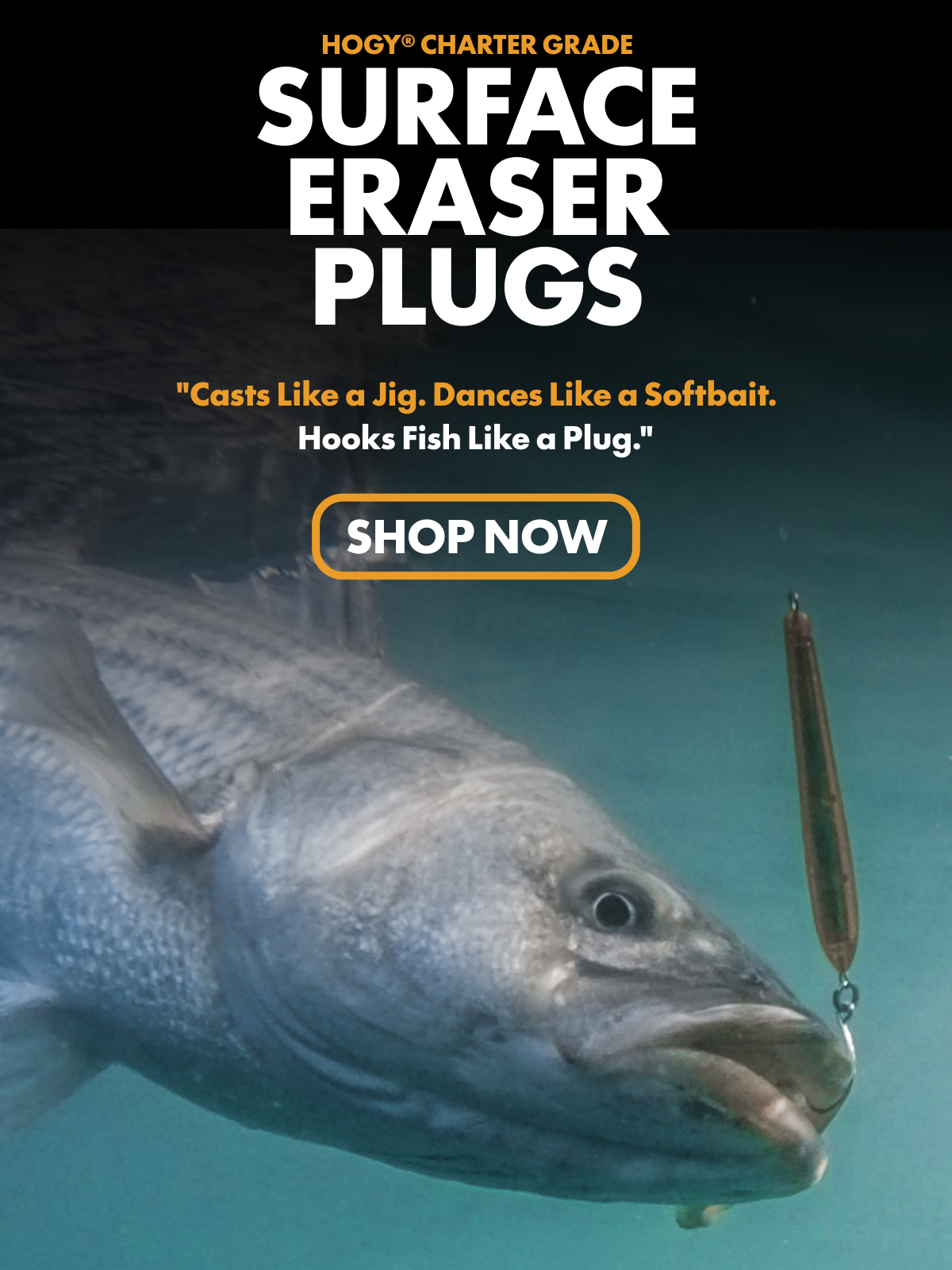
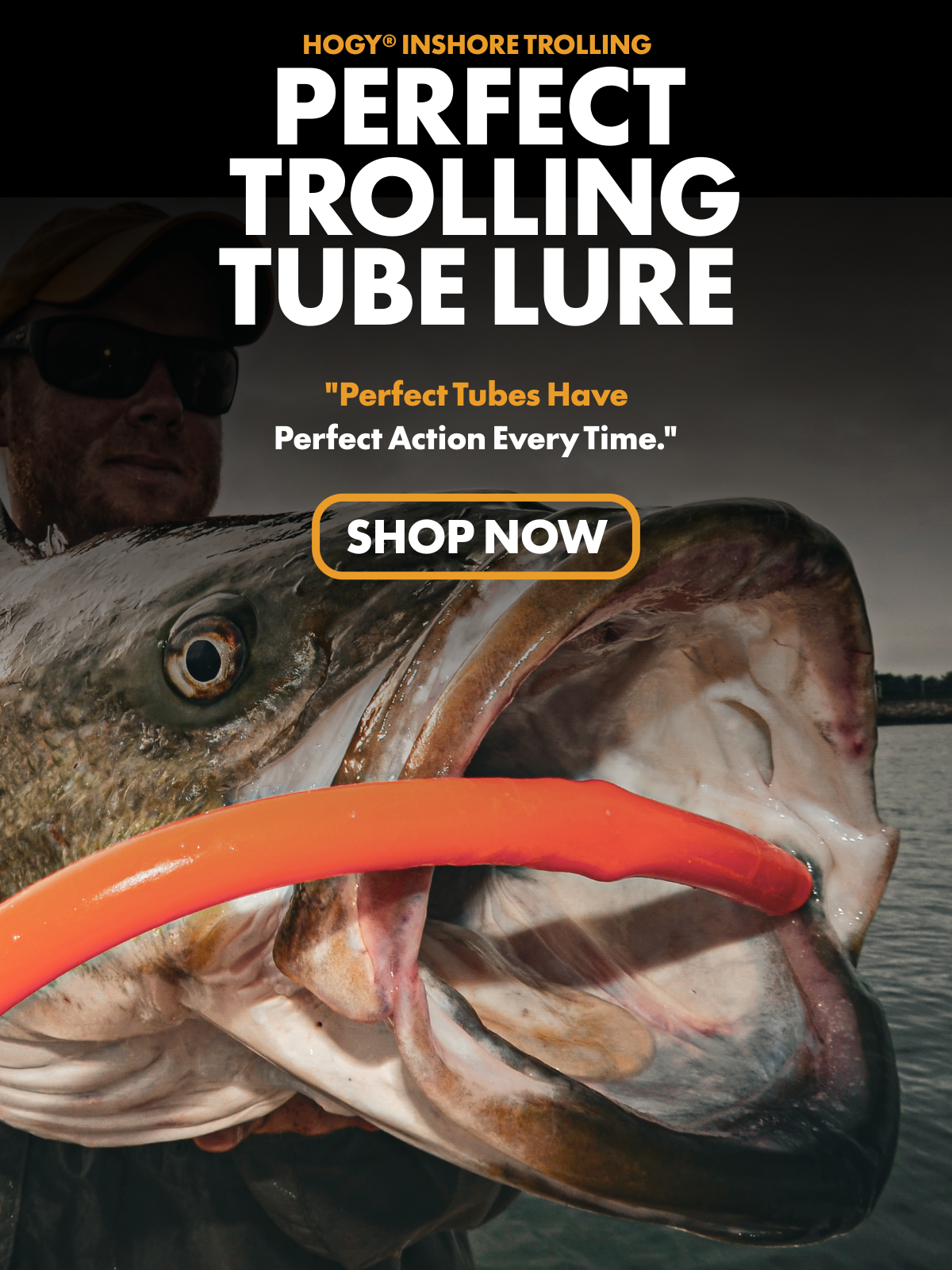
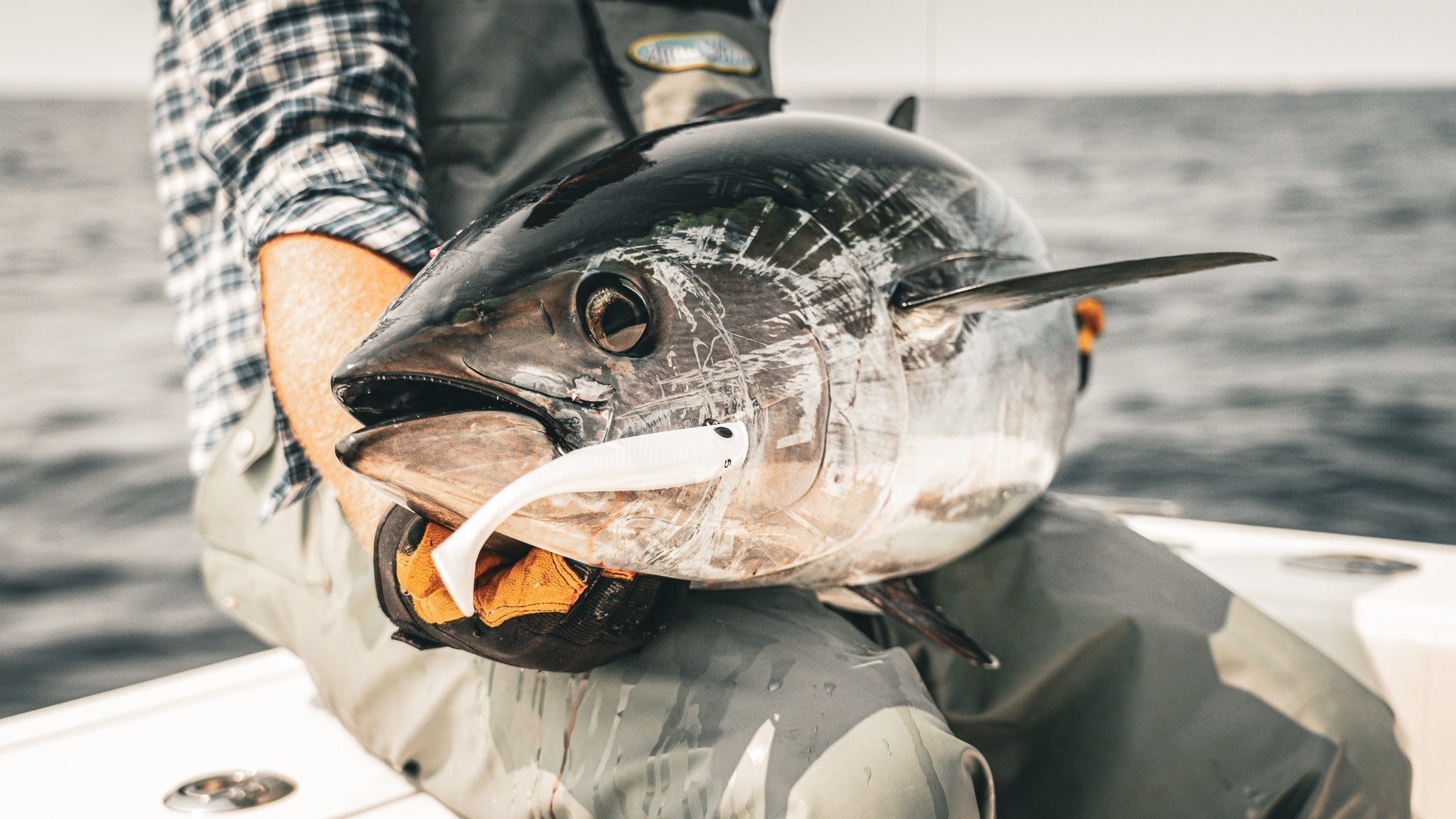
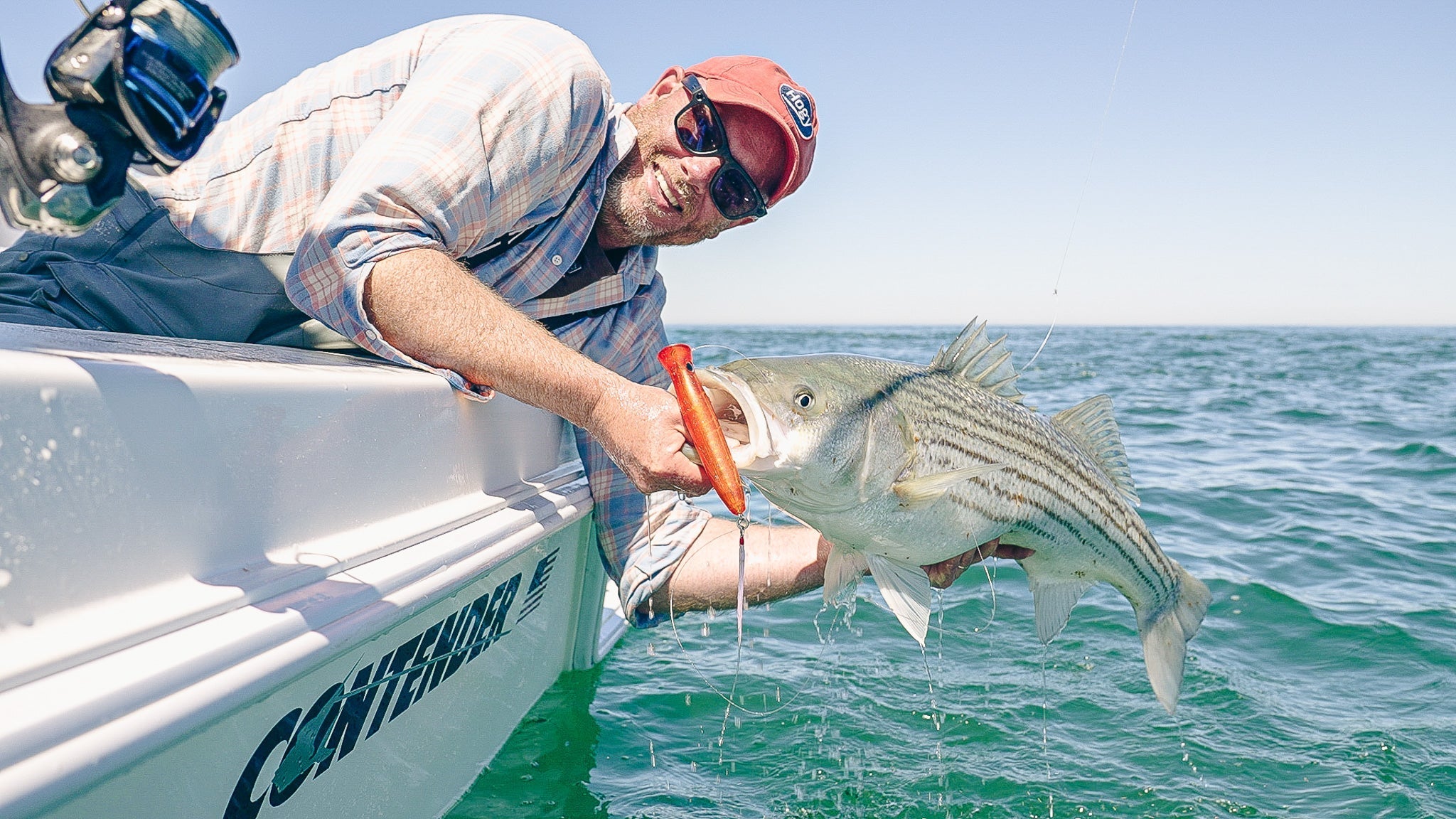
Striped bass on a trolling tube. A larger tube is shown here; the article focuses on the 12-inch Pocket Tube.
I usually catch more fish on larger tubes. But micro tubes are a bit of a secret weapon in skinny water and when stripers are feeding on sand eels. Those are the situations where I reach for the 12" Pocket Tube: a smaller profile I can work along a shallow edge on the same spinning outfit I brought for casting.
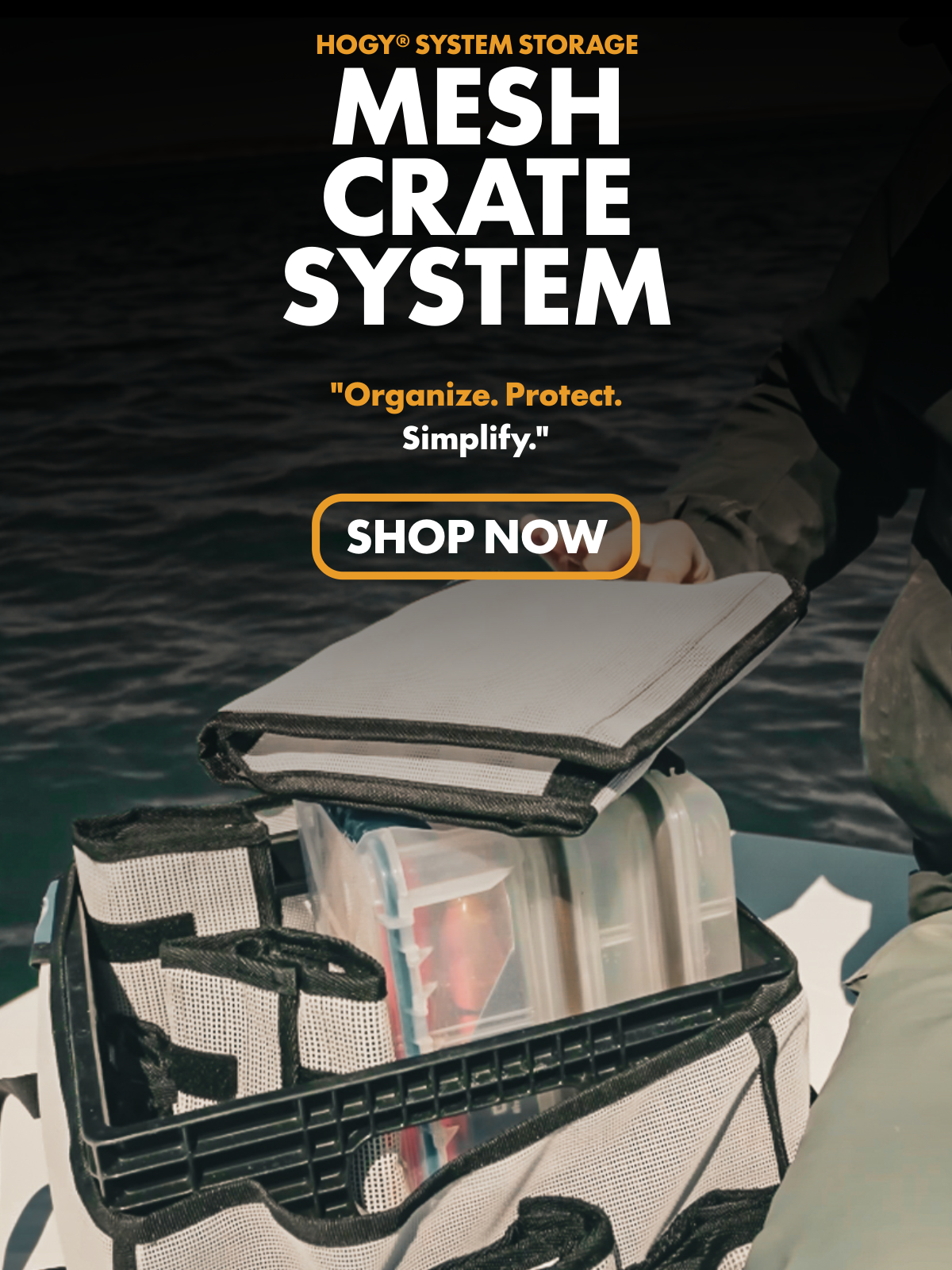
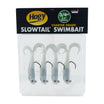
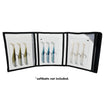
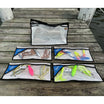
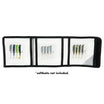
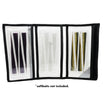
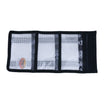
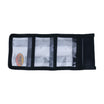
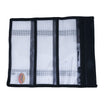
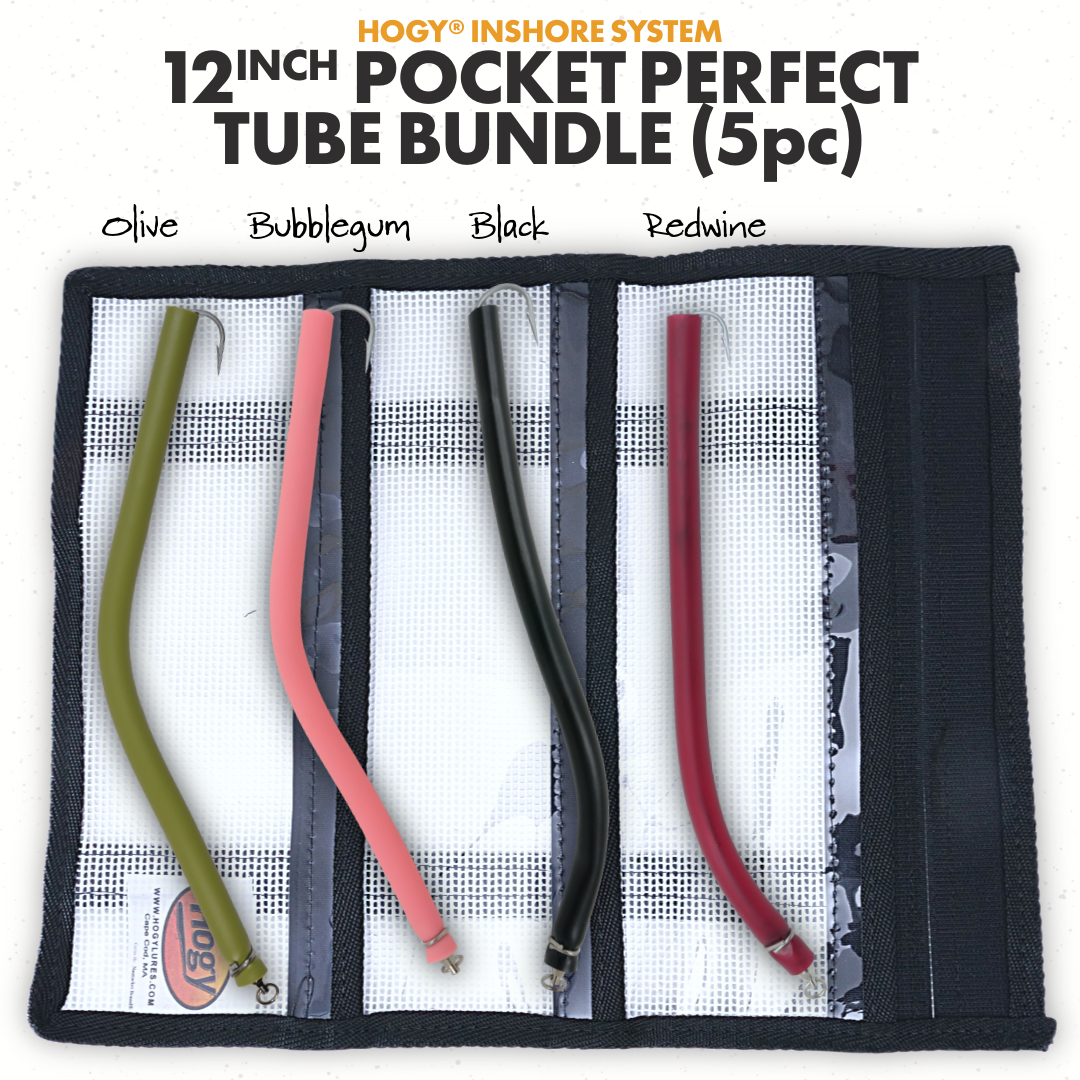
That is what makes this such a useful addition to the Hogy tube lineup this year. I can fish it light from a kayak, skiff, or small center console, then add a trolling sinker and step up the outfit when I need to work deeper. The tubes roll up in a large mesh bag that fits right in the crate.
I am looking for a reason to go small. In skinny water, I want a manageable presentation that stays clear of the bottom. Around sand eels, I want a slimmer offering than my usual big tube. I still have to put it in the right lane, but those are two situations where the little tube deserves the first pass.
Where I would start each season
| Season | Where to look | How I would fish it |
|---|---|---|
| Spring | Protected estuaries and river edges where the shallows warm ahead of the outside water. Look for bait and a temperature difference. | Follow the channel shoulder beside the warmer shallows. On cool mornings, an afternoon warming window may be more useful than first light. |
| Summer | Shallow rock edges and channel margins at dawn and in the evening. Cloud cover can extend the opportunity. | Make the shallow passes while light is low. If bait and fish slide deeper, work the adjacent contour rather than continuing over an empty flat. |
| Fall | Bait close to shore, estuary mouths, and shoreline contours along the fall run. | Stay with the bait. Troll stretches between visible feeds and revisit edges that produce. If bass are feeding within casting range, pick up the casting rod. |
The calendar gets me looking. Bait, current, and the fish tell me whether to stay. In spring, warmer inshore water can be an advantage. In summer, a hot backwater with little life is a reason to check the cooler water closer to the mouth.
Follow the edge
I start by choosing a lane I can follow. Along a contour, I want the tube traveling beside the depth change for most of the pass. Along rocks, I want it swimming past the outside edge with enough clearance to keep fishing.
Outside shallow boulder fields, I follow a clear lane along the outer edge. I leave room for the tube to trail around the rocks, especially through a turn. The boat can clear a boulder while the line cuts across it. In the skinniest water, I keep the tube moving and use little or no added weight.
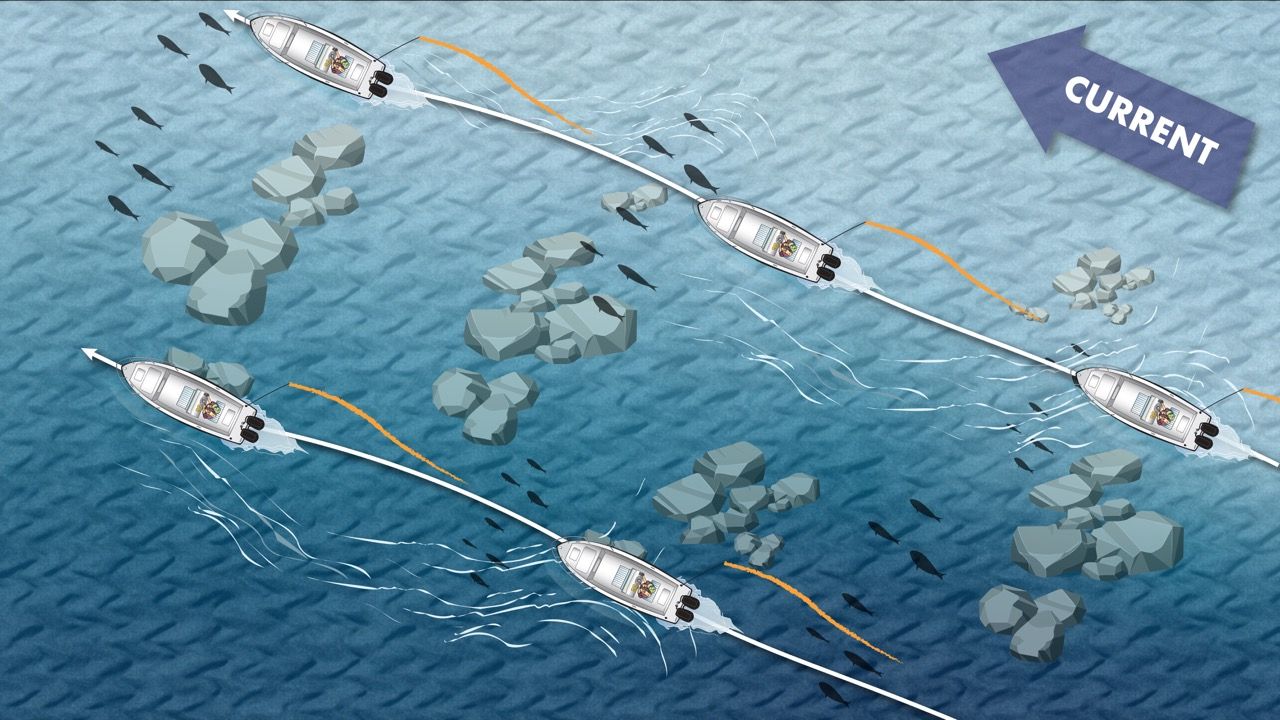
Boulder-field trolling: run a clear lane alongside the rocks and allow for the trailing tube through each turn.
In an estuary, I follow the channel shoulder beside the shallow feeding water. Bends, small drains, and places where bait gathers get a deliberate pass. If the bites come from one bend, I work that bend again before trolling the rest of the harbor.
In a deeper river, I follow the channel edge beside a flat or along a bend. I watch for bait and fish on the shoulder versus farther down the slope, then adjust the weight to reach them. A small tube can still be the right profile even when the fish are no longer shallow.
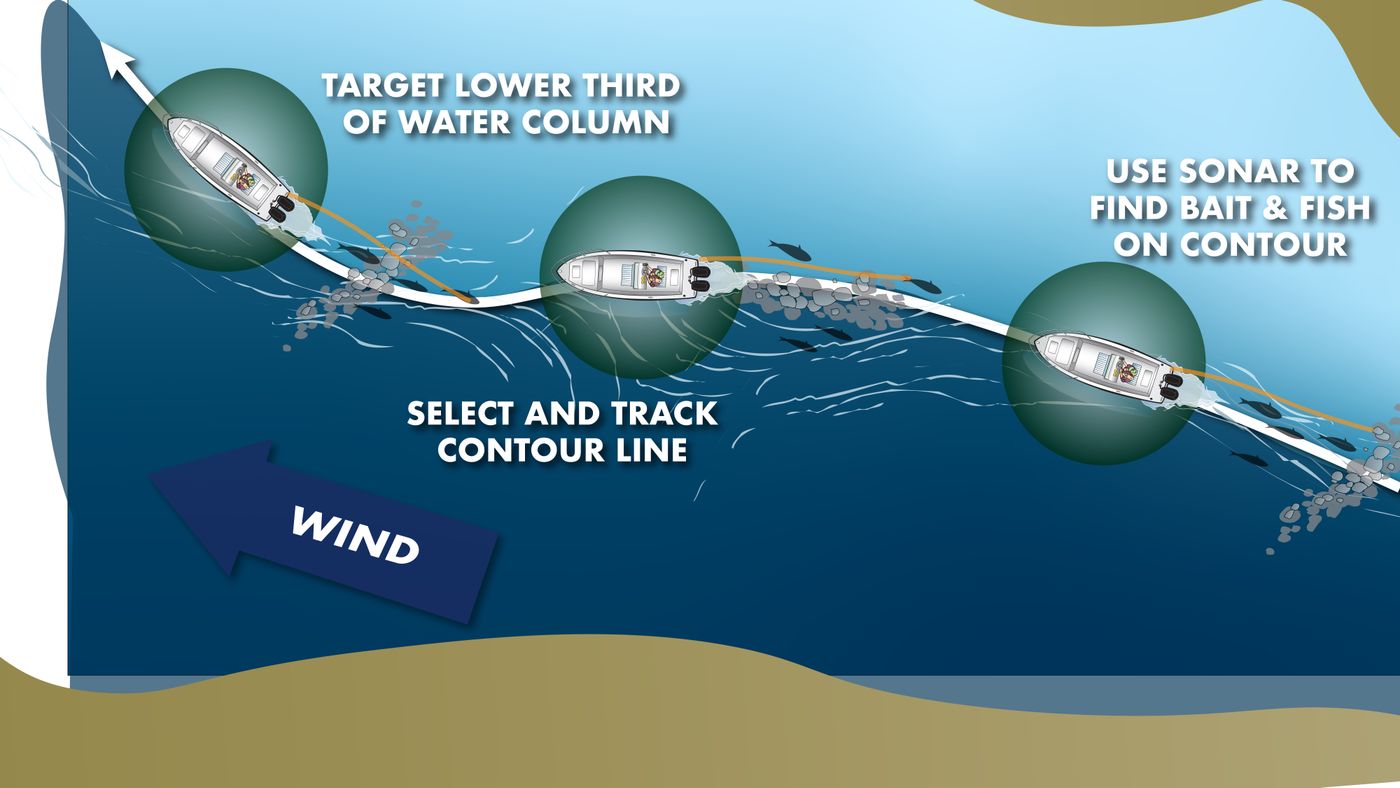
Contour trolling: follow the depth break and use fish and bait marks to choose the running depth. The lower-third target shown applies when fish are holding low.
Over deeper boulders, I add a sinker and choose a contour with clearance above the rock tops and room to turn. I use the heavier outfit when the combined pull of the tube, sinker, and current calls for it.
The outfits I use
| Setup | Where it fits | What matters |
|---|---|---|
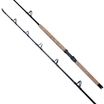
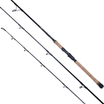
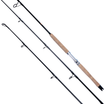
| Hogy 7' Medium-Heavy Spinning (7MH) | Skinny water and light trolling loads. | My starting outfit for the Pocket Tube with little or no added weight. It keeps the presentation light and is ready for casting when fish show. |
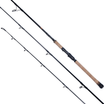
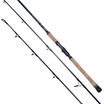
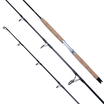
| Hogy 7' Heavy Hybrid Spinning (7HHB) | Added sinker weight, deeper edges, or more current. | My step up when I want to stay with spinning gear. The deeper bend cushions the steady trolling pull and the strike. |
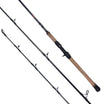
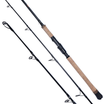
| Hogy 7'6" Inshore Conventional | Weighted trolling and repeated controlled drops. | A conventional option when I want to feed line under control and repeat a productive amount of line out. I match the total load to the outfit. |
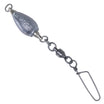
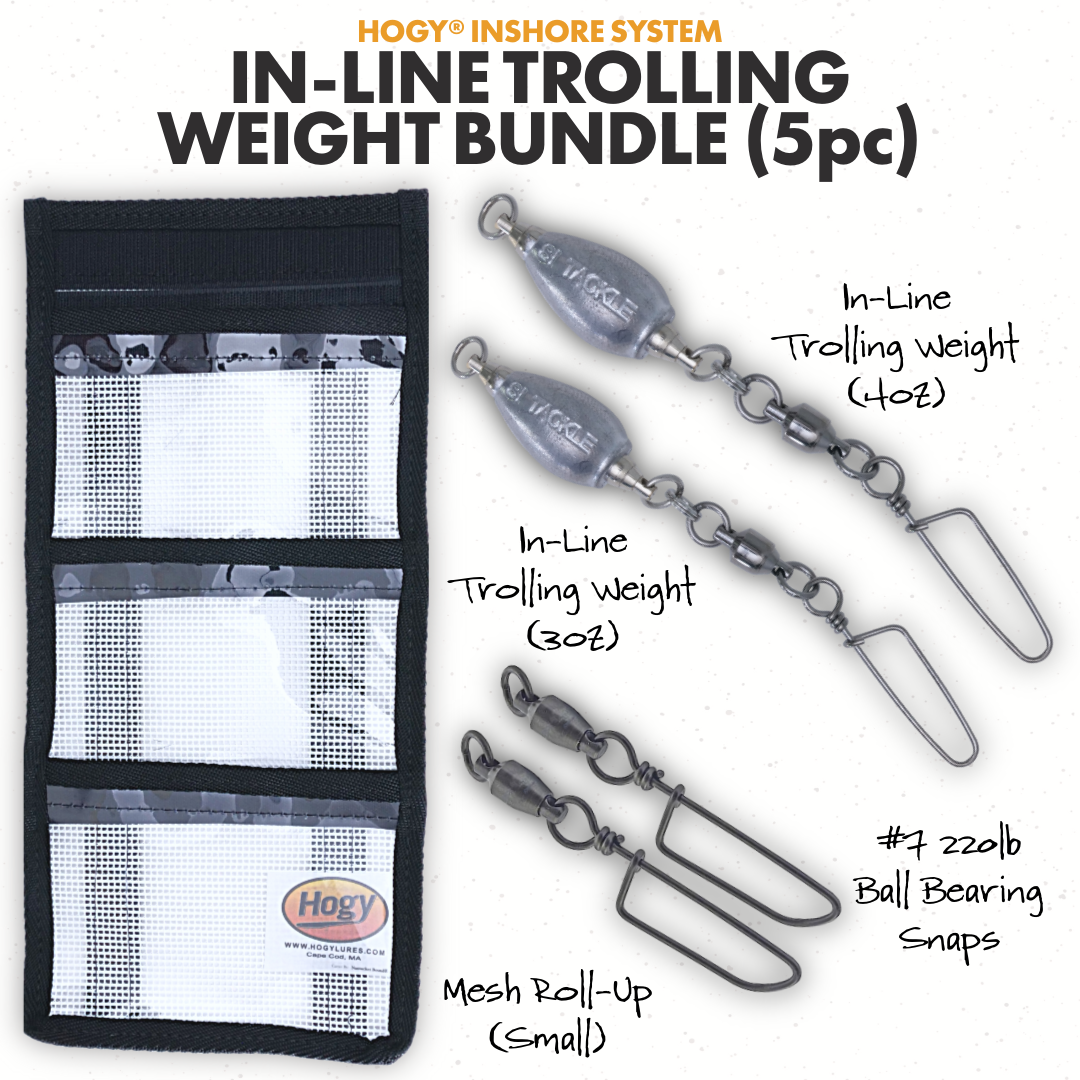
I start without an added sinker in shallow water. A 3 oz trolling sinker gives me another option when fish are deeper, but it is not a fixed depth setting. Current, line out, and speed through the water all affect where the tube runs. I adjust one thing at a time so I can repeat a productive pass.
Tip the tube with a seaworm for the classic tube-and-worm presentation. Keep the bait clear of the hook point and check it after short strikes. Use a functioning ball-bearing swivel connection; a tube needs to roll without winding up your main line.
Before letting it back, swim it beside the boat. Find a slow pace that gives it a clean, consistent roll. Then feed line out under control. Dumping a weighted rig overboard in a heap is a good way to wrap the tube around the leader.
Make the first pass count
Start with one tube and a straight, repeatable pass. Watch the water and the sounder, and keep track of the line you have out. A subtle pulse in the rod tip helps you monitor the tube, but it does not tell you its exact depth. If the action suddenly changes, check for weed, a fouled bait, or a tangled rig.
Judge speed by how the tube swims. The same GPS speed can produce very different action going with the tide and against it. Adjust when you change direction.
When you get a bite, save the position and remember the direction of the pass, line out, and weight. Then fish that lane again. Repeating a productive piece is usually a better next move than immediately adding another hundred yards of shoreline.
Stop and drop over marks
When I mark fish in a deeper pocket, I can work the tube instead of simply towing it past them. I ease the pull, let it settle, and bring it swimming back up. This is the Troll Scan retrieve in the Salty Cape system, and it is particularly useful when fish stay low beside structure.
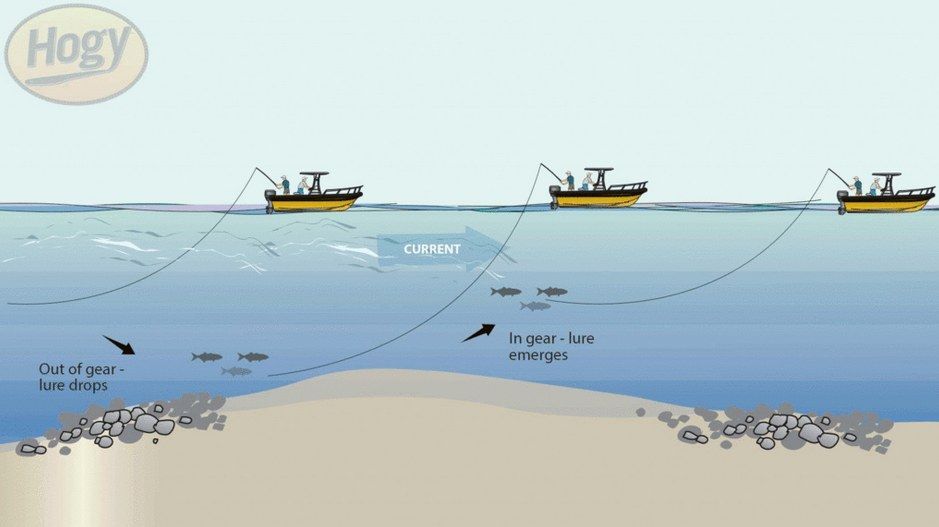
Stop and drop: ease out of gear to let the tube settle toward the fish, then resume to bring it swimming up. I keep the rig clear of the rock tops.
- Find the target. Look for fish marks near a channel shoulder, a deeper pocket, or the edge of a boulder field. Choose a lane with clearance for both the boat and the sinking rig.
- Allow for the tube behind you. A mark under the transducer is not yet beside your lure. Account for line out and the path of the pass before making the drop.
- Ease the pull. In a powerboat, briefly come out of gear when boat control allows. In a kayak, ease the paddling or pedaling. Let the tube settle on a controlled line without feeding a loose pile of slack.
- Resume before it hangs up. Bring the boat smoothly back to trolling pace so the tube rises and rolls away from the structure. You are fishing above and beside the rocks, not trying to park the rig between them.
- Repeat what draws the bite. If the slowdown or restart gets hit, note where it happened and make another controlled pass through that section.
Neutral does not guarantee a drop. Wind and current can keep pulling the tube, and a strong tidal flow may leave you with little depth change. Watch the line and boat movement. Keep the tube swimming through very shallow rocks, and save the drop for water where you have room to use it.
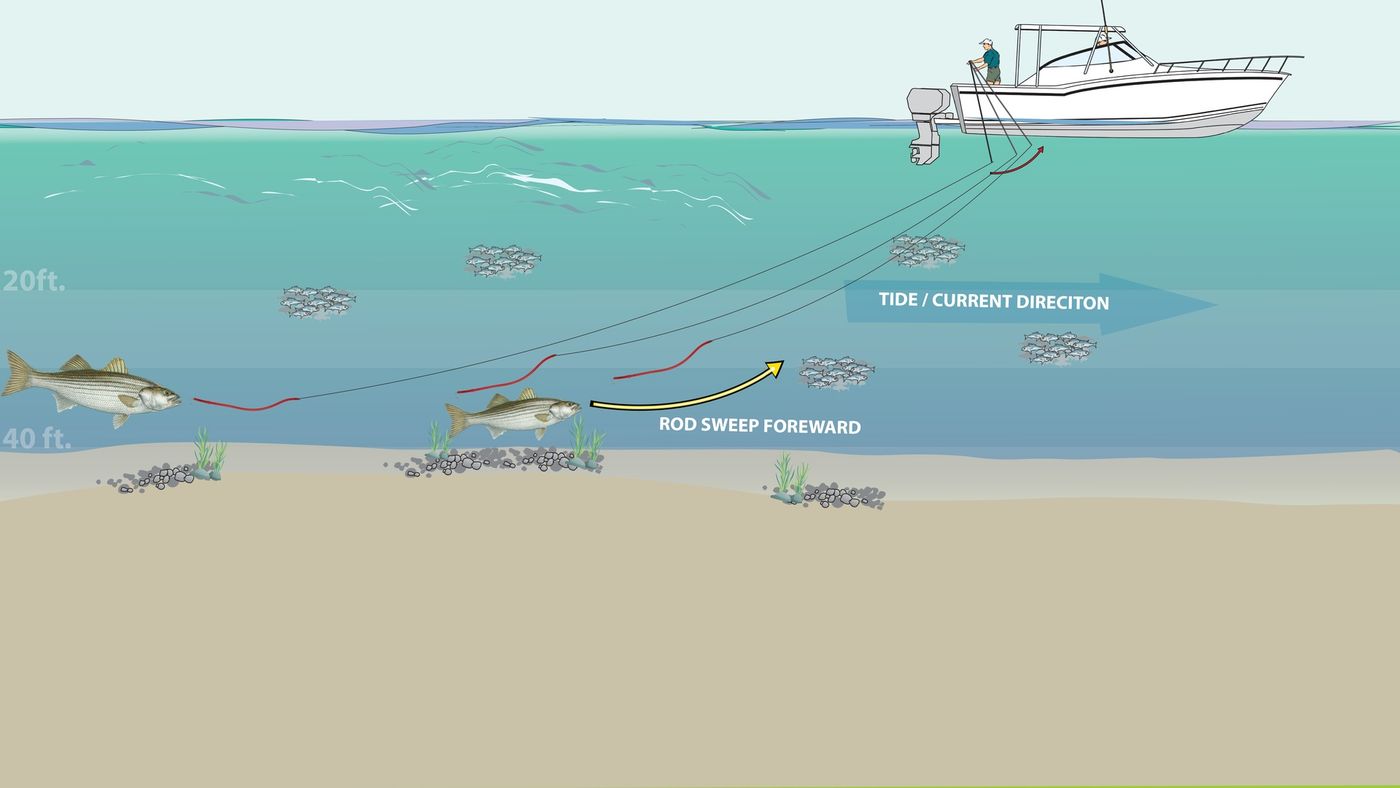
Rod sweep: sweep forward, then a controlled return. The tube speeds up, then settles back.
If you want a small change in action without stopping, make a smooth rod sweep and a controlled return. It briefly speeds the tube up, then lets it settle back.
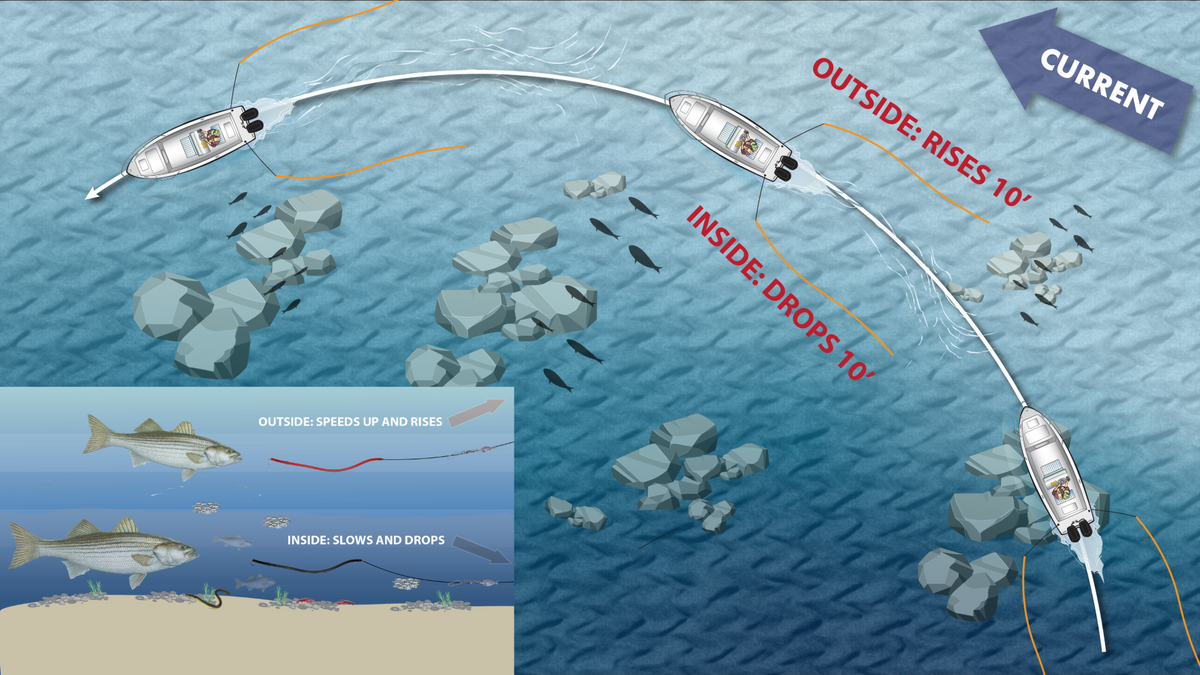
In open lanes, a gentle turn can do something similar: the inside tube slows and tends to sink while the outside tube speeds up and tends to rise. Keep turns wide enough to preserve clearance.
Kayaks and small boats
For kayak anglers, the Pocket Tube is an easy way to fish while moving between casting spots. I would start with one tube on the 7MH and a short, controllable amount of line out. Follow a channel shoulder or the outside of a rock field at a pace that keeps the tube rolling. More line is not automatically better when you have to steer, clear weed, and land a fish from the seat.
A pedal kayak makes speed changes convenient, but I would keep the same discipline in a paddle kayak: set the course first, then make the presentation. Ease off briefly for a drop only where there is enough depth and room to keep control. In very shallow water, keep moving. Before a tight turn or landing, bring the rig in rather than dragging it across the inside corner.
For fly anglers who also carry a spinning rod, I see this as a useful search option between casting opportunities. Troll the edge while looking for bait or a sign of fish. When a pass produces, note the spot and approach it again with the fly rod if the fish are within reach. I would fish the tube on the spinning outfit and keep the fly rod ready for the opportunity it helps locate.
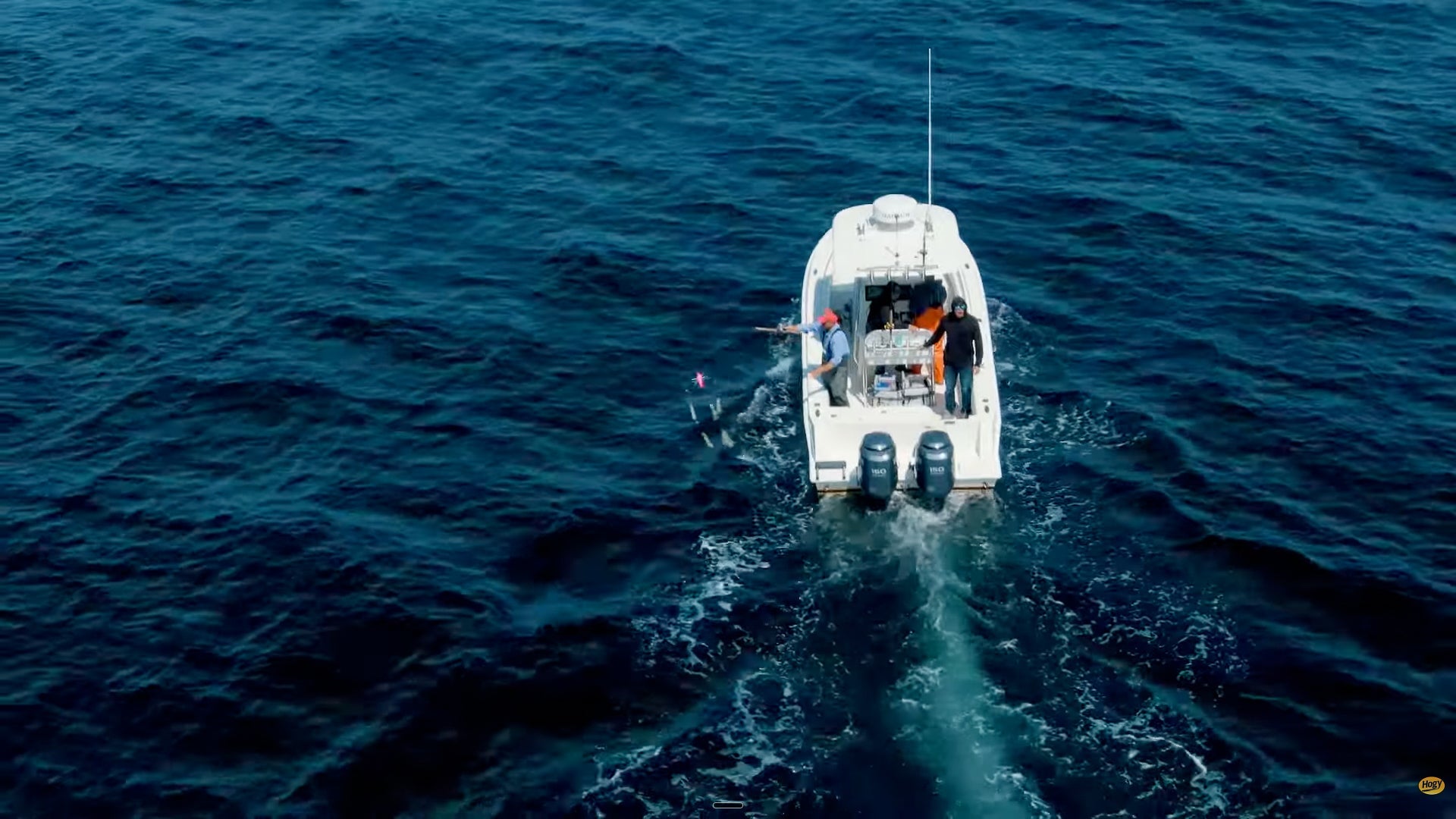
From a skiff or small center console, I use the same approach: a few deliberate passes along the edge, then a wide reset. A shallow-draft boat gets me into the area; it does not mean I need to run directly over the rocks.
When a bass takes the tube, let the rod load before reacting. Keep steady pressure and come tight smoothly. A hard snap hookset can pull the bait away before the fish has it.
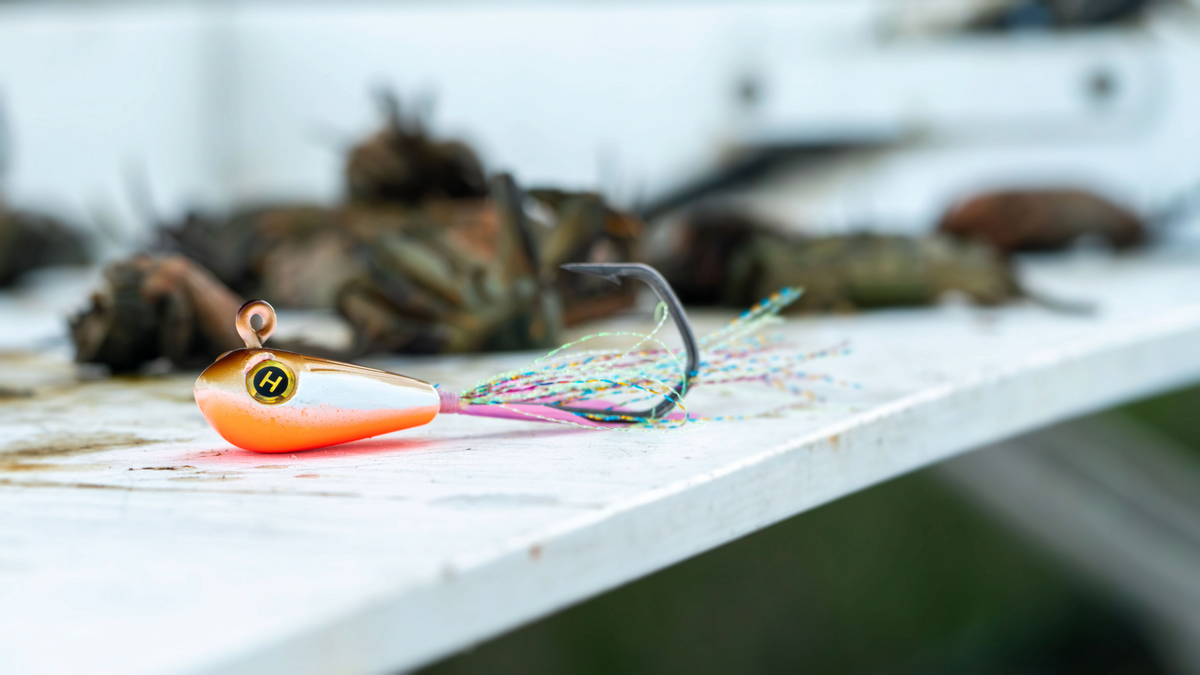
I still carry larger tubes, and they are usually my first choice for general tube trolling. The 12" earns its place when I want to fish skinny water or offer a smaller profile around sand eels. It works with gear I already carry, and a few rolled tubes in a mesh bag take very little room in the crate.





Leave a comment
All comments are moderated before being published.
This site is protected by hCaptcha and the hCaptcha Privacy Policy and Terms of Service apply.