




















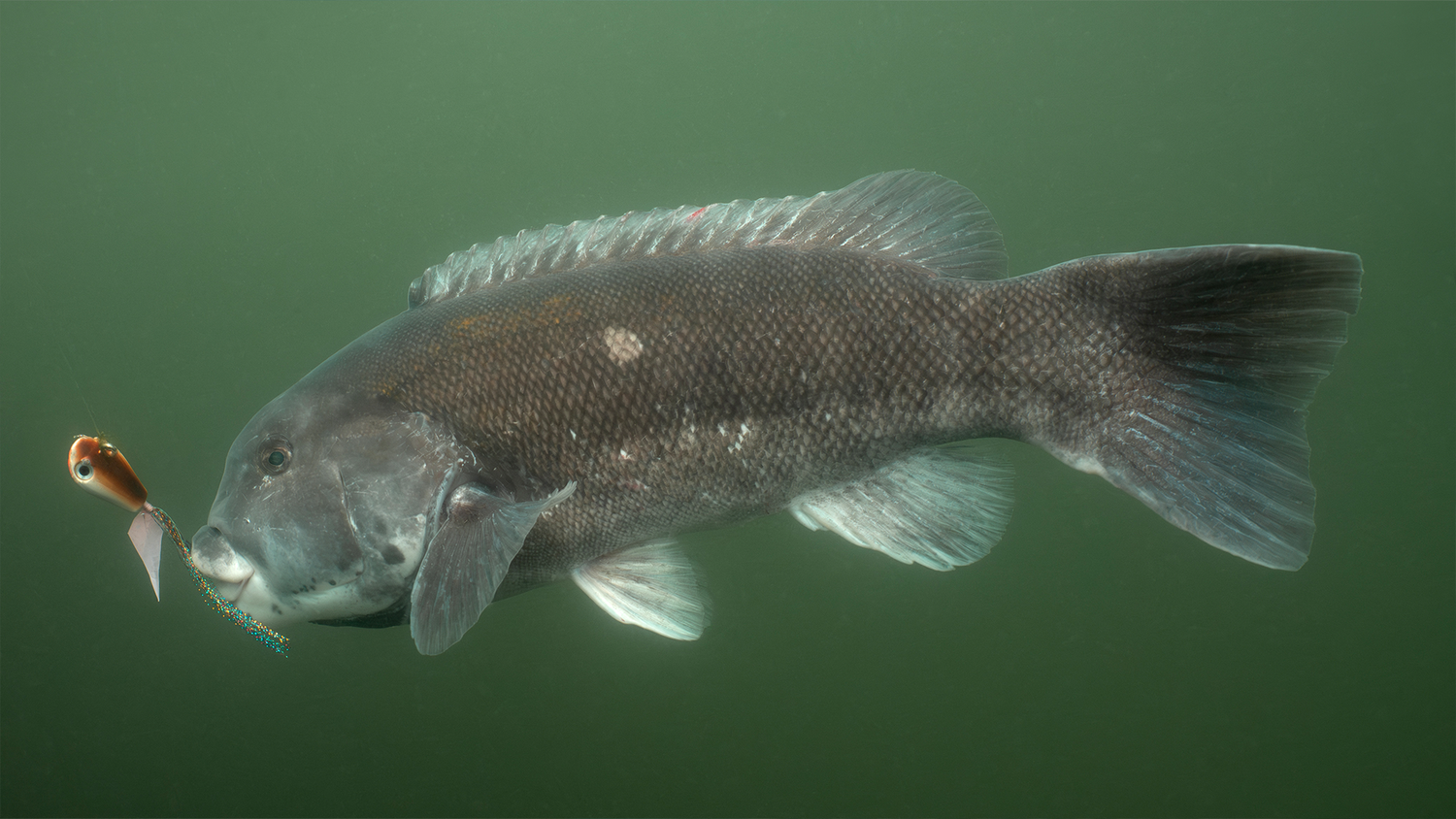
Early Tog in Buzzards Bay
Starting with what the temperature told us. Narrowing through what the sonar confirmed. Arriving at the only presentation that made sense.

Buzzards Bay, mid-April. The osprey were on the pogies. The tog were on the rocks. These are not the same fish.
Every spring there’s a window — there’s a turn-key moment — when tautog flip from inactive to feed-mode. Water temperature is that “switch.” Below 48°F they’re locked down, holding tight in deeper sheltered zones, burning as little energy as possible. Cross into the low 50s and they start moving onto shallow structure and eating.
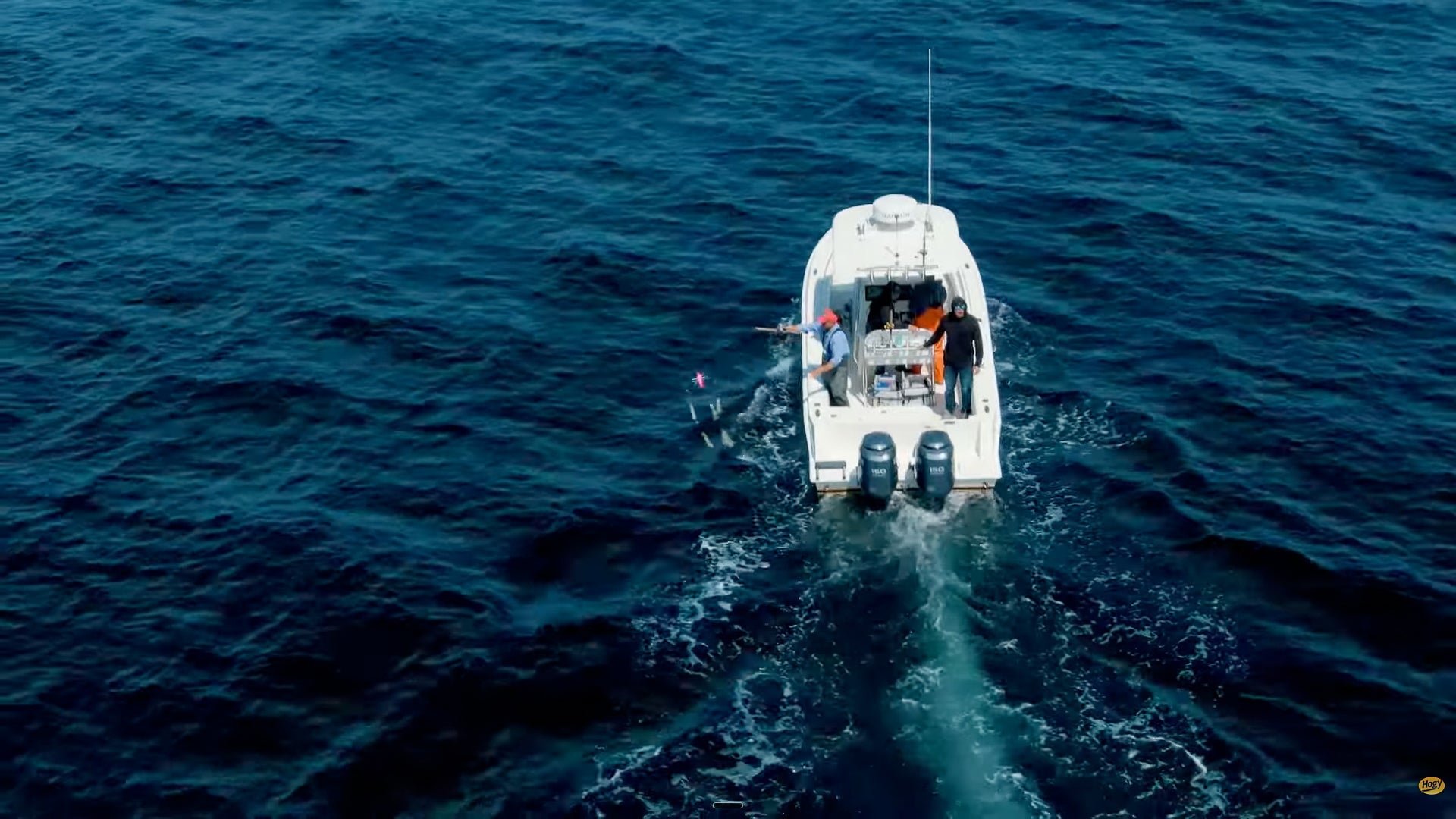
This trip was that window. Buzzards Bay, mid-April, water jumping ten degrees in a week. We ran out of New Bedford with Captain Ray Jarvis of Salt of the Earth Sport Fishing to find out how real the bite was. What follows is how each layer of the read narrowed until the only logical outcome was a Hogy Groundfish Biki Jig tipped with green crab, sitting still on a rock pile, waiting for a tautog to find it.
What the location and season told us before we left the dock
Context that shapes every decision that follows.
Buzzards Bay is the earliest reliable inshore groundfish water in the Cape Cod system. It warms faster than the Sounds and holds shallow, boulder-strewn structure that tautog move onto as soon as water temperatures become tolerable. The spring tog window here typically opens in late April, but in years where temperatures jump fast and early — as they did on this trip — fish will be ahead of that calendar.
The pattern on this structure is well established: fish move shallow once water reaches the low-to-mid 50s, they hold tight to specific pieces of hard bottom, and the bite is deliberate and low-energy early in the season. This is not a blitz fishery. It’s a patient pick that rewards anglers who sit and wait rather than moving around looking for marks.
Running out of New Bedford keeps the trip short and the water sheltered — manageable even on a brisk spring day when the wind is still finding its direction.
“The water temps have jumped and the tog have apparently moved in. We don’t have to go far — we’re going to stay in pretty shallow water.”
What the conditions confirmed on arrival
Does the environment support what the historical read predicted?
The most significant environmental factor on this trip had already happened before we left the dock. Water temperature in Buzzards Bay had climbed from 41°F to 51°F in roughly a week — a ten-degree swing that is the primary trigger for tautog transitioning from their winter holding patterns onto inshore feeding structure.
The 51°F reading was right at the activation threshold, which explains why the bite was slow at first and then steadily improved as the fish settled into feeding mode. Conditions on the water were brisk but manageable — enough calm to anchor effectively and maintain a clean presentation throughout the session.
Nothing in the environmental picture pushed toward covering water or switching methods. The conditions supported committing to structure and holding position.
What the on-water read told us
Four layers. Each one narrows the answer further.
Spring was springing. On arrival there was plenty of surface life — an osprey hammered a school of pogies nearby, bait in the water column, life on the finder. The observational read works through all of that layer by layer to determine what is relevant to the target fish and what is not.
Osprey hammered the water near a school of pogies on the surface. Bait activity was present but in open water, not over our structure. Eliminated surface presentations. The surface bait event was incidental to the target. Confirmed tog were holding on bottom structure, not tracking a surface feed.
Sonar marks on the structure when we rolled up. Bite was slow for the first few minutes after anchoring, then picked up steadily. Fish came to the bait — they did not chase it. Confirmed early-season low-energy feeding mode. Fish present and willing, but deliberate. Eliminated active retrieves and searching presentations. Patient deadstick approach justified.
Rock pile holding tog in relatively shallow water. Fish tight to specific bottom features, not scattered across the flat. Anchor placement was the critical variable. Confirmed: precision anchoring on a known piece of structure, not broad coverage. Eliminated drifting, trolling, searching. The fish were on a specific piece and we had to be on it with them.
Marks visible tight to bottom on arrival. Fish bottom-oriented throughout. No mid-column or surface arcs at any point in the session. Confirmed: get the bait to the bottom and keep it there. Eliminated mid-column jigging and lift-drop sequences entirely. The strike zone was the bottom.
“We’re marking a few fish when we rolled up — but really kind of just being patient and fishing the area, waiting for those fish to come to our baits.”
Getting the bait in front of the fish
Approach determines whether the technique has a chance to work.
The structure on this trip was a Buzzards Bay rock pile in relatively shallow water — the kind of hard, irregular bottom that tautog use as cover year-round and return to predictably as spring temperatures rise. These fish do not roam. They live in a piece of structure. If you are not on that specific piece, you are not in the game.
The approach that matched every signal from Steps 1–3 was a single-anchor, stationary deadstick setup. No drifting, no covering water, no active retrieves. The objective was to place the boat so both anglers could drop straight down to the structure with a still bait on the bottom, then hold and let the fish find it.
“Probably the most critical part is just getting the anchor in the right zone.”
Approach — step by step

Anchored rock pile approach — anchor uptide of the target, vertical drop lanes over the structure, strike zone at bottom.
The answer the system produced
Steps 1–4 made most of these decisions. Step 5 executes them.
By the time we reach gear selection, the system has already determined: bottom of the water column, crab forage, still presentation required, fish that are going to tap and test a bait before committing. That combination points clearly to one jig fished on a deadstick.
Why this lure
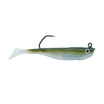
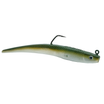
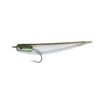
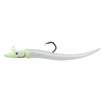
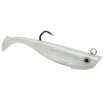
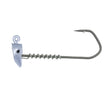
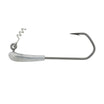
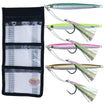
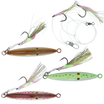
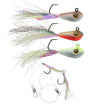
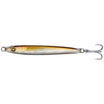
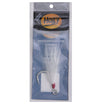
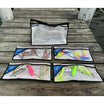
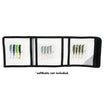
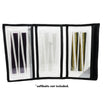
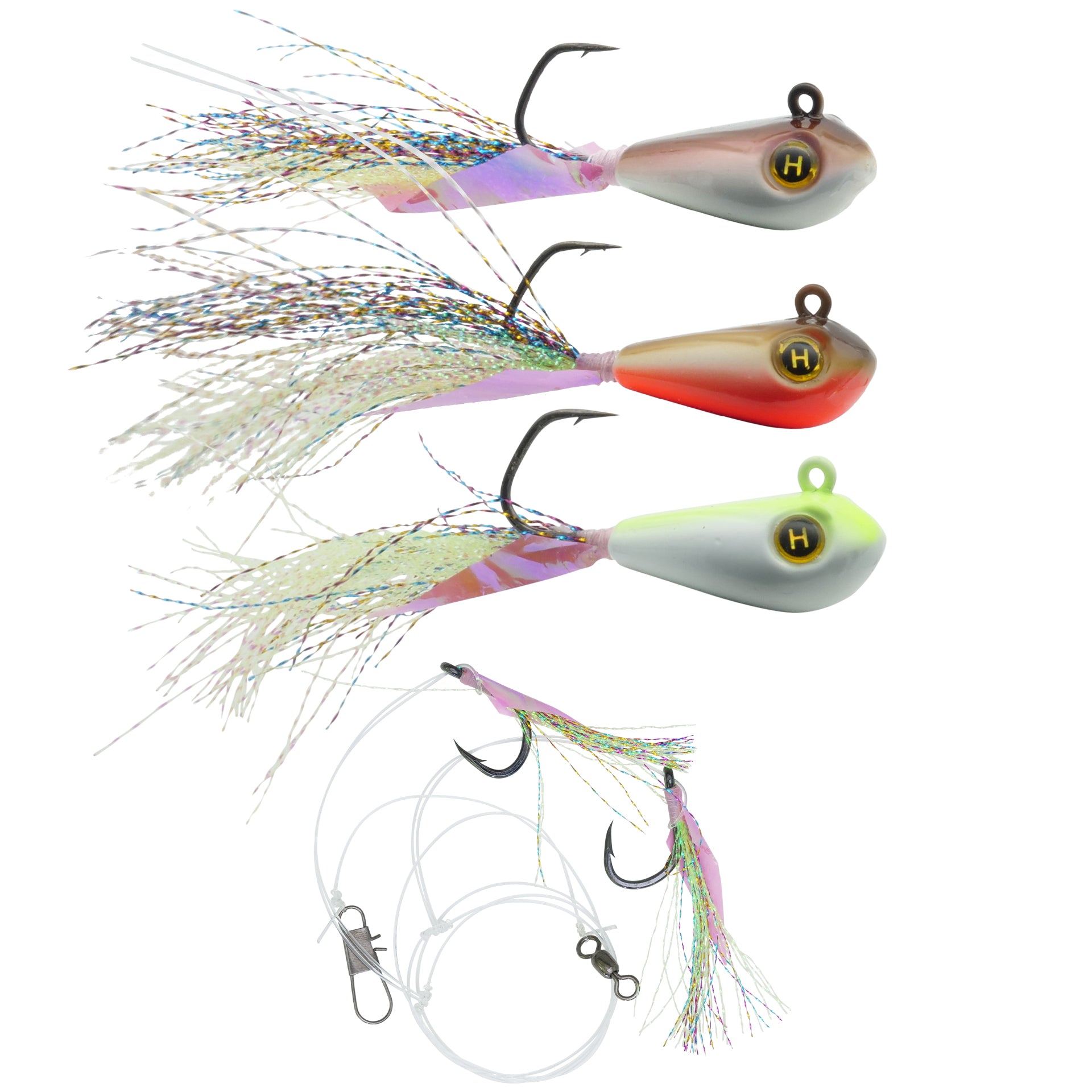
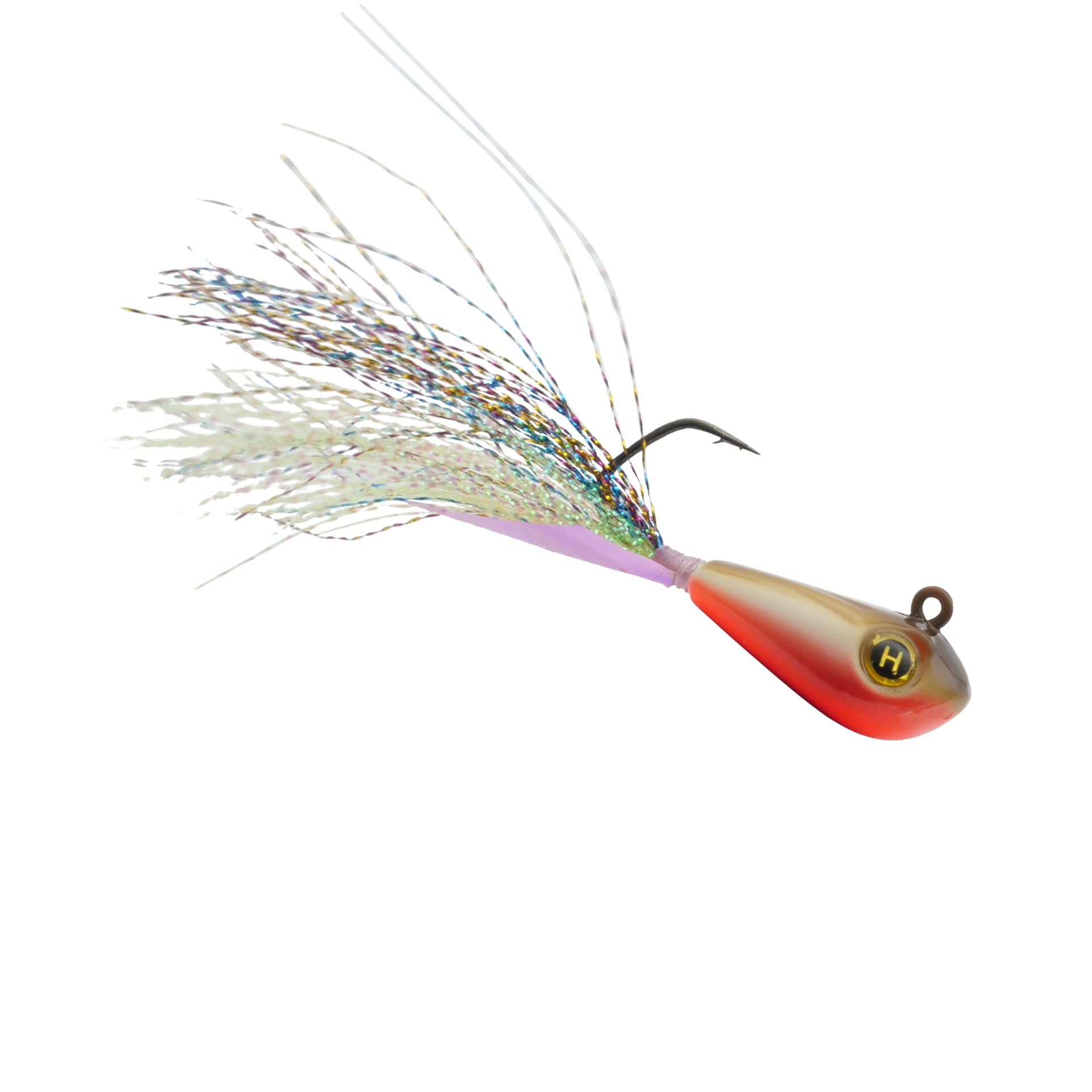
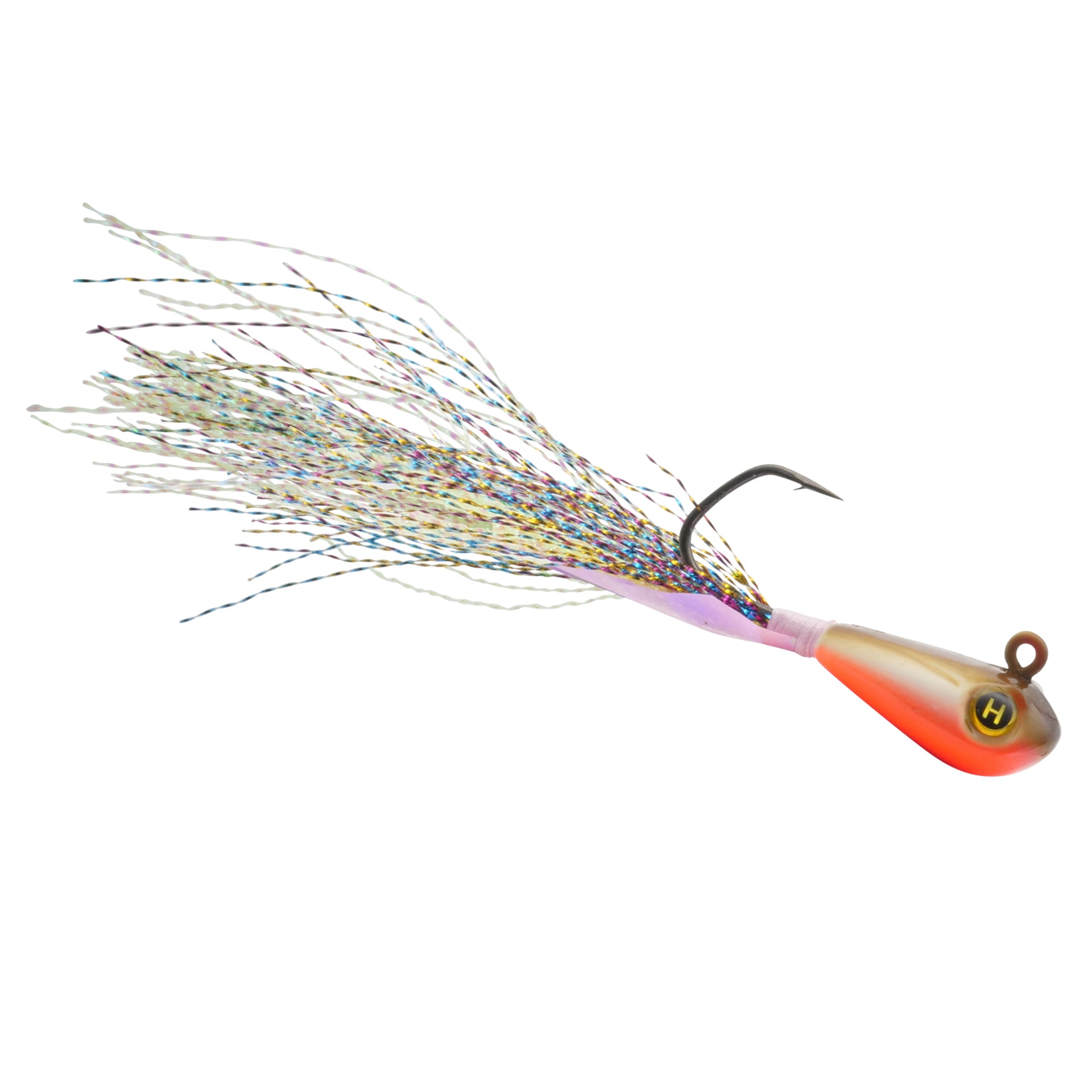
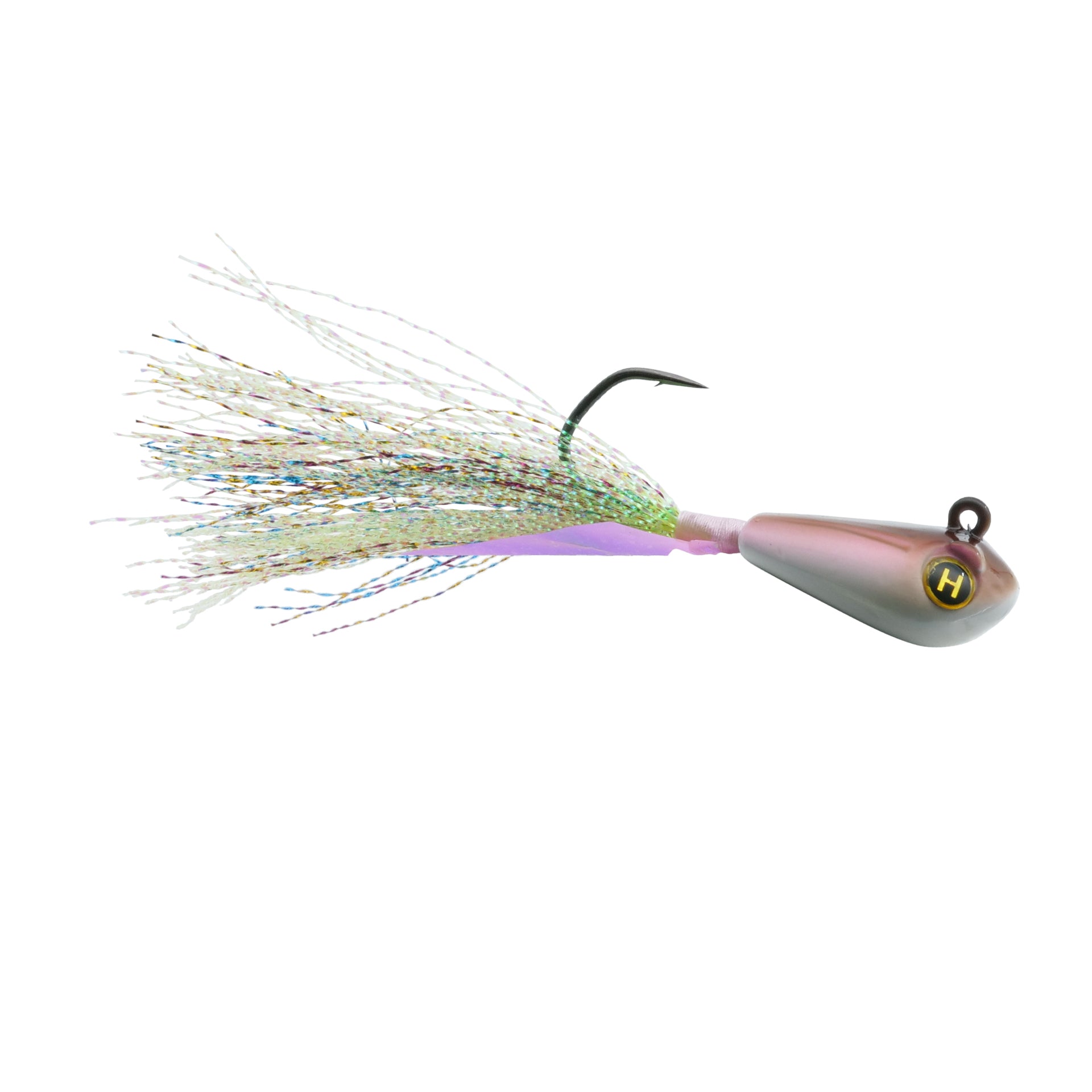
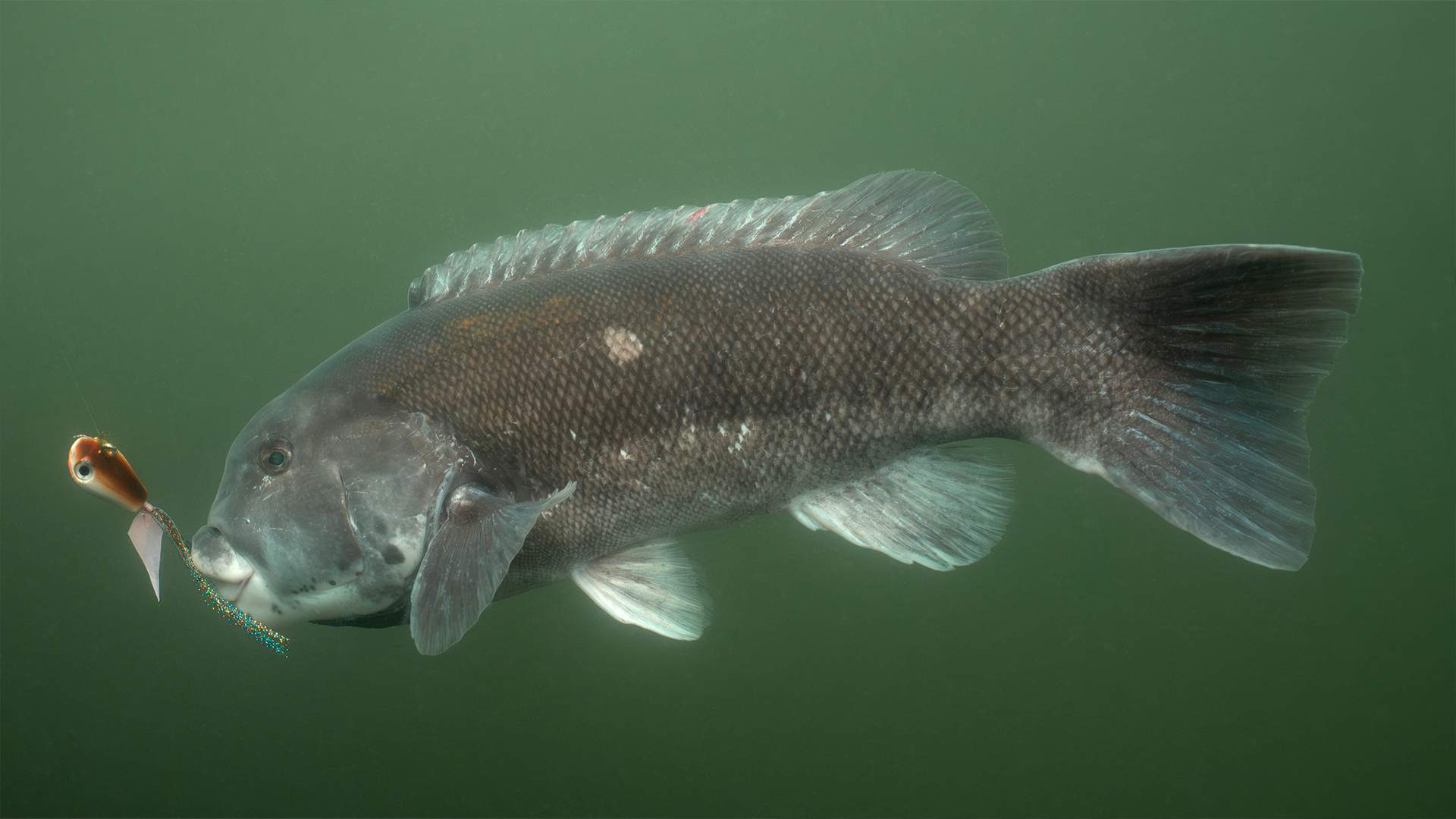
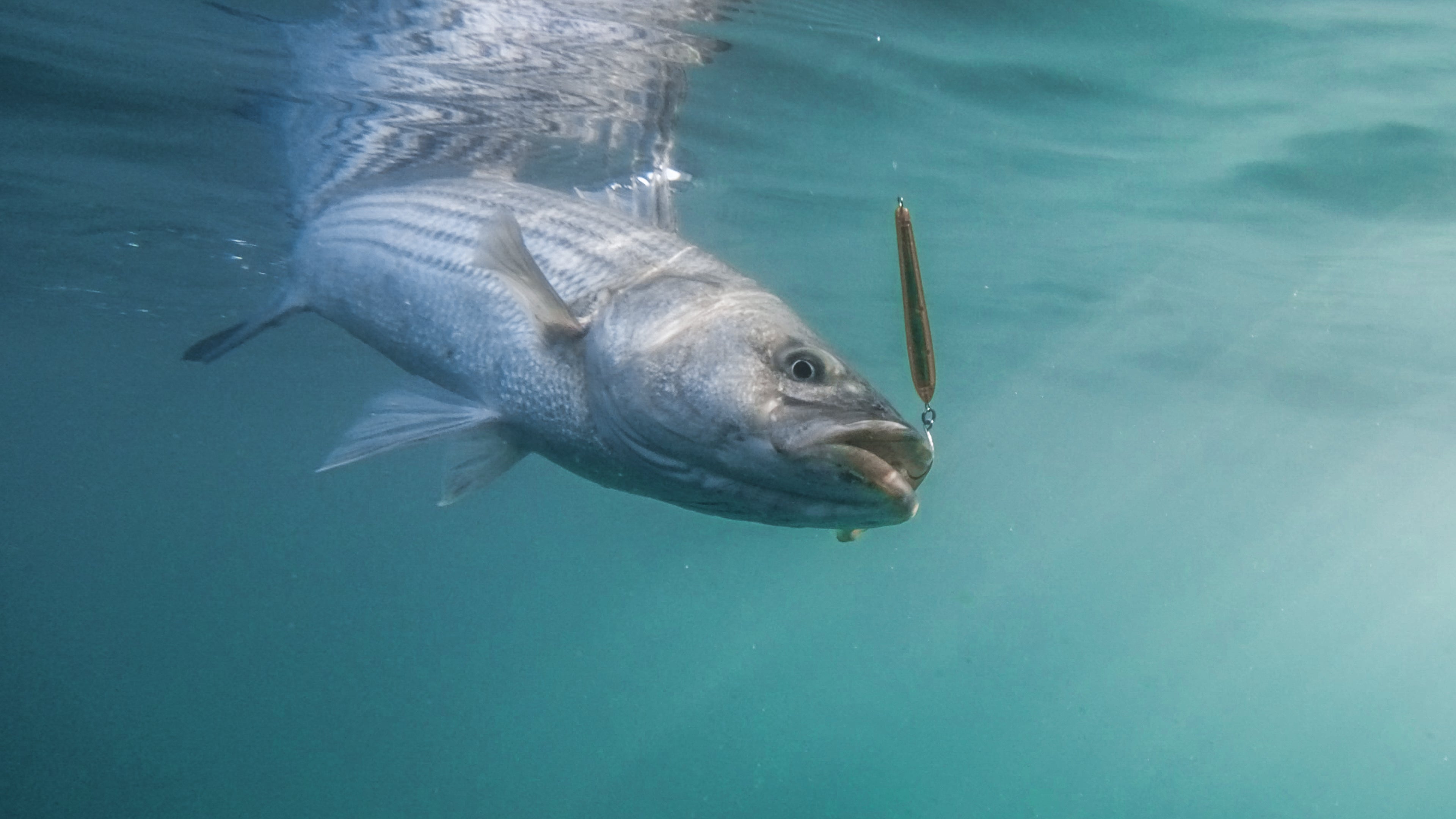
Hogy Groundfish Biki Jig. A flat-profile, upright-sitting head dressed with Biki hair that holds scent and provides subtle movement even when the rod is completely still. In early spring cold water, when tog are not willing to move far or react to active presentations, the Biki’s job is to sit on the bottom, look like a crab, smell like a crab, and stay there until a tog finds it. The hair does the work the rod is not doing. That is why this jig fits this situation and most others do not.
- Upright sit on the bottom. The flat profile and balanced head keep the jig sitting naturally even on irregular rocky bottom. It does not tip over or roll off structure the way a round-head jig can.
- Biki hair holds scent even at rest. In cold water with slow, deliberate feeding, scent is doing more work than action. The hair spreads it without any rod input required.
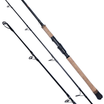
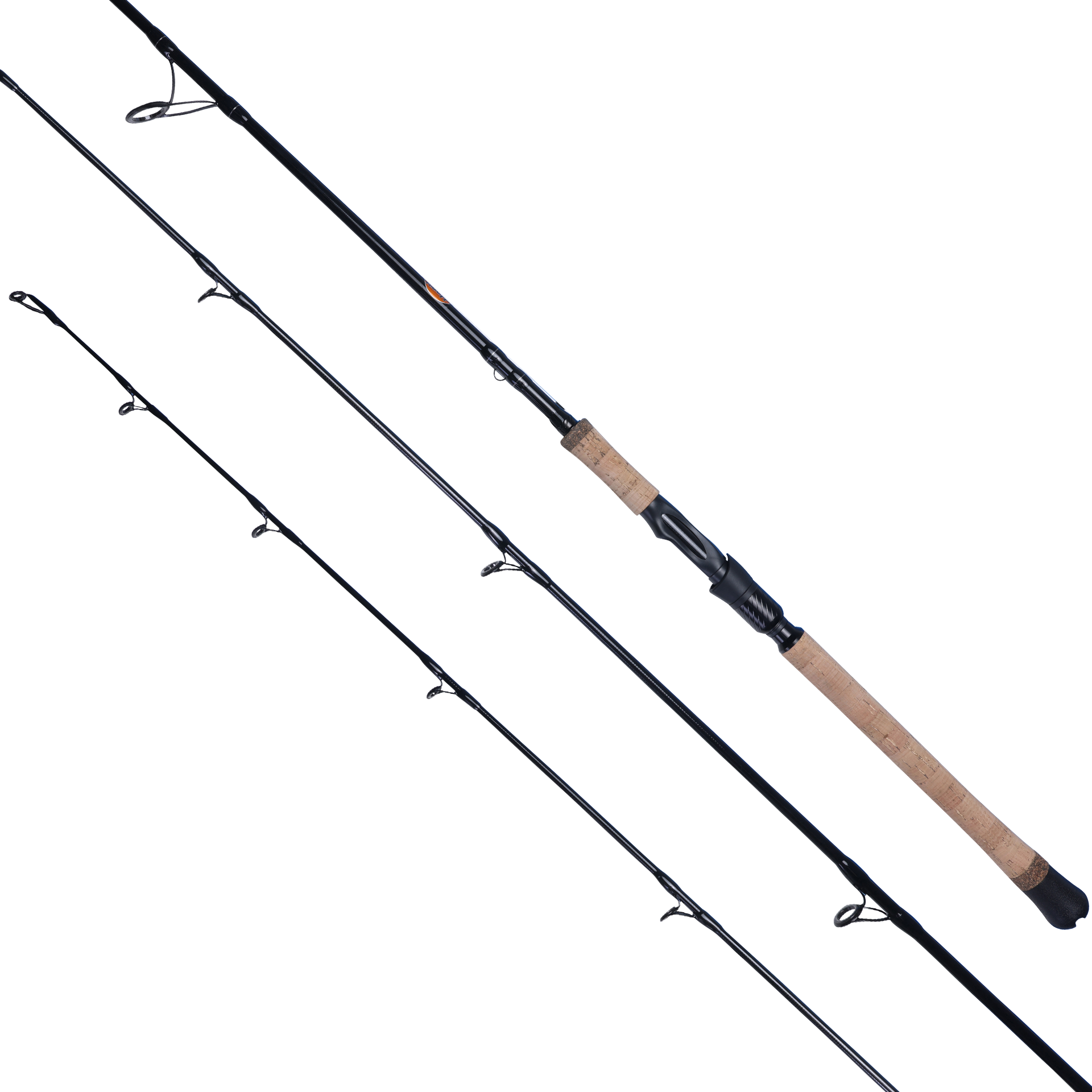
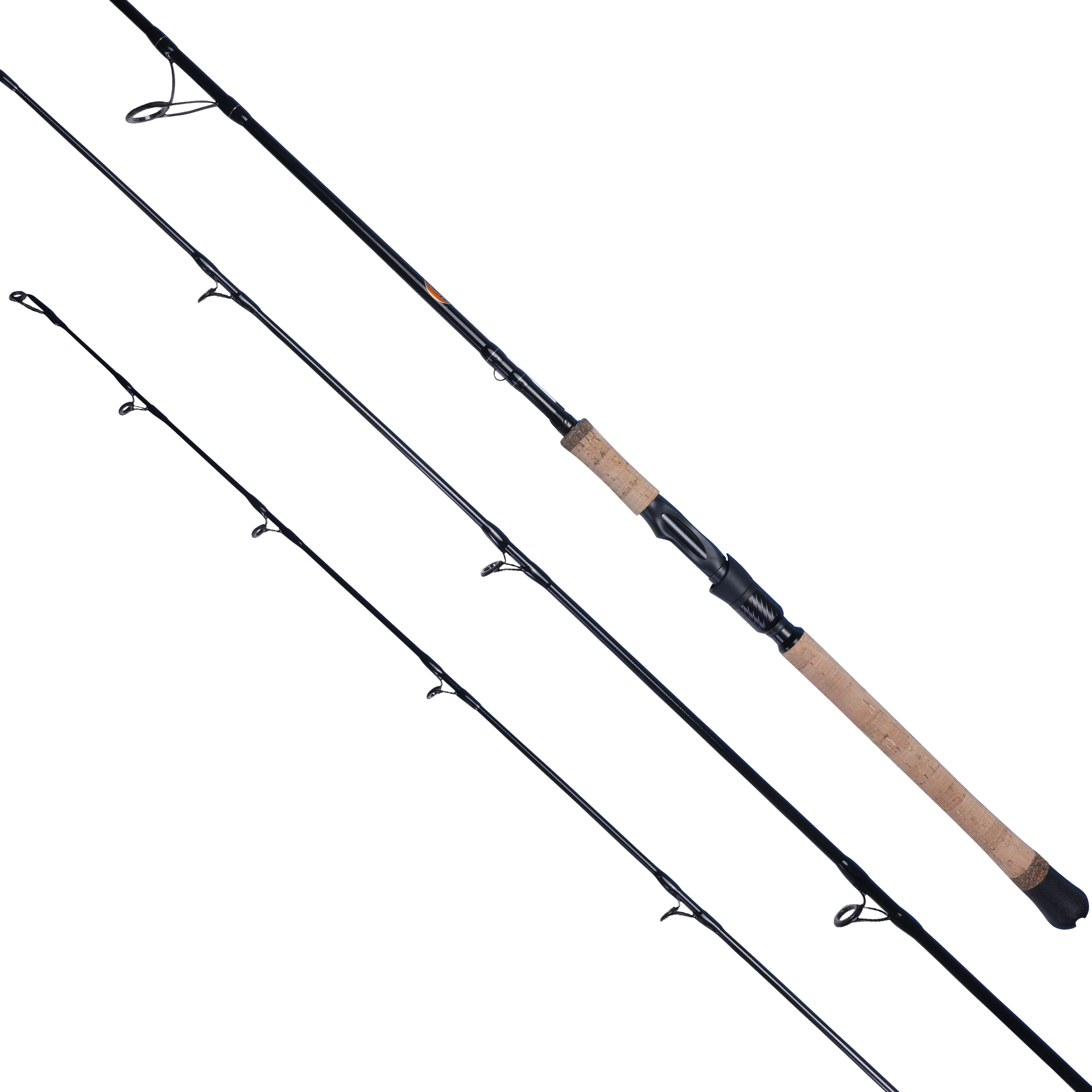
- Bottom-contact feel is preserved on light tackle. The jig’s weight is calibrated for shallow water — enough to maintain contact without overloading a 7’ medium rod.
Tackle selection
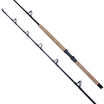
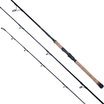
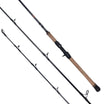
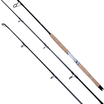
The outfit was kept intentionally light. The goal was feel — being able to detect the subtle, tentative taps of cold-water tog before committing to a hookset. Lighter braid transmits the bottom directly.
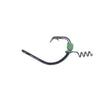
Bait rigging — step by step
Deadstick on bottom — step by step
The technique for this situation is still. Stiller than most people default to. The fish are on cold-water bottom, feeding on easy forage — they are not going to chase. The jig needs to sit there and smell like food.
“The name of the game is just kind of keeping a nice still presentation on the bottom, keeping contact with your line at all times — just feeling for those subtle tap taps.”
The decision at a glance
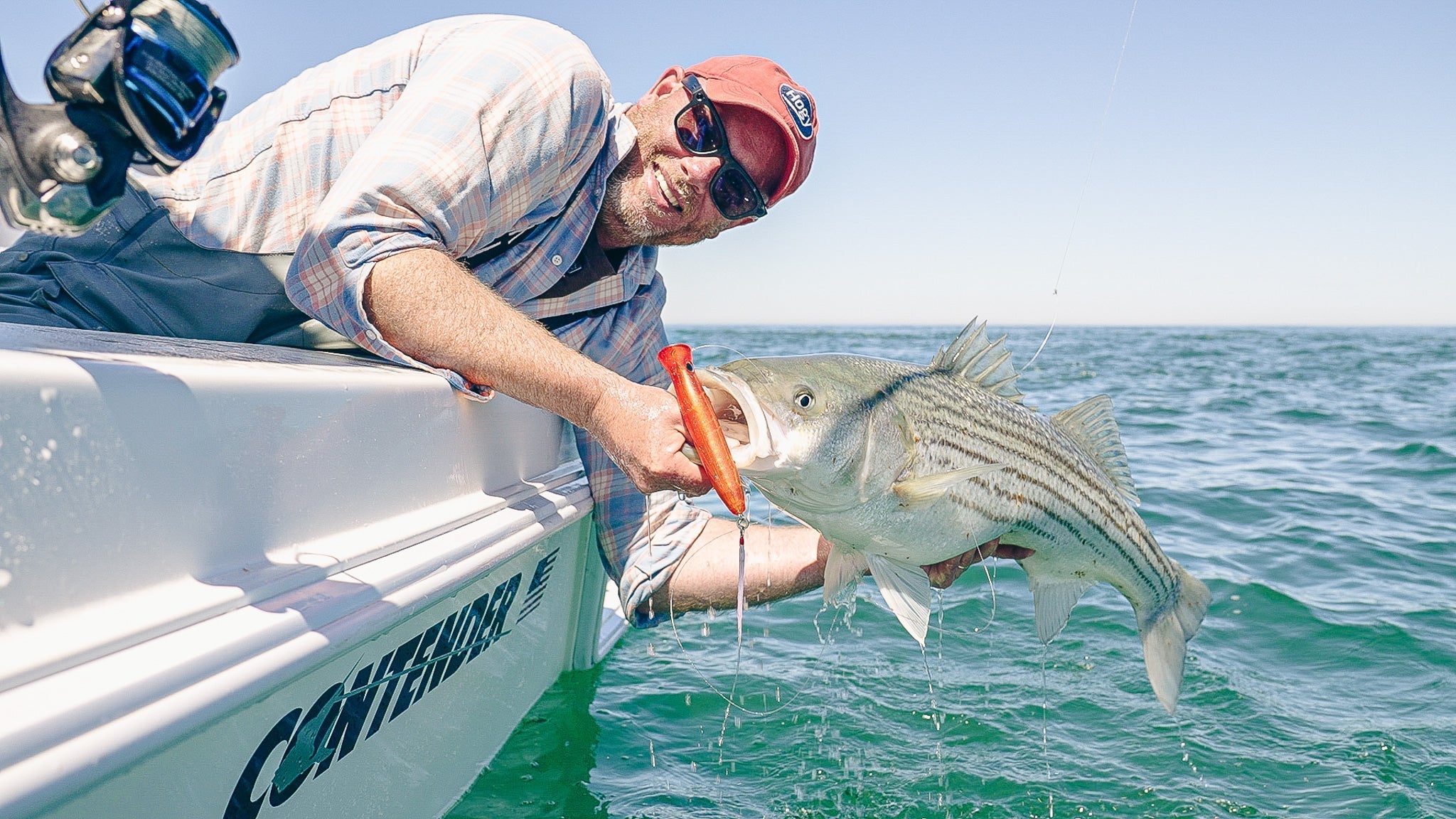
On this trip, a large female was released immediately after landing. Big breeding females are worth more in the water — they are the fish producing the next generation of tog for Buzzards Bay structure. Massachusetts tautog regulations include minimum size limits, bag limits, and seasonal closures. Confirm current Massachusetts DMF and NOAA regulations before your trip. Handle undersized fish and large breeding females minimally and return them to the water without delay.
Ray hails out of Westport, MA but fishes all over the Cape. He’s a 5-star light tackle captain with deep knowledge of Buzzards Bay structure and the early spring tog fishery. If you want to get on the water with someone who knows where the fish live, Ray’s your call.
Book a trip with Capt. Ray Jarvis →Step 1 told us Buzzards Bay in mid-April is inside the spring tog window — specifically when temperatures make the jump into the low 50s. Step 2 confirmed that jump had happened: 41°F to 51°F in a week, crossing the activation threshold. Step 3 locked in the approach — bottom-oriented fish on hard structure, feeding in low-energy mode, not chasing anything. Step 4 identified the most critical on-water variable: anchor placement. Get over the right piece of bottom and stay there. Step 5 executed what the previous four steps had already determined: Hogy Groundfish Biki Jig, green crab, light spinning outfit, still presentation, feel for the load before setting.



Leave a comment
All comments are moderated before being published.
This site is protected by hCaptcha and the hCaptcha Privacy Policy and Terms of Service apply.