









Inshore

Cracking The Code: Stripers on the Drop - Vineyard Sound

Cracking The Code: Stripers on the Drop - Vineyard Sound
Cracking the Code: Vineyard Sound Stripers on the Drop With Paddles
Stripers on the Drop  ·  Vineyard Sound
Cracking the Code
Location
Vineyard Sound, Elizabeth Islands
Month
Late May
Species
Striped Bass
Primary Lure
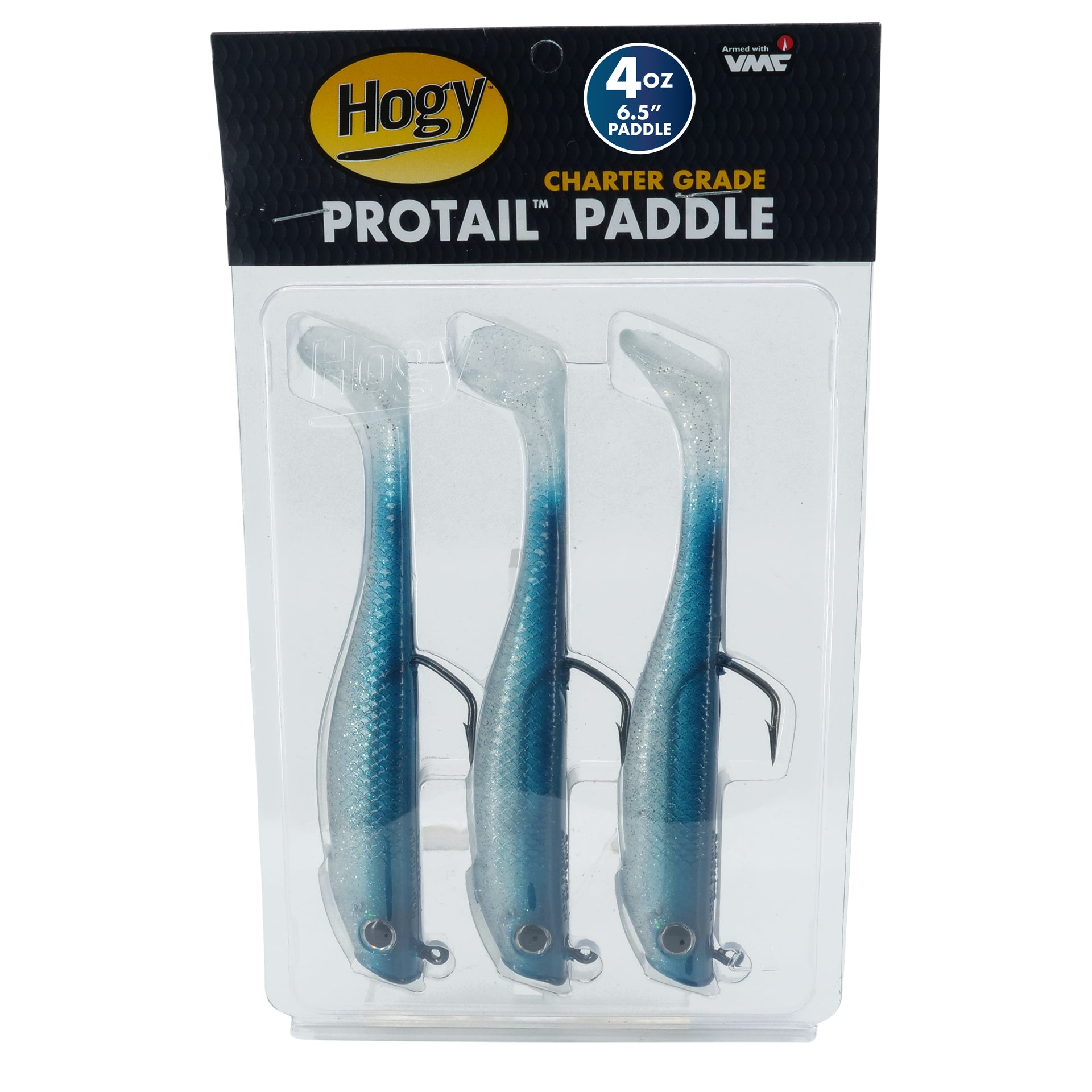
Hogy Protail Paddle
Depth
35–60 ft

Stripers on the Drop

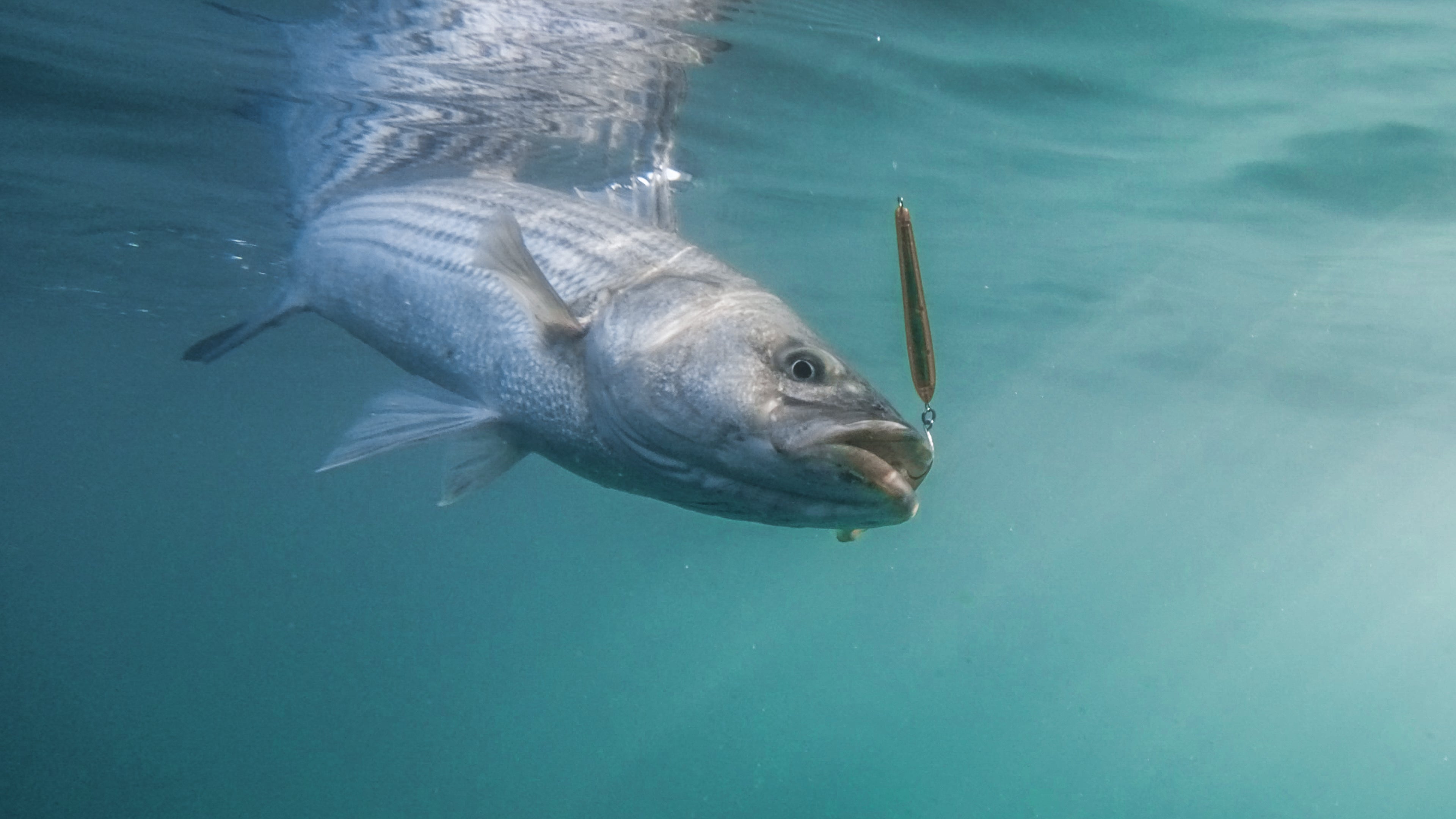
On a recon run down the Elizabeths, the birds told us big bait, the sonar told us bottom, and one overlooked bite signal cracked the whole program open.

SC
Salty Cape TV powered by Hogy
Late May
9 min read
How to Vertical Jig Soft Plastics Over Shoals on Cape Cod

Banana Shoal area, Vineyard Sound. Late May. The gulls were sitting — not diving. That was the first read.

Every recon trip starts with the same contract: you show up with a full crate, an open mind, and a willingness to let the water tell you what it wants. No plan survives first contact with the fish. The job is to read what’s in front of you and narrow down fast.

The challenge: bass were marking tight to the bottom in clear midday water, and the bite registered as the opposite of what most anglers expect — sudden weightlessness on the fall, like the lure cut off. Miss that signal and you fish through the whole bite without knowing it was there.

This was Memorial Day week, midday, running down the Elizabeth Islands in Vineyard Sound near Quick’s Hole. The crate was full, the conditions were light, and the system was just starting to load. Here’s how each layer of the read led to one lure, one technique, and a box full of slot stripers.

Step 1 Historical Analysis

What the location and season told us before we left the dock

Context that shapes every decision that follows.

Late May in Vineyard Sound is a transition month. The system is waking up — herring and squid pushing along the Elizabeth Islands, silversides and sand eels always in the mix. Bass are present and feedable, but the fishery hasn’t fully settled into the summer pattern yet. That means fish can be found at any depth, in any posture, on any forage. You come loaded for all of it.

The Elizabeth Islands are one of the most reliable bass corridors on the Cape from May through October. Current squeezes through the channels, wraps around island corners, and stands up against contour edges. Small shoals scattered along the chain form soft rips on tide change — predictable ambush spots that fish return to reliably. The Banana Shoal area near Quick’s Hole is exactly this kind of water: a modest unnamed shoal with depths running 35–60 feet and enough current to concentrate bait.

Coming into the trip: it was Memorial Day week — first trip of the year for this water. The mission was recon. No specific intelligence, no size reports. The plan was to find life, read what it was telling us, and react.

Local Knowledge — Banana Shoal / Elizabeth Islands
  • Small unnamed shoal (locally known as Banana Shoal) forms a soft rip on tide change near Quick’s Hole. Depths 35–60 feet. Bottom contour creates ambush edges as current builds.
  • Late May sees herring and squid pushing along the island chain. Sand eels are always a consideration year-round. Mixed bait means pre-rigging for multiple profiles before the first read.
  • Bass along the Elizabeths are structure-oriented fish — they use island corners, channel edges, and shoal faces as ambush positions. Not roamers. Find the structure; find the fish.
  • Traffic consideration: this water attracts boats. Etiquette matters. Idle in, don’t charge the fleet. The fish — and the people already there — will reward the disciplined approach.
Step 1 output
Late May Elizabeth Islands = herring/squid primary, sand eels always possible. Pre-rig for mixed forage profile. Target shoal edges and current seams. Come ready to jig or cast — both options on the table until the scene is read.
Step 2 Environmental Factors

What the conditions confirmed on arrival

Does the environment support what the historical read predicted?

Conditions were favorable across the board. Light SW wind aligned with the tide — easy drifts, minimal boat management. Bright midday, clear water. Light ripple. The one note on the environment worth flagging: bright midday sun on clear water means fish pushed to the bottom edges of structure rather than roaming and feeding high in the column. That would matter for presentation depth.

The critical environmental signal arrived as we approached the shoal: tail end of the slack tide into the incoming. A soft rip was just starting to form. This is a known productive window on this kind of structure — current waking up, bait starting to concentrate on the up-current face, fish shifting from passive holding to active feeding. The timing was right.

Drift conditions were nearly ideal: wind and tide running the same direction, easy to set and reset passes over the shoal without burning engine time or disturbing the water.

Step 2 output
Slack-to-incoming timing = feeding window opening. Bright midday pushed fish to bottom. Calm conditions supported vertical jigging and casting equally — approach decision deferred to the observational read.
Step 3 Observational Factors — B.A.S.E.

What the water told us on arrival

Four layers. Each one narrows the answer further.

Approaching the shoal, the picture assembled itself quickly. Each observation either opened or closed a door on presentation choice. The BASE read ran fast on this one.

MH
The Unlock Key

“All the fish came on the drop — and a hit on the drop is very subtle, if not the opposite of a hit. All of a sudden, the line just feels light, like your lure cut off. If you picture a fish hitting it from below, swimming upward with it — you won’t even feel the weight of the swimbait. That’s the signal.”

Layer What We Saw What It Eliminated / Confirmed
B
Birds & Bait
Large gulls sitting on the water, not terns darting and diving. A few birds dropping but no organized surface feed. Radio chatter confirmed other boats already working the area.
Large birds = larger bait. Sitting birds, not diving terns, pointed to herring or squid rather than sand eels or silversides. Eliminated micro-bait profile. Confirmed 6.5” herring-match presentation.
A
Activity
No sustained surface blitz on arrival. Other boats had switched to jigging. Fish were marking but not committing to top-water. When the bite came, it registered as sudden weightlessness on the fall — not a thump.
Eliminated surface presentation as primary. Confirmed vertical jigging with drop-strike awareness. Fish feeding upward from below — the drop is the kill zone, not the lift.
S
Structure Relation
Fish holding tight to the bottom face of the shoal. Current building on the incoming. As the rip formed, fish began using the up-current shoal face as an ambush lane, intercepting bait swept over the crest.
Confirmed vertical presentation over the shoal face. Drift uptide of the mark, drop straight down. The shoal is organizing both the bait and the fish — let the current do the work.
E
Echo / Sonar
Marks tight to the bottom in 38–58 feet. No mid-column suspension. Fish showed as arcs hugging the shoal face, not scattered through the water column. At boatside, bass were spitting herring — confirming the forage read.
Bottom third confirmed as the presentation zone. Fish not suspending = no mid-column sweep retrieve. Drop all the way down. Bite on the fall, not on the lift.
Step 3 output
Bass tight to bottom on herring forage, feeding upward on the drop. Eliminated: surface presentations, mid-column sweeps, micro-bait profiles. Confirmed: vertical jigging over the shoal face, 6.5” herring profile, drop-strike awareness, 4oz minimum to hold depth in building current.
Step 4 Structure & Approach

Getting the lure on the shoal face — and staying there

Approach determines whether the technique has a chance to work.

The structure here is a soft shoal — not a hard rip edge like Monomoy or the Hooter, but enough bottom relief and current to pin bait against the face as the tide builds. Fish were using the up-current shoulder as an ambush lane, staging there and intercepting bait swept over the crest. The approach had to deliver the jig into that zone, repeatedly, without disturbing the fleet already on the fish.

Two factors shaped every positioning decision:

1
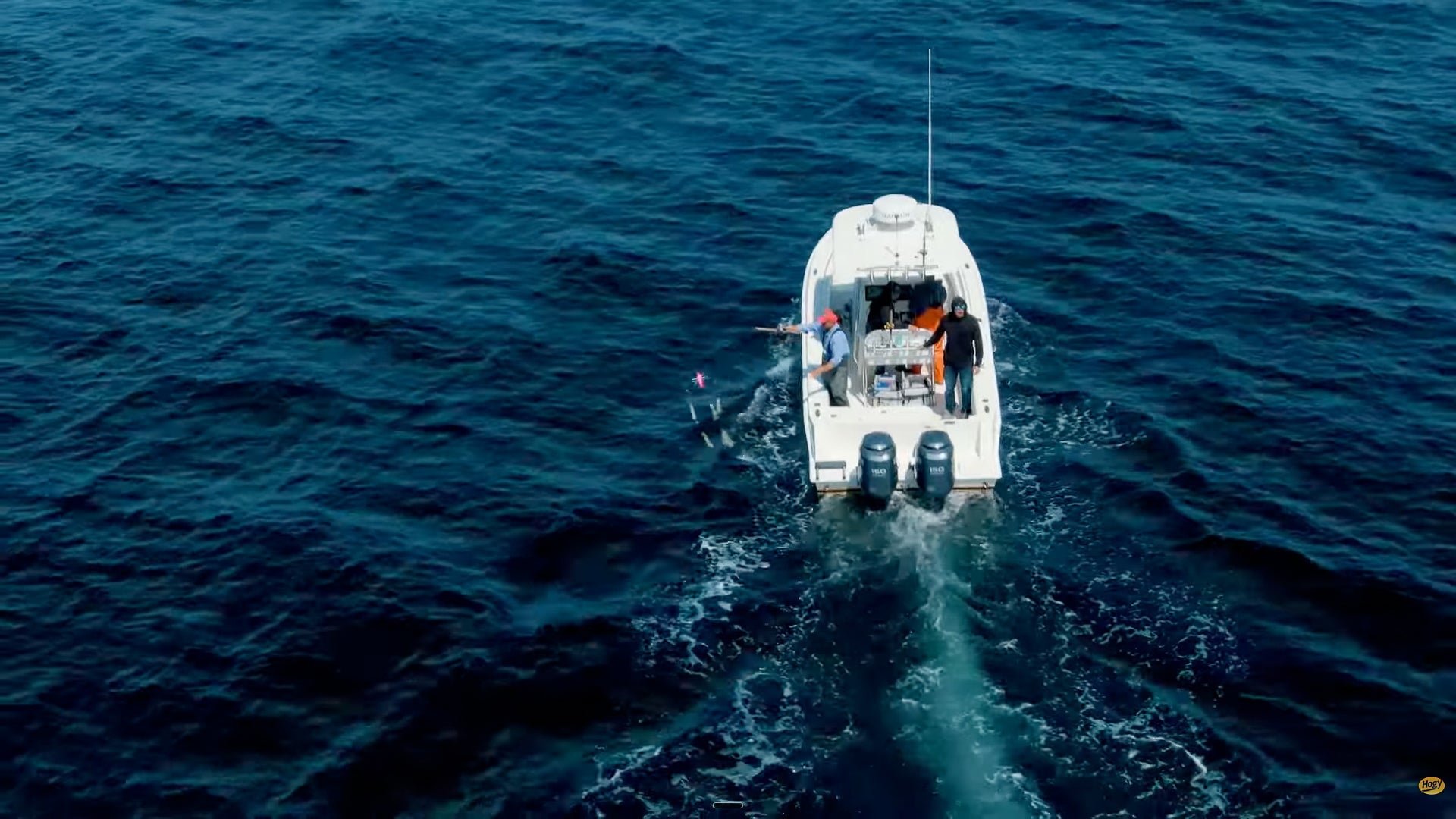
Etiquette first. There were already boats on the fish. The wrong entry — charging in hot with a big wake — doesn’t just spook the bass. It burns bridges with the people fishing them. Backed off to idle speed well outside the fleet, tiptoed in, and found open water on the edge of the activity.
2
Calm conditions = full optionality. With wind and tide running together and an easy drift, we had complete lure choice flexibility. Heavy or light, fast or slow, cast or jig — nothing was ruled out by the conditions. The observational read made the call, not the weather.

Approach — step by step

1
Idle in and observe before committing. Read the fleet layout, confirm where the marks are, and find a drift lane that doesn’t cut through another boat’s water.
2
Set up uptide of the shoal face. Position so the natural drift carries the boat over the productive zone. The jig needs to be on the bottom as it crosses the crest — arrive vertical, not angled.
3
Drop the jig all the way to the bottom. Don’t stop short. The fish are on the bottom face of the shoal — the presentation has to reach them.
4
Work slow-pitch lifts and watch the line on every drop. The bite is on the fall. Eyes on the line — if it goes slack early or stops sinking before expected depth, engage immediately and lift. That weightless tick is the fish.
5
Reset quietly and repeat the same track. Once you find where on the drift the bites are coming, log that position and run it again. The fish are telling you exactly where to be.
6
Stay ready to run an audible. One rod, one lure. If fish pop on the surface, the same 4oz Protail Paddle casts. No re-rig. The approach accommodates both scenarios without changing anything.
Inshore jigging striped bass with Protail Paddle — shoal drift approach

Uptide setup, drift track over the shoal face, drop zone on the up-current shoulder. Repeat the productive lane once fish position is established.

MH
Capt. Mike

“I’m jigging but ready to cast. One rod, one lure. A lot of folks don’t realize that swimbaits make excellent vertical jigging baits — and if fish do come up and start breaking, we’re ready to run an audible and cast to them without re-rigging.”

Step 4 output
Drift jigging over shoal face, uptide setup, drop to bottom on the approach. Watch the line on every fall. Reset quietly on the same track. One rod doubles for casting if fish pop on top.
Step 5 Gear, Lure & Technique

The answer the system produced

Steps 1–4 made most of these decisions. Step 5 executes them.

By the time we finished the BASE read, the gear brief was already written: herring-profile lure, 4oz minimum to hold bottom in building current, slow presentation with drop-strike awareness, single hook for clean releases on slot fish. One lure fits that brief without compromise.

Profile
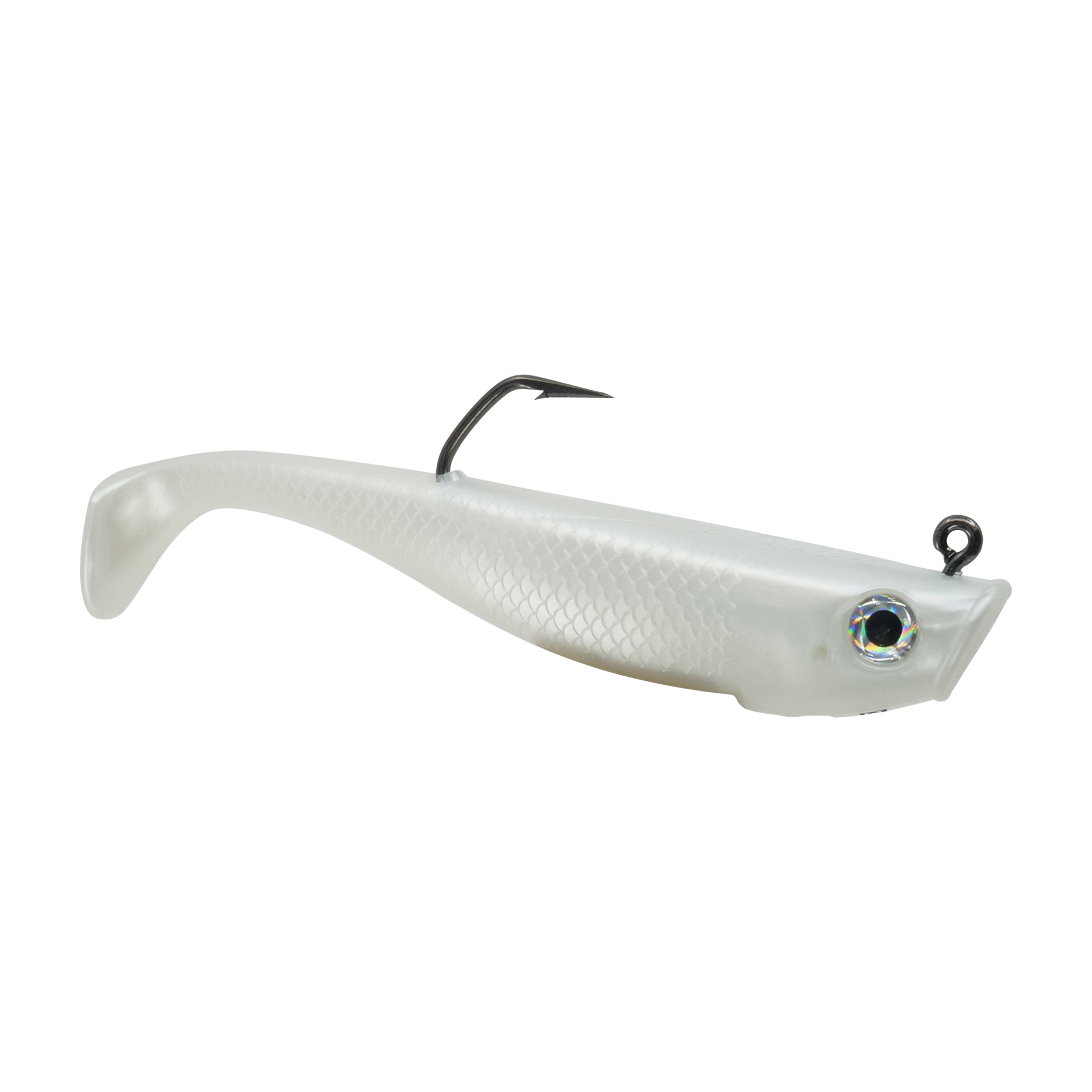
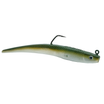
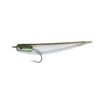
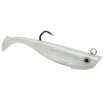
The 6.5” Protail Paddle is the exact size of a mature herring — the length of a hand. Bass were spitting herring at the boat. No creative interpretation needed: the lure matches the bait precisely in size, profile, and action. It also imitates squid and large sand eels without changing anything. One lure, all the forage options in play.
Action
The paddle thumps on the lift and kicks on the fall. Both directions are always working. The moment the jig leaves your hand and starts dropping, it’s already fishing. That constant action on the drop is what matters most on this bite — the lure is doing its job right through the strike zone even when you’re not doing anything.
Speed
Slow-pitch vertical. Fish wanted a lazy thump — 12–18” lifts, controlled rod drop, long hang time on the descent. The Protail Paddle generates the same tail action at any speed, which means it performs equally well on a deliberate slow pitch as it would on a fast sweep. Today it was slow. Tomorrow it might be different. The lure doesn’t care.
Color
Olive. Clears the clear-water scrutiny test. In midday sun with good visibility, the oversized eyes and natural herring-green back hold up under inspection in a way that flashier colors do not. Bass will close on this bait and look at it before committing — it has to stand up to that look.
Size
4oz was right for 38–40 feet with moderate current. Easily could have stayed at 4oz throughout; 6oz would have been the call if the tide built harder or depth increased. The beauty of the 6.5” Protail is that one size profile covers weights from 2oz to 6oz — you adjust weight to conditions without changing the bait or the forage match.
Limitations
In a heavy drift or deep water, 4oz softbait loses vertical control. Upsize to 6oz first. If the drift is still too fast for a softbait to hold the zone, transition to a denser knife jig like the Hogy Sand Eel Jig, which cuts current and holds bottom without giving up the sand eel profile.
Rigging
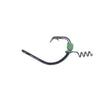
  • Pre-rigged VMC Barbarian inline single hook. Strong enough for tuna; light enough gauge to penetrate cleanly on slot stripers without a hard set. The sickle-shaped bend cradles the fish on a hinge point — low leverage pull, exponentially stronger hold.
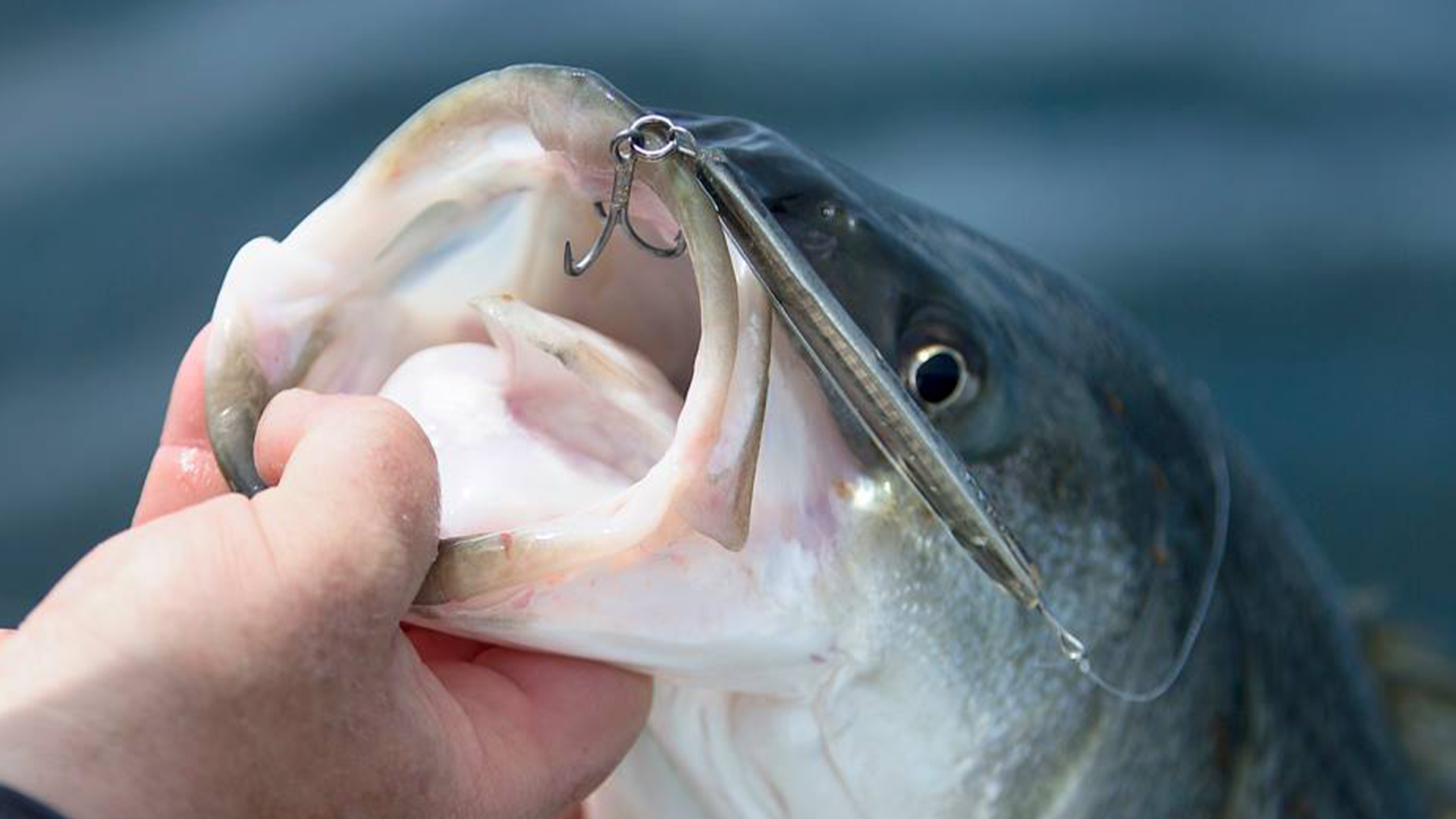
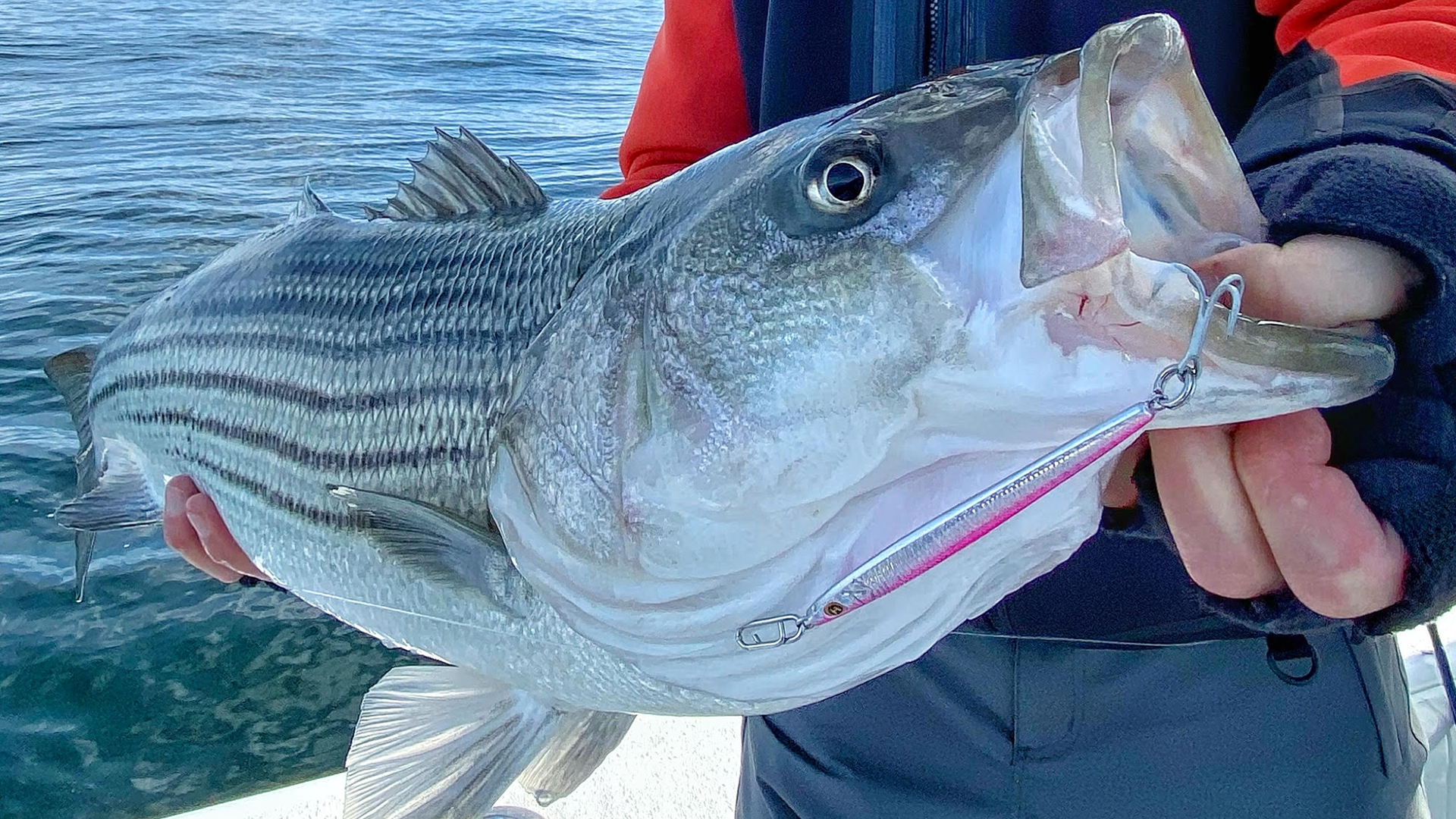
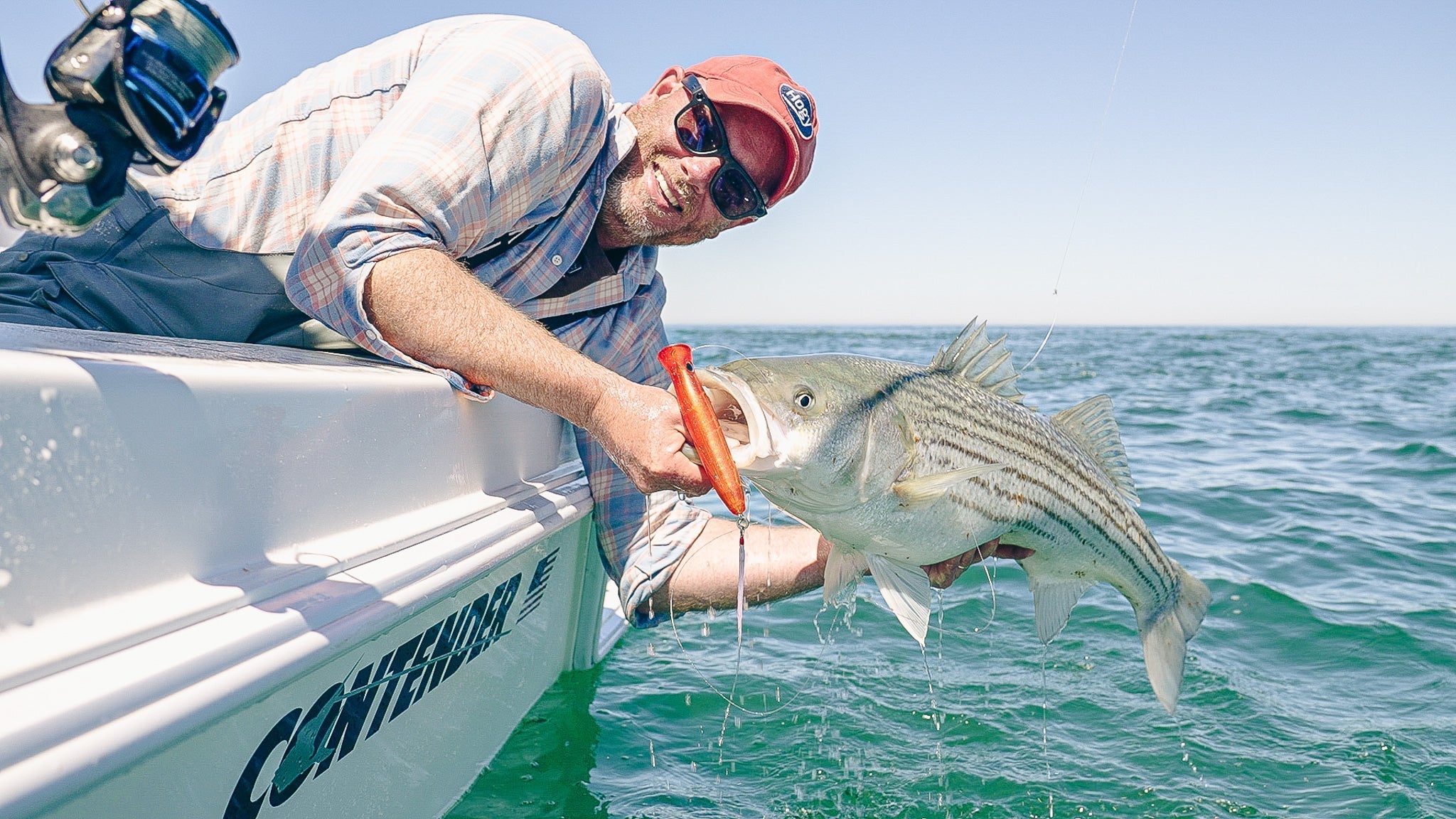
  • Single hook = fast, clean releases. Every fish today came in on the chin or corner. A treble hook on a fish like that is a two-person operation. A single hook pops out in seconds and the fish is in the water immediately.
  • Battle pouch on the body. The cutout at the hook exit point eliminates tail tearing under pressure. Same bait fishes an entire tide and comes back ready for the next trip.

Outfit

Loadout
Lure
Hogy Protail Paddle, 6.5”, 4oz, Olive — pre-rigged VMC Barbarian single hook
Rod
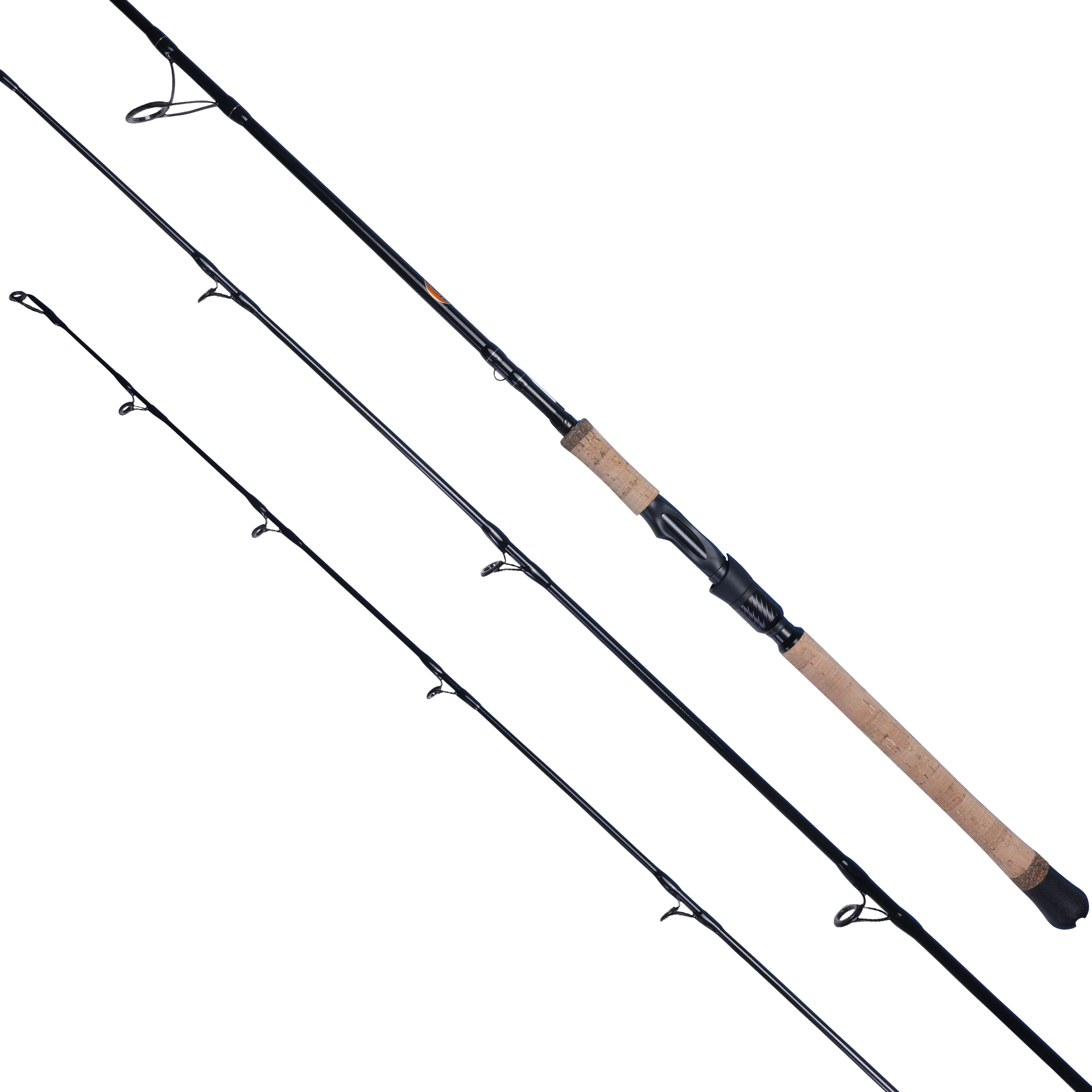
Hogy System 7’ Medium Heavy Spinning — moderate-fast action cushions on-the-drop strikes while providing backbone for slot fish in current
Reel
4000-size spinning
Main line
20–30 lb braid — low stretch preserves drop-strike detection
Leader
25 lb fluorocarbon, 4–5 ft
Technique
Slow-pitch vertical jig, hits on the drop. Same rod casts if fish pop on top — no re-rig required.

Why the rod matters here

A lot of rods today are built with a very fast action — stiff through most of the blank with all the flex at the tip. That’s great for casting distance but it creates a problem when vertical jigging: when a fish hits on the drop, there’s no cushion in the blank to absorb the impact. The hook either pulls or the leader pops.

The Hogy System 7’ MH has a moderate-fast action — a soft tip with a secondary bend profile that runs into the mid-blank. That parabolic element acts as a shock absorber on the take. When a bass engages the lure from below and swims upward with it, the rod bends into the fish rather than creating a hard contact point. That’s what keeps slot fish pinned on a light-gauge single hook all the way to the boat.

The same rod casts the 4oz Protail if fish come up. One outfit covers both scenarios — which is exactly why it’s on the deck.

Slow-pitch jigging on the drop — step by step

1
Drop all the way to the bottom. Don’t stop short. The fish are tight to the shoal face — if your lure isn’t reaching them, you’re fishing the empty column above them.
2
Lift slowly — 12 to 18 inches. No snap, no sweep. A gentle raise. You can feel the paddle kick on the way up — that’s the lure working. Let it happen at its own pace.
3
Let the jig fall on a controlled drop. Don’t reel tight. Let the paddle tick on the way down. The fall is the presentation — the lift just sets up the next drop.
4
Eyes on the line for the entire descent. You are not watching the rod. You are watching where the line enters the water. A twitch, sudden slack, or a stop before expected depth — engage and lift immediately. That is a fish.
5
Probe the column by varying the drop depth. If the bite dies at one level, count down to a different depth and work the same slow lift-drop pattern. Let the sonar guide you — put the lure where the arcs are.
6
When ready to cast, just cast. Same lure, same rod. Steady swim parallel to structure, parallel to the current seam, or into a surface feed. The paddle tail does the work on the cast just as it does on the jig.
MH
Capt. Mike

“I missed those fish. They were hitting on the drop and I wasn’t listening to my own advice. Once I started paying attention to the drop, here we are.”

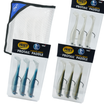
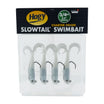
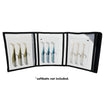
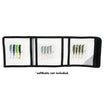
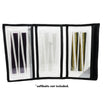
Storage note: Protail Paddles store best in the Hogy swimbait wallet system with PET clamshells. The clamshells protect the tail shape — the taper is engineered for a specific action, and a kinked tail changes how it fishes. Clear fronts let you read weight and color instantly on the water. Tails that come off the water straight go back in the water straight.

The decision at a glance

Signal from the System Decision
Large gulls sitting, not terns diving Bigger bait — herring or squid. 6.5” profile, not micro-match.
No surface blitz, other boats jigging Fish feeding deep. Vertical presentation, not top-water.
Sonar marks tight to bottom, shoal face Drop all the way down. Presentation zone is the bottom third.
Bait is herring (confirmed at boatside) 6.5” Protail Paddle, olive. Exact size match. No adjustment needed.
Line goes light on the fall, no thump That’s the bite. Engage immediately and lift. Do not wait for a thump.
Building current mid-session Upsize to 6oz if 4oz loses vertical control. Profile stays the same.
Fish pop briefly on top Cast the same lure. No re-rig. One rod covers both scenarios.
Fish Care — Striped Bass

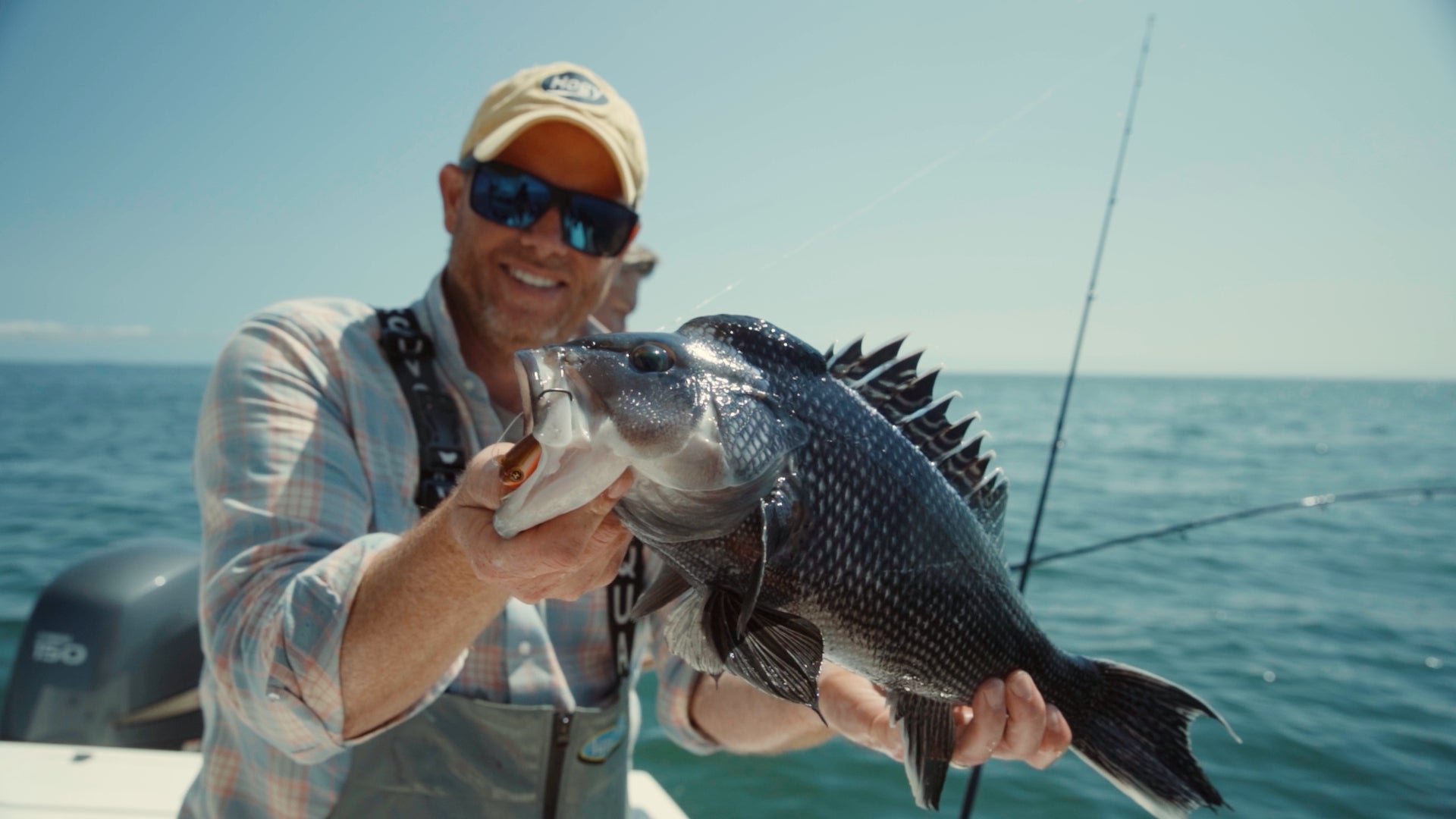
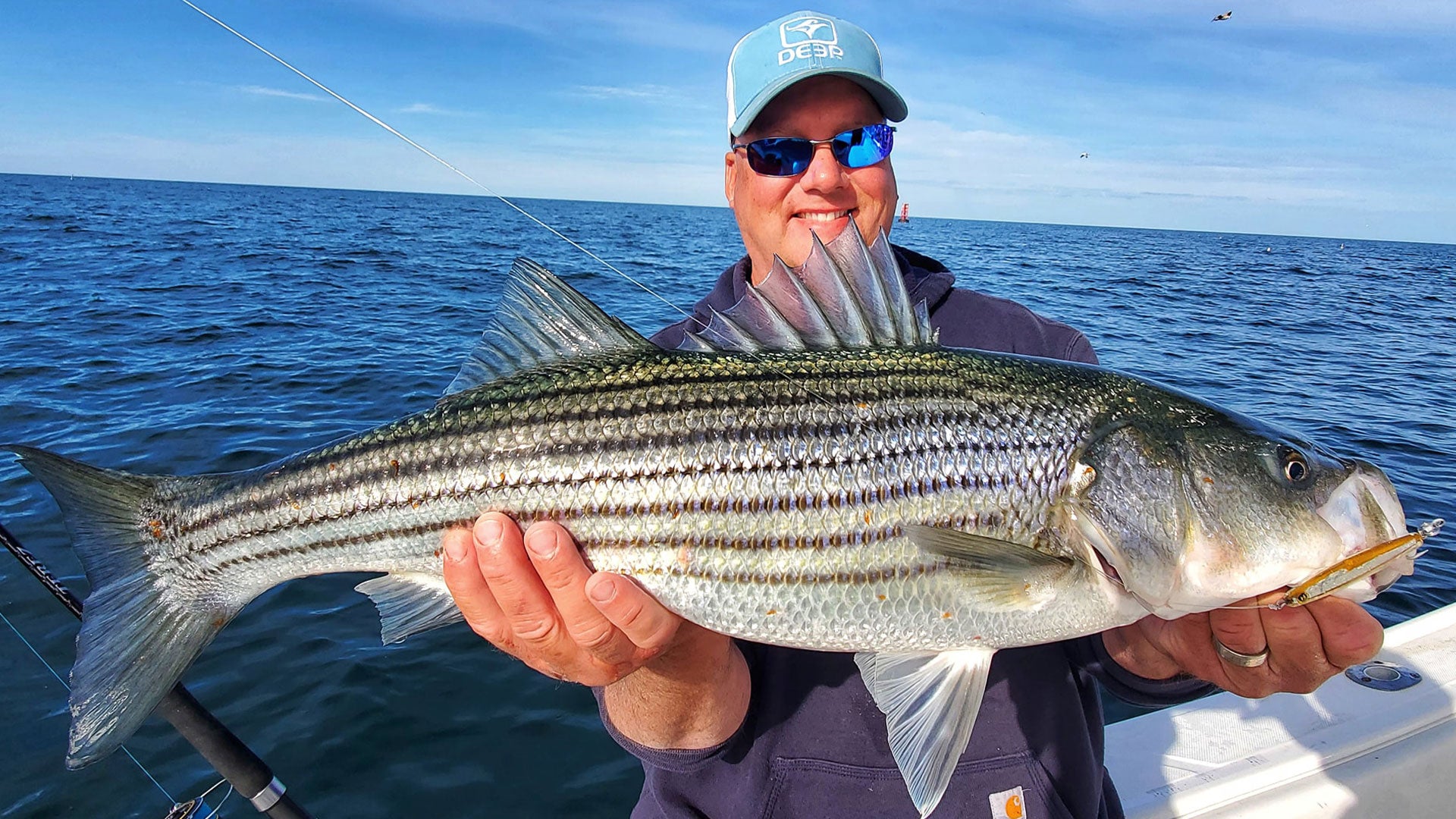
Every fish today was a slot fish, released immediately. The single-hook pre-rigged Protail Paddle made that straightforward — most fish came in on the corner or chin, and the hook popped out in seconds. Whenever possible, keep the fish in the water for the dehook. If a larger fish needs revival, swim it alongside the boat with forward motion until it kicks free on its own. Takes longer than you think it should. Don’t rush it.

Step 5 output
Hogy Protail Paddle, 6.5”, 4oz, Olive. 7’ MH spinning, 20–30lb braid, 25lb fluoro. Slow-pitch vertical, drop all the way down, eyes on the line. The bite is weightlessness — not a thump.
Putting it together
How the system produced the answer

Step 1 established the location and the season: late May Vineyard Sound, mixed herring and squid forage, Elizabeth Island structure as the organizing feature. Step 2 confirmed conditions supported the full range of options — nothing closed until the scene was read. Step 3 did the work: large birds pointed to bigger bait, bottom marks confirmed the depth, and the critical observational key was learning that the bite would register as sudden weightlessness on the fall rather than a thump. Step 4 identified the approach — drift uptide of the shoal face, drop vertical, repeat the productive lane, stay ready to cast if fish popped up. Step 5 executed: Hogy Protail Paddle, 6.5”, 4oz, Olive, slow-pitch, all eyes on the line.
Striped Bass Protail Paddle Vertical Jigging Vineyard Sound Elizabeth Islands Inshore Cracking the Code Capt. Mike Hogan

Reading next

Cracking the Code: Early Tog in Buzzards Bay

Leave a comment

All comments are moderated before being published.

This site is protected by hCaptcha and the hCaptcha Privacy Policy and Terms of Service apply.

Related Videos

Combo Trip | Jig Seabass | Topwater Stripers

Captain Mike's Adventure: Captain Mike embarks on a fishing trip with friends, starting from Falmouth Harbor. The goal is to catch a mix of stripers and seabass using the Hogy system.

Using Hogy Epoxy Jig Lures for Big Stripers Keyed In On Herring

Captains Mike Hogan and Terry Nugent show how to use 2oz Hogy Epoxy Jig lures for big striped bass keyed in on herring in Cape Cod Bay.

Micro-Bait Striper Fishing On Hogy Epoxy Jigs

Do you ever find yourself surrounded by stripers milling and sipping on the surface, but can't get a bite no matter what? Capt. Mike addresses this common frustrating scenario where stripers are feeding on micro forage like tiny squid, sand eels, krill, and worms. Using the smallest 3/8oz and 5/8oz Hogy Epoxy Jigs to imitate this tiny forage, we crack the code and enjoy some excellent, frustration-free catching!

How To: Vertical Jigging For Stripers In Cape Cod Bay

Capt. Mike Hogan and Capt. Cullen Lundhold of Cape Star Charters heads out to deep water in Cape Cod Bay targeting finicky Stripers feeding on Sand Eels suspended in 70' - 90' depths. Using subtle jigging techniques, they connect on some nice stripers using the 7.5" HD Pro Tail Eel and 2.5oz Sand Eel Metal Jig.

Related Blogs

InshoreCracking The Code: Stripers on the Drop - Vineyard Sound

Cracking The Code: Stripers on the Drop - Vineyard Sound

Cracking the Code: Vineyard Sound Stripers on the Drop With Paddles Stripers on the Drop  ·  Vineyard Sound Cracking the Code Capt. Mike Hogan  ·  Salty Cape TV powered by ...

Cape CodCracking the Code: Early Tog in Buzzards Bay

Cracking the Code: Early Tog in Buzzards Bay

Cracking the Code: Early Tog in Buzzards Bay Early Tog  ·  Buzzards Bay Cracking the Code Jack Pinard, Salty Cape  ·  Capt. Ray Jarvis, Salt of the Earth Sport Fishing ...

Striped BassStriped Bass Fishing The Worm Hatch

Micro Season: The Worm Hatch

Every spring, the estuaries and backwaters of Southern New England experience the annual worm hatch. This event marks the rise of worms from the mudflats, and stripers, bluefish, and other predator...

Bonito & AlbiesFall Run Fishing in Buzzards Bay With Captain Ray Jarvis

Fall Run Fishing in Buzzards Bay With Captain Ray Jarvis

Join Captain Ray Jarvis of Salt of the Earth Charters as he leads a thrilling day of fall run fishing in Buzzards Bay. With multiple species on the line, including some of the biggest albies we’ve...