




















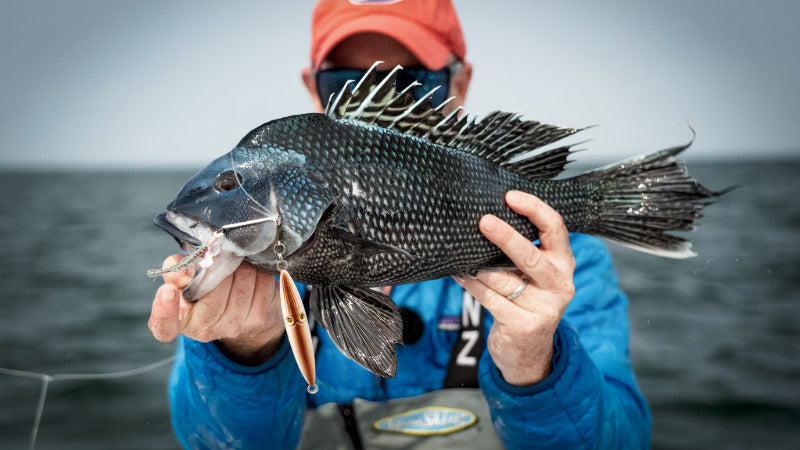
Sea Bass Three Ways — One Rig, Three Retrieves, One Tide Change
A complete how-to for the Hogy groundfish system at Eldridge Shoal. Dead stick, slow pitch, twitch jig — and when the tide slacks, downshift to the Groundfish Biki Jig for the short game.

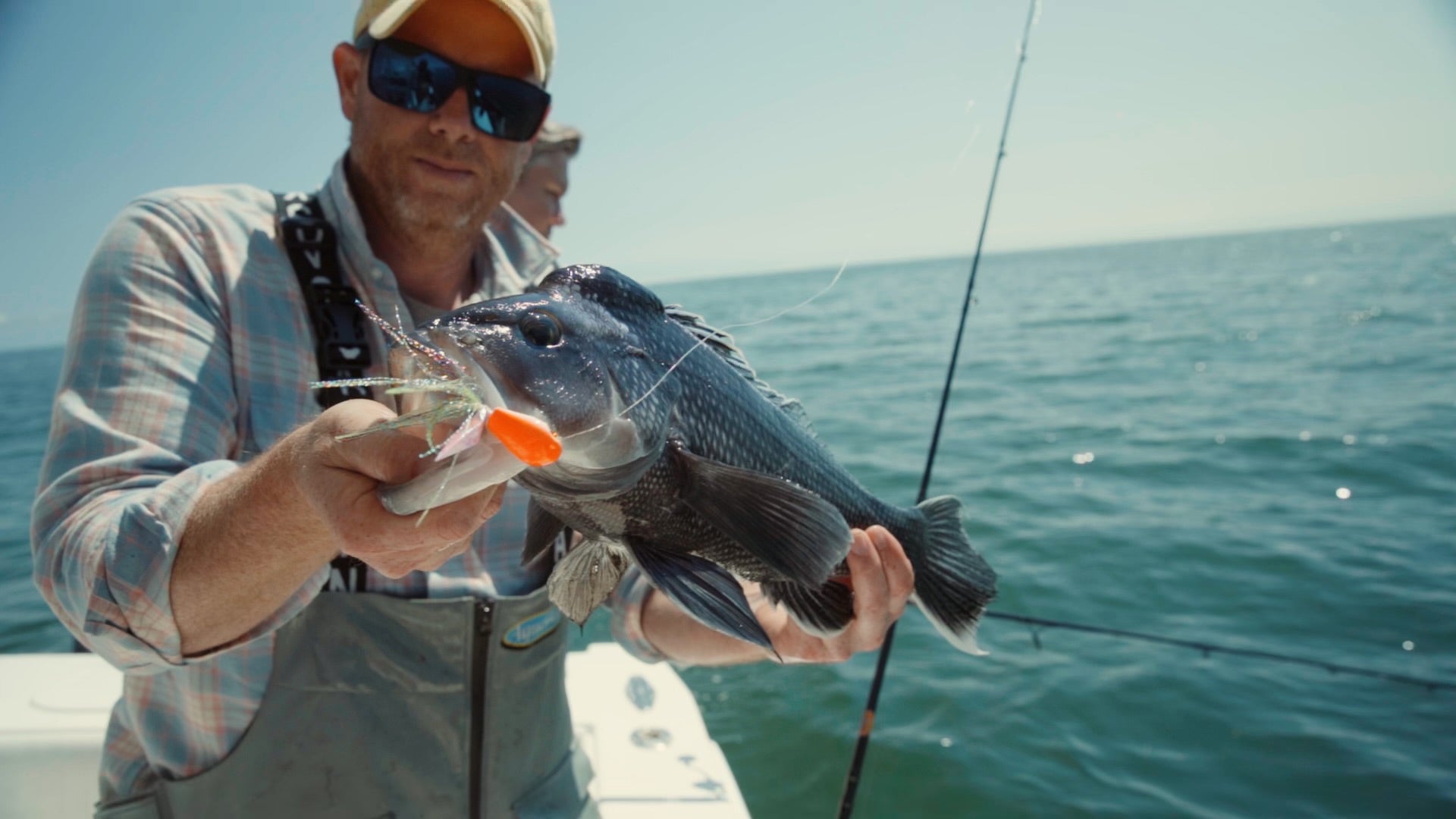
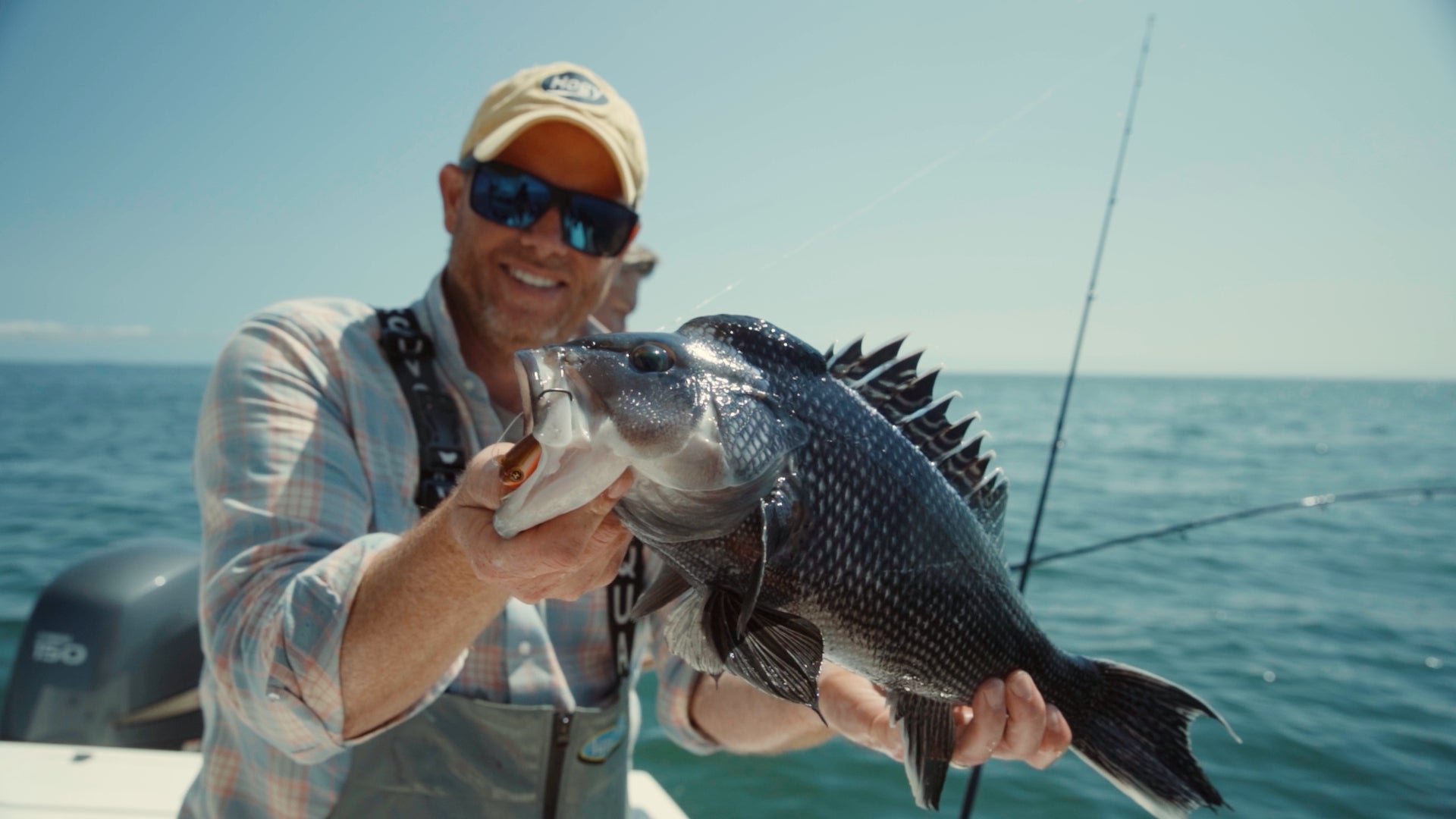
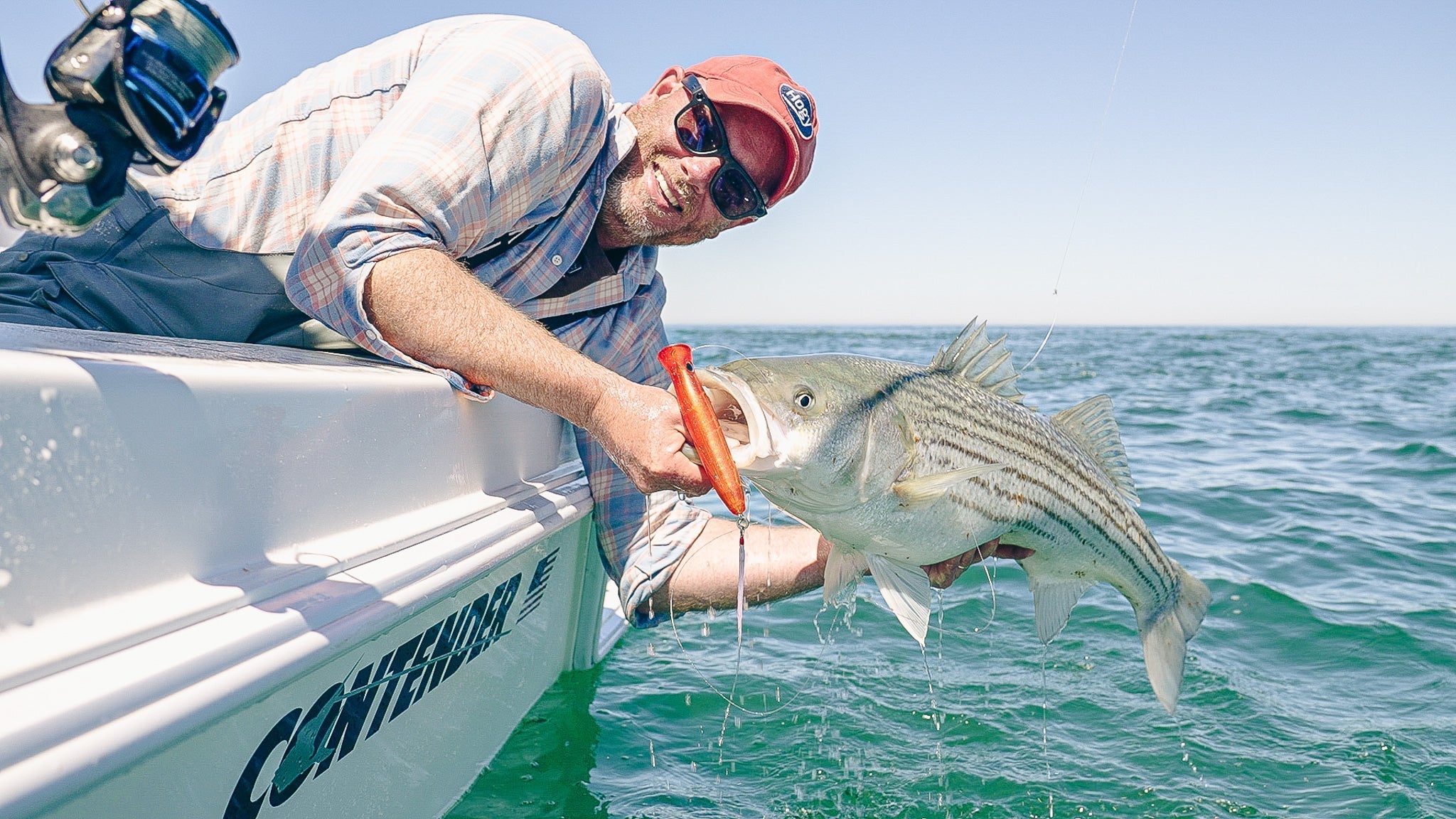
Eldridge Shoal, early summer. 45 feet, wind and tide together, 3.5oz Squinnow Jig + Groundfish Biki Teasers — three retrieves, no bait, double headers at slack tide.
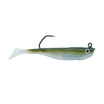
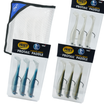
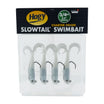
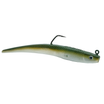
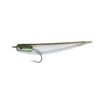
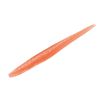
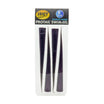
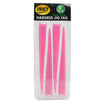
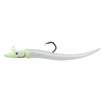
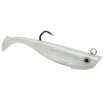
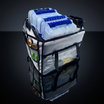
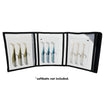
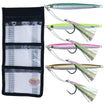
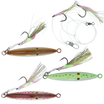
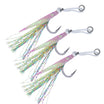
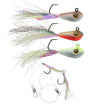
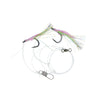
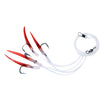
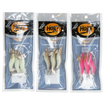
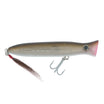
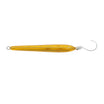
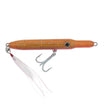
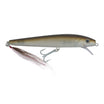
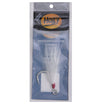
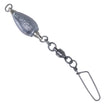
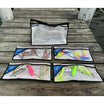
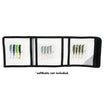
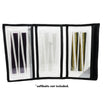
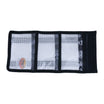
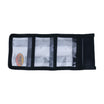
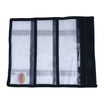
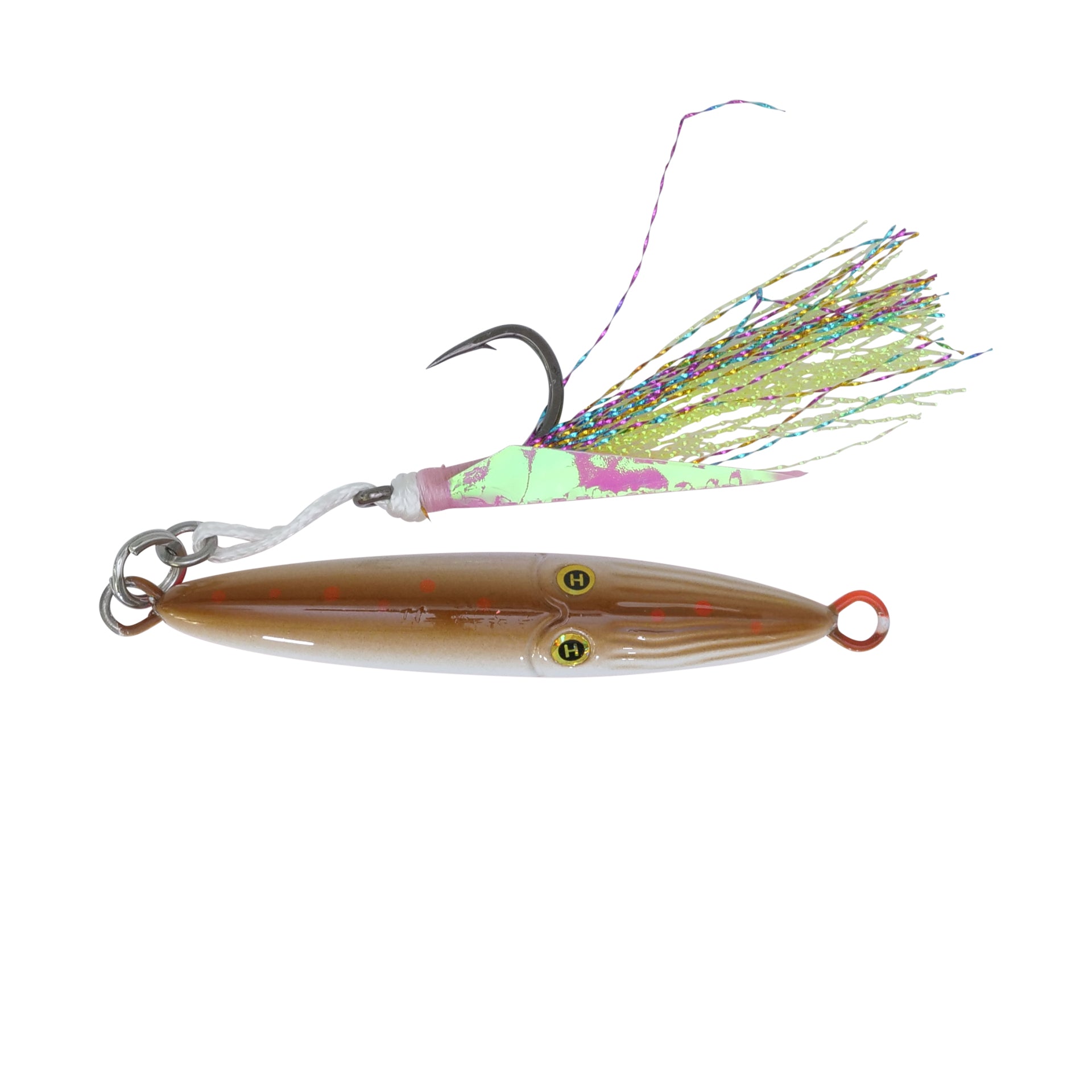
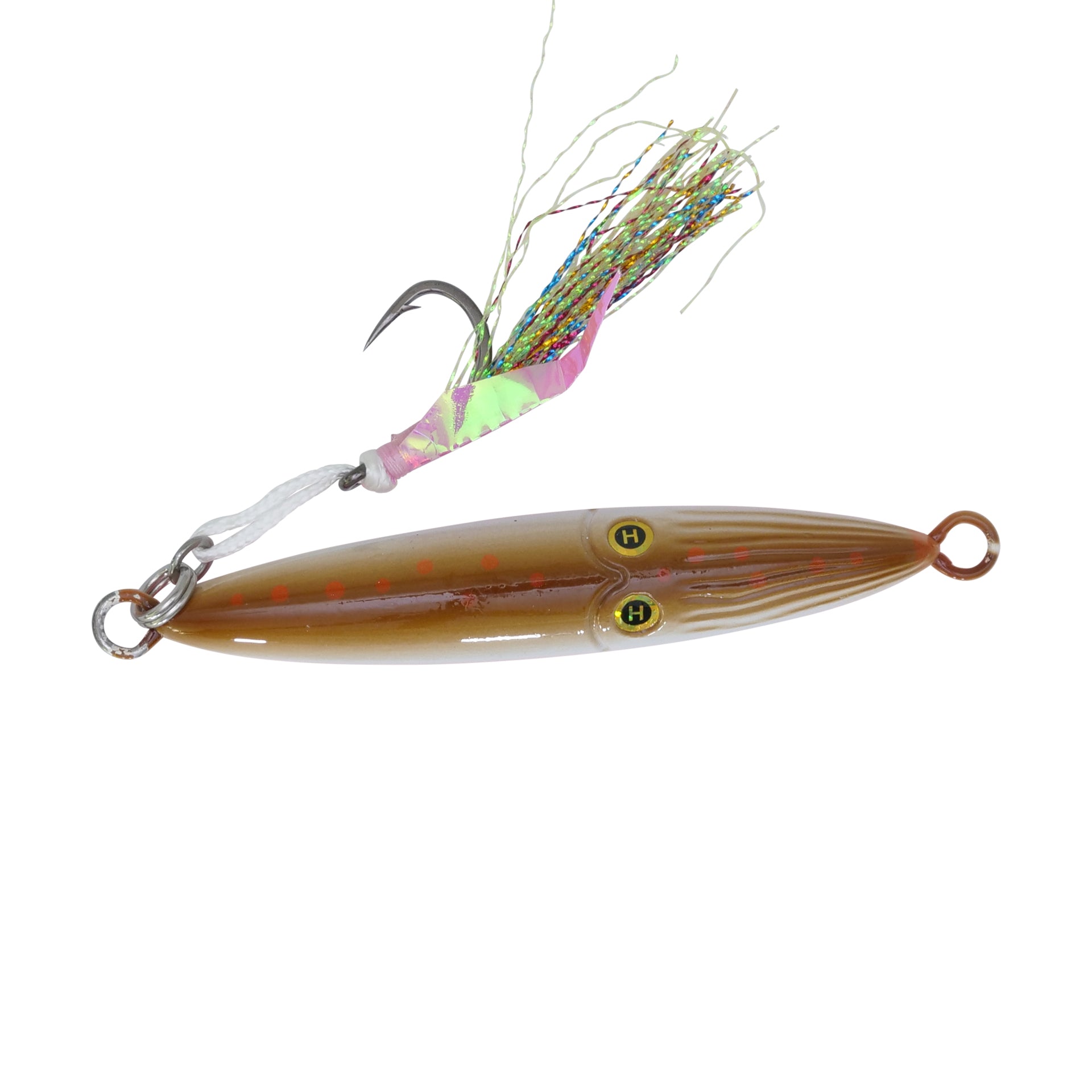
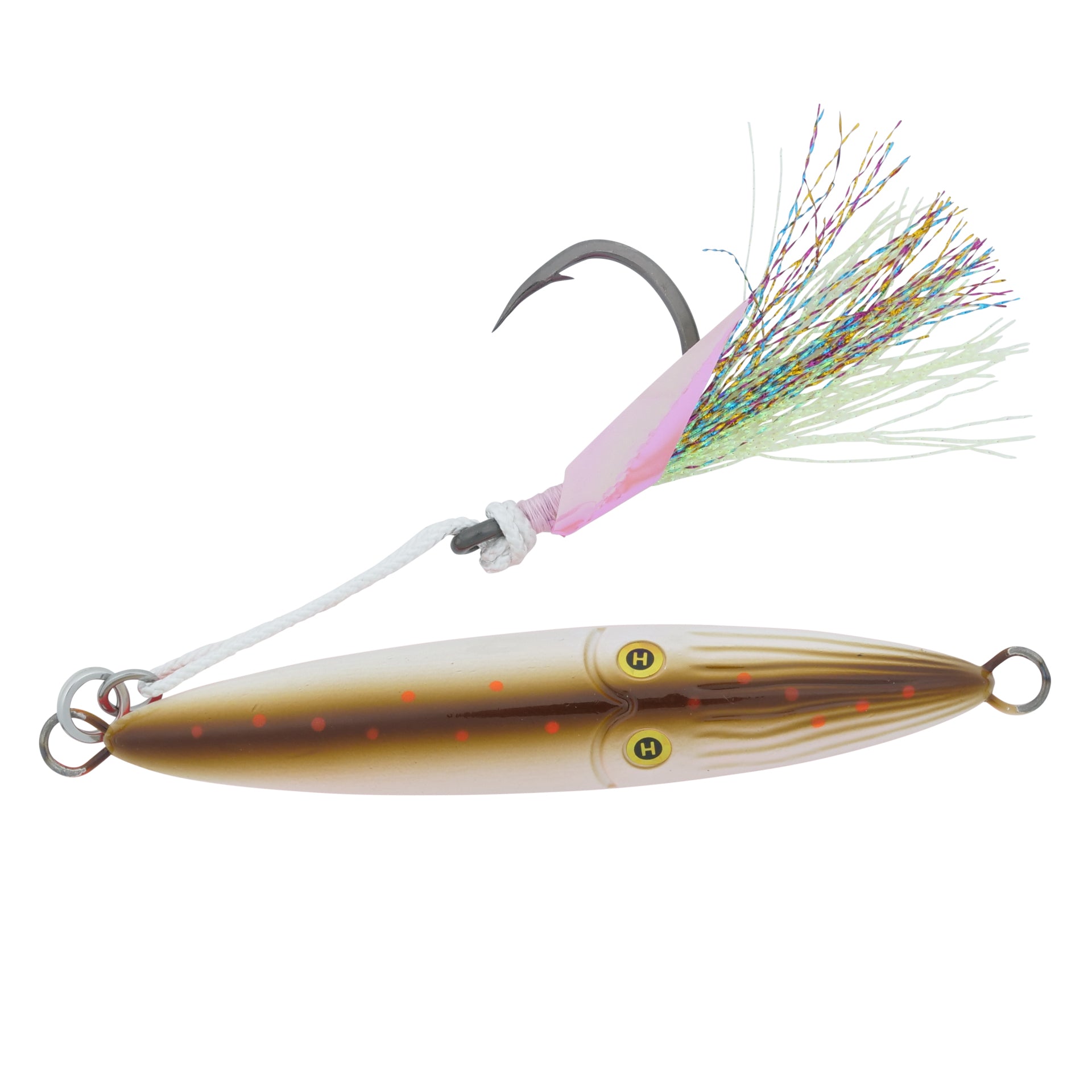
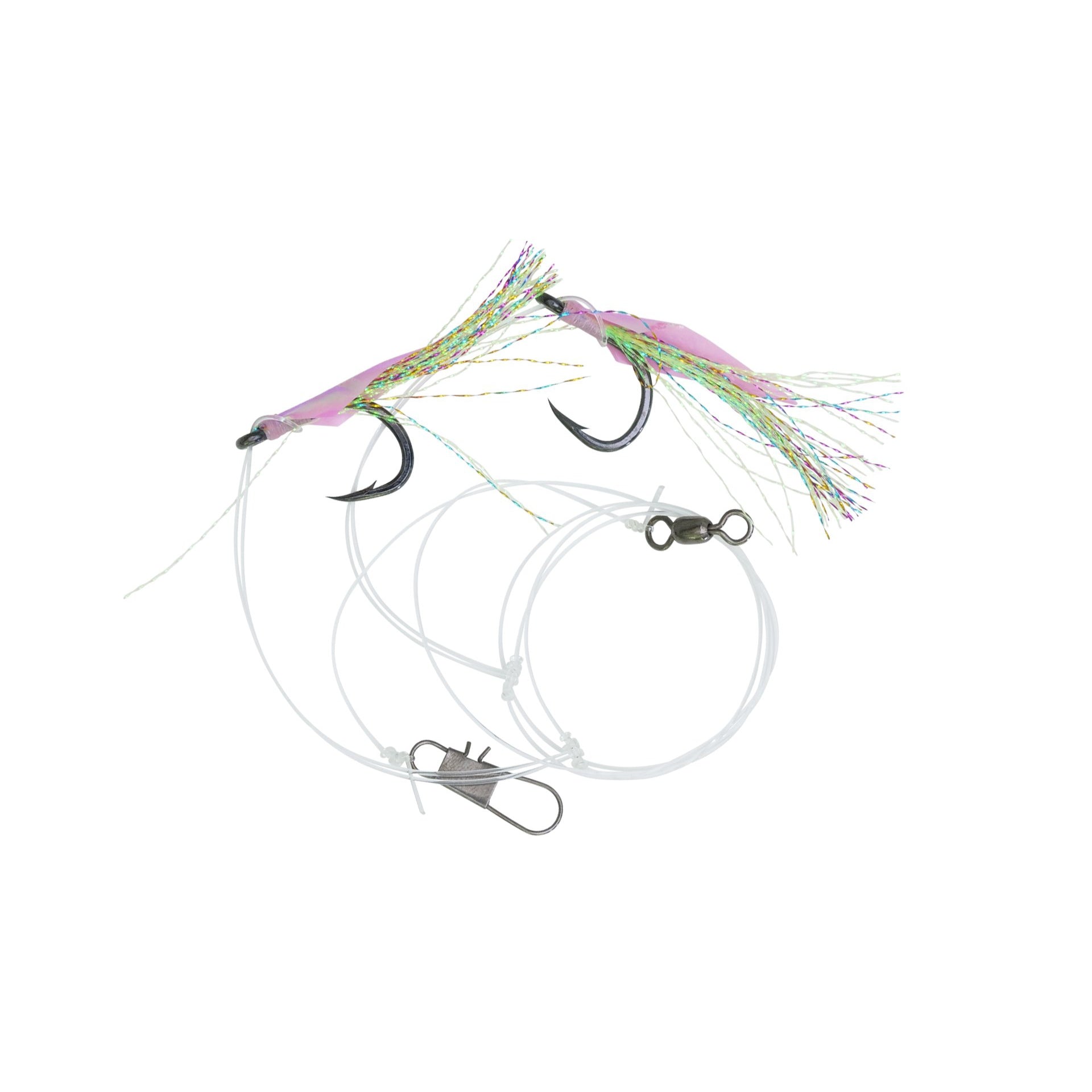
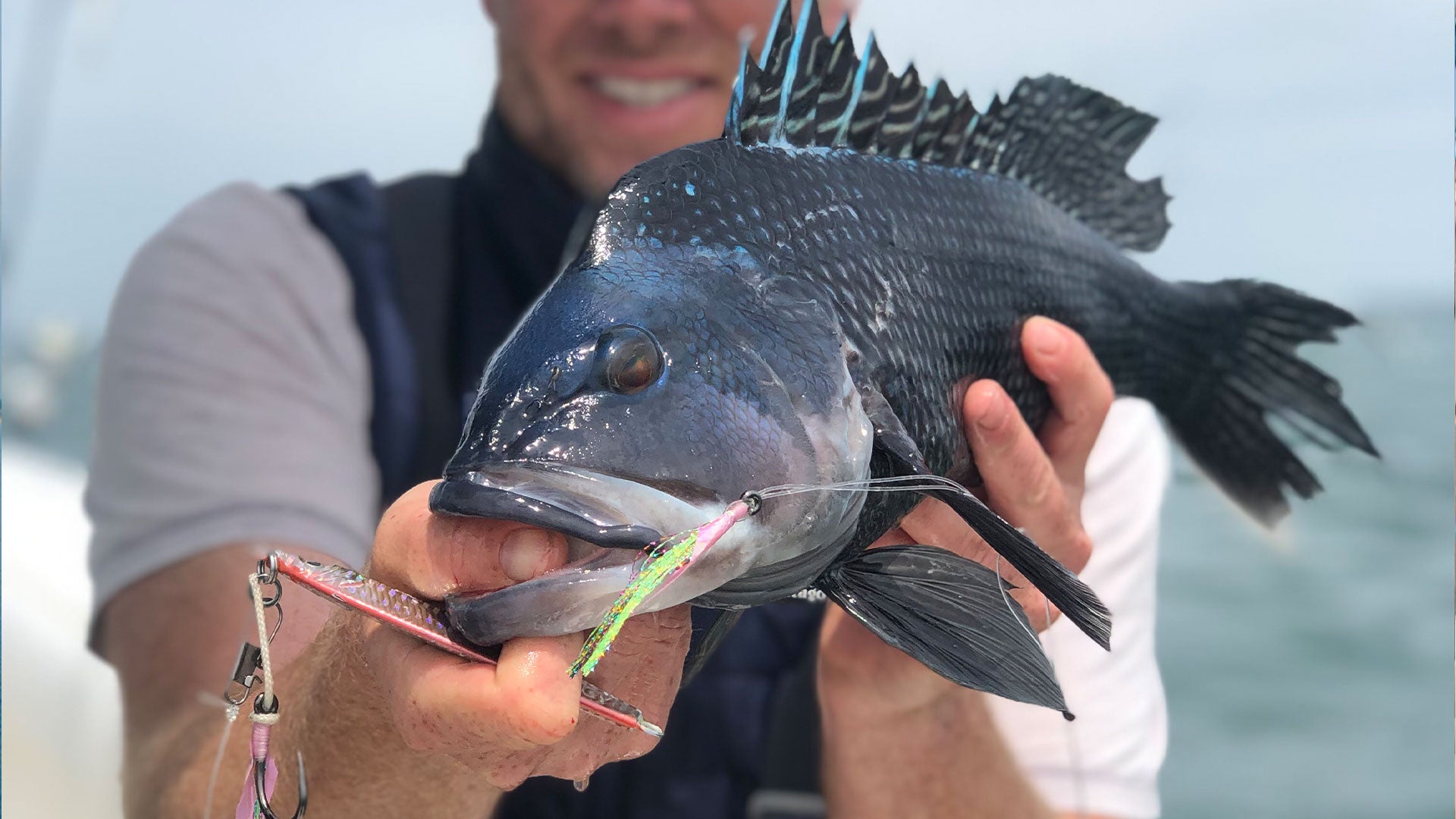
The Hogy groundfish system travels in a mesh crate with three rollup pouches. One pouch for Groundfish Biki Jigs — the short game, shallow water, slack tide tool. One pouch for Squinnow Jigs — the deeper water flutter jig with more range off the bottom. And one pouch for Biki Teasers, which clip above either jig to complete the two-bet presentation. That’s the platform. The variables are depth, current, and which of the three retrieves the fish want today.
This session at Eldridge Shoal is a tutorial: three retrieves demonstrated on the Squinnow Jig, then a fourth technique that appears when the tide slacks and Mike downshifts to the Groundfish Biki Jig for a more delicate bottom thump. No bait. No crowds — this was an unnamed spot found by working the Garmin chart and hopping around until the fish finder confirmed the right bottom.
What the Hogy groundfish system is built around
Context that shapes every decision that follows.
The Hogy groundfish system is designed around one principle: no bait required. The Squinnow Jig, the Groundfish Biki Jig, and the Biki Teasers are all built with crustacean color profiles — olive, pink, orange, green — that match what sea bass and other Northeast groundfish are actually eating. When Mike cleans these fish, he finds crabs in the bellies. The “crusticious” color family is not an aesthetic choice; it’s a forage match.
- Eldridge Shoal is the kind of spot you find by working the Garmin chart — a rocky hump or RK marker on the plotter that nobody told you about. Hopping around to find your own ground fish spots is part of the system. The fleet isn’t always on the best bottom.
- 45 ft of water at Eldridge with wind and tide together demands a 3.5oz Squinnow to hold bottom. Depth and current speed dictate jig weight — get this right before the first drop or the whole session is compromised.
- Sea bass, large scup, and occasional fluke share this bottom. The same Squinnow + Biki Teaser rig catches all three without a rig change.
- When the tide slacks, the Squinnow becomes harder to fish effectively. Downshift to the Groundfish Biki Jig — a more delicate bottom thump for the shorter game at slack current.
- Start east, drift west. When the fish stop biting, pick up and reset uptide. No complicated navigation needed — one simple drift line, repeated.
Wind and tide together — then the tide slacks
Two distinct fishing conditions in one session. Each demands a different tool.
Wind and tide moving together at 45 feet with 1–1.5 knots of current is a comfortable situation for the 3.5oz Squinnow. The jig holds bottom without difficulty and the drift is predictable. This is the active tide window — the fish are feeding and all three retrieves are on the table.
When the tide slacks, everything changes. Current drops, the Squinnow loses its advantage, and the presentation needs to be more delicate and bottom-focused. That’s the Groundfish Biki Jig’s moment. Same system, different tool, matched to the environmental shift.
The fish finder, the fight, and the belly
Four layers. Each one narrows the answer further.
“When you clean these fish, there are crabs in the bellies. That tells you everything about the color choice. This is a crusticious presentation — olive, pink, orange, green — and these fish are telling you it’s working.”
No surface bird activity — sea bass on a 45ft contour are bottom fish. Fish finder confirmed the right bottom with strong marks. The sonar was the only meaningful surface read available. Skip the surface for contour sea bass. Work the fish finder. “Rocky bottom, marking great fish on the fish finder” is the full read needed before the first drop.
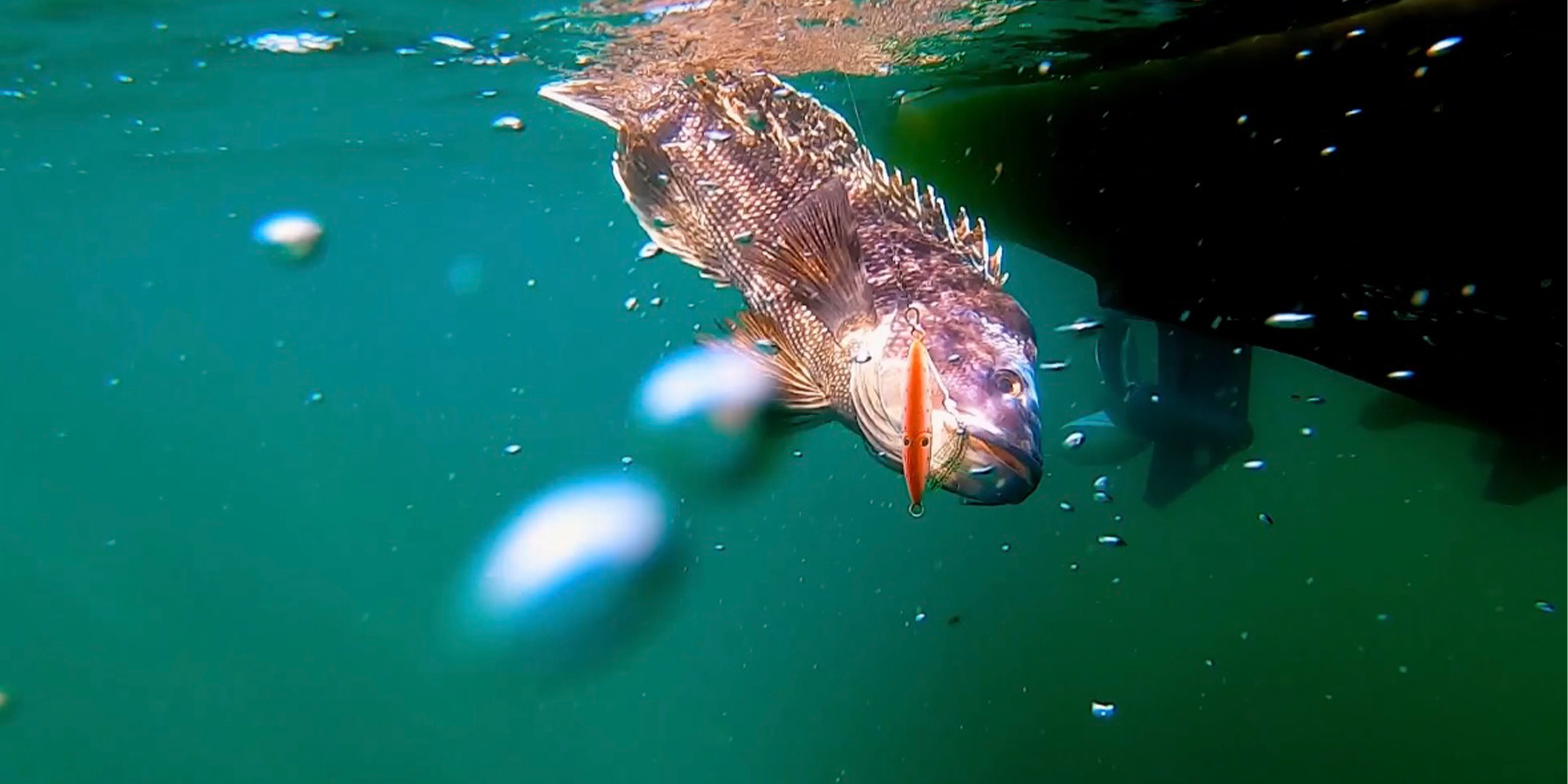
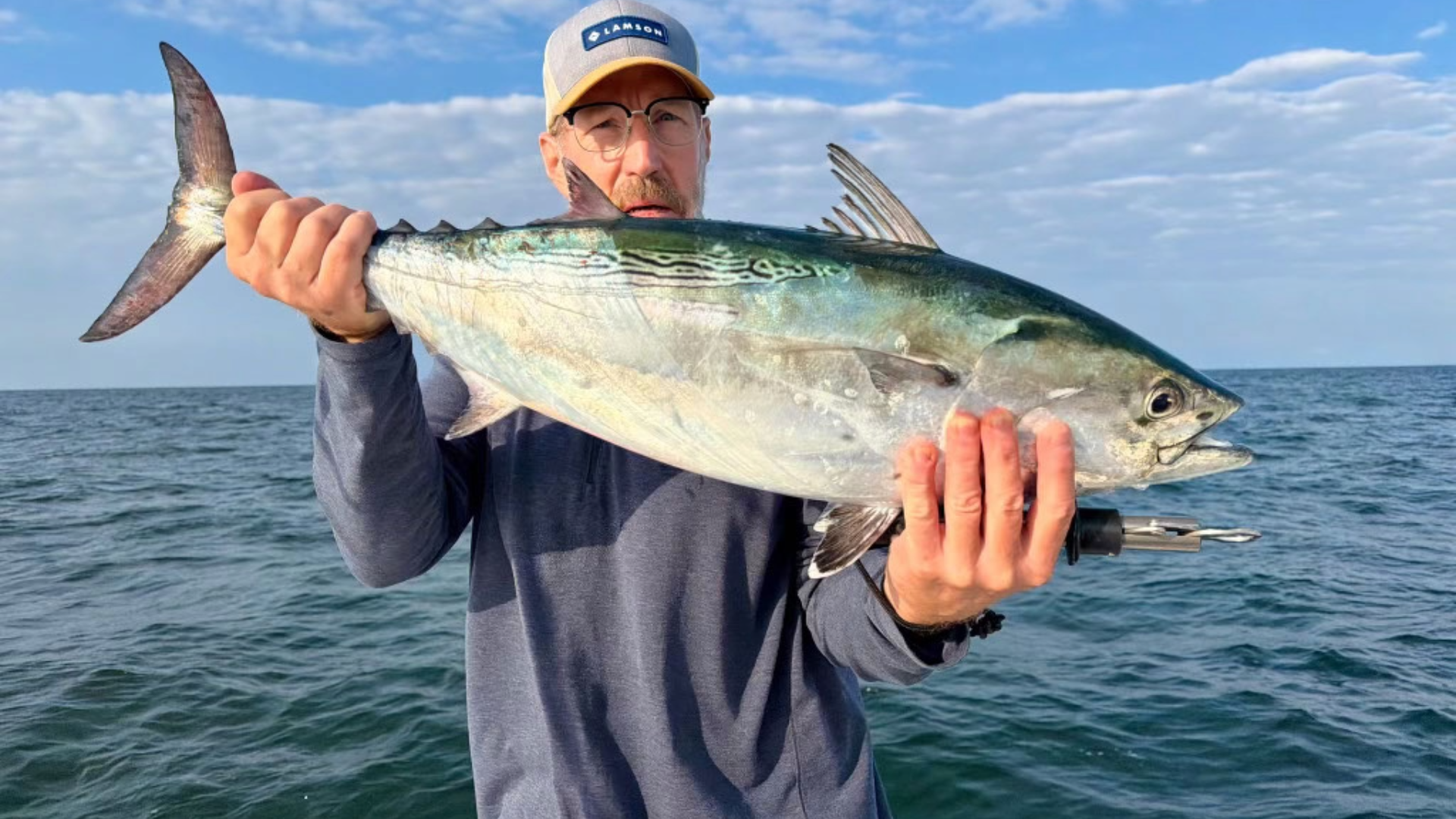
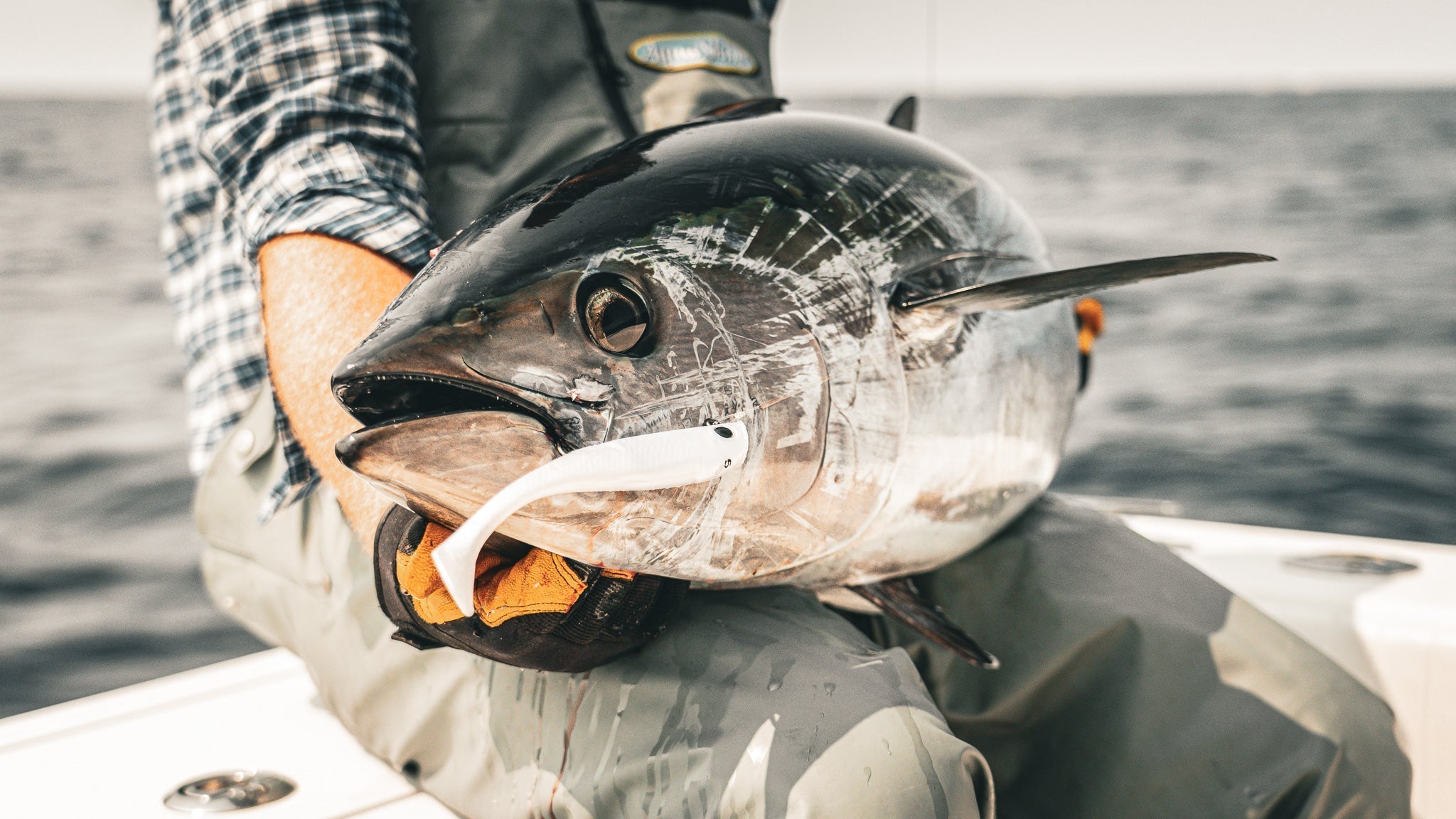
Sea bass and scup both active on the Squinnow. Fish were taking the teasers specifically on this session. Big sea bass on slow pitch, scup on the teaser, double headers at slack tide on the Groundfish Biki Jig. Activity read from the fight: head shakes = sea bass, bouncing tip = scup. Confirmed: teasers outproducing the jig body today. Lean into it. The fight tells you the species before the fish surfaces — use that to manage expectations on size and dinner table planning.
Rocky bottom with a ryey texture on the fish finder. Not a smooth sandy floor — the irregular bottom of a shoal with mixed rock and sand. Sea bass returns tight to the hardest bottom sections. Drift east to west along the productive contour. Confirmed: rocky shoal bottom is the target. When the fish finder shows smooth featureless bottom, the productive zone is behind you. Reset uptide immediately.
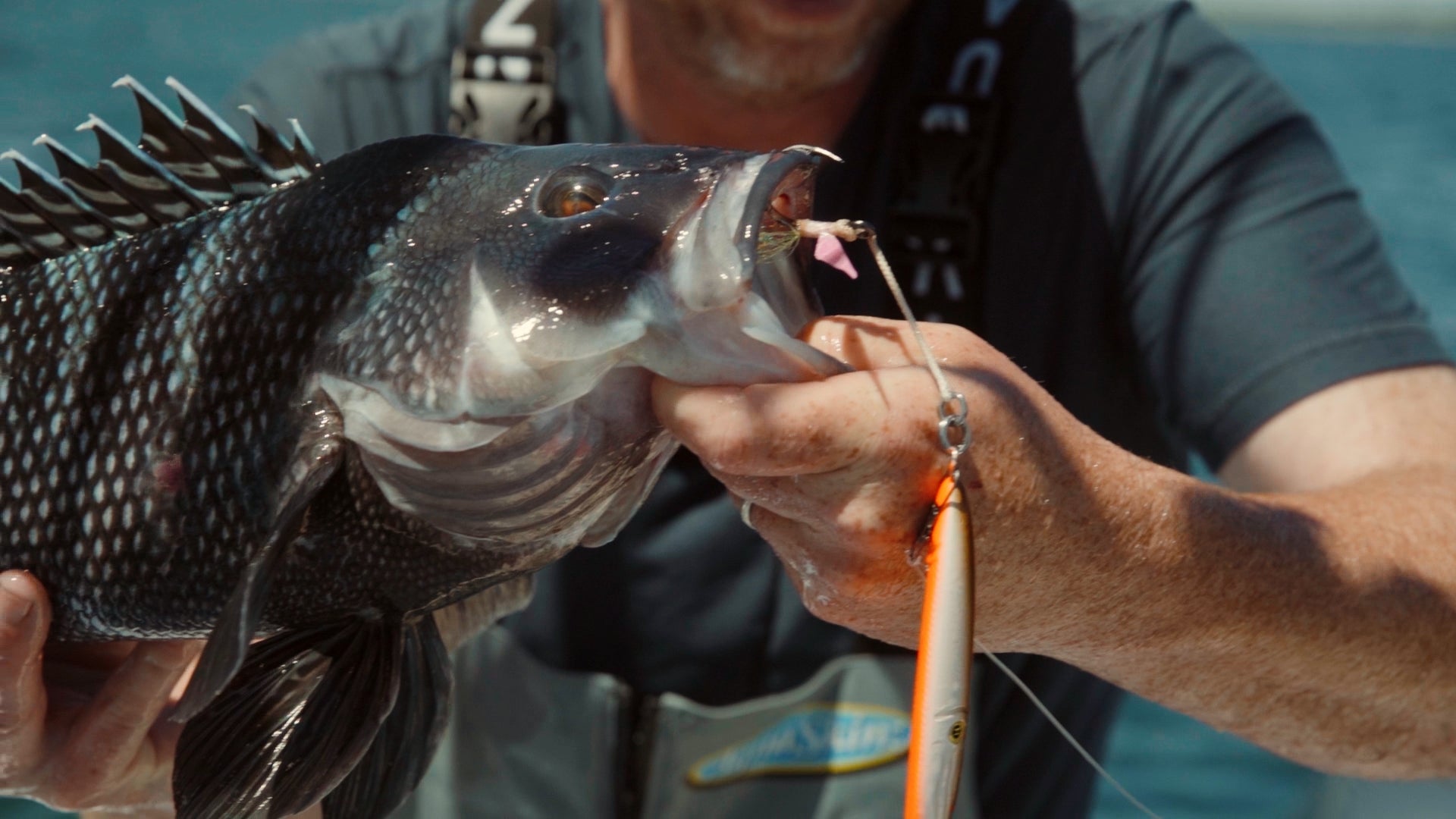
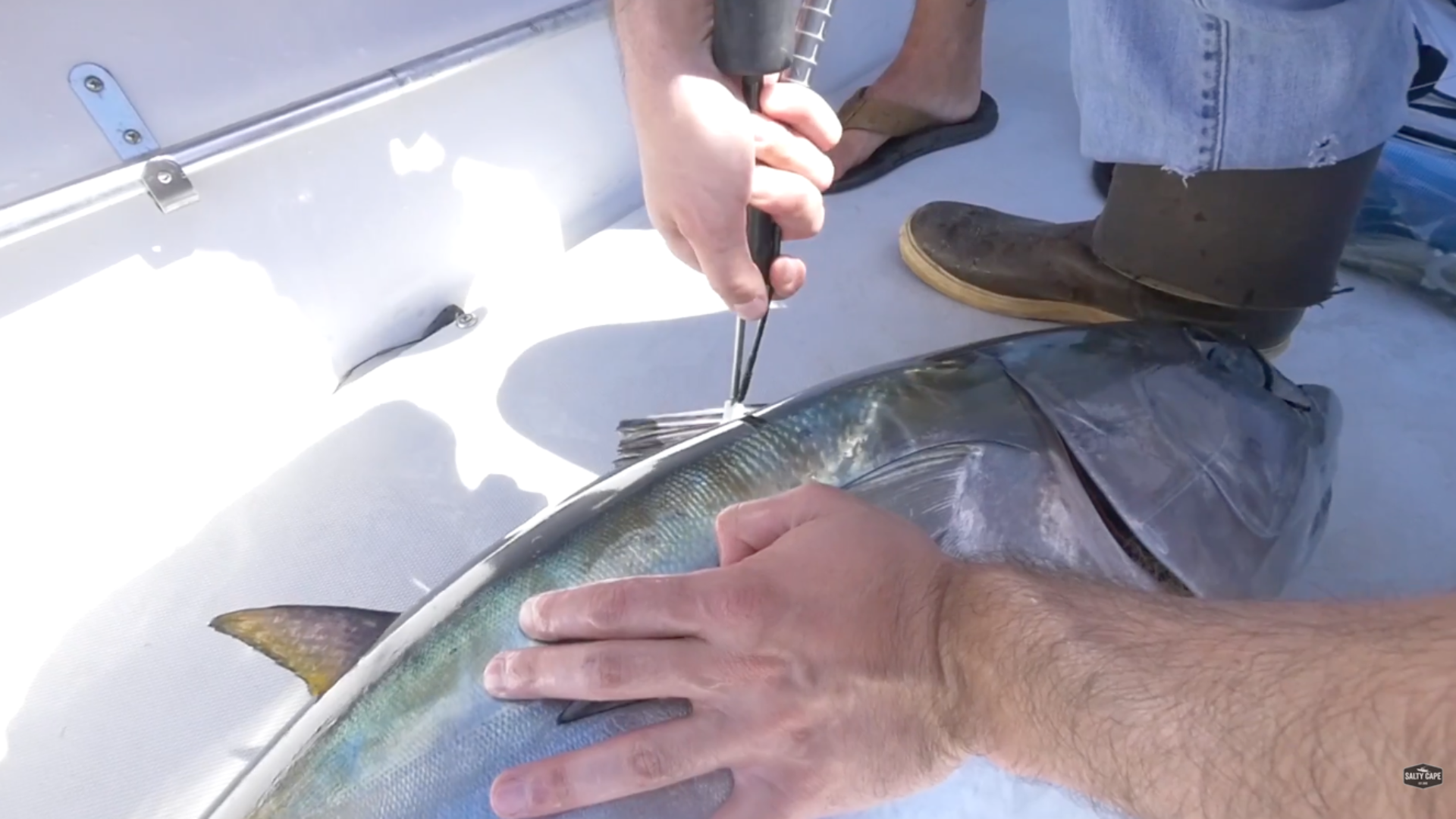
Strong fish marks on the finder before dropping. Mid-session bait confirmed above the structure. Sea bass coughed up crabs — direct forage confirmation that never came from the sonar. The belly is the best fish finder data point of all. Fish coughing up crab parts = the crusticious color match is correct. Don’t change the jig when the fish are eating the same forage the jig is designed to imitate. Stay on system.
East to west contour drift — simple, repeatable
The approach is the simplest of the series. The technique is where this episode earns its depth.
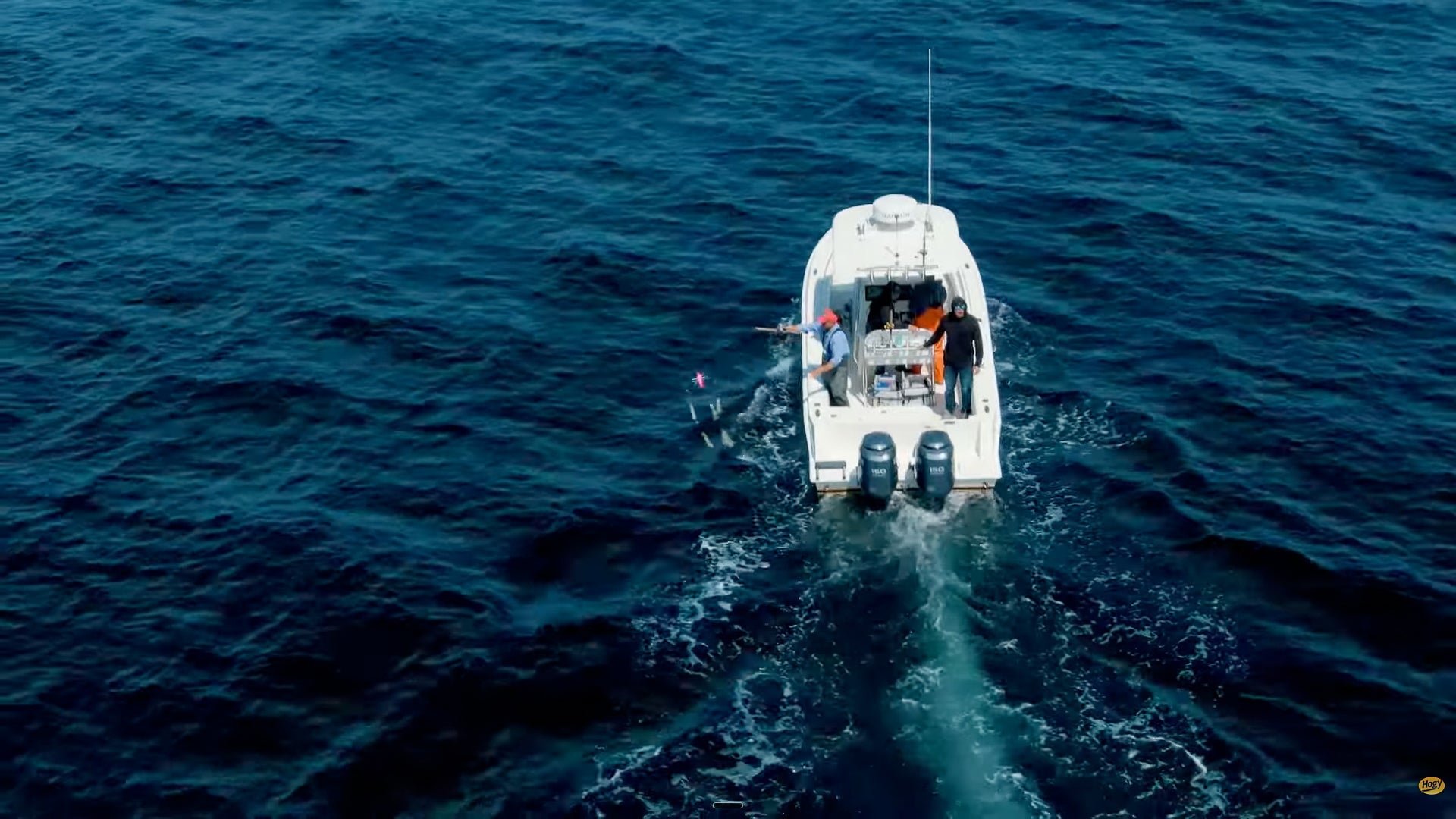
The approach at Eldridge Shoal on this session is a single clean drift line: start east, drift west with the wind and tide, pick up when quality downgrades, reset uptide and run the same track again. No complicated navigation, no fleet to navigate around. This is the simplicity that makes groundfish accessible — find the right bottom once, and just keep running it.
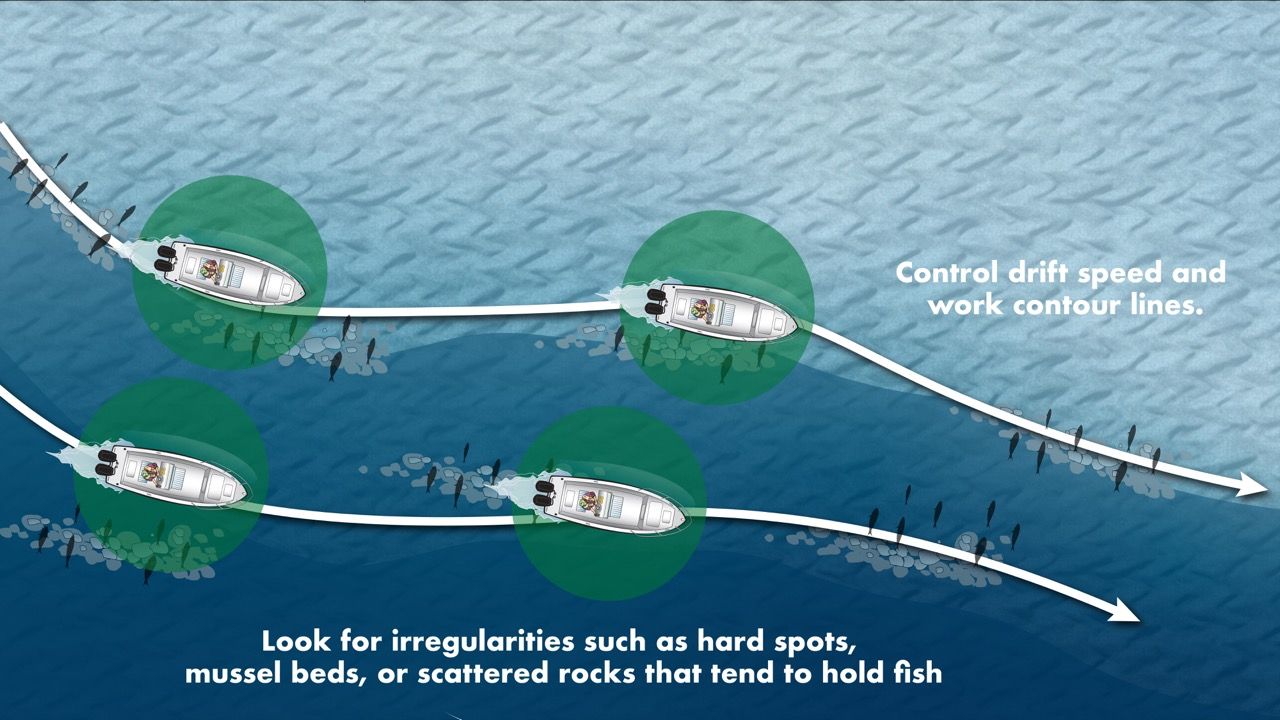
B3200 Drifting Contour Lines for Groundfish — one clean drift line, start east, drift west, reset uptide. Pick up when scup and small fish signal the end of the productive zone.
Three retrieves + the tide change swap
The technique is the whole episode. One rig, three methods, one environmental trigger that changes everything.
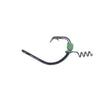
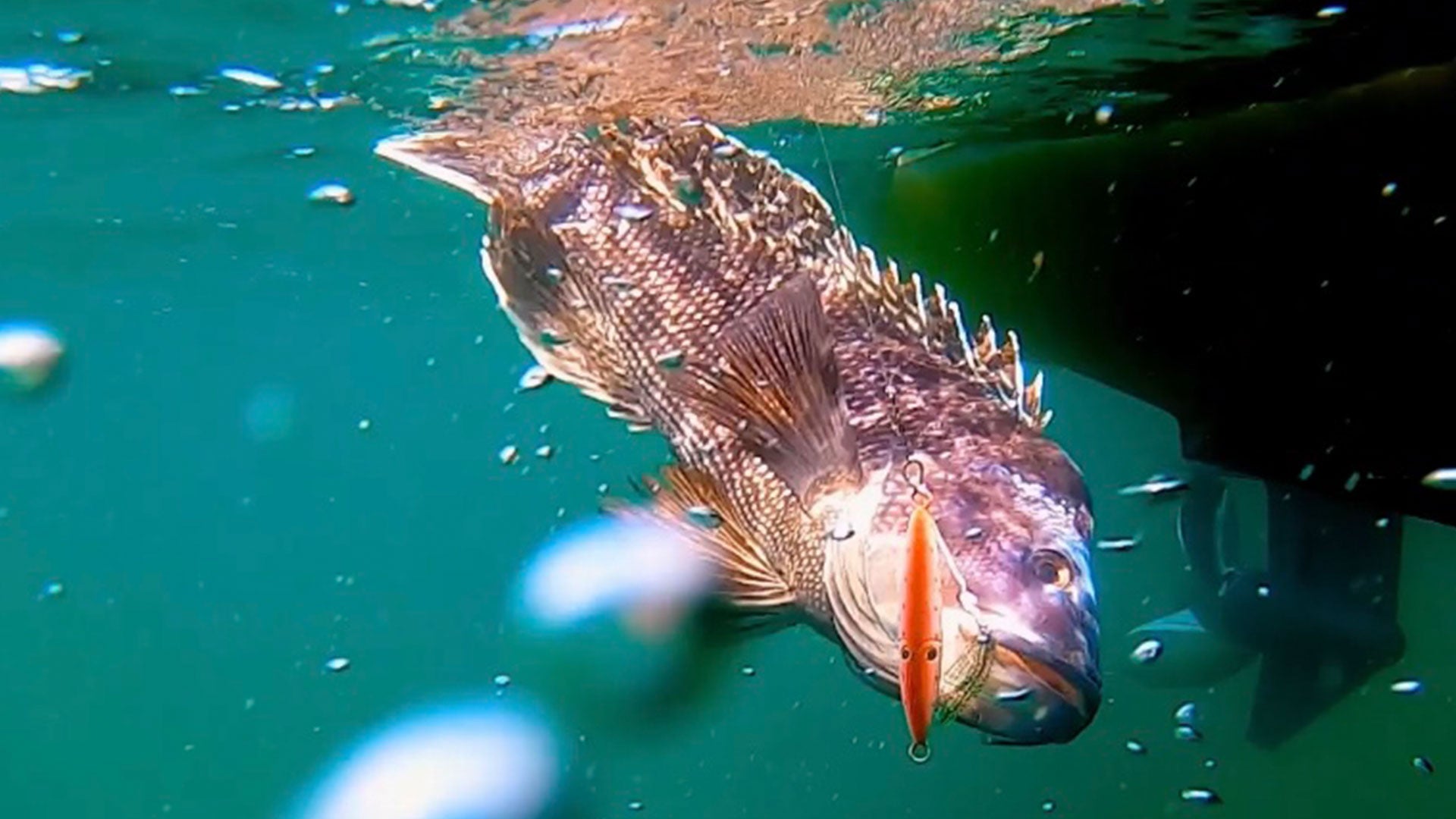
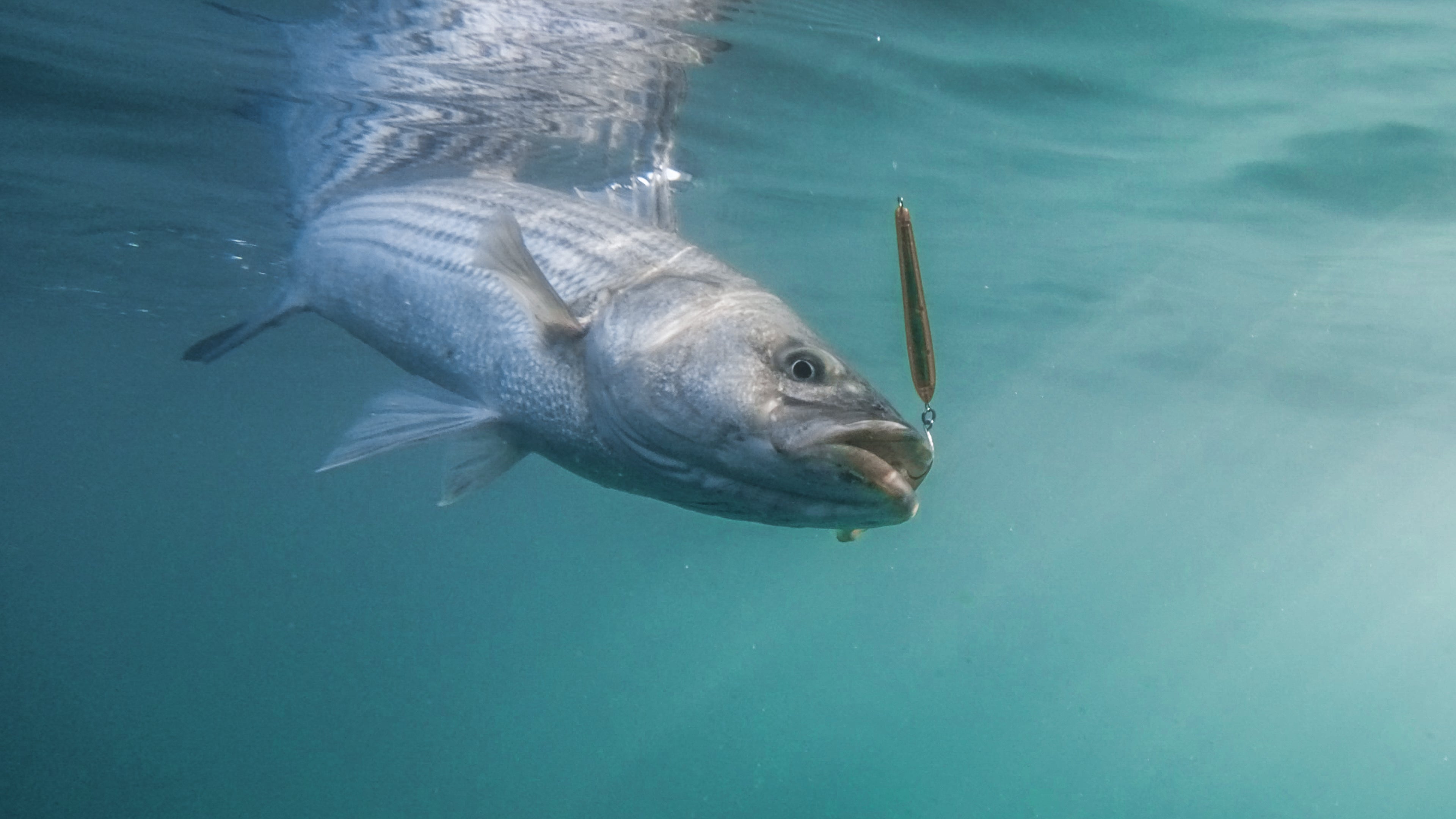
The Hogy Squinnow Jig at 3.5oz fishes the active tide on 45ft structure. When wind and tide are together, the jig holds bottom and the teasers on the Groundfish Biki Teaser Rig above it animate naturally in the current. Three distinct retrieves, demonstrated in sequence, each tuned to a different fish behavior.
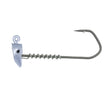
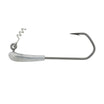
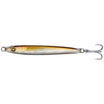
When the tide slacks, the Hogy Groundfish Biki Jig takes over — a fixed-hook bottom thump jig designed for the short game when current is light and the presentation needs to be delicate.
The two-jig comparison
When to use it: Starting point on every drift. Also when fish are marking but not responding to active retrieves. The dead stick is the passive option that often produces when everything else has been tried.
How it works: Jig on the bottom, rod resting, teasers bouncing with the current and boat motion alone. The Squinnow’s weight keeps it on the deck. The current animates the Biki Teasers above it without any angler input. This is the retrieve that looks like nothing — and sometimes outfishes everything.
The cue: Any added weight or check when you pick the rod up. Sea bass eating the dead stick are usually well-hooked in the corner of the mouth because they have time to commit without feeling resistance.
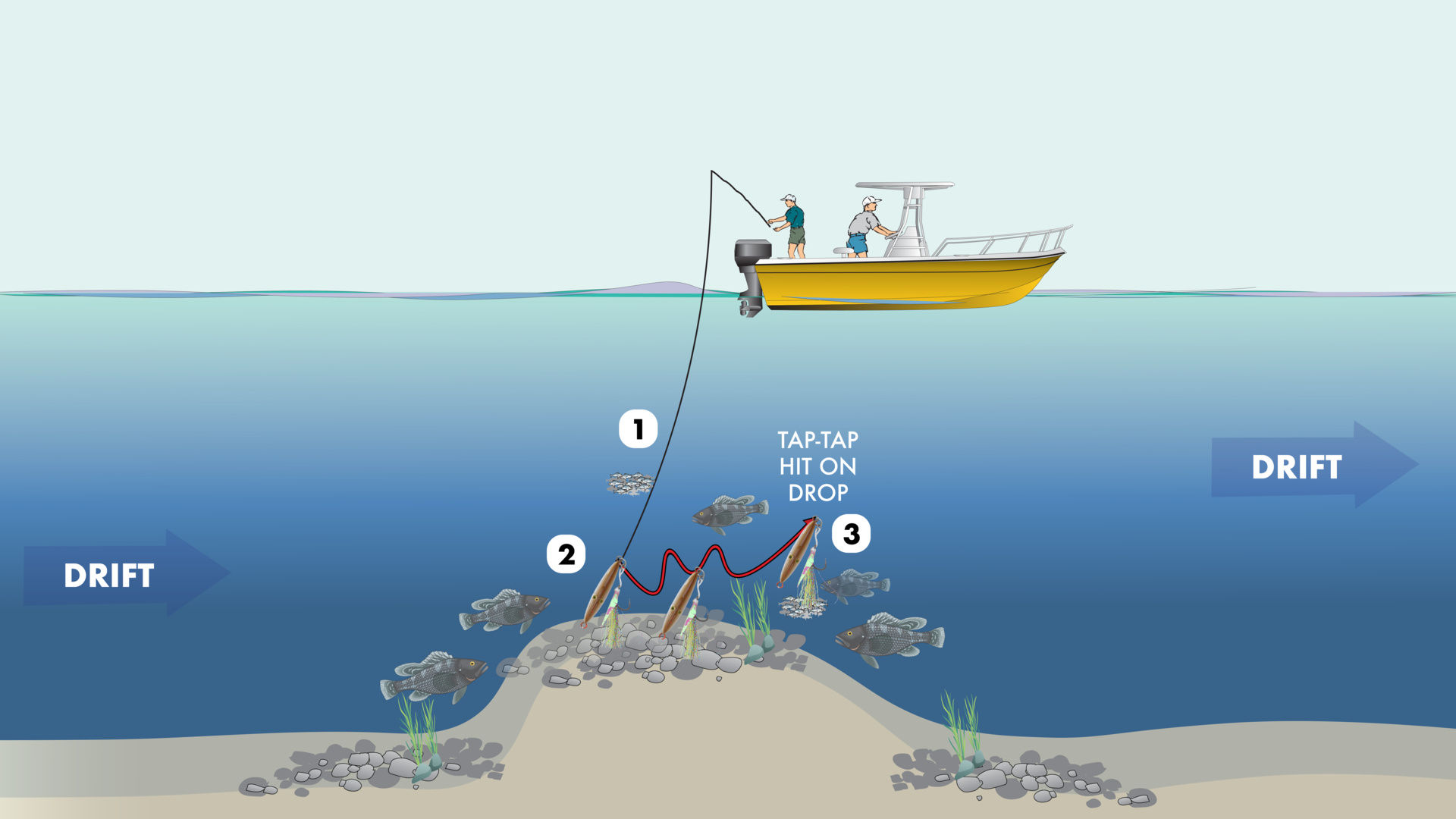
R2708 Dead Stick — jig on the bottom, no input. Current moves the teasers. Check for added weight every 30–60 seconds.
When to use it: The primary active retrieve for the Squinnow on a moving tide. Slow pitch is the bread-and-butter method when fish are feeding and the sonar shows them above the bottom.
How it works: Lift the rod tip up slowly, come down slowly. The Squinnow rises off the bottom, then flutters on the drop. “A slow rise and fall of the tip — that jig is coming up and then it has a flutter on the drop.” The hit usually comes on the fall. Pay attention to the drop — a subtle check in the line or added pressure is the bite.
The cue: Watch the line on the fall. A check, subtle resistance, or the line going tight before the jig should have reached the bottom. Set on any change in the descent.
R2701 Slow Pitch — slow lift, full flutter drop, hit on the descent. The bite is subtle. Watch the fall, not the lift.
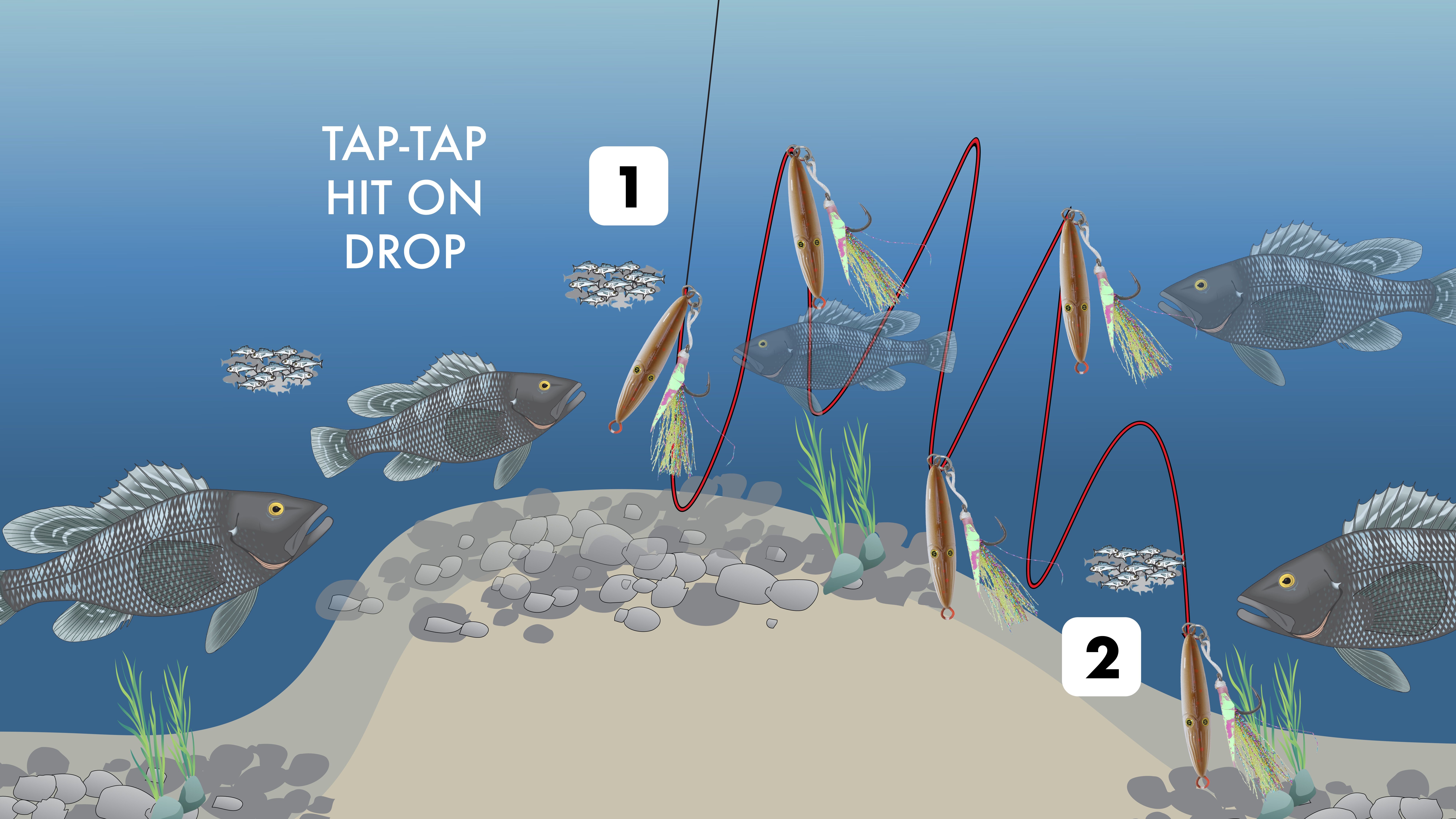
When to use it: When fish are marking strongly on the finder but not eating on dead stick or slow pitch. The twitch jig creates commotion and reaction bites from fish that are present but neutral.
How it works: Short, sharp rod tip twitches that make the teasers dart and flash. “You’re just twitching it — making those teasers come alive and creating all kinds of commotion.” Let the jig drop back to the bottom between twitch sequences. The jig bounces in a tight zone while the teasers above it fire in every direction.
The cue: Reaction bites are often aggressive — the rod will load decisively. The twitch retrieve produces harder takes than the dead stick or slow pitch because it triggers reaction feeding rather than deliberate feeding.
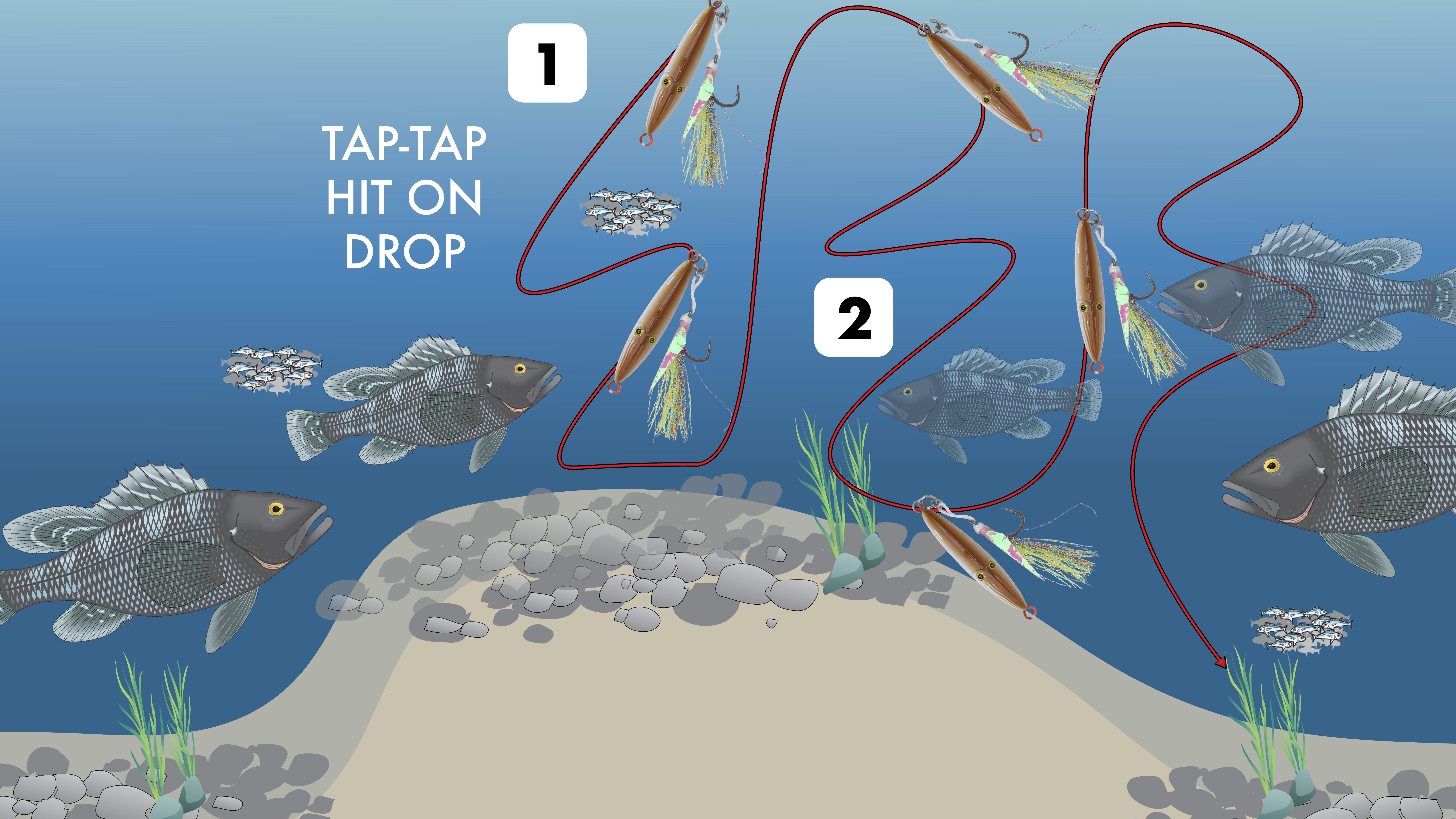
R2706 Twitch Jig — short sharp twitches, teasers firing, let it settle back. For fish that are marking but not committing to slow retrieves.
“The tide slacked off quite a bit and so is the wind — so we’re going to downshift to the Groundfish Biki Jig and just thump this on the bottom. It’s a much more delicate presentation than the Squinnow, which really has its place at slack tide.”
When the tide slacks, Mike pulls the Squinnow and clips in the Groundfish Biki Jig. The Biki Jig is the short game tool: compact profile, fixed hook, bottom thump retrieve. Lighter weight, more delicate, better suited to the gentle current at slack water. The same Biki Teasers stay on the rig above it. The result at slack tide: double headers.
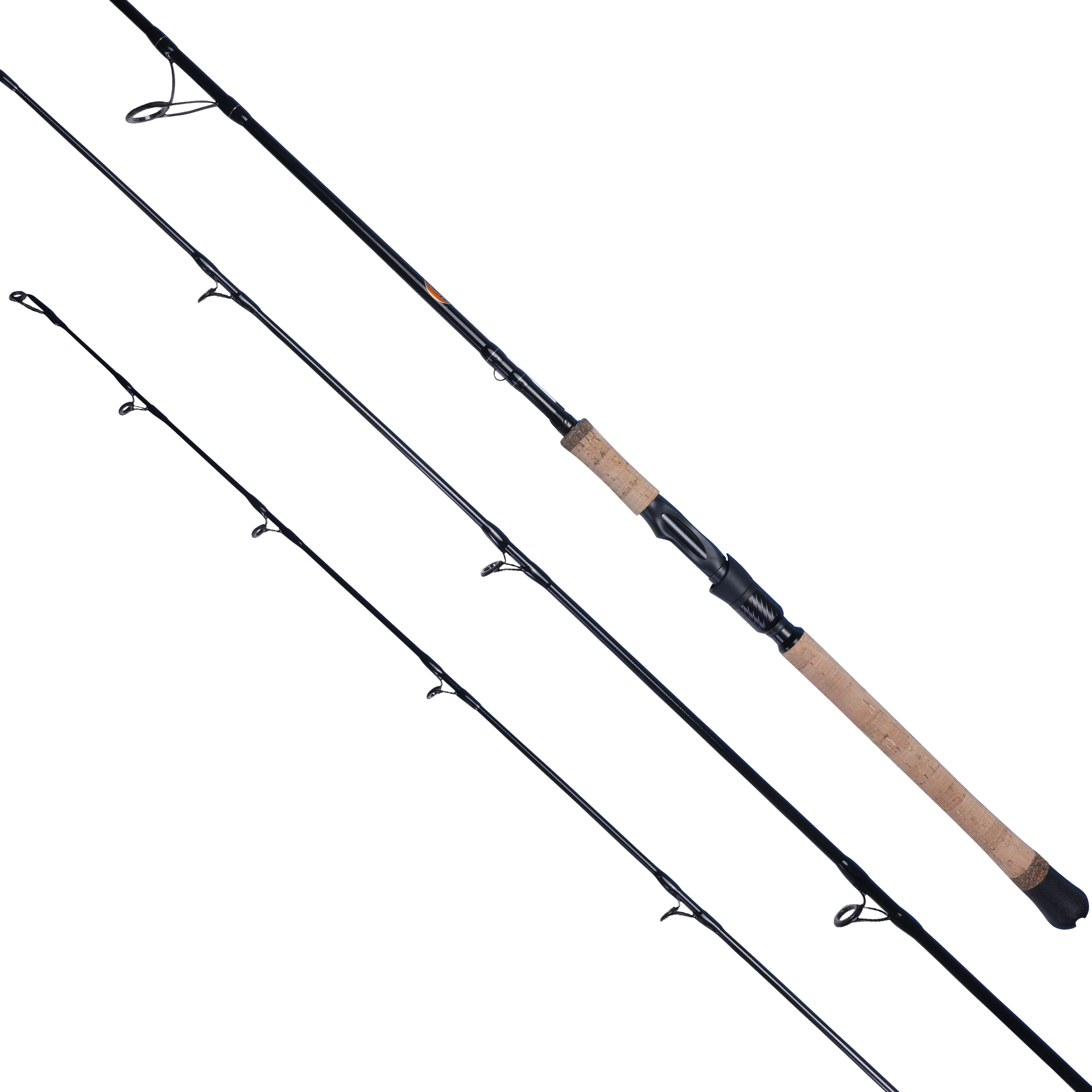
Outfit
The decision at a glance
Step 1 set the system: the Hogy mesh crate, three rollups, crusticious color matched to crab forage confirmed in fish bellies. Step 2 identified the two fishing conditions: active tide for the Squinnow, slack tide for the Groundfish Biki Jig. Step 3 locked the spot: strong fish marks on rocky shoal bottom at Eldridge, fish hitting the teasers, the sonar and the belly both confirming the match. Step 4 ran the simple approach: one drift line east to west, reset uptide when quality drops. Step 5 executed three retrieves in sequence — dead stick for passive fish, slow pitch with hits on the flutter drop, twitch jig for fish marking but not eating — and then downshifted to the Groundfish Biki Jig when the tide slacked for double headers on the bottom thump. No bait. No crowds. One system built for exactly this.


Leave a comment
All comments are moderated before being published.
This site is protected by hCaptcha and the hCaptcha Privacy Policy and Terms of Service apply.