


















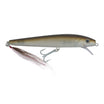
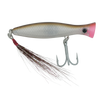

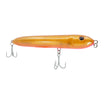
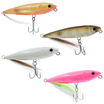
The Squinnow + Jig-Biki System — Crustalicious on the Boulders
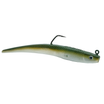
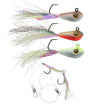
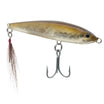
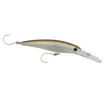
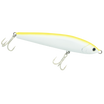
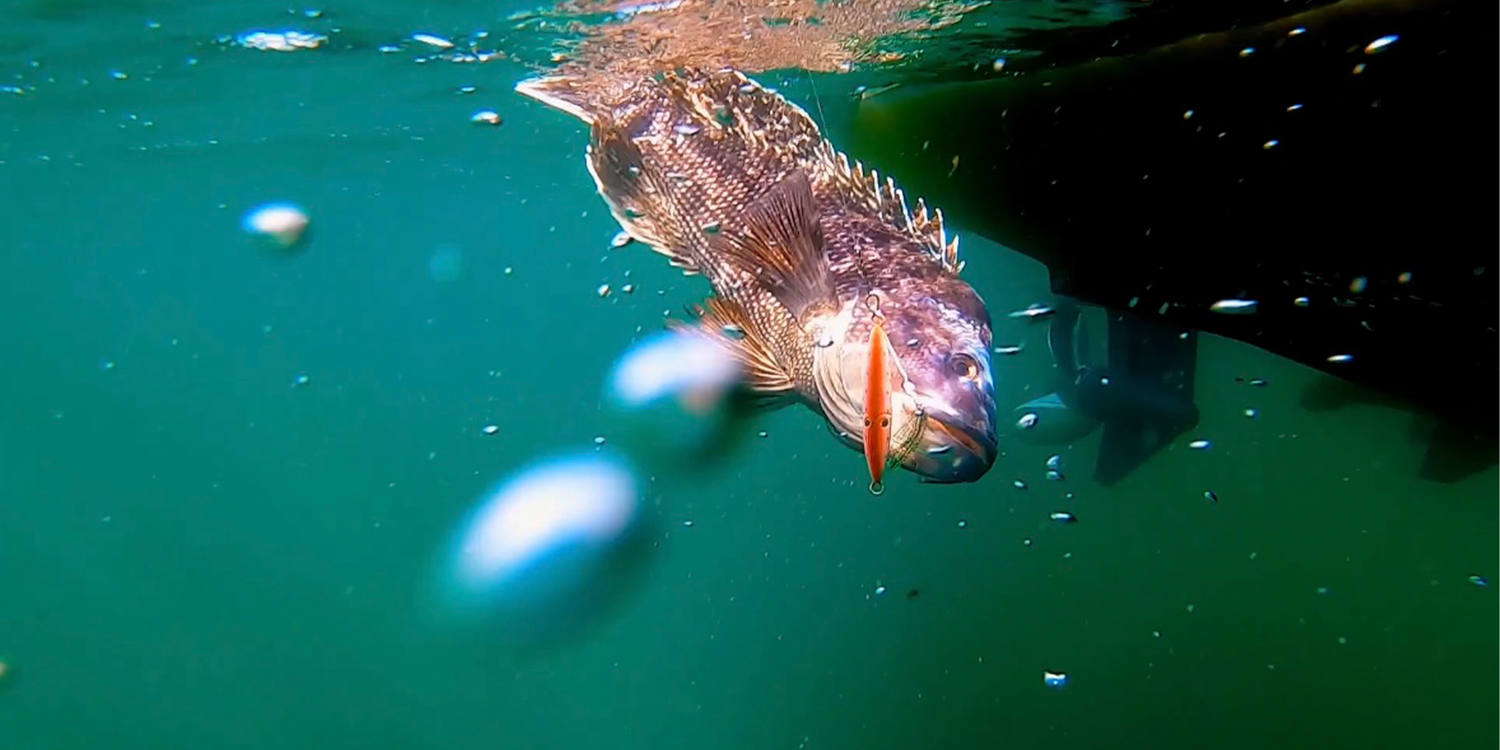
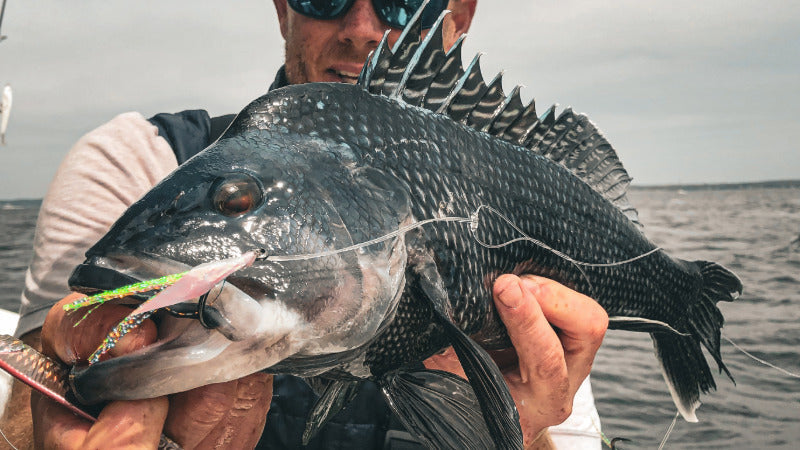
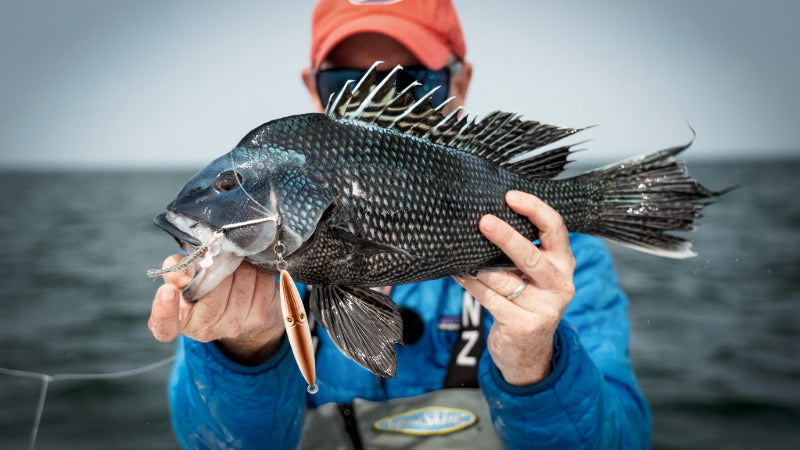
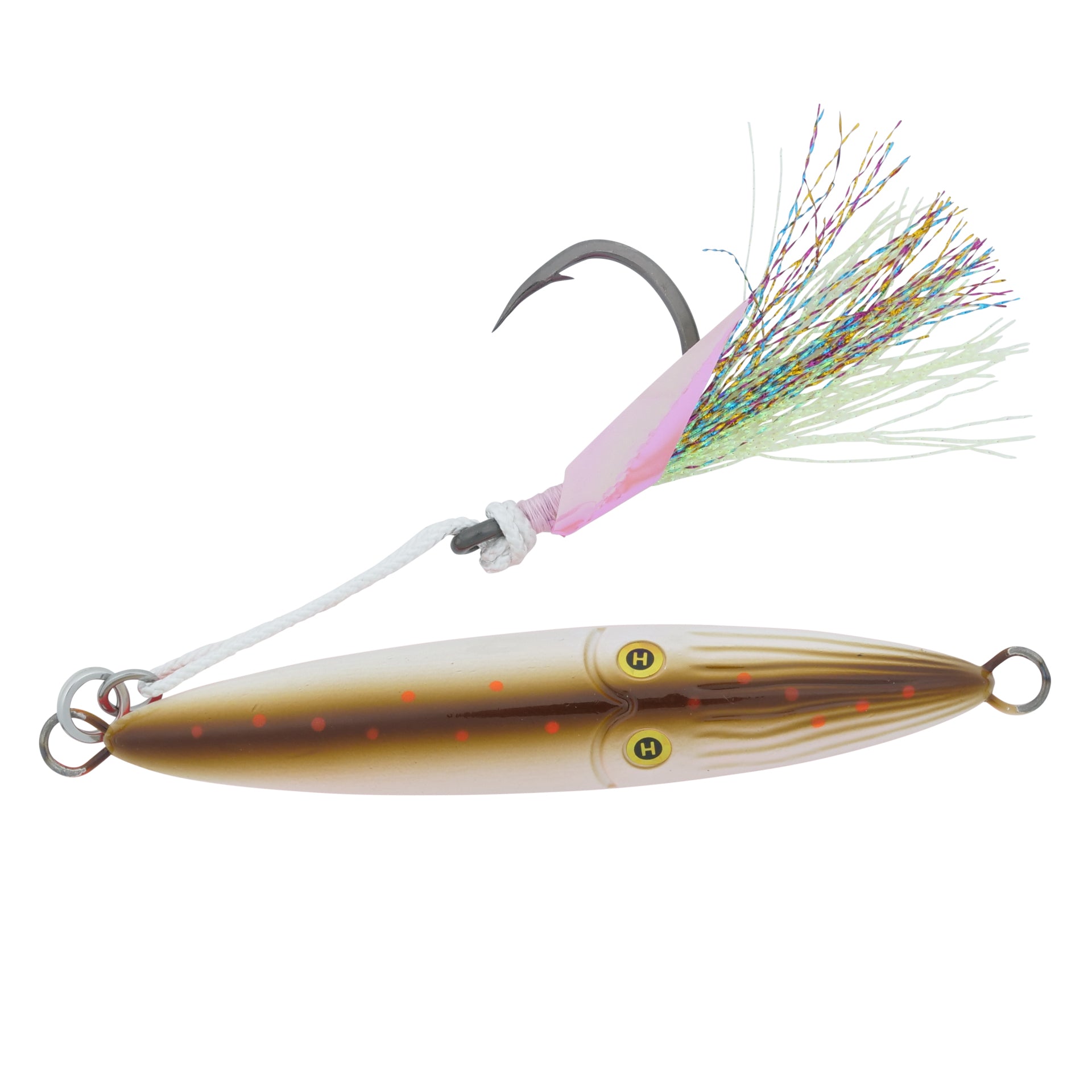
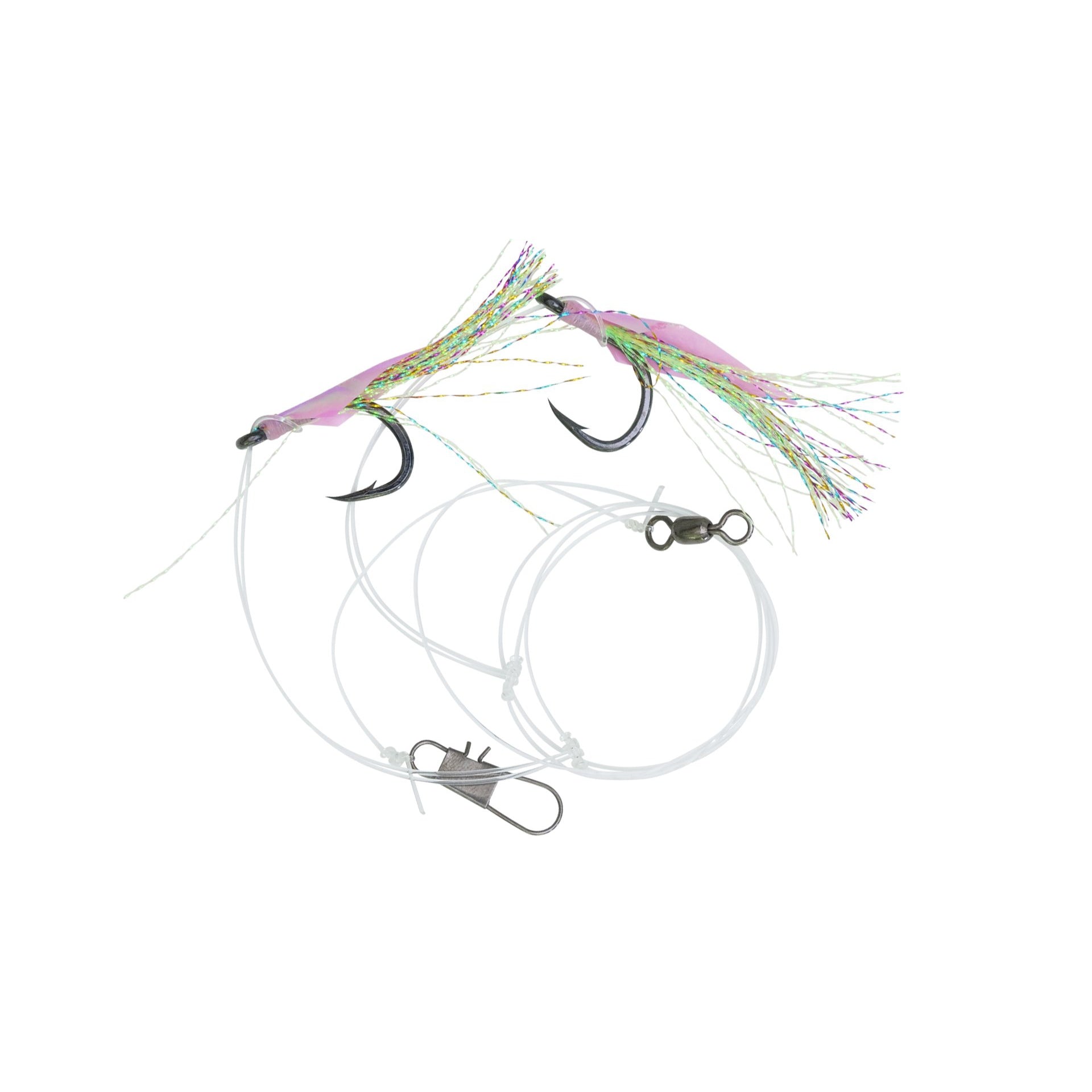
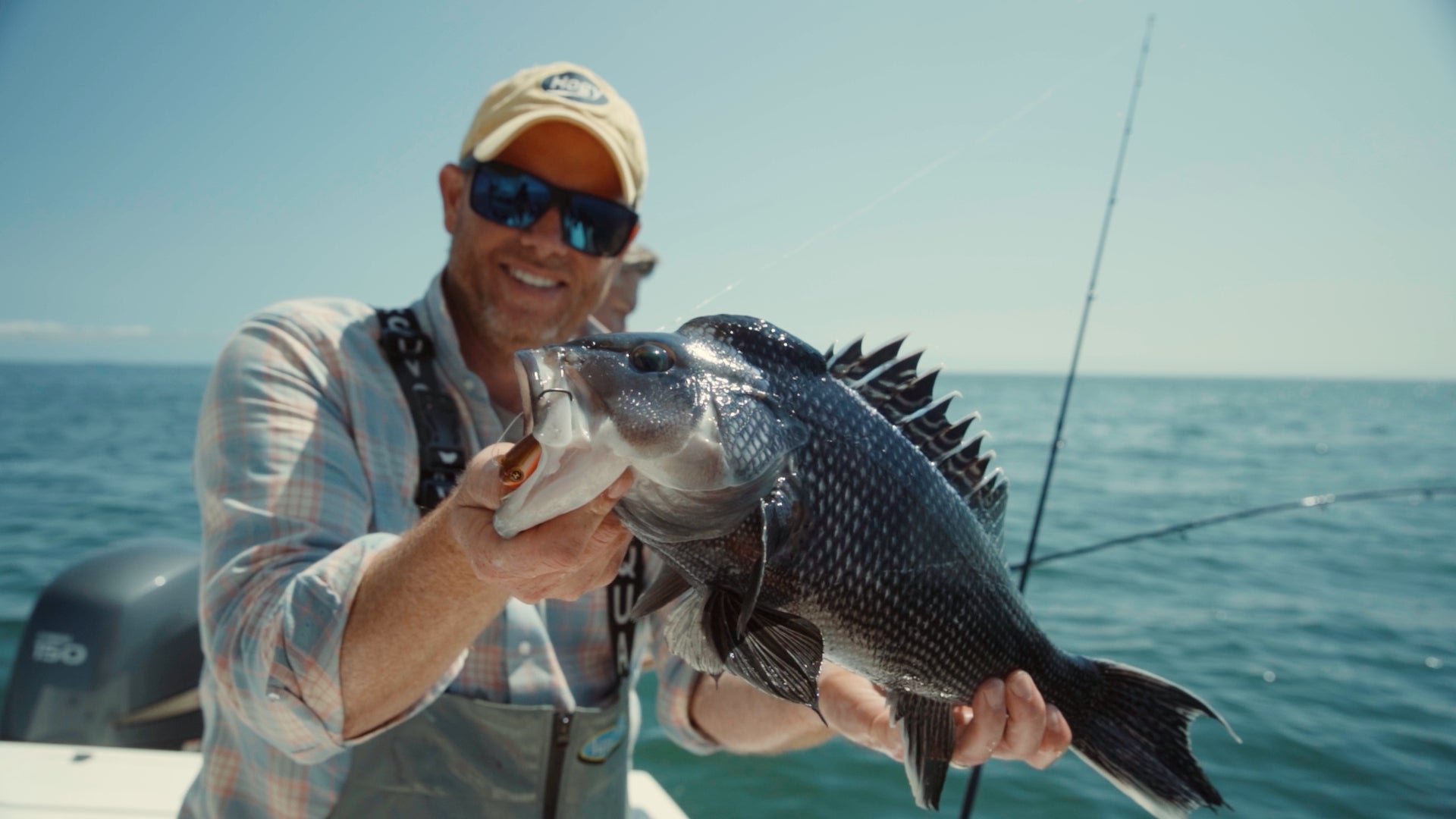
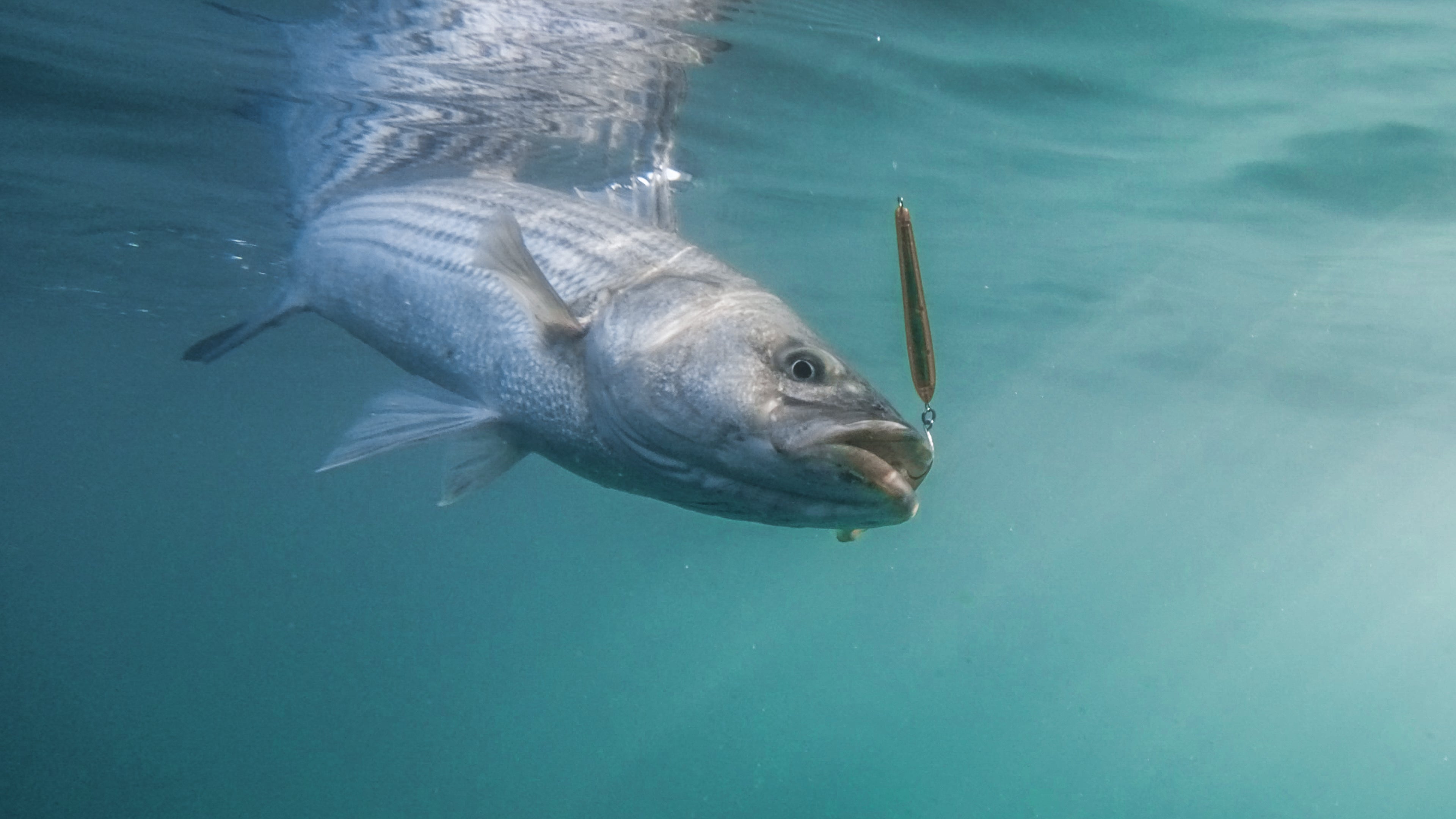
Gay Head sea bass on deep boulder structure. Swap the treble for an assist hook, clip the Squinnow onto the Jig-Biki Rig, and fish the matching system slow on the bottom — big profile below, micro teasers above.

Gay Head / Devil’s Bridge, early summer. Deep boulders, sea lettuce, ravines — the Squinnow Jig rigged with an assist hook and clipped to the Jig-Biki Rig is the right tool for this bottom.
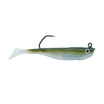
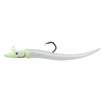
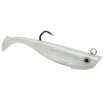
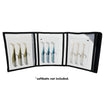
Anywhere on Cape Cod where you can find structure — boulders, drop-offs, deep ravines — you’ll find sea bass. Gay Head and Devil’s Bridge is one of the most productive pieces of that structure on the Cape, and it comes with consequences: sea lettuce, weeds, rocky crevices, and all kinds of snag opportunities. The setup has to be right before the first drop. That means one thing: swap the treble hook for an assist hook, and run the Squinnow Jig on the Hogy Jig-Biki Rig.
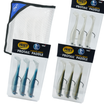
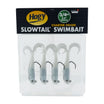
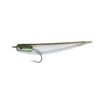
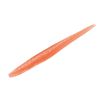
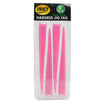
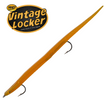
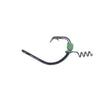
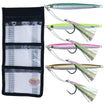
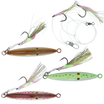
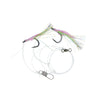
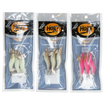
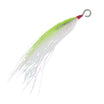
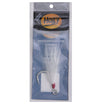
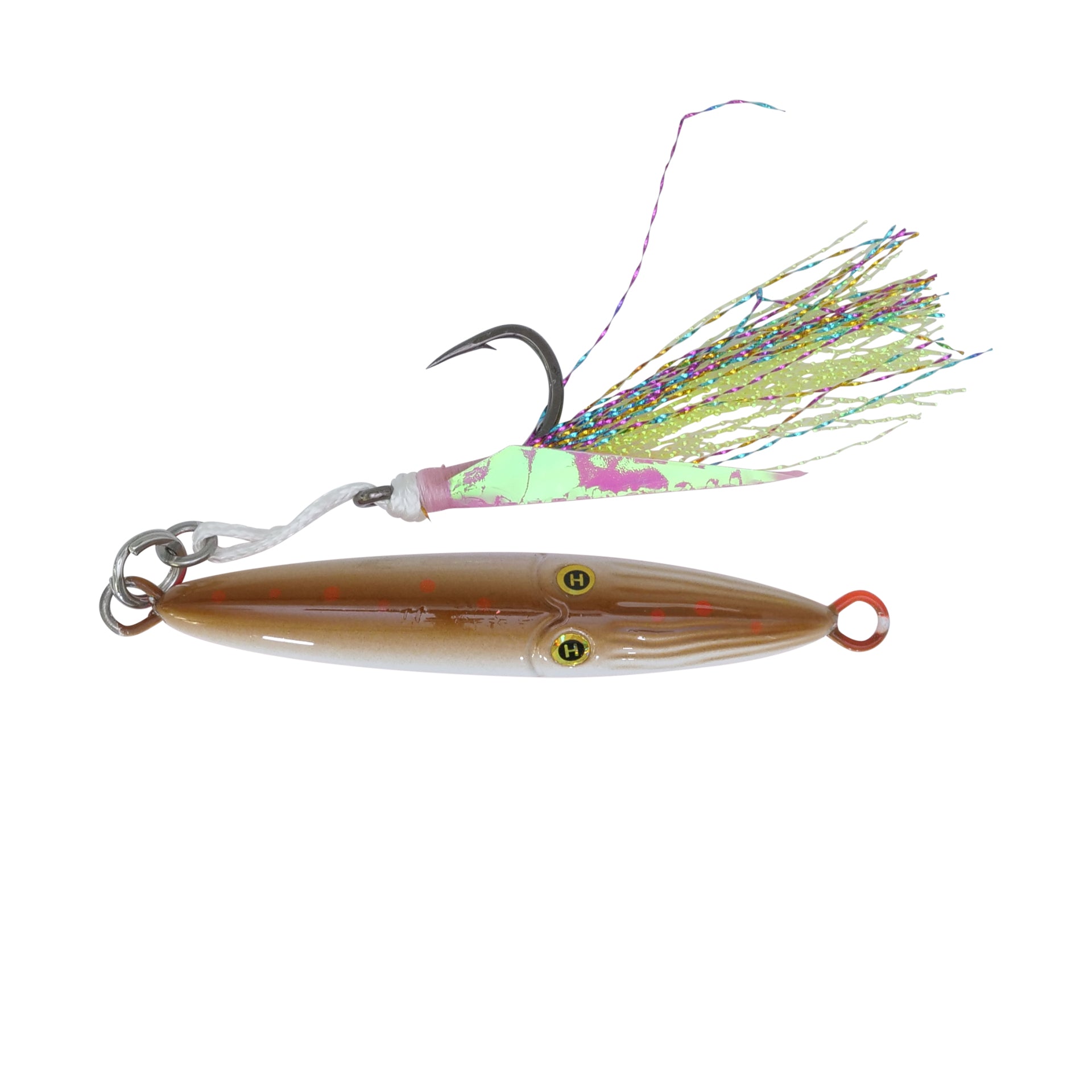
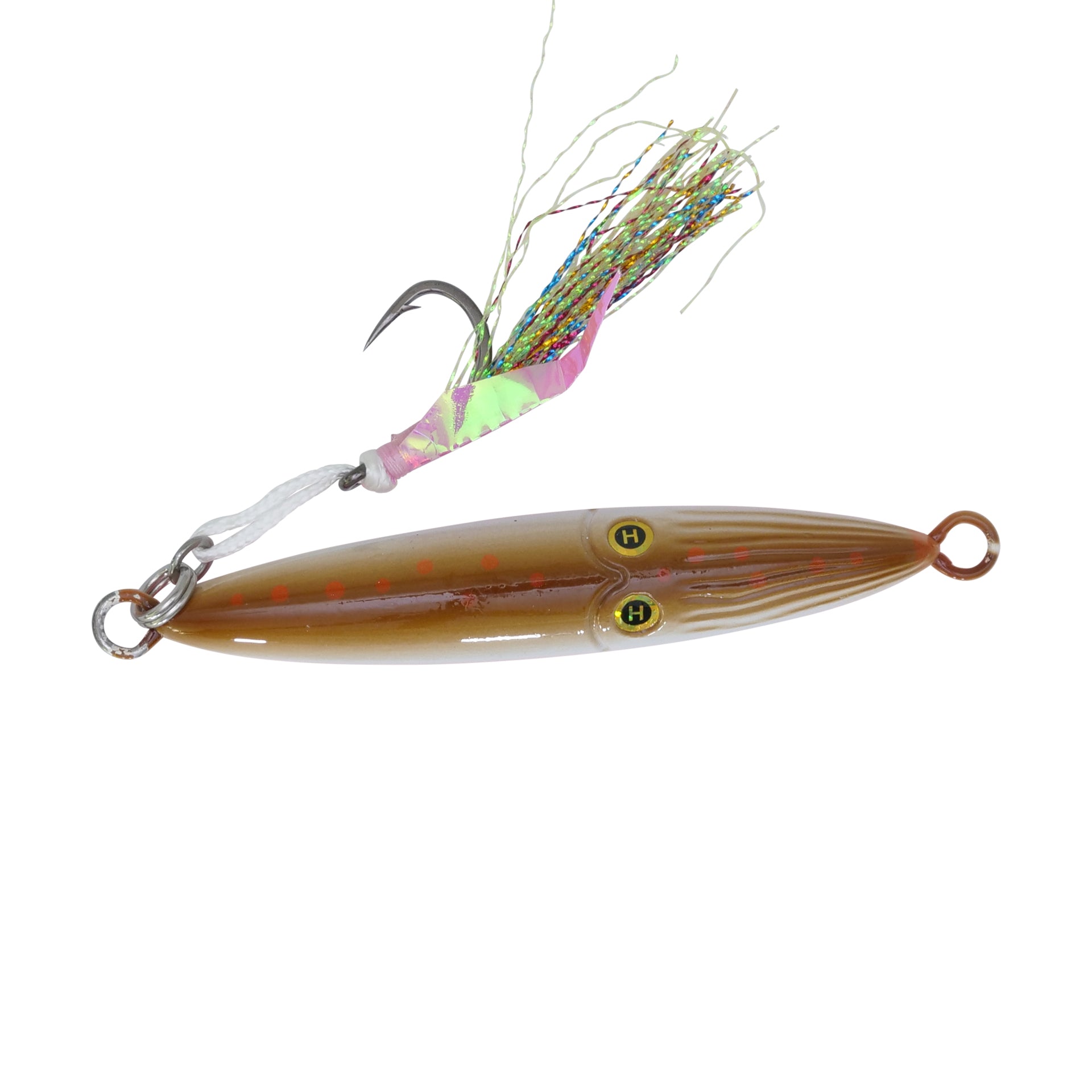
What makes this system work isn’t just the color (though “crustalicious” is a real answer for crustacean-heavy structure). It’s the match: the assist hook style on the Squinnow Jig lines up with the teaser style on the Jig-Biki Rig. Large profile below, micro teasers above — and sometimes the fish prefer one, sometimes the other. They don’t always explain themselves.
What Gay Head tells you before you rig up
Context that shapes every decision that follows.
Gay Head and Devil’s Bridge are the westernmost tip of Martha’s Vineyard — a famous striper spot for good reason, but equally productive for sea bass on the deep boulder structure that extends off the point. The bottom is complex: big rocks, sea lettuce covering the hard substrate, drop-offs into darker water. Sea bass stack in the ravines and against the faces of boulders. The forage they’re eating is crabs, and the Squinnow Jig is designed specifically to mimic that profile.
- Deep boulder structure with sea lettuce and weeds on the rock faces. Treble hooks are a liability here — switch to assist hooks before the first drop, not after the first snag.
- Sea bass hold in the ravines and against boulder faces, not scattered across flat bottom. The fish finder will show them as tight individual returns close to the hardest bottom returns.
- Crustaceans are the primary forage on this structure. Green crab, rock crab, and jonah crab all inhabit the same boulder environment. The Squinnow “crustalicious” color pattern mimics this forage exactly.
- Gay Head sees both sea bass and stripers on the same structure. A Squinnow Jig clipped to a Jig-Biki Rig with a 30lb leader will handle both species if the stripers are around.
- Current matters here. The rip off Devil’s Bridge concentrates bait and fish on the downtide side of the structure. Time the drift to run along the boulder edge with the current, not against it.
What the conditions shape
Does the environment support what the historical read predicted?
Early summer at Gay Head means crabs are active on the boulder structure and sea bass are feeding aggressively. Water temperatures in the 60s bring the bite to life after the spring slow period. Current off the point creates a rip that concentrates bait, and the boulder structure immediately downtide holds fish. The drift needs to run along the boulder edge — not too fast, not too slow. In current-heavy conditions, a heavier Squinnow weight keeps the rig in contact with the bottom rather than kiting up into the column.
What the structure and the system confirmed
Four layers. Each one narrows the answer further.
“The assist hook on the Squinnow Jig matches the teaser style on the Jig-Biki Rig — nice matching little system. Sometimes they prefer the teaser, sometimes they prefer the jig. Don’t ask me why they switch back and forth, but they do.”
No surface bird activity — sea bass on deep boulder structure don’t drive bait topside. Structure is the locator, not birds. Crabs and crustaceans on the boulder faces don’t show on the surface at all — presence confirmed only by sonar and by bites. Ignore the surface entirely for Gay Head boulder sea bass. Sonar showing hard bottom with the right texture is the only read that matters. Fish the bottom and let the rig tell you if they’re home.
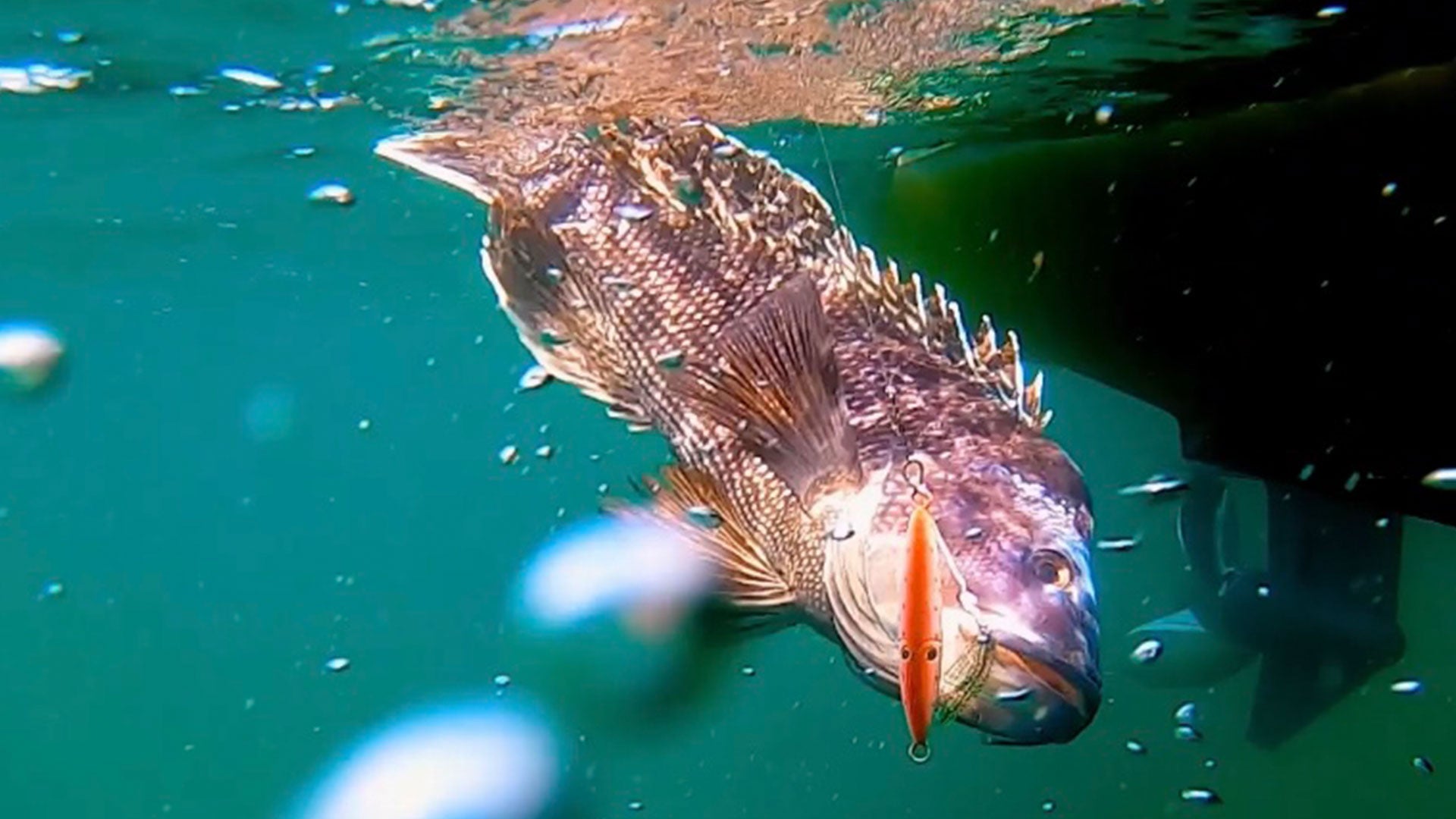
Sea bass active and biting on the Squinnow Jig fished slow with the flutter drop. Bites came on both the jig body and the teasers across the session — confirming the system was covering both size profiles that the fish were keying on. Confirmed: the two-bet system works. Large profile jig + micro teasers gives the fish a choice. Note which hook produces more in each session and lean toward it, but don’t abandon the other — fish will switch unpredictably.
Deep boulders with sea lettuce and weeds on the rock faces. Fish finder showing complex hard bottom returns — not a clean flat surface. Sea bass returns visible tight to the most irregular bottom sections. Snag risk confirmed from the bottom texture read alone. Confirmed: assist hook is mandatory here, not optional. Treble hook on this bottom = snags and torn-up fish. Assist hook = clean hookups and fast de-hooks. Rig accordingly before arrival.
Irregular, complex hard bottom returns on the fish finder — the signature of big boulder structure. Fish returns visible sitting tight to the hardest bottom sections, not scattered. The sonar picture of a productive Gay Head boulder drift looks very different from a flat sandy bottom picture. When the sonar shows irregular hard bottom with fish returns tight against it — that’s the drop point. The rougher and more complex the bottom return, the more likely fish are holding in the structure.
Tactical drift over the boulder edge
The approach is a careful drift along structure, not a fast run-and-gun.
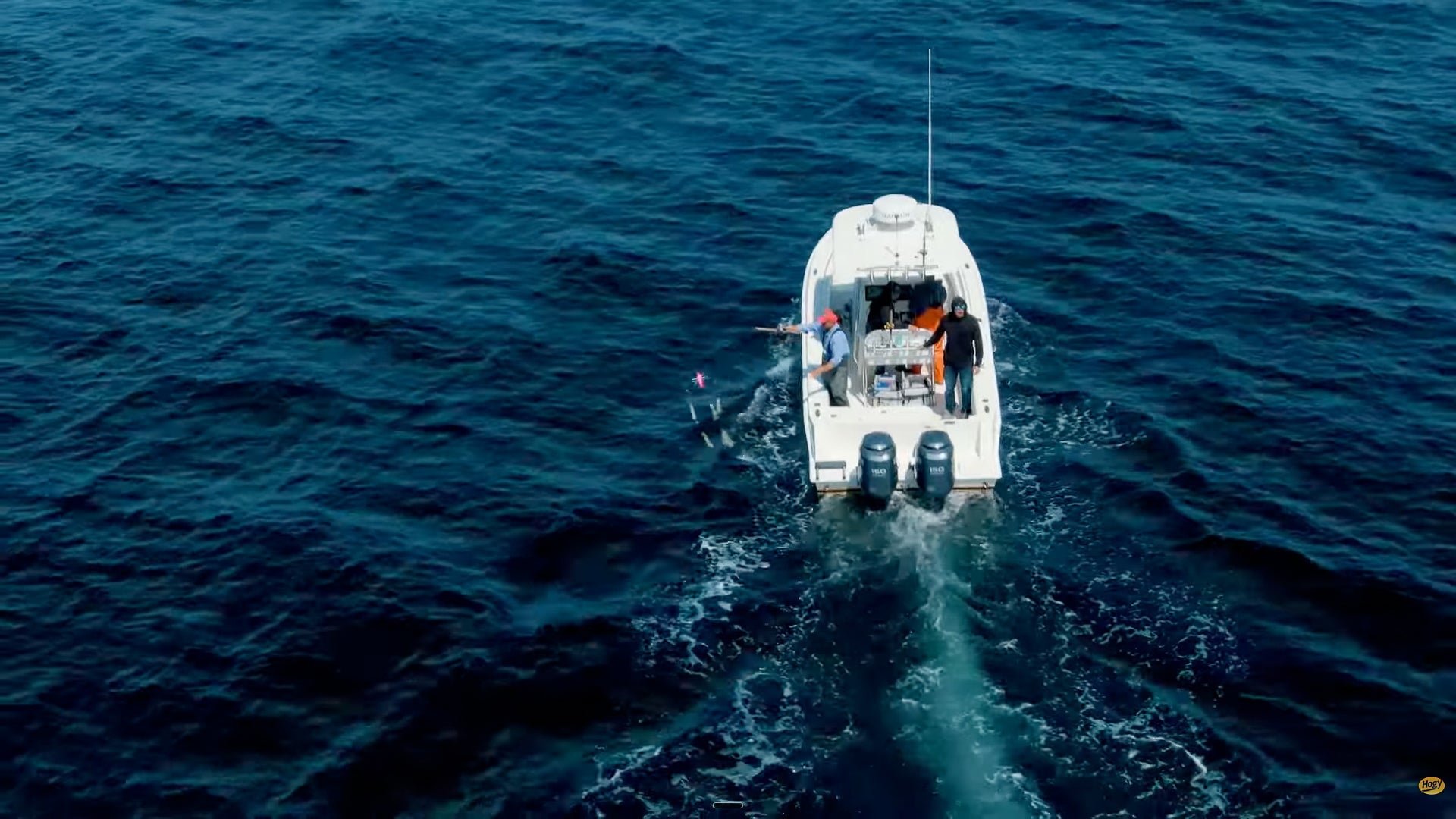
Gay Head sea bass jigging is a precision drift. The boulder structure is specific — you’re not covering acres of featureless bottom, you’re working a defined edge where the rocks drop off into deeper water. Get uptide of the productive zone, cut the engine, and drift the Squinnow Jig along the boulder face. Short, slow drifts that keep the jig in the strike zone rather than blowing past it.
Approach — step by step
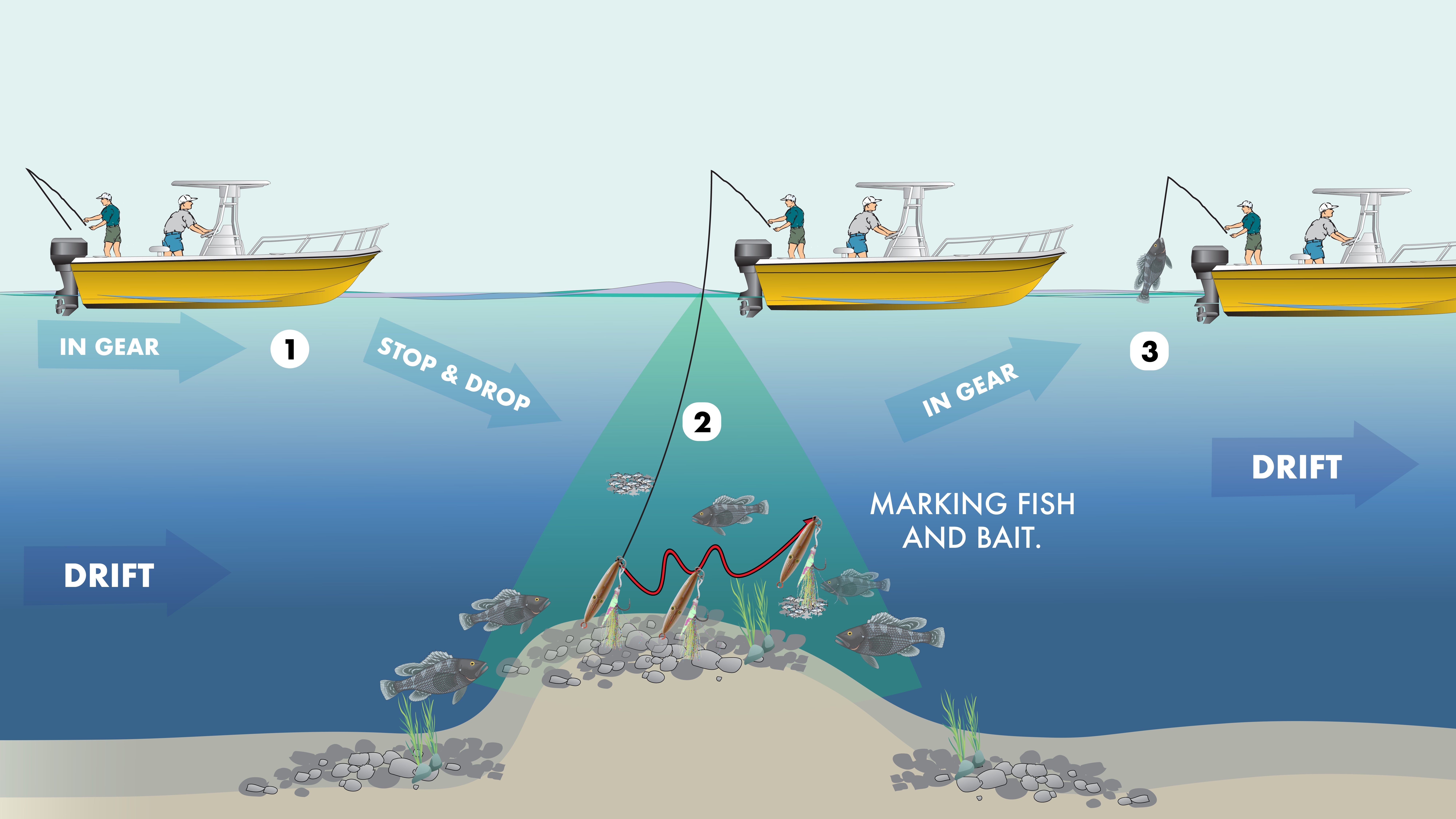
B2500 Tactical Deep Jig Drift — drift along the boulder face, not over the top. Drop on the irregular hard bottom sonar signal. Keep it slow.
The Squinnow Jig + Jig-Biki Rig — build it right, fish it slow
Three rigging steps, one matched system, one retrieve: flutter on the drop.
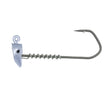
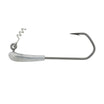
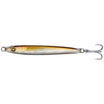
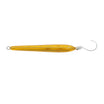
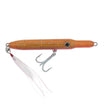
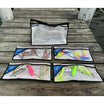
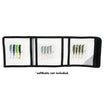
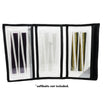
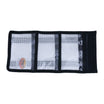
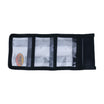
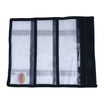
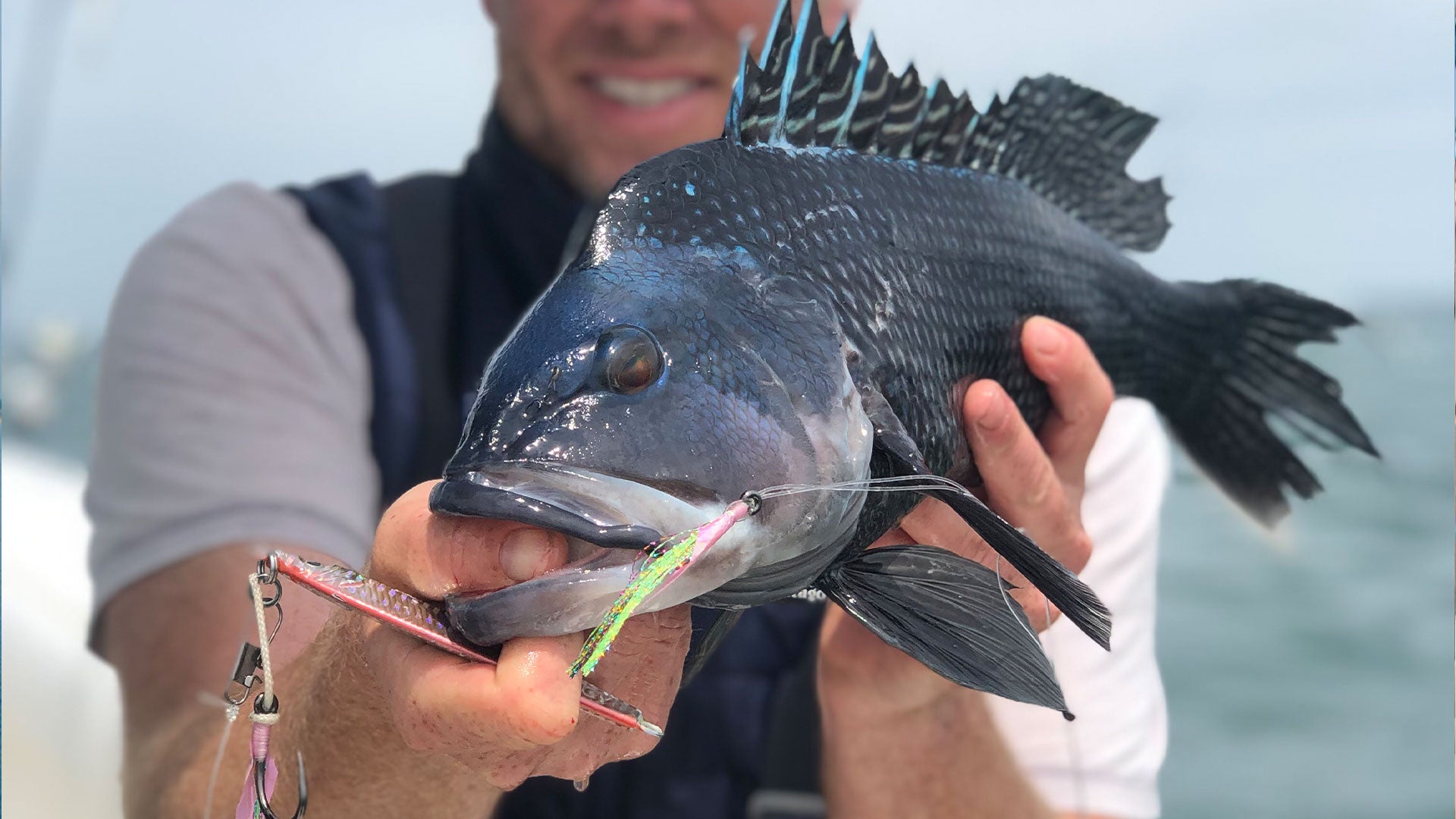
The Hogy Squinnow Jig is a crustacean-profile jig with a rounded belly and low center of gravity that creates a natural flutter on the drop. Clipped to the bottom of the Hogy Jig-Biki Rig, the assist hook on the Squinnow matches the teaser style on the Biki rig — the system is visually unified above and below. Drop to the bottom, raise slow, flutter on the drop, repeat. The fish find it on the way up or on the fall.
Rig setup — three steps
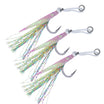
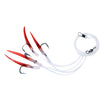
- Remove treble, keep split ring, add crystal assist hook at the nose.
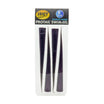
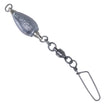
- Clip the Squinnow onto the bottom snap of the Jig-Biki Rig — no knot, easy weight swaps.
- Jig-Biki Rig ties to 20–30lb fluorocarbon leader via the top swivel.
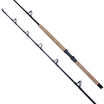
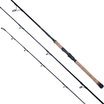
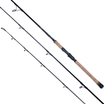
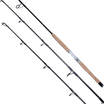
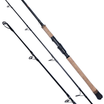
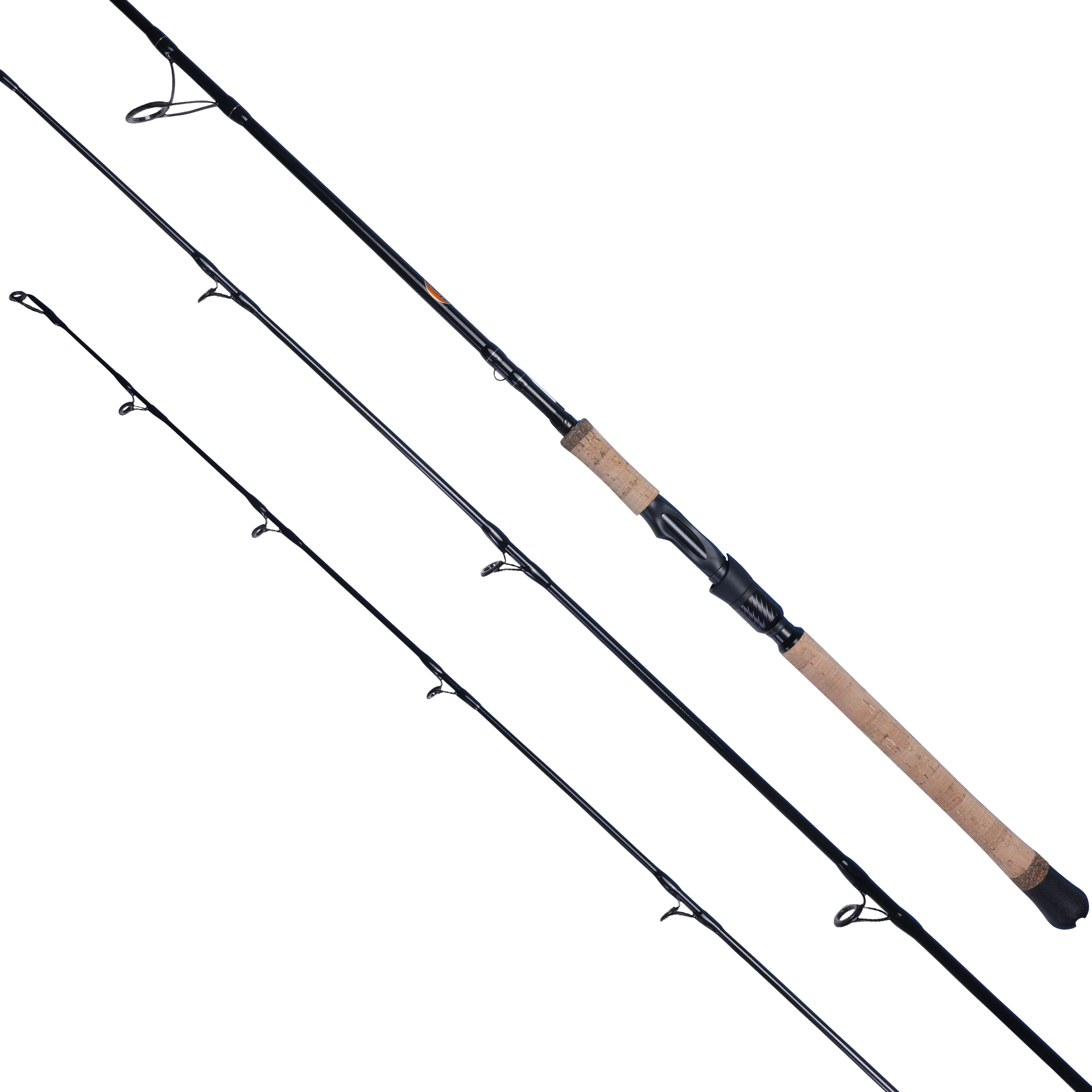
- Light-to-medium spinning: 7ft rod, 2500–3000 reel, 20lb braid, 20lb fluorocarbon leader.
Retrieve — step by step
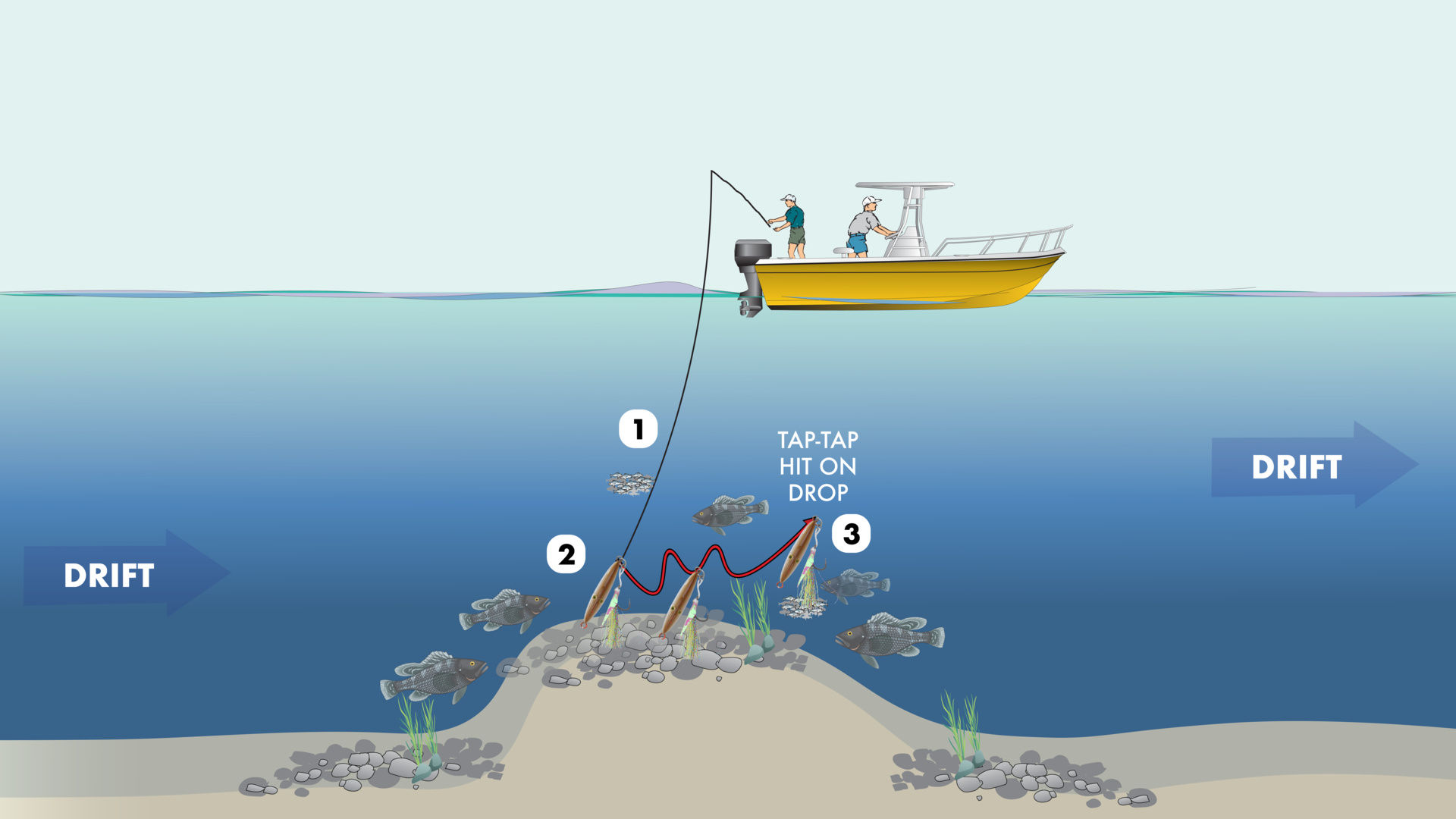
R2800 Bottom Thump — Squinnow Jig flutter-and-settle on boulder structure. Raise slow, flutter on the drop, confirm bottom before the next lift. Most strikes on the fall.
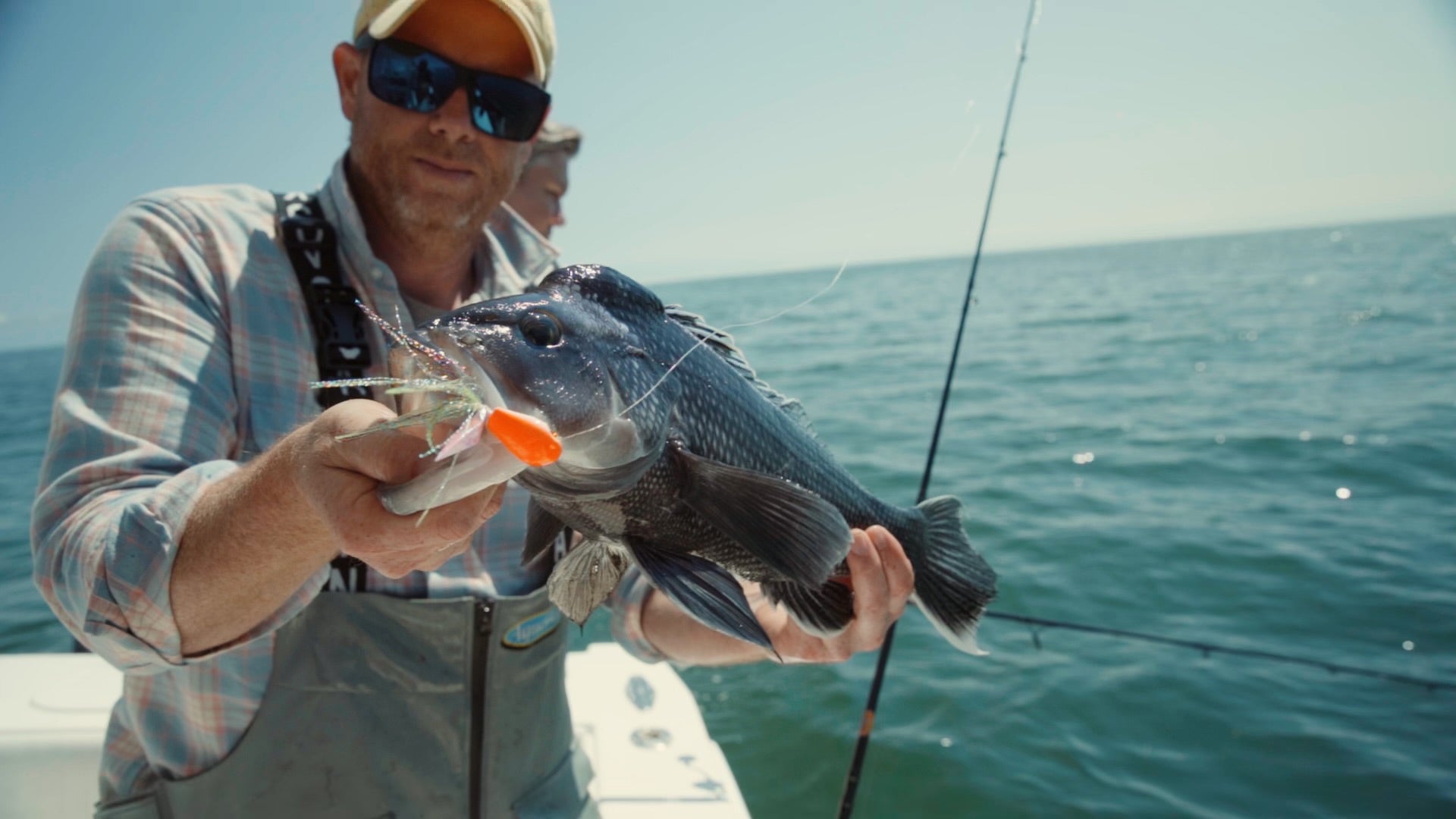
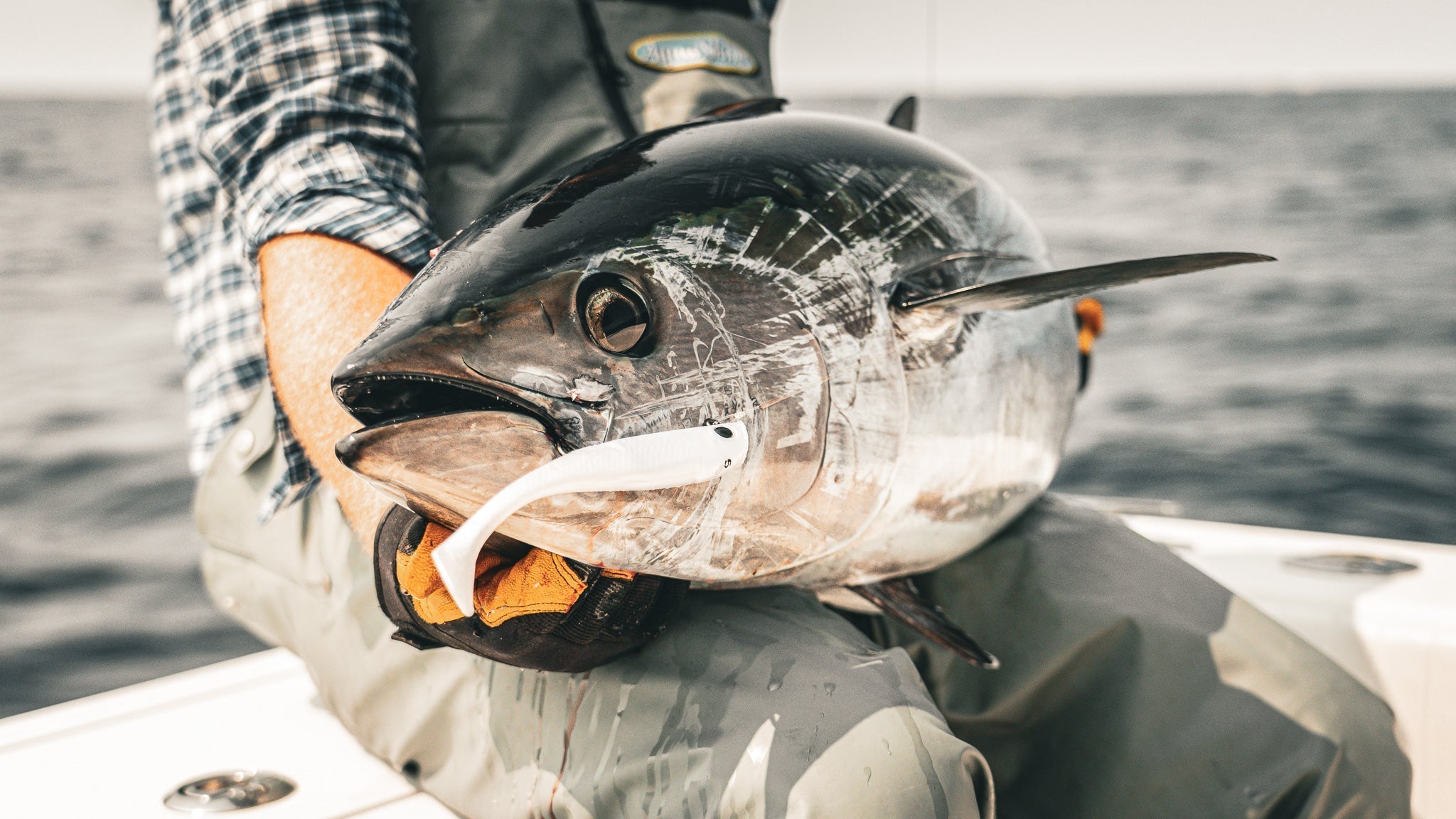
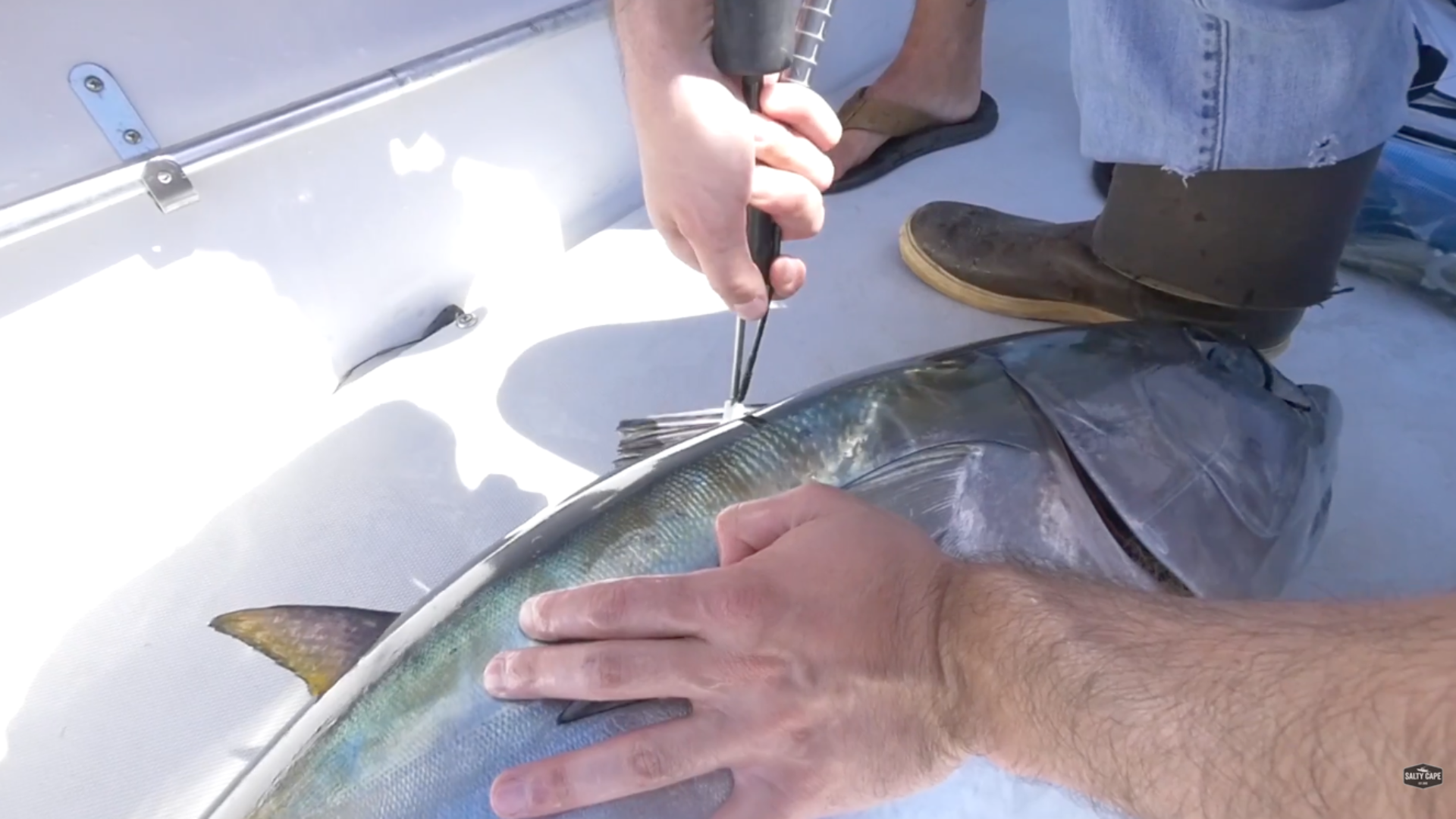
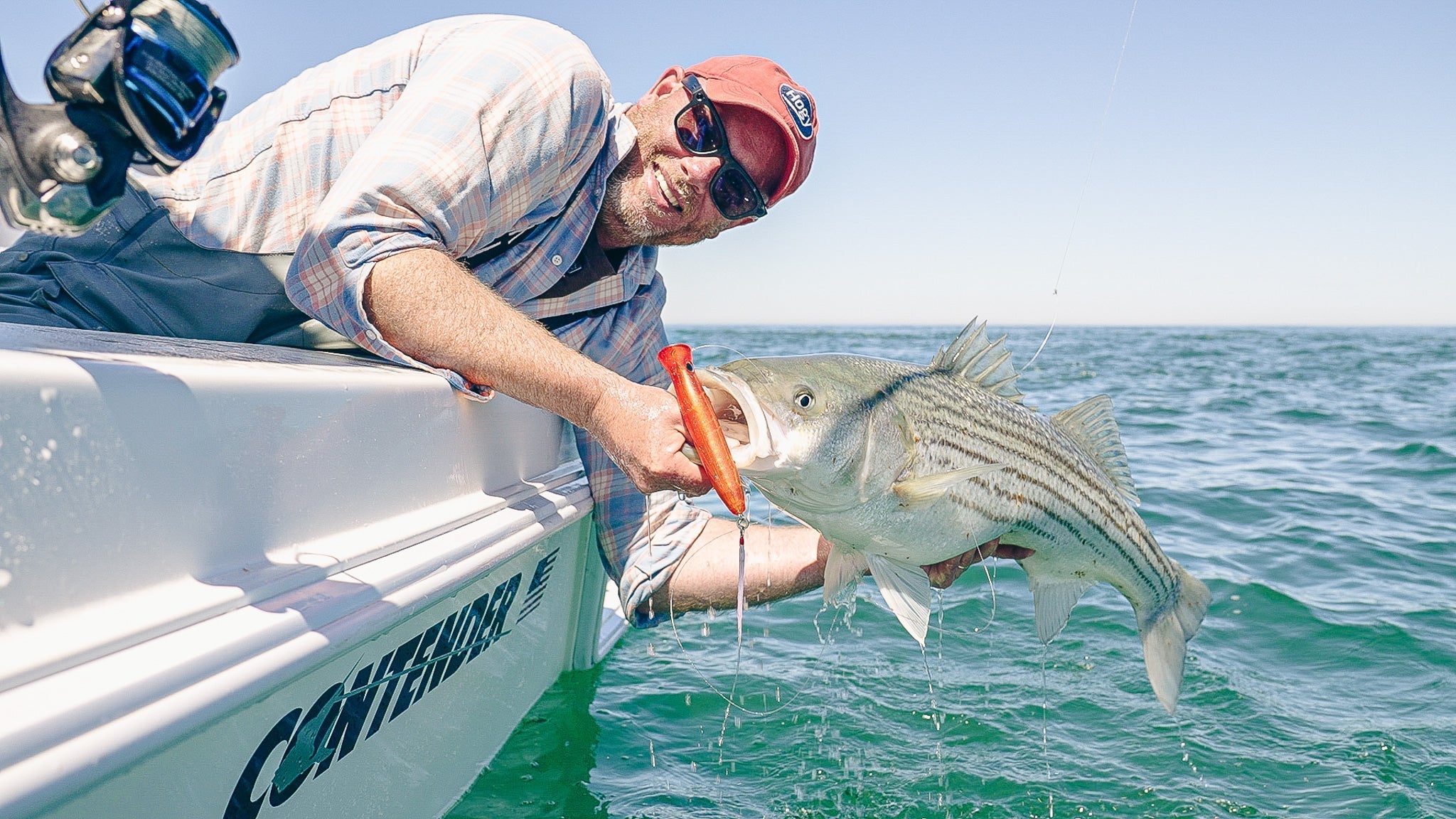
“Sea bass are twice the table fish over striper — so I’m going to keep this guy and let the stripers go. Beautiful fish right in the corner of the mouth. Everything just the way it was supposed to work.”
The decision at a glance
Step 1 set the context: Gay Head deep boulder structure with weedy, snaggy bottom and crustacean forage. Step 2 confirmed early summer active bite with current concentrating fish on the downtide boulder edge. Step 3 locked in the unlock: the assist hook on the Squinnow matches the teaser style on the Jig-Biki Rig — a visually unified system with two size profiles. Fish switch between jig and teasers; the system covers both. Step 4 built the approach: tactical drift along the boulder face, slow and deliberate, wide reset loops. Step 5 executed: three-step rig build at the dock (treble out, split ring on nose, crystal assist in), Squinnow clipped to the Jig-Biki Rig, flutter-and-settle retrieve with most strikes on the drop. Beautiful fish in the corner of the mouth. Everything the way it was supposed to work.


Leave a comment
All comments are moderated before being published.
This site is protected by hCaptcha and the hCaptcha Privacy Policy and Terms of Service apply.