















Black Seabass

Cracking The Code: Seabass Season Opener

Cracking The Code: Seabass Season Opener

Sea Bass Season Opener  ·  Buzzards Bay
Cracking the Code
Location
Buzzards Bay Rocky Ledges
Season
Early Summer — May Opener
Species
Black Sea Bass
System
Hogy Jig-Biki Teaser Rig
Depth
~20 ft

Both Fish on the Bottom Teaser — The Jig-Biki Rig Explained

May sea bass season opener on Buzzards Bay rocky ledges with Capt. Rob Lowell. Short quick drifts, bumpy conditions, and the Jig-Biki Teaser Rig doing what it was designed to do.

SC
Salty Cape TV powered by Hogy
Early Summer
8 min read
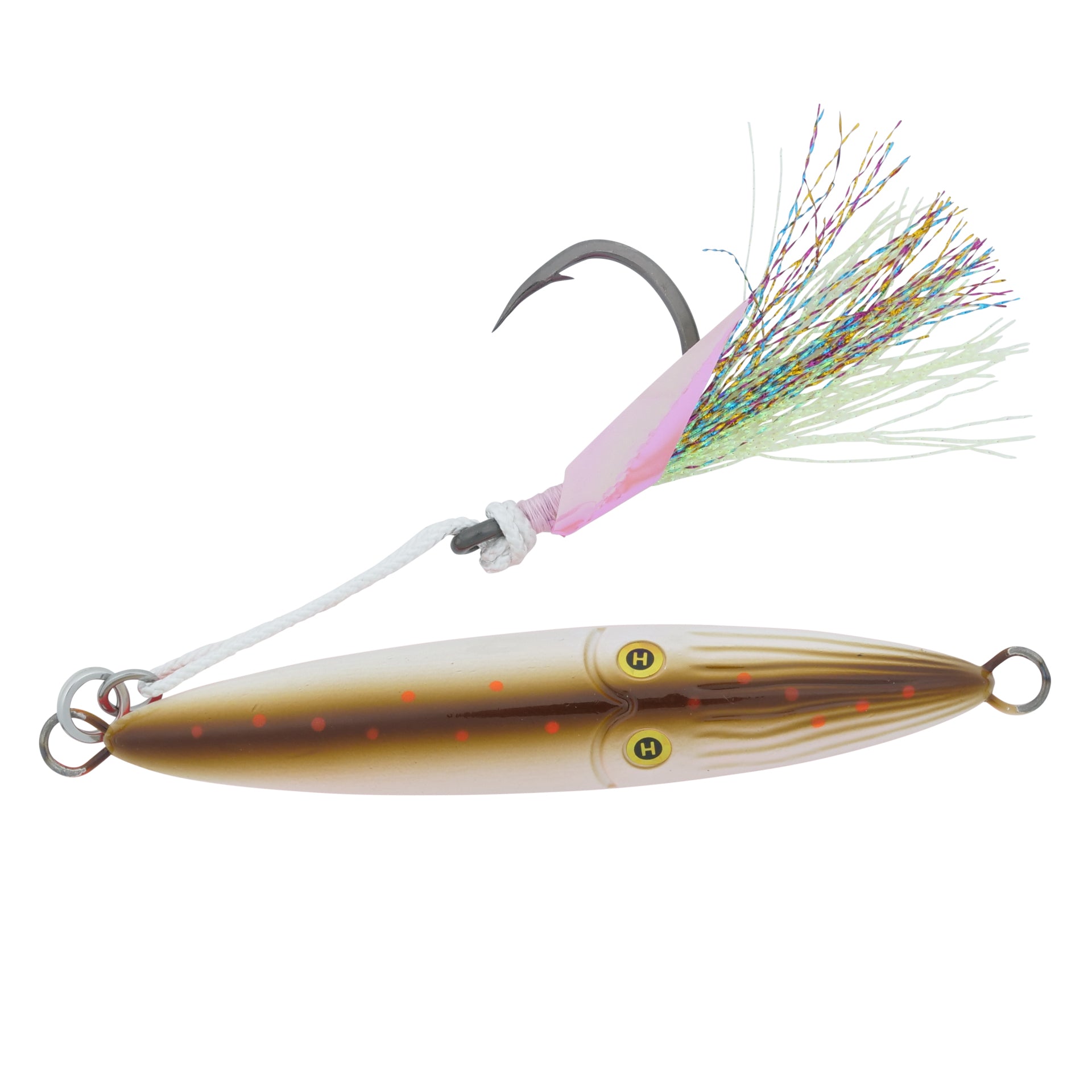
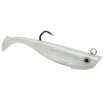
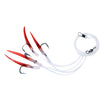
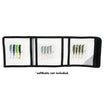
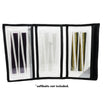
Hogy Jig-Biki Groundfish Sea Bass Teaser Jig Lure

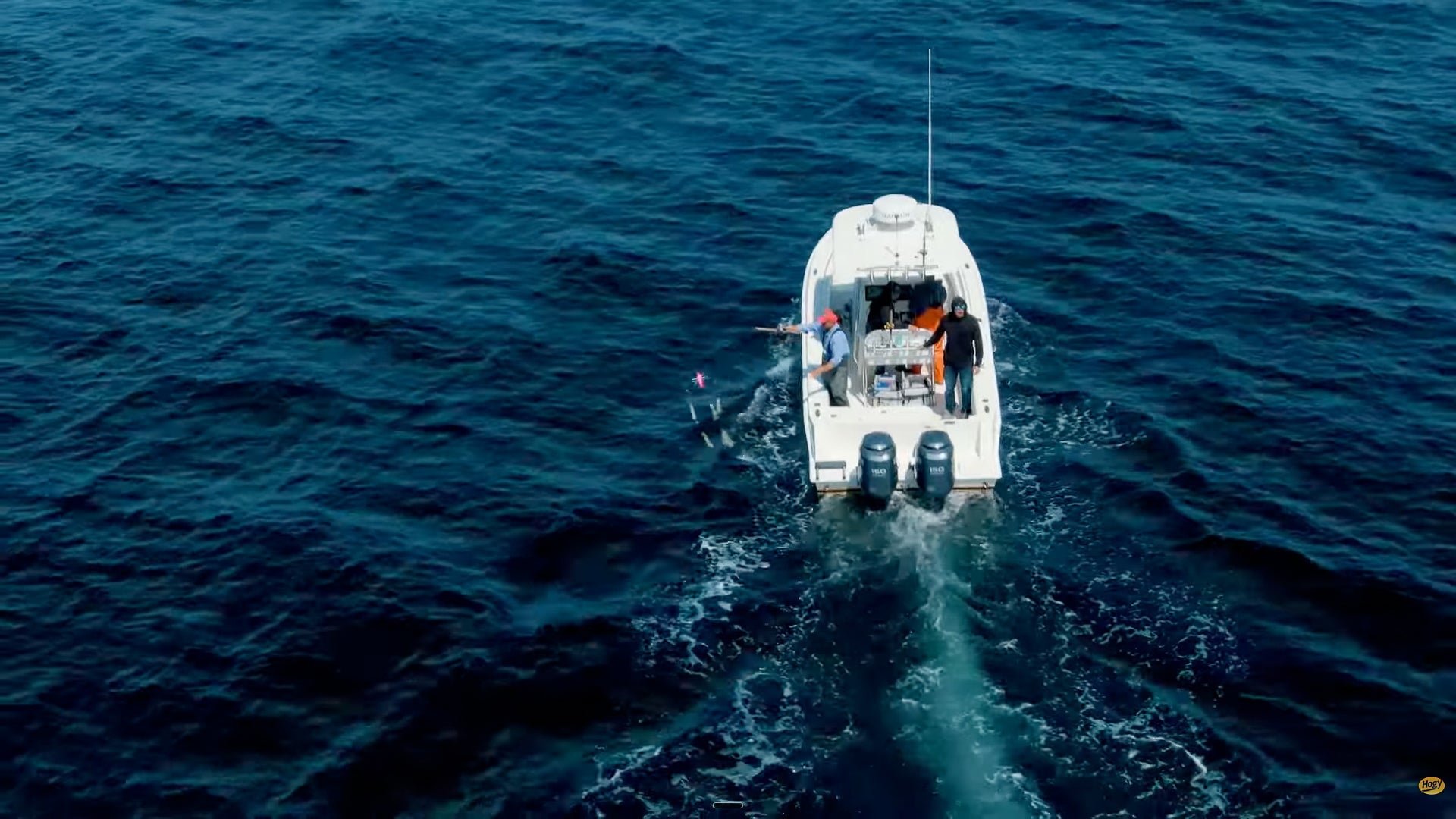
Buzzards Bay, May sea bass season opener. Bumpy conditions, rocky ledges, short quick drifts — the Jig-Biki Teaser Rig from the first day of the season.

May is the sea bass season opener on Buzzards Bay, and Rob Lowell of Cape Cod Offshore Charters knows exactly where to be. Rocky ledges in about 20 feet of water — bumpy conditions, short quick drifts, drop the Jig-Biki Teaser Rig and see what’s home. The plan isn’t complicated. Hit the structure fast, move if the bottom doesn’t produce in two or three passes, and trust the rig to do its job.

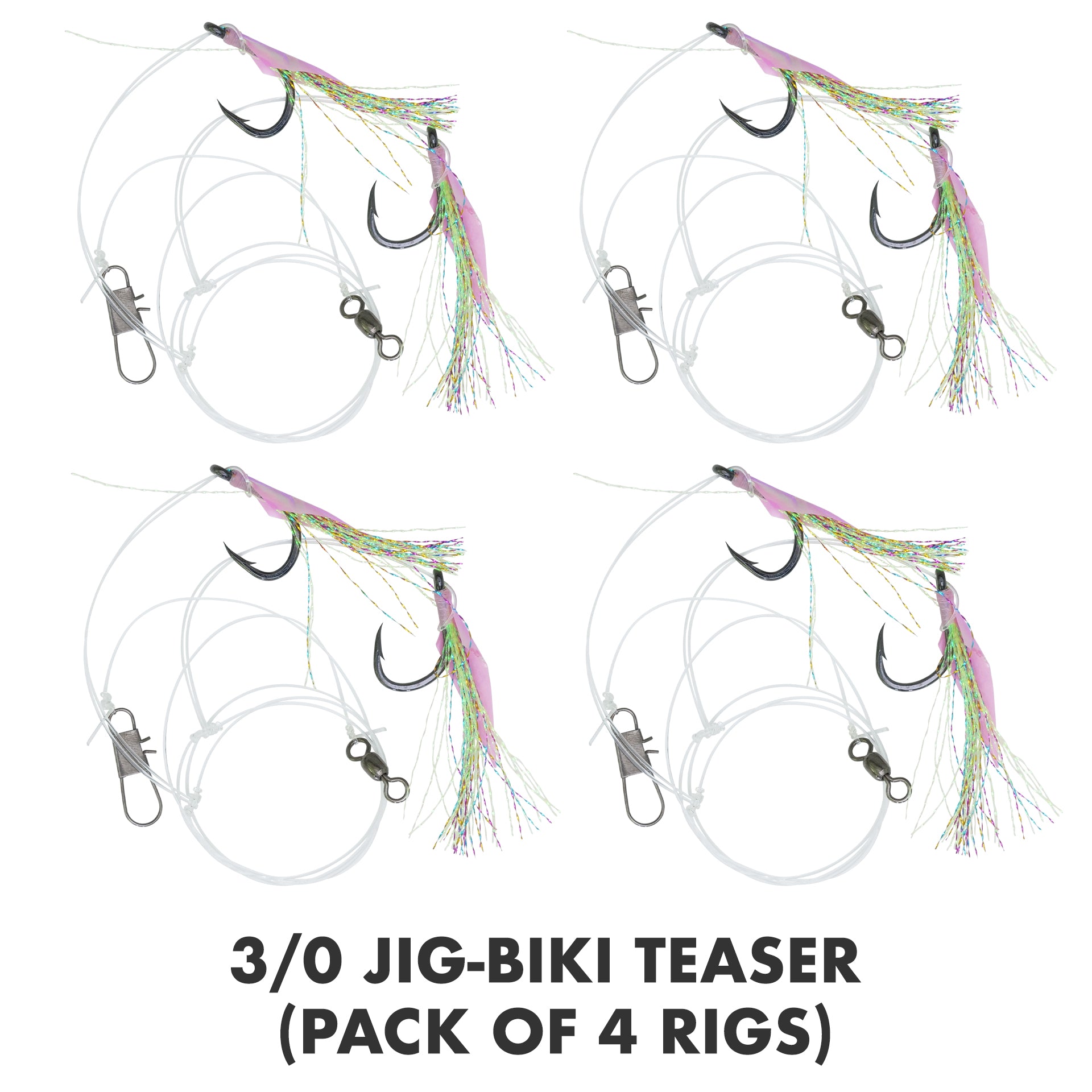
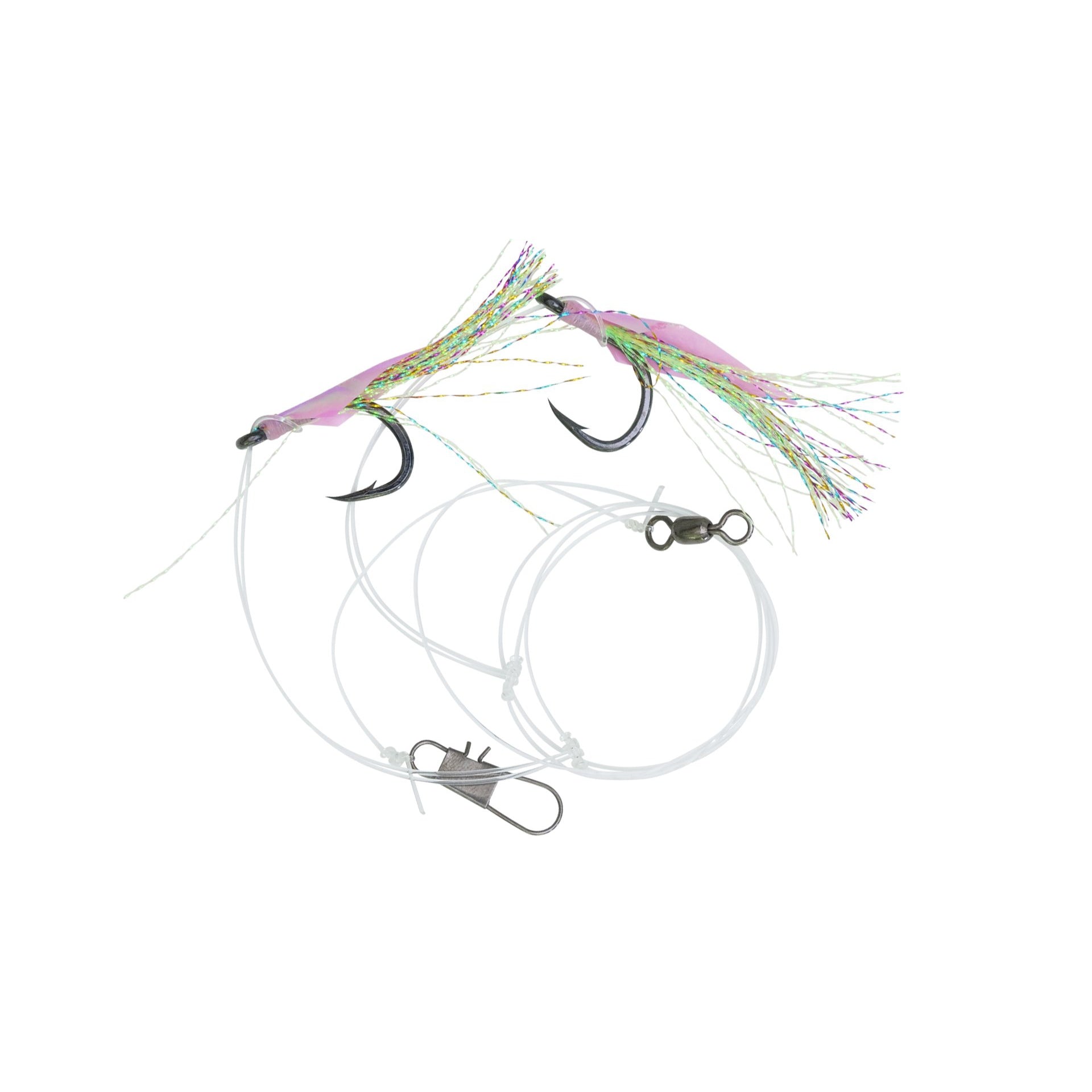
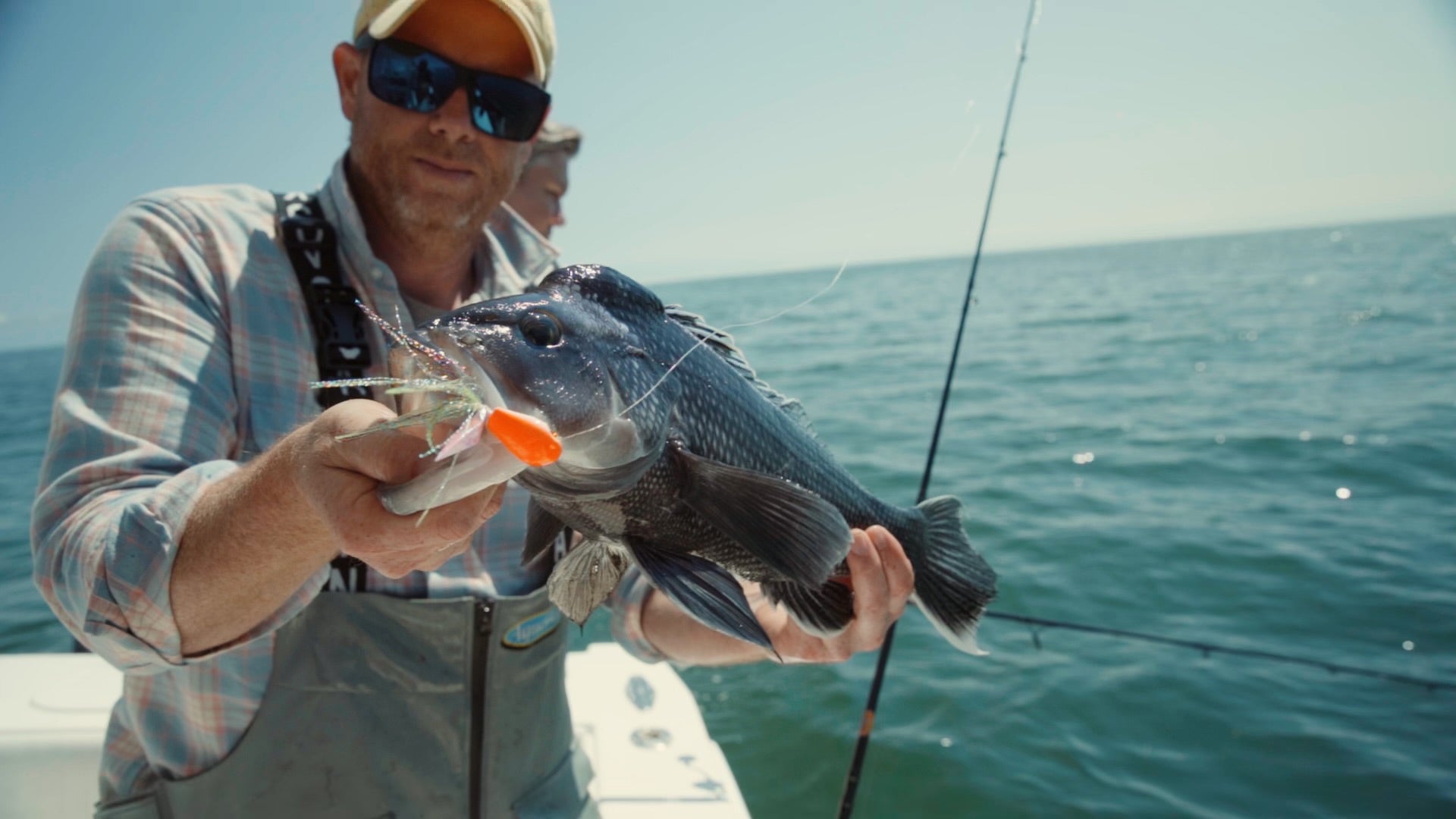
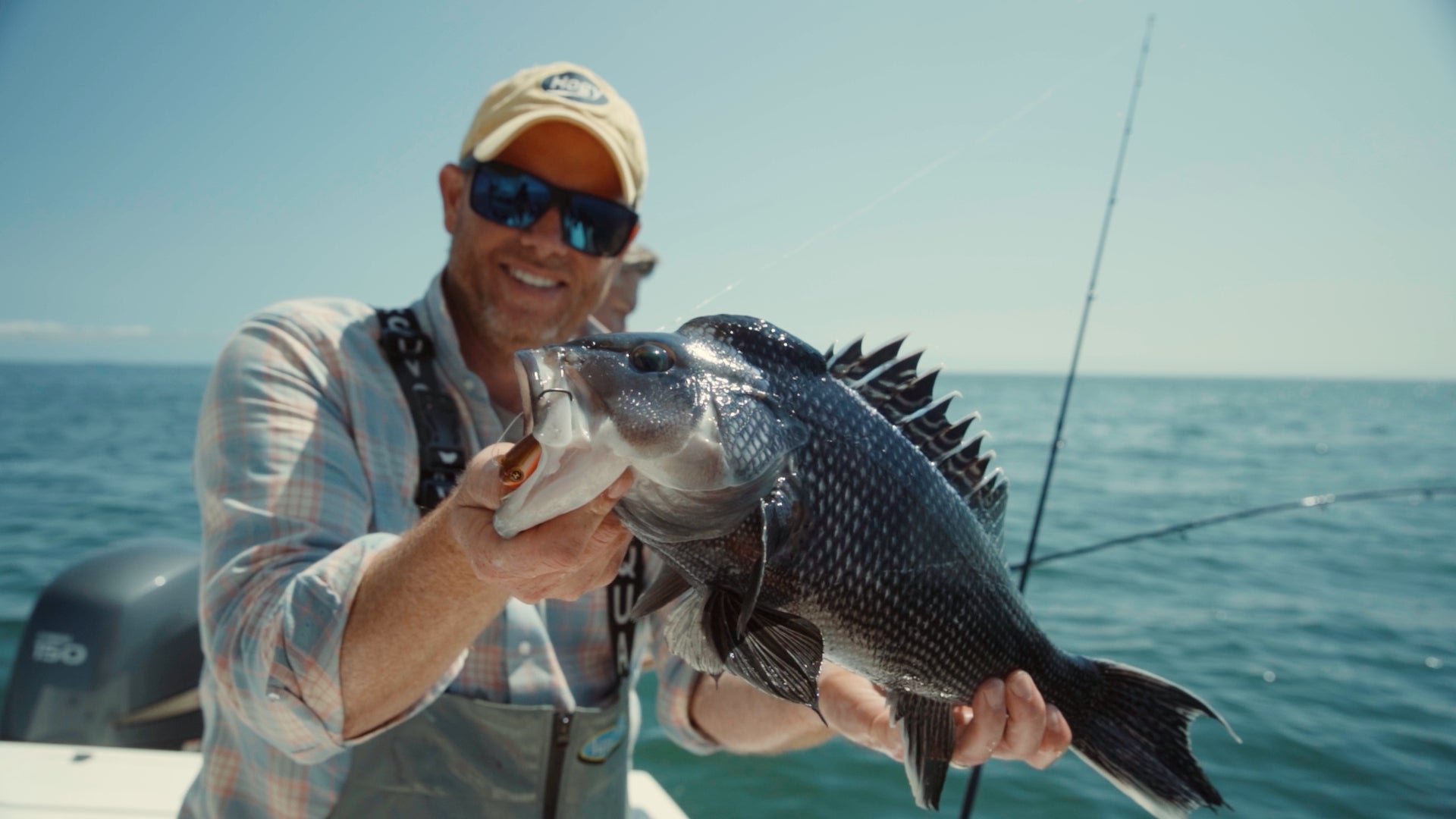
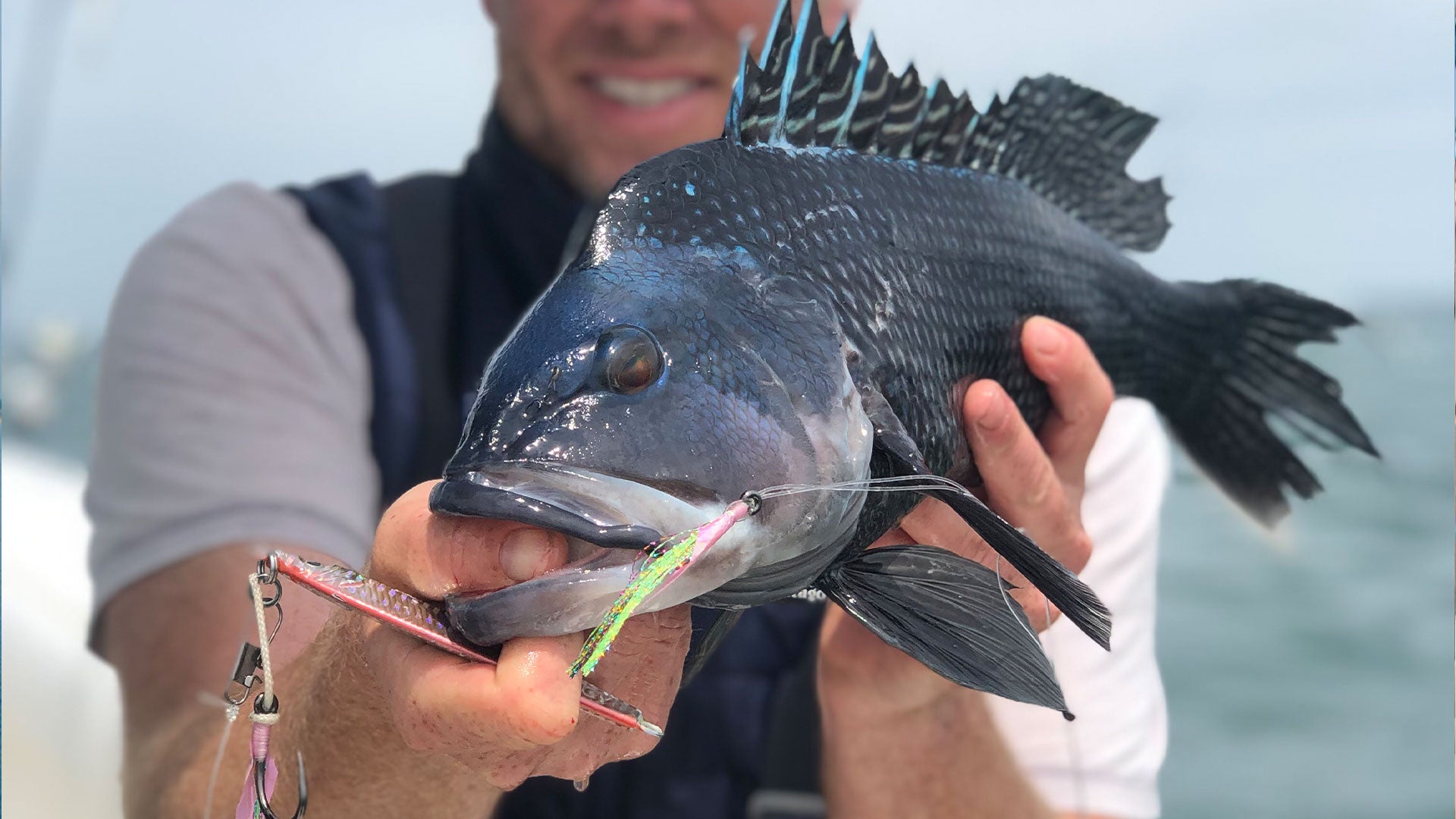
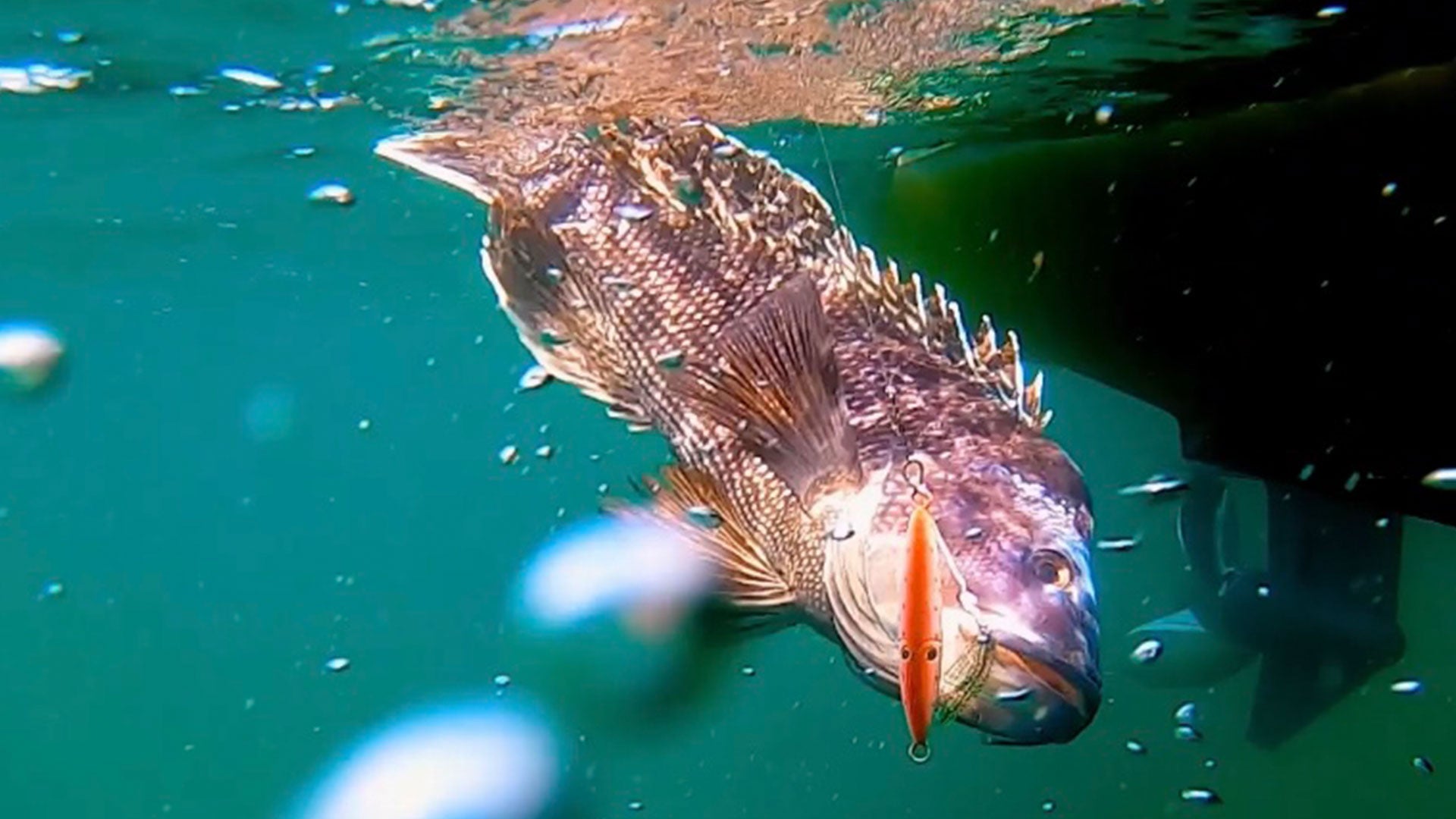
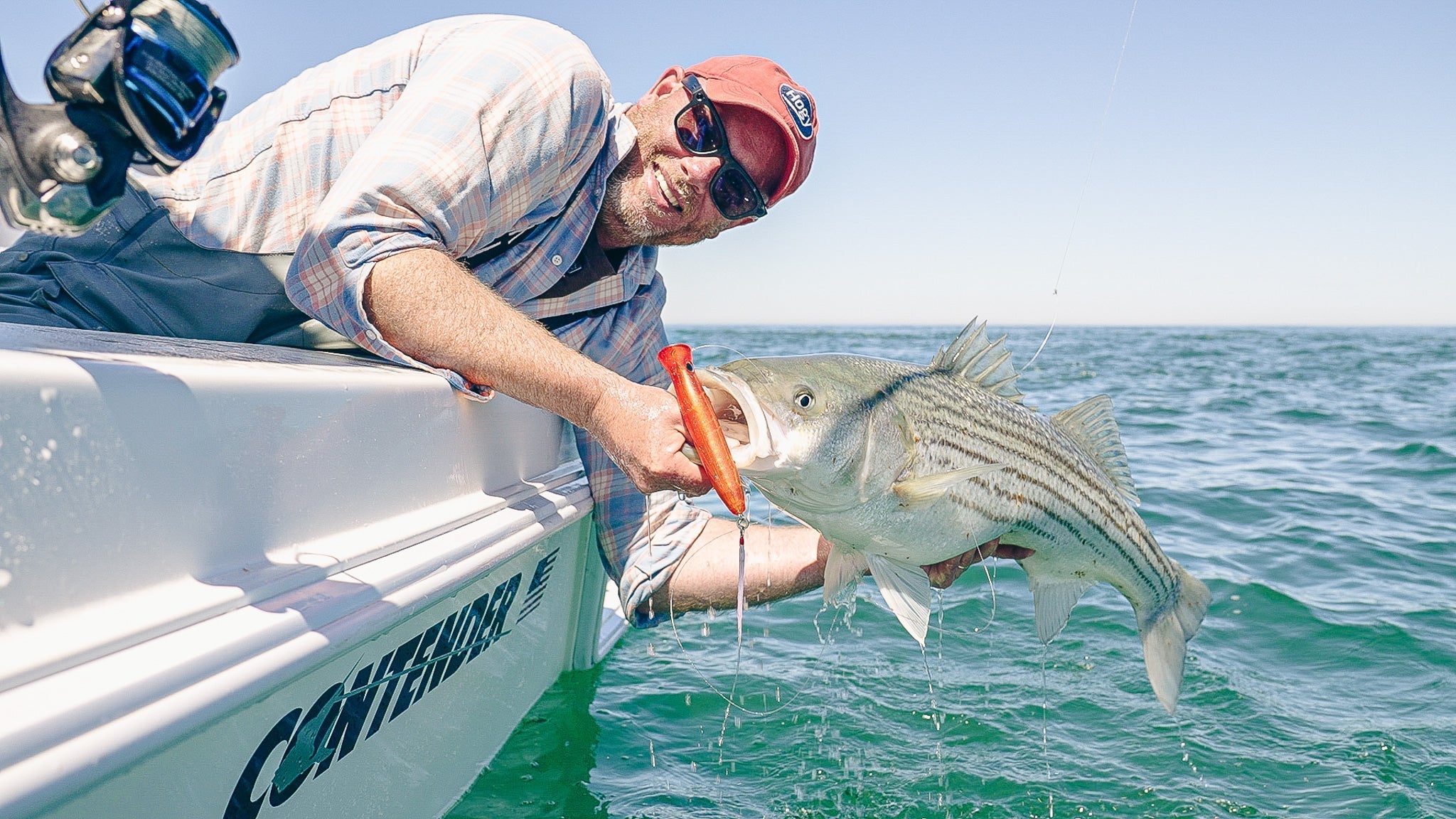
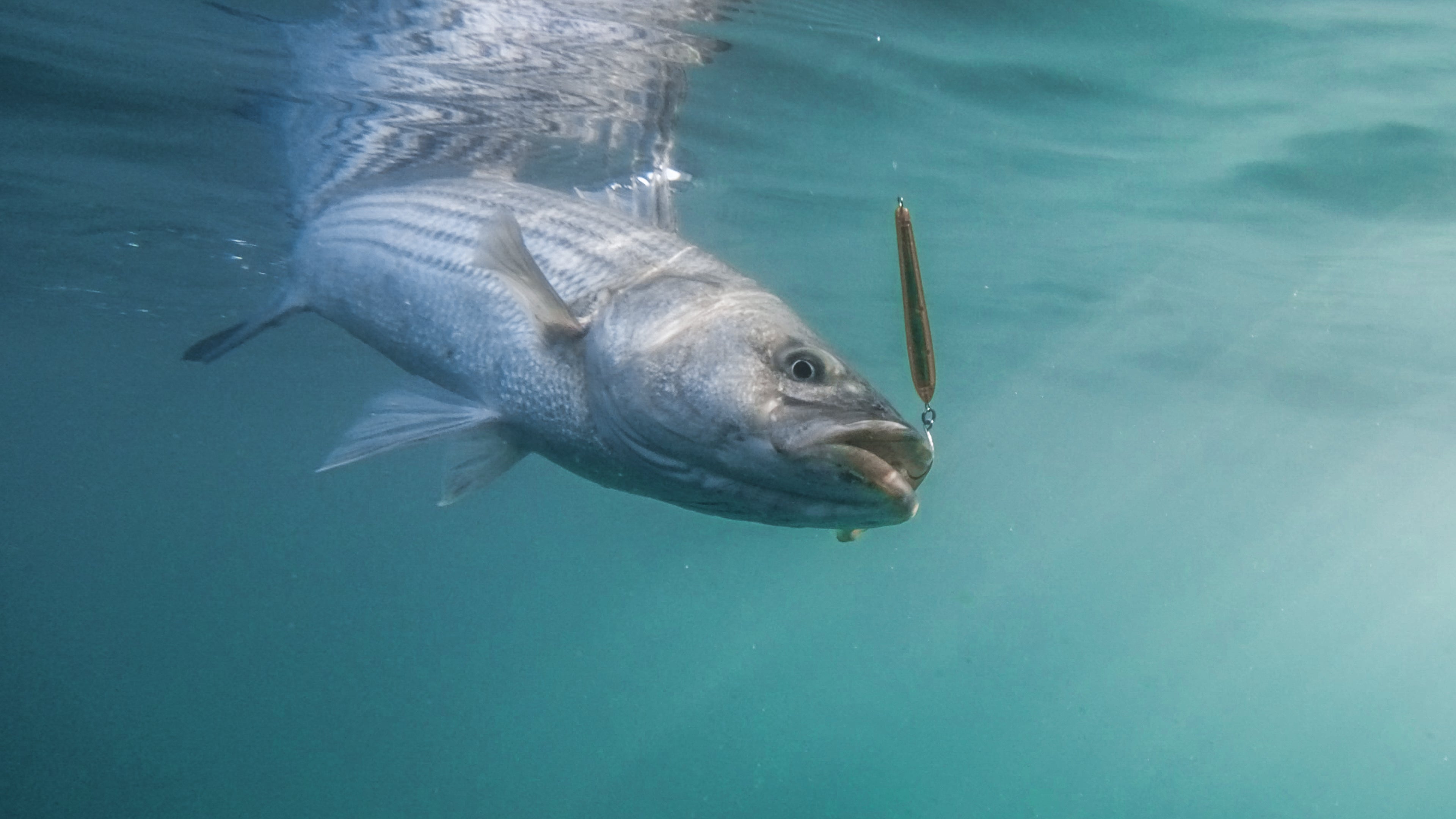
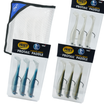
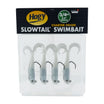
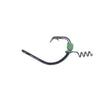
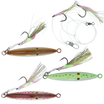
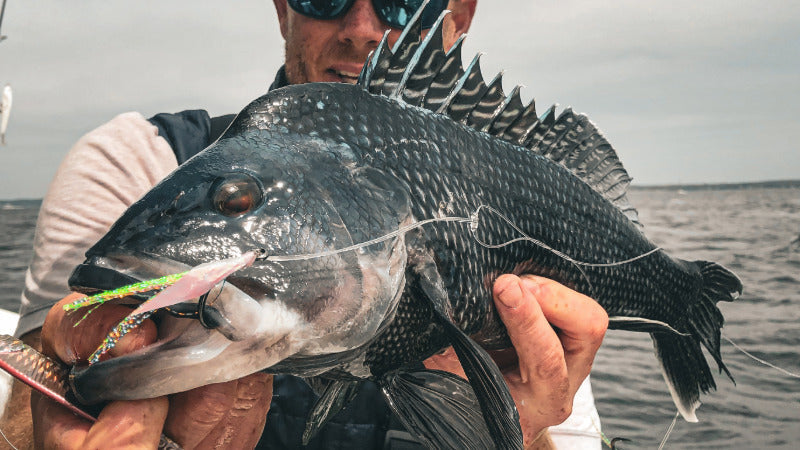
The Hogy Jig-Biki Teaser Rig is a sabiki-style teaser rig scaled up for larger bottom fish — sea bass, big scup, fluke, even cod. It fishes as a pure lure rig, as a bait rig, or as a hybrid: if the bait gets stolen, the teasers are still working. On this session, both fish came in on the bottom teaser. No bait involved.

The challenge: May sea bass on Buzzards Bay rocky ledges in bumpy conditions. Short drift windows, active bottom that’s easy to miss if you’re not reading the fish finder fast. Read the bottom quickly, commit to the right pieces of structure, and let the teasers work.
Step 1Historical Analysis

What the season and the ledges tell you

Context that shapes every decision that follows.

Sea bass open in May in Massachusetts and the first fish of the season show up on the same rocky ledge structure they’ve used for decades. Buzzards Bay has a network of productive rocky bottom in the 15–30 foot range that holds sea bass from the opener through late fall. Rob Lowell’s approach for the opener is the same every year: get on the ledges early, make short quick drifts, and move through multiple spots until the bite confirms which piece of structure is holding fish today.

Local Knowledge — Buzzards Bay May Sea Bass
  • Rocky ledges in 15–30 ft are the target depth band for Buzzards Bay May sea bass. Fish move onto structure quickly after the season opens.
  • Short quick drifts are the May approach — bumpy conditions and changing wind make long anchor sets impractical. Drift the ledge edge, move on, come back.
  • Both fish on this session came on the bottom teaser of the Jig-Biki Rig — not the jig body. The teaser placement matters. Favor the bottom dropper when fish are close to the deck.
  • The Jig-Biki Teaser Rig fishes three ways: pure lure, bait rig, or hybrid. If bait gets stolen, the teasers still work naked — “85% as effective” by Mike’s estimate.
  • Store the rig safely between drifts — hook the two teasers together and snug the assist hook on the reel seat. No hooks flying around, no tangles on the next drop.
Step 1 output
May opener, Buzzards Bay rocky ledges, 15–30 ft. Short quick drifts, move through multiple spots. Jig-Biki Teaser Rig — fish it clean. Bottom teaser is the primary attractor today.
Step 2Environmental Factors

What the conditions demanded

Does the environment support what the historical read predicted?

Bumpy. That’s the May Buzzards Bay reality — the weather window is often short and the conditions are rarely flat. The approach adapts: short drifts instead of long anchor sets, heavier jig weight to hold bottom in chop, and the dead stick becomes even more effective because the boat motion is already doing the work of animating the teasers.

In bumpy conditions, the fish finder read is faster and messier but the fish are still there. Rocky ledge returns on the bottom with any bait marks above them is the greenlight. Don’t wait for a perfect screen picture — if the bottom is hard and textured, drop the rig.

Step 2 output
Bumpy May conditions. Short drifts, heavier jig weight. Dead stick even more effective in chop — boat motion works the teasers automatically. Read the bottom fast and commit.
Step 3Observational Factors — B.A.S.E.

What the ledges and the rig told us

Four layers. Each one narrows the answer further.

MH
The Unlock Key

“One little trick I like is to just dead stick this — because the teasers are so light, just with the movement of the boat they’re going to dance and dart and do their own thing. You can almost fish these like bait.”

LayerWhat We SawWhat It Eliminated / Confirmed
B
Birds & Bait
No surface bird activity — sea bass don’t drive bait topside. Some bait marks on the fish finder above the rocky ledge confirmed forage in the area. Good sign for fish holding on structure below.
Skip the surface read for sea bass. Fish finder is the primary tool. Bait marks above hard bottom = fish holding below. Drop the rig and confirm.
A
Activity
Both fish of the session came in on the bottom teaser of the Jig-Biki Rig — not the jig body. This is a consistent pattern worth noting. Sea bass on Buzzards Bay ledges in May were favoring the bottom hook placement over the larger profile jig below.
Confirmed: bottom teaser is the primary attractor today. When one part of the rig consistently outproduces — note it and lean into it. The system is telling you something about how the fish are feeding.
S
Structure
Rocky ledge edges in about 20 ft. Fish finder showing hard textured bottom returns — “rocks right here” as the boat came over a ledge edge mid-session. Bait marks confirmed above. Sea bass sitting at the ledge transition, not scattered across flat bottom.
Confirmed: fish the ledge edges, not the flat top of the structure. The transition from hard rocky bottom to sand or gravel edge is where the fish hold. Set up the drift to cover that edge.
E
Echoes / Sonar
Hard bottom returns with bait marks above confirmed before dropping. Fish returns visible close to the bottom over the rocky ledge. Mid-session: sonar showed rocks and bait simultaneously — “some bait over here and maybe some more fish.” Drop the rig immediately on that read.
Trust the equipment. A fast read on a bumpy day is still a useful read. Hard bottom + bait marks = greenlight. Don’t wait for a perfect picture in choppy conditions — commit and confirm with the rig.
Step 3 output
Both fish on the bottom teaser. Rocky ledge edges in 20 ft. Dead stick teasers doing the work in the chop. Hard bottom + bait marks on sonar = drop immediately. Ledge transition edge is the strike zone.
Step 4Structure & Approach

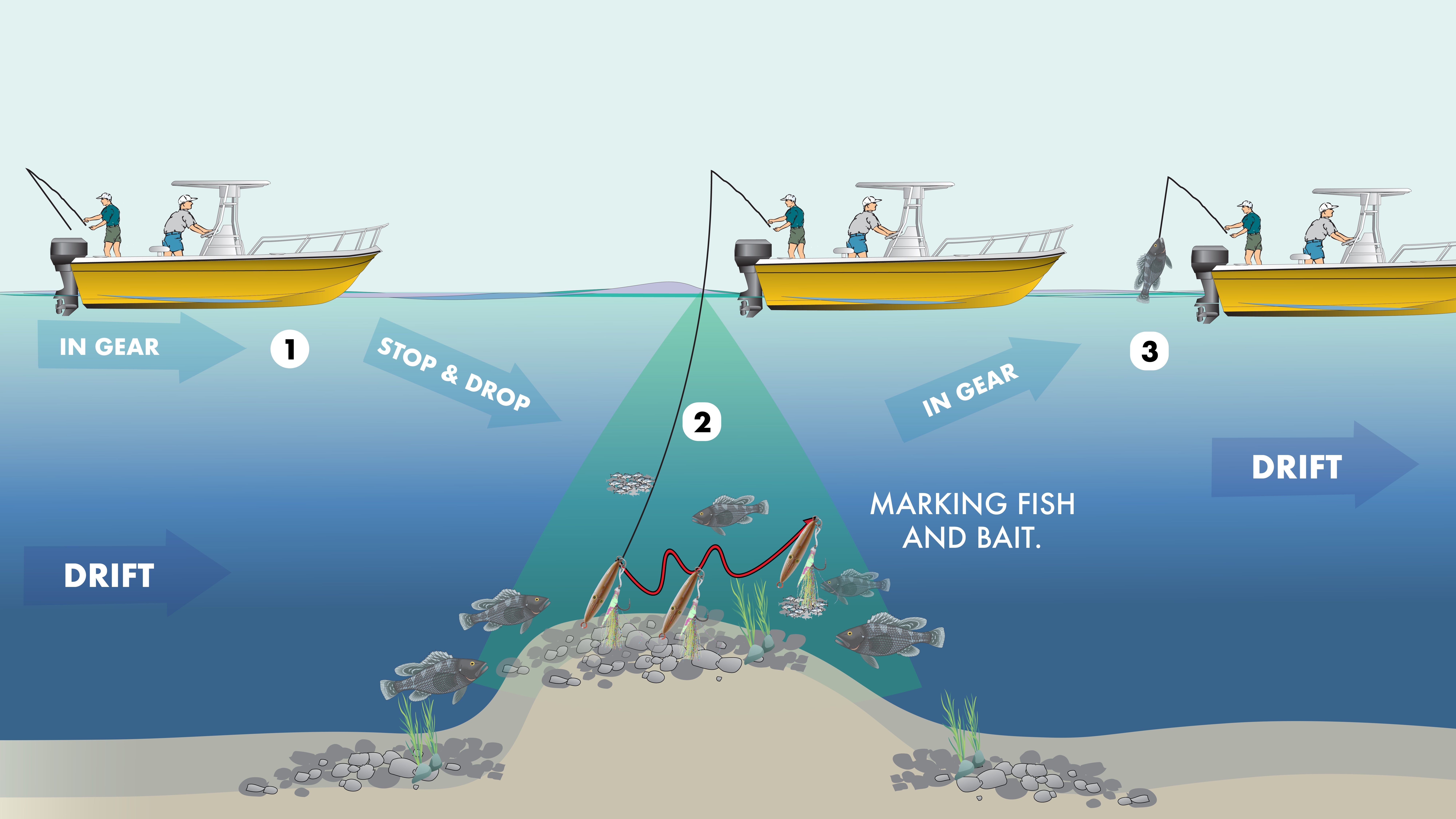
Short quick drifts — hit the ledge, move on

The May Buzzards Bay approach is about efficiency, not patience.

Rob Lowell’s playbook for Buzzards Bay May sea bass: make short quick drifts over rocky ledges, hit that structure over and over, move when it slows. The goal is to cover multiple pieces of structure efficiently rather than committing to one spot and waiting. Sea bass are concentrated on specific ledge features — the right ledge produces immediately. If it doesn’t, the next one might.

RL
Capt. Rob Lowell — Cape Cod Offshore Charters

“It’s pretty simple — that’s some of the best things about sea bass fishing, you don’t have to get too complicated. We’re making short quick drifts over rocky ledges and targeting structure. Hit it over and over again until we figure out if there are fish, then move around.”

Approach — step by step
1
Set up uptide of the ledge. Position the boat so the drift carries you along the rocky ledge edge, not over the flat top of the structure. The transition zone is the strike zone.
2
Drop the Jig-Biki Rig as soon as the fish finder shows hard bottom and bait. Don’t wait. In bumpy conditions the window over productive structure is short — get the rig down the moment the screen confirms the right bottom.
3
Work the drift with two to three jig methods in rotation. Start active (slow lift and drop), transition to dead stick. In choppy water, the dead stick becomes the most productive method because the boat is already animating the teasers.
4
If no bite in two or three passes over the same ledge — move. Sea bass either produce fast or they’re not there today. Don’t over-fish a dead piece of structure waiting for fish to show up.
5
Come back around on the same drift track when the sonar shows fish. Rob’s approach: find the fish mid-drift, circle back, replicate the track. “We’ve got rocks here, we’re marking fish — good spot to start.”
Tactical deep jig drift over deep water boulders — sea bass approach

B2500 Tactical Deep Jig Drift — short passes over rocky ledge edges in Buzzards Bay. Drop on the sonar greenlight, work through the strike zone, circle back when fish are confirmed.

Step 4 output
Short quick drifts along rocky ledge edges. Drop on the sonar greenlight. Dead stick in chop. Two to three passes before moving. Come back around when fish are confirmed on screen.
Step 5Gear, Lure & Technique

The Jig-Biki Teaser Rig — what it is and why it works

A scaled-up sabiki for larger bottom fish. Teasers matched to assist hooks. Turnkey ready.

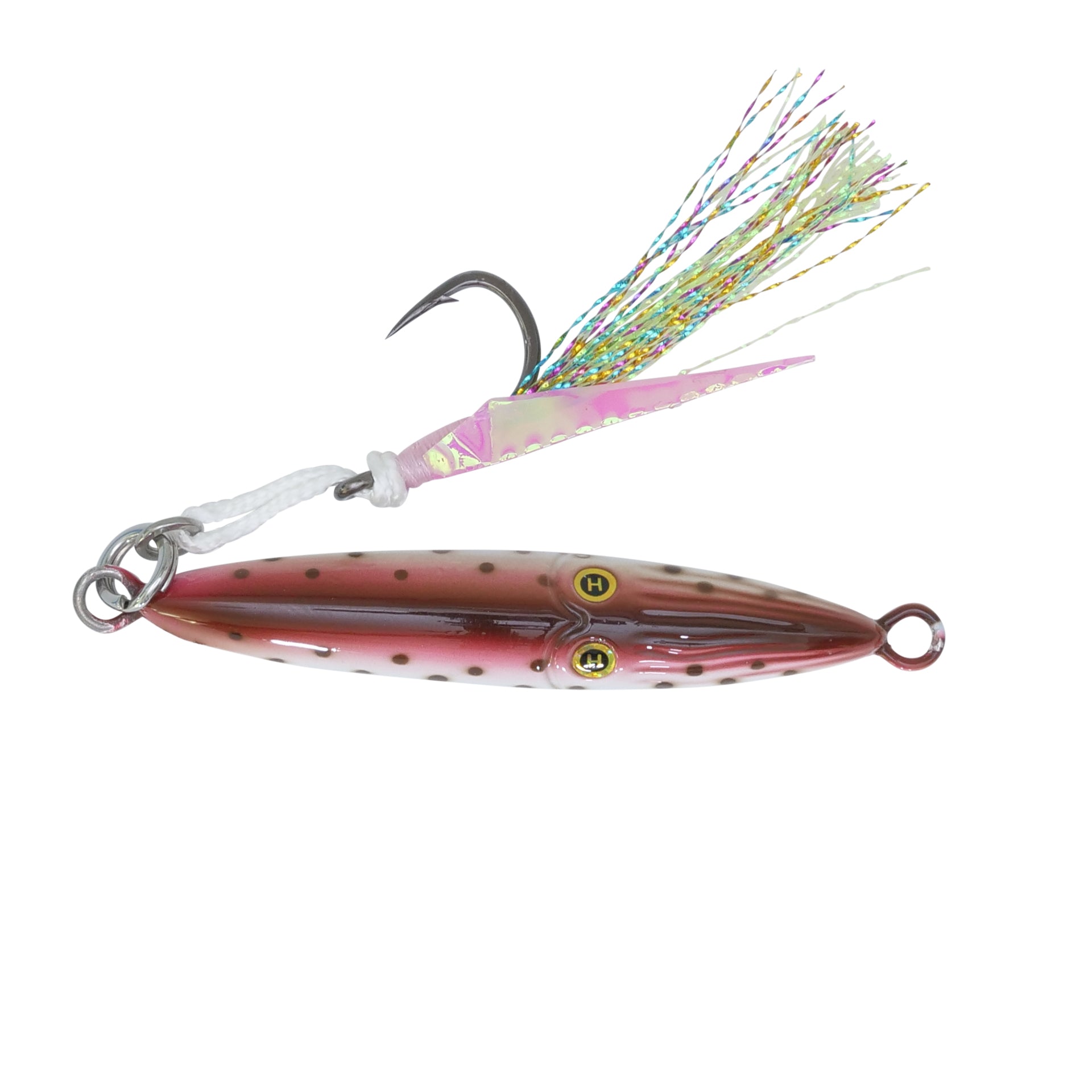
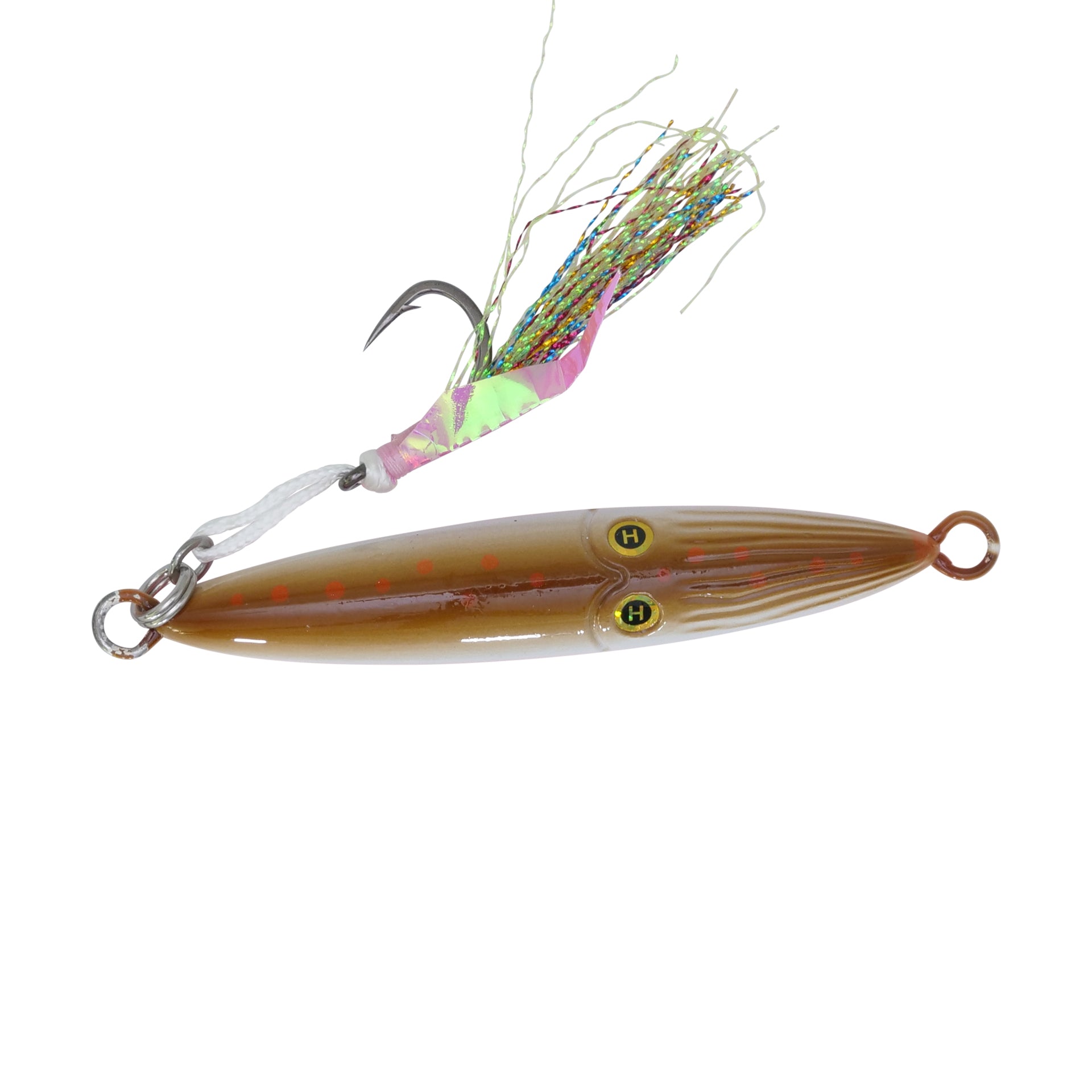
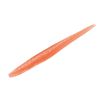
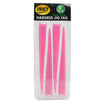
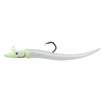
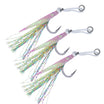
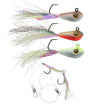
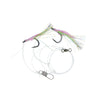
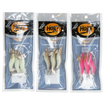
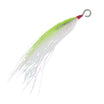
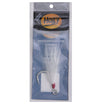
The Hogy Jig-Biki Teaser Rig is a ready-made teaser rig designed to interface with any Hogy jig. It’s built on 30–60lb premium monofilament depending on size, with two Biki-style teasers that match the assist hook profile on Hogy’s groundfish jigs. Drop a Flutter Pitch Jig or Sand Eel Jig onto the bottom snap and you have a multi-bet system: the jig below as a large profile attractor, the teasers above mimicking small forage. Sea bass can take either — and on this session, they took the teasers both times.

The Lure for the Job
The System
A scaled-up sabiki teaser rig on 30–60lb premium mono with two Biki-style teasers and a bottom snap that accepts any Hogy jig. The teasers match the assist hook style on Hogy groundfish jigs — continuity between the rig components gives the system a unified look in the water. Fish as a pure lure rig, a bait rig, or a hybrid.
Action
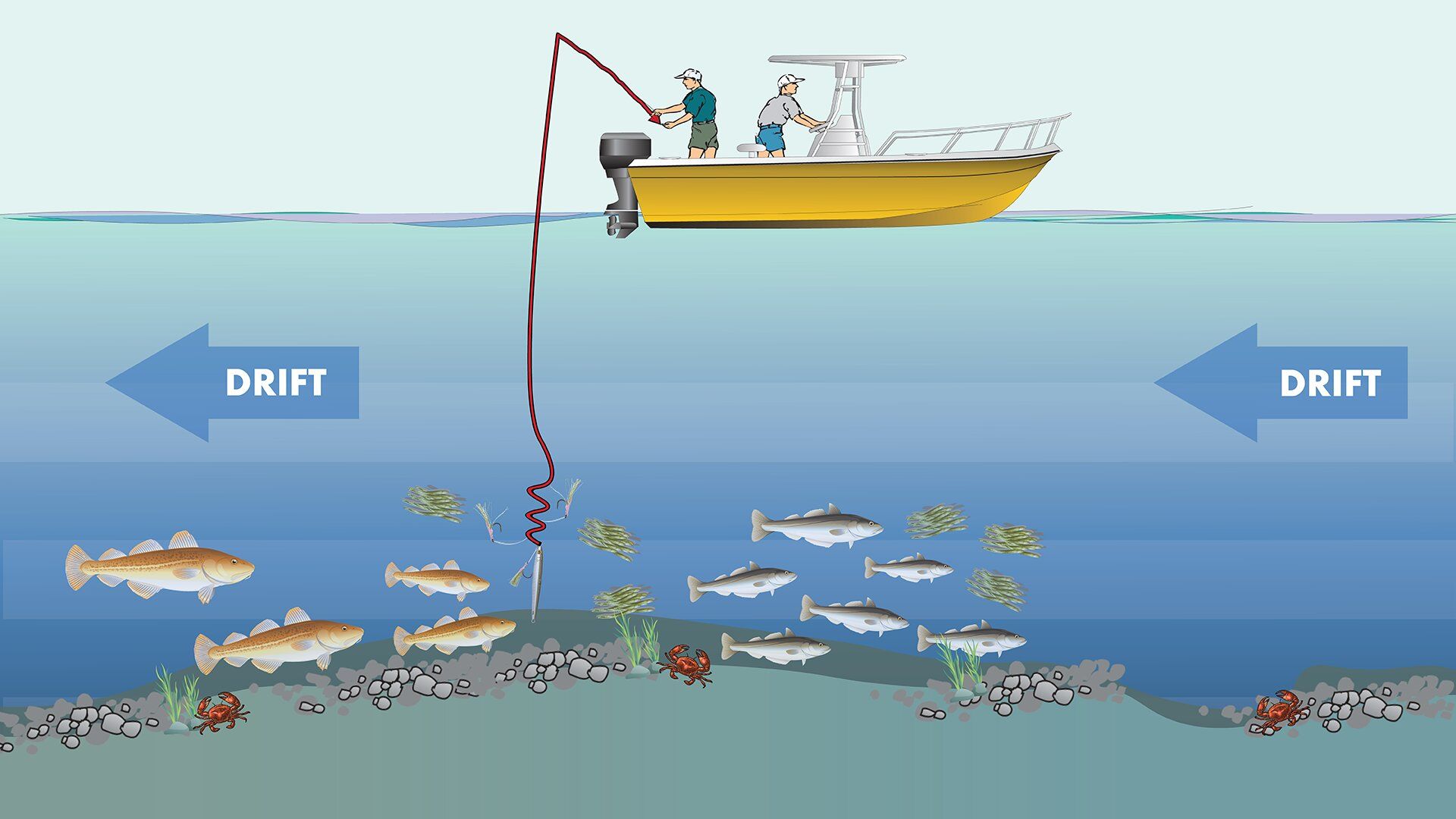
The teasers are light enough to animate on boat motion alone. In chop, the dead stick method is highly effective: rod in the holder, rig on the bottom, and the boat’s natural movement causes the teasers to dance and dart. On a calm day, a slow lift-and-drop gives the same action with deliberate angler input.
Speed
Slow. The Flutter Pitch Jig on the bottom snap fishes even slower than the Sand Eel Jig — it’s designed for a slow fluttering drop. Either jig can be fished fast or slow, but the teaser rig rewards patience. Let the teasers do the work rather than forcing the action.
Two Bets
Small profile (teasers) + large profile (jig body) in one drop. Some days sea bass want the big profile, some days the teasers. The system covers both without any rig change. Note which hook produces more consistently across the session and lean into it — on this day it was the bottom teaser every time.
Bait Optional
The Jig-Biki Teaser Rig was designed to fish both clean and baited. If you add bait and it gets stolen, the teasers are still working — about 85% as effective unbaited. On this session: no bait, all fish on clean teasers. Keep the boat clean.
Limitations
In very fast current or deep water, the teasers can kite above the productive strike zone. Upsize the jig on the bottom snap to get the whole rig lower. The rig is designed for 15–60 ft inshore structure work — it’s not an offshore deep-water vertical jig replacement.
Rigging
  • Ties directly to fluorocarbon leader via the top swivel. Simple clinch knot.
  • Clip any Hogy jig onto the bottom dual-lock snap — no knot, easy swaps between Flutter Pitch, Sand Eel Jig, or other weights.
  • To store between drifts: hook the two teasers together and snug the assist hook on the reel seat. No tangles, no flailing hooks.
  • 30lb test on lighter rig sizes, 60lb on larger configurations for bigger fish.

Technique — step by step
1
Drop to the bottom. Let the jig make contact and engage the reel immediately. In rocky structure, prolonged slack can tangle the teasers around the jig on the drop. Feel the bottom, engage, begin the retrieve.
2
Slow lift and drop — raise the tip 12–18 inches, let the jig fall back. The Flutter Pitch Jig gives a natural flutter on the fall with the teasers waving above. Pause at the bottom, repeat. This is the active retrieve.
3
Transition to dead stick in choppy conditions. Rod in the holder, jig on the bottom. The boat does the rest. In bumpy May Buzzards Bay water, this is often the most productive method because the motion is constant and uninterrupted.
4
Note which teaser hook produces. Top teaser or bottom teaser? Jig body or teasers? The distribution of bites across the rig tells you how the fish are positioned and feeding. On this session: bottom teaser, both times. That’s data for the next drift.
5
Set the hook on any added weight or rod movement. Sea bass bites on the teaser rig are often soft — a slight added pressure rather than a thump. With braid and a direct connection, the sensitivity is there. Any change in rod behavior is a fish.
6
Store the rig properly between drifts. Hook the two teasers together, snug the assist hook on the reel seat. Takes 10 seconds and prevents every tangle on the next drop. Don’t skip this step in bumpy conditions.
Bottom Thump R2800 — Biki sea bass retrieve diagram

R2800 Bottom Thump — Jig-Biki Teaser Rig on the bottom. Teasers animate on boat motion in chop. Note which hook produces — bottom teaser or top, jig or teasers.

MH
Capt. Mike Hogan

“Both fish have come in on the bottom teaser — which is interesting, because a lot of times when I fish they favor one over the other and I don’t always understand why. The system is telling you something. Pay attention to it.”

Black sea bass are subject to annual size and bag limit regulations in Massachusetts. The May opener typically carries specific minimum size and bag limits — confirm current Massachusetts DMF regulations before keeping any fish. Check the season dates carefully; they can shift year to year.

The decision at a glance

Signal from the SystemDecision
May opener, Buzzards Bay rocky ledgesShort quick drifts. Move through multiple ledge features. Don’t over-fish one spot.
Bumpy conditionsDead stick becomes the primary method — boat motion does the work on the teasers automatically.
Hard bottom + bait marks on sonarDrop the rig immediately. Don’t wait for a perfect screen picture in chop. Hard bottom confirmed = greenlight.
Both fish on the bottom teaserThe system is telling you something. Note it. Favor the bottom hook placement and let the top teaser cover the upper zone.
Bait gets stolen on the teasersKeep fishing. Teasers work clean — about 85% as effective unbaited. Don’t stop to rebait if the bite is active.
No bites after two or three driftsMove to the next piece of structure. Sea bass are either home or they’re not — don’t wait for fish to show up on a dead ledge.
Sonar shows rocks and bait simultaneously mid-driftCircle back uptide. That specific piece of ledge is worth another pass. Replicate the drift track exactly.
Step 5 output
Hogy Jig-Biki Teaser Rig on Flutter Pitch Jig. Dead stick in chop. Bottom teaser primary attractor today. Short quick drifts, ledge edges, move efficiently. No bait, clean rig, both fish on teasers.
Putting it together
May opener on the Jig-Biki Teaser Rig

Step 1 set the context: May sea bass opener, Buzzards Bay rocky ledges, short drift windows in bumpy conditions. Step 2 confirmed the environmental reality — chop makes dead stick the primary method, boat motion doing the teaser work automatically. Step 3 delivered the key observation: both fish on the bottom teaser, consistently. The system was communicating and the session listened. Step 4 executed the approach: short quick drifts along ledge edges, sonar greenlight before dropping, move after two or three passes without a bite. Step 5 closed it out: Jig-Biki Teaser Rig, Flutter Pitch Jig on the bottom snap, dead stick in the chop, no bait, both fish in the corner of the mouth. Simple, clean, and exactly what the May opener should be.

Also in the series
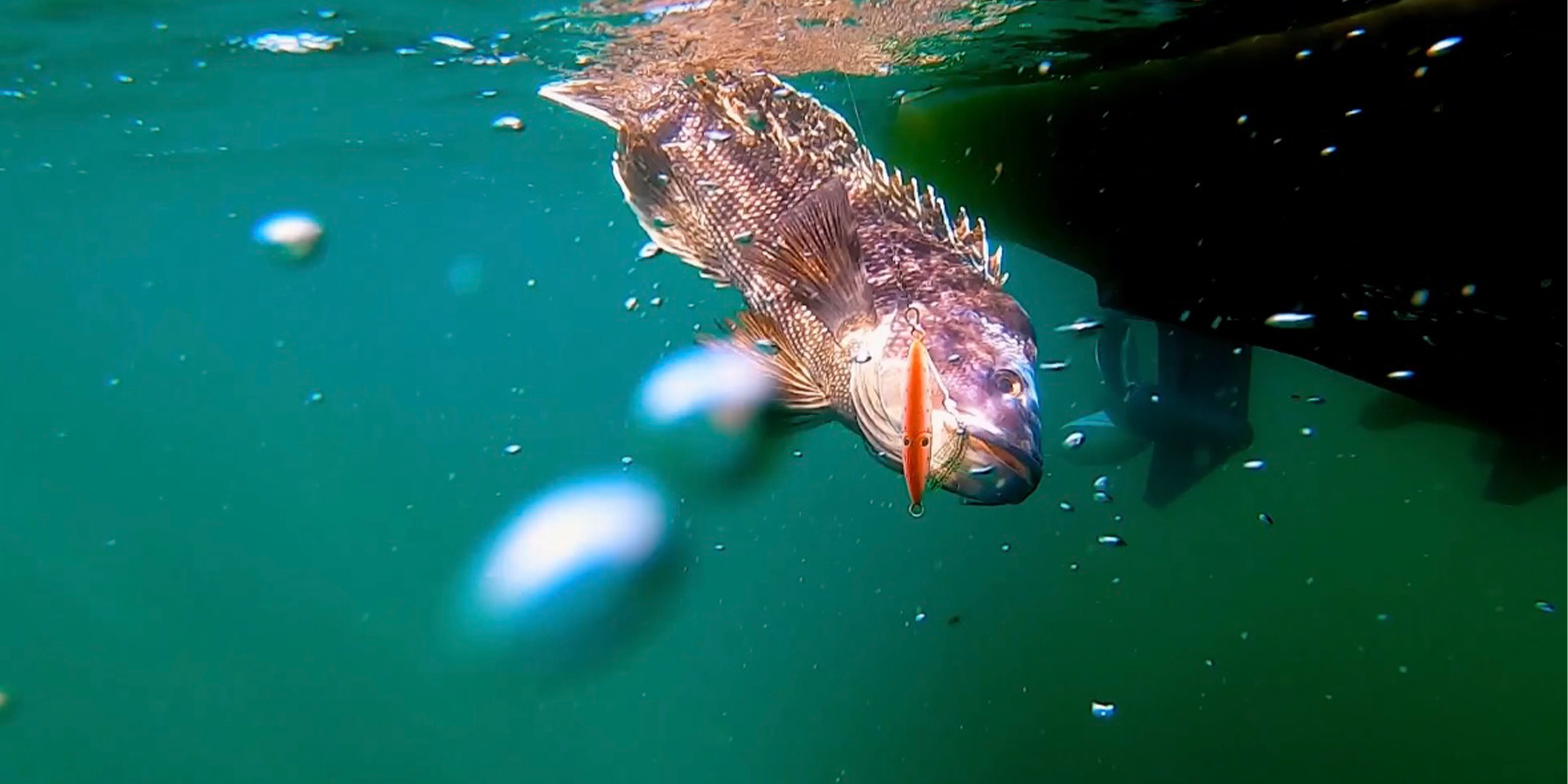
How To: Black Seabass Jigging — Gay Head with John Burns
Deeper structure, faster current, Squinnow Jig — sea bass jigging at the Elizabeth Islands rips.
Black Sea Bass Jig-Biki Teaser Rig Buzzards Bay Rocky Ledges May Opener Dead Stick No Bait Inshore Early Summer Capt. Mike Hogan Capt. Rob Lowell Cape Cod Offshore Charters Cracking the Code

Reading next

Cracking The Code: Spring Squid
Cracking The Code: Seabass Gay Head / Devil's Bridge

Leave a comment

All comments are moderated before being published.

This site is protected by hCaptcha and the hCaptcha Privacy Policy and Terms of Service apply.

Related Videos

Slack Tide Seabass Thumping

Captain Mike goes Black Seabass fishing on Cape Cod and discusses the effectiveness of fishing during slack tide. Drifting Over Structure: Using the Navionics chip in the Garmin device to locate good structures like rocks for successful drifts. Jigging Technique: Bouncing jigs on the bottom using Hogy Groundfish Biki Jigs designed to replicate crabs.

Combo Trip | Jig Seabass | Topwater Stripers

Captain Mike's Adventure: Captain Mike embarks on a fishing trip with friends, starting from Falmouth Harbor. The goal is to catch a mix of stripers and seabass using the Hogy system.

Seabass Fishing Cape Cod | Hogy Jig-Biki Teaser Rig

Capt. Mike Hogan & Capt. Rob Lowell of Cape Cod Offshore Charters spends the morning targeting Buzzards Bay Seabass in bumpy conditions. In this video, we introduce the new Jig-Biki Teaser rig paired with the Hogy Flutter Pitch Jig.

Seabass Jigging Cape Cod - Hogy Squinnow Jigs + Jig Biki

Capt. Mike Hogan shows us how to modify the Hogy Squinnow Jig was a teaser assist hook + jig-biki rig for targeting seabass on cape cod.

Related Blogs

CastingCrack The Code: Micro Squid Rips Finicky Stripers

Crack The Code: Micro Squid Rips Finicky Stripers

Cracking the Code: Four Retrieves on One Cast — Surface Eraser vs. Finicky Monomoy Stripers Striped Bass  ·  Monomoy Rips  ·  Mid-June Cracking the Code Capt. Mike Hogan &...

InshoreCrack The Code: Monomoy Rips Topwater Striper

Crack The Code: Monomoy Rips Topwater Striper

Cracking the Code: Poppers on a Squid Bite at Monomoy Striped Bass  ·  Monomoy Rips  ·  S2022 E6 Cracking the Code Capt. Mike Hogan  ·  Salty Cape TV powered by Hogy ...

InshoreCracking The Code: Monomoy Rips Striped Bass

Cracking The Code: Monomoy Rips Striped Bass

Cracking the Code: Surface Eraser on the Monomoy Squid Rips Striped Bass  ·  Monomoy Rips  ·  S2024 Cracking the Code Capt. Mike Hogan  ·  Salty Cape TV powered by Hogy ...

Bluefin TunaCracking The Code: Light Tackle Bluefin - The Gully

Cracking The Code: Light Tackle Bluefin - The Gully

Light-Tackle Bluefin  ·  The Gully  ·  S2025 E6 Cracking the Code Capt. Mike Hogan  ·  Salty Cape TV powered by Hogy Location The Gully — S. of Block Island Season Midsummer Species Bl...

Black SeabassCracking The Code: Deep Summer Seabass

Cracking The Code: Deep Summer Seabass

Cracking the Code: Deep Summer Sea Bass — Long Drifts, No Bait, 95 Feet Deep Summer Sea Bass  ·  Vineyard Sound Cracking the Code Capt. Mike Hogan  ·  Salty Cape TV powered b...

Black SeabassCracking The Code: Seabass Three Ways

Cracking The Code: Seabass Three Ways

Sea Bass Three Ways  ·  Eldridge Shoal  ·  S2025 E3 Cracking the Code Capt. Mike Hogan  ·  Salty Cape TV powered by Hogy Location Eldridge Shoal Season Early Summer Species Black Sea B...