














Bottom Grubbing Giants
Starting with what we knew. Narrowing through what we saw. Arriving at the only answer that made sense.

Regal Sword, East of Chatham. The surface was loaded with life. The fish were on the bottom the whole time.
Every tuna trip that’s starting at a known hot spot starts with the same question: where in the water column are they feeding today? The surface conditions, the bait, the fish finder — each one narrows the answer until only one presentation makes sense. This is how that process ran on this trip.
What the location and season told us before we left the dock
Context that shapes every decision that follows.
Mid-August at the Regal Sword east of Chatham is a reliable big bluefin window. The spot has a mixed bait profile this time of year — sand eels, mackerel, and sea herring are all common. That matters before the anchor drops because it determines the lure range you pre-rig: you want a profile that could plausibly imitate any of the three, not one that commits hard to a single forage type you haven't confirmed yet.
The structure here also holds cod. That's a useful backup if the tuna aren't cooperating, and knowing it exists takes pressure off the early decision-making. You're not locked into one outcome from the start.
Coming into the trip: the area had been producing fish. Reports indicated larger individuals than earlier in the summer. That last piece of information — fish size — influenced the tackle decision before anything else happened on the water.
- Known deep spot with moving water — area favors heavier jigs. Depth and drift conditions at the Sword push toward 8oz and up.
- Known for a mix of small, medium, and giant tuna. Size reports coming in before the trip indicated larger fish than earlier in the summer.
- Structure also holds cod — useful backup if tuna aren’t cooperating. Knowing the option exists takes pressure off early decisions.
What the conditions confirmed on arrival
Does the environment support what the historical read predicted?
Conditions on arrival were favorable across the board: manageable wind, good visibility, stable water. Nothing in the environmental picture was pushing toward or away from a particular technique. Wind, sea state, and tide were all workable for casting, jigging, or trolling.
Surface biology was active and organized. Humpback bubble-feeding confirmed bait concentration — this is a coordinated event indicating dense, stacked forage rather than scattered bait. Mixed bird species overhead supported the sand eel read from Step 1. The system was loaded.
Environmental conditions didn't narrow the technique decision on their own — they confirmed the biology and left the column-position question open for the observational read.
What the on-water read told us
Four layers. Each one narrows the answer further.
The surface was loaded — birds vortexing, whales bubble-feeding, bait showing on the finder. Plenty of life, plenty of signal. The observational read works through that surface information layer by layer to determine where in the column the fish are actually positioned and how they’re feeding.
The key that unlocked our program was big tuna marks almost flat on the bottom, sitting right on top of balls of sand eel marks.
Gannets and terns vortexing, humpback bubble feed active. Sand eels primary forage confirmed by gannet presence — deep-diving species, not surface pickers. Forage type confirmed: sand eel. Bait dense and organized. Lure profile decision: slim, realistic, sand eel size.
Occasional surface breaks but no committed blitz despite high bait volume overhead. Eliminates surface presentation. Fish feeding deep. When forage is abundant and fish aren’t blitzing, they’re settled at a depth where effort-to-reward is favorable.
Finder marks concentrated in the bottom third of the water column — 150–200 ft. Not suspending mid-column. Steady and repeatable throughout the session. Fish in grubbing mode — working forage on or near the sea floor. Not positioned to intercept mid-column or surface presentations. Presentation depth: bottom third.
Consistent arch marks near the bottom throughout the session. The reliable, repeatable signal — not the surface show, not the mid-column scatter. Primary decision input confirmed. Sonar told us where the fish were — not the birds, not the surface show. Bottom third. That’s where the jig goes.
Getting the jig in front of the fish — before the first cast
Approach determines whether the technique has a chance to work.
Here’s something people underestimate about jigging: you can’t let the lure find the fish. With live mackerel, the bait does some of that work for you. A jig does none of it — it goes where you put it and stays in the zone for as long as you work it deliberately. That means approach discipline matters more than almost anything else.
Three factors shaped our decision tree on this drift:
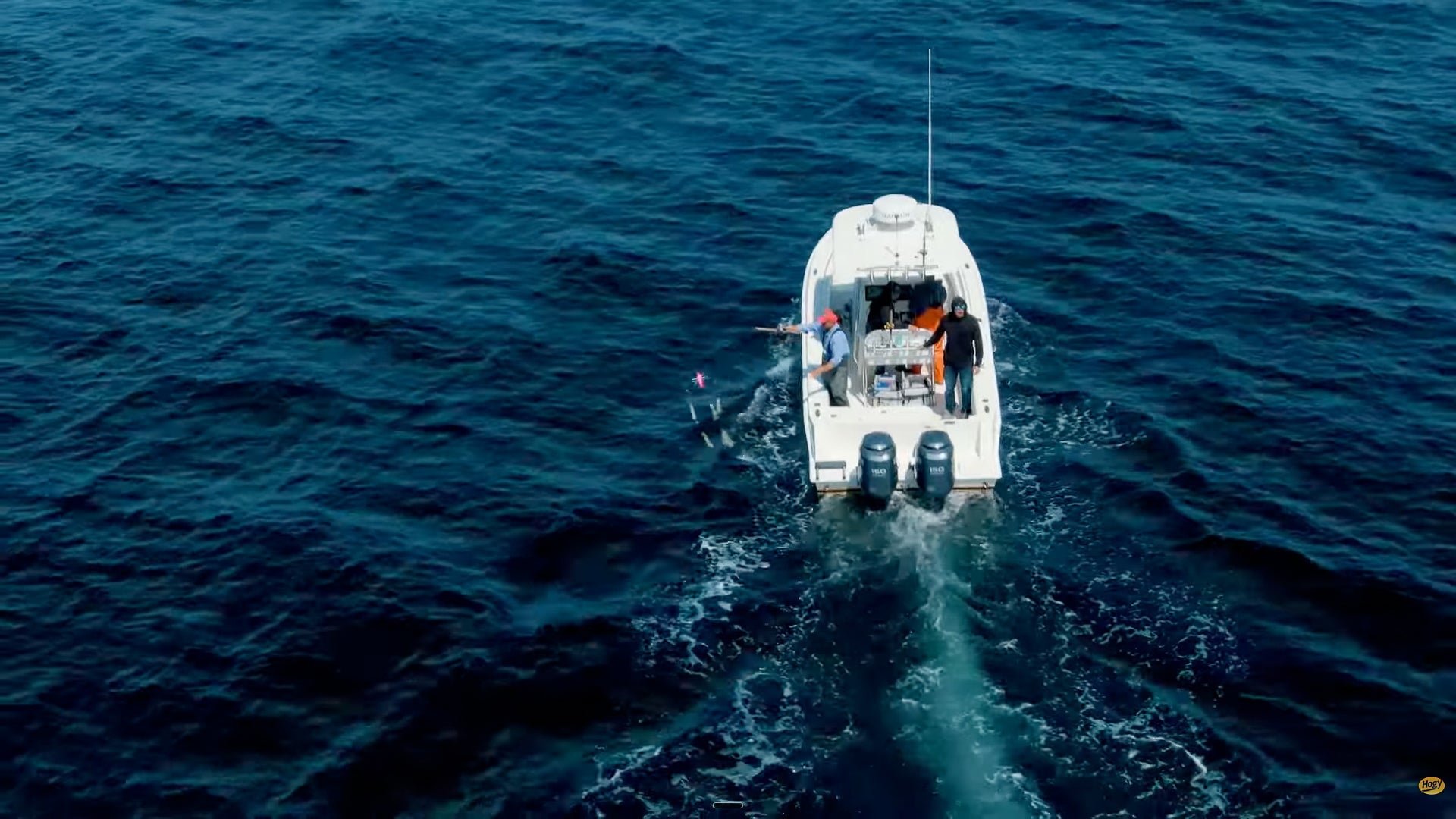
The approach: Tactical Drift (OA600) — sonar has confirmed fish location within the zone, and the goal is a drift line that repeatedly passes the jig through the bottom where they’re holding.
Approach — step by step

Tactical Drift OA600 — upwind/upcurrent setup, drift track over the bottom mark, quiet reset.
Sonar is the last-mile locator — the birds, the whales, the life, that brings you into the fold. The surface show confirmed the system was loaded. The finder told us where to put the jig. Those are two different jobs and you need both.
The answer the system produced
Steps 1–4 made most of these decisions. Step 5 executes them.
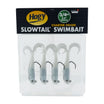
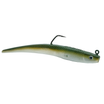
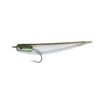
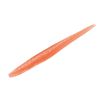
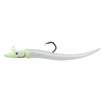
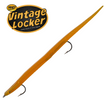
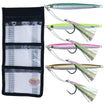
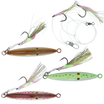
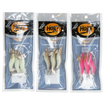
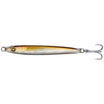
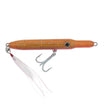
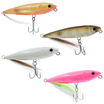
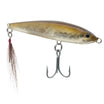
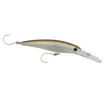
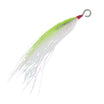
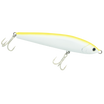
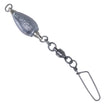
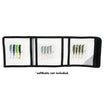
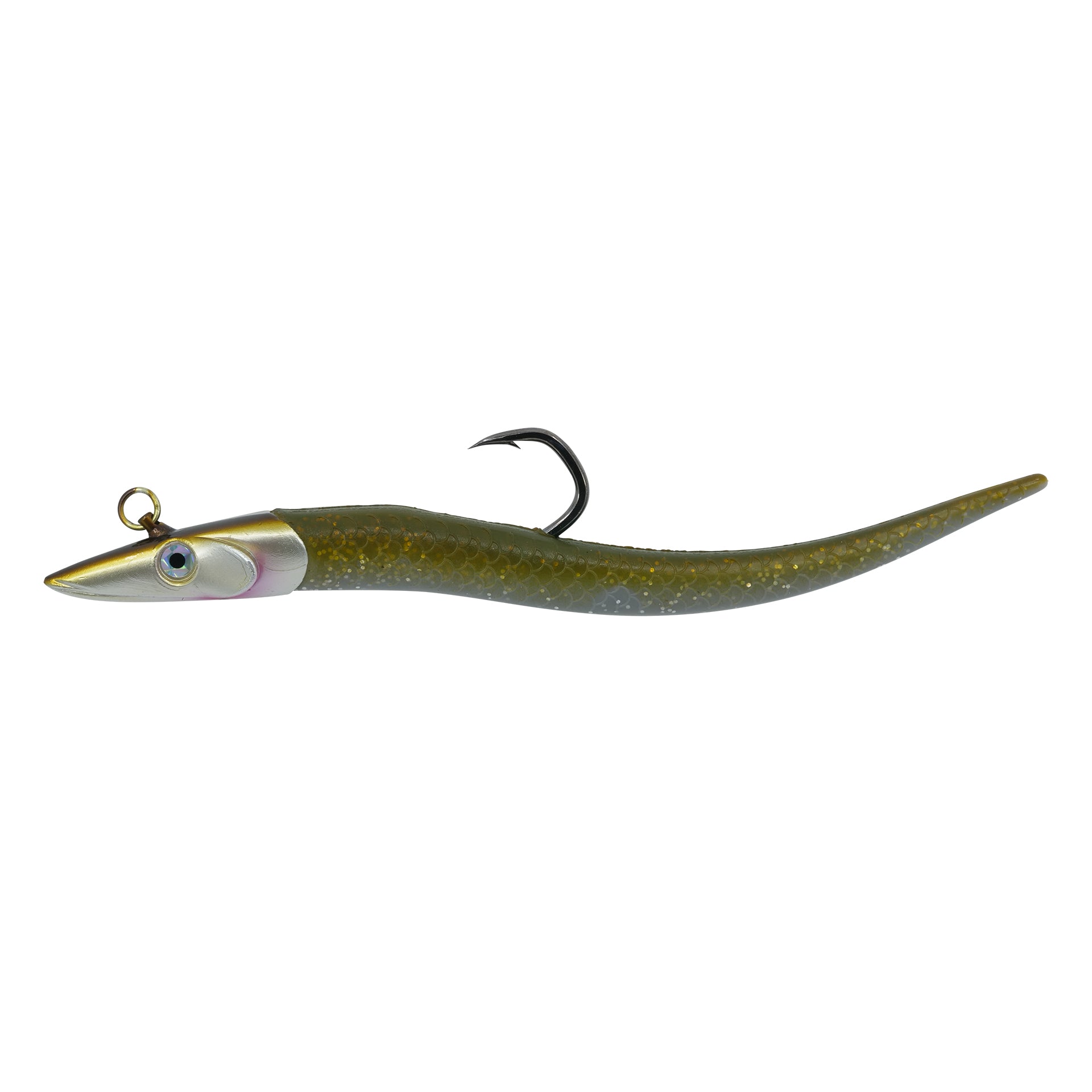
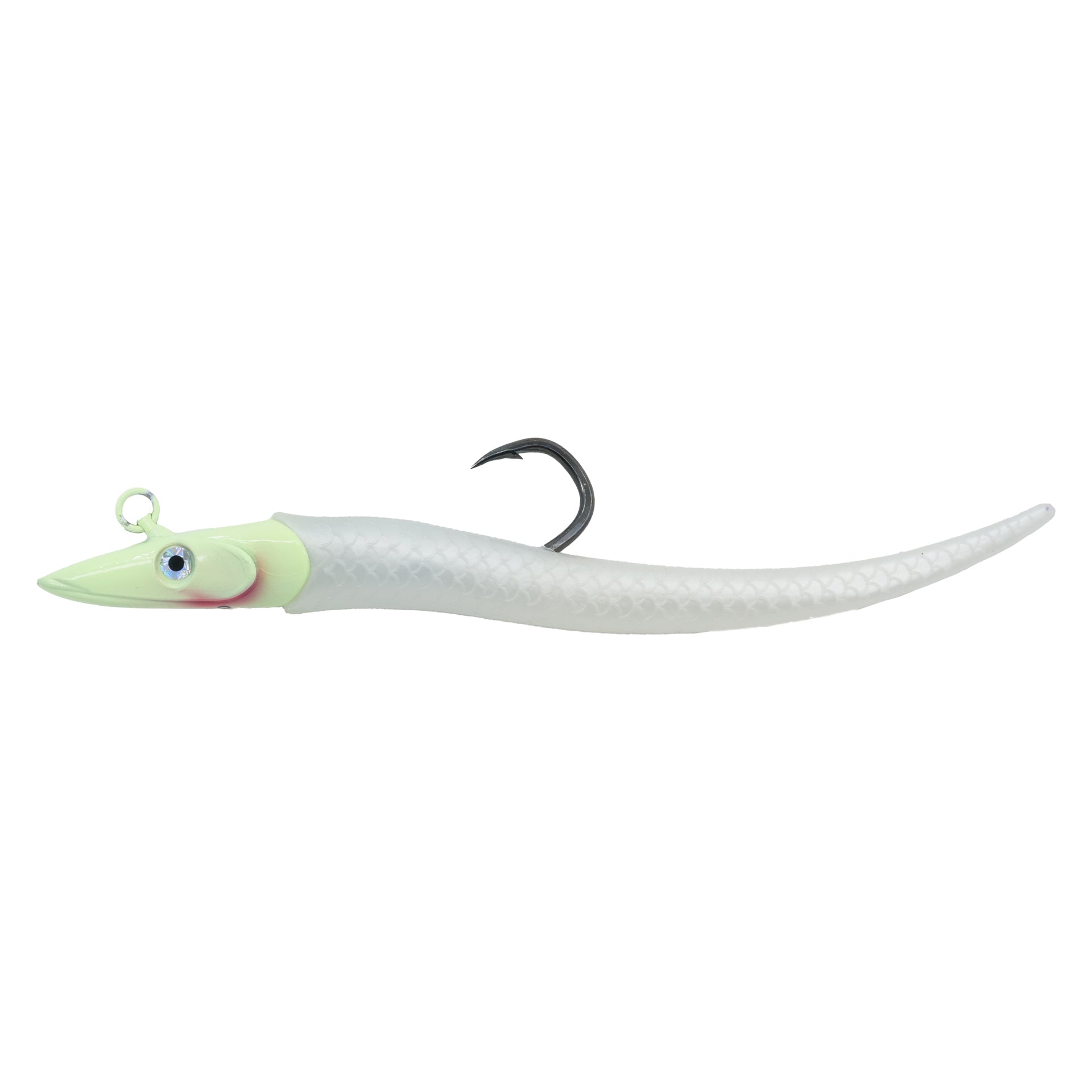
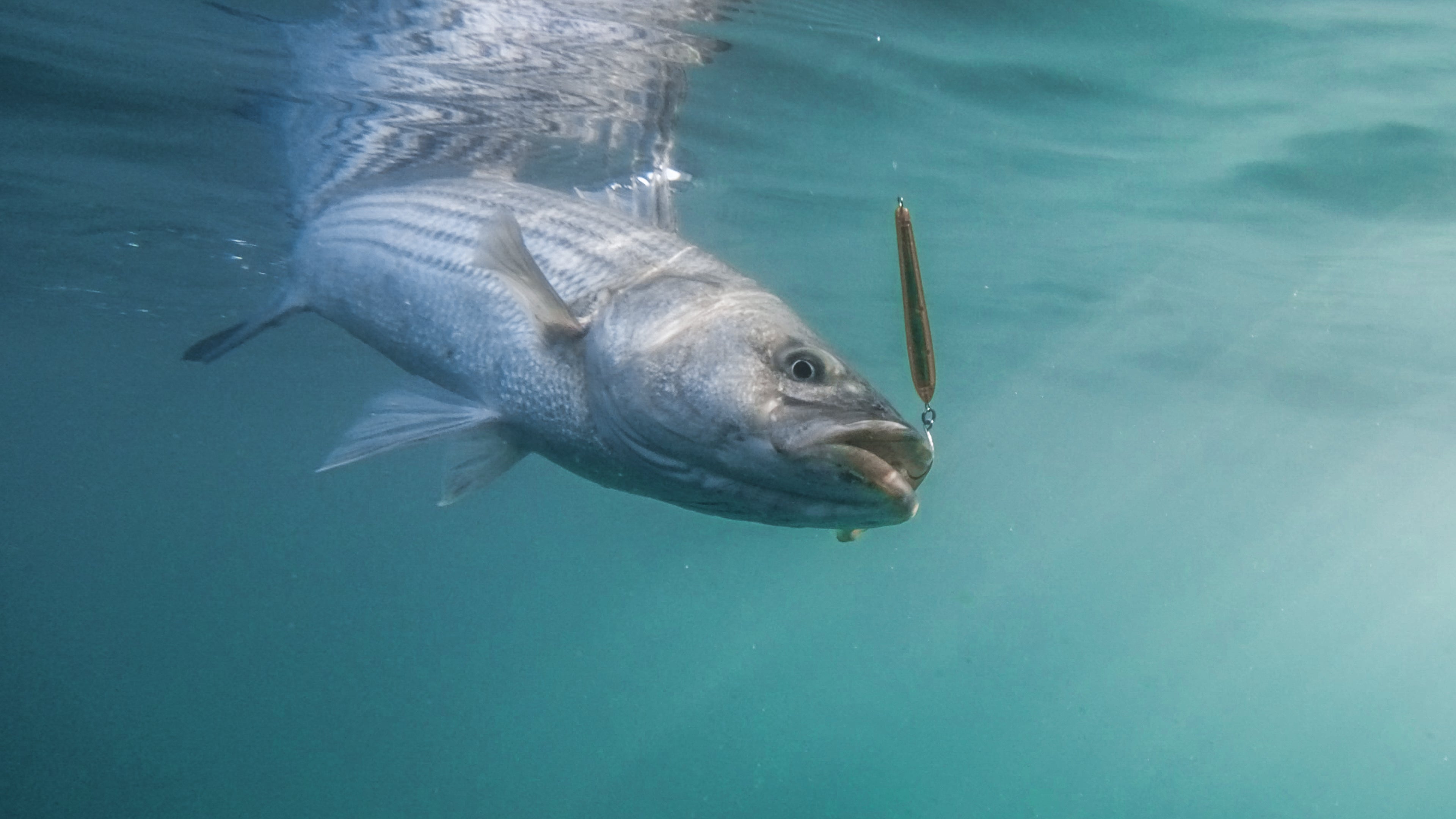
By the time we reach gear selection, the system has already determined: bottom of the column, sand eel forage, slow presentation required, fish that are going to get a long look at the lure before committing. That combination points clearly to one lure fished on a slow-pitch retrieve.
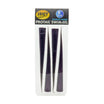
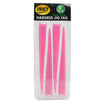
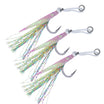
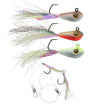
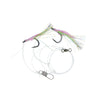
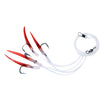
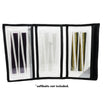
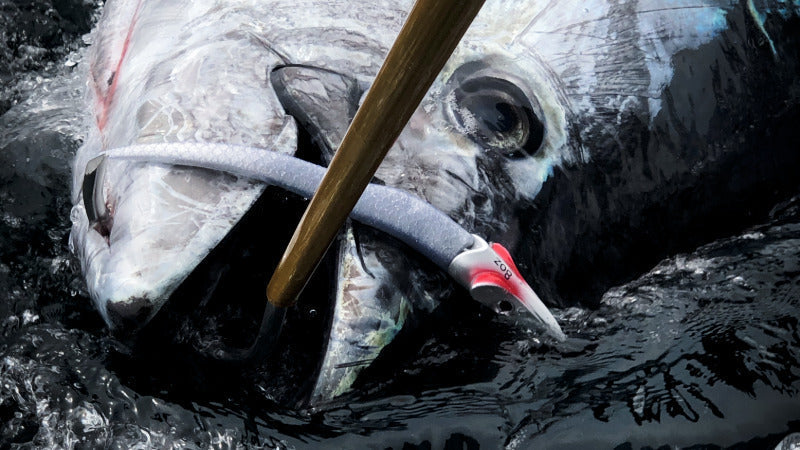
- Ball bearing swivel molded inside the head. No external swivel and split ring. At slow speeds with a close-looking fish, extra hardware is a reason to refuse. Eliminate it.
- Smallest crimp and heat shrink you can get away with. On a slow jig the fish has time to inspect. Clean always beats heavy.
- Heat shrink over the harness-to-hook connection creates a semi-rigid rig with enough flex that hook-up ratios stay high under full drag pressure.
Tackle selection — and why
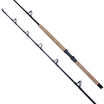
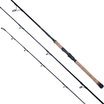
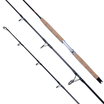
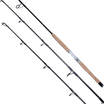
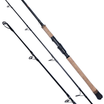
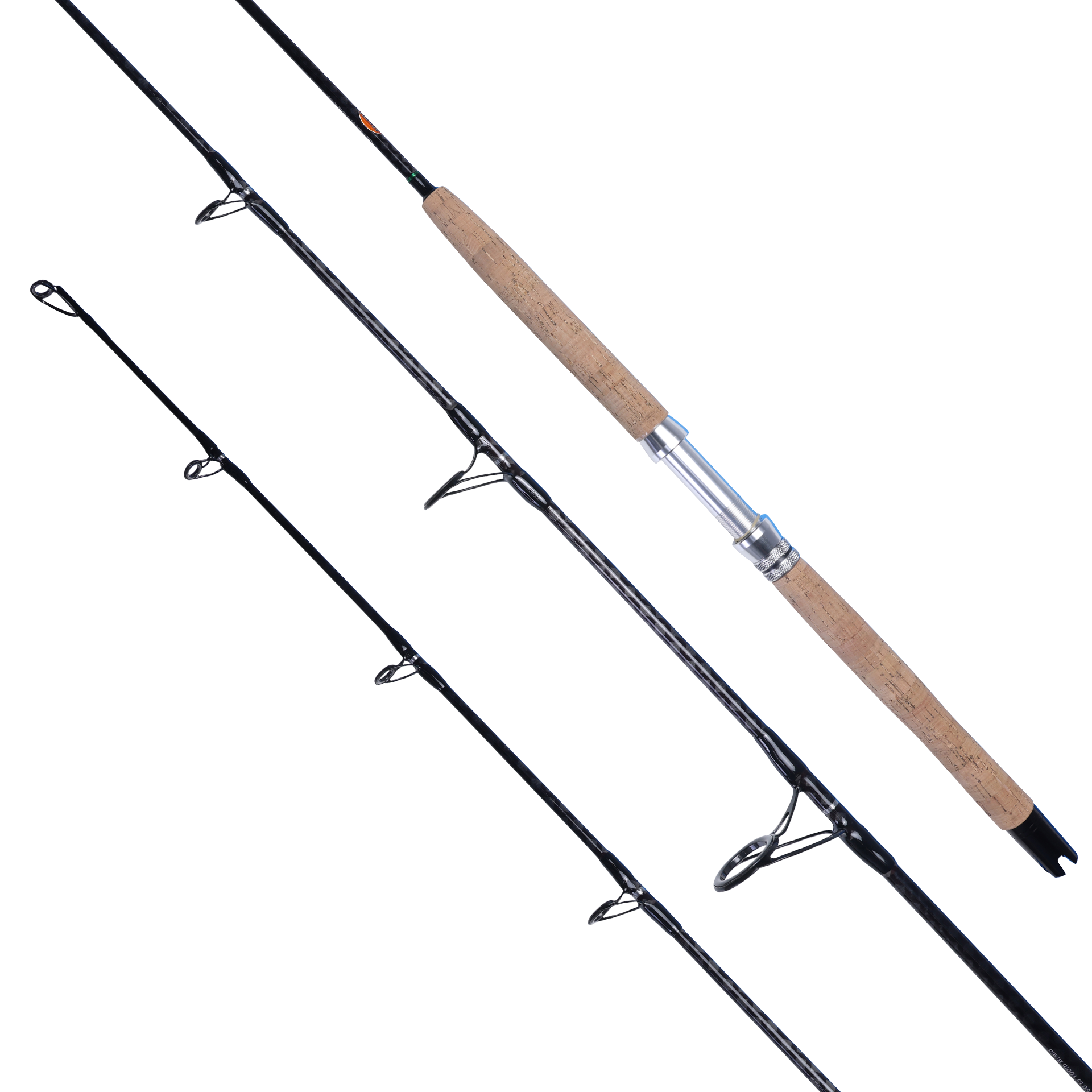
Reports indicated larger fish than earlier in the summer. That determined the reel choice before anything else. A fish fought beyond its metabolic capacity on undersized gear comes up spent in a way that's difficult to reverse at boatside. Conventional reels — Shimano Talica 20s and 25s — with 100lb hollow-core braid and 25 feet of 130lb fluorocarbon wind-on leader. The ability to apply sustained drag pressure and palm pressure shortens the fight. A shorter fight is a healthier release. My rule: reports of fish over 100 lbs, conventional goes on the deck alongside spinning.
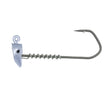
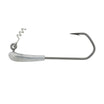
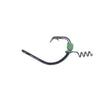
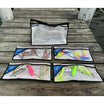
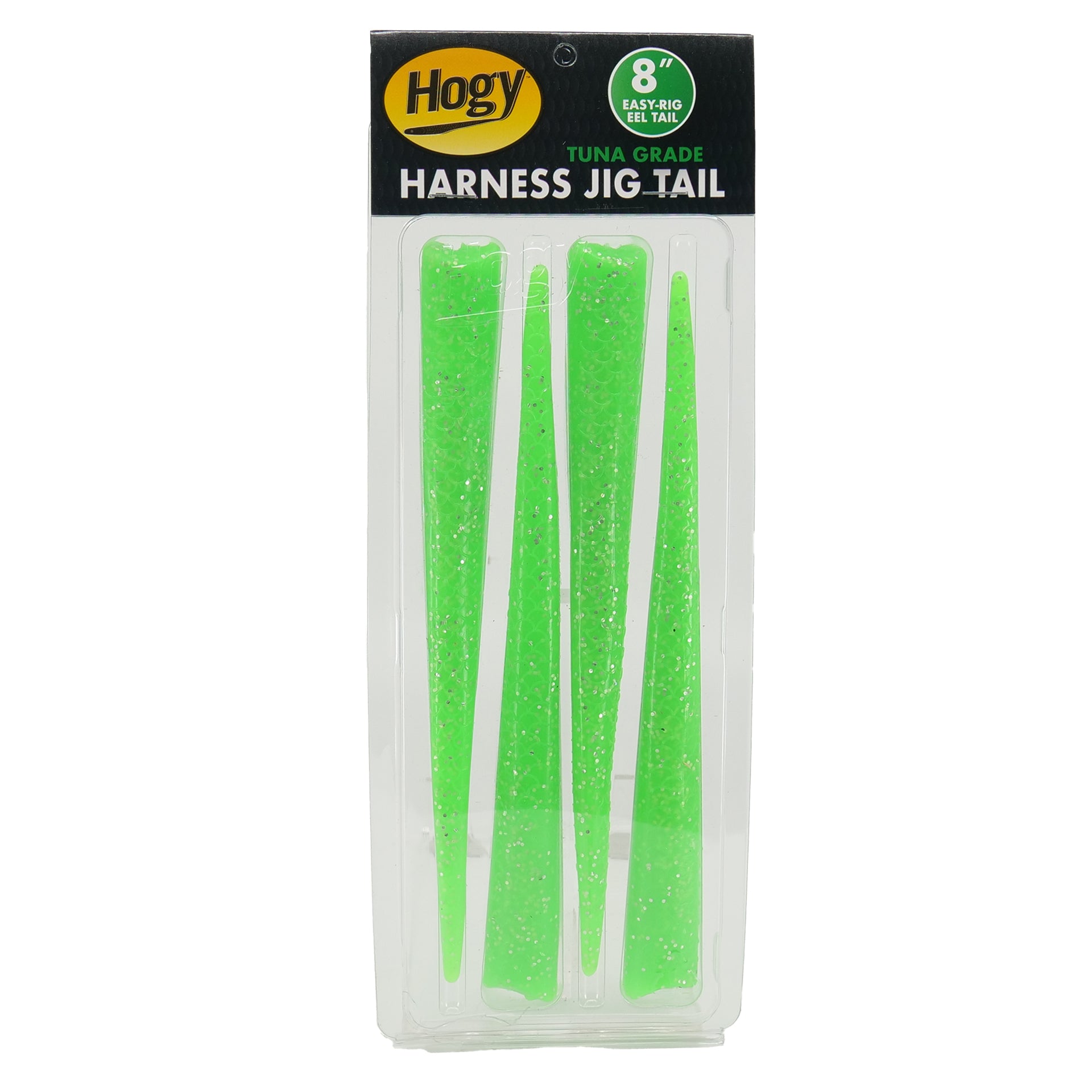
Rigging the soft tail — step by step
Slow-pitch jigging — step by step
This is my favorite technique for soft baits and the most underused. Fish it like you really don’t care about fishing. If you think you’re going slow enough — slow down more.
The decision at a glance
The fight and the release
The fight is part of the conservation decision — not separate from it.
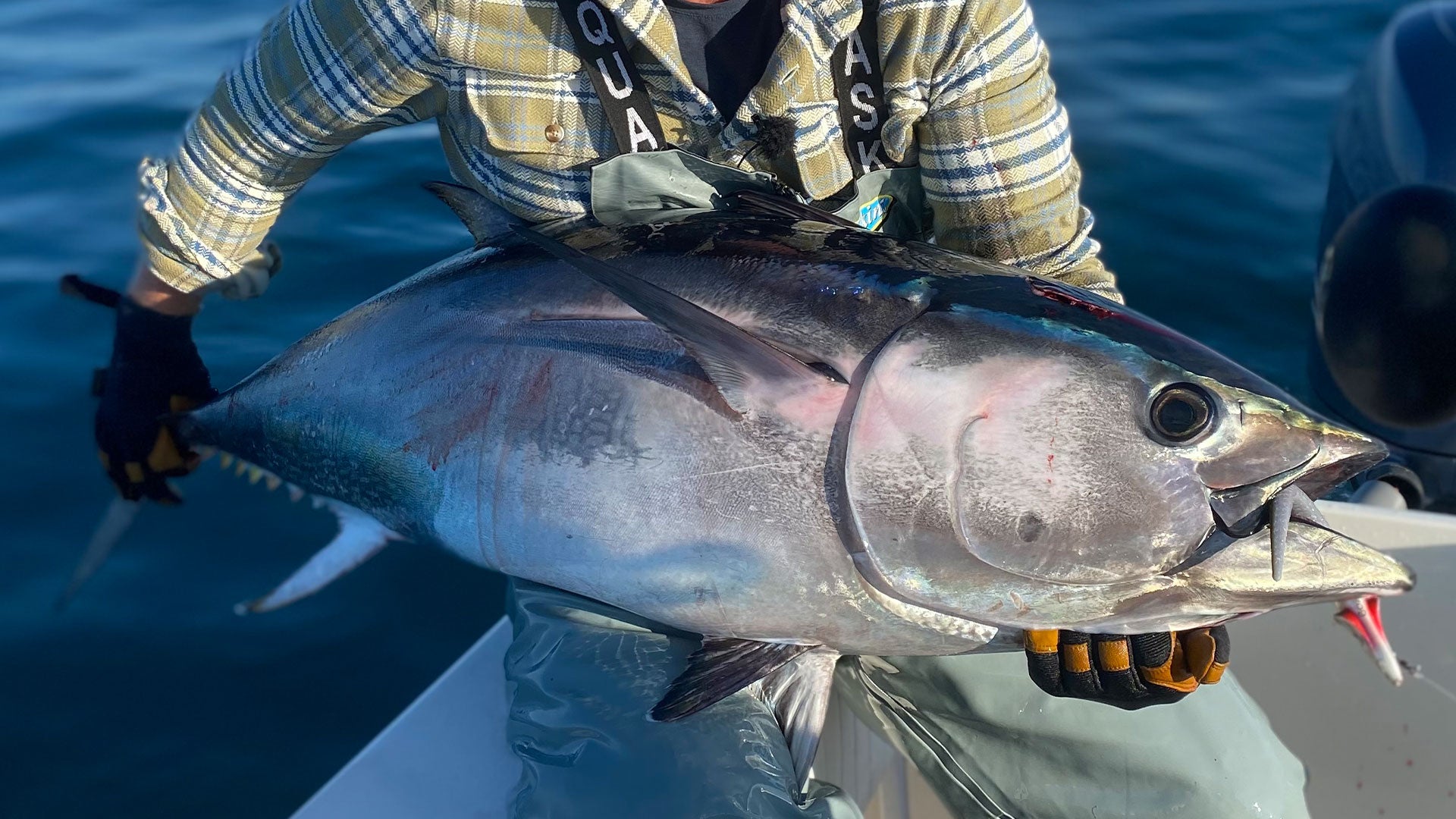
We hooked up the way the technique is supposed to produce — lure near the bottom, hit on the drop, handle cranked fast. What followed was a long fight, and I want to talk about it honestly.
When you’re targeting large bluefin with the intention to release, every extra minute that fish spends on the line is a minute it’s burning reserves it needs to survive. This is exactly why gear choice before you leave the dock matters.
- Switch out before you’re tired, not after. Fresh anglers put maximum pressure on the fish. Tired anglers ease off without realizing it — that’s how fights go 45 minutes longer than they need to.
- Let the fish run on the big bursts. Your reel has 45 inches of line per crank. Fighting the run accomplishes nothing except exhausting the angler.
- Palm pressure is a tool, not a constant. Apply it when the fish swims away from the boat; ease off when it’s coming toward you.
- The last 20 feet is where most fights go wrong. Keep the fish on the aft quarter, communicate with your captain, and be ready for that final burst.
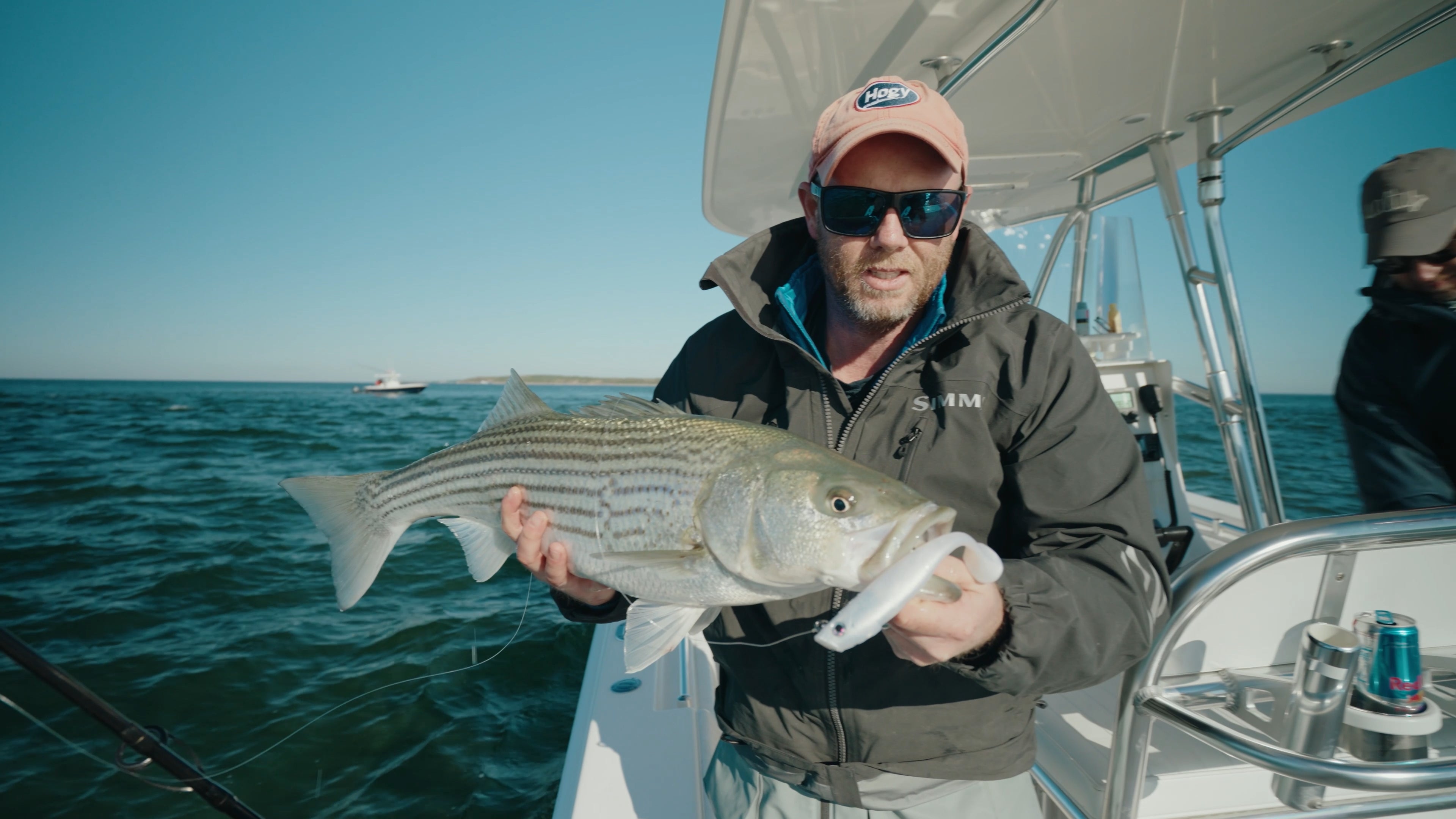
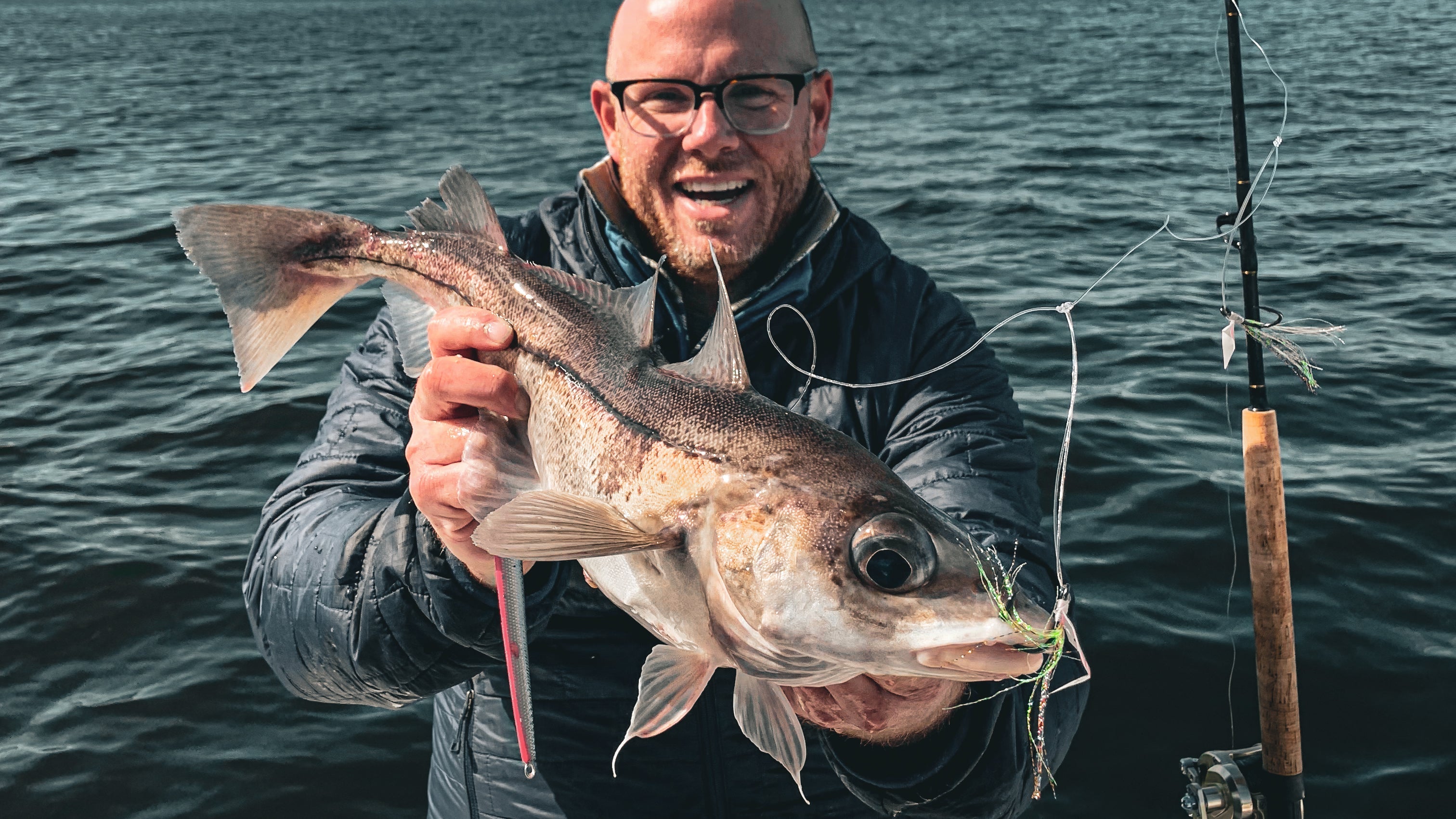
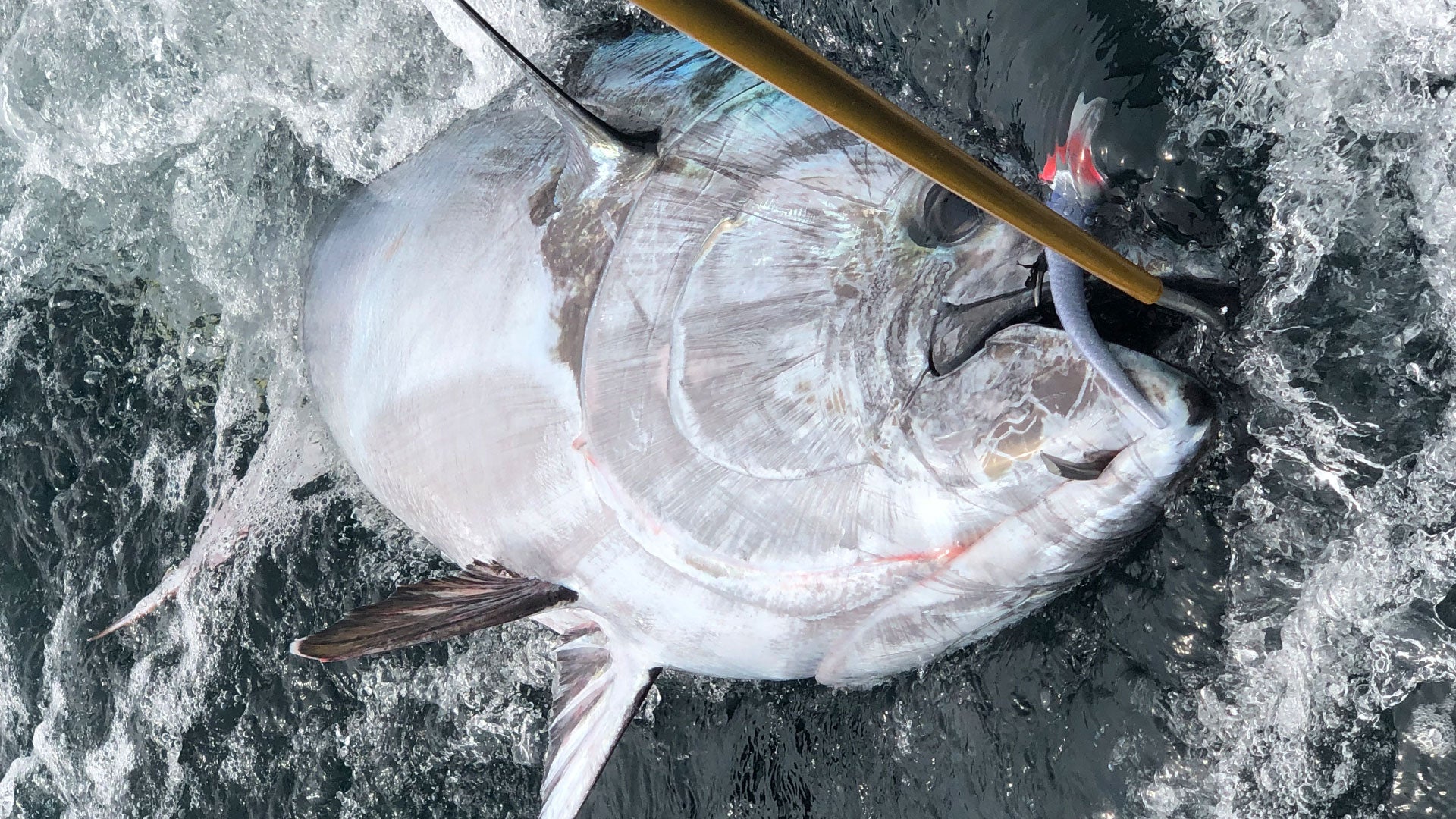
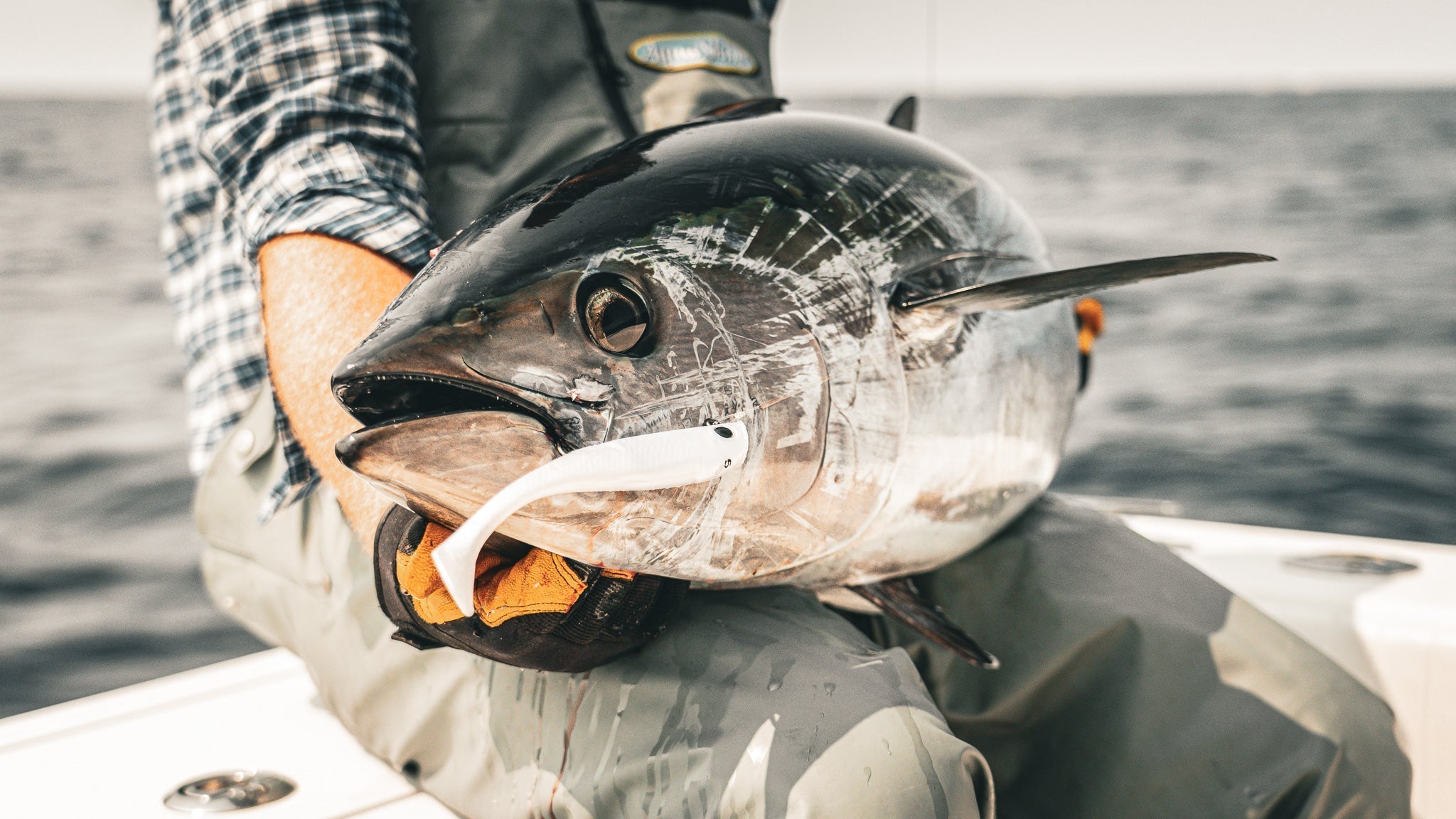
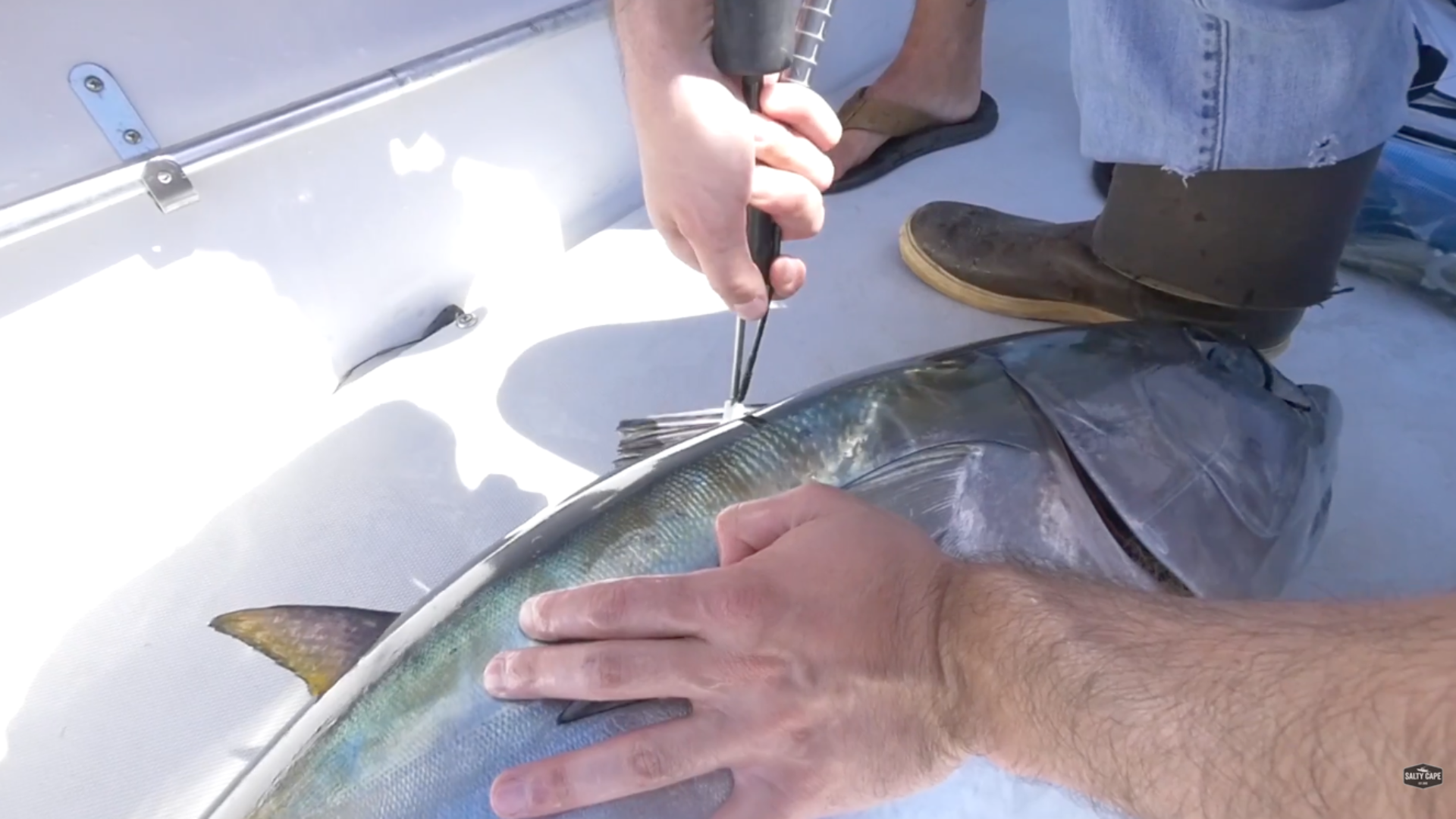
This fish measured approximately 85 inches — well above the current 72-inch recreational slot — and we released it. The revival took nearly 45 minutes alongside the boat. Don’t rush it. The fish came back healthy. That’s what matters.
Bluefin tuna are federally regulated. Slot limits, retention rules, and reporting requirements change. Check current NOAA regulations before each offshore trip — not just at the start of the season.
Step 1 established the forage range and flagged fish size. Step 2 confirmed the biology and left column position open. Step 3 eliminated surface and mid-column presentations through the BASE read — gannet presence confirmed forage depth, inconsistent surface activity pointed deeper, and the sonar marks near the bottom made the final call. Step 4 set up the drift to put the jig in that zone repeatedly. Step 5 executed what the previous four steps had already determined: Harness Jig, bottom third, slow-pitch, hits on the drop.


Leave a comment
All comments are moderated before being published.
This site is protected by hCaptcha and the hCaptcha Privacy Policy and Terms of Service apply.