









Groundfish

Cracking The Code: Spring Haddock & Cod Stellwagen Bank

Cracking The Code: Spring Haddock & Cod Stellwagen Bank

Stellwagen Bank  ·  Early April 2022
Cracking the Code
Location
Stellwagen Bank SE Corner
Month
Early April
Species
Haddock & Cod
System
Jig Biki Rig + Sand Eel Jig
Depth
~130 ft

The Teaser Wins the Debate

Lure vs. bait on Stellwagen in early April — Rob brought the clams, Mike brought the Jig Biki rig. By the end of the first drift, the fish had made the call.

SC
Salty Cape TV powered by Hogy
Early April 2022
9 min read
Offshore drifting approach diagram — Stellwagen Bank haddock

Stellwagen Bank, early April. First film trip of 2022 — and one long-running debate settled before lunch.

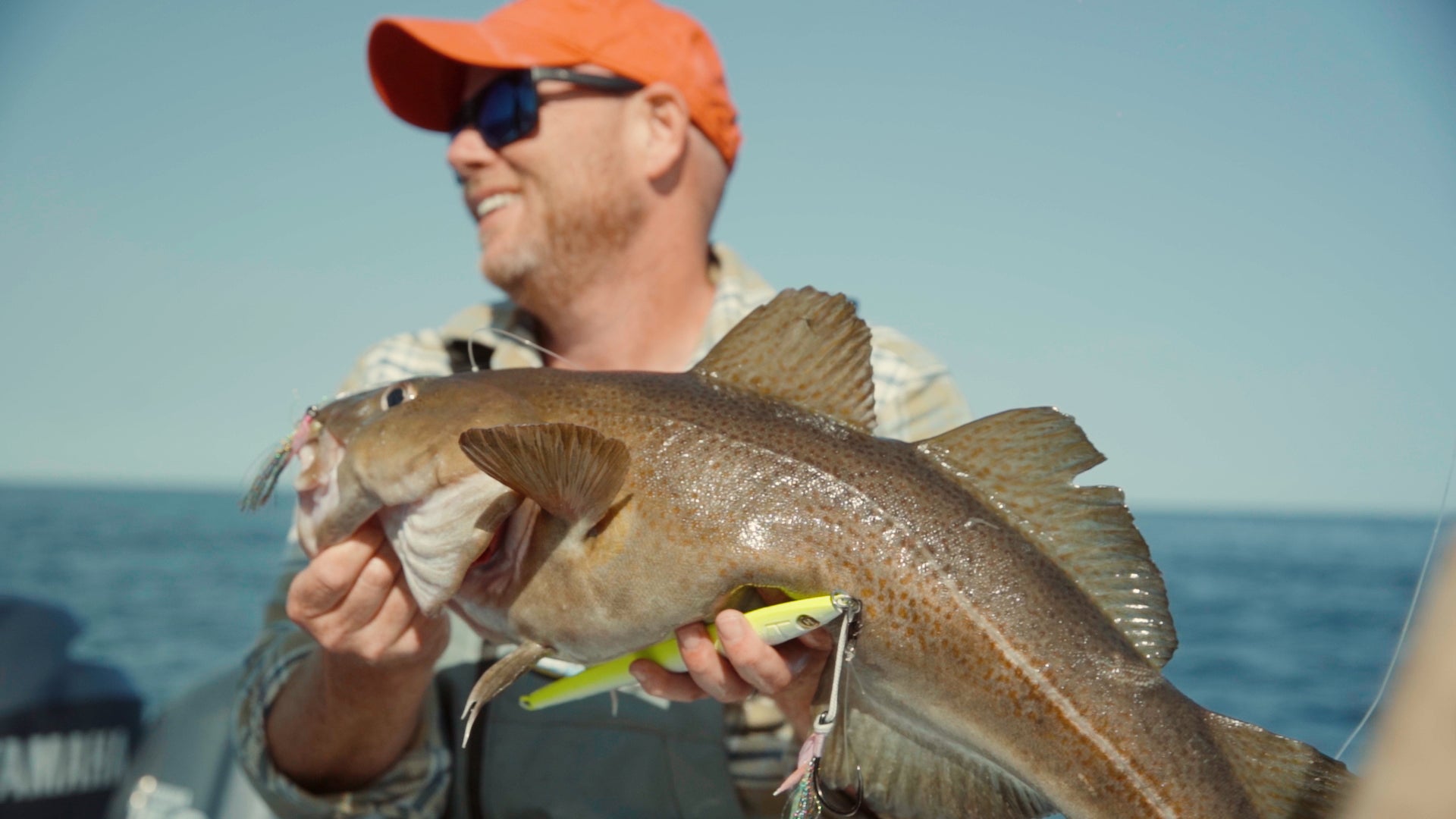
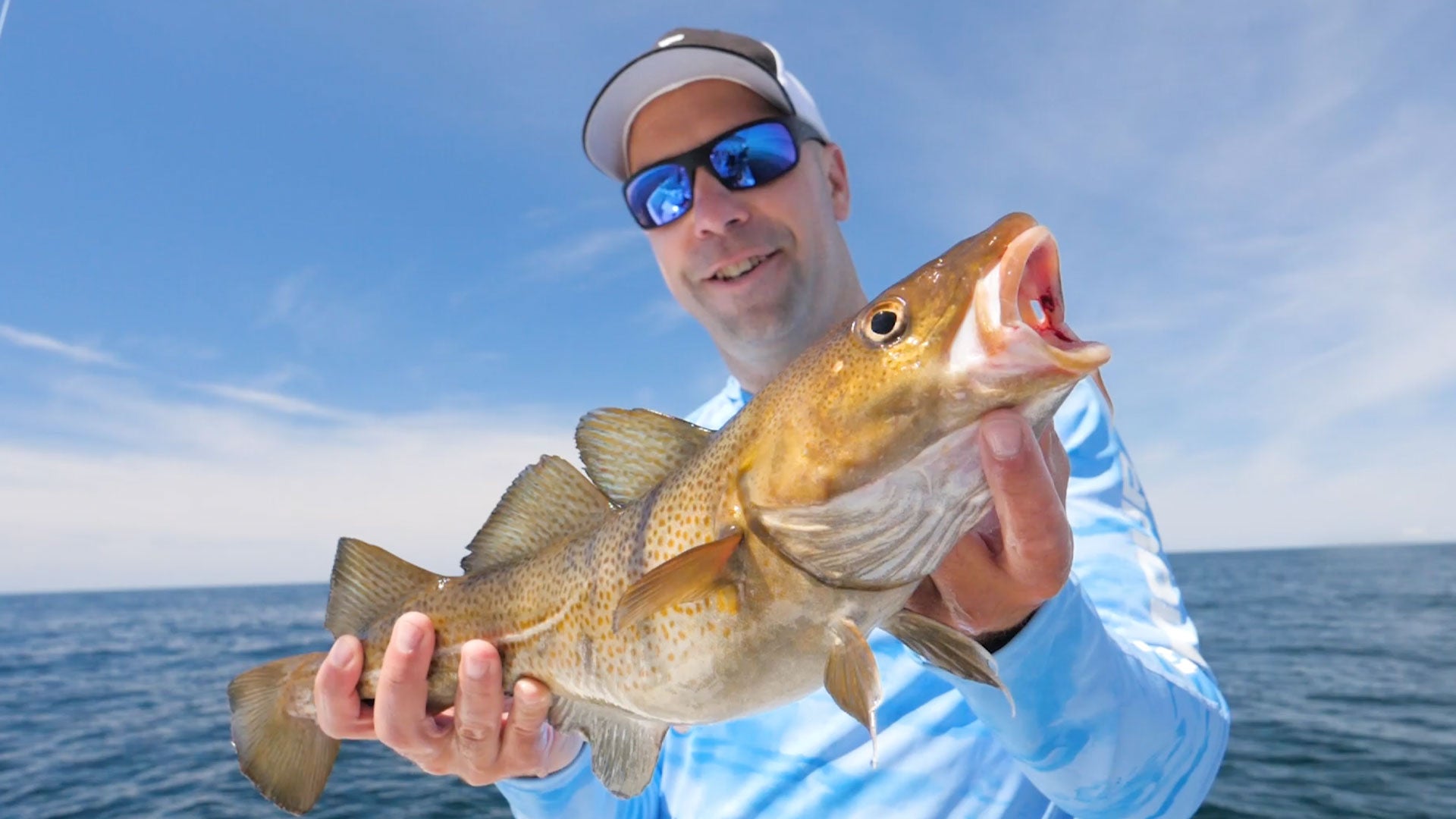
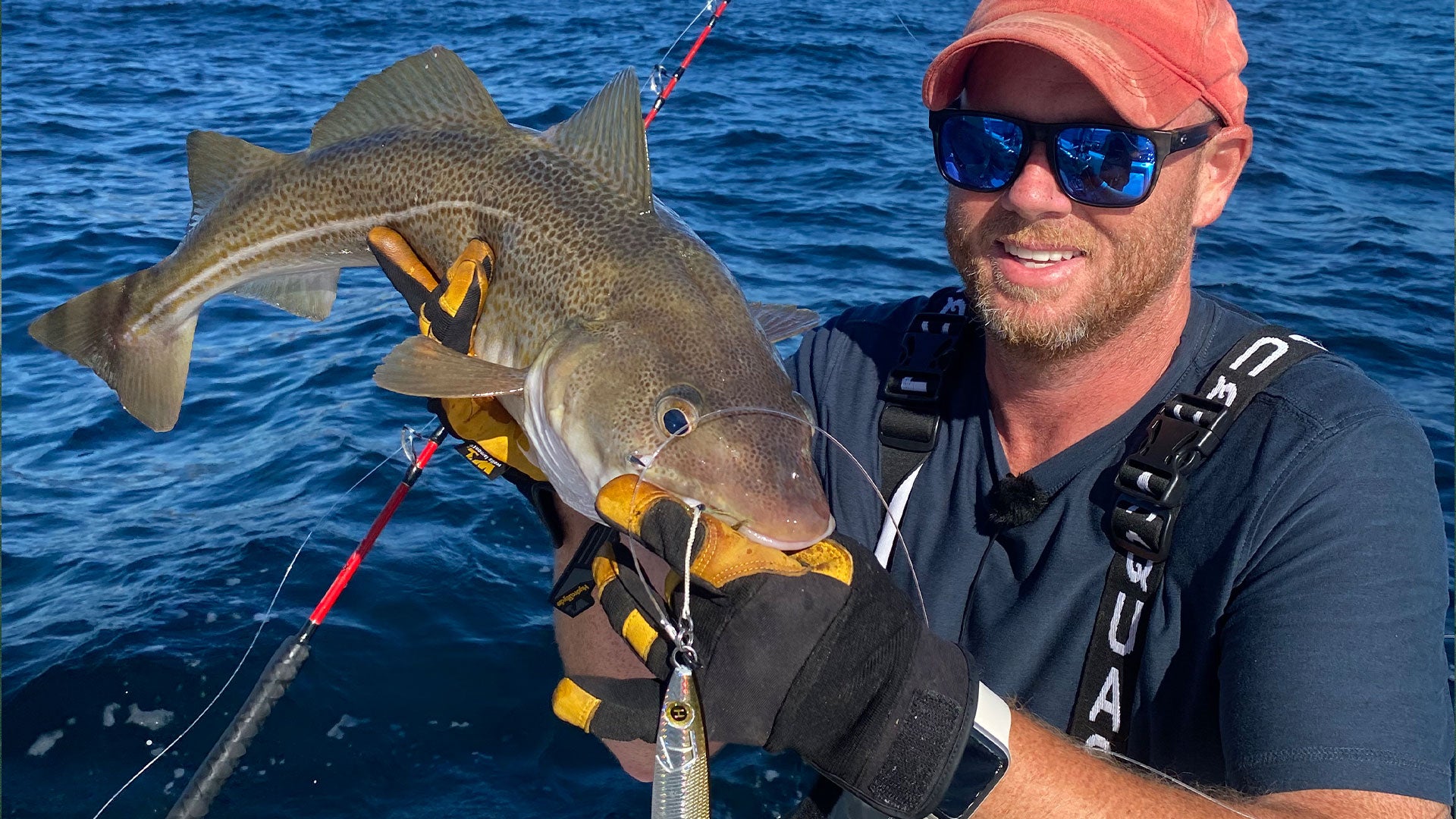
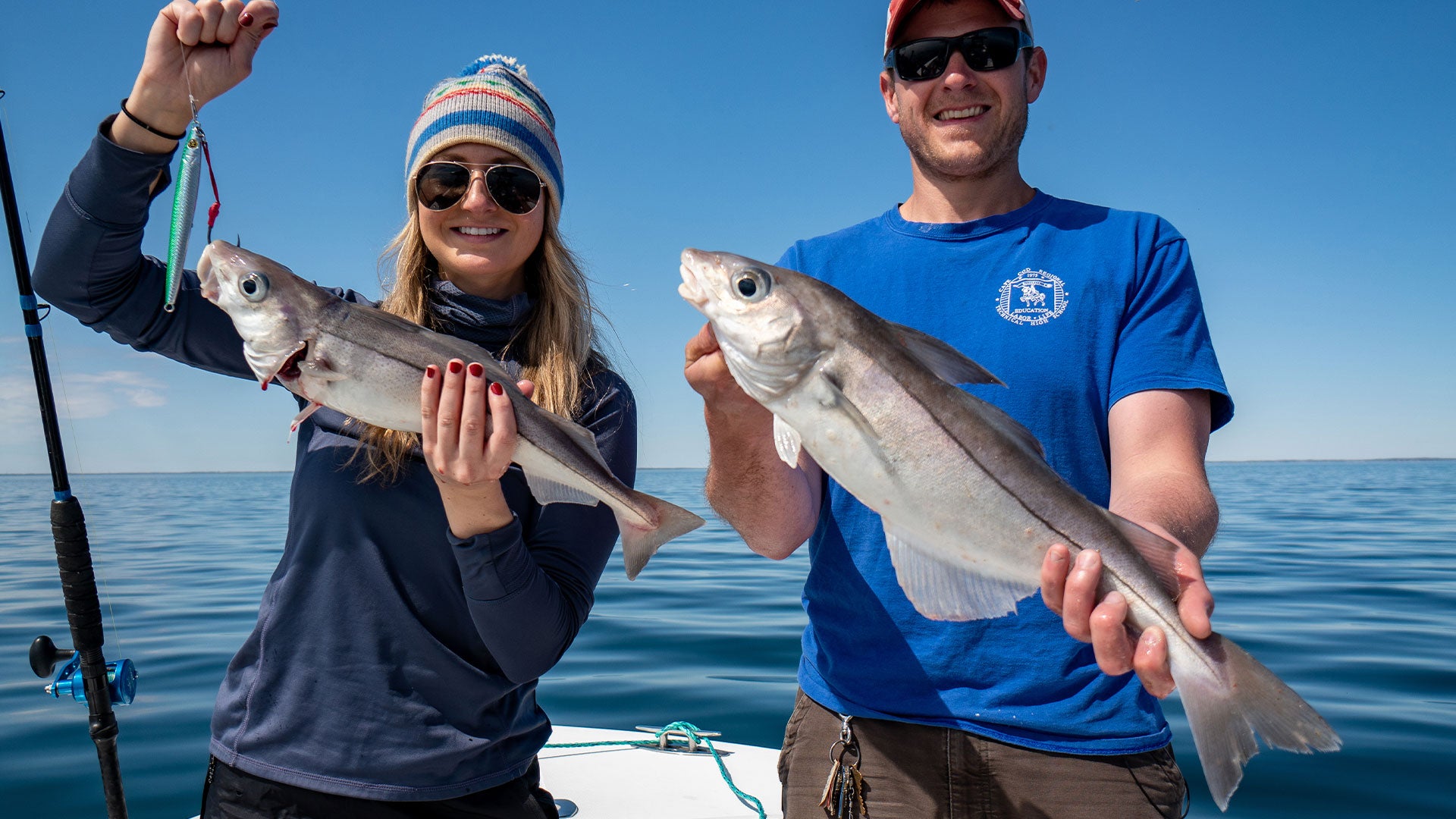
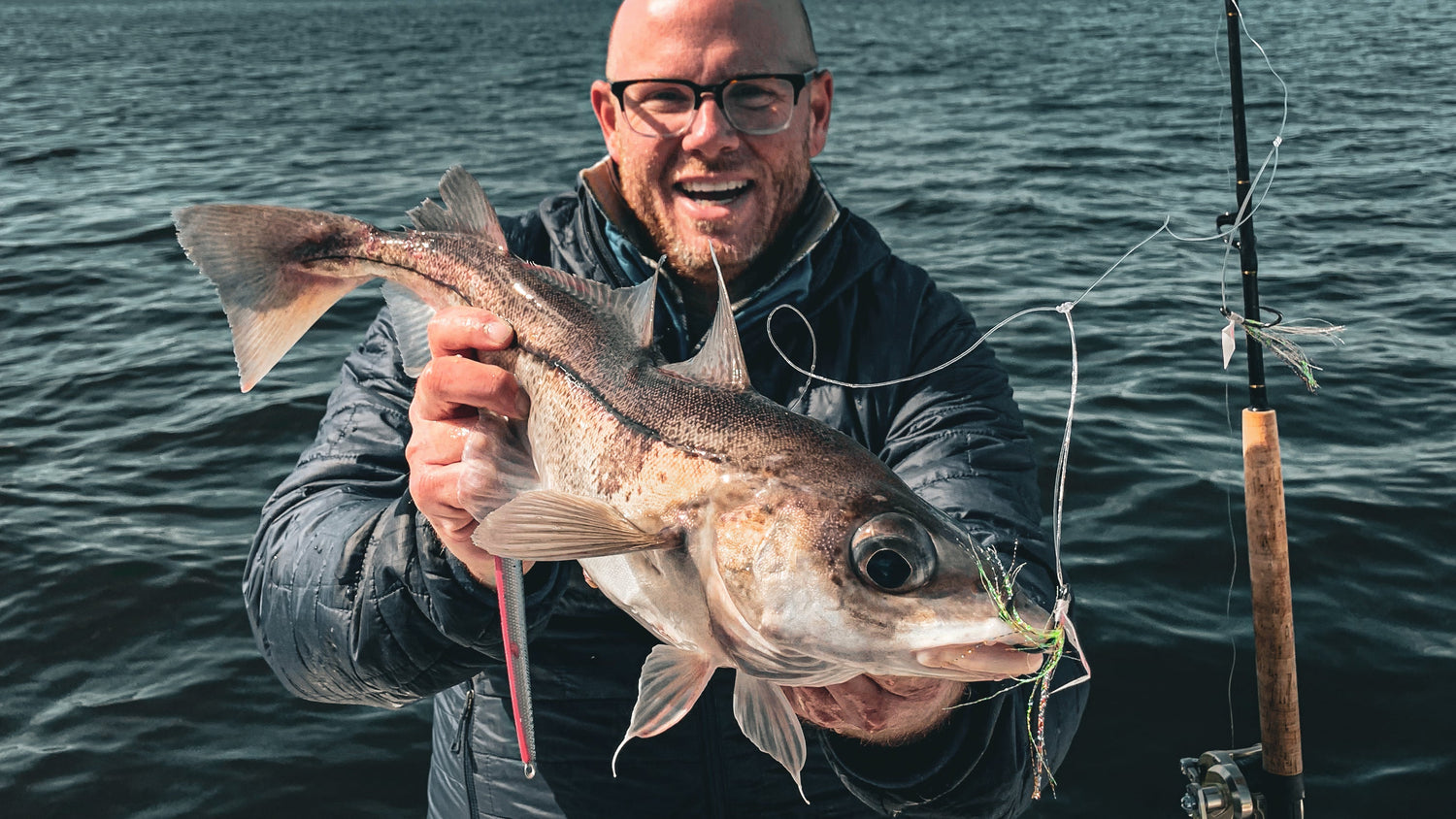
Every April the lure-vs-bait debate comes back around on Stellwagen. Capt. Rob Lowell brought the clams. I brought the Jig Biki rig, baitless, and a high degree of confidence that the teasers would do the work. With Jeff Forten along for the ride, we drifted the southeast corner in about 130 feet of flat-calm water and let the fish decide. Ten to twelve haddock in the box from the first drift. Every single one on the teasers — not the jig body.

The challenge: haddock and cod schooled tight on the bottom at 130 feet in early April. Tight cod regulations before April 15. The presentation has to reach the fish, stay slow enough not to foul-hook short cod, and produce mouth-caught bites — not snagged fish that have to go back stressed.

This was the first film trip of the season. Flat-calm morning, Stellwagen Bank, the kind of early-April day that rewards showing up. Here’s how the system read it.

Step 1Historical Analysis

What the calendar and the bank told us before we left the dock

Context that shapes every decision that follows.

Early April on Stellwagen is the opening of the Cape Cod offshore season. Haddock are resident on the bank year-round — they don’t migrate the way striped bass do. What changes in April is access: the weather breaks, the regulations kick in, and the fish are findable on the southeast corner in the 120–150 foot depth band. Rob had been producing fish at 130 feet the previous week. That’s the starting depth.

Local Knowledge — Stellwagen Bank, Early April
  • 130 ft was the productive depth the week prior. Start there and adjust based on what the sounder shows — bait marks tight to the bottom, not suspended mid-column.
  • Before April 15: one cod per person. The presentation has to minimize foul hooks on short cod schooled in with the haddock. Slow and close to bottom — not a fast aggressive retrieve.
  • Drift resets matter as much as the drift itself. 1,000–1,500 foot passes, circle wide on the reset, use the chartplotter to replicate the productive track.
  • Etiquette: Stellwagen in April is busy. Give boats room. Don’t run through another drift. Everybody can find their own patch — the haddock are spread, not stacked in one spot.
Step 1 output
Early April, SE corner, 130 ft. Search-and-drift, not fixed anchor. Slow presentation required by regulations. Etiquette shapes the drift reset as much as the fish do.
Step 2Environmental Factors

What the conditions confirmed on arrival

Does the environment support what the historical read predicted?

Flat calm, early April. Light current at the start of the session — enough to carry a clean drift, light enough that a 6.5oz jig holds near-vertical contact at 130 feet without fighting to stay down. Cold water temperatures are normal for this time of year; what drives haddock activity is current, not temperature. As the tide started to move through the session, the bite picked up accordingly.

Step 2 output
Flat calm, light current. 6.5oz holds vertical contact cleanly at 130 ft. Bite expected to improve as current builds. Fish the whole session — don’t wait for the tide to turn.
Step 3Observational Factors — B.A.S.E.

What the first drift confirmed

Four layers. Each one narrows the answer further.

MH
The Unlock Key

“All the fish today are coming on the teasers — not the jig body. The Biki teasers quiver naturally in the current while the jig anchors them near the bottom. That’s the system doing the work.”

LayerWhat We SawWhat It Eliminated / Confirmed
B
Birds & Bait
No surface activity. Bait confirmed on the sounder — marks tight to the bottom in 130 feet alongside haddock returns. Small redfish and forage also visible in the zone.
Eliminated all surface presentations. Bait is on the deck, fish are on the deck. Vertical presentation only, bottom contact required on every drop.
A
Activity
Consistent biting through the first drift. 10–12 haddock in the box from one pass. All fish mouth-caught. Every single bite came on the Biki teasers — not the jig body. Debate settled.
Confirmed: the teasers are the primary attractor. The jig anchors the system at depth and provides a larger profile below — but the quivering teaser is what the fish commit to.
S
Structure
Flat gravel/sand bottom at 130 ft. Fish holding tight to the substrate, not suspended. Current building slightly as the session progressed — bite improved with moving water.
Confirmed: rig needs to be close to the deck. Not aggressively worked through the column — quiver on the bottom, let the teasers do the work in the current.
E
Echoes / Sonar
Bait marks tight to bottom confirmed on arrival. Mid-session: a dense pile of returns appeared on the sounder. Circled wide, positioned uptide, dropped right into it. Produced immediately.
Sonar is the primary navigation tool on Stellwagen. When the screen shows a notable pile, circle wide, get uptide, and drop into it. Don’t drive through the mark.
Step 3 output
Fish and bait co-located on the bottom at 130 ft. All bites on the Biki teasers. Slow twitch retrieve, close to bottom. Sonar primary for finding and returning to the productive zone.
Step 4Structure & Approach

Running the drift — and the reset

The approach is as much about the reset as the drift itself.

Drift jigging on Stellwagen doesn’t require complex positioning. The bank is open, the drift direction is set by wind and current, and the job is to cover productive water systematically. What takes judgment is the reset: how to get back uptide without disrupting other boats, without running over your own drift zone, and without blowing through a pile the sounder just showed you.

RL
Capt. Rob Lowell

“I usually try to stick with a thousand to fifteen hundred foot drift at the most and keep them dialed in that way. Every time you make a pass, the bait kind of stays in the area and almost chums up the next fish.”

Approach — step by step

1
Cover ground to find fish. Run the productive depth band (120–150 ft) watching the sounder until you see bait and fish marks tight to the bottom. Don’t commit to a drift until the screen confirms the zone.
2
Set up uptide of the marks. Position the boat so the natural drift carries you over the productive zone. Drop lines as soon as you’re in position — the first drift is diagnostic.
3
Keep drifts to 1,000–1,500 feet. Long enough to cover the zone, short enough to stay dialed in. Each pass distributes scent that holds fish for the next drift if you’re running bait.
4
Reset wide. Use the chartplotter to see where your line was and circle well clear of the zone before repositioning. Don’t run back through the mark or through other boats’ water.
5
When the sounder shows a pile, circle back. Get uptide of the mark and drop into it immediately. Don’t drive through it — position uptide and let the drift carry you in.
6
Give boats room. Stellwagen is large enough that you never need to crowd another drift. If they found fish, find your own patch nearby. The haddock are spread — not stacked in one boat-length.
Offshore drift approach diagram — Stellwagen Bank bird's eye

Drift track over the productive zone. Reset wide, replicate the track. When the sounder shows a pile mid-reset, circle uptide and drop into it.

Step 4 output
Search-and-drift, 1,000–1,500 ft passes. Reset wide using chartplotter. Sonar primary for locating and returning to the zone. Etiquette is part of the approach.
Step 5Gear, Lure & Technique

The system that settled the debate

Not just a jig. A system. And the fish voted.

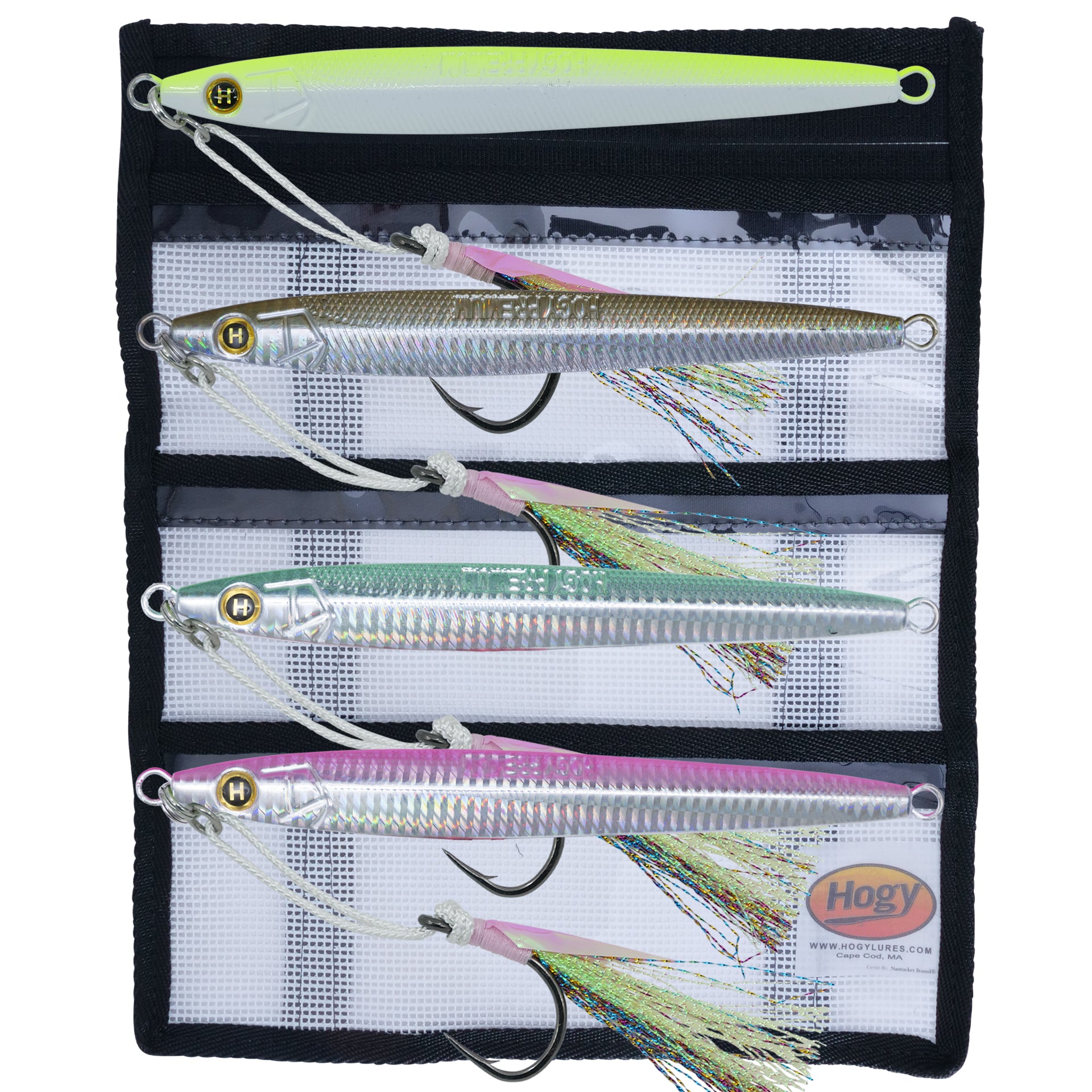
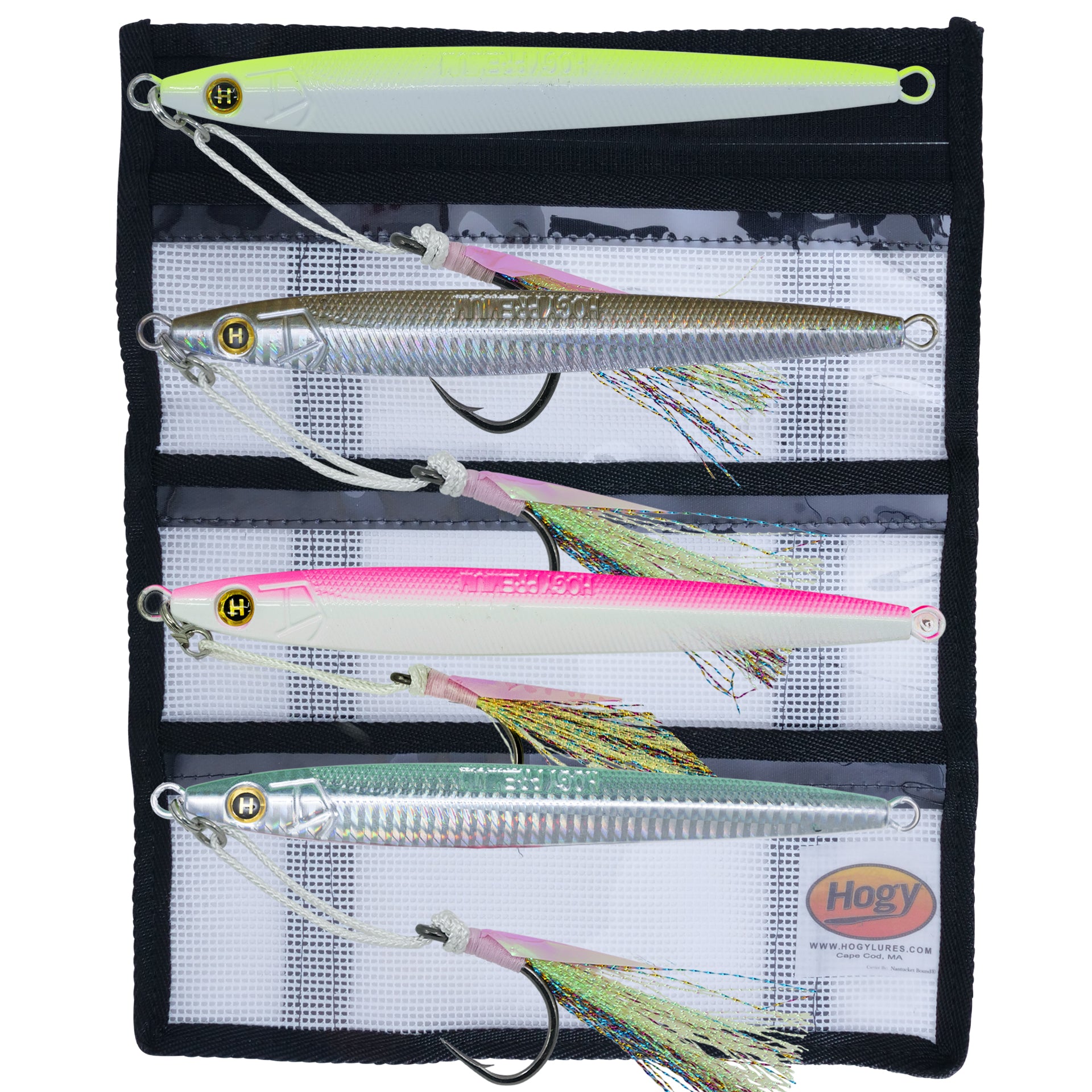
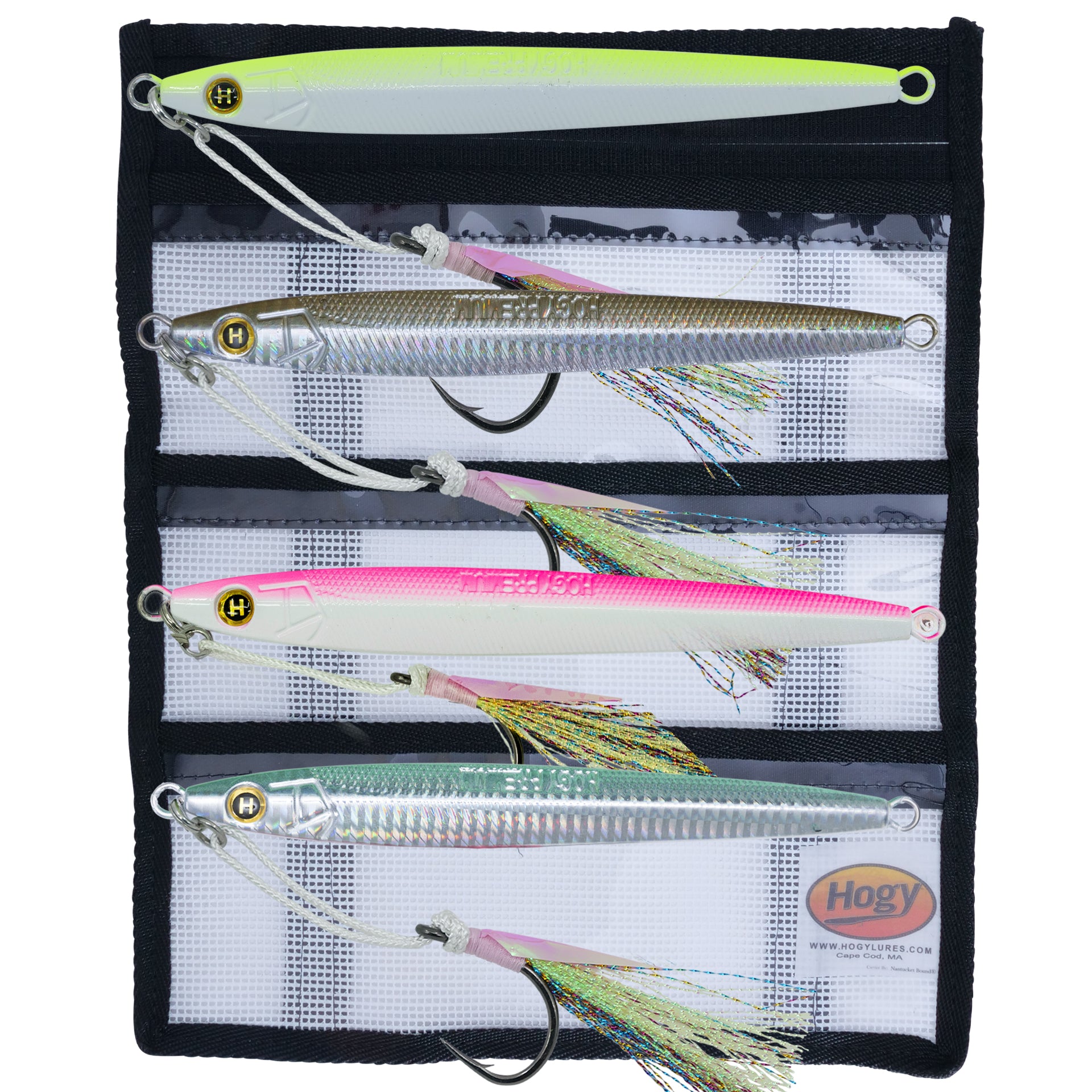
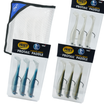
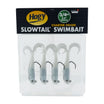
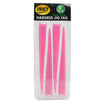
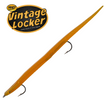
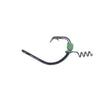
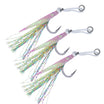
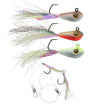
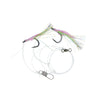
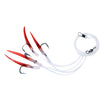
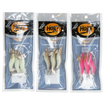
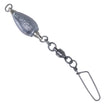
The Hogy Jig Biki Rig is a high-low teaser system with a snap at the bottom that accepts a jig or sinker. Clip on a Sand Eel Jig and you have two attractors working at once: the jig body below as weight and profile anchor, and the Biki teasers above quivering naturally in any current. You can tip the teasers with bait or fish them clean. On this day, clean outperformed bait — and every fish came on the teasers.

The Lure for the Job
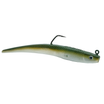
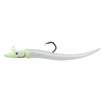
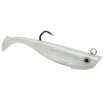
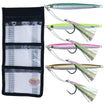
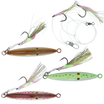
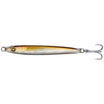
Hogy Jig Biki Rig + Sand Eel Jig 6.5”
The System
Jig Biki Rig on top — a high-low teaser rig with crystal Biki teasers and a dual-lock snap at the bottom. Sand Eel Jig clips onto the snap. The jig provides weight to hold depth; the teasers above it provide natural quivering action in the current. Fish commit to both elements, but on this day committed entirely to the teasers.
Action
The teasers respond to the lightest rod movement — quivering and pulsing without any aggressive input. On a slow twitch, close to the bottom, they mimic small forage in the current naturally. The jig anchors the rig at depth and provides a larger attractor profile below the teasers.
Speed
Very slow. Fish slow. The name of the game on this day was minimal movement, maximum bottom contact. Short twitches, long pauses. Think quiver, not jig — particularly important before April 15 when minimizing foul hooks on short cod is part of responsible fishing.
Color
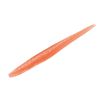
Pink on the Sand Eel Jig — a reliable haddock color on Stellwagen, where small redfish and juvenile forage are present in the zone. The crystal Biki teasers are motion-driven attractors. When one color or profile is noticeably producing, note it and commit to it.
Weight
6.5oz holds near-vertical contact at 130 feet in flat-calm conditions with light current. In stronger current or faster drift, upsize the Sand Eel Jig to maintain contact. The Biki Rig stays the same — only the jig weight changes.
Rigging
  • Jig Biki Rig ties directly to leader via the top crane swivel. Simple clinch knot.
  • Sand Eel Jig clips onto the dual-lock snap at the bottom — no knot, easy weight swaps.
  • Fish clean or tip teasers with bait (clams, squid). Clean outproduced bait on this trip.
  • 60lb braid + fluorocarbon top shot (~12 ft). Gets down fast, maintains feel at depth.

Outfit

Loadout
Rig
Hogy Jig Biki Rig + Hogy Sand Eel Jig 6.5”, pink — teaser rig with jig on snap
Rod
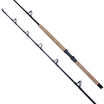
Hogy Hybrid Rod — shorter, parabolic action, glass in blank, soft and forgiving for conventional vertical jigging
Reel
Avid JX conventional — 6:1 gear ratio, large spool, light all-day outfit
Line
60 lb braid + ~12 ft fluorocarbon top shot
Technique
Twitch Jig — short twitches from the rod butt, rig stays close to the bottom, teasers quiver

The Twitch Jig retrieve — step by step

1
Drop to the bottom. Feel the jig make contact. Confirm before lifting — you want the rig near the deck, not arcing through the mid-column.
2
Twitch from the rod butt. Most of the action comes from your hand on the rod butt — short, subtle twitches. The jig barely moves. The Biki teasers above it quiver and pulse in response.
3
Stay tight to the bottom. After each twitch, let the rig settle back down. Confirm contact before the next twitch. This is not a lift-and-drop retrieve — it’s a quiver on the deck.
4
Set on any resistance. At this slow a retrieve, fish essentially pick the teaser up. The strike is often a softening of the line or a subtle added weight. Any change in feel — set it.
5
Wind steadily from 130 feet. Haddock make a few short runs and come up cleanly. The soft parabolic rod absorbs the fight and protects light teaser hooks. Don’t rush the last 20 feet.
6
Note where on the drift the bite came. If multiple fish hit at the same point on the chartplotter track, that’s your zone. Replicate the drift to put the rig back through that window on every subsequent pass.
Twitch Jig retrieve diagram — Sand Eel Jig and Biki Teaser system

Twitch Jig retrieve — short twitches from the rod butt, rig stays near the deck. The Biki teasers quiver while the Sand Eel Jig anchors the system at depth.

MH
Capt. Mike Hogan

“I’m not out-fishing the bait — I’m catching just as many fish, making less of a mess. I don’t feel like I’m at a disadvantage. And all my fish are mouth-caught. None foul-hooked.”

Haddock have no teeth — reach right into the mouth to remove the hook. Before April 15: one cod per person. Check current NOAA and Massachusetts DMF regulations for size limits, bag limits, and seasonal windows before your trip.

The decision at a glance

Signal from the SystemDecision
Early April, 130 ft, Stellwagen SE cornerFirst haddock window. Rob was producing at this depth the prior week. Start here.
Tight cod regulations before April 15Slow presentation only. Minimize foul hooks. Twitch Jig, not a fast aggressive retrieve.
All bites on the teasers, not the jig bodyThe system is working. The jig anchors — the teasers catch. Stay on it.
Lure vs. bait debateFish clean. Teasers matched bait production with less mess and all mouth-caught fish.
Dense pile on sounder mid-sessionCircle wide, get uptide, drop into it immediately. Don’t drive through the mark.
Bite improves as current buildsStay on the zone through the session. Moving water activates the bite — don’t leave early.
Busy bank with multiple boatsDrift your own patch. Reset wide. Give boats room. Stellwagen is big enough.
Conservation Note — Cod & Haddock

Cod stocks in the Gulf of Maine are in active rebuilding. The slow Twitch Jig presentation with teasers is specifically designed to minimize foul hooks on short cod schooled with the haddock. Every fish on this trip was mouth-caught. Measure every fish, release shorts immediately in good condition, and confirm current NOAA and Massachusetts DMF regulations before keeping any groundfish. A soft rod and a slow retrieve are the right tools for responsible early-season groundfishing.

Step 5 output
Hogy Jig Biki Rig + Sand Eel Jig 6.5”, pink. Hogy Hybrid Rod, Avid JX conventional, 60lb braid. Twitch Jig retrieve — short twitches from the rod butt, close to the deck. All fish on the teasers. Fish clean.
Putting it together
How the system settled the debate

Step 1 set the context: early April Stellwagen, haddock resident on the SE corner, tight cod regulations requiring a slow conservative presentation. Step 2 confirmed flat-calm drifting conditions. Step 3 locked in the answer: all bites on the Biki teasers — not the jig body. The teasers quivering naturally in the current were the actual attractor; the Sand Eel Jig was the anchor. Step 4 built the drift plan: search-and-find, 1,500 foot passes, wide resets, sonar primary. Step 5 executed: Jig Biki Rig on a 6.5” Sand Eel Jig, Twitch Jig retrieve, near-zero speed, close to the deck. Ten to twelve haddock in the box from the first drift, all mouth-caught, no bait required. Debate settled.

Next in the series
Cracking the Code: [ Next Episode ]
[ One-line teaser. ]
Haddock Cod Jig Biki Rig Sand Eel Jig Stellwagen Bank Offshore Groundfish Twitch Jig Capt. Mike Hogan Capt. Rob Lowell Cracking the Code

Reading next

Cracking The Code: Bottom Grubbing Giant Bluefin Tuna
Cracking The Code: Spring Squid

Leave a comment

All comments are moderated before being published.

This site is protected by hCaptcha and the hCaptcha Privacy Policy and Terms of Service apply.

Related Videos

Twitch Jigging for Cod in Deep Water

I recently had the chance to head out for one of my all-time favorite fishing trips—cod fishing east of Chatham on Cape Cod. There’s something about jigging for cod in these deep waters that never gets old. On this trip, we targeted cod using a combination of traditional jigging techniques and some modern gear tweaks

How To: Plan B Cod Fishing South of Martha's Vineyard

Capt. Mike and the Salty Crew head out to Coxes Ledge, a well-known cod fishing spot, south of Martha's Vineyard. When tuna fishing fails, cod fishing is a good back up as these fish are easy and fun to catch!

Stellwagen Cod & Haddock Slow Pitch Jigging

Capt. Mike Hogan & Capt. Rob Lowell showcases techniques for slow-pitch style jigging Cod and Haddock off Stellwagen Bank using the new Hogy Flutter Pitch Jig & Diesel Mack Sabiki Rig.

How-To: Haddock Fishing With Hogy Sand Eel Jigs

It's the early season on Cape Cod as we head to Stellwagen Bank in search of shoals of haddock in pursuit of sand eels with Hogy Pro Capt. Robert Lowell of Cape Cod Offshore Charters. Today's greasy calm seas make for a picturesque day of filming while Rob fills the cooler to stock up the freezer and match a batch of fresh fish tacos.

Related Blogs

CastingCrack The Code: Micro Squid Rips Finicky Stripers

Crack The Code: Micro Squid Rips Finicky Stripers

Cracking the Code: Four Retrieves on One Cast — Surface Eraser vs. Finicky Monomoy Stripers Striped Bass  ·  Monomoy Rips  ·  Mid-June Cracking the Code Capt. Mike Hogan &...

InshoreCrack The Code: Monomoy Rips Topwater Striper

Crack The Code: Monomoy Rips Topwater Striper

Cracking the Code: Poppers on a Squid Bite at Monomoy Striped Bass  ·  Monomoy Rips  ·  S2022 E6 Cracking the Code Capt. Mike Hogan  ·  Salty Cape TV powered by Hogy ...

InshoreCracking The Code: Monomoy Rips Striped Bass

Cracking The Code: Monomoy Rips Striped Bass

Cracking the Code: Surface Eraser on the Monomoy Squid Rips Striped Bass  ·  Monomoy Rips  ·  S2024 Cracking the Code Capt. Mike Hogan  ·  Salty Cape TV powered by Hogy ...

Bluefin TunaCracking The Code: Light Tackle Bluefin - The Gully

Cracking The Code: Light Tackle Bluefin - The Gully

Light-Tackle Bluefin  ·  The Gully  ·  S2025 E6 Cracking the Code Capt. Mike Hogan  ·  Salty Cape TV powered by Hogy Location The Gully — S. of Block Island Season Midsummer Species Bl...

Black SeabassCracking The Code: Deep Summer Seabass

Cracking The Code: Deep Summer Seabass

Cracking the Code: Deep Summer Sea Bass — Long Drifts, No Bait, 95 Feet Deep Summer Sea Bass  ·  Vineyard Sound Cracking the Code Capt. Mike Hogan  ·  Salty Cape TV powered b...

Black SeabassCracking The Code: Seabass Three Ways

Cracking The Code: Seabass Three Ways

Sea Bass Three Ways  ·  Eldridge Shoal  ·  S2025 E3 Cracking the Code Capt. Mike Hogan  ·  Salty Cape TV powered by Hogy Location Eldridge Shoal Season Early Summer Species Black Sea B...