








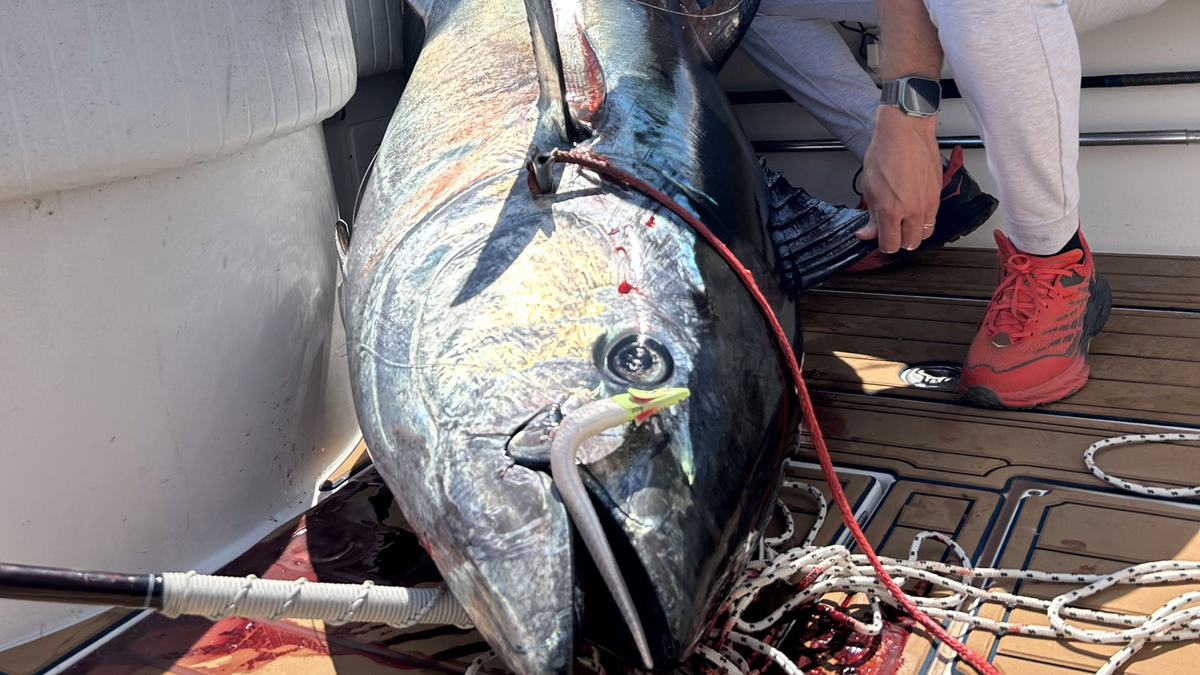
Gear Deep Dive: Tuna Harness Jig (The Slow-Down Button)
Slow. Natural. Giant-Grade. The jig I tie on when tuna stop chasing.

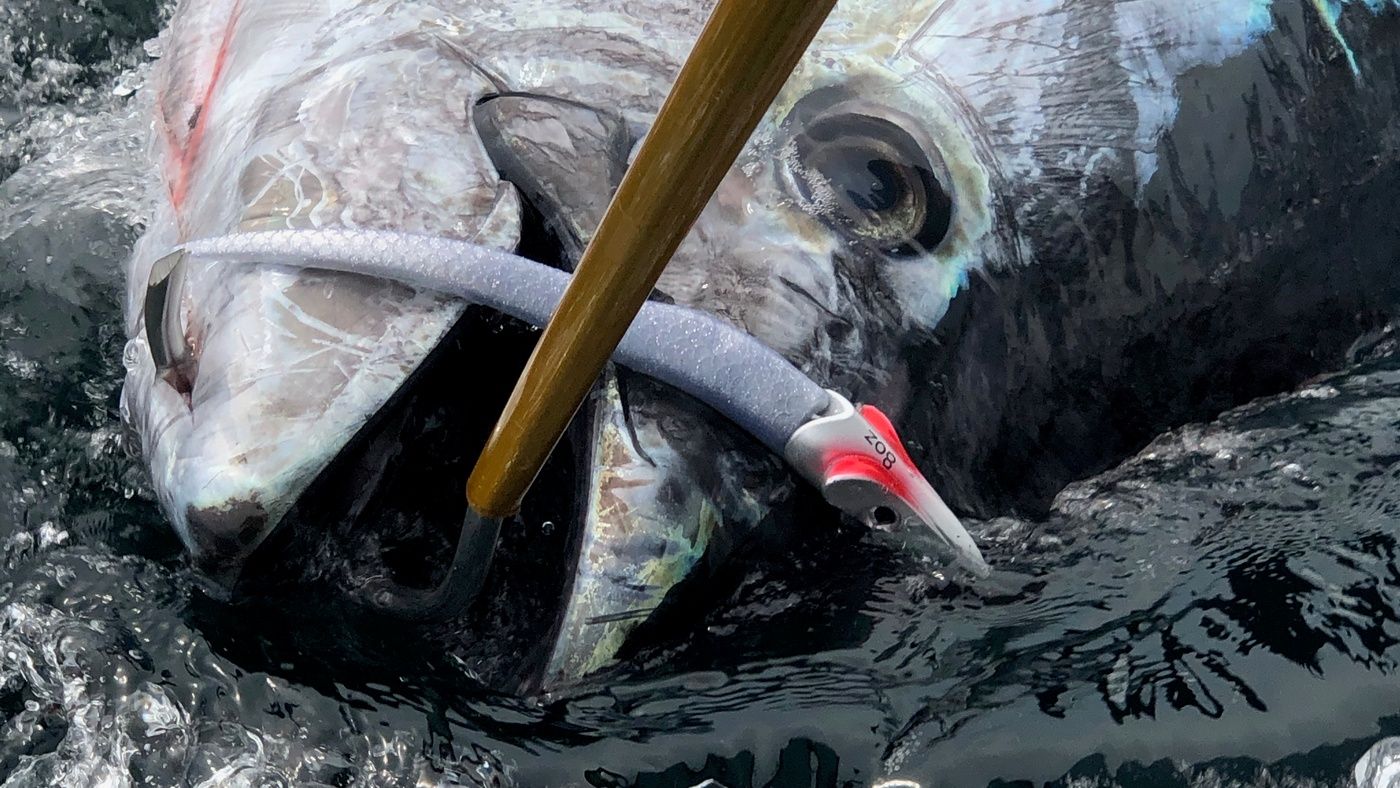
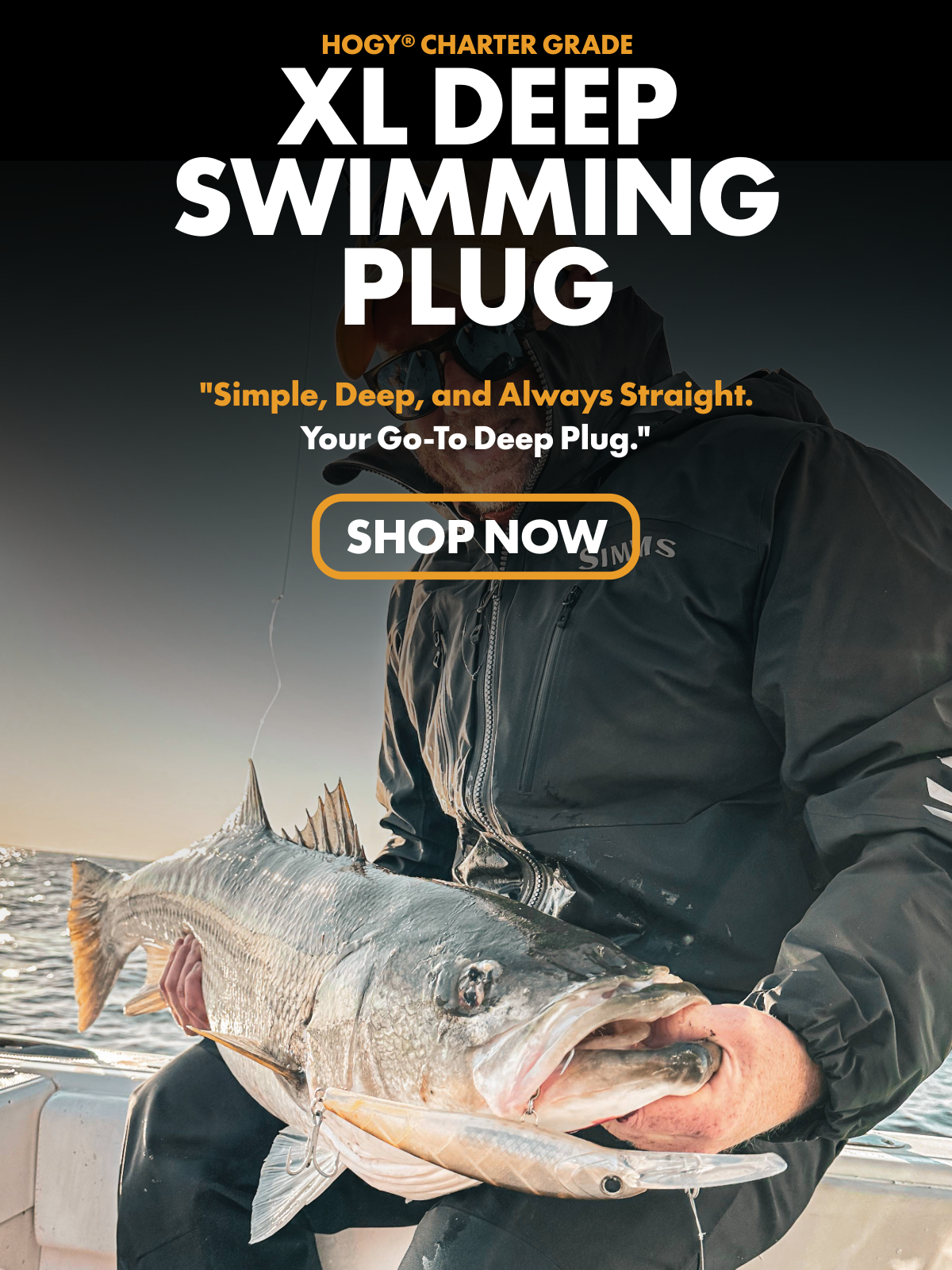
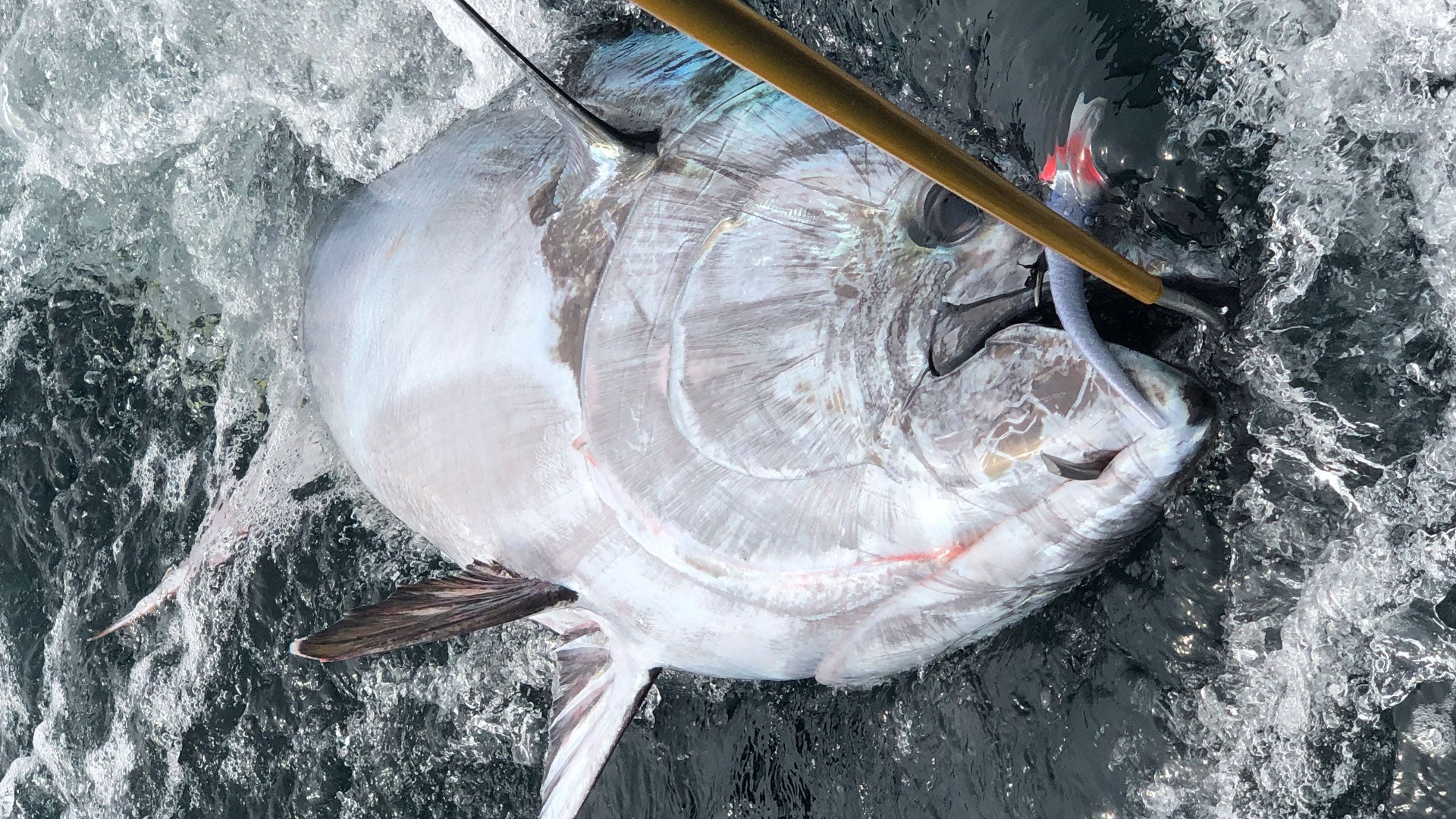
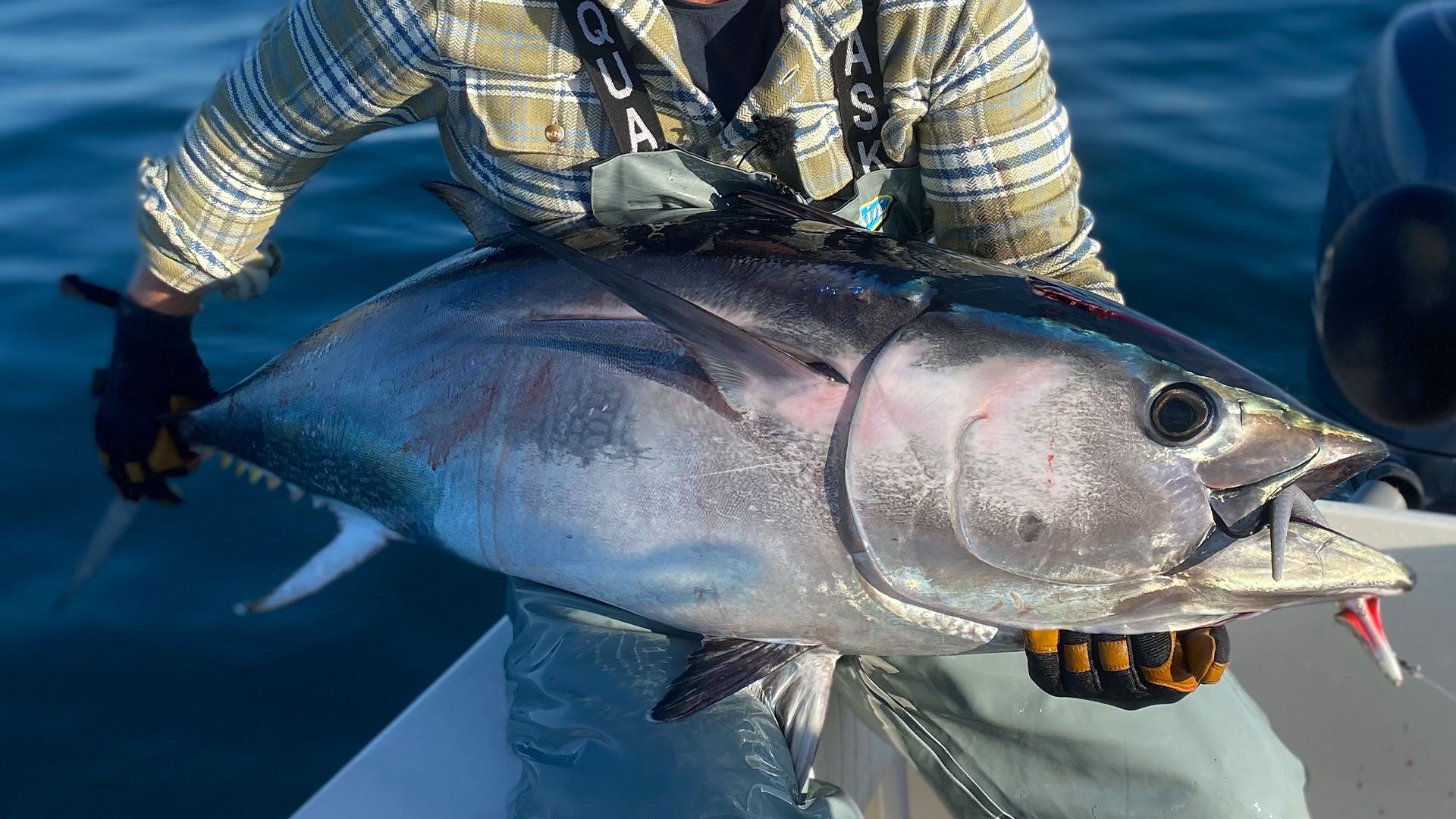
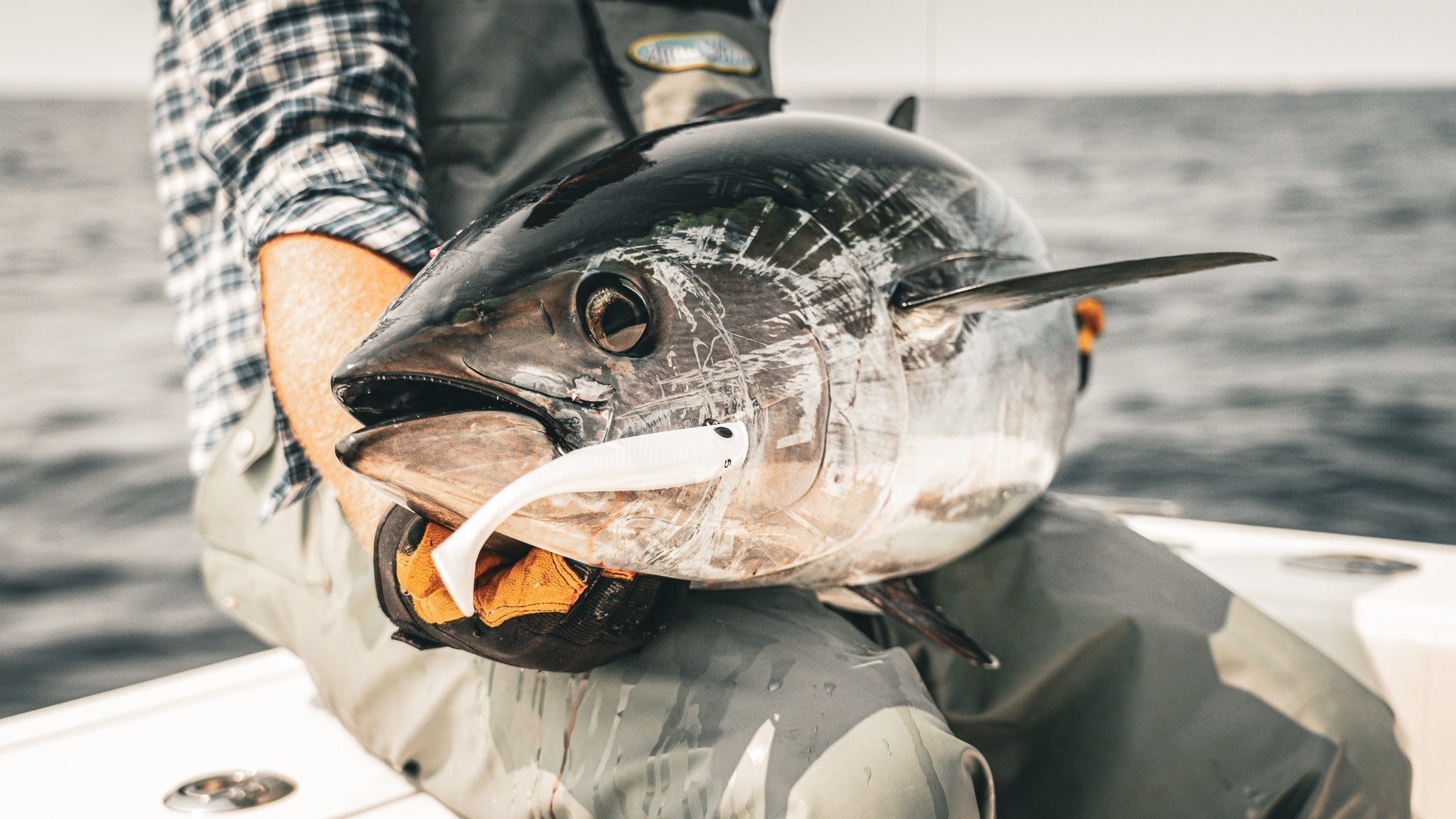
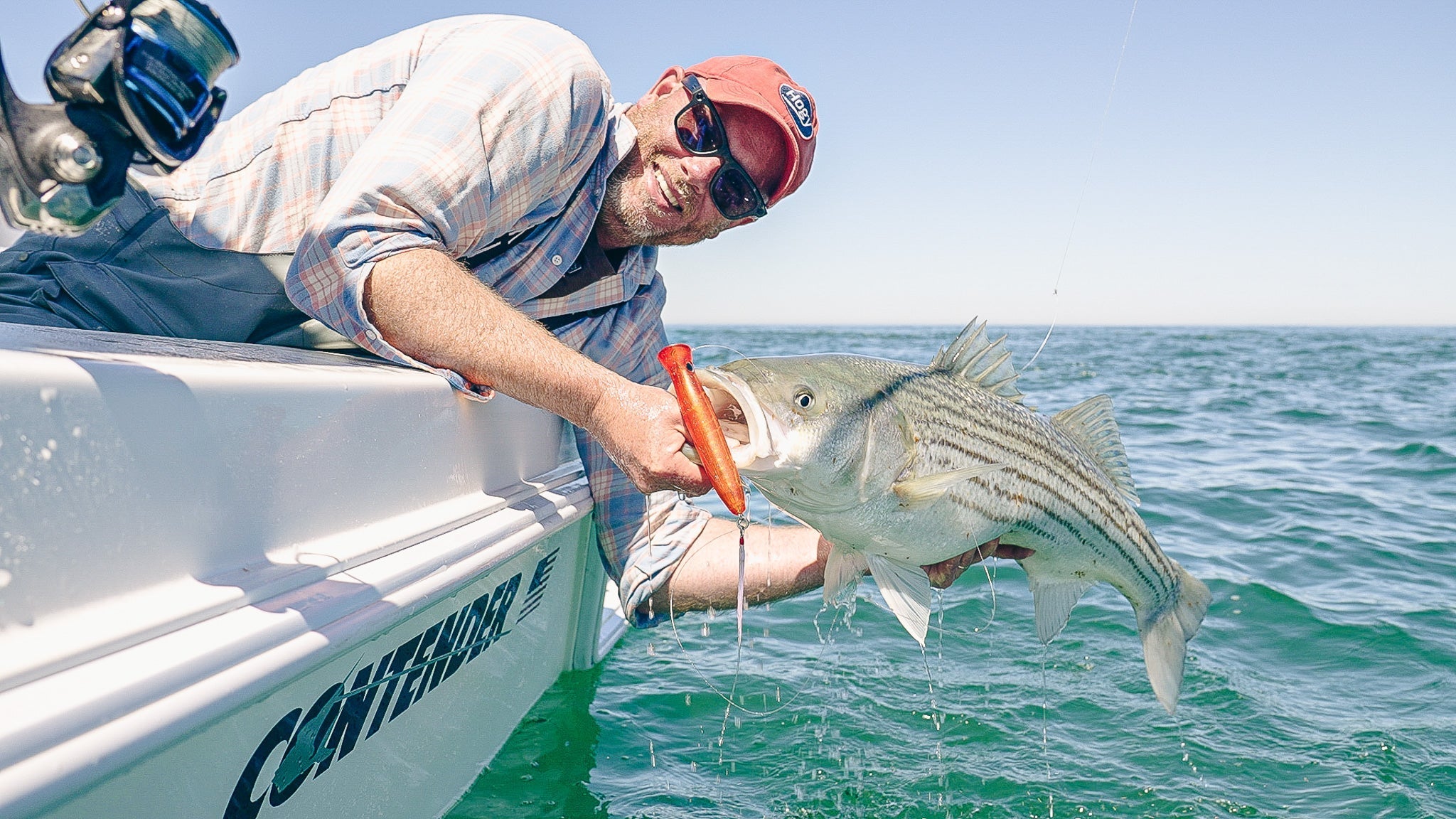
Bluefin at the boat, Harness Jig in the jaw.
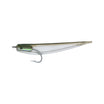
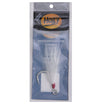
The Hogy Harness Jig is the lure we tie on when tuna stop chasing. We kept seeing tuna eat soft baits on a dead drift and at very slow jigging speeds, which meant they were getting a long, clear look before they committed. So we built a jig that holds up to that look, and holds on to the fish that follow through.
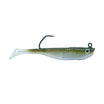
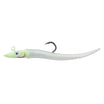
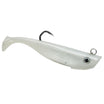
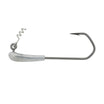
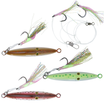
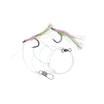
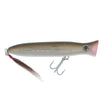
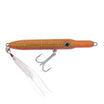
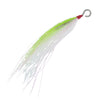
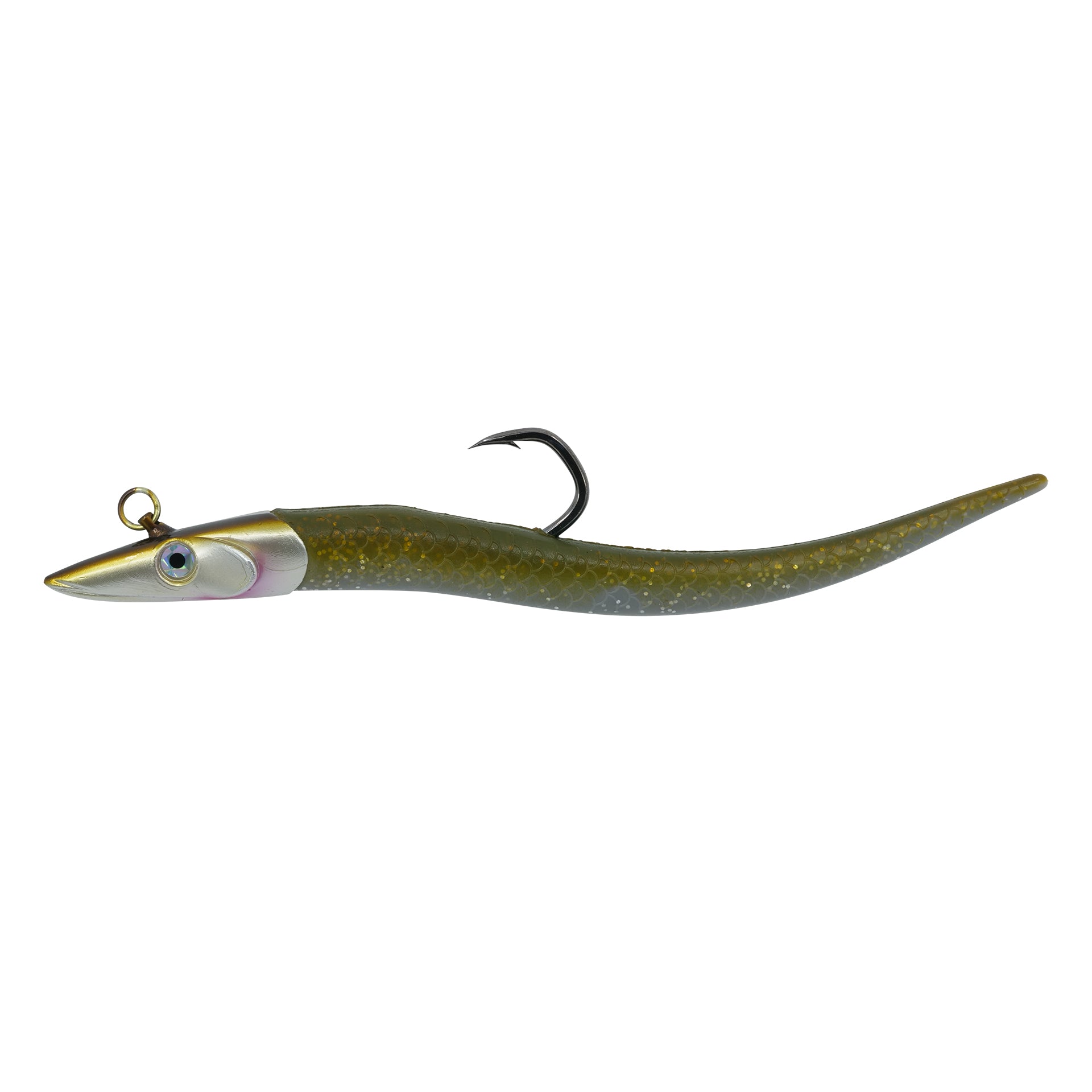
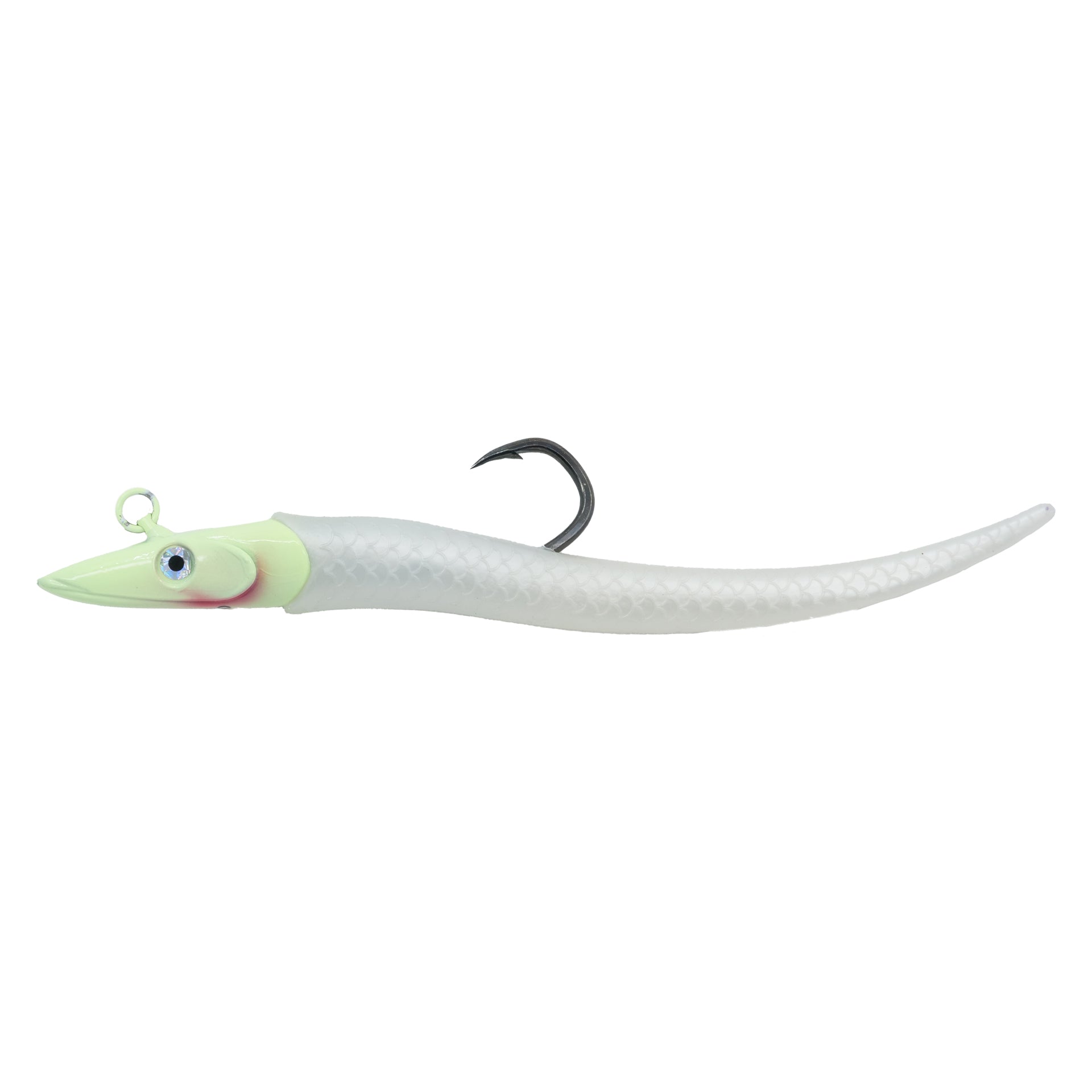
An airbrushed head with oversized eyes, matched to the tail. Flared gills that spiral the bait on the drop. A 500 lb stainless harness from the nose swivel to a 6X VMC hook, built for the giants that eat it. Fish it slow, slower than feels right, and let the Speed Tail do the work.

- The casting and kerplunk favorite
- Light current, 60 to 100 ft; about 150 ft on a slow drift
- Olive Silver, Pink, Green, Glow Bone

- The everyday jigging weight, 60 to 100+ ft
- Our pick for the flat line behind a bird bar spread
- Olive Silver, Pink, Green, Glow Bone

- Deeper water and heavier current
- Step to conventional gear in 150+ ft
- Olive Silver, Pink, Glow Bone

- One tail fits the 4, 6 and 8 oz heads
- HDUV plastic, rigging channel, solid midsection
- Olive, Silver, Bone, Pink, Green
Product overview
Size options
All three weights take the same 8" Harness Speed Tail. The weight changes depth and current handling; the profile and the fall stay the same. Fish the lightest jig that keeps you straight up and down.
| Weight | Overall | Where it fits |
|---|---|---|
| 4 oz | 10" | Casting and kerplunk favorite. Jigs light current in 60 to 100 ft, and down to about 150 ft on a slow drift. |
| 6 oz | 11" | The everyday jigging weight for 60 to 100+ ft and moderate current. Our pick for the flat line behind a bird bar spread. |
| 8 oz | 12" | Deeper water and heavier current, when the lighter jigs lose vertical contact. Step to conventional gear in 150+ ft. |
Color options
Jig colors: Olive Silver, Pink, Green, Glow Bone (8 oz: Olive Silver, Pink, Glow Bone). Speed Tail 4-packs: Olive, Silver, Bone, Pink, Green.
| Color | When I use it |
|---|---|
| Olive | The sand eel match. Start here when fish are selective. |
| Pink | Visibility and contrast without speed. Dirty water or stubborn fish. |
| Green | Natural with some pop, when olive gets looks and no bites. |
| Glow Bone | Low light and deep water, when visibility is the problem. |
| Silver | Clear water and strong sun on a sand eel bite. |
Change your retrieve before you change your color.
Key features
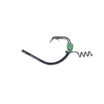
- 500 lb stainless harness, 2X stronger than a cotter pin. Traditional jigs hang the hook on a cotter-pin connection, the weak point under extreme pressure. Ours runs a 500 lb test stainless harness from the nose swivel to the hook, so you can fight a giant at full drag.
- Swivel molded into the nose. An oversized ball-bearing swivel lives inside the head. No extra swivel or split ring, less hardware for a slow-looking tuna to inspect, and no line twist on slow drops.
- Semi-stiff hook connection. Heat-shrink tubing sleeves the harness-to-hook joint. The hook can flex under load, which keeps pressure on the fish and off the bait. That flex raises the hook-up ratio.
- Hook set back into the bait. The harness carries the hook back into the bait just far enough to cut down on tail snags from short strikes and keep hook-ups positive.
- Cyclonic drop. Flared gills and precise weighting spin the jig into a slow, fluttering spiral on the fall, like a stunned sand eel. Most of our bites come on the drop.
- Airbrushed head, oversized eyes. Hand-airbrushed heads match the tail patterns, so the bait holds up when a tuna gets a long, close look on a slow presentation.
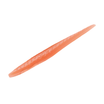
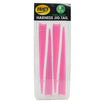
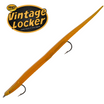
- UV Speed Tail, one size for all three. The 8" HDUV Speed Tail fits the 4, 6 and 8 oz heads. One tail to carry. The rigging channel and solid midsection keep it from sliding on the harness.
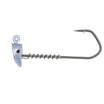
- VMC Barbarian hook, sickle bend. 10/0 VMC Barbarian Tuna Live Bait hook, 6X strong. Sharp and sticky, with a sickle bend that keeps fish pinned through head shakes and long fights.
"The slower you fish the harness jig, the more action it has. That tail is so soft, it just undulates on the drop like a big oceanic sand eel that lost its way. Easy snack."
Platform context: offshore boat
Jigging
- The hang-time specialist: slow lifts, semi-slack falls, dead-stick in the holder
- Dead-stick it in slack tide; slow jig it in moderate current and normal drifting speeds
- Limits out past 180 ft with a 1.5 knot drift
- Pairs with the Sand Eel Jig: one angler fishes slow near bottom, the other fishes fast through the column
- Built for giants: 500 lb harness and a crimp-ready nose swivel
Casting
- Cast and drop into a feed that just went down, or into birds sitting on bait
- Topwater on the perimeter, harness jig down the middle
- The 4 oz casts on a tuna casting rod and gets under the birds fast
Trolling
- Flat-line clip, set farther back than a normal flat line, flanking the inside bars
- A sand eel imitation for fish that inspect the spread and slide back down
- Exposed hook, plenty of tail action, and the gills make it dart in and out of the wash
Storage
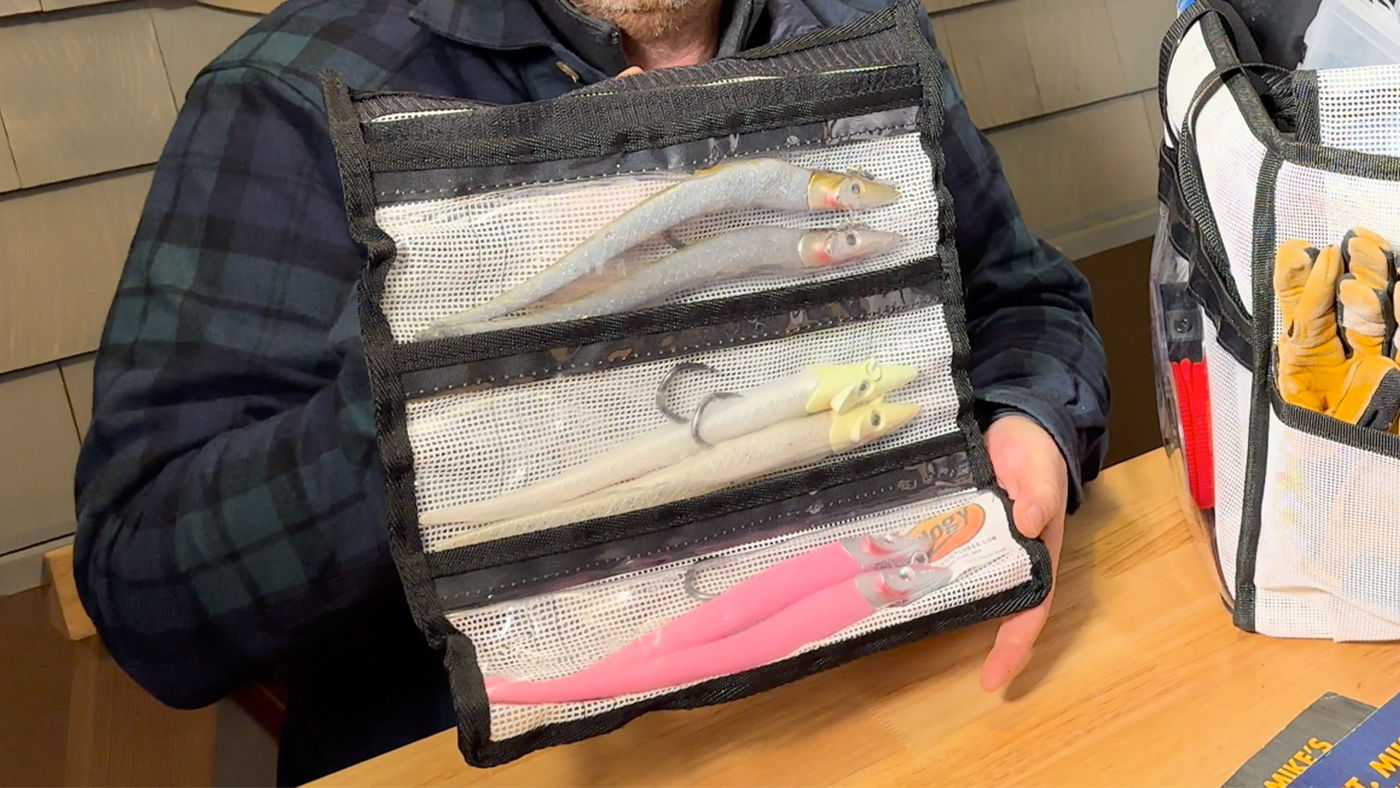
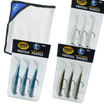
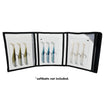
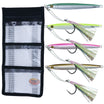
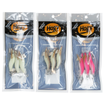
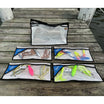
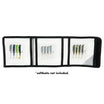
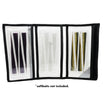
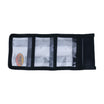
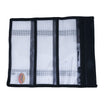
Olive Silver, Glow Bone and Pink Harness Jigs in the Roll-Up Mesh Jig Bag.
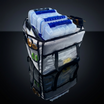
- Roll-Up Mesh Jig Bag. No vinyl to react with the soft tails or the airbrushed finish. Rinse with fresh water right in the bag after the trip. Keeps harness jigs organized and tangle-free, ready for the next drop.
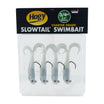
- Spare Speed Tails. Carry a 4-pack in your go-to colors; a torn tail is a quick swap at the rail. Replace the tail and keep the head and harness.

Design to performance (nerd alert)
| Feature | What it does |
|---|---|
| Flared gills | Catch water on the fall and spin the jig into a controlled spiral that reads as a stunned bait. |
| Airbrushed head + oversized eyes | A natural close-up look for tuna that inspect a slow bait, and a clear strike target in low light and depth. |
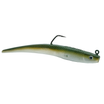
| Elongated Speed Tail, natural scale pattern | The silhouette of a big oceanic sand eel. The scale pattern breaks up the outline. |
| Ultra-soft Speed Tail | Keeps undulating with almost zero rod input. The slower you fish it, the more it moves. |
| Balanced head weight | A natural drop and retrieve. Tracks on the fall, on a slow lift and on a cast-and-retrieve. |
| Molded nose swivel | Lets the jig spiral on the drop without twisting your line. |
| Weight-forward head | The 4 oz casts cleanly on heavy spinning gear and sinks fast to marks under the birds. |
| One tail, three heads | One 8" Speed Tail for the 4, 6 and 8 oz. Fewer packs in the bag. |
| 500 lb stainless harness | Connects the nose swivel to the hook, so the soft plastic never carries the load. |
| Heat-shrink hook joint | Semi-stiff. The hook flexes under pressure, which protects the bait and raises the hook-up ratio. |
| Rigging channel + solid midsection | The tail threads on straight and resists sliding on the harness. A drop of glue in the channel extends tail life. |
| 6X VMC Barbarian hook | Holds under sustained pressure from giant bluefin. |
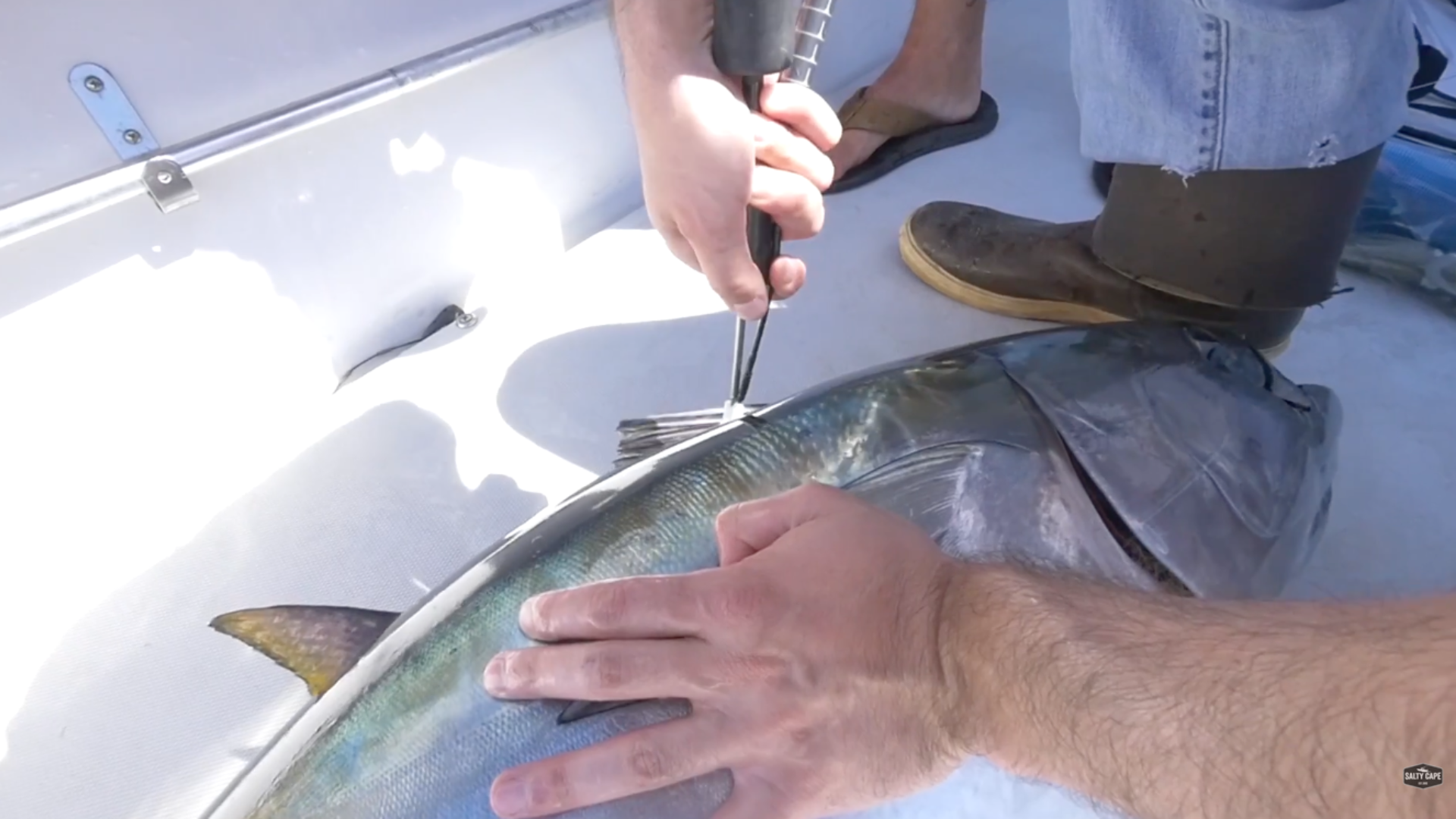
| Single hook | A fast, clean release. A de-hooker pops it boatside. |
| Replaceable tail | Swap the tail, keep the head and harness. Less plastic and hardware lost over time. |
Techniques
- Drop to the marks or to bottom
- Slow, smooth rod lift with no snap, then follow it down on semi-slack line
- Reel only enough to stay in contact
- Most bites come on the fall
- If you think it is slow enough, slow it down more
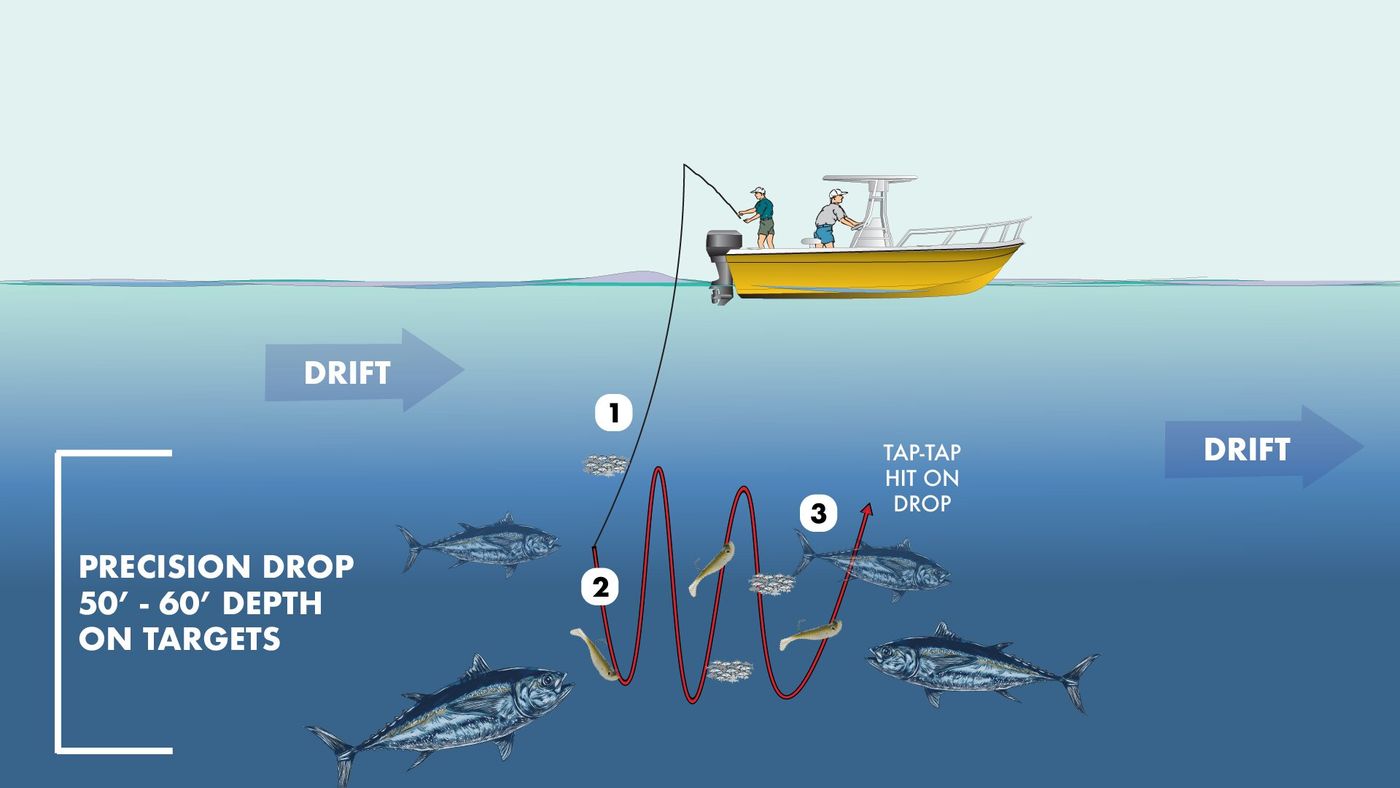
Slow jig: a precision drop to marks at 50 to 60 ft, a slow lift, and the bite on the fall. Drawn with a soft paddle tail; the harness jig fishes the same cadence.
- Drop to depth and put the rod in the holder
- The drift and the rock of the boat work the tail
- Long drifts over known marks, slack tide, fish that have been beaten up by fast jigs
- Give it 30 seconds of dead-stick before you change lures
- Very short lifts, measured in inches, with frequent pauses
- Fish are on the finder and slow-pitch is not producing
- Think alive and lazy
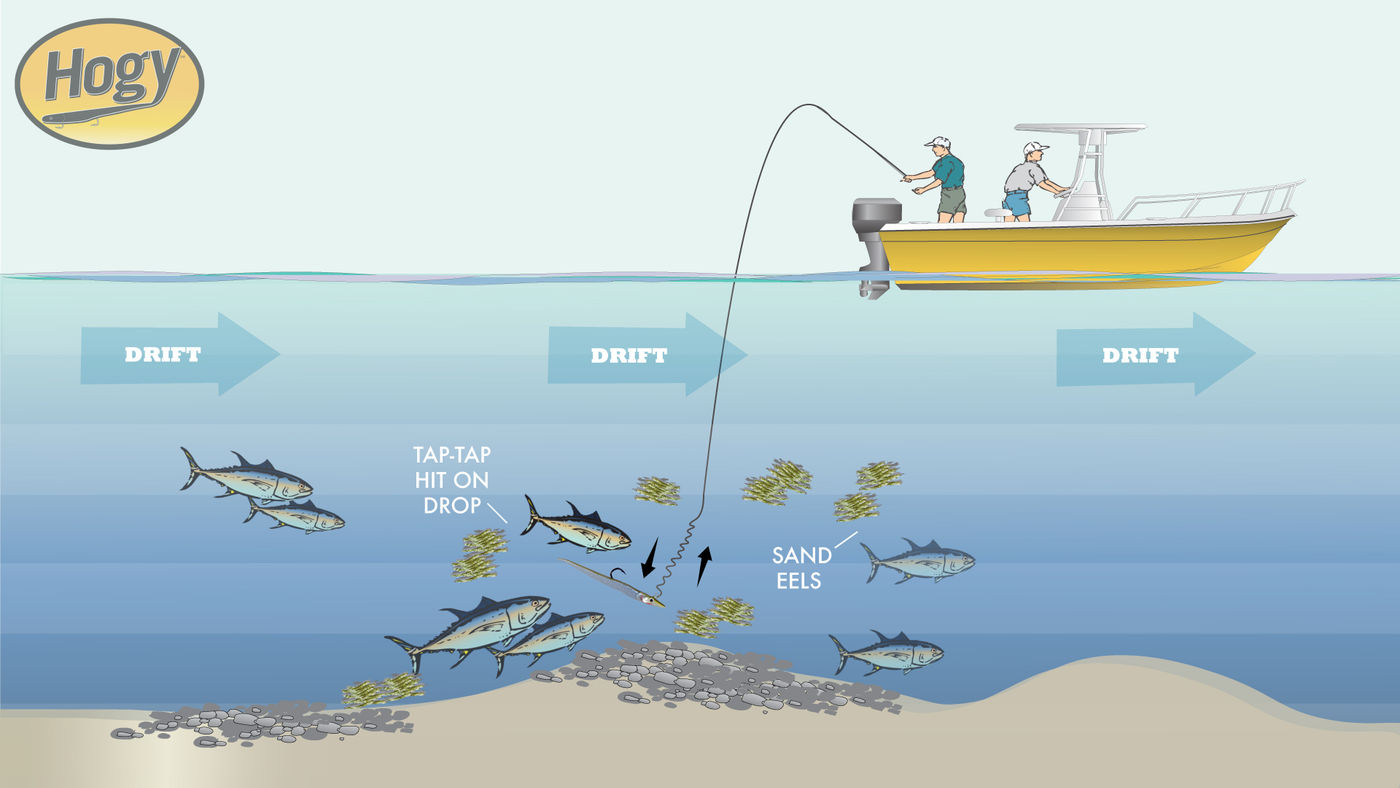
Twitch jig near bottom over sand eels: short lifts on the drift, and the hit comes on the drop.
- Send a topwater around the perimeter and drop the harness jig down the middle of the feed
- Let it fall 60 to 80 ft before you work it, twitching it on the way down
- Remnant fish under a feed that just went down key on the spiral
- Once engaged, fish it slow, like a stunned large sand eel
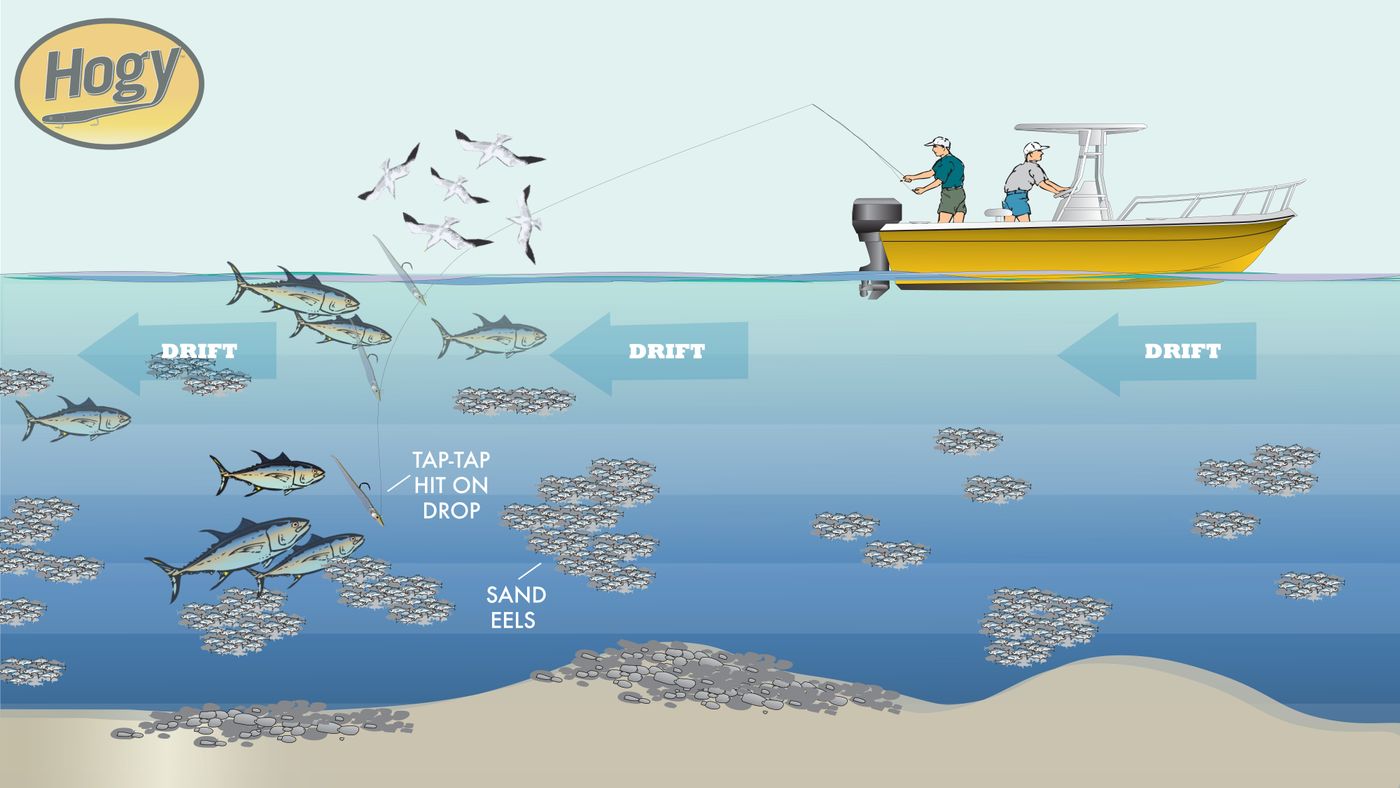
Kerplunk: drop the harness jig into the middle of the birds and let it fall through the sand eels to the fish below.
- Twitch & Pause for sipping or milling fish. Let it sink 5 to 10 ft, then a slow retrieve with occasional twitches
- Pulse for active feeds near the top. Medium retrieve, two sharp twitches every 5 to 10 cranks
- Burn & Drop for fish chasing fast bait. Burn it 5 to 7 seconds, pause and let it fall 10 to 15 ft, repeat. They often eat on the pause
- 6 oz on a flat-line clip, slow troll at 3 to 5 knots
- Set it farther back than a normal flat line, flanking the inside bars
- Covers sand eel fish that inspect the spread and slide back down
- If it is not tracking, it is not far enough back
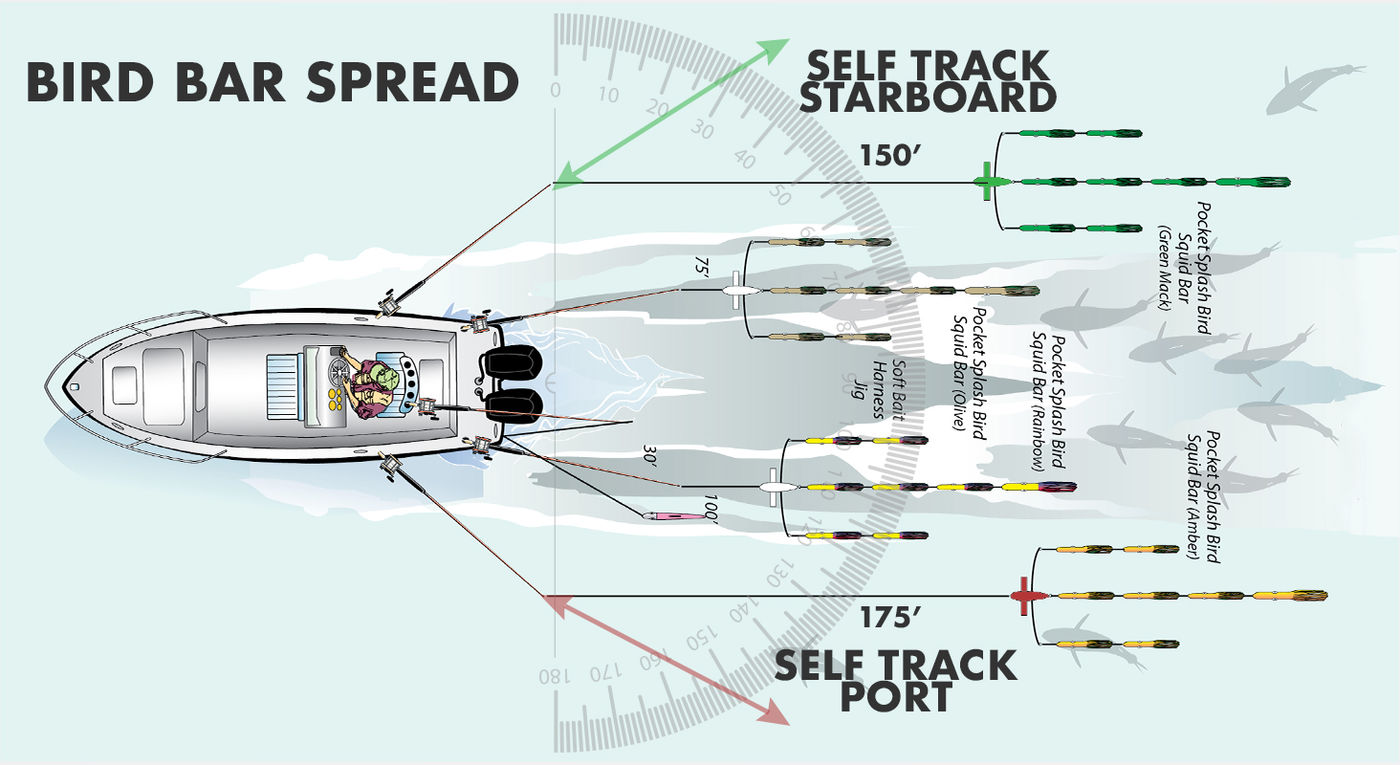
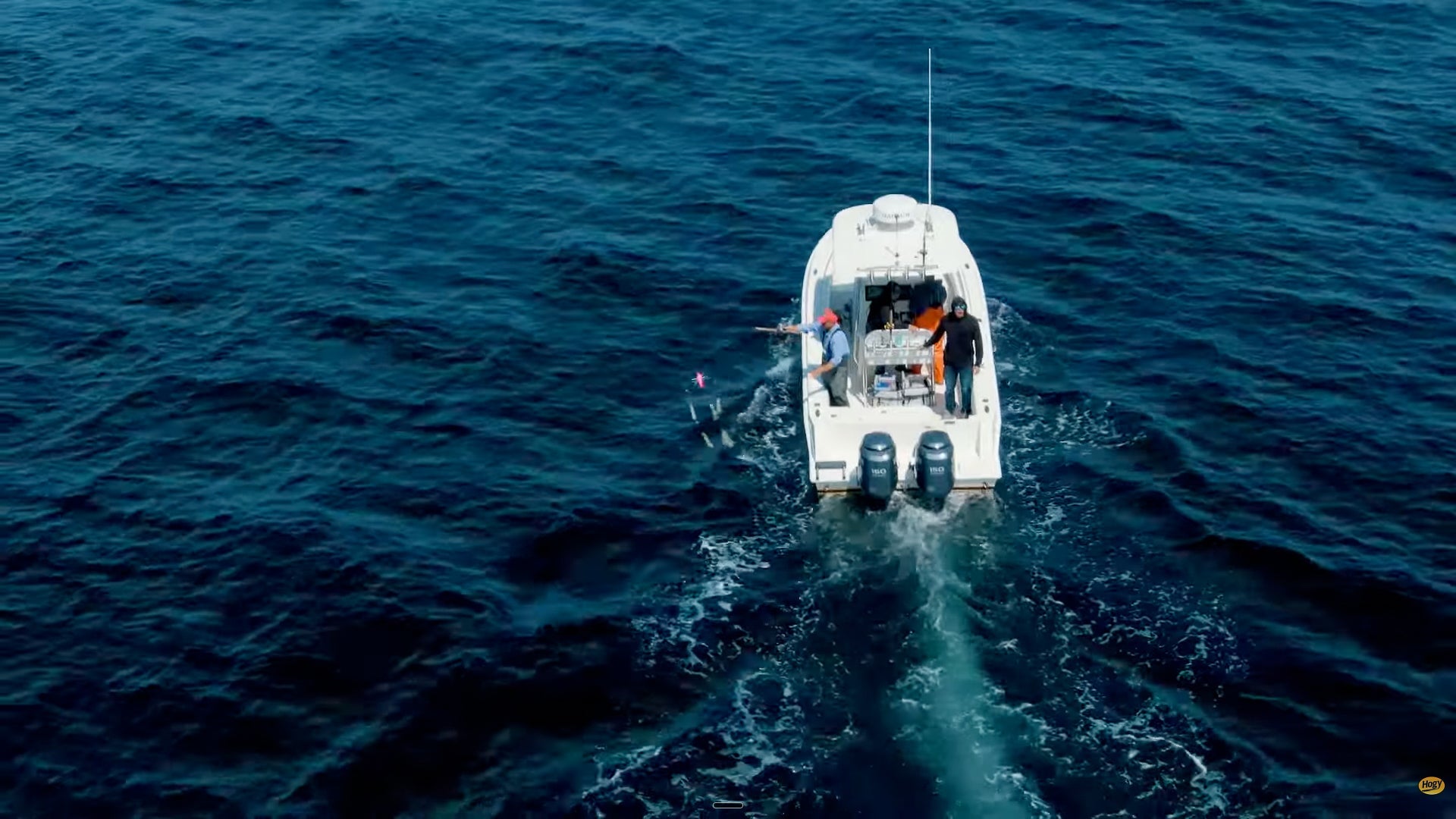
Bird bar spread: directional bars self-track wide at 150 and 175 ft, splash bird squid bars inside, and the soft-bait harness jig on the flat line at 100 ft.
From Salty Cape TV
Four episodes where the harness jig does the work.
Slow jigging giants at the Regal Sword in August: the conventional setup, the crimp, the re-rig and an 85-inch release.
Walk and gun on spinning gear: topwater on the perimeter, harness jig dropped down the middle of the birds.
Harness jigs on the flat-line clips behind a squid bar spread, with small bluefin keyed on sand eels.
Fast and slow in 170 ft: a Sand Eel Jig on one rod, the harness jig worked slow near bottom on the other.
Salty Cape system filters: when to use it
Jigging: environmental factors (E)
- Slack tide: dead-sticking
- Moderate current and drifting speeds: slow jigging
- Depth: full column down to bottom; limits out past 180 ft with a 1.5 knot drift
- Water temperature: cold or mixed water, when fish are metabolically slow
Why the Harness Jig: From slack tide to moderate current, the soft tail keeps moving with almost no input. Hang time keeps it in front of slow fish longer.
Jigging: observational factors (O)
- Marks tight to bottom, parked and barely moving
- Follows and bumps on fast jigs with no hook-ups
- Sand eel grubbing: mud plumes at the surface
- Post-feed fish still in the area and done chasing
- Pressured fish that have seen every fast presentation
Why the Harness Jig: It looks like low-effort calories: slow, available and easy to eat.
Jigging: approach
- Search and Drop: idle on the finder and find the marks, then set up upwind and up-tide and drift through them
- Search and Drop Under-Pod: stay with the life. Whales, birds and bubble feeds on sand eels; drop to the depth below the show
- Troll Scan Stop and Drop: mark GPS, pull the spread, drop to their depth
Approach logic: With jigs, finding the fish is the job. Get on top of the marks, drift through them, and focus on the depth where they show on the finder.
Casting and trolling: environmental factors (E)
- Any seas: troll it on the flat line
Casting and trolling: observational factors (O)
- Birds sitting on the water over bait, no hot feeds
- Crescent marks on the finder under scattered birds
- Fish inspecting the bar spread and sliding back down
- Small bluefin keyed on sand eels
Casting and trolling: approach
- Walk and Gun: stay in gear between pods and sneak up on a feed when it shows
- Search and Drop Perimeter Casts: topwater on the perimeter, harness jig dropped down the middle. Same move on birds sitting on the water
- Tactical Troll Series: harness jigs on the flat lines, flanking a bird bar spread
Why the Harness Jig: The same bait casts, sinks, jigs and trolls. When a feed goes down, you are already holding the lure that reaches the fish under it.
Species coverage: bluefin tuna (school class to giant) and yellowfin tuna.
Hogy System rod pairings
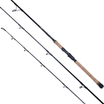
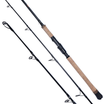
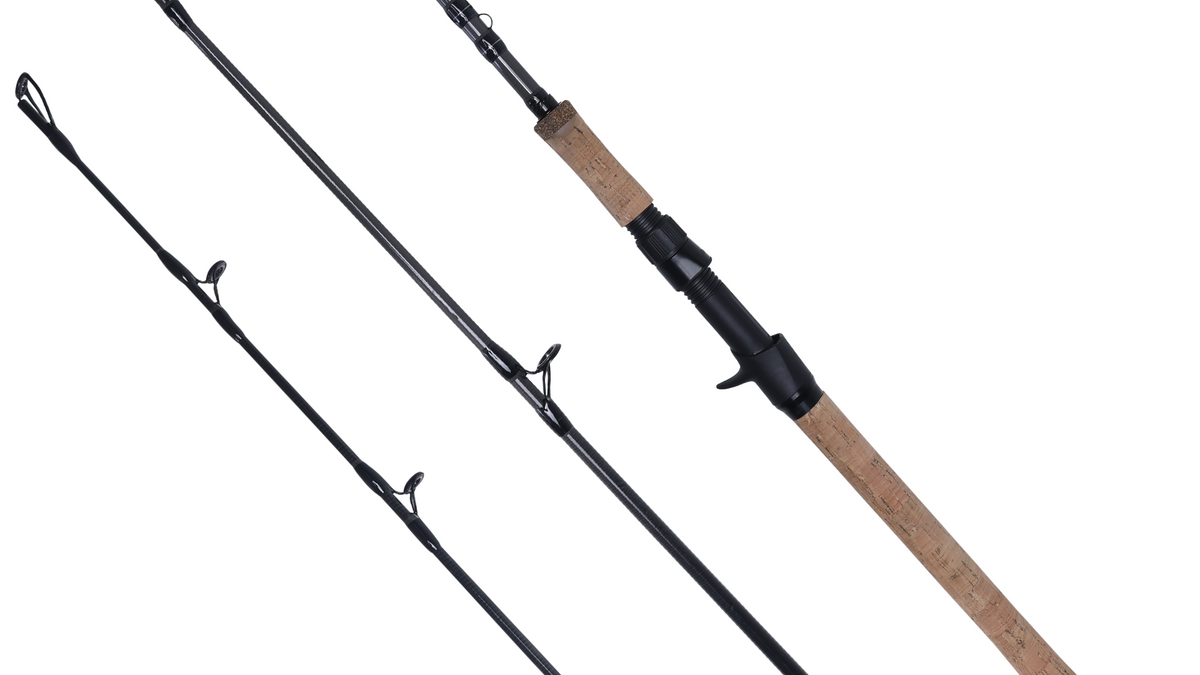
For harness jigs, we fish a short, parabolic jigging rod. The short blank takes leverage away from the fish in a vertical fight, and the parabolic bend lets small rod inputs work the tail while cushioning the hook through surges. The rod fights the fish so your back does not have to.
| Setup | Harness Jig | What matters |
|---|---|---|
| Hogy 5'9" Tuna Jigging Spinning Rod (HTJRMH-S) | Jigging: 4, 6 and 8 oz | Jig range 4 to 16 oz; the parabolic blank works the tail with minimal input. 18,000 to 20,000 class spinning reel, 60 to 80 lb braid (100 lb hollow core optional for giants), 60 to 130 lb fluorocarbon leader, 15 to 22 lb drag. |
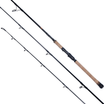
| Hogy 5'6" Hybrid Conventional Rod (HHR56MHM) | Deep conventional: 8 oz, 150+ ft. Flat-line trolling: 6 oz | More cranking leverage with heavy jigs at depth. The parabolic bend holds a clean track in the rod holder through chop and turns. 12 to 20 class conventional reel. |
| Hogy 7' Tuna Casting Spinning Rod (HTC7MHM) | Casting and kerplunk: 4 oz | Loads a 4 oz harness jig cleanly and has the backbone for giant-class fish. 14,000 to 20,000 class spinning reel, 60 to 80 lb braid. |
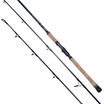
| Hogy 6'6" Tuna Hybrid Cast & Jig Spinning Rod (HT-HJCRMH-S) | One-rod option | Casts the 4 oz and jigs the 6 and 8 oz on the same rod. The travel and minimalist setup. |
- I lean conventional on giant days so I can put more pressure on the fish during vertical lifts
- 100 lb hollow-core braid with 25 ft of 130 lb fluorocarbon wind-on leader
- Tie direct at 80 lb leader and under; crimp at 100 lb and up
- Crimp straight to the nose swivel with the smallest heat shrink and crimp you can get away with
- Take your time on the crimp. The lure can stop a giant; make sure your connection can too
FAQs
Traditional jigs hang the hook on a cotter pin, and that pin is the weak point under extreme pressure. We replaced it with a 500 lb test stainless harness from the swivel in the nose to a 6X VMC hook, about 2X stronger than a cotter-pin connection. The soft plastic never carries the load.
Heat shrink over the hook joint makes the rig semi-stiff. The hook flexes with the fish, stays pinned, and the bait survives the fight.
Yes. That is what the harness is for. Our standard soft baits are rated to the 200 lb class; harness gear is what goes giant. We released an 85-inch bluefin on a harness jig at the Regal Sword, east of Chatham. Set your drag for the fish class and use it.
Slower than feels natural. Most anglers fish it twice as fast as they should. The tail moves with almost zero input. If slow-pitch is not producing after 5 to 8 drops, put the rod in the holder and dead-stick it before you change lures.
Tuna often eat it from below on the fall, so the bite is subtle. The line stops going out early, or slows mid-drop, and it feels like you hit bottom too soon. Fish semi-slack, watch the line, and when it stops early, lock the bail and crank.
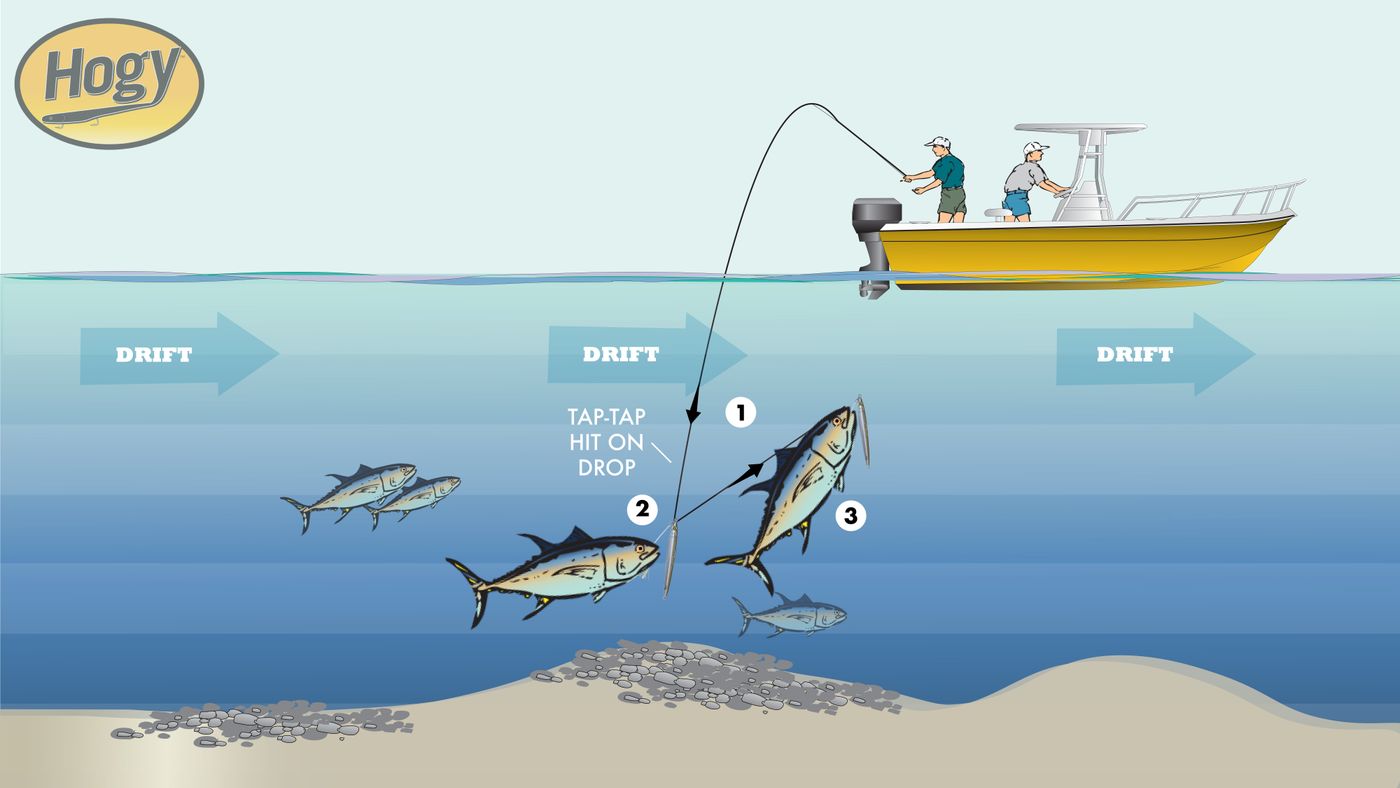
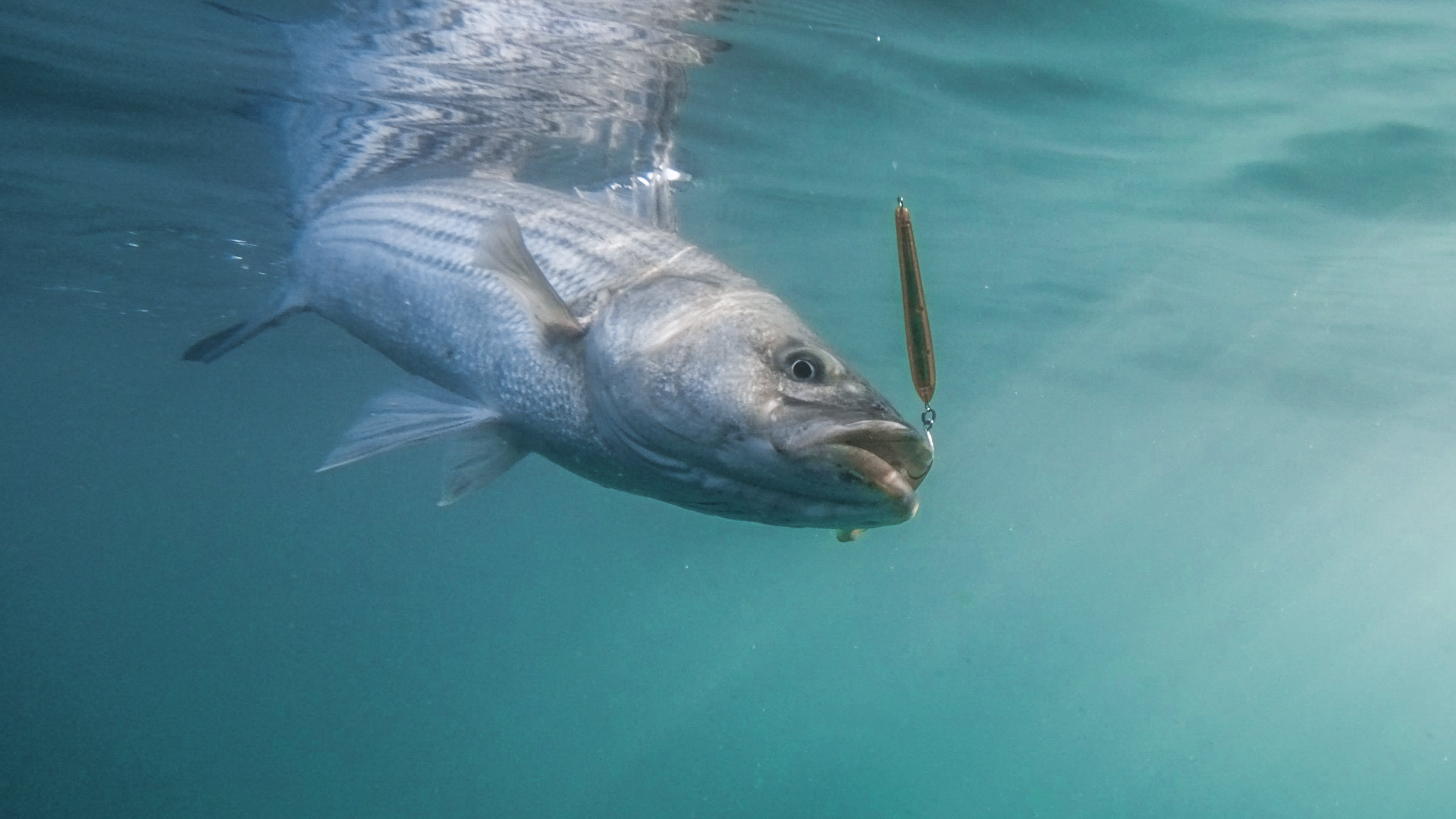
Hit on the drop: the fish eats from below on the fall. Drawn with a Sand Eel Jig; the drop bite on a harness jig reads the same way.
Aim the harness into the rigging channel at the front of the tail. Push through the solid midsection, exit the hole in the back, and slide the tail up over the knuckle. Add a drop of glue down the channel: the tail sliding on the harness is what wears it out, and the glue stops that. One 8" tail fits the 4, 6 and 8 oz heads.
You do not need one. The ball-bearing swivel is molded into the nose. Tie direct at 80 lb leader and under; crimp at 100 lb and up with the smallest heat shrink and crimp you can get away with. Less hardware matters on a slow bait that tuna get a long look at.
The lightest jig that keeps you straight up and down. The 4 and 6 oz cover most New England jigging in 60 to 100 ft. Step to the 8 oz in heavier current or deeper water. Throw the 4 oz for casting and kerplunking; run the 6 oz on the flat line.
Clip a 6 oz to the flat line and slow troll at 3 to 5 knots. Run it farther back than a normal flat line, flanking the inside spreader bars, and the gills make it dart in and out of the wash like a sand eel. If it is not tracking, it is not far enough back.
Harness Jig for slow, lazy, post-feed fish from slack tide to moderate current. Sand Eel Jig for strong current and deep or active fish. On a drift we often fish one of each, slow and fast, until the fish pick. If they follow the Harness Jig and will not eat, try Green, then the 6 oz Protail Paddle.
In the Roll-Up Mesh Jig Bag. There is no vinyl to react with the tails or the finish, you rinse them in the bag after the trip, and they stay organized and tangle-free.



Leave a comment
All comments are moderated before being published.
This site is protected by hCaptcha and the hCaptcha Privacy Policy and Terms of Service apply.