

















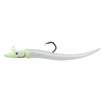
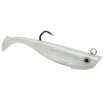
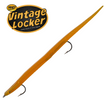



Hogy How-To: Slack Tide Sea Bass In Skinny Water (Biki Jig)
Thump, thump them in. When the rip won't run, the sea bass still eat: one Biki Jig, no bait, and short drifts over a pile of boulders.

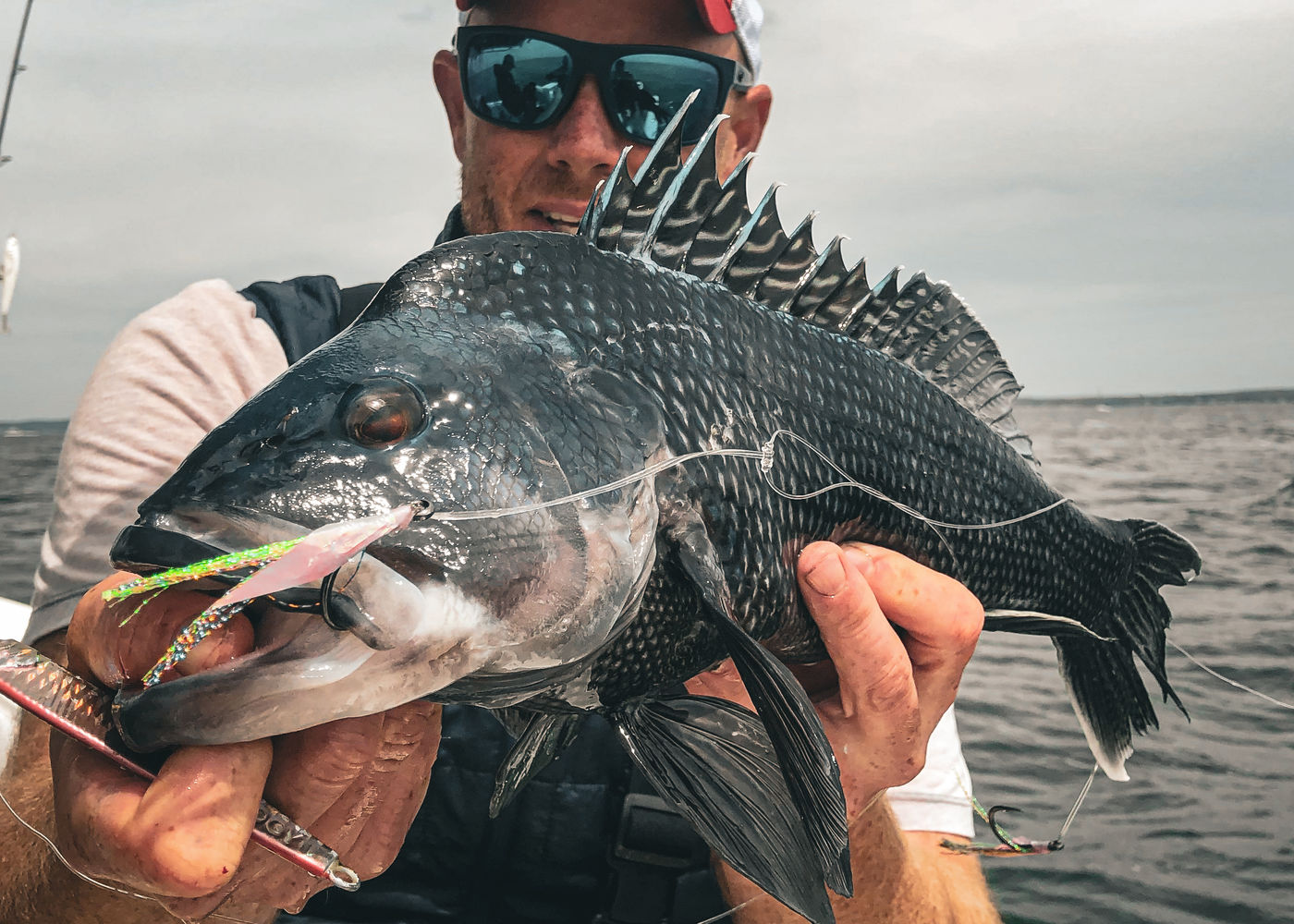
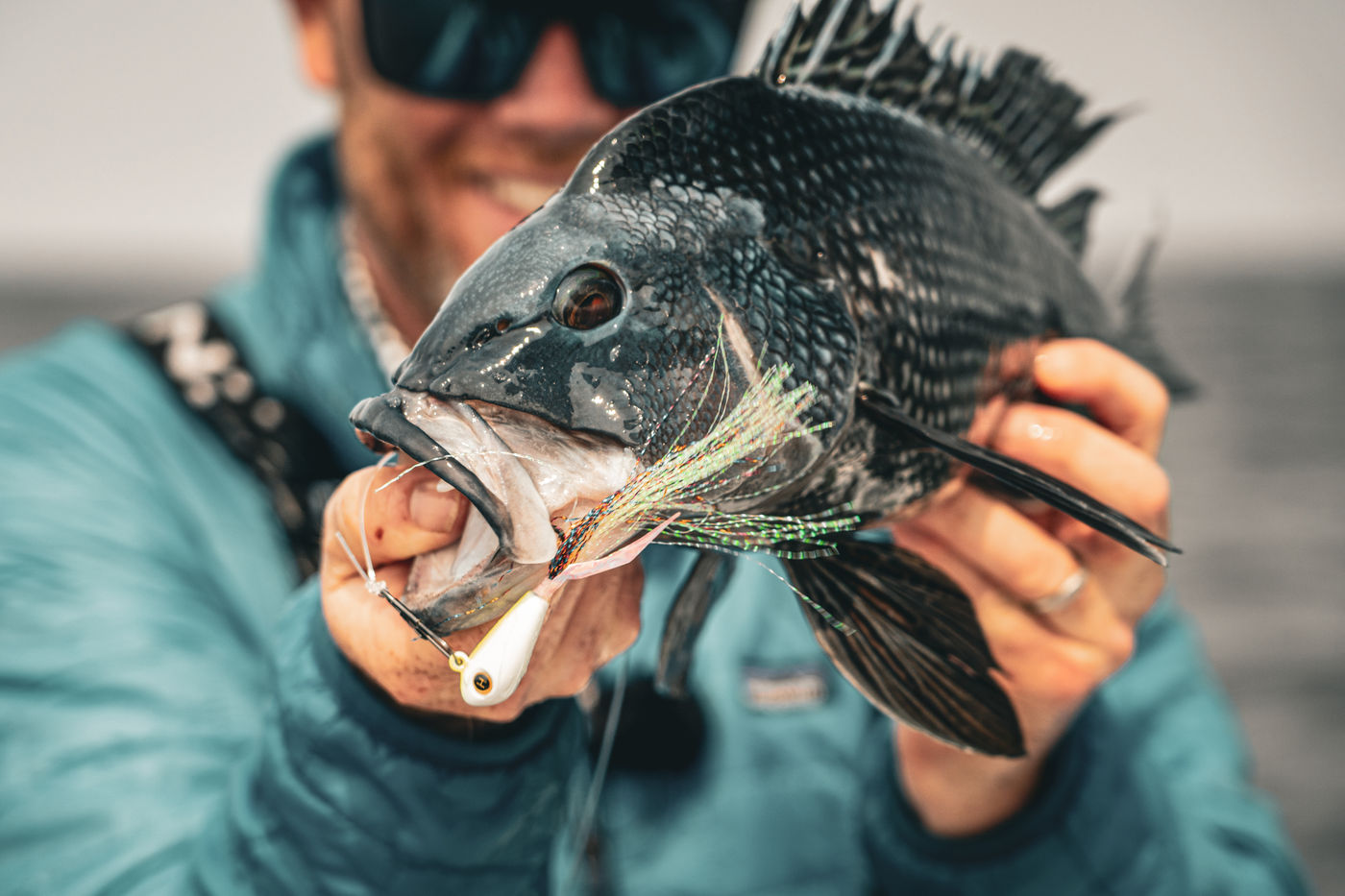
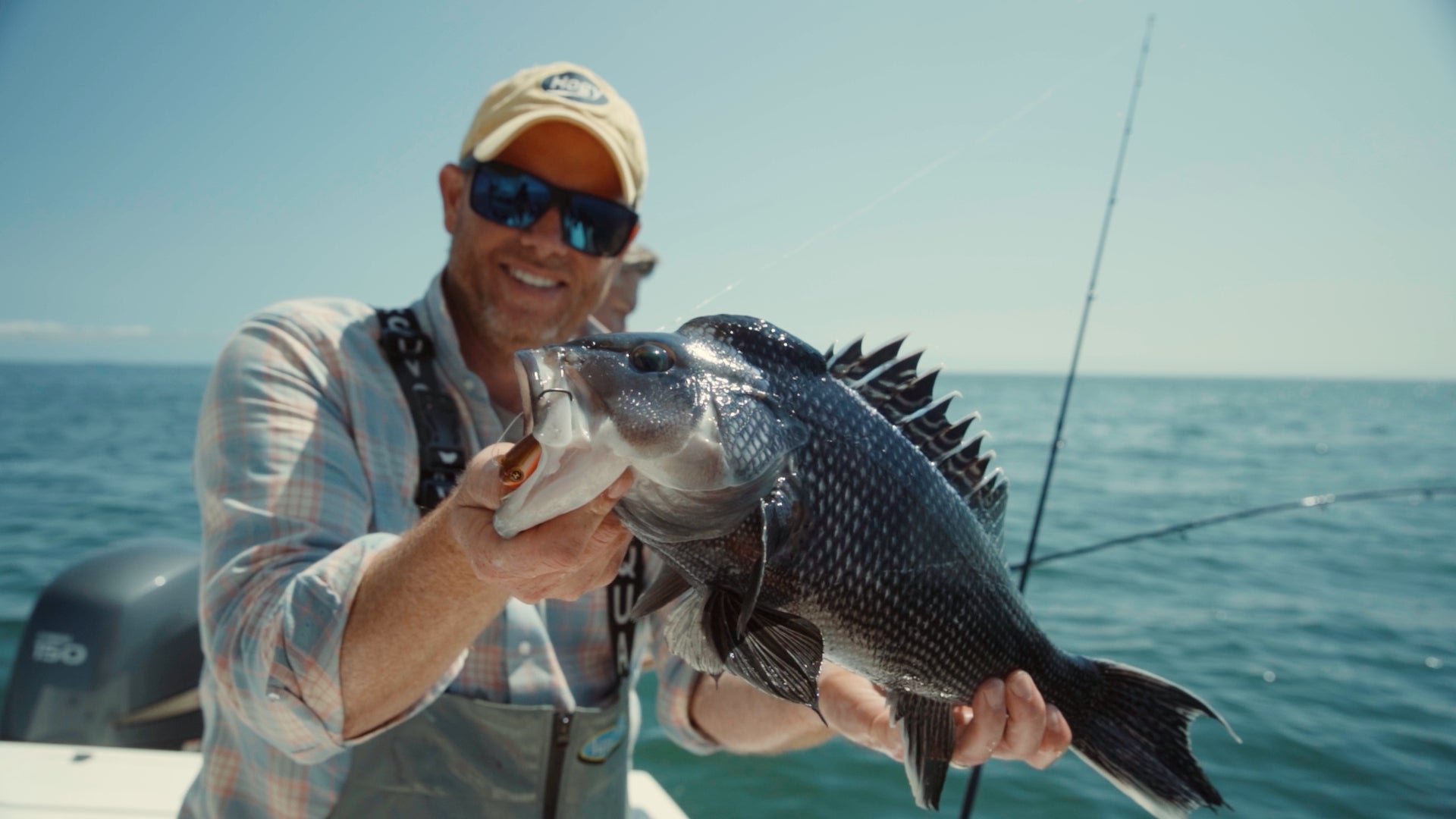
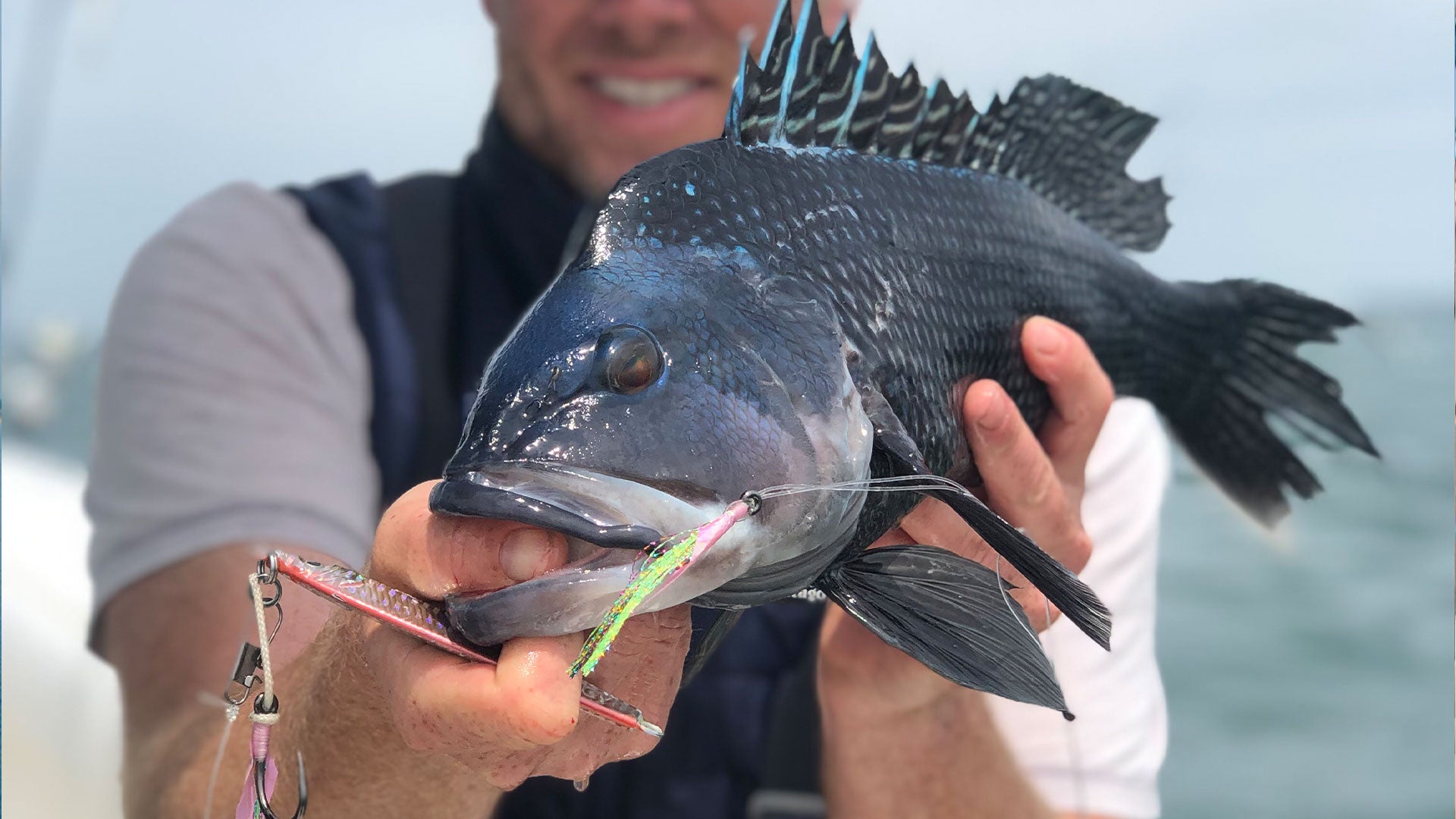
A black sea bass on the Biki rig. No bait, short drifts, slack water.
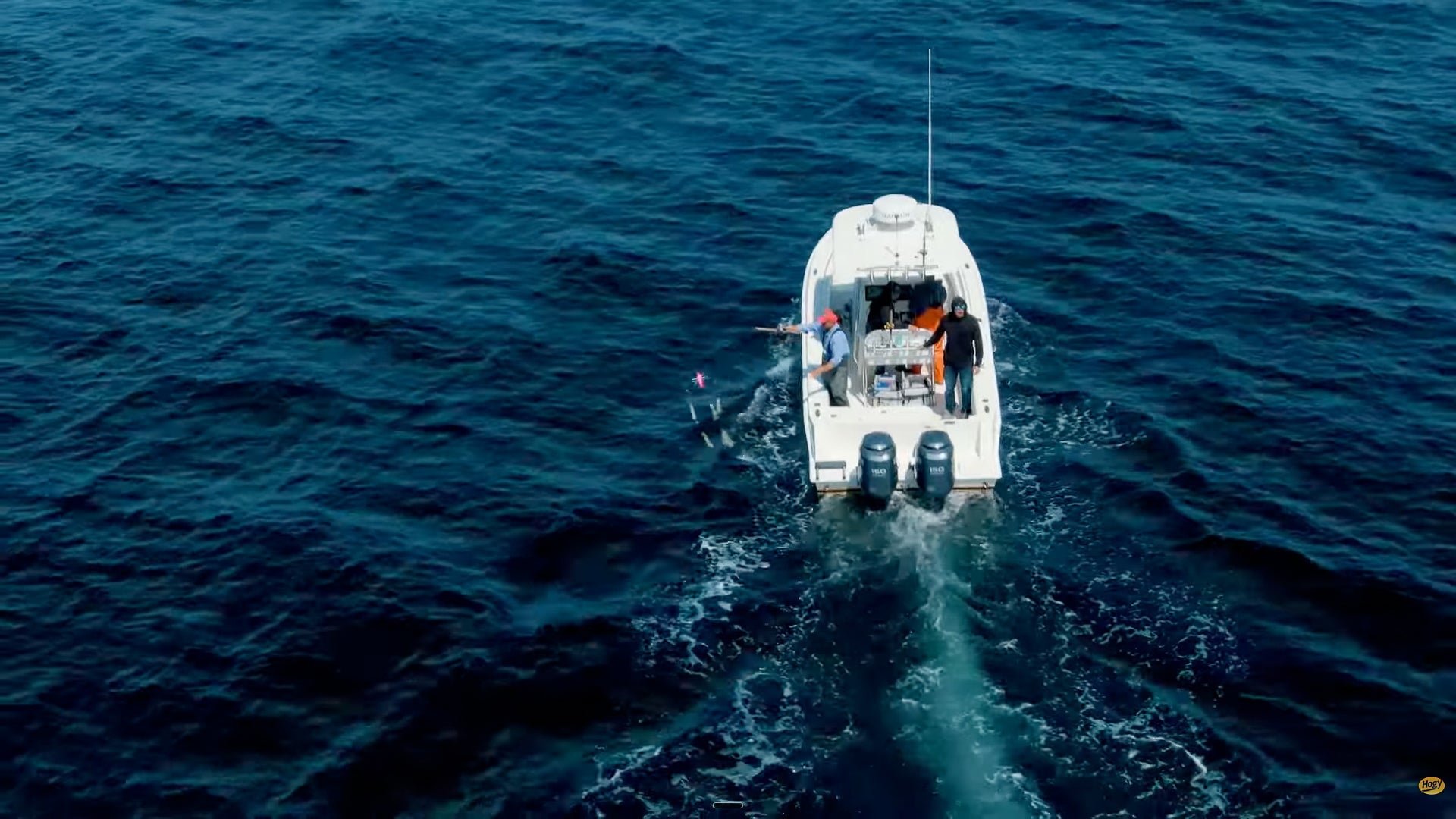
Murphy's law of charter fishing: get a late start and you show up at slack tide. That's where I was on a beautiful June morning out of Falmouth, with a boat full of friends ranging from never-fished to pretty handy, and a plan built around topwater stripers in a moving rip.
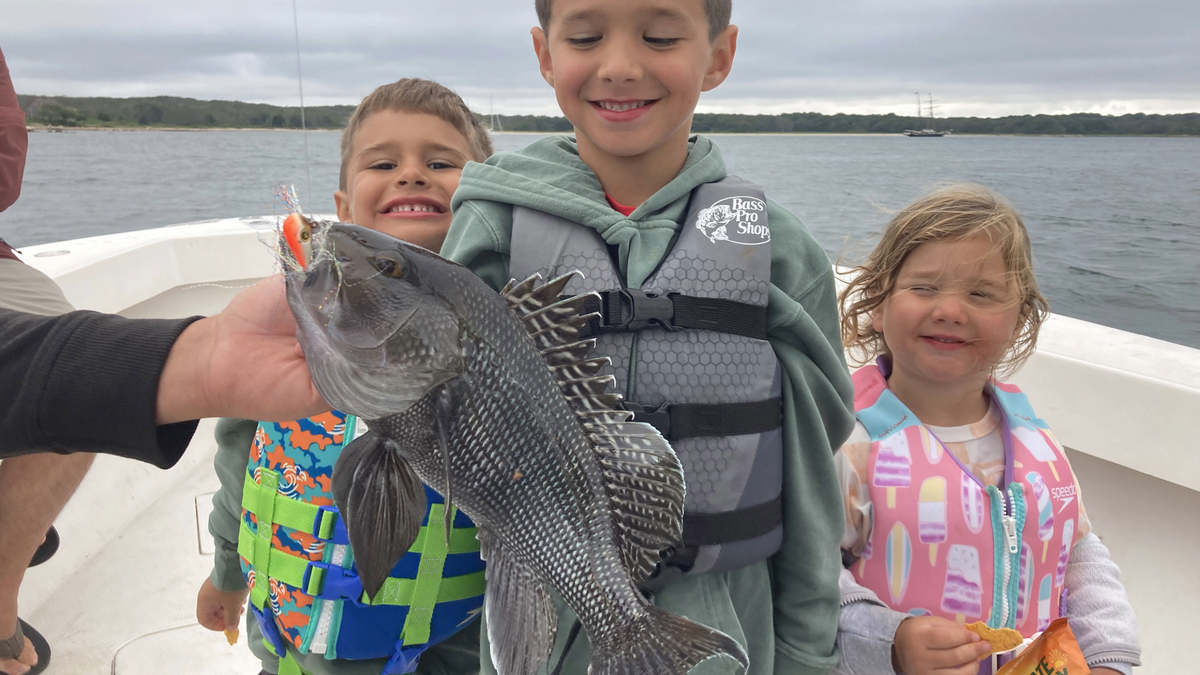
No current, no rip. So I flipped the order. Sea bass are a lot more forgiving at slack water as long as you find good structure, so we went and got dinner first and saved the stripers for when the tide turned. Graham, on his first sea bass trip ever, put one in the boat before I did.
Why sea bass forgive a dead tide
Stripers in a rip want moving water. The current builds the rip line, stacks the bait, and pushes it to them. Sea bass live on the rocks. Give them a good boulder edge and they hold right on it, tide or no tide.
That makes slack water a great window to break in new anglers. The drift is slow, the bottom is easy to feel, and the bite is steady. It buys time for the peak tide wherever you're headed next.
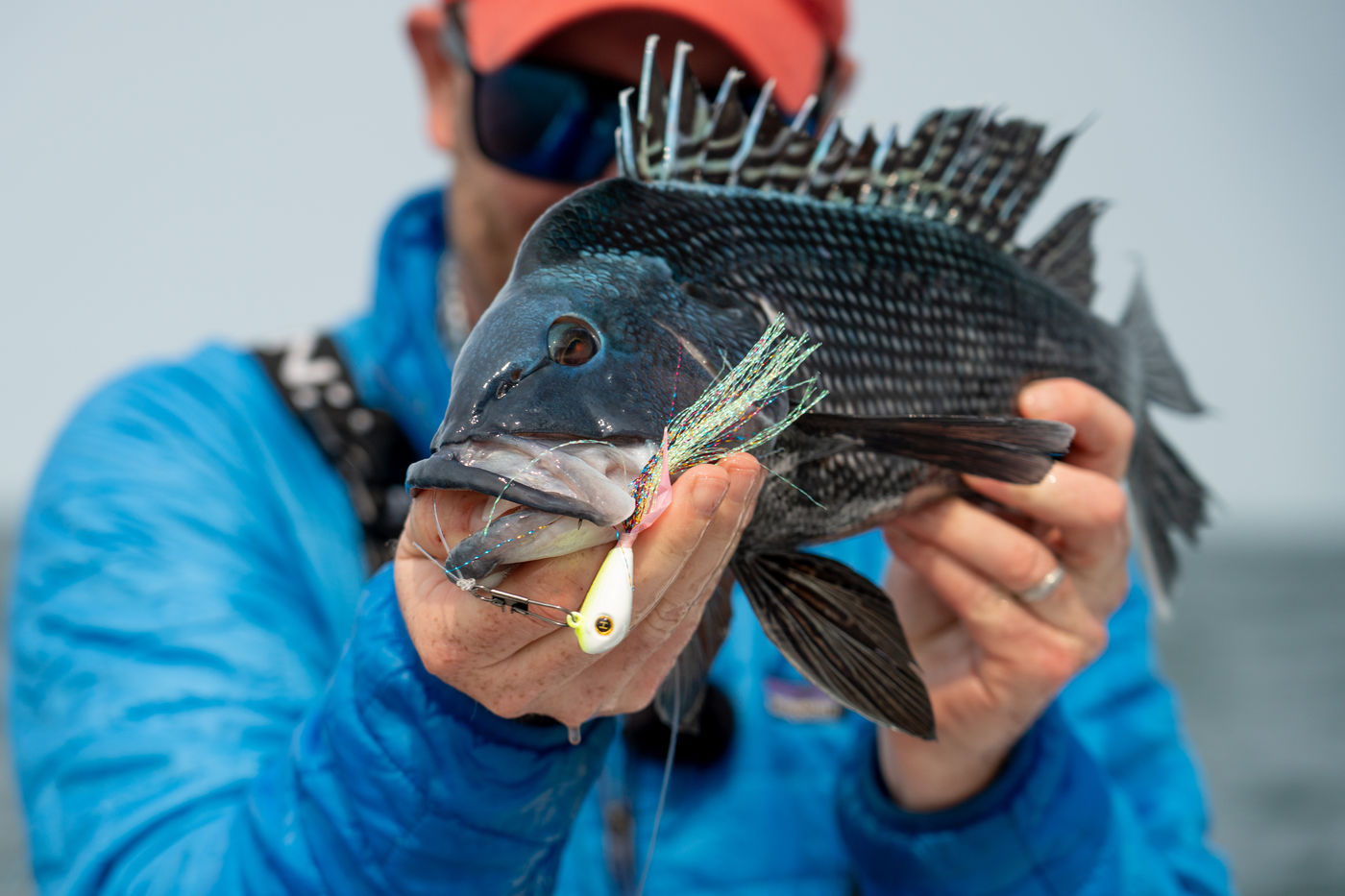
Sea bass hold on a good boulder edge, tide or no tide.
A tog jig that sea bass love
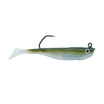
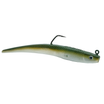
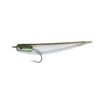
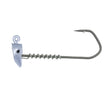
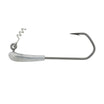
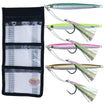
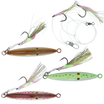
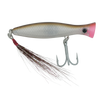
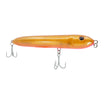
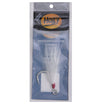
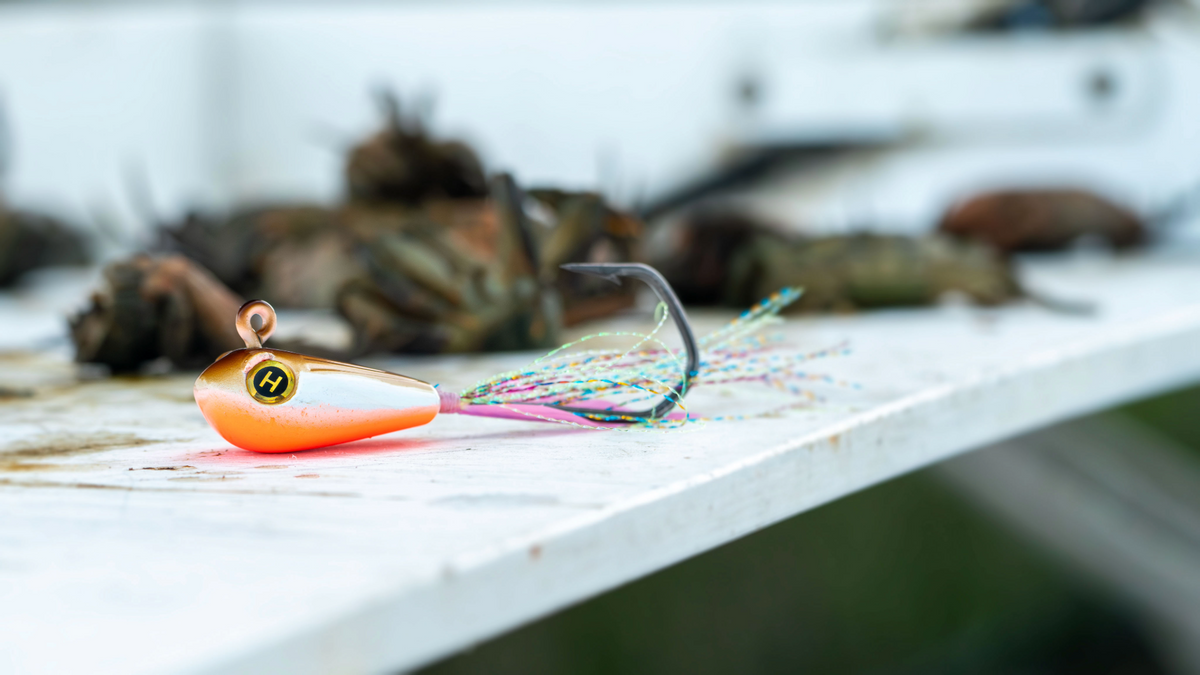
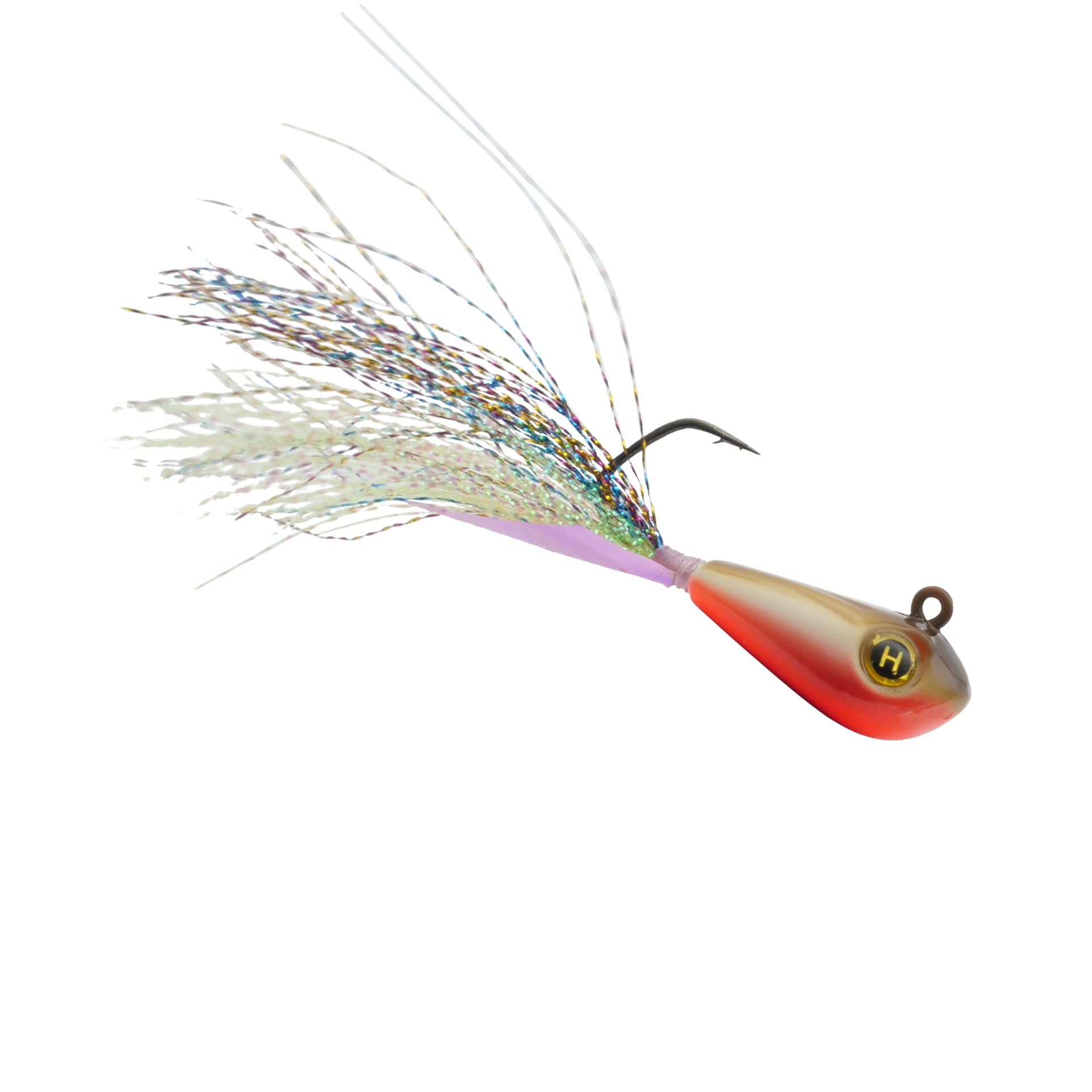
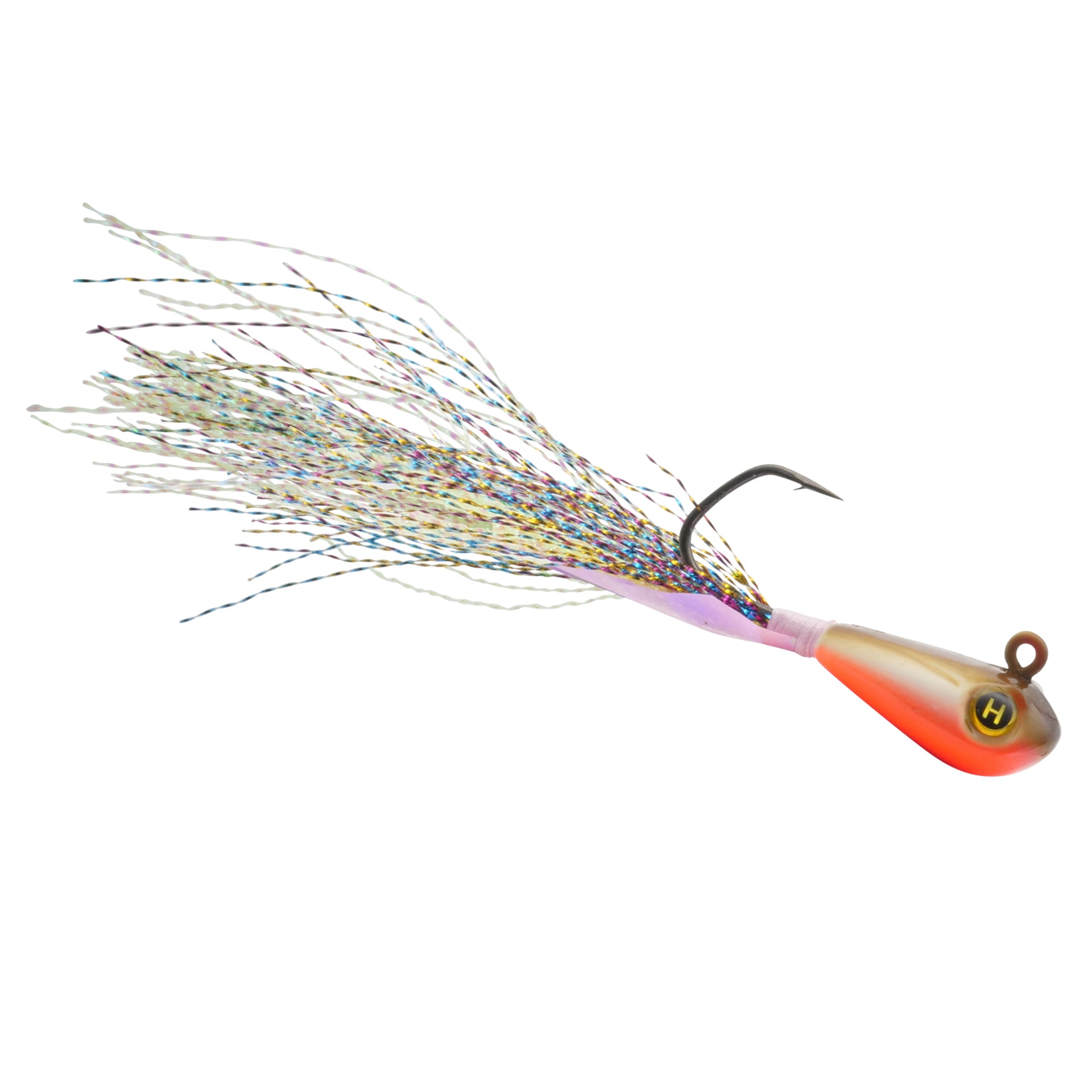
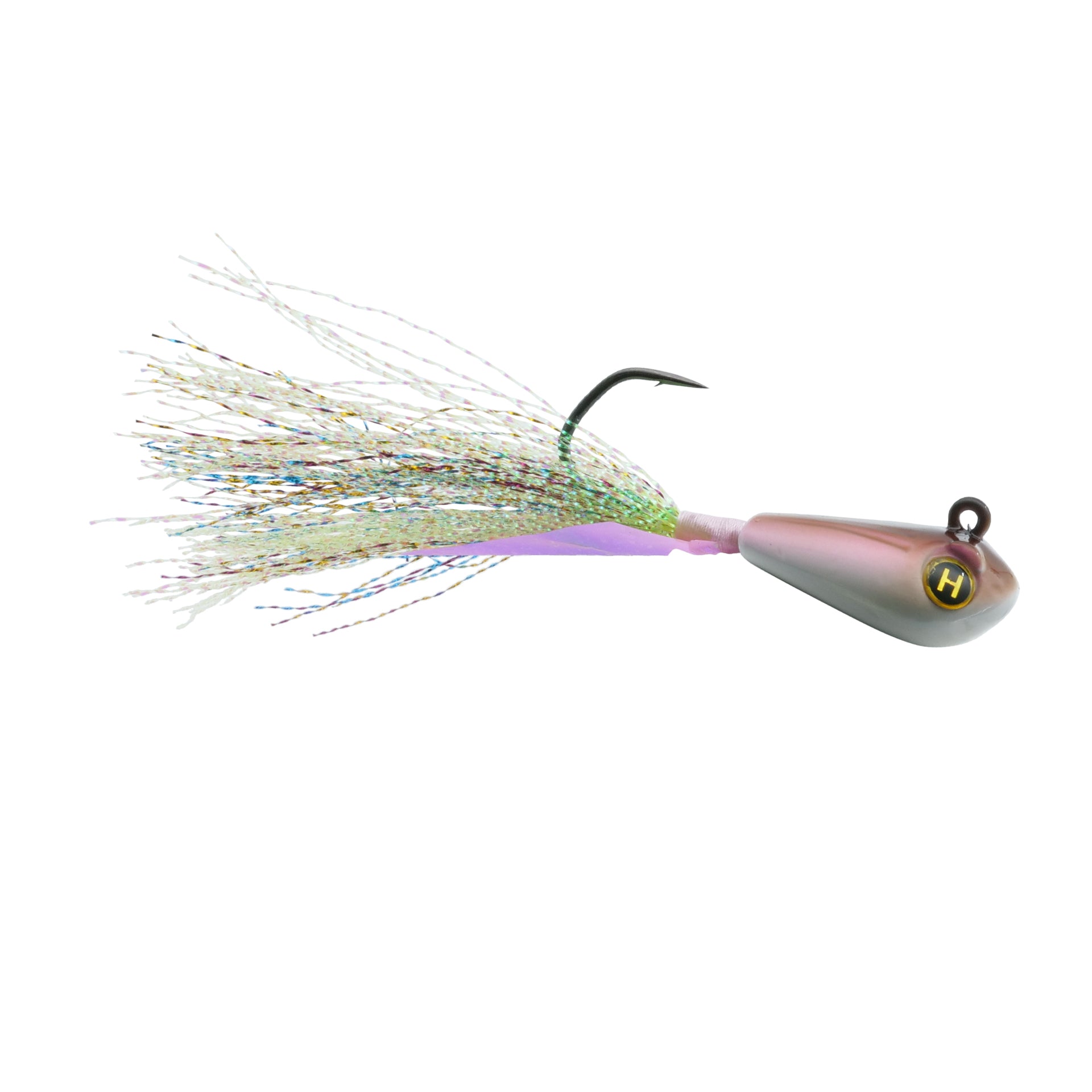
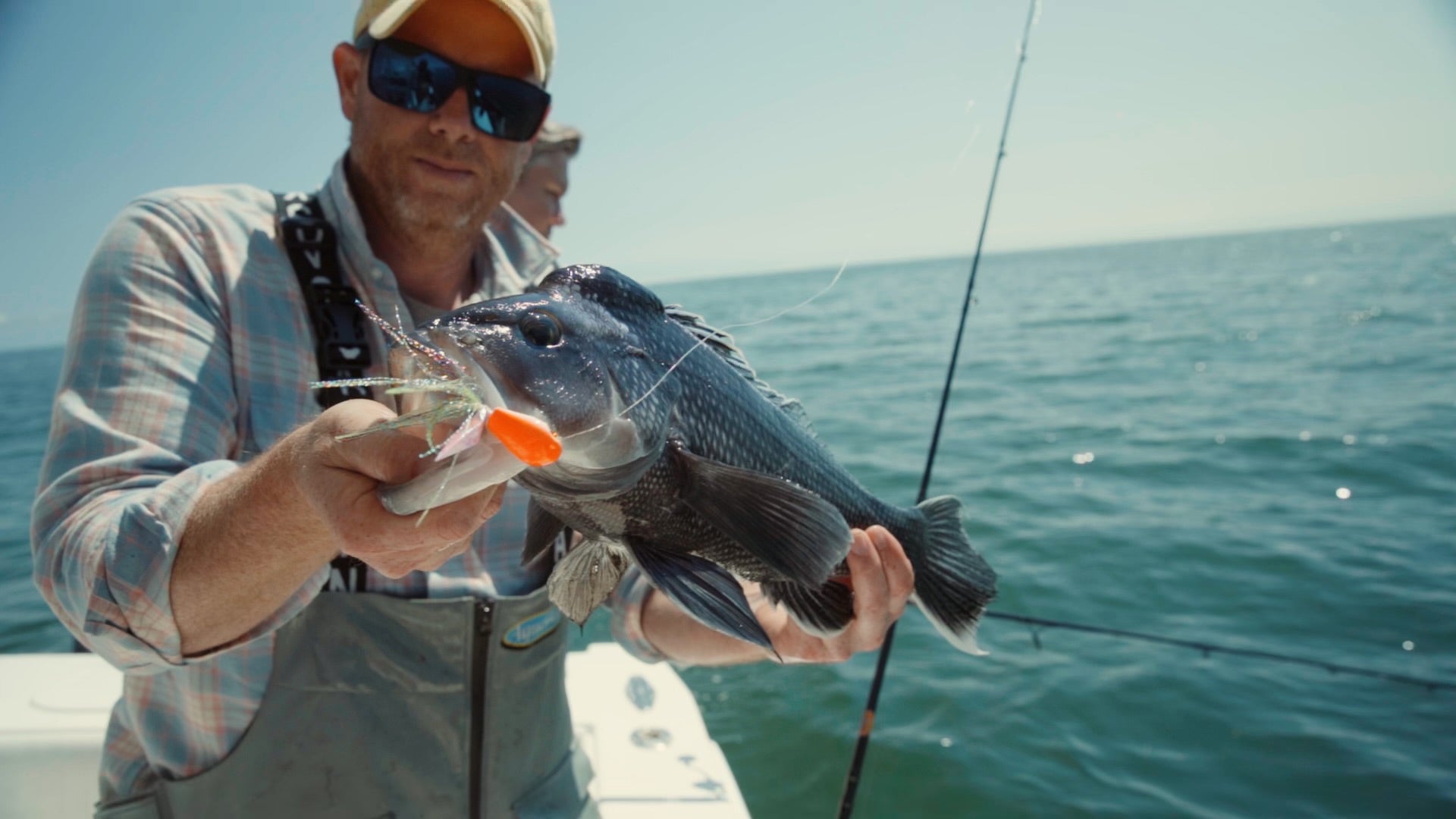
A lot of folks look at the Hogy Groundfish Biki Jig and see a tog jig. It is one, and you can fish it on the bottom with a crab for tautog. For sea bass on boulders you don't need any bait at all.
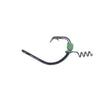
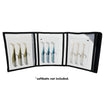
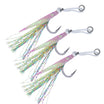
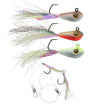
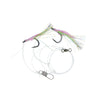
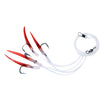
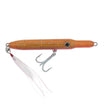
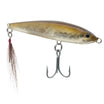
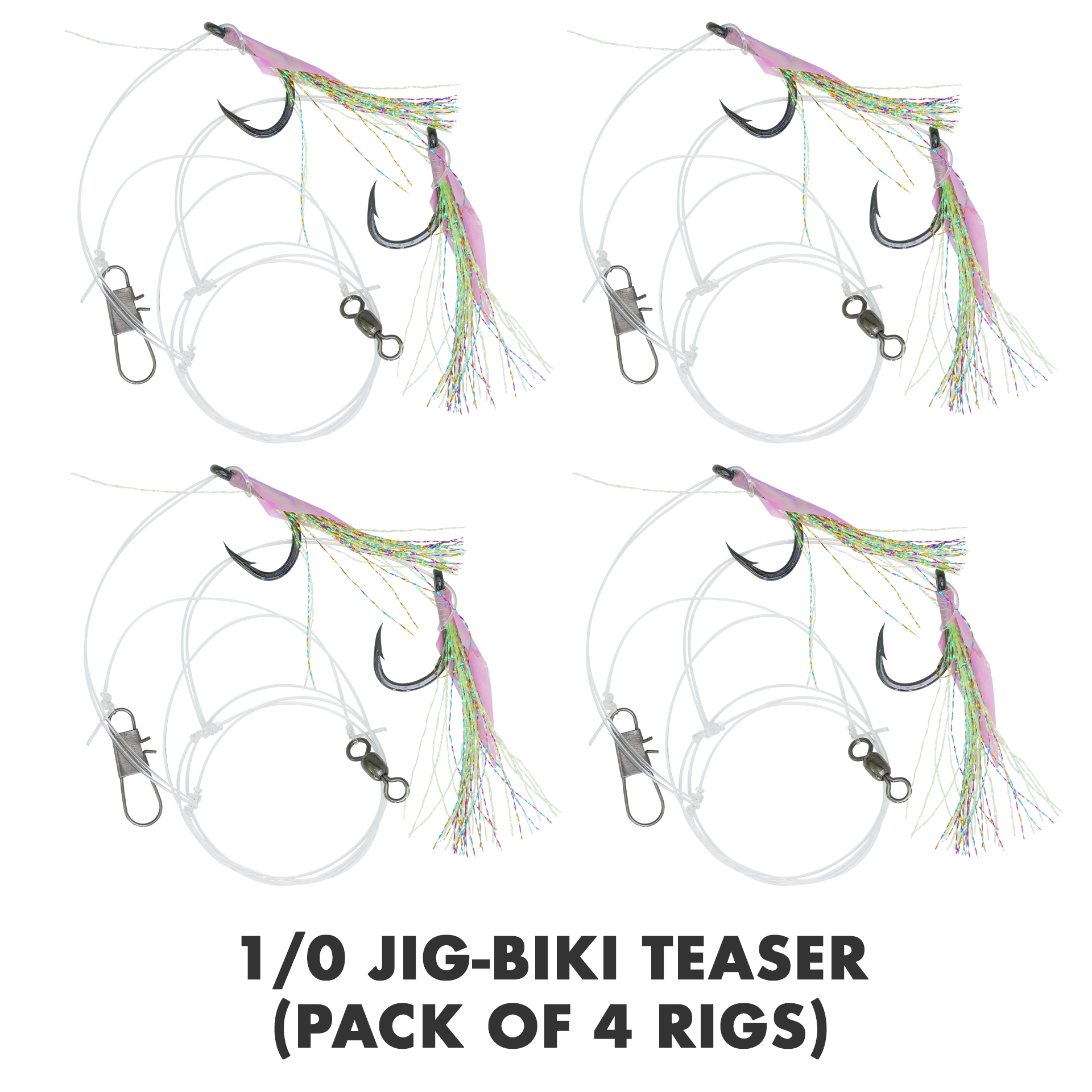
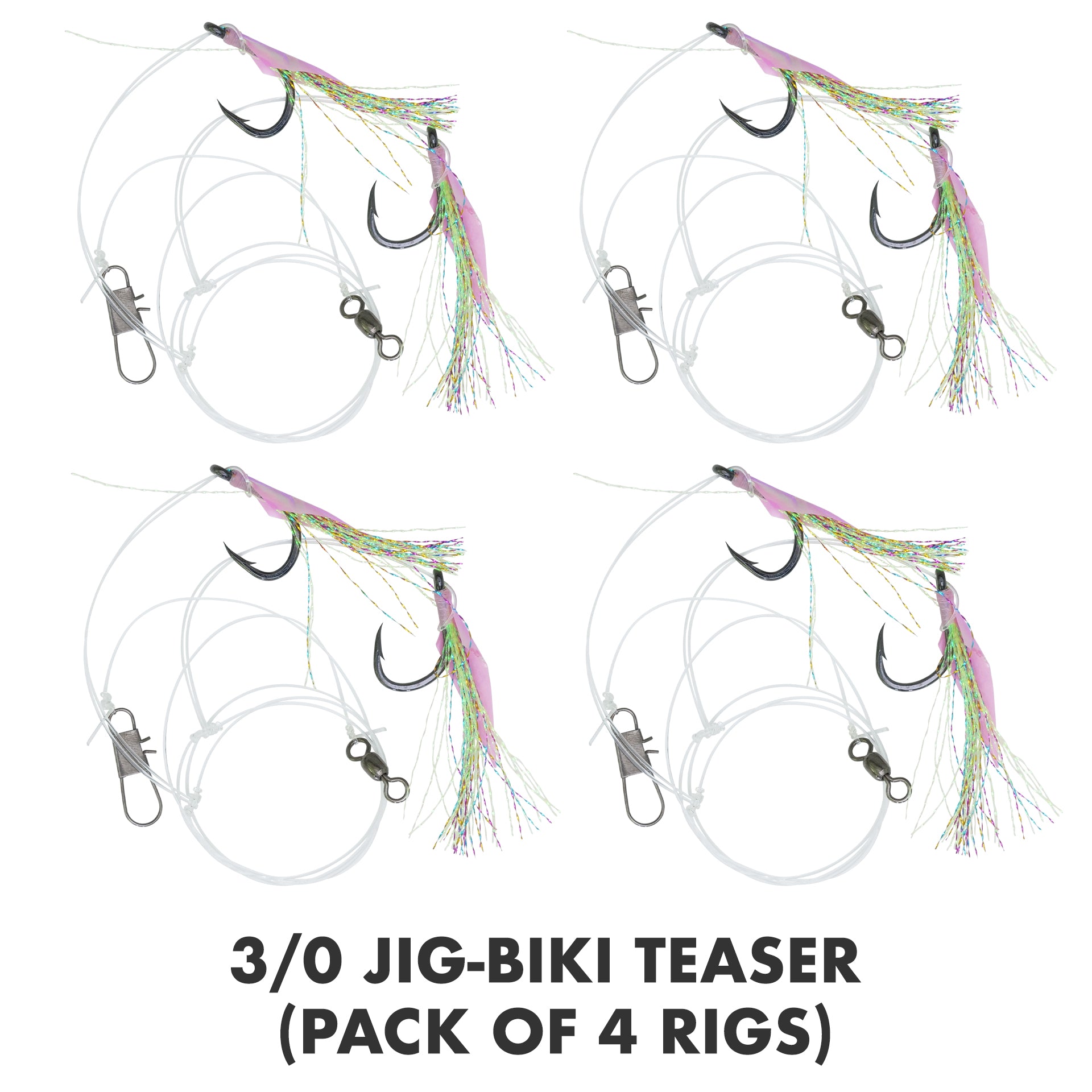
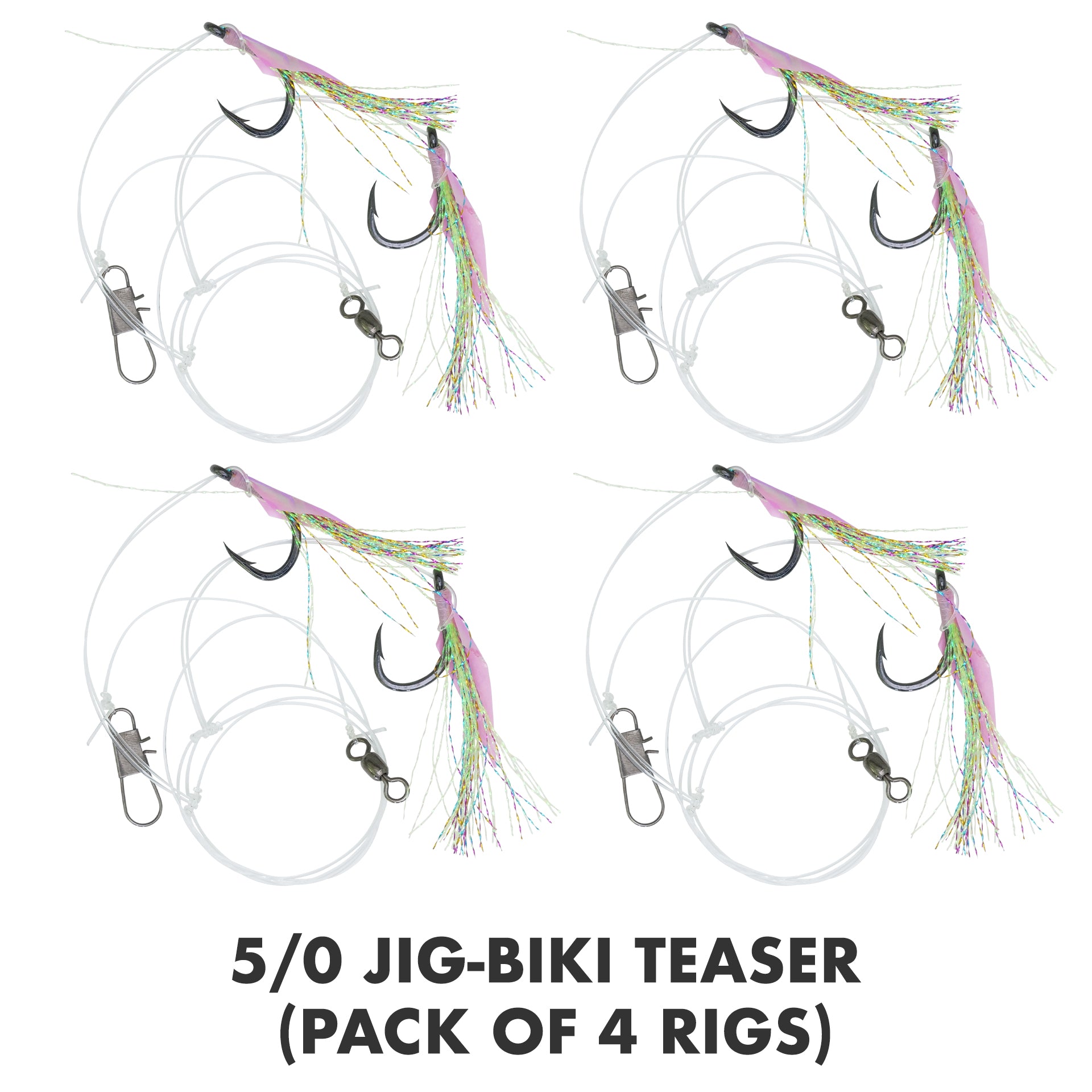
The flat head stands the jig up on the bottom, and the hair keeps moving after the jig stops. Bounced along the rocks, it looks like a crab scuttling across the bottom, and sea bass love crustaceans. I tie one jig direct, and at slack tide I add a Jig-Biki teaser rig above it. The teasers match the jig, so the whole rig reads as a little cluster of bait on the bottom. Sea bass are aggressive enough that you don't always need the teasers, but on a dead tide I'll take every edge I can get.
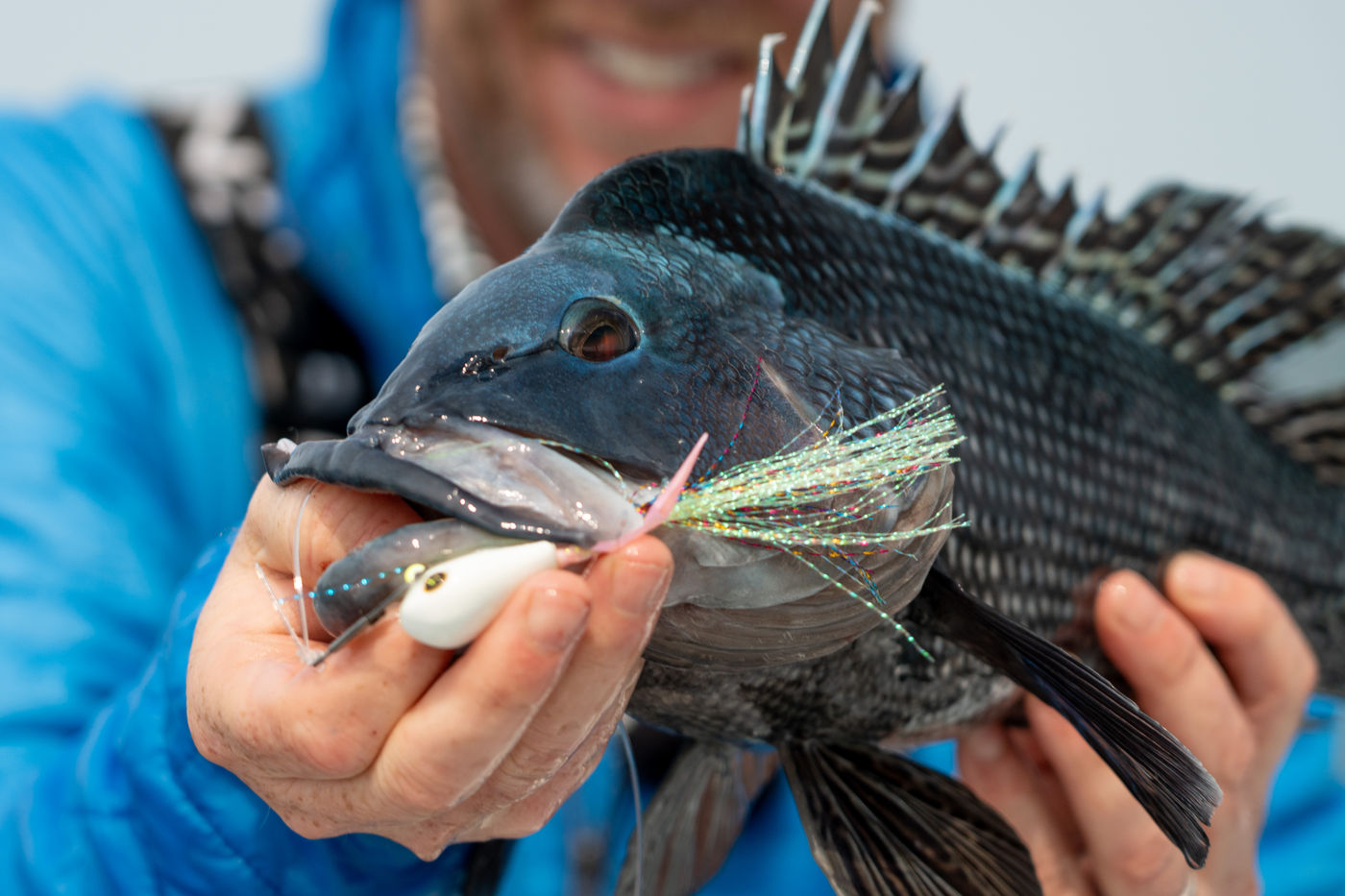
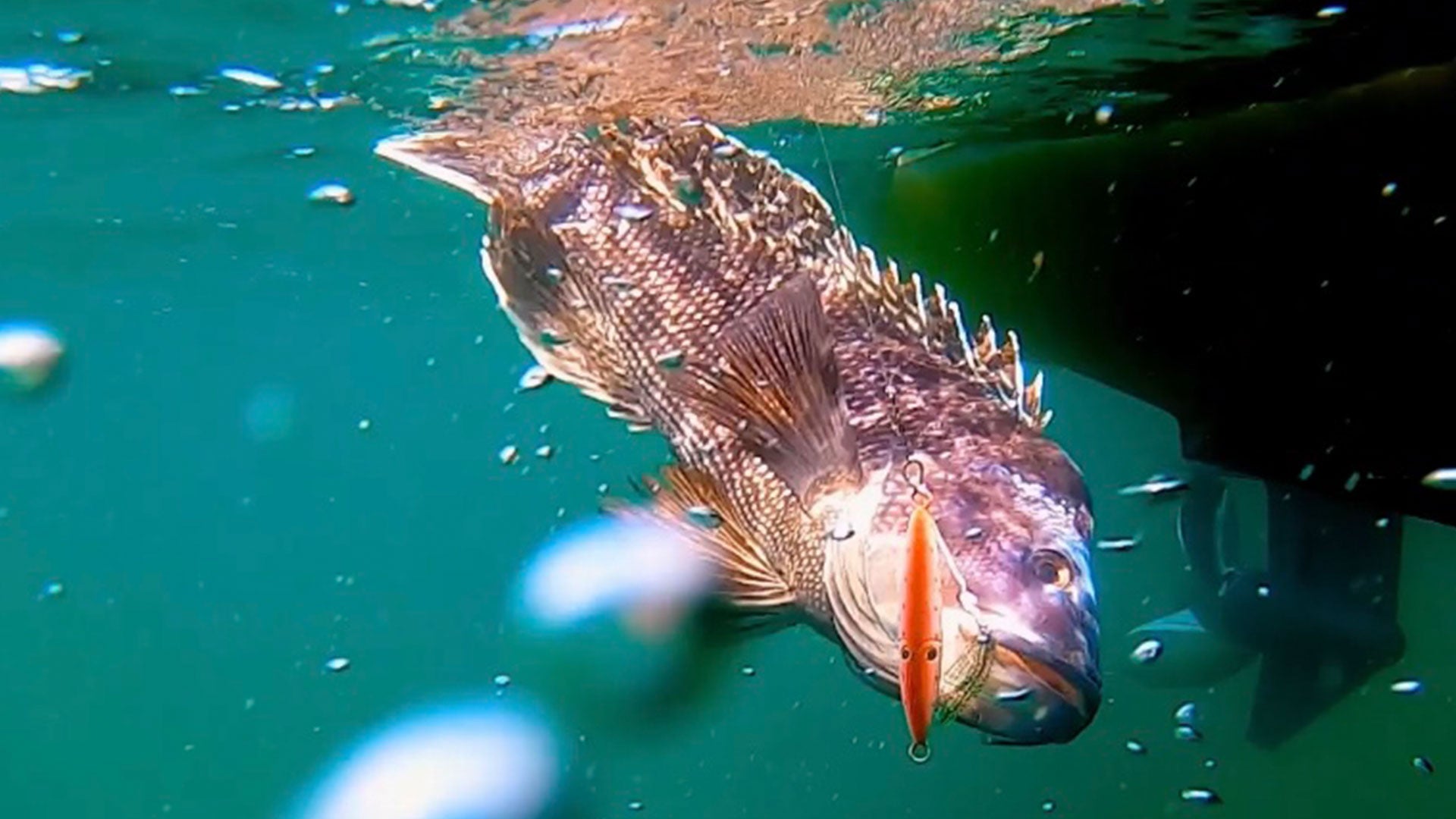
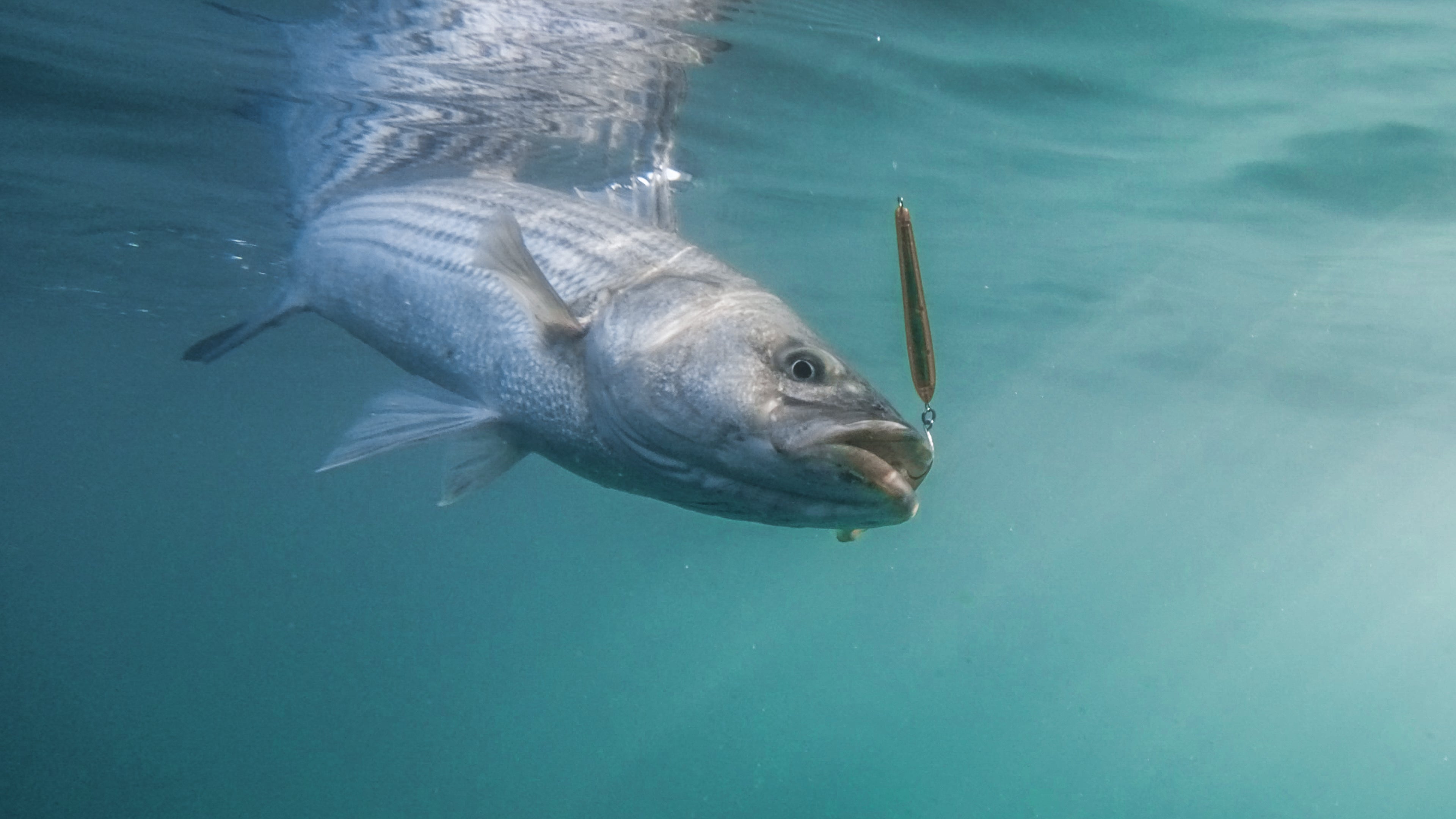
A good sea bass on the Groundfish Biki Jig. No bait, just the jig and its hair.

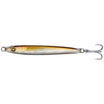
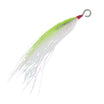
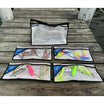
The Groundfish Biki Jig. The flat head stands it upright and the hair keeps working after the jig stops.
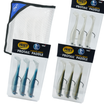
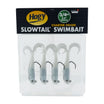
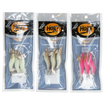
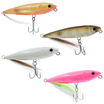
The Biki comes in three sizes. At slack water on shallow rock I start with the 1.0 oz in olive, which is what I fished that morning. The size follows what it takes to hold bottom, so step up when the drift picks up or the fish sit deeper.
| Groundfish Biki Jig | Where it fits | Rod |
|---|---|---|
| 1.0 oz (~28 g) | Slack water on shallow rock, 15 to 30 ft. Where I start. | 7' Medium (HLTI7M) |
| 1.6 oz (~45 g) | Light current, sea bass on wrecks in 30 to 50 ft | 7' Medium (HLTI7M) |
| 2.0 oz (~57 g) | Wreck edges and gravel contours in 40 to 80 ft, stronger drift | 7' Medium-Heavy (HLTI7MH) |
Find ground zero, then make short drifts
Scan the piece before you drop. Look for fish tight to a boulder edge, a pocket in broken bottom, or where rock meets gravel or sand. Watch your plot lines and picture the drift before you make it.
Run up tide of the marks and drift back over them. Make a few exploratory drifts, find the patch that holds the big fish, and then work it with short drifts. That's ground zero. When the fish start getting smaller, that's your cue. Pick up and go right back to the juicy structure and the good marks.
When the fish are spread along an edge instead of stacked on one pile, I drift the contour line. Control the drift speed and look for the irregularities: hard spots, mussel beds and scattered rock.
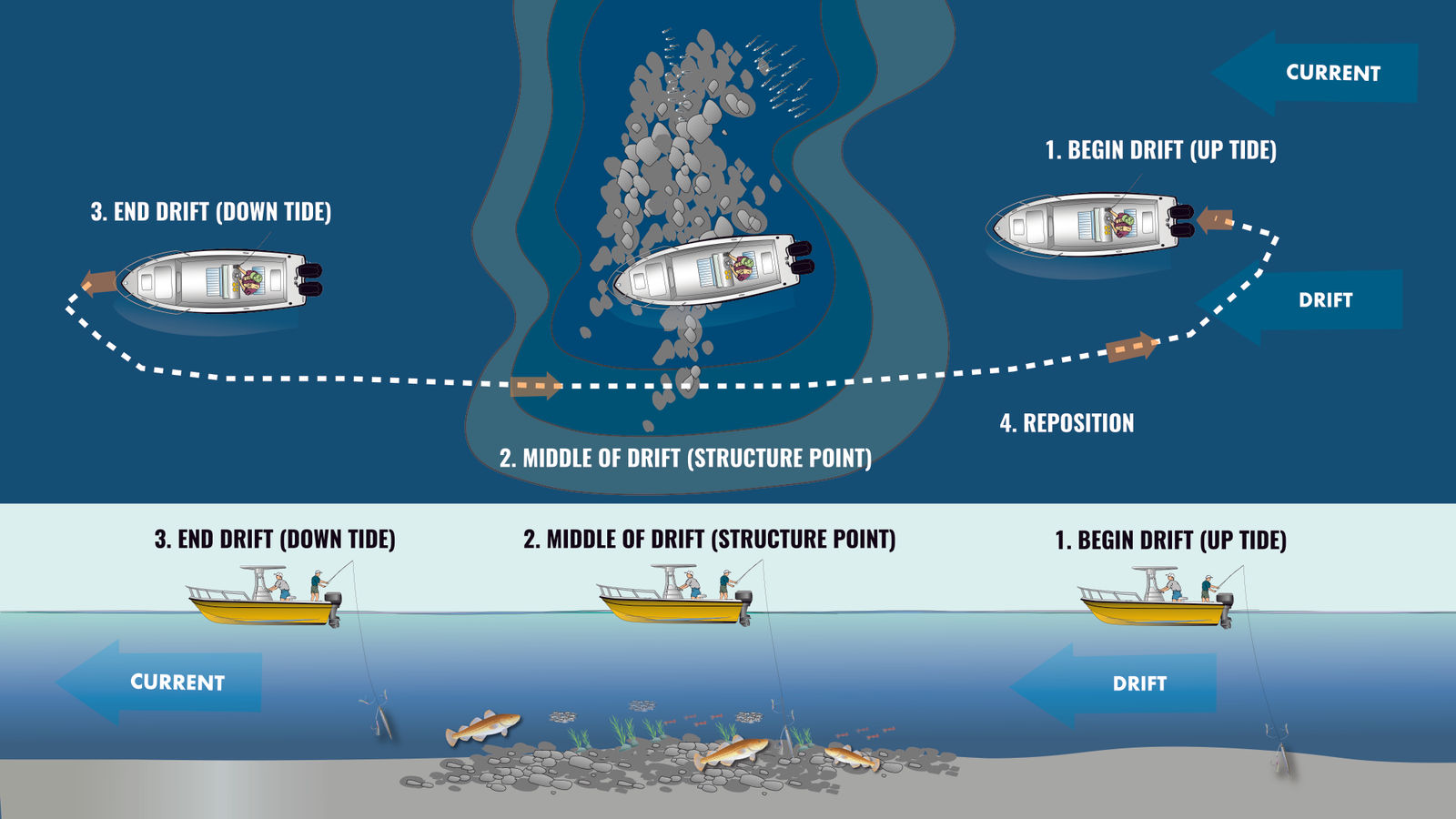
Ground zero, drift by drift: start up tide, cross the boulders mid-drift, finish down tide, reposition. Short drifts keep the jig on the rocks that hold fish.
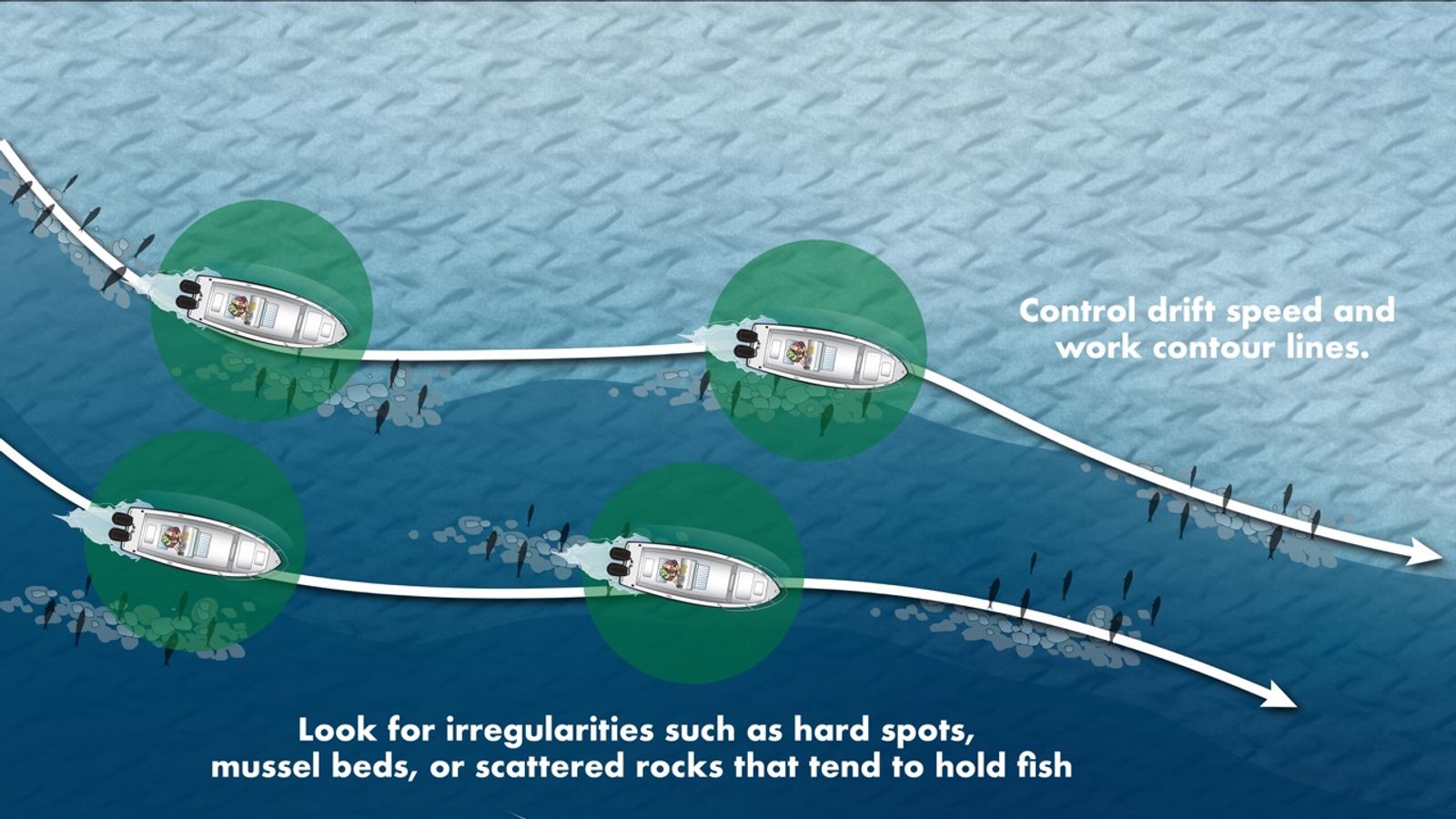
Drifting contour lines: control drift speed and work the edges where hard spots, mussel beds and scattered rock hold fish.
Thump it and let it settle
Keep the rod low and give the jig a short lift, then let it tap back onto the bottom. Pause before you do it again. Pick up slack with the reel, and keep the jig on the bottom where the fish are.
The thump kicks up a little disturbance, especially on sand and gravel pockets, and the pause leaves the jig sitting where a fish can eat it. Start with one clear tap and a good pause. If the fish respond to movement, try a few rhythmic taps before you settle it again.
One clear tap and a good pause. The jig sits where a fish can eat it.
Stay close to the bottom. Big lifts pull the jig out of the pocket, and dragging it sideways through the rocks is a good way to lose it. Learn the difference between touching down and hanging up.
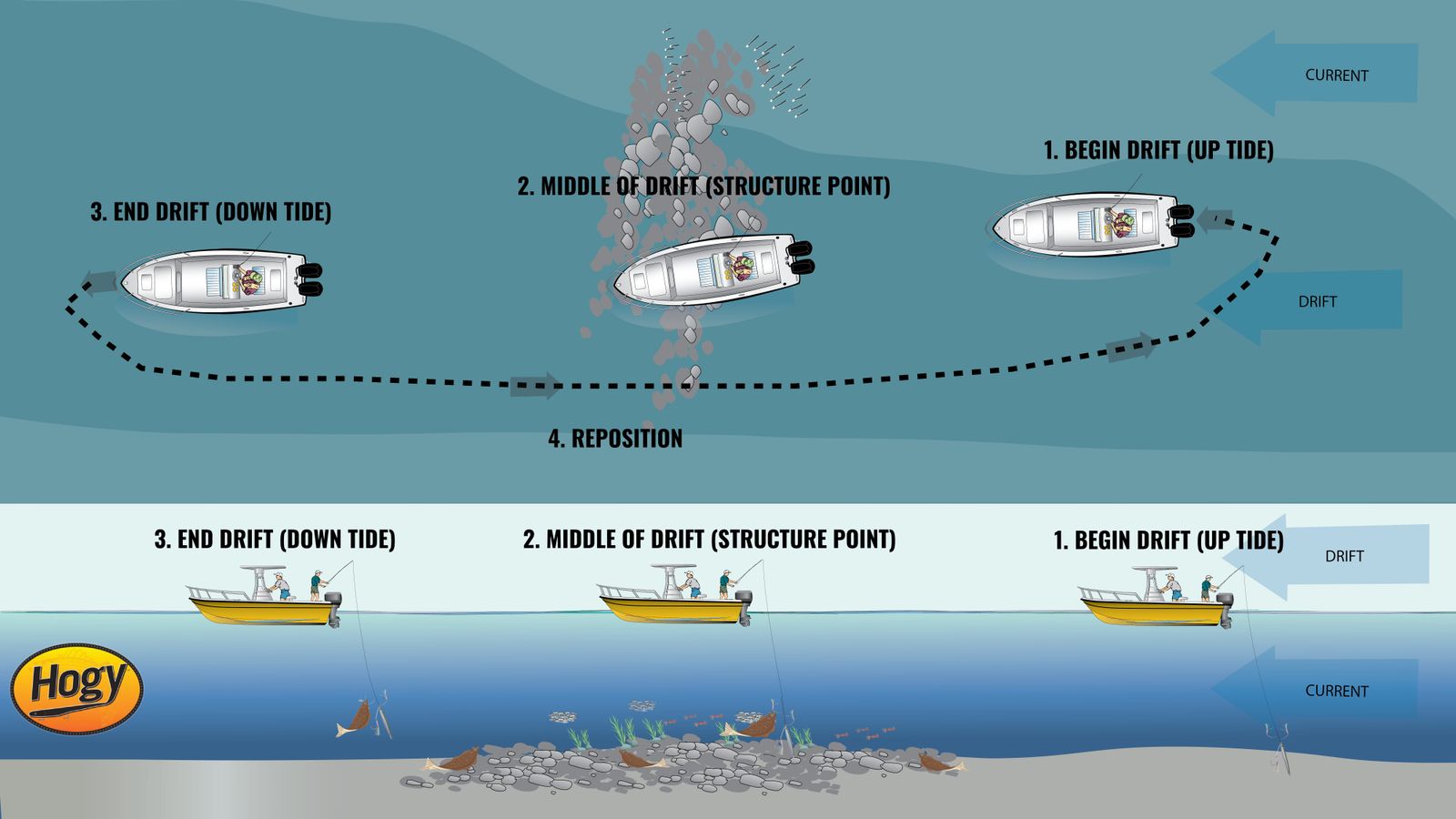
R2800 Bottom Thump: short lift, tap down, pause. The pause is when the jig looks easiest to eat.
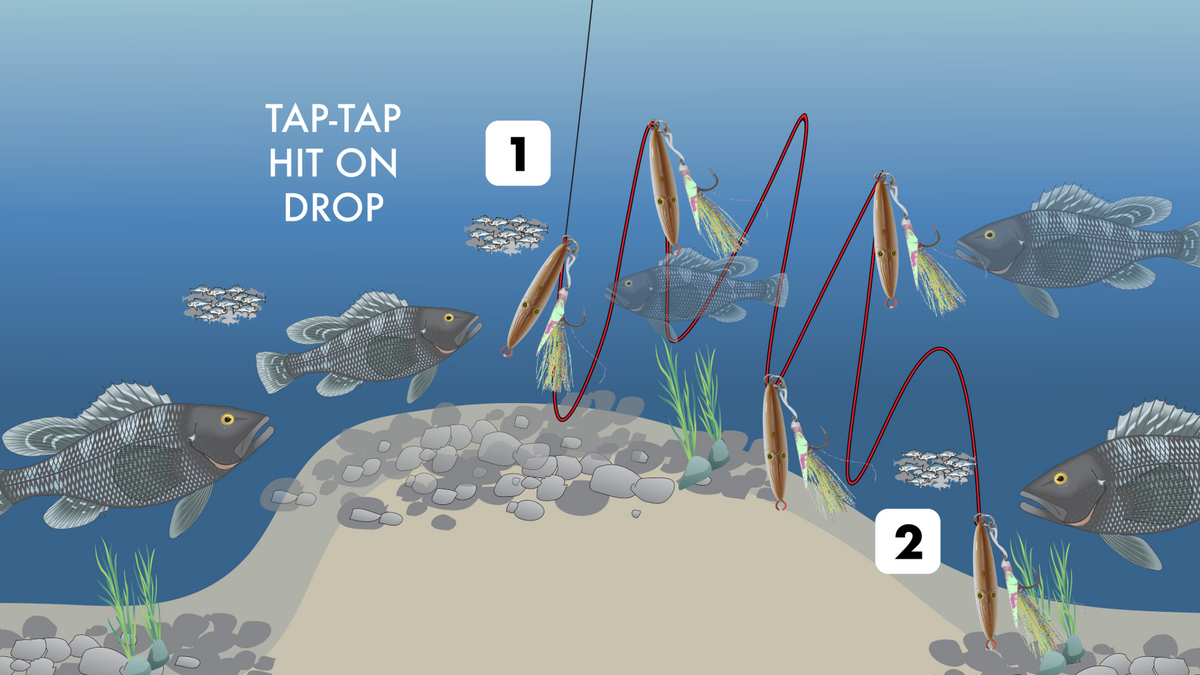
Sea bass will often pick it up on the way down. You'll feel a little thud while the jig is still sinking. That's when you set the hook, and set it quick, because they'll spit it.
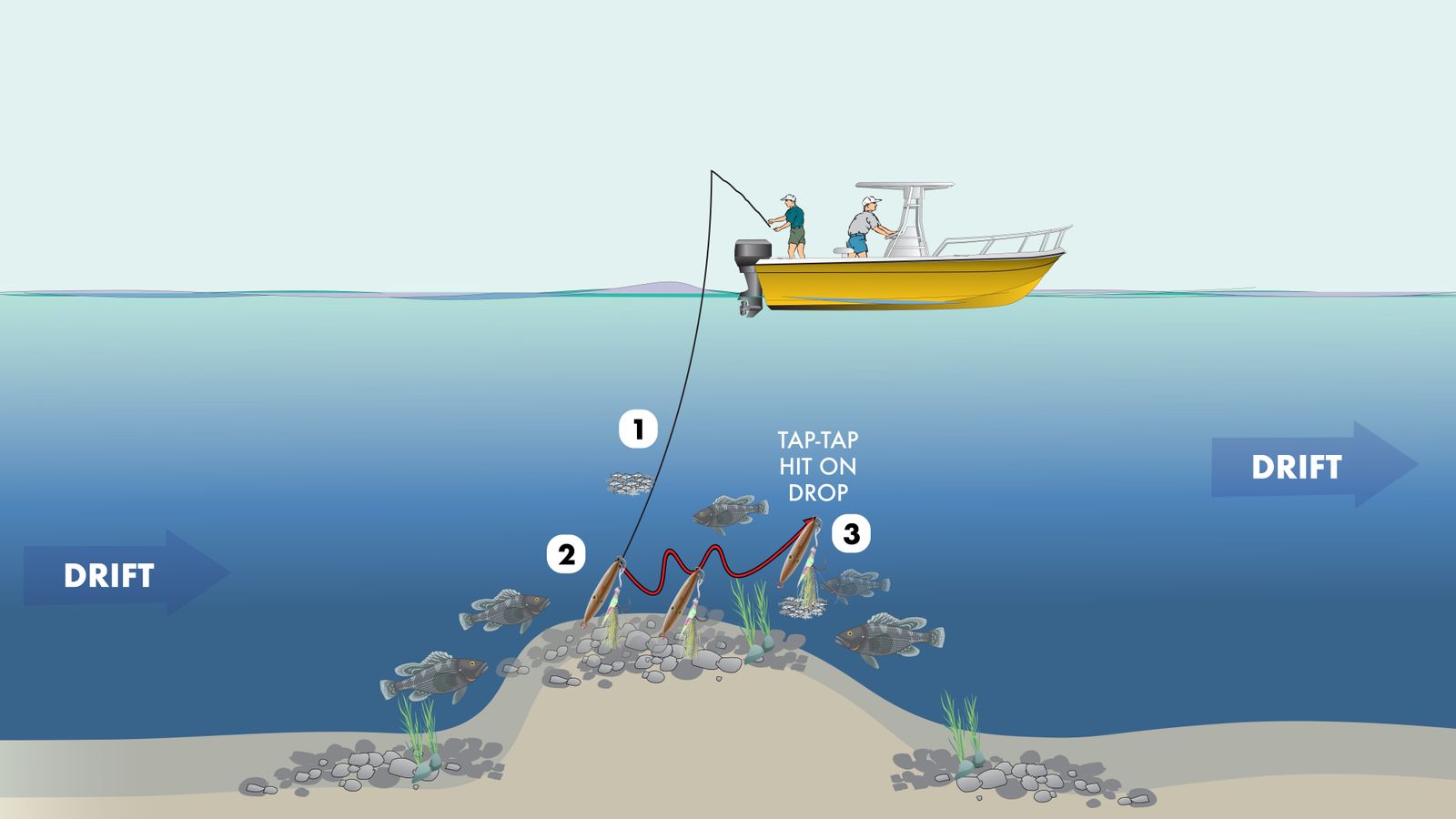
Drop, tap-tap, and the hit on the drop. Stay ready on every fall.
If the fish stop answering the thump, deadstick it. Hold the jig still on the bottom and let the hair and the boat's slight movement do the work. Same rocks, same jig, quieter presentation. Give each change time to earn a bite.
Once the tide starts moving and I switch to a Squinnow, two more strokes come into play. Slow-pitch style is a long, smooth lift with a flutter on the fall. The twitchy jig is two or three quick pops right off the bottom before the jig falls back. Sea bass hit both on the drop.
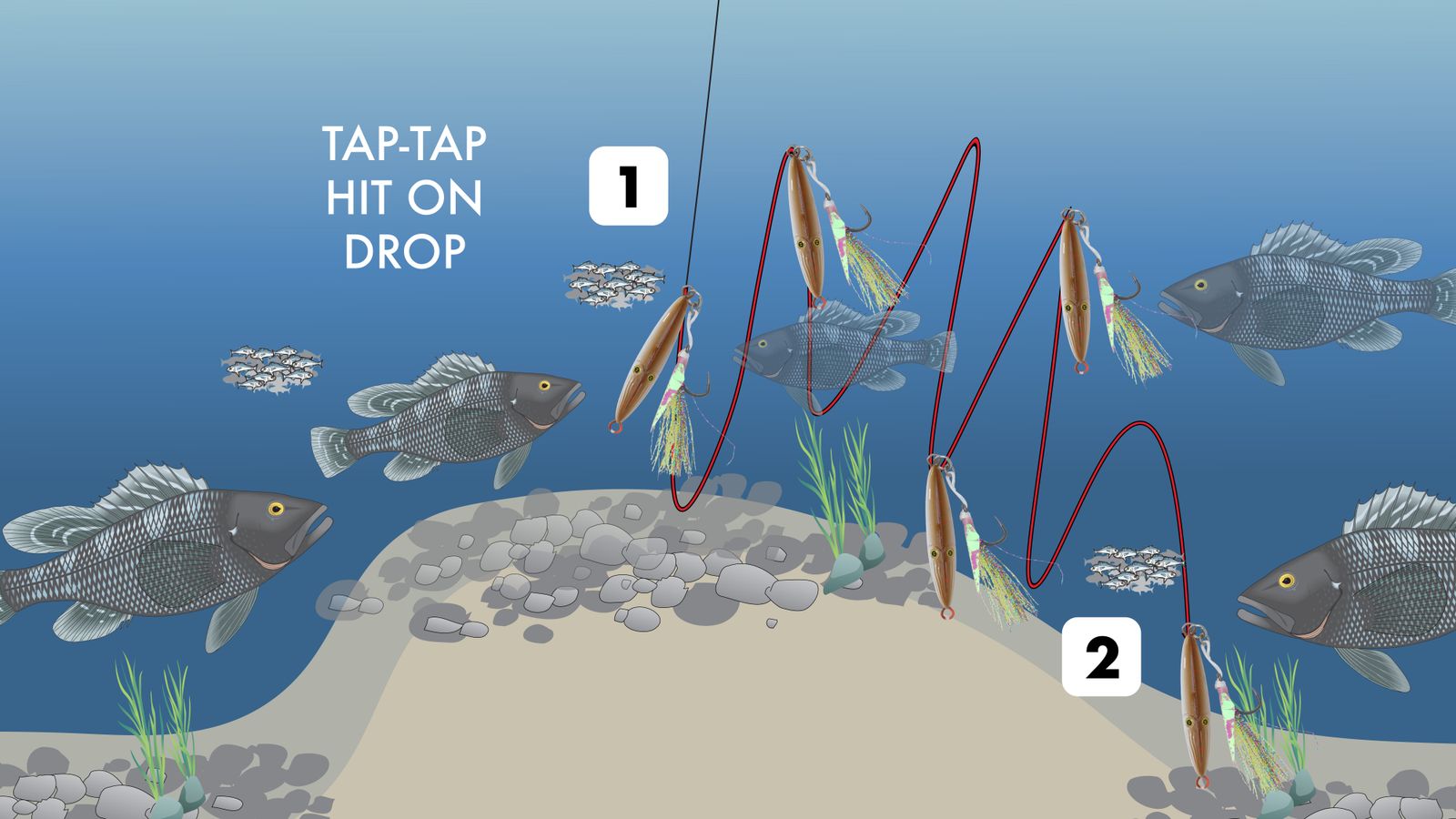
Slow-pitch style: a long, smooth lift, then a flutter on the fall. Tap-tap, and the hit comes on the drop.
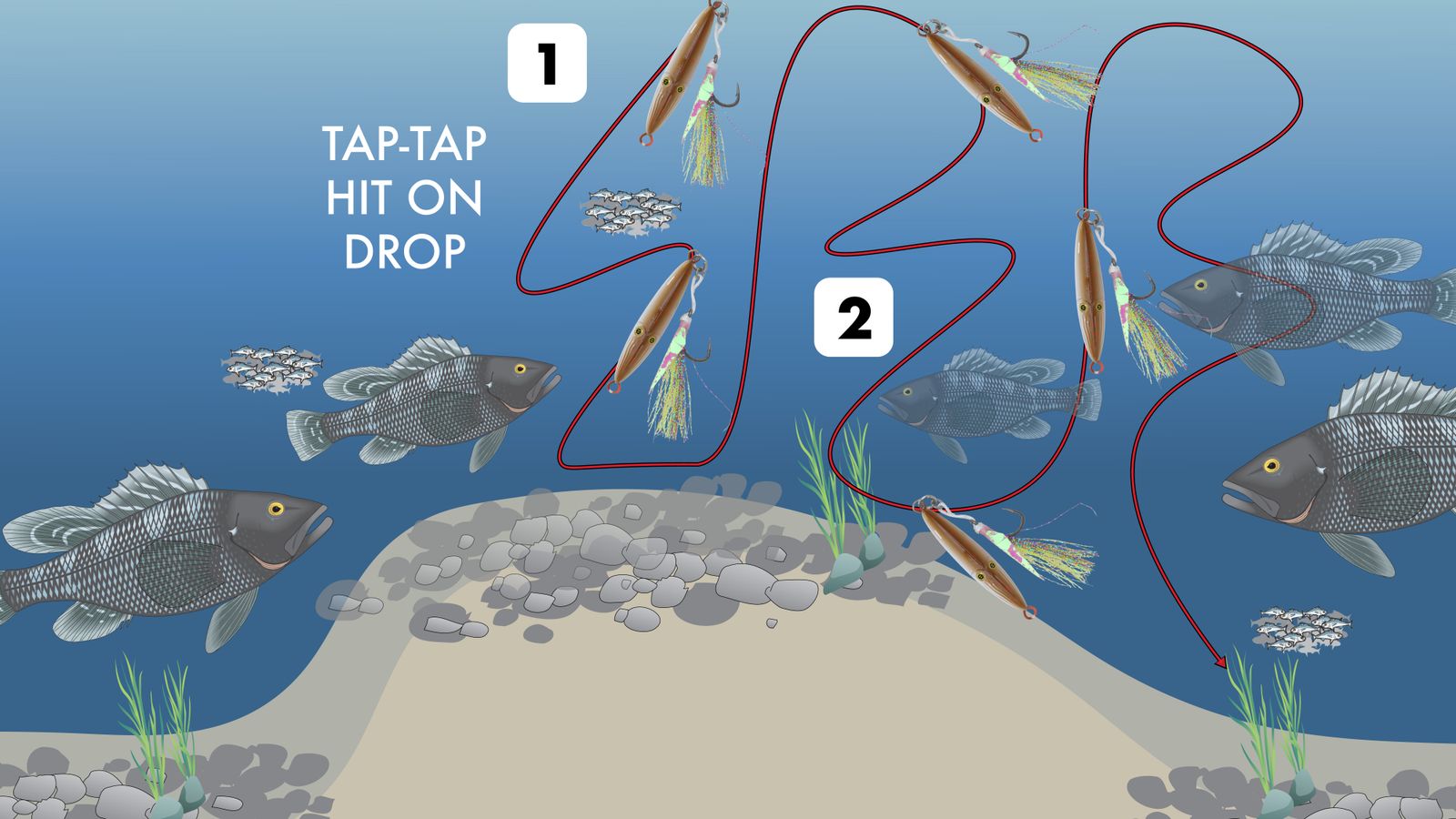
The twitchy jig: quick, short pops right off the bottom, then let it fall. Hit on the drop.
The rod: the softest one on the boat
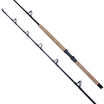
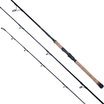
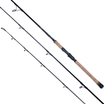
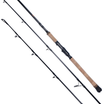
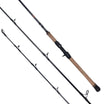
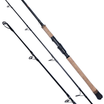
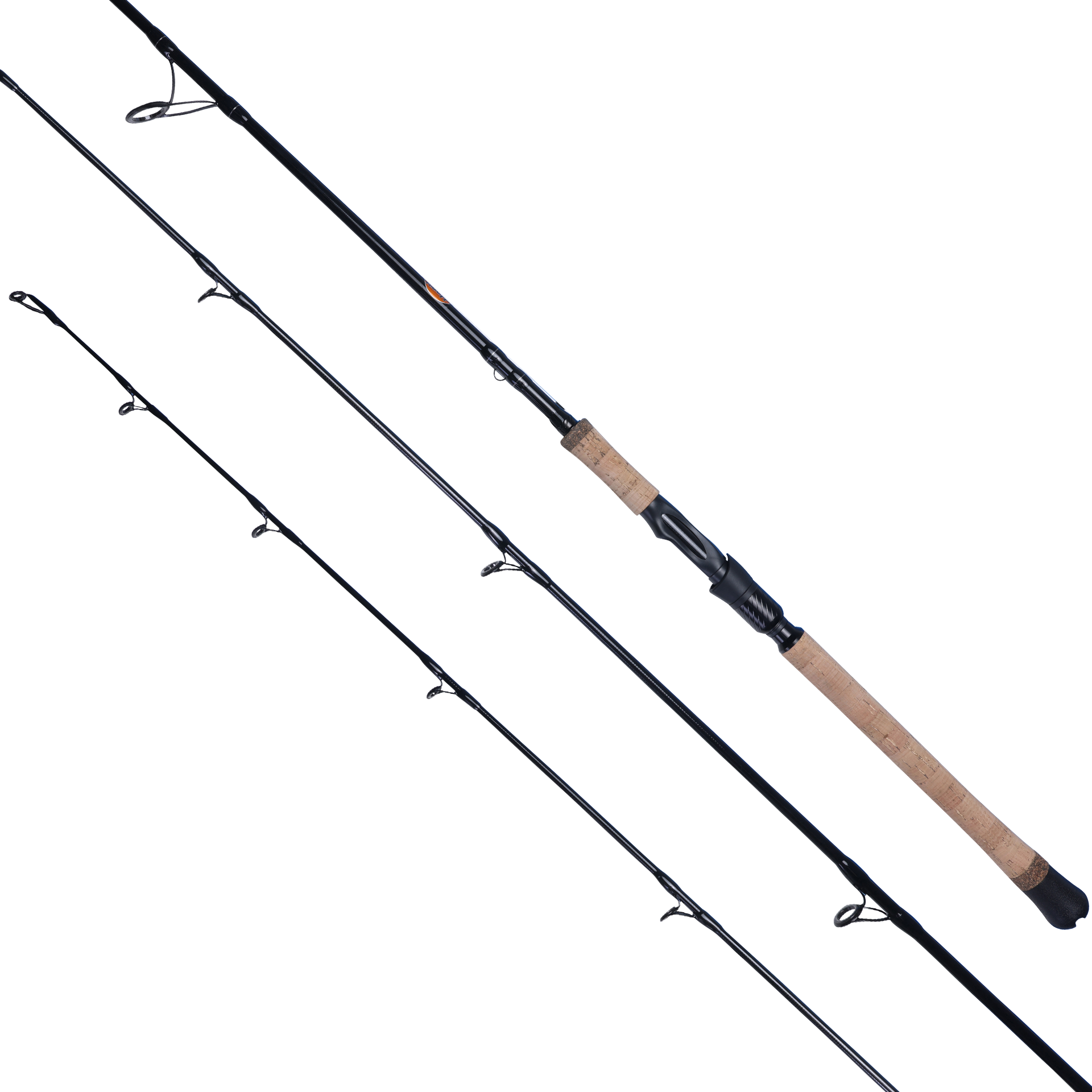
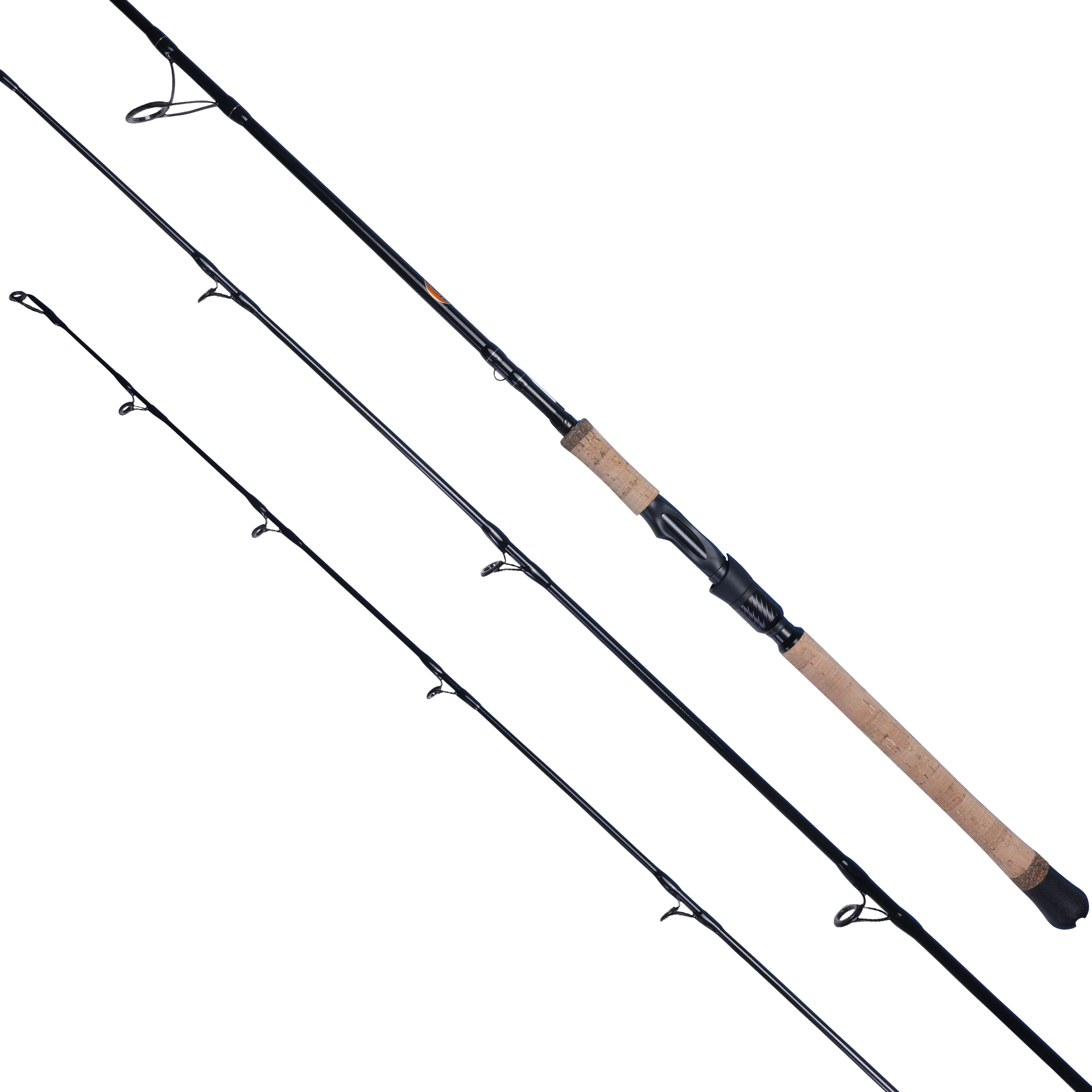
I fished this on the softest inshore spinning rod I carry, the 7' Medium (HLTI7M). It's built for casting, and it bends deep into the midsection, which is exactly what you want for the 1.0 oz jig at slack water. The tip shows you the thud on the drop, and the bend keeps a light-mouthed sea bass pinned while a first-timer figures out the reel.
When the current comes back and you need a heavier jig to hold bottom, step up to the 7' Medium-Heavy (HLTI7MH) and a Squinnow. Same rods I cast for stripers all season. I made the full case for that in "Gear Deep Dive: Albie Rods For Groundfish (Sea Bass + Tog)."
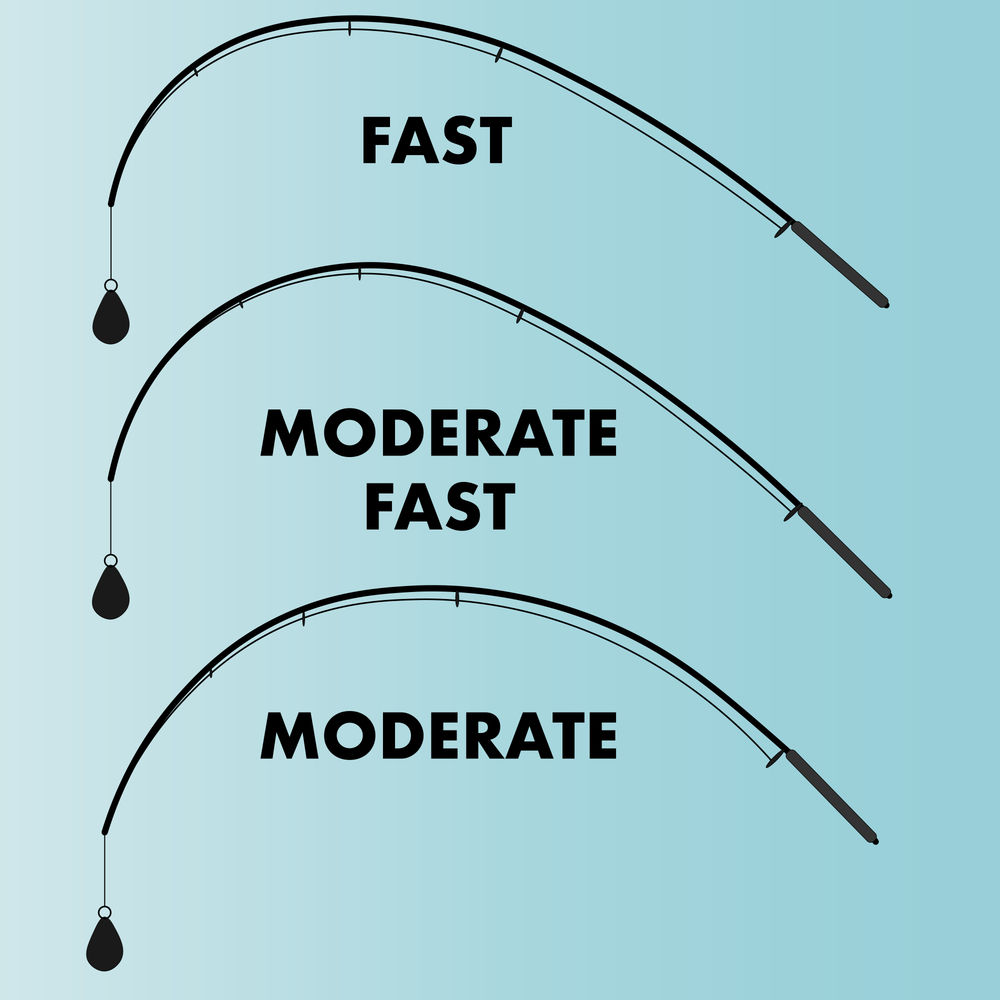
Moderate-fast loads the tip, then rolls into the mid. That second stage is what keeps a sea bass hooked on a slow sweep.
Then the tide turned
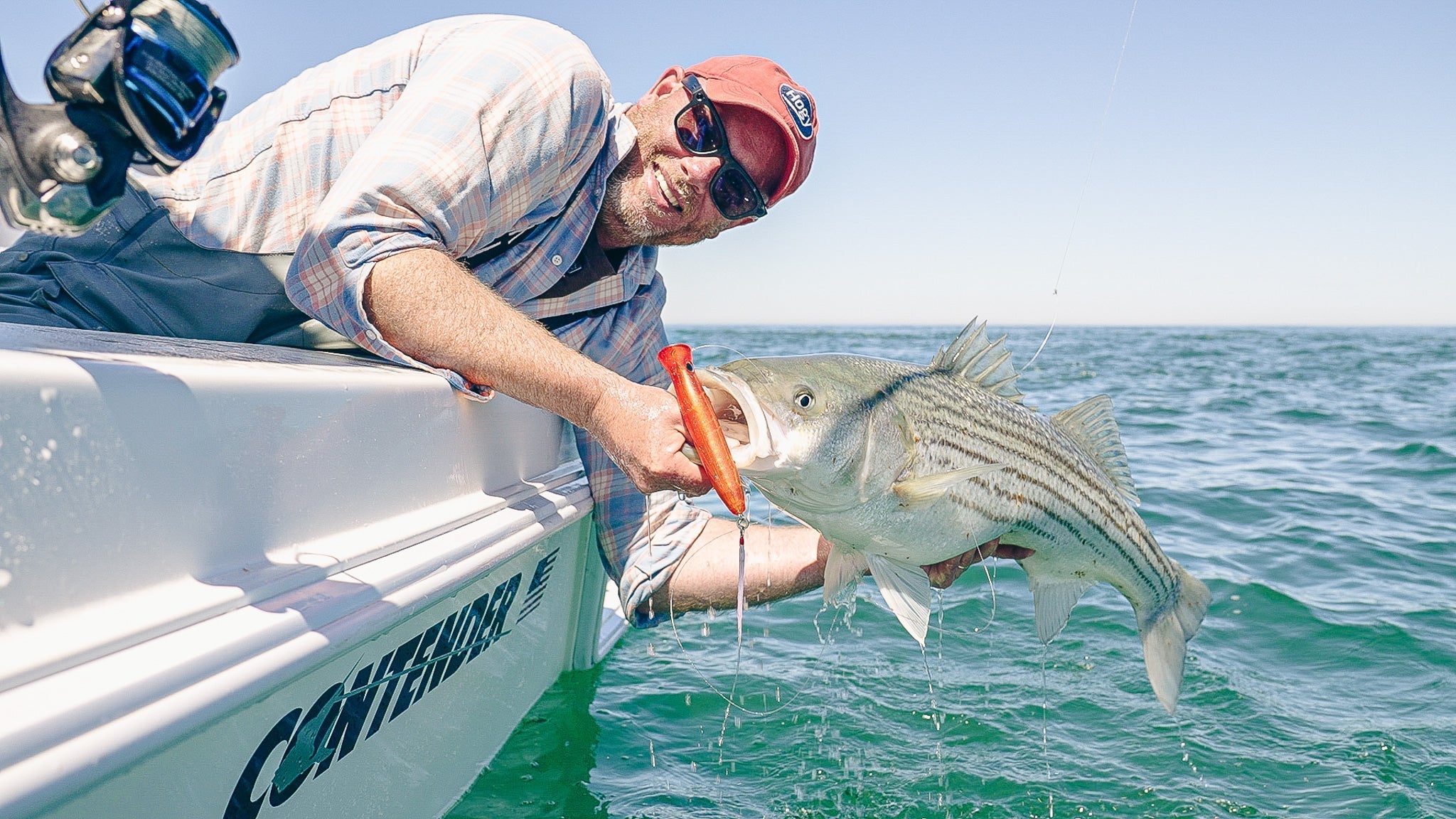
We filled the cooler, the current picked up, and we ran to the rips for topwater stripers. That's the beauty of a slack tide sea bass stop. You don't need a perfect tide, everybody catches, and you're set up for the main event when the water starts moving.
Salty Cape TV: Popper Stripers, Stem the Tide Rips, Multi-Spot Combo Tour. The sea bass stop is the slack tide opener.

Leave a comment
All comments are moderated before being published.
This site is protected by hCaptcha and the hCaptcha Privacy Policy and Terms of Service apply.