





















Hogy How-To: Deep-Water Contour Drifts For Sea Bass (Squinnow)
Sea bass in 100 feet, the boat moving, and a jig that has to keep working near the bottom. Drift the contour, find the stretch that holds the good fish, then live there.

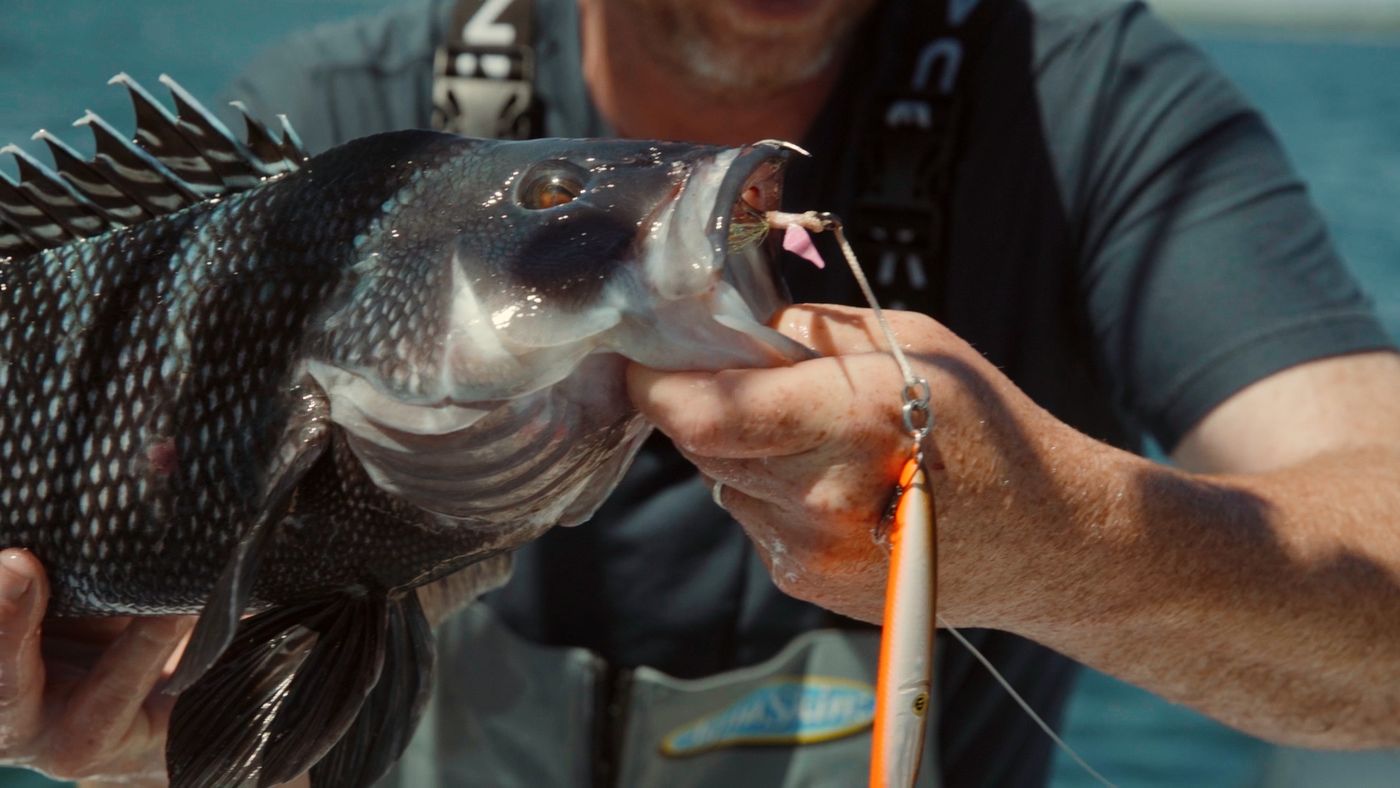
Summer jigging with the Squinnow. The method carries straight into fall.
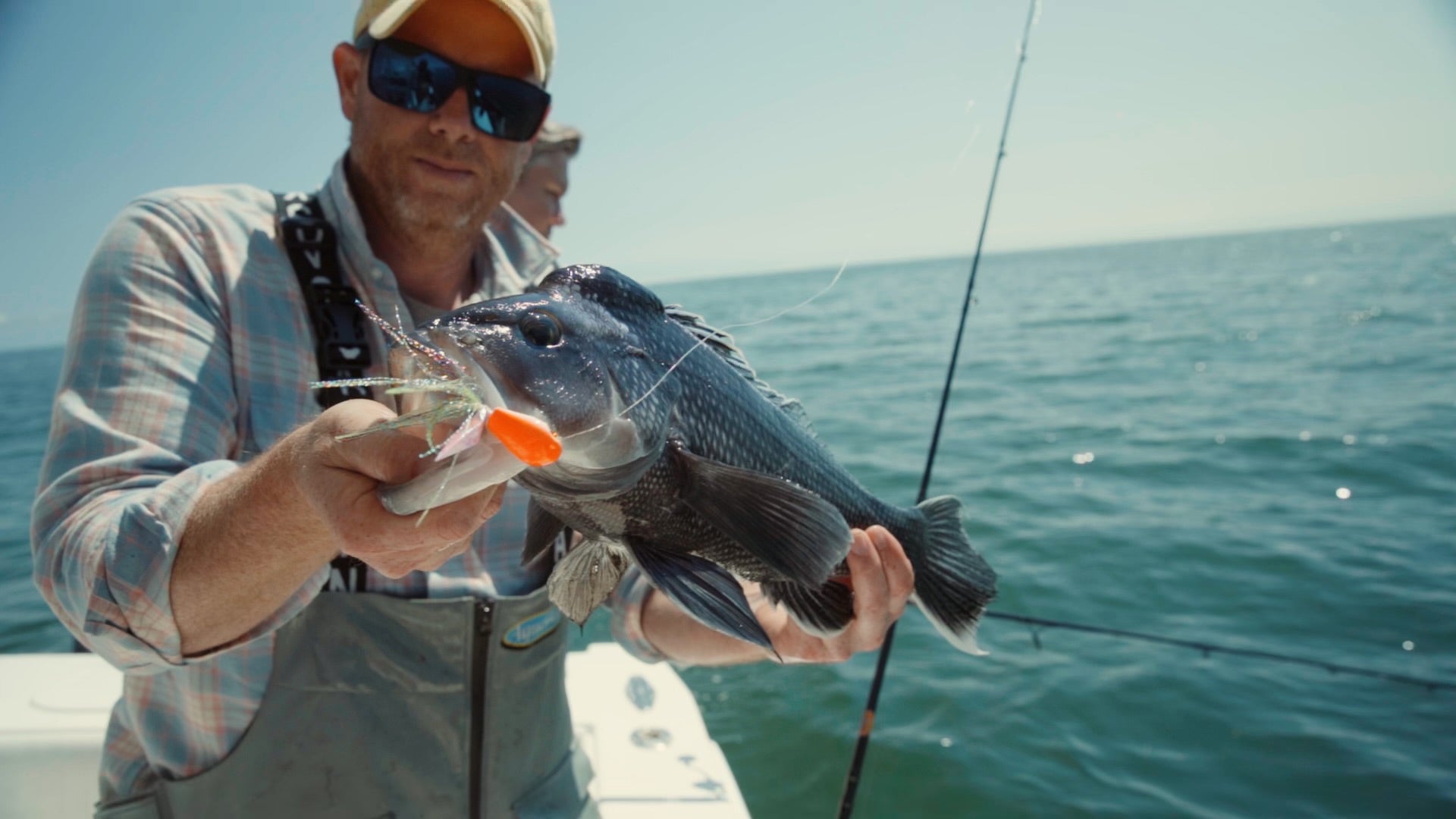
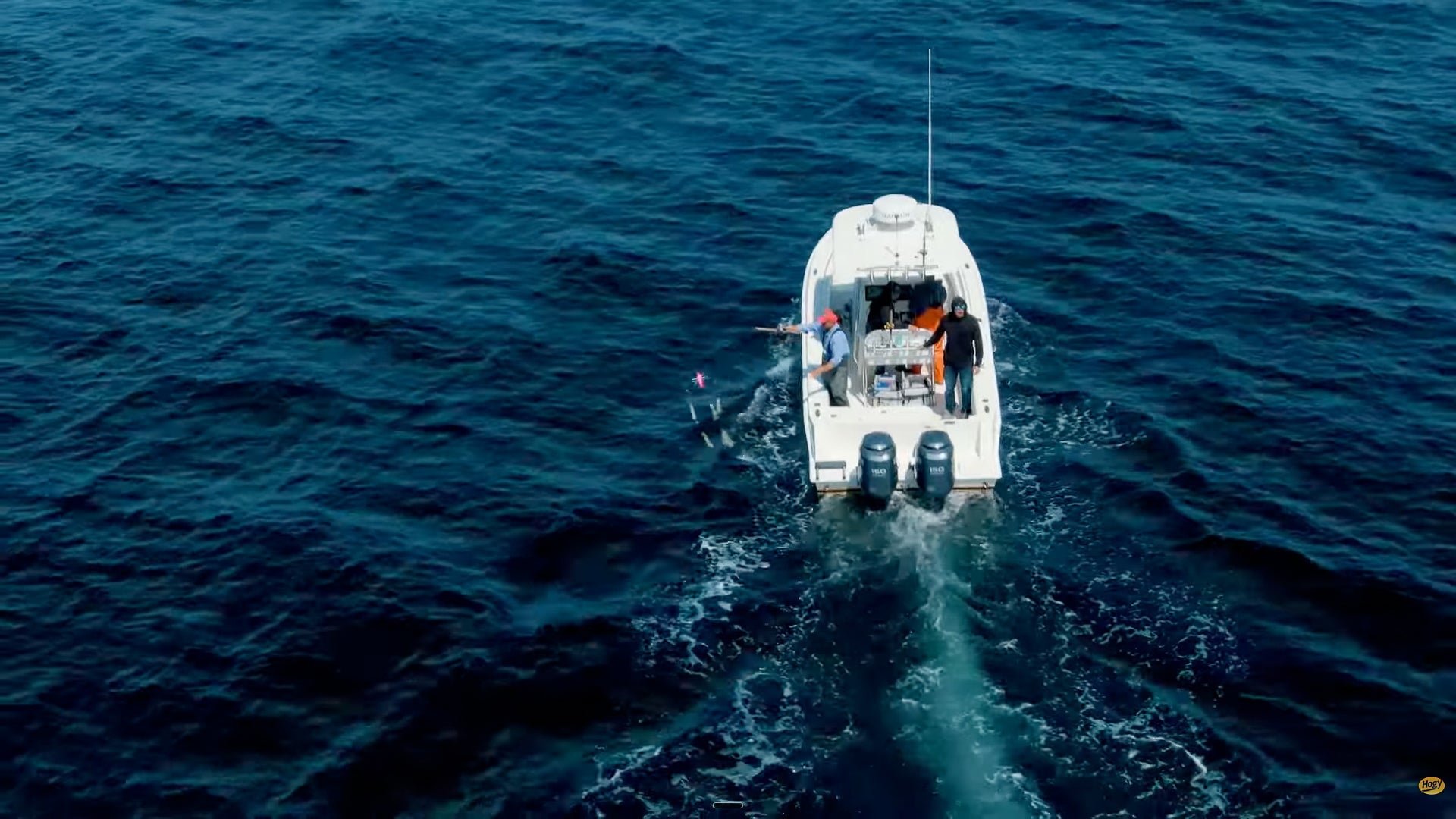
This one comes from a Fourth of July weekend trip along the Elizabeth Islands, chasing big sea bass for a cookout. We were working a deep valley of 95 to 100 feet between shallower ground, with the wind shifting and the tide building all morning. The answer was a deliberate drift, a heavy Squinnow, and a rod that could work it without struggling.
It's summer footage, and the mechanics carry straight into fall wherever sea bass sit in deep, broken terrain and the season is open.
Contour drift, not a pile drift
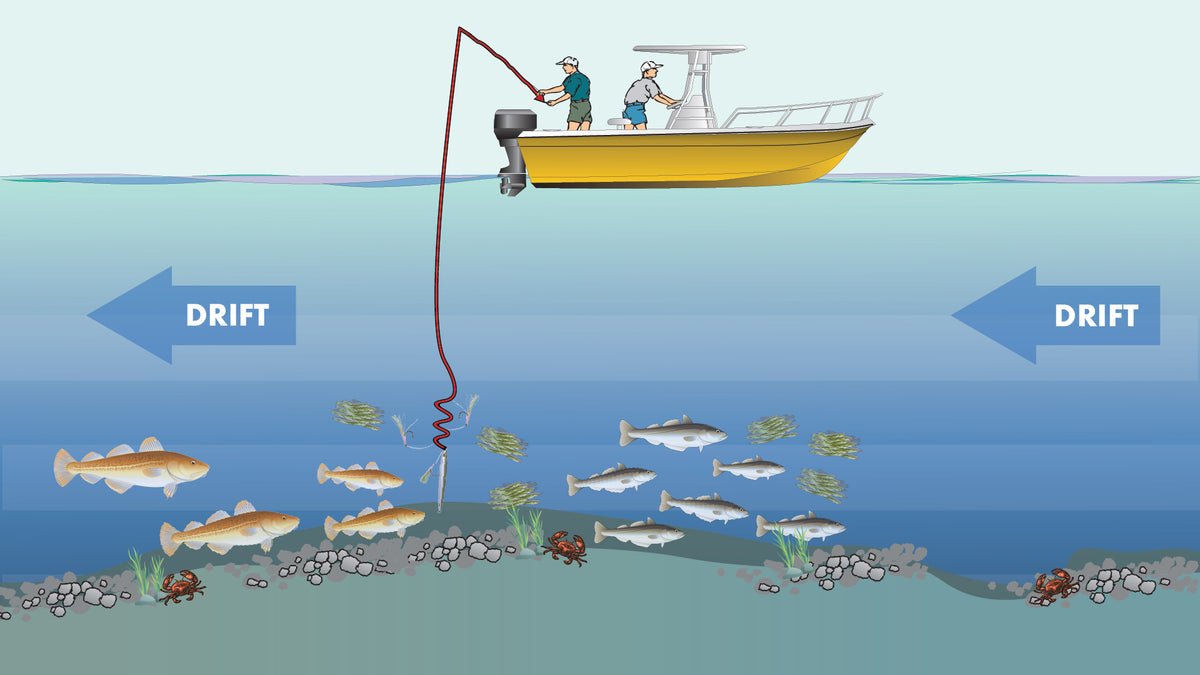
A pile drift crosses one boulder field or wreck. A contour drift follows a longer trough or edge while you hunt for the stretch worth repeating. The boat setup is different, and so is the first pass.
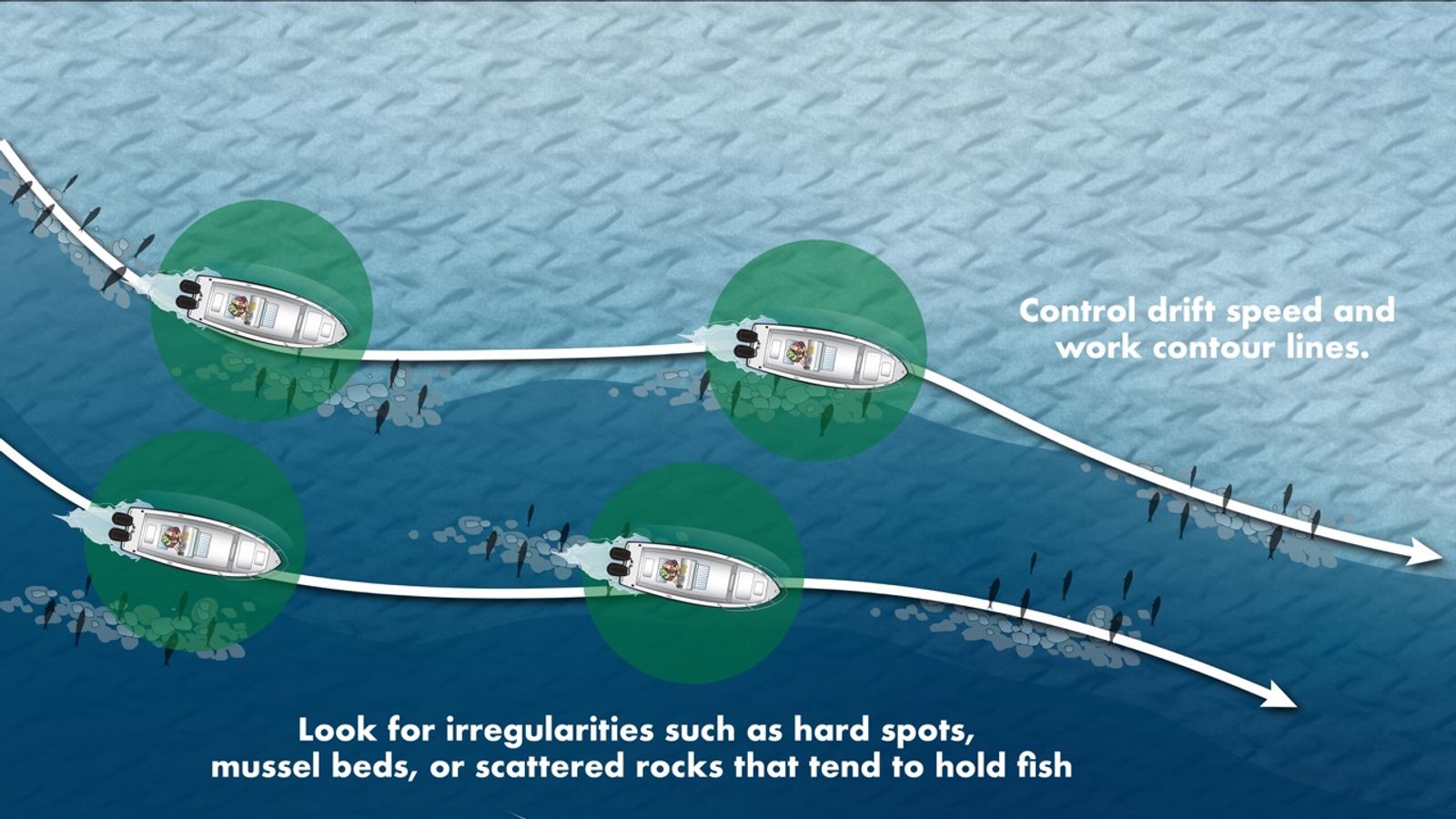
Control the drift speed and work the contour. Hard spots, mussel beds and scattered rock are what hold fish.
Read the valley, then find the good stretch
Find the deep lane and the contour breaks beside it. Pick a drift that samples a useful stretch while keeping the jig within reach of the bottom. The whole valley isn't equally good. Your first pass is a search for the piece worth repeating.
Watch the sounder, and watch what comes over the rail. When the good sea bass turn into a run of shorts or sea robins, you've left the stretch you want. Tie that to the boat's track and depth so you can use it on the next pass.
Let the jig and the rod work together
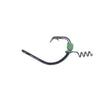
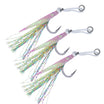
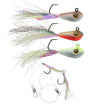
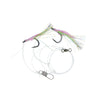
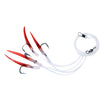
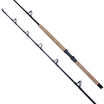
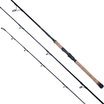
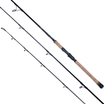
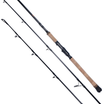
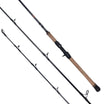
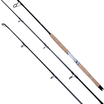
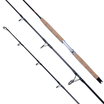
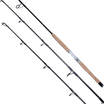
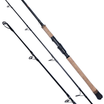
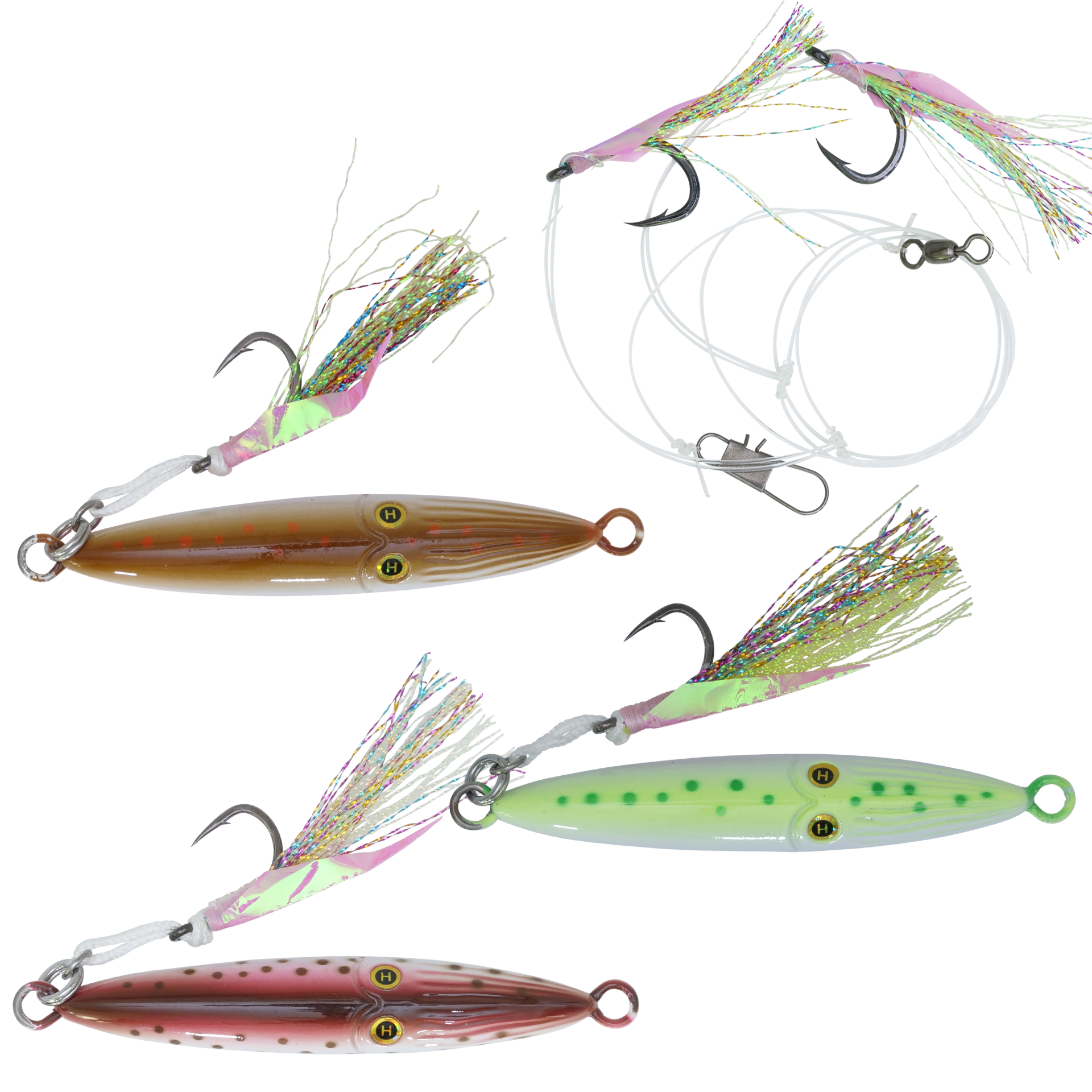
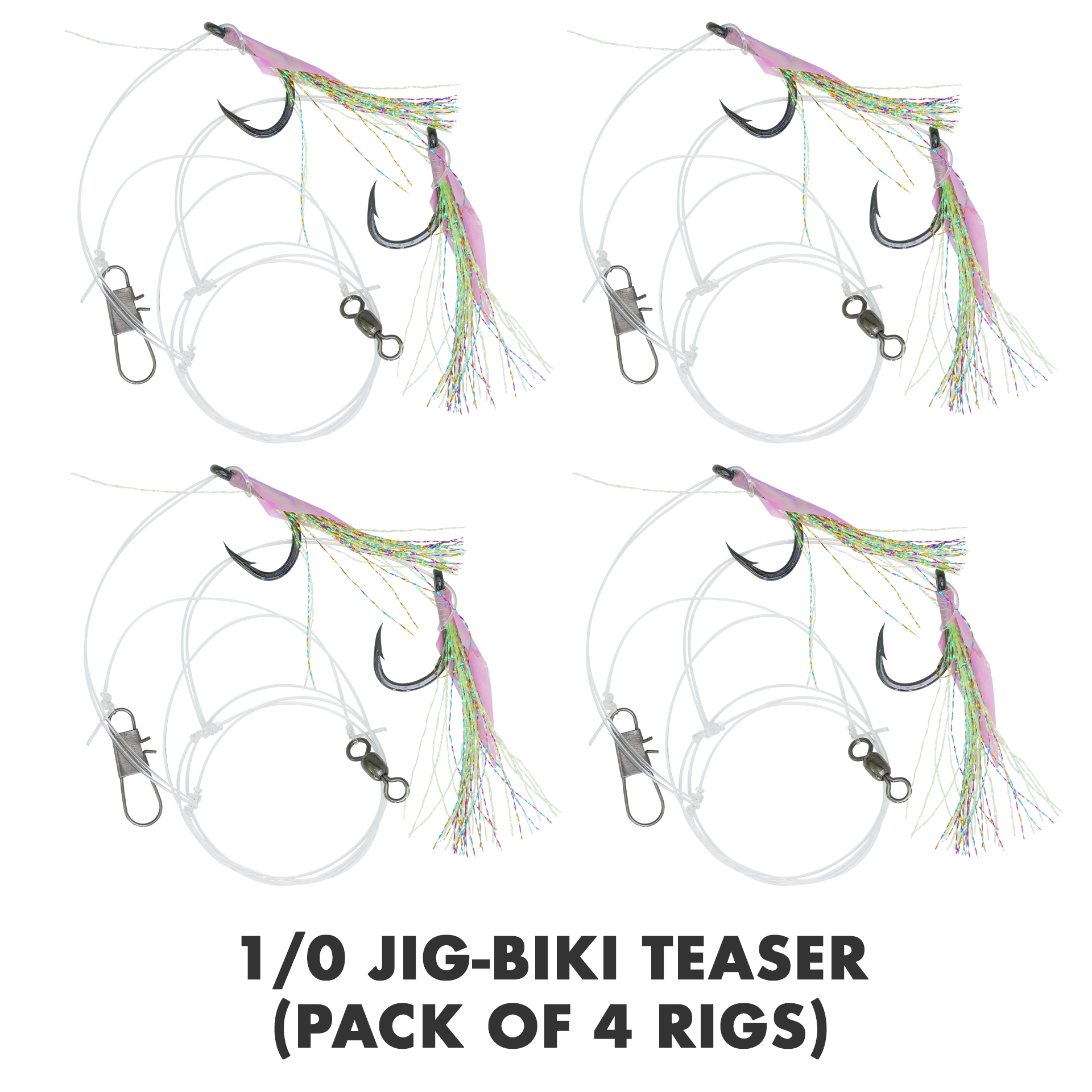
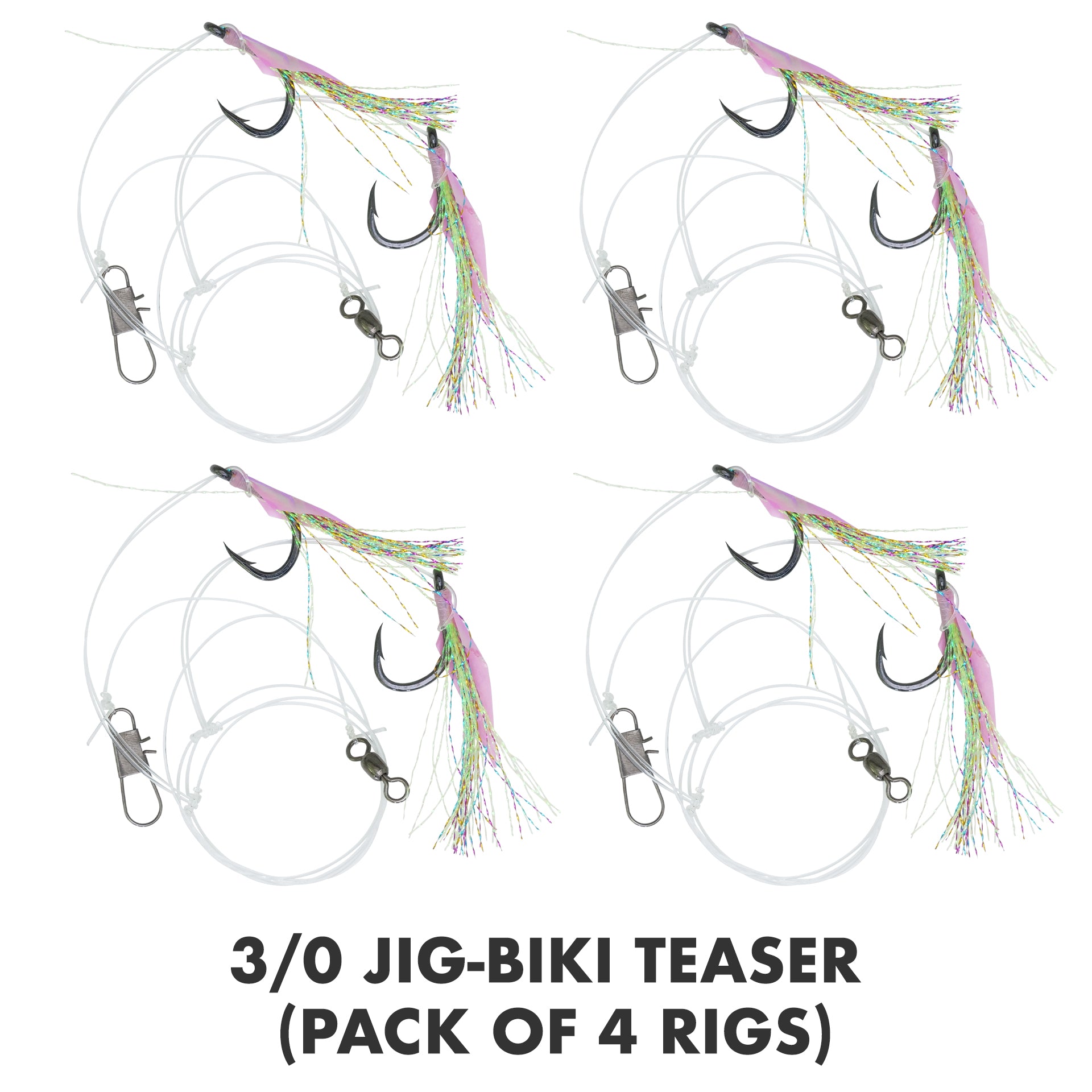
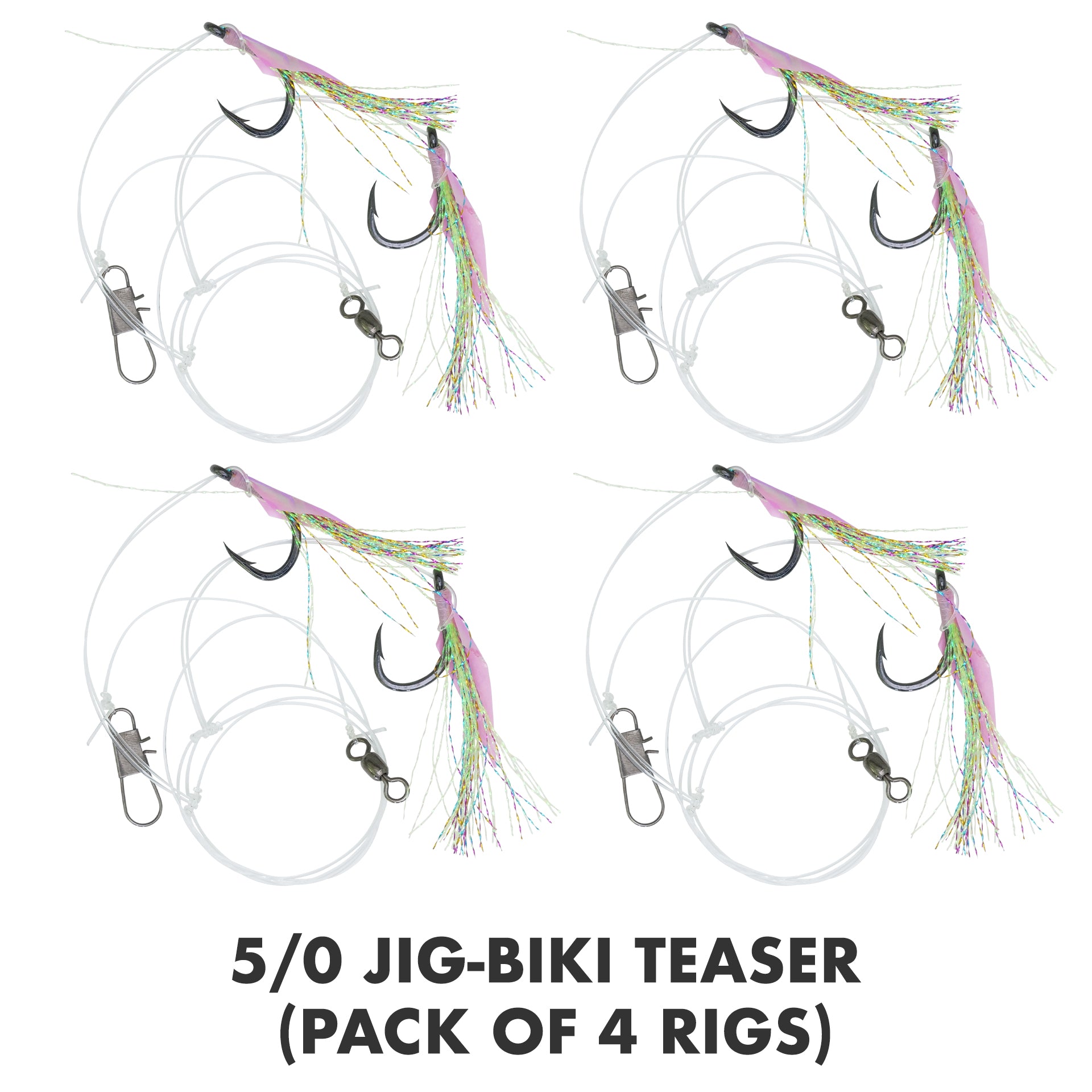
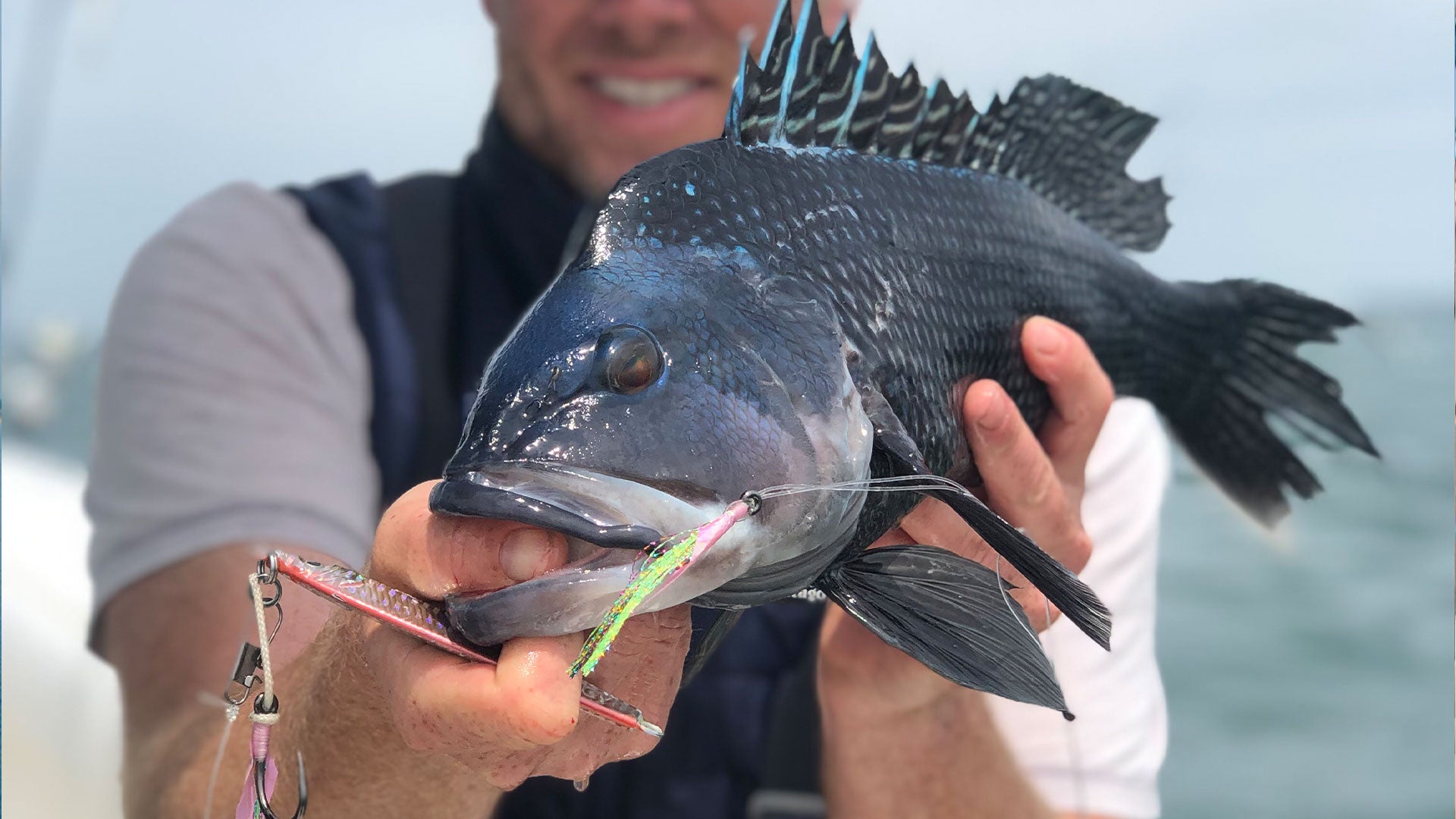
The 7' Heavy Hybrid earns its spot here because it carries a heavy jig through a slow stroke. The parabolic lift makes a flutter jig deadly on deep structure. Rig a 6.5 oz Squinnow, the heaviest in the line, with a Jig-Biki Teaser above it. Check the assist hook, the attachment points and the leader before you drop. A deep drop takes time, so make sure the rig is right before it goes down.
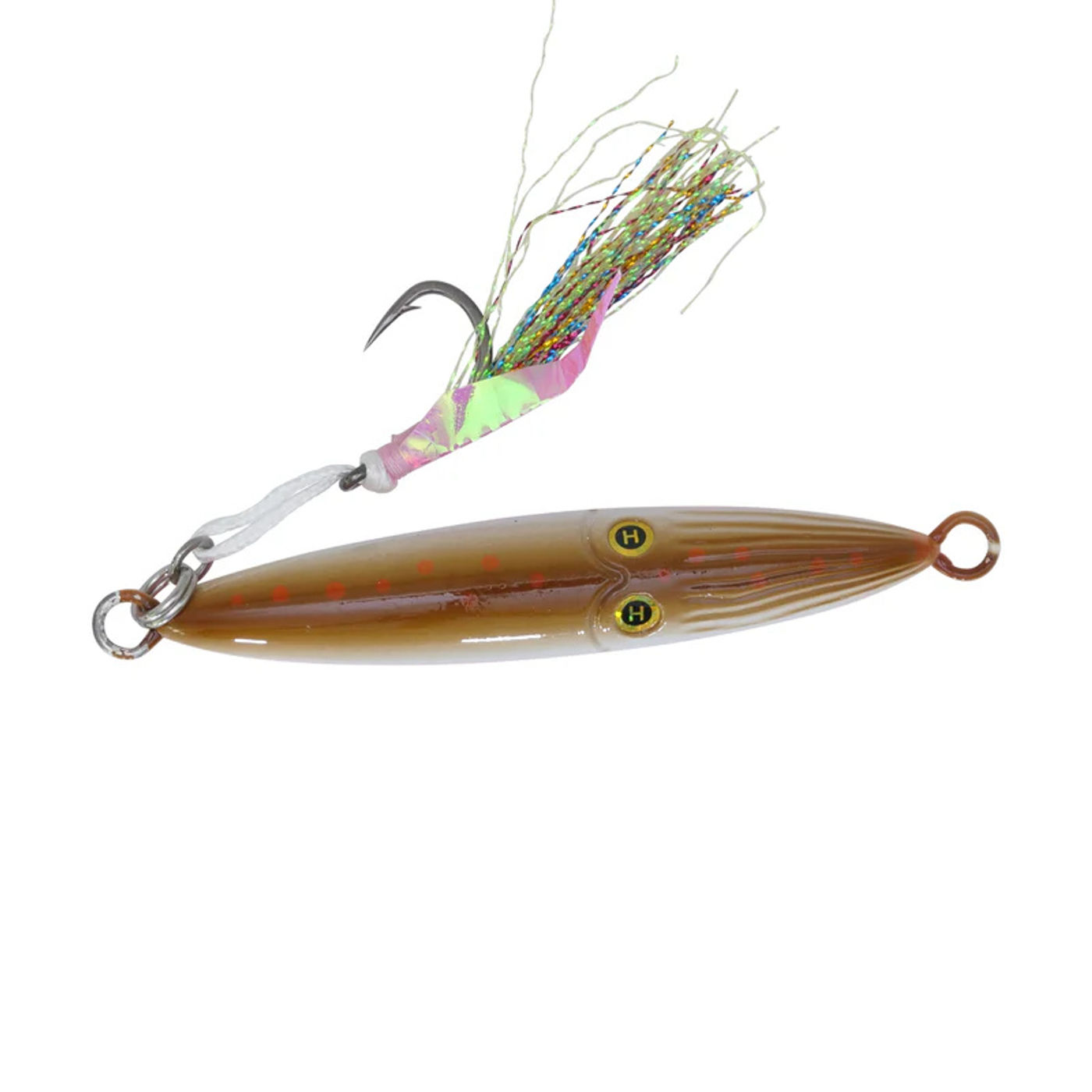
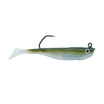
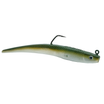
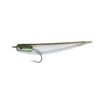
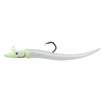
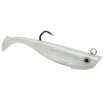
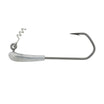
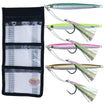
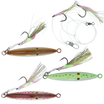
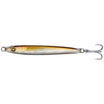
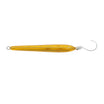
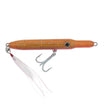
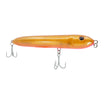
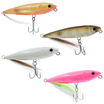
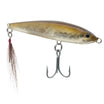
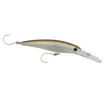
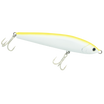
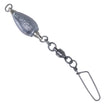
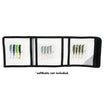
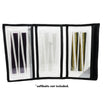
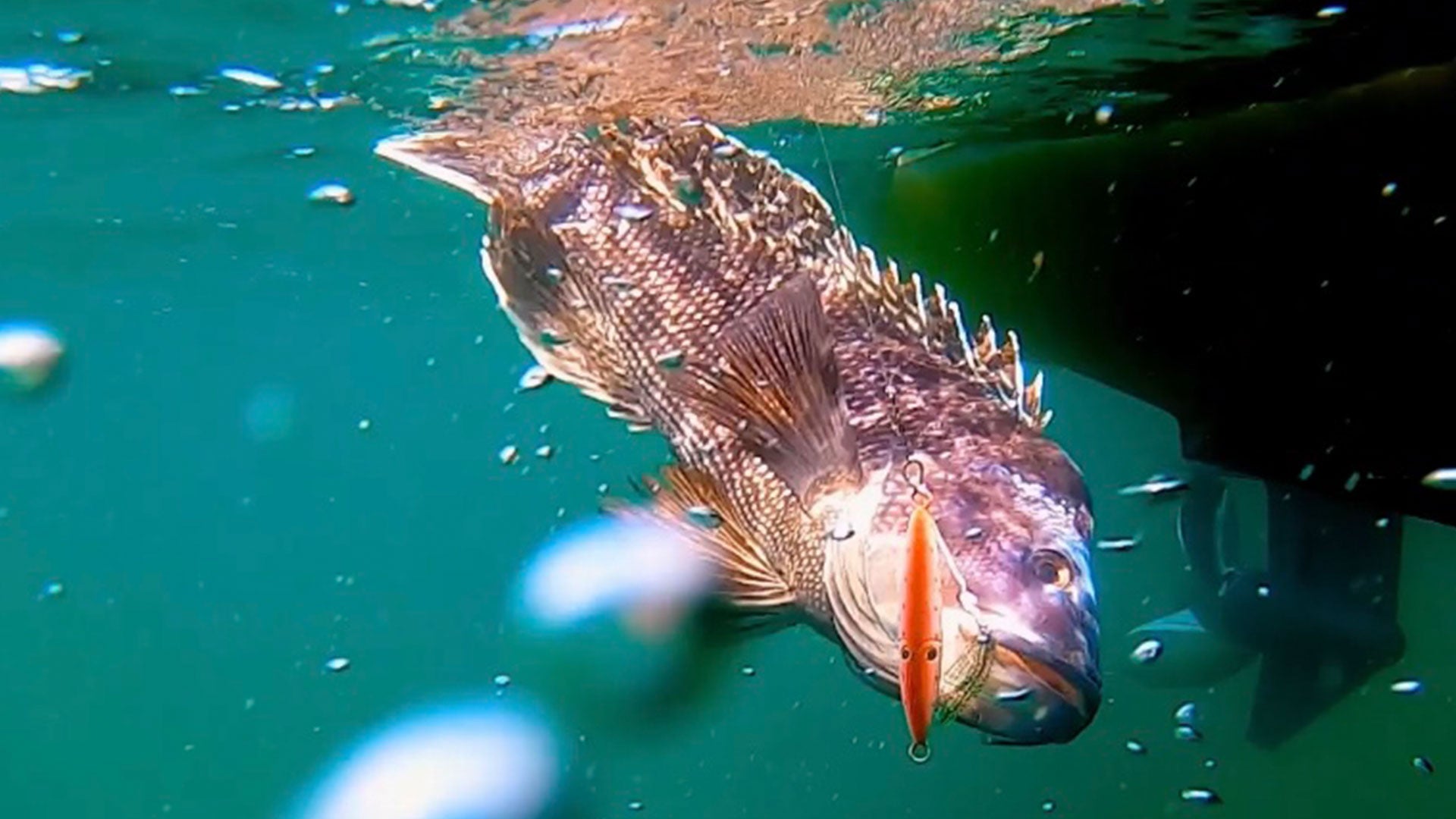
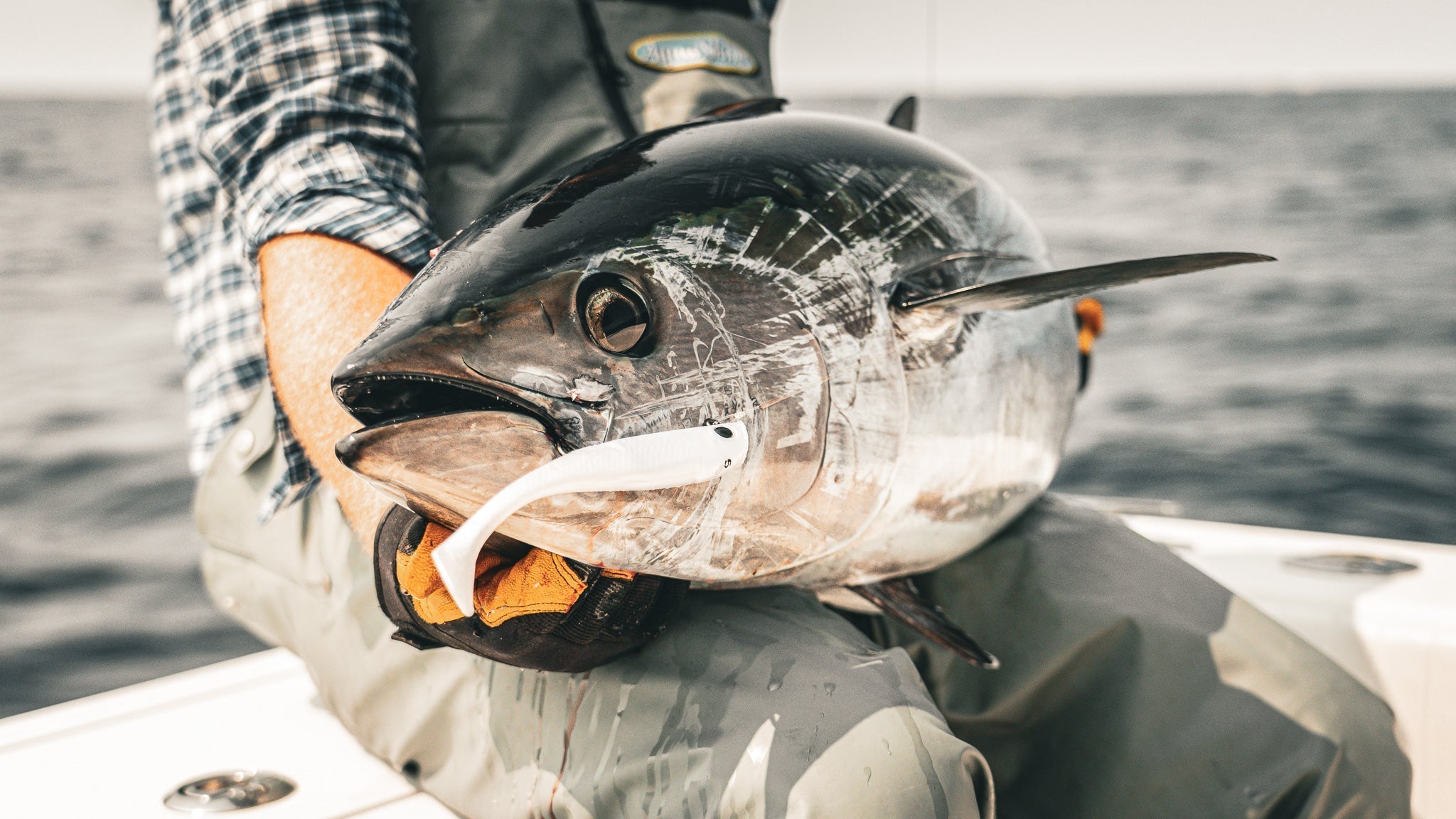
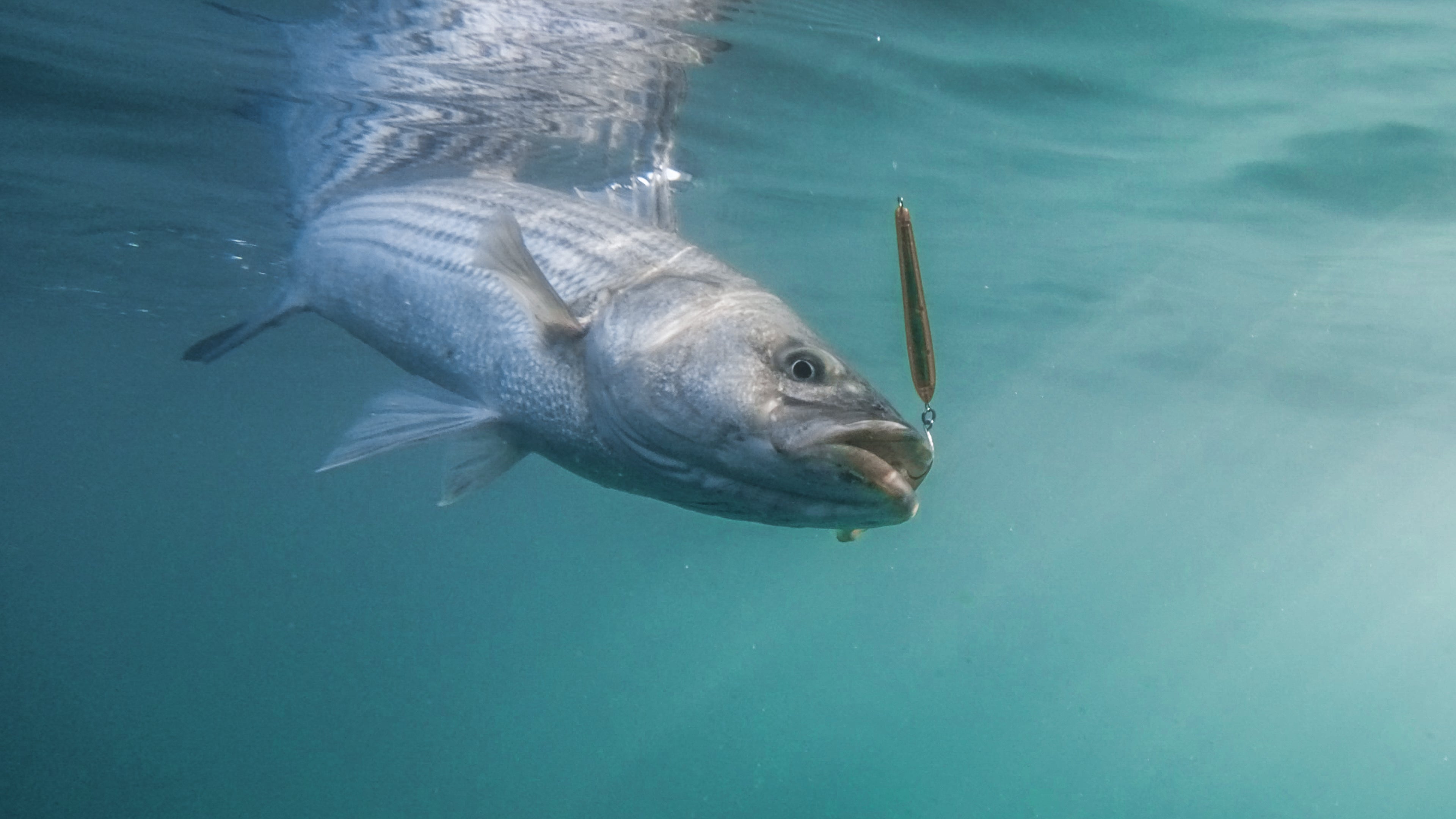
The Squinnow: drops fast, flutters on the fall, and the assist hook rides where the fish bite.
The 6.5 oz is a starting point, not a promise. If you can't stay connected, change the drift or the window. A jig swept away from the fish isn't fishing just because it eventually touched bottom.
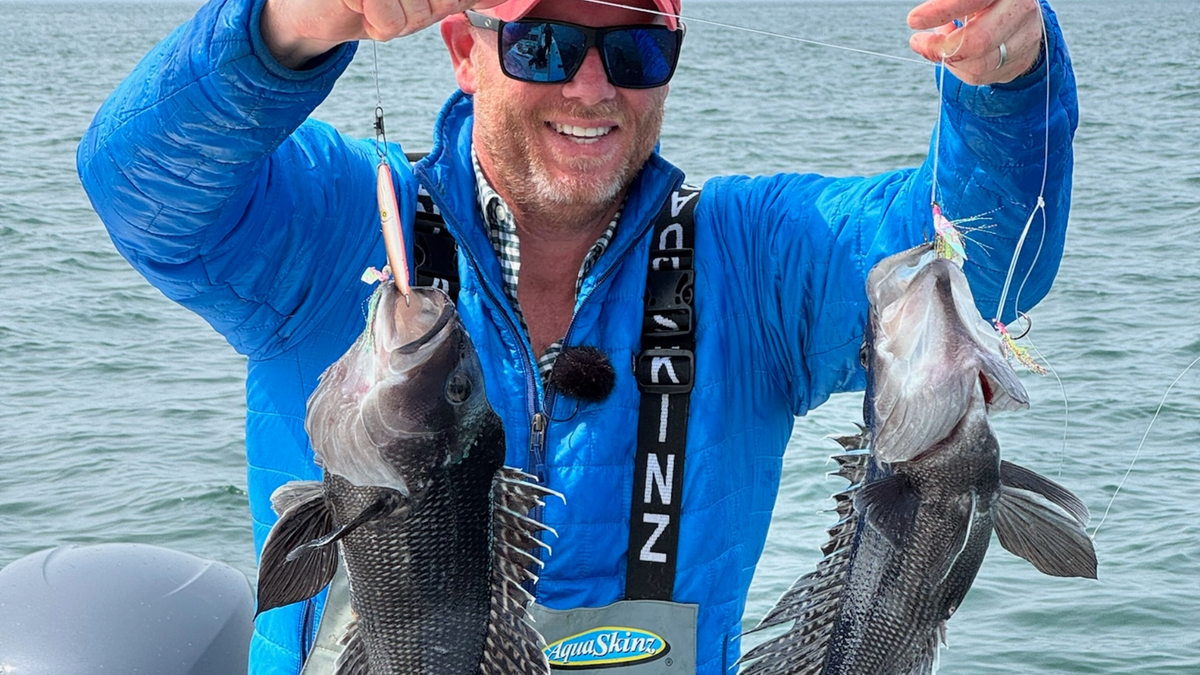
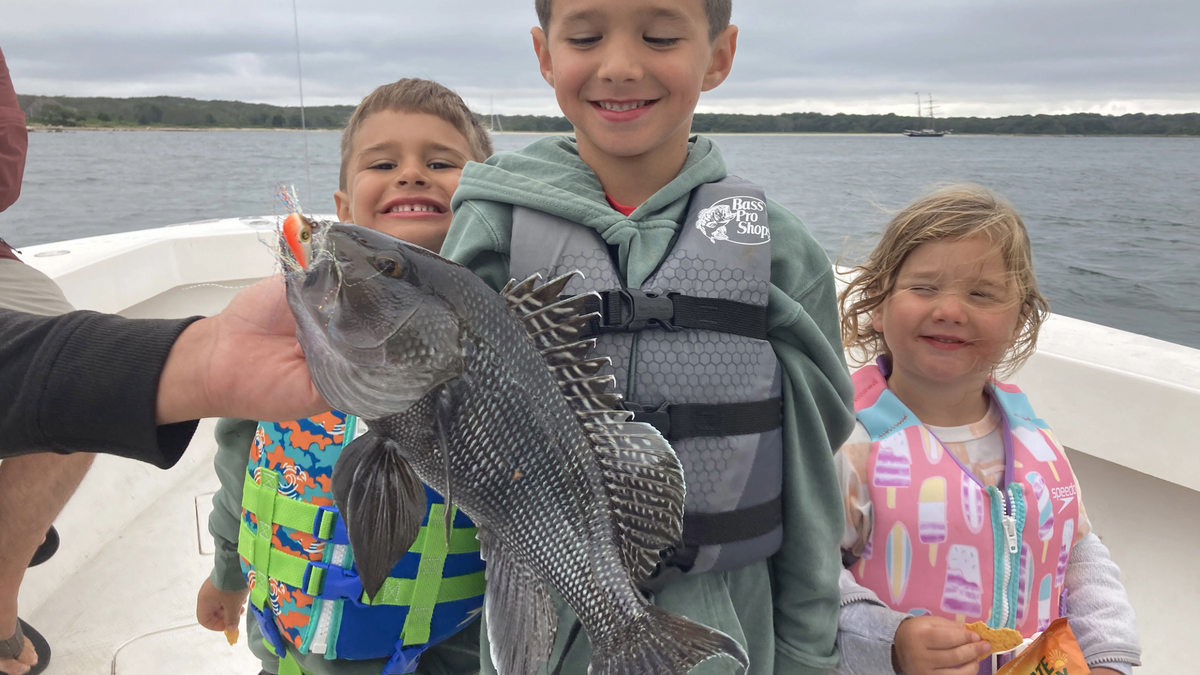
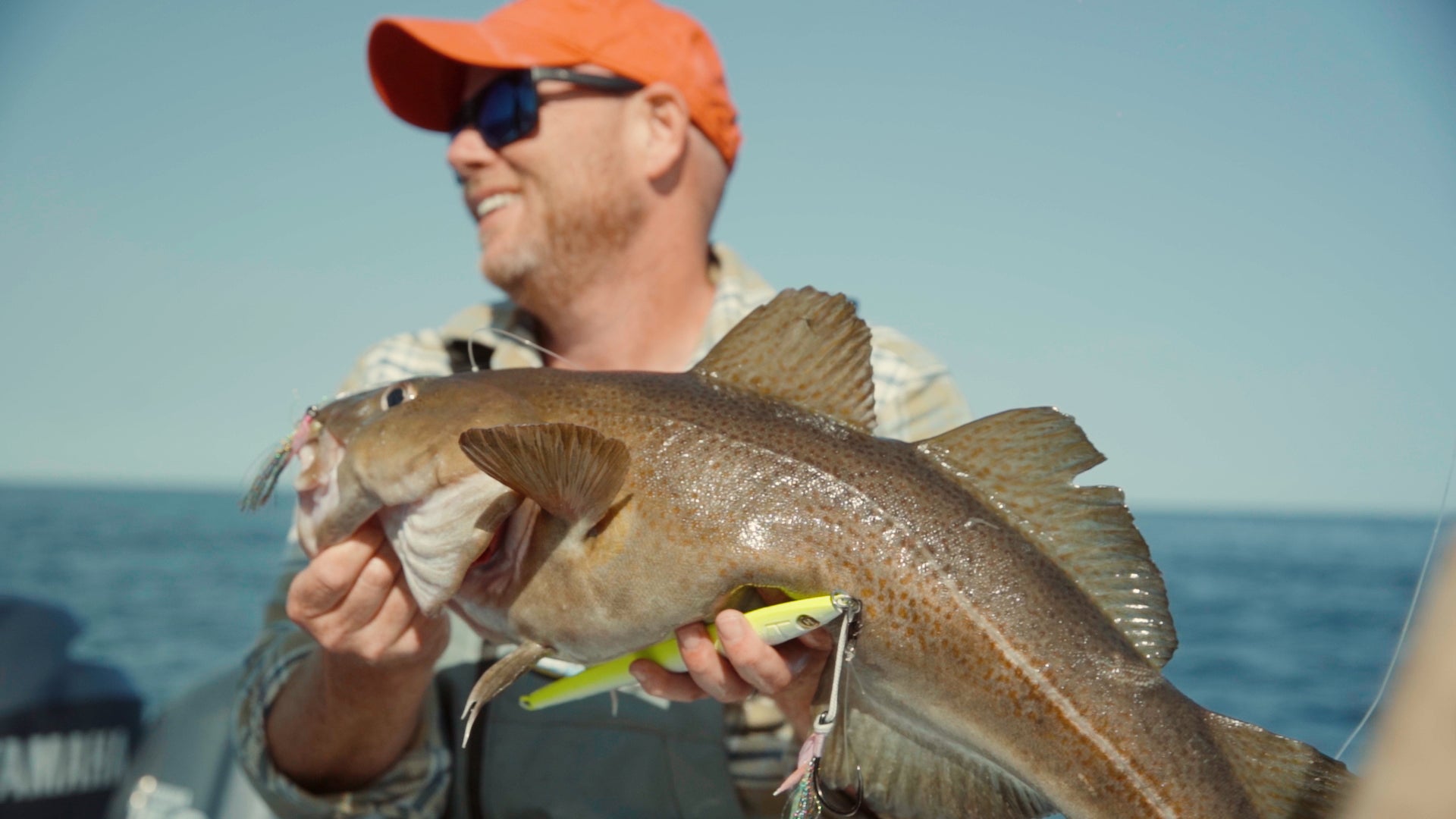
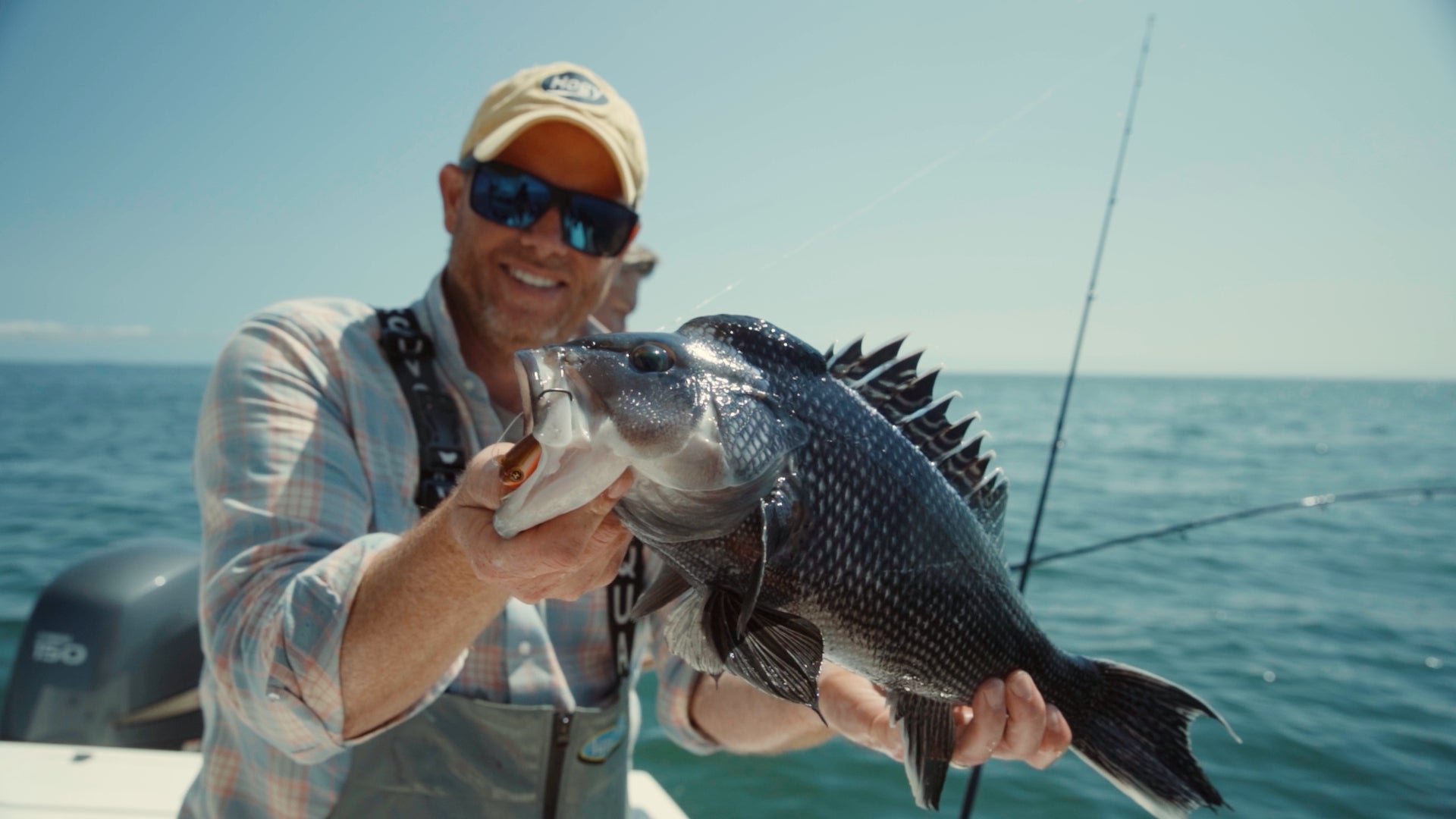
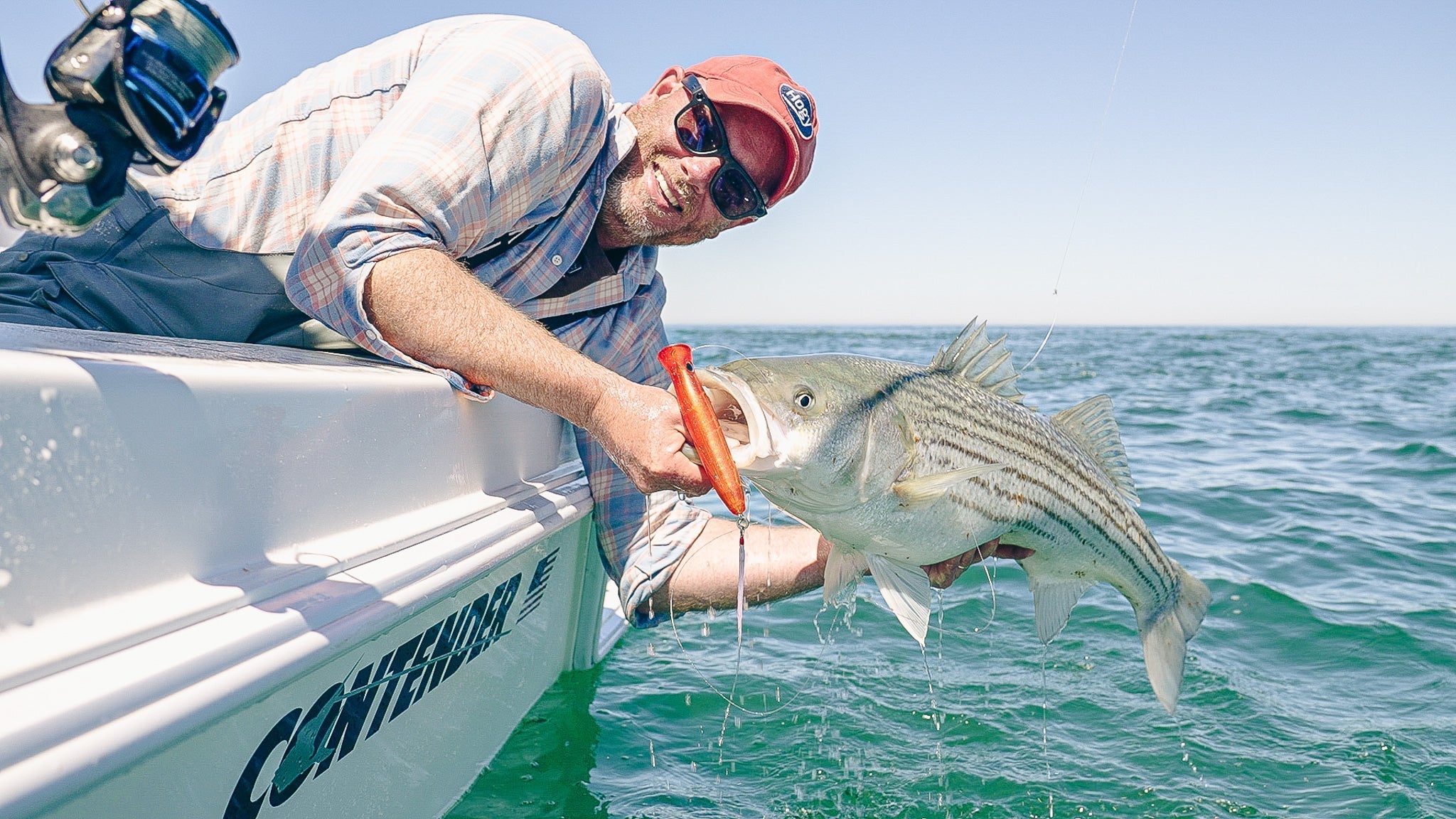
Fourth of July weekend, and the goal was big sea bass for the cookout. We were in 96 feet on a long stretch, working out the drift as the wind shifted and the tide built through the morning. I slow jigged a Squinnow along the bottom with the wind against the tide. A heavy fish folded the 7' Heavy Hybrid in half, and it turned out to be two fish at once. Having my big-plug hybrid spinning rod on board was nice with heavy jigs and big fish.
From Salty Cape TV: Jigging Squinnow Jigs for Sea Bass at Banana Shoal
Make the first stroke slow
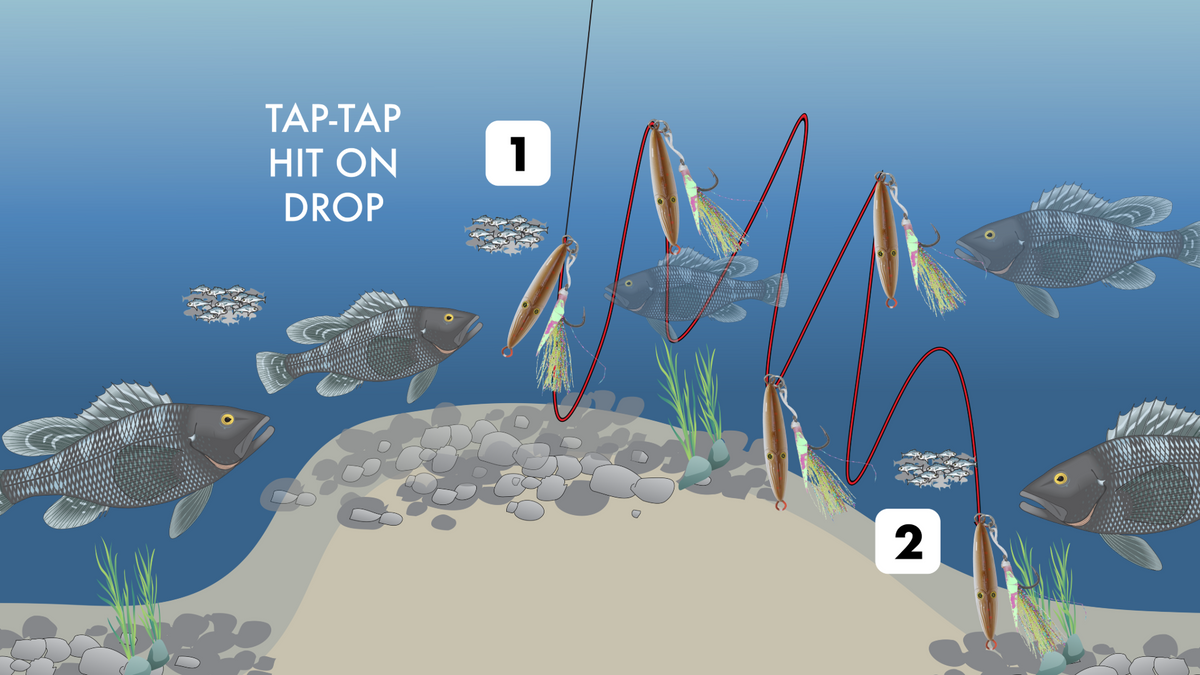
Lower under control and confirm bottom. Take up the slack, lift smoothly, then follow the jig back down. Give the Squinnow room to fall while you keep enough feel to notice a fish that stops it.
Skip the sharp snap. A slow, long stroke lets the jig load the rod and gives it time to work on the way down. If you feel weight, come tight and lift into the fish.
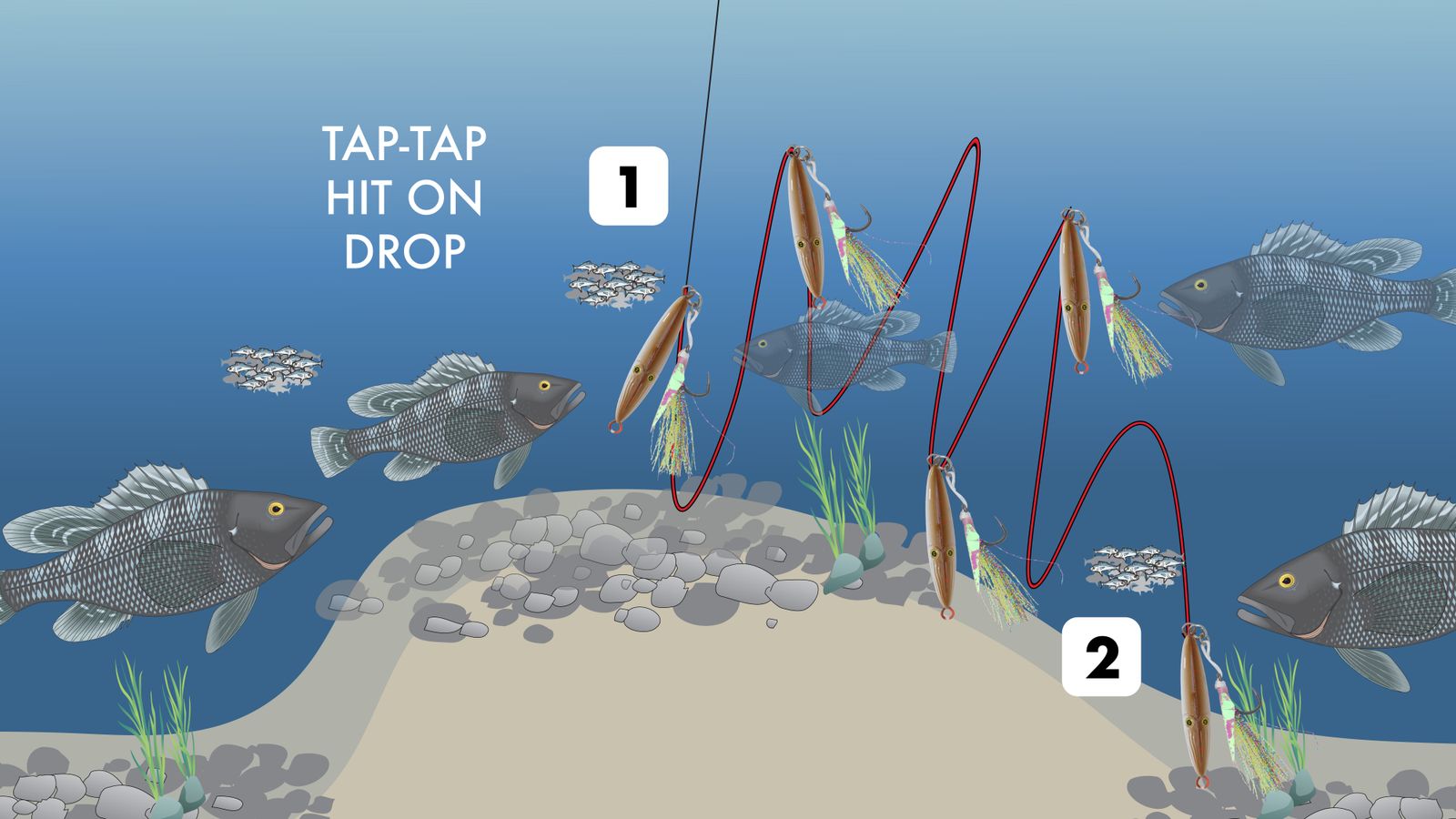
Slow-pitch style: long, smooth lift, flutter on the fall, hit on the drop.
The fish don't always need constant motion. Mix in pauses with the jig near the bottom, especially once you know you're on the productive stretch.
Pay out line carefully, and know when to reel up
As the boat moves, a little extra line restores bottom contact. Watch the angle. At about 30 degrees from vertical I start thinking about a reset, and I reel up before it reaches 45. Past that, more line just puts the jig farther behind the boat and harder to control.
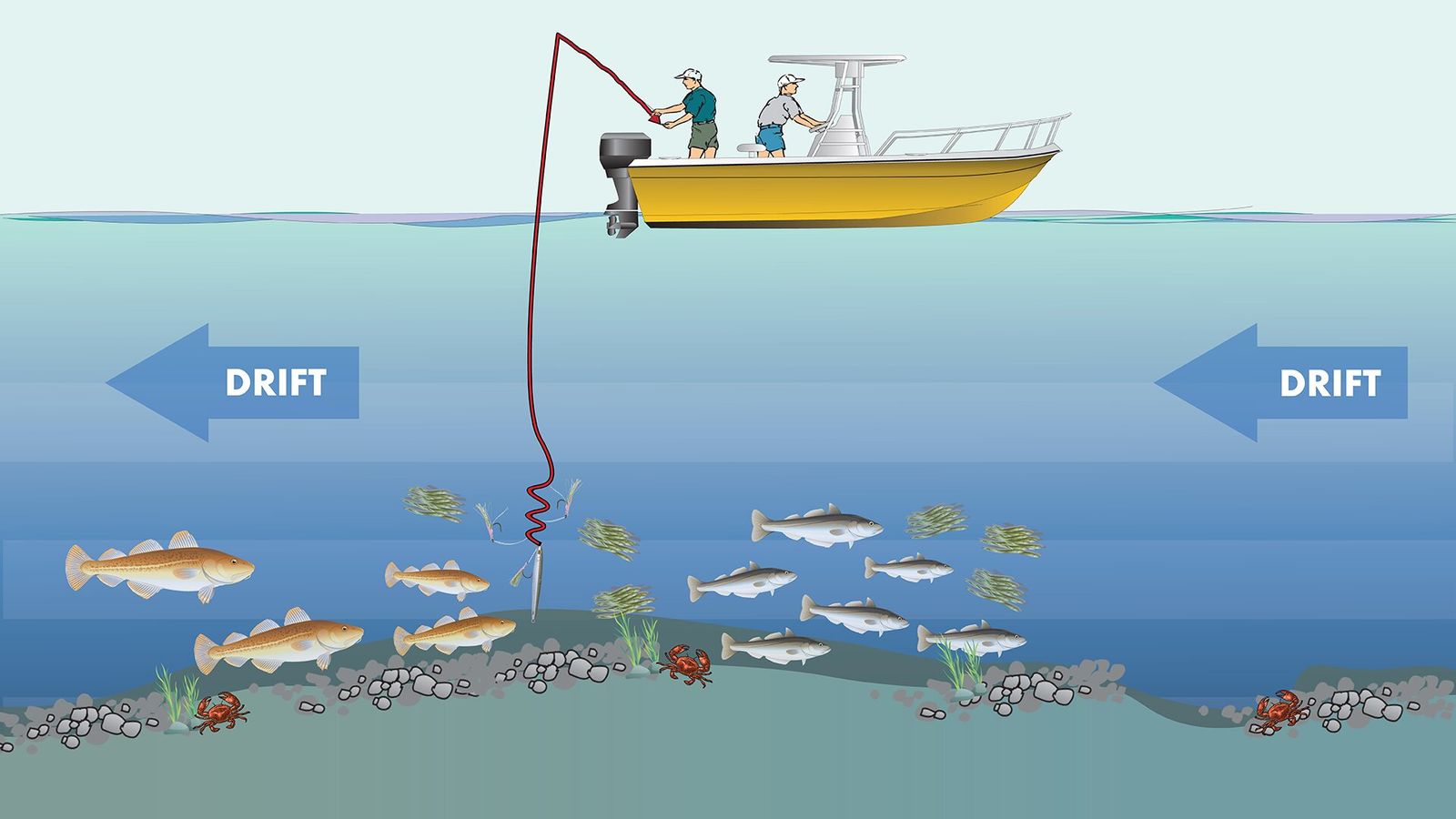
Stay close to vertical as you drift. That's where you feel the bottom and the bite.
A fresh drop gets the jig back under the boat, sharpens bite detection, and lets you check the teaser and assist hook for fouling. If every drop needs a reset almost right away, change the drift window, the pass length, or the section of the contour.
Shorten the drift once you find the bite
The best adjustment in that video is the decision to stop repeating empty water. Once the better fish show up, go back to that stretch and start the next drift with enough lead for the jig to reach bottom.
Think about where the jig was when the bite came, not just the boat. Descent time and scope create a lag in deep water. That's the difference between drifting a contour and letting the tide carry you: the long pass finds the short stretch, and the next pass spends its time there.
When the current goes slack
Moving current carries you along the trough. At slack, the search stalls. If you're still over good marks, use the extra time with them: shorten the lift, stretch the pause, or hold the Squinnow nearly still. If the boat stops over empty bottom, reposition onto the stretch that produced and make a precise drop.
Keep enough weight to reach that water and feel the jig. The Biki gives you a thump option only where its weight suits the depth. When the current comes back, check the new track before you repeat the drift. The fish may still be there while your old starting point no longer carries the jig through them.
Before you repeat the drift
Carry it into fall
Summer footage shows the method. It doesn't set a fall season or promise the fish are in the same valley. As of October 5, 2026, the Massachusetts recreational season runs through October 14 with a two-fish limit in the September and October portion. Other states run their own windows, so check the rules for the trip you're making.
Salty Cape TV: Squinnows for sea bass at Banana Shoal. Watch the resets and the shortened drifts. The jig gets their attention, and the drift puts it in front of them often enough to matter.



Leave a comment
All comments are moderated before being published.
This site is protected by hCaptcha and the hCaptcha Privacy Policy and Terms of Service apply.