




















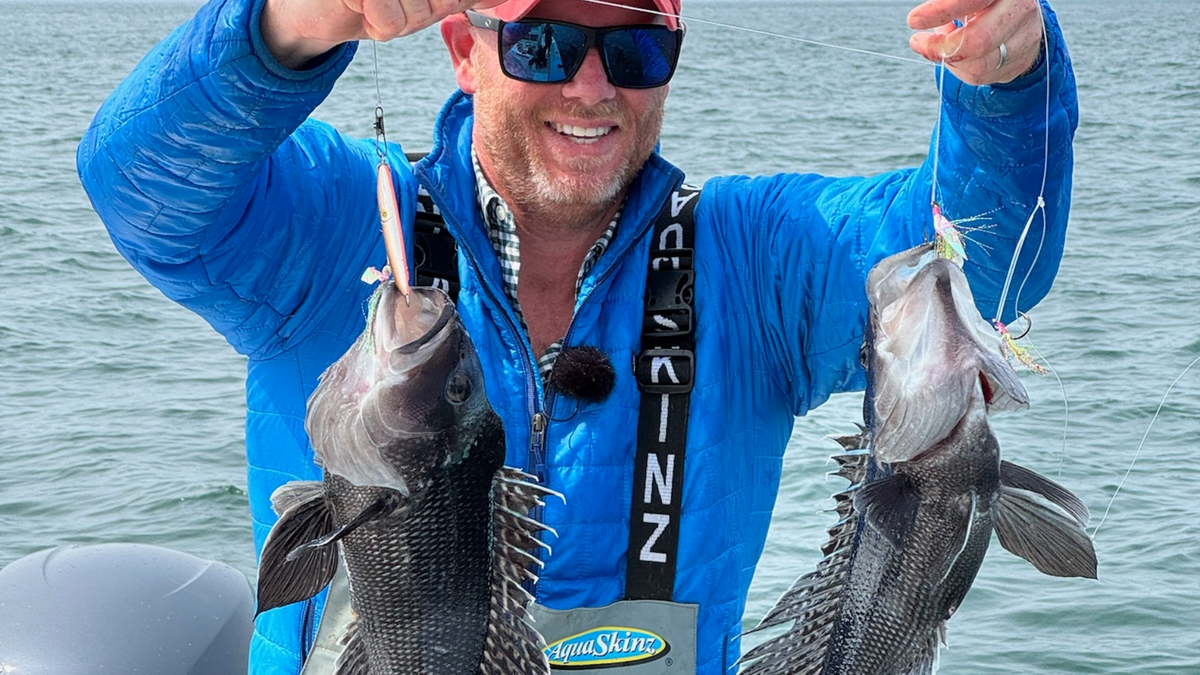
Hogy How-To: Sea Bass On Deep Boulders And Wrecks (Squinnow)
A boulder field looks like a big place to catch a fish. The fish live on a short stretch of it. Find that stretch, put the jig through it clean, and keep putting it there.

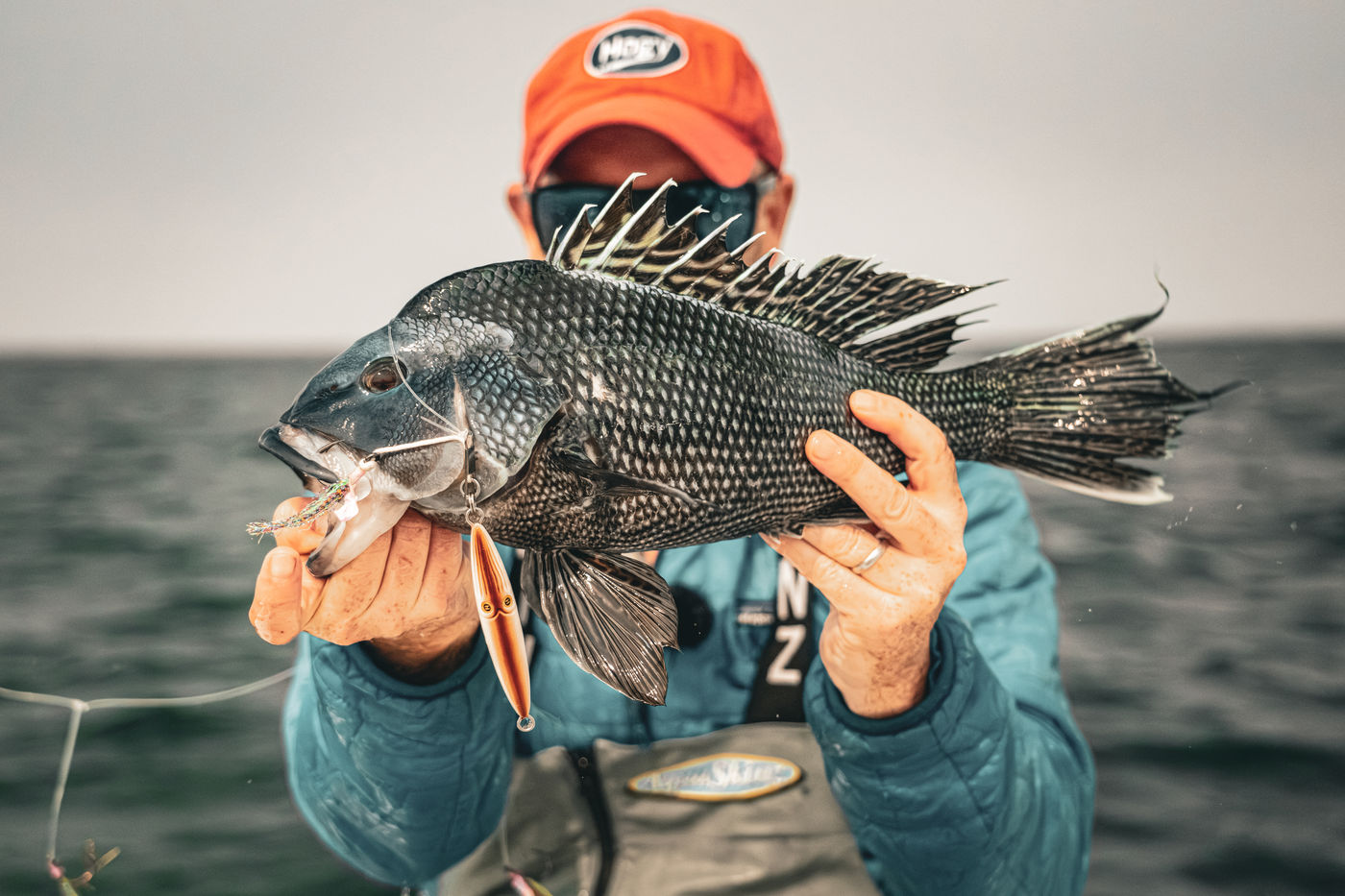
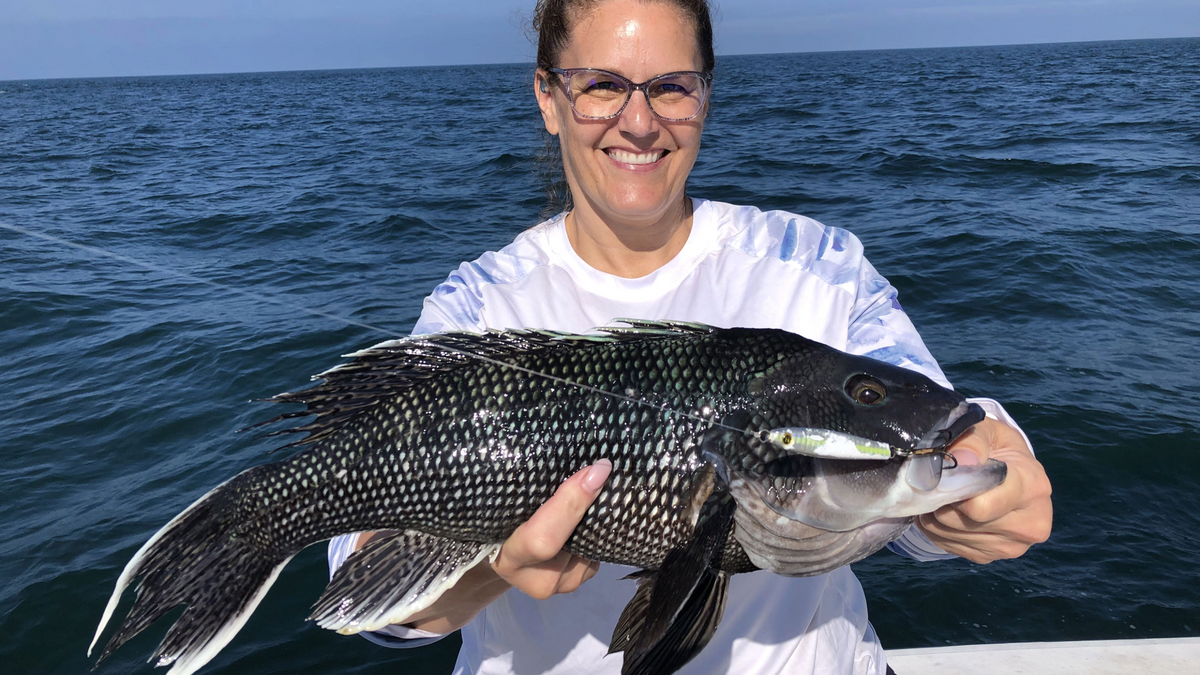
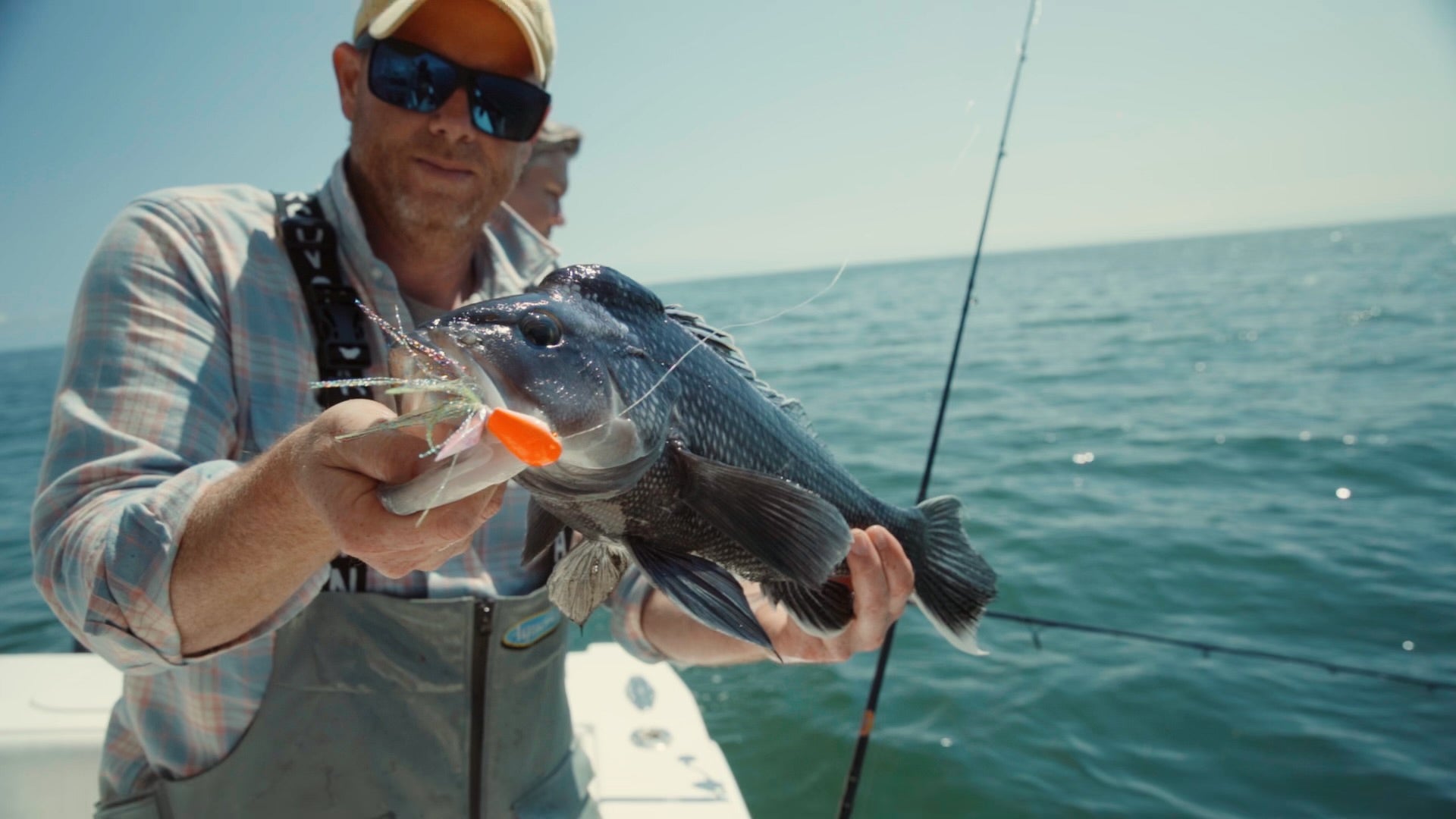
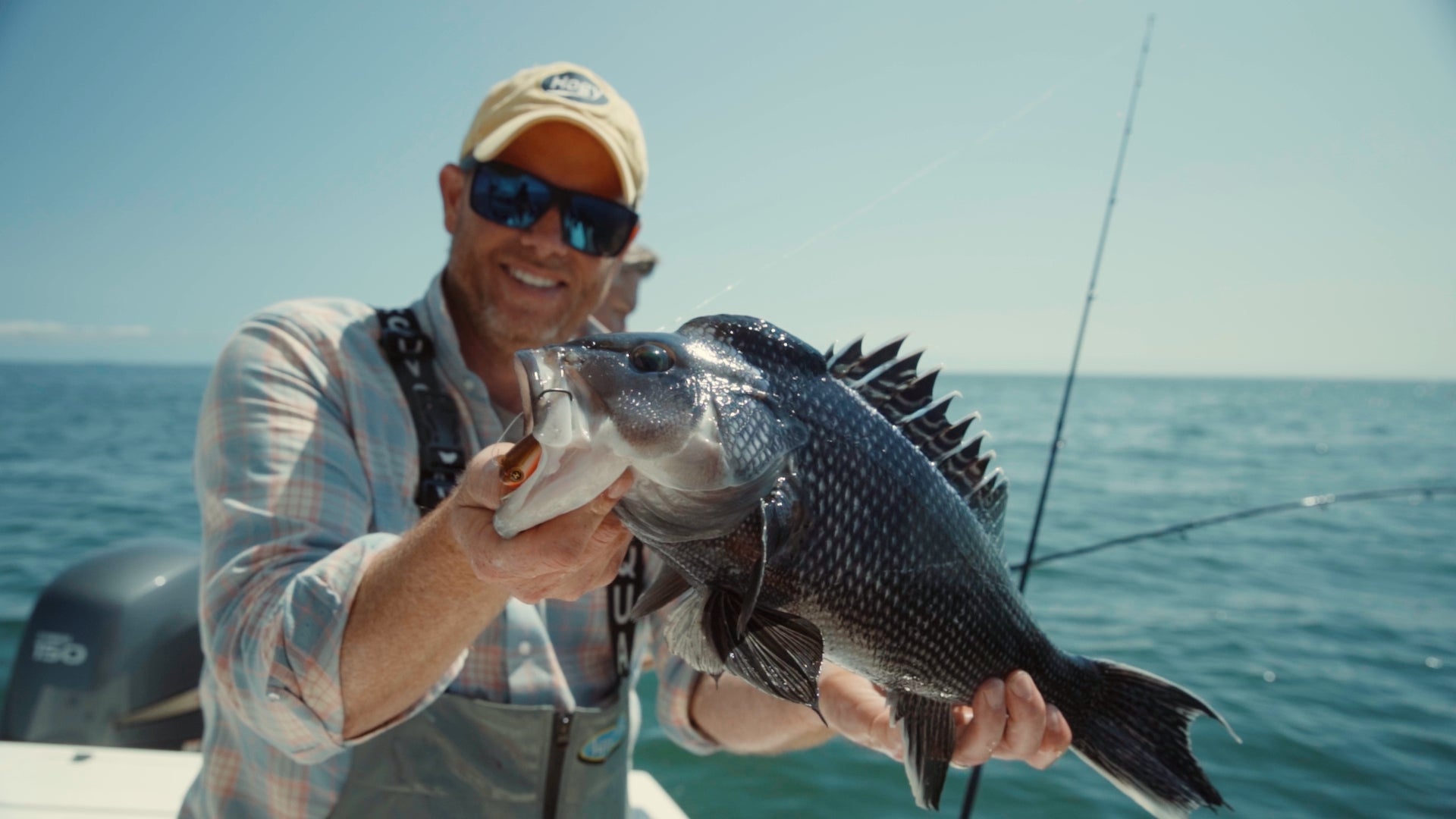
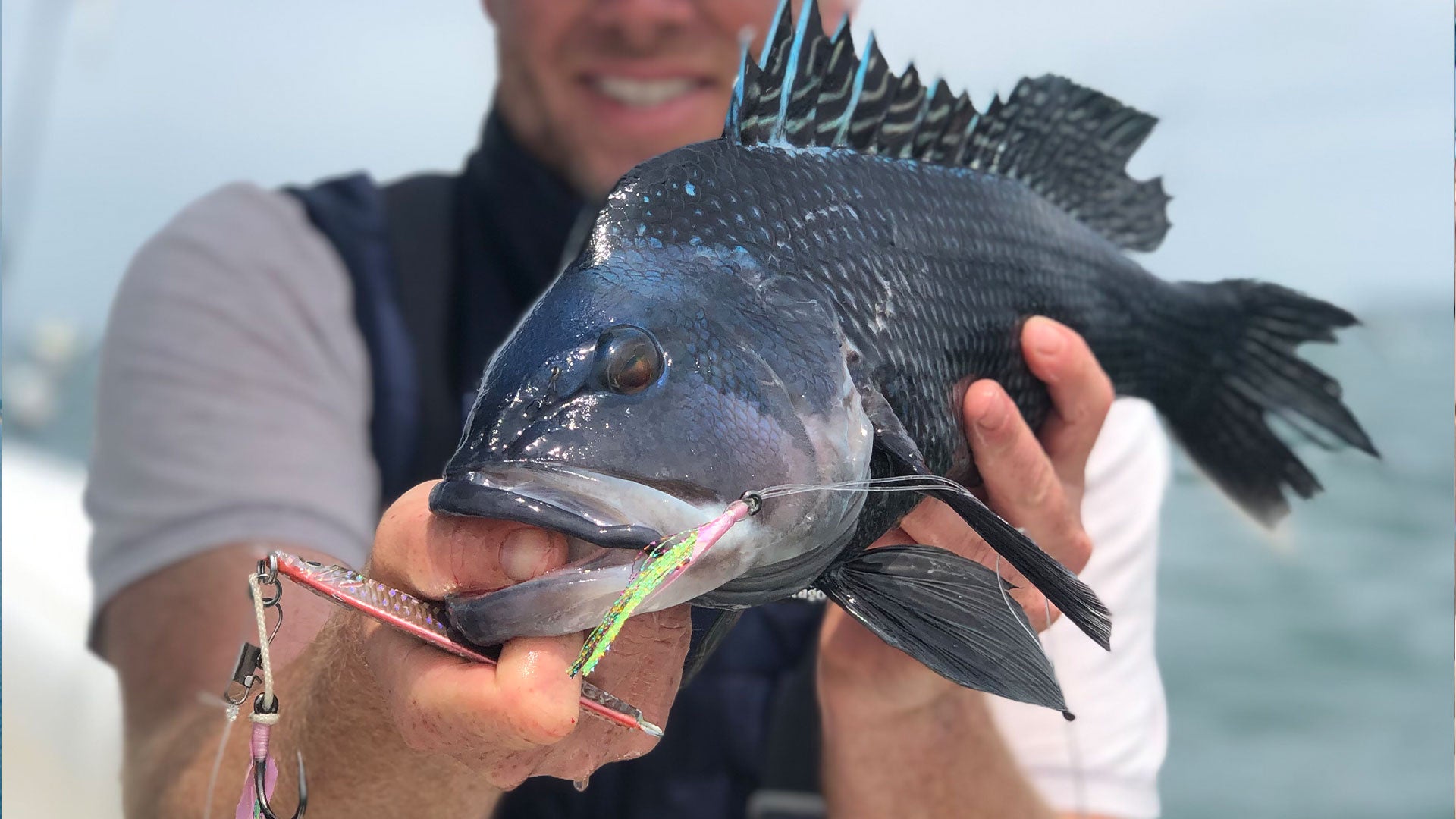
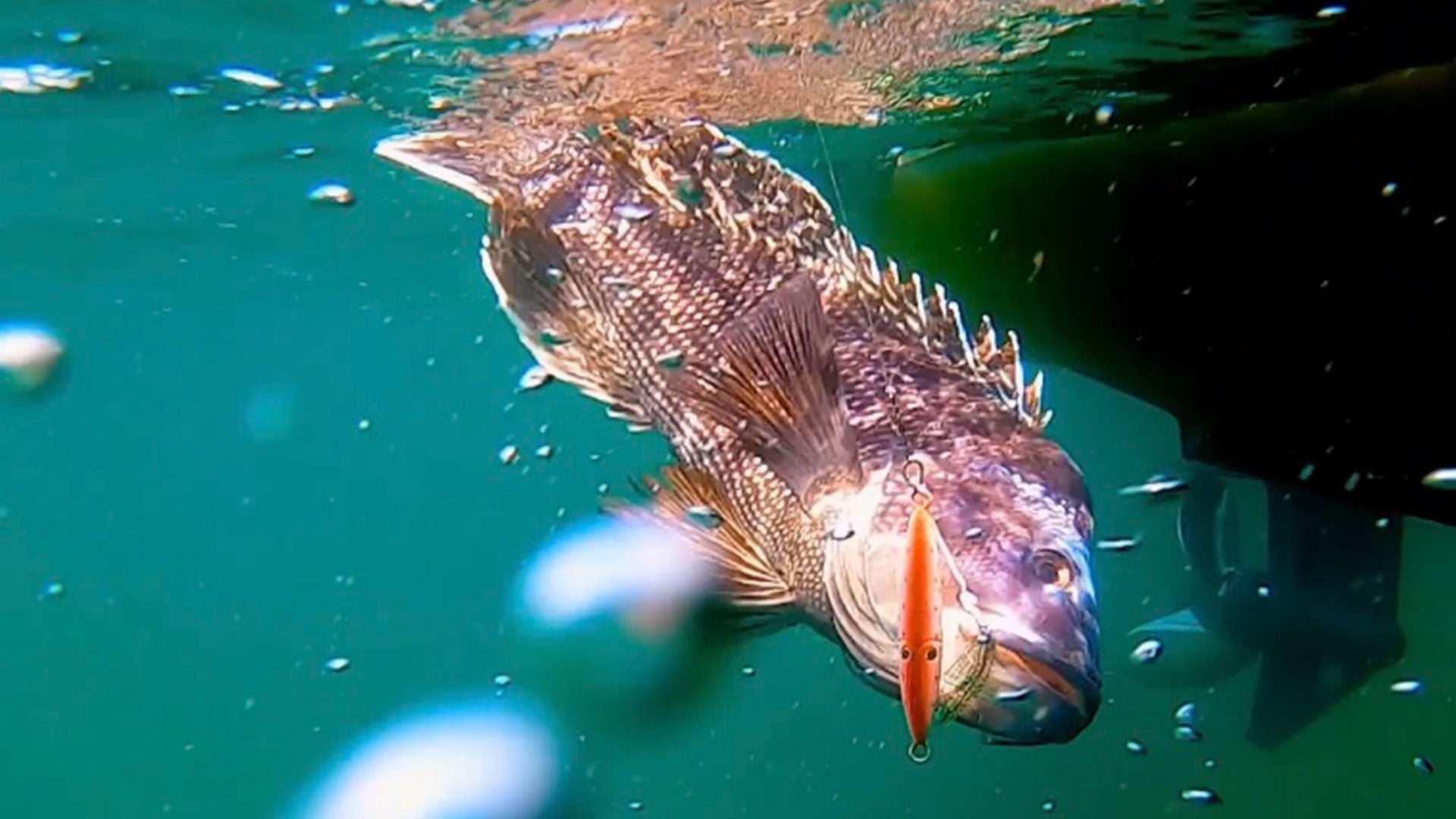
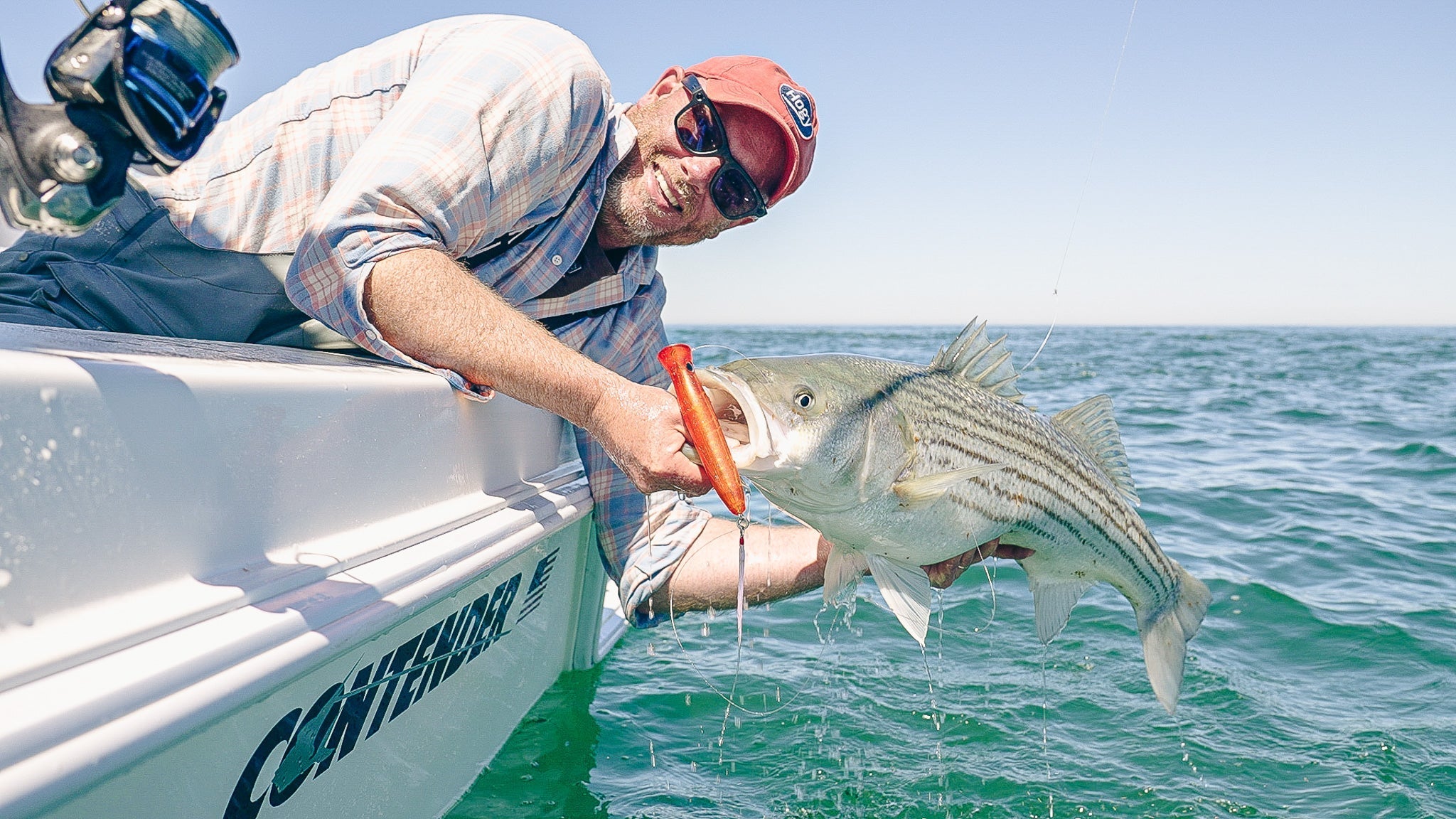
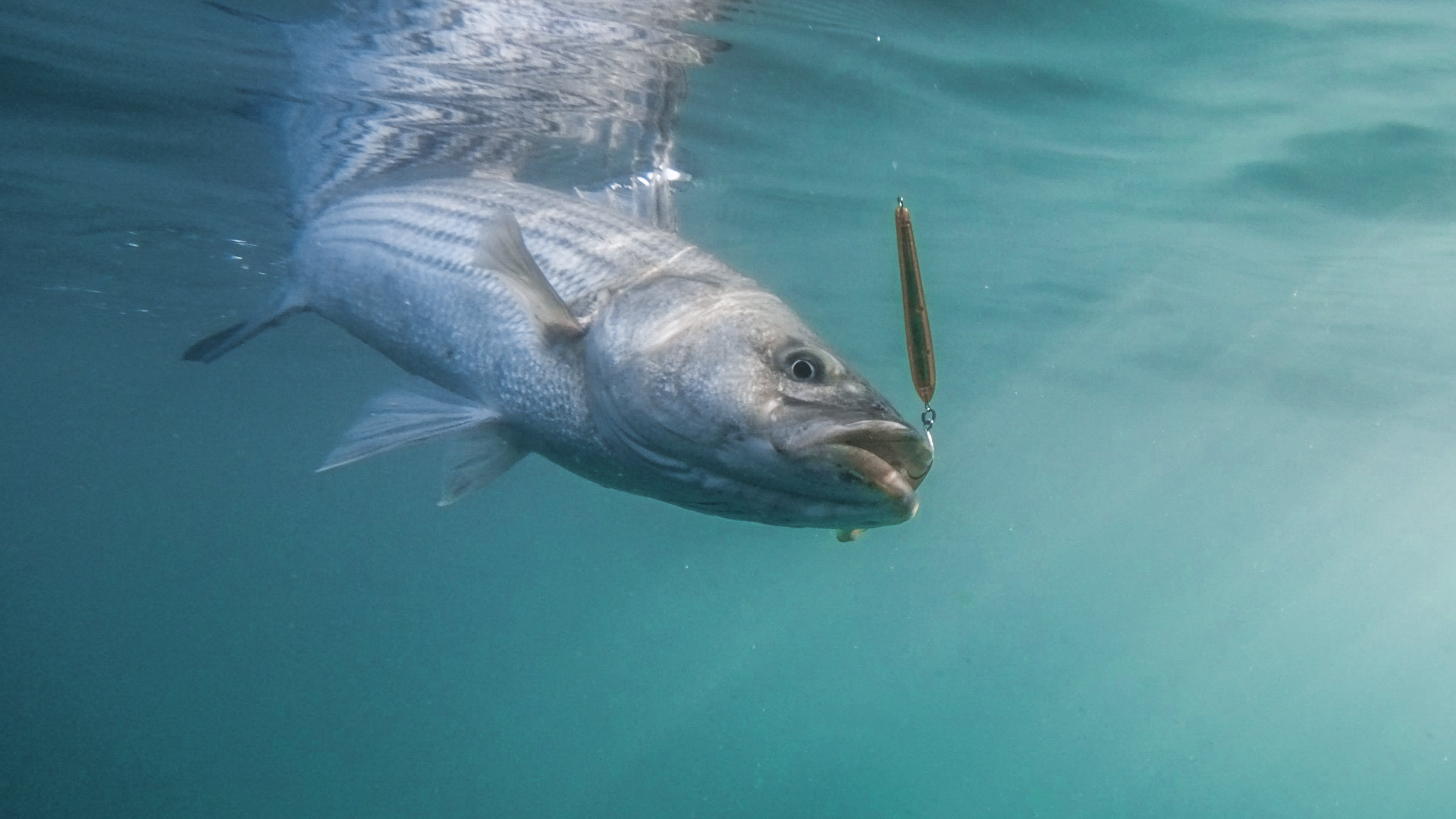
A black sea bass on the jig and teaser. Find the lane, then own it.
The useful part of a boulder field might be a short piece of the down-current edge, a small rise beside deeper water, or the layer of fish holding just above the rocks. The first drift tells you where they are. Every drift after that should get shorter and more precise.
Find an edge you can fish
Start with the chart. Look for a boulder field, broken bottom, a wreck, or a rocky rise next to deeper water. Then let the sounder tell you what's there today. A chart symbol tells you where to look. It can't tell you which side is holding fish.
Make a scouting pass across the feature and its edge. Watch for changes in bottom height, marks above the structure, and a clean path for the boat. Around a wreck, learn its outline and relief before you drop. A drift that drags the rig into the tallest part ends fast.
Learn the drift before you pick the drop
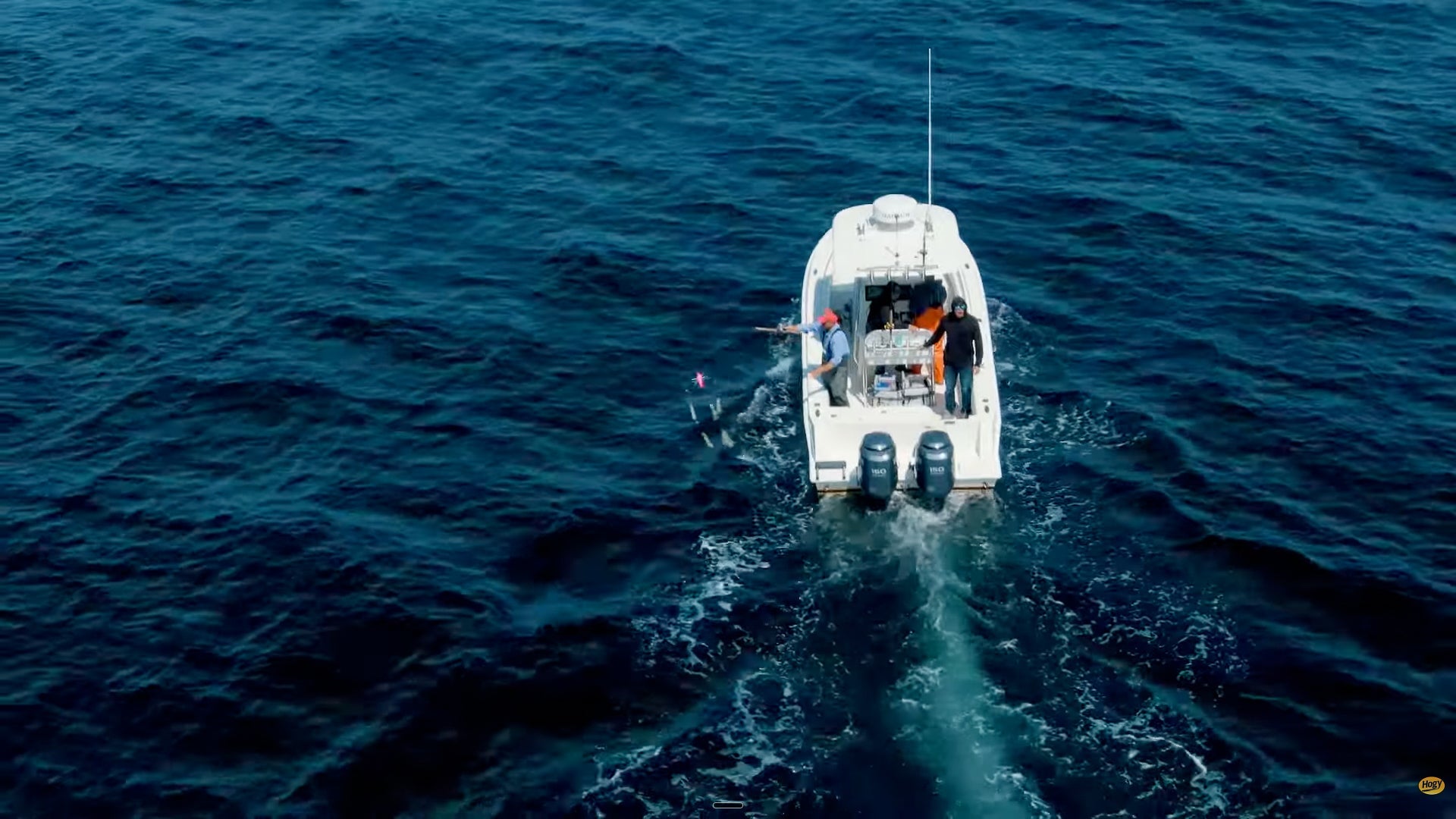
Watch the boat's actual track. Wind and tide together drift you very differently than wind against tide. Set up far enough up-drift that the jig reaches the fish before the boat gets there.
On an edge you don't know, drift across the slope instead of along one depth. That samples the top, the break and the deep side in one pass. Once the bites tell you where the fish are, shorten the pass to cover that lane.
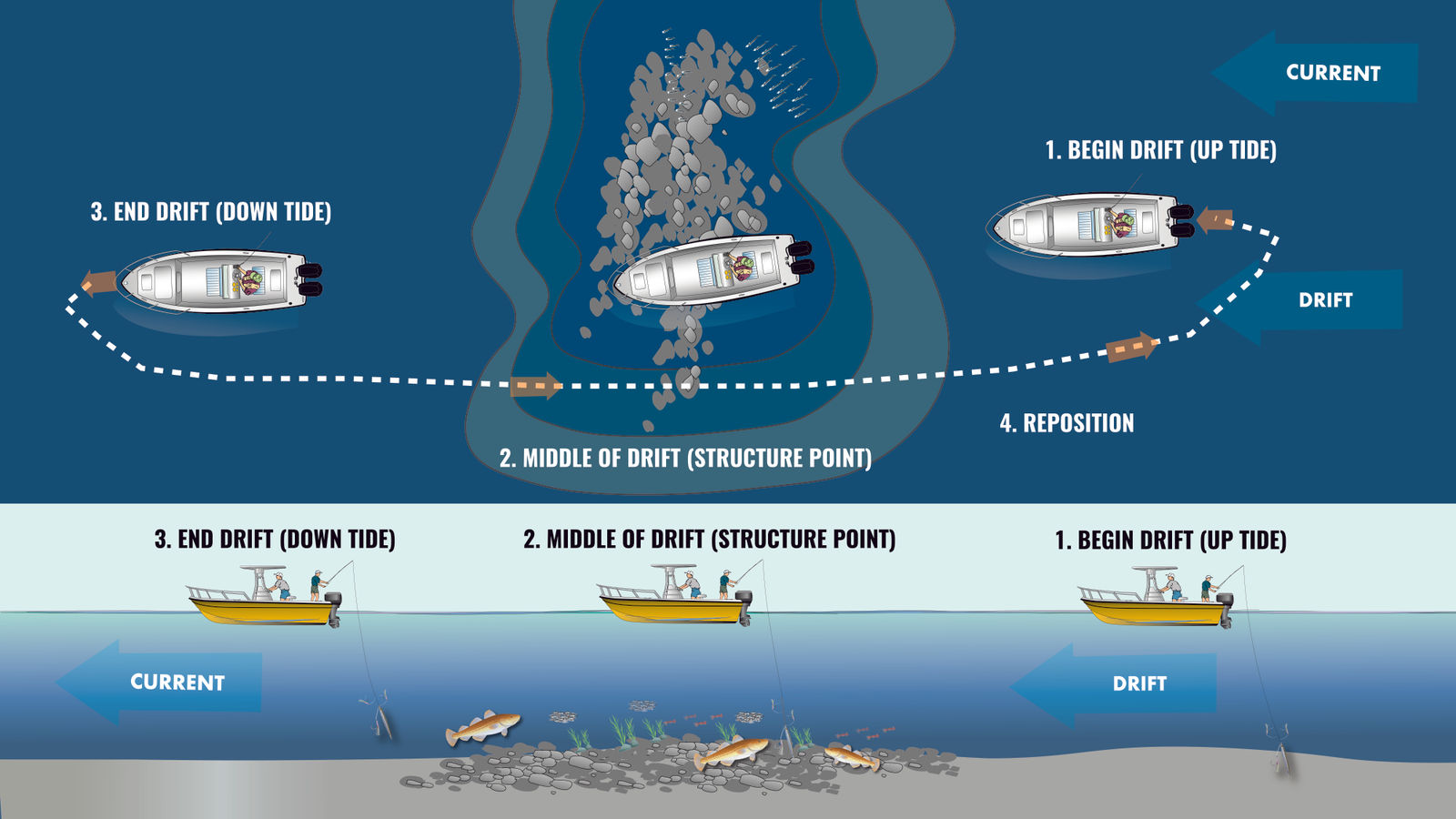
Begin up tide, cross the structure point mid-drift, finish down tide, reposition. Then do it again, shorter.
A drift direction in a video is a record of that day's conditions. It isn't a rule for every visit.
Use enough weight to stay connected
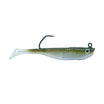
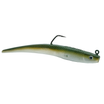
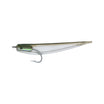
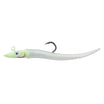
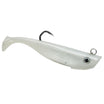
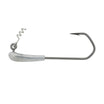
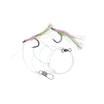
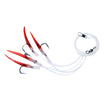
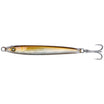
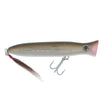
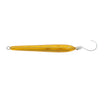
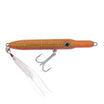
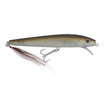
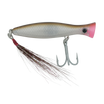
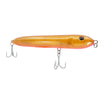
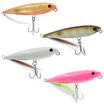
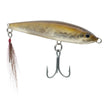
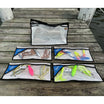
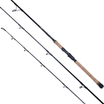
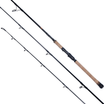
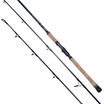
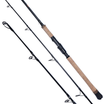
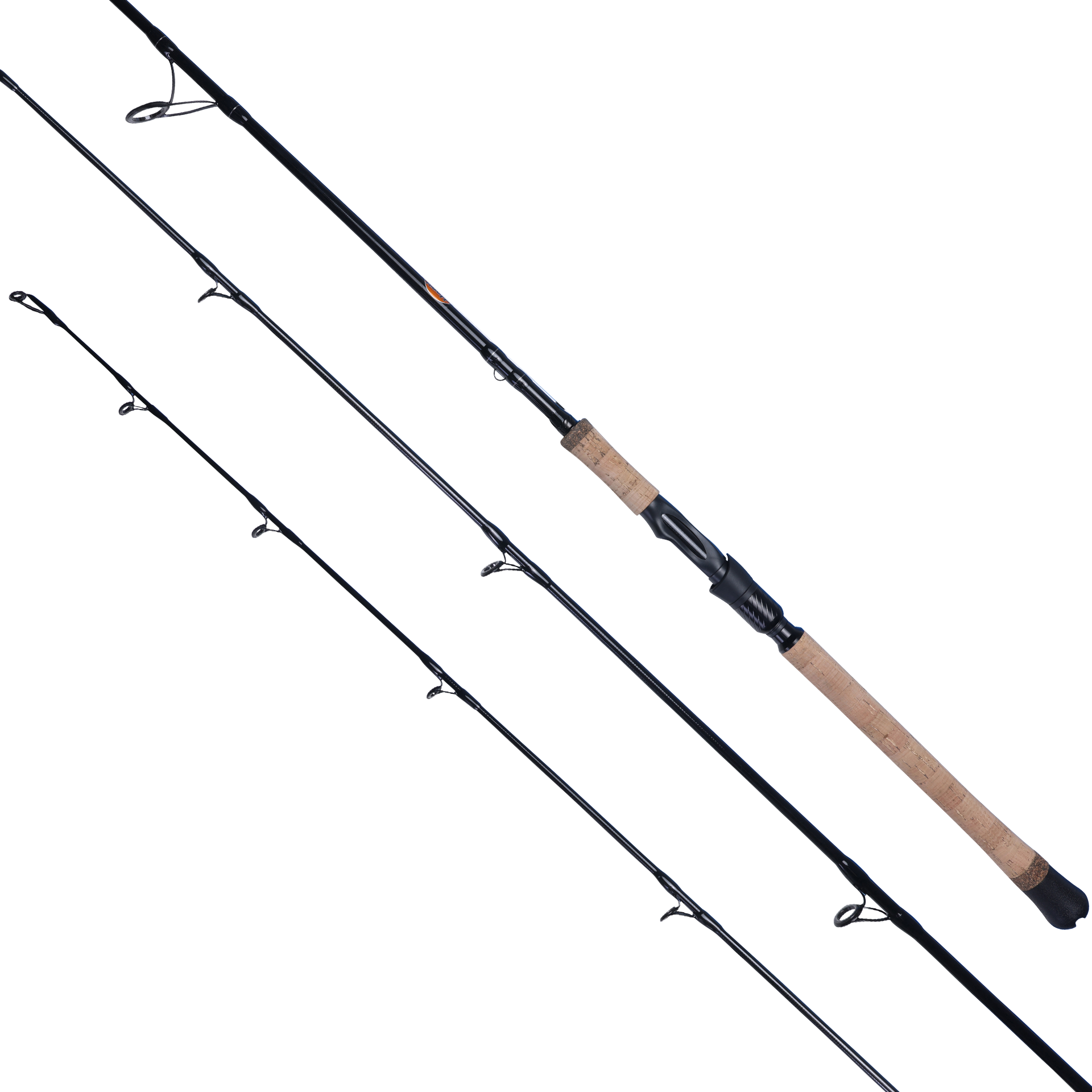
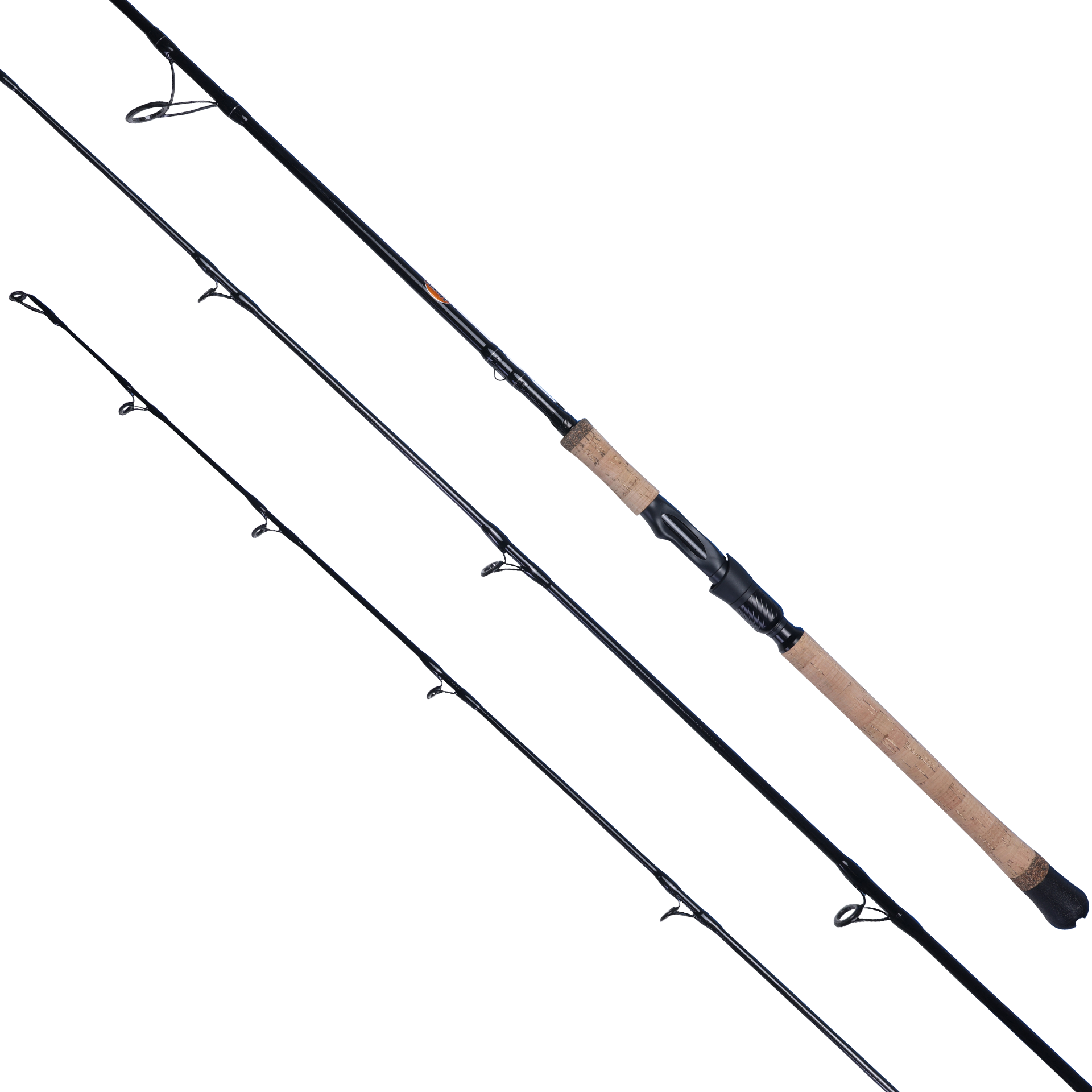
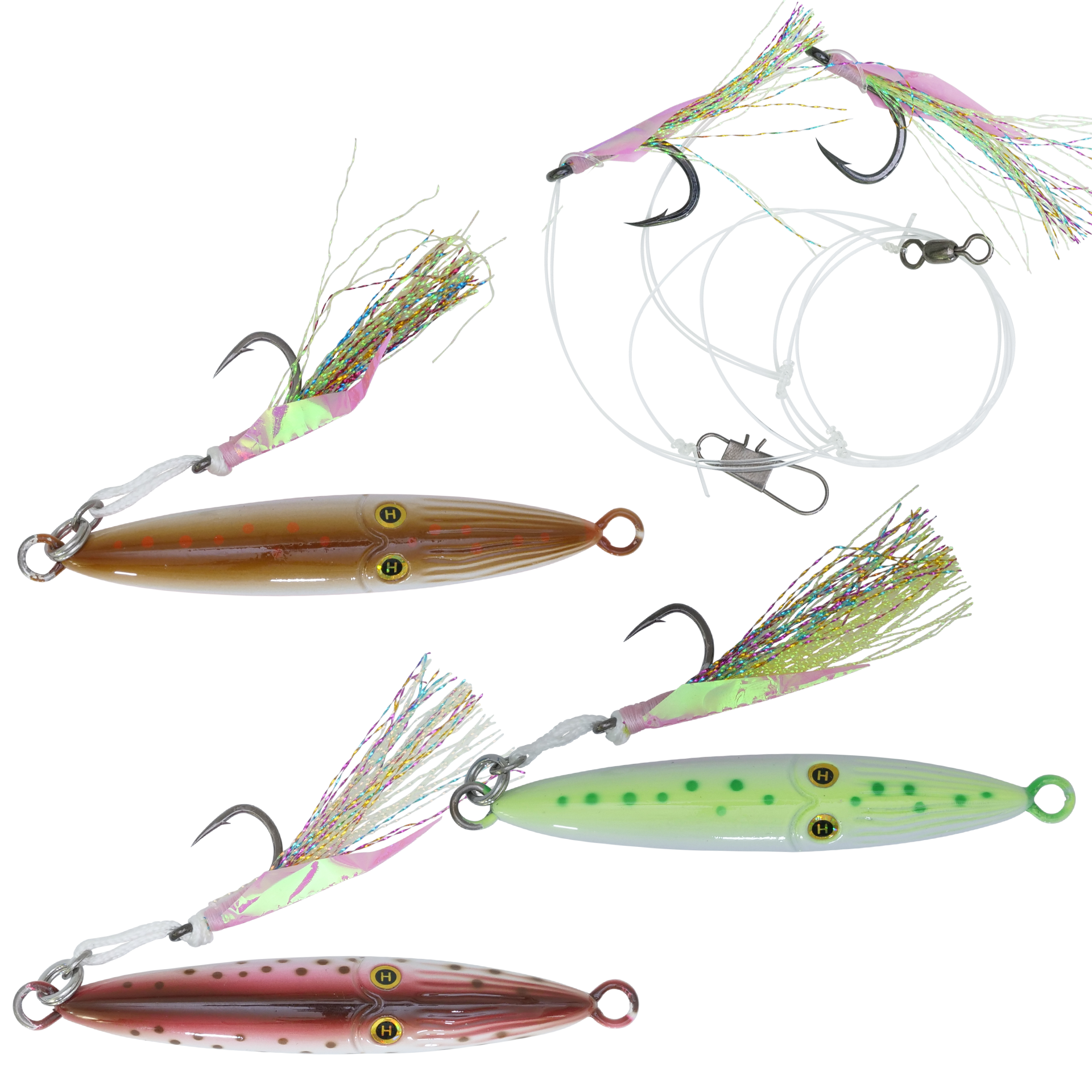
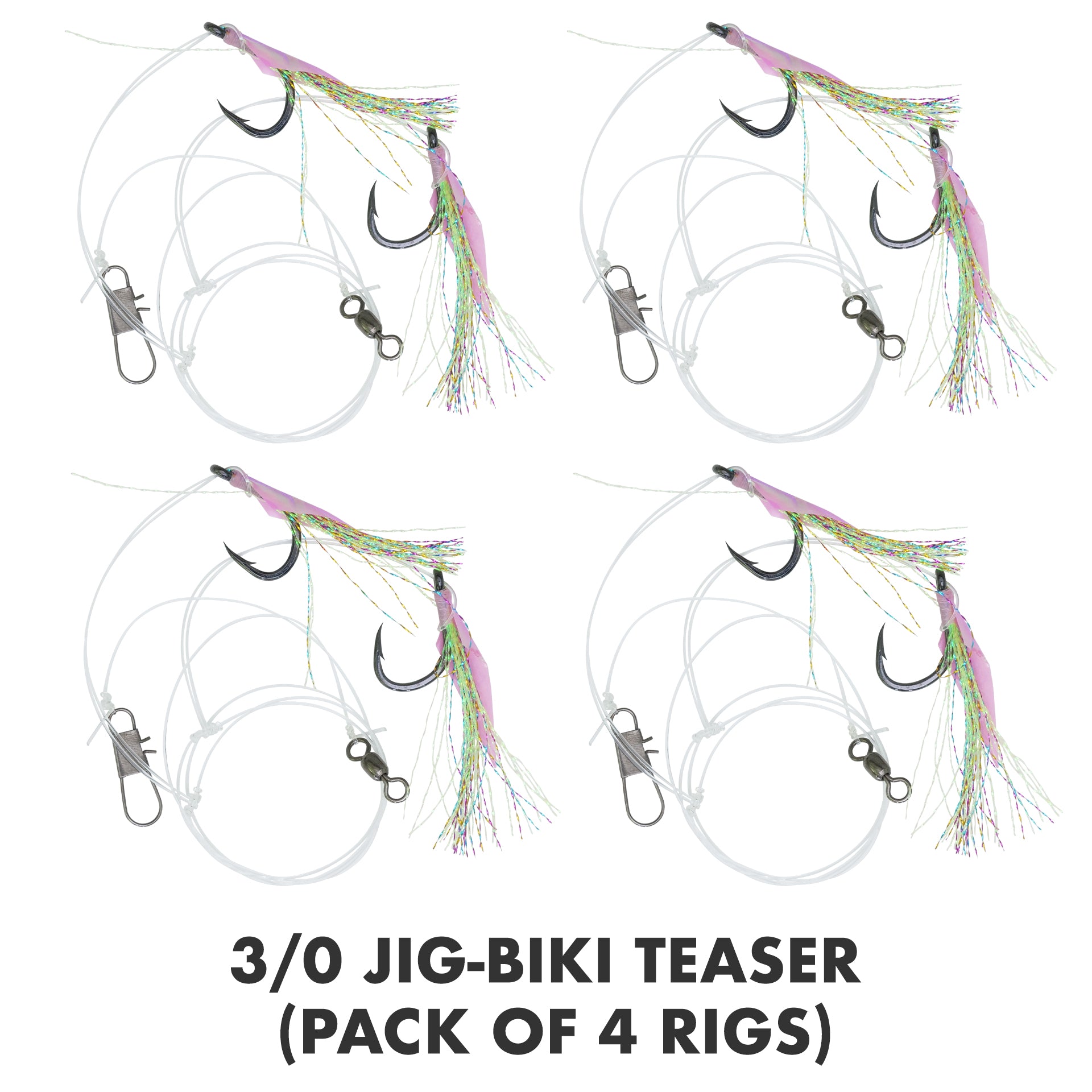
Pick a Squinnow that reaches bottom without a long sweep of line behind the boat. The 3.5 oz is a good inshore starting point. The 6.5 oz on the 7' Medium-Heavy (HLTI7MH), or on the 7' Heavy Hybrid (HCR7MHM) when the tide is honking, covers more depth and drift. The first drop tells you if you got it right.
Lower under control, feel the first touch, and come tight. If you can't tell when the jig lands after a lift, fix that now: reset, add weight, or pick an easier drift.
Line angle is the early warning. At about 30 degrees from vertical I'm checking whether I need more weight or a fresh drop, and I reset before it reaches 45. Over rough bottom, extra scope drags the jig sideways into trouble.
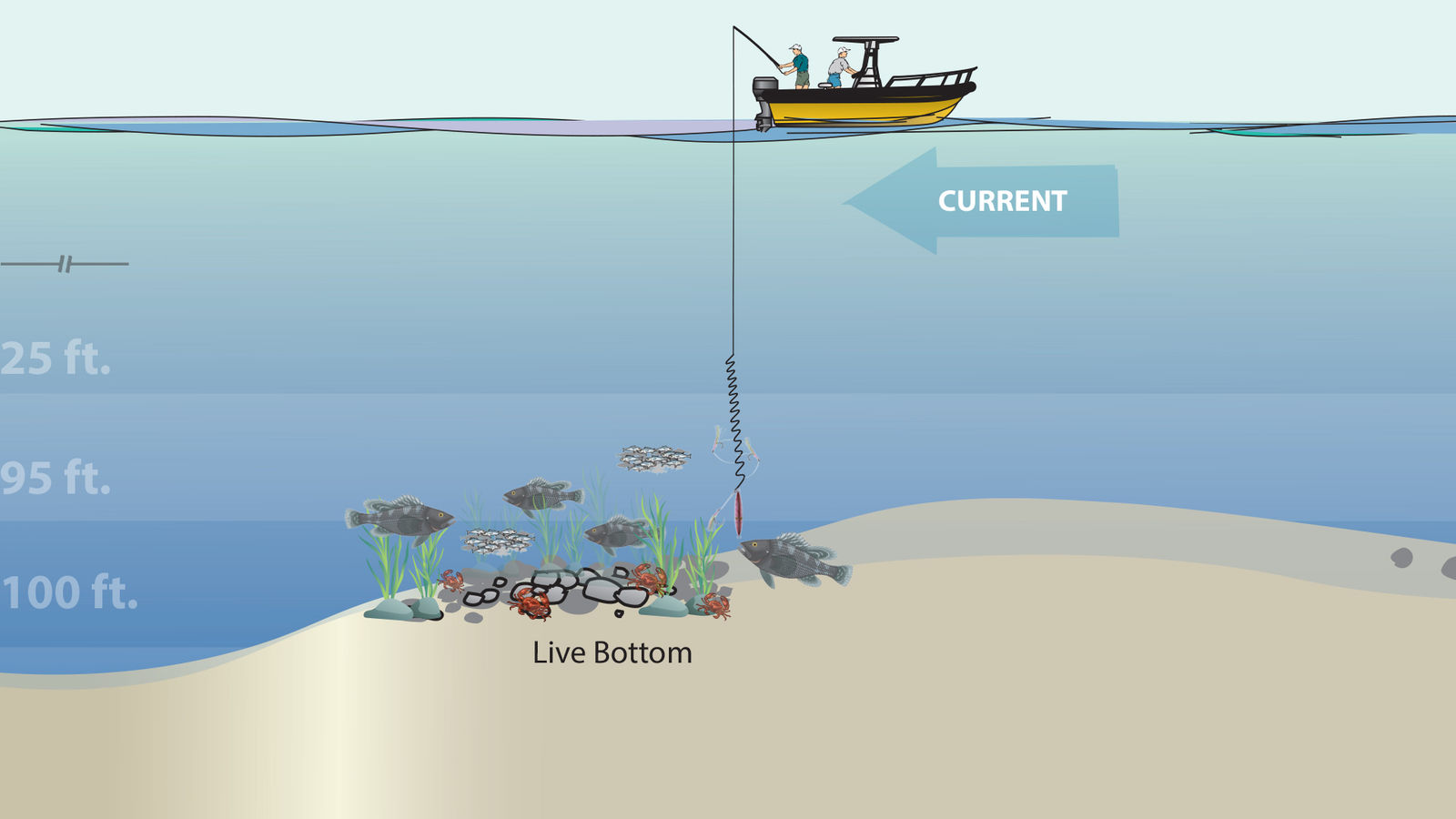
Near vertical to live bottom. When the line starts running away from the boat, the jig is leaving the fish.
Work the depth where you marked them
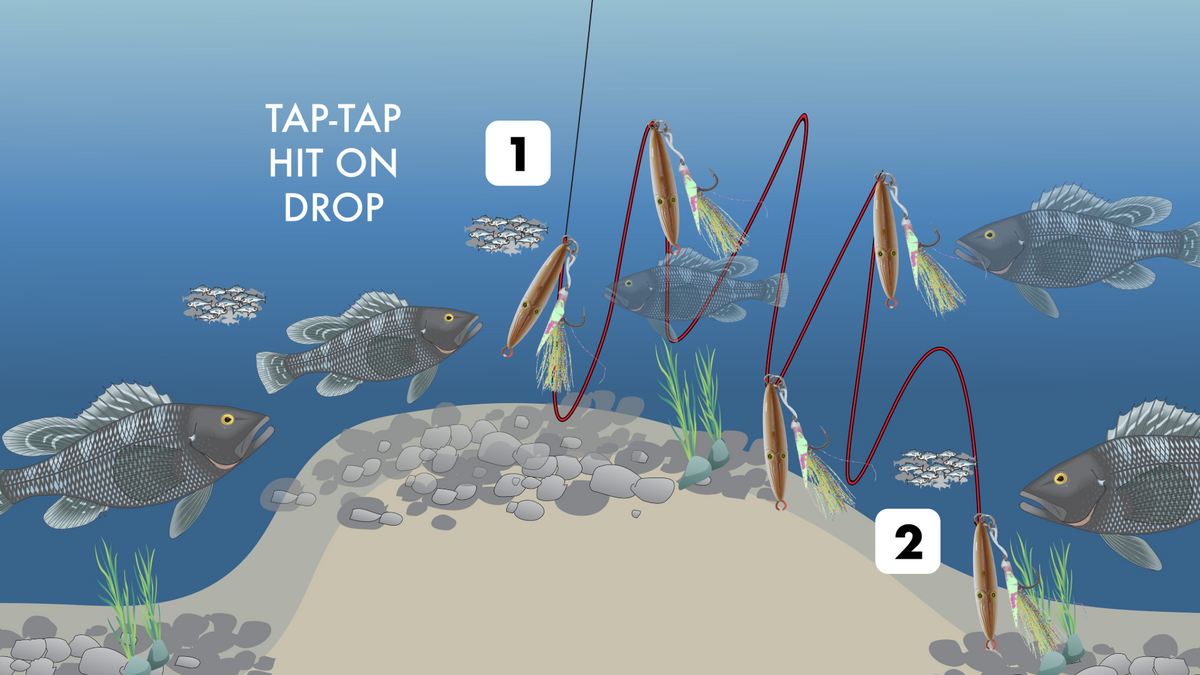
When the fish are close to bottom, start with a slow lift and a controlled drop. Watch the line as well as the tip. A sudden stop, a jump, or extra weight is often the first sign a sea bass grabbed it on the fall.
When the fish are holding up off the rocks, work that layer. Put the jig just under the marks and lift through them. As the drift climbs onto shallower ground, shorten the drop so you don't drag the rig into the rising structure.
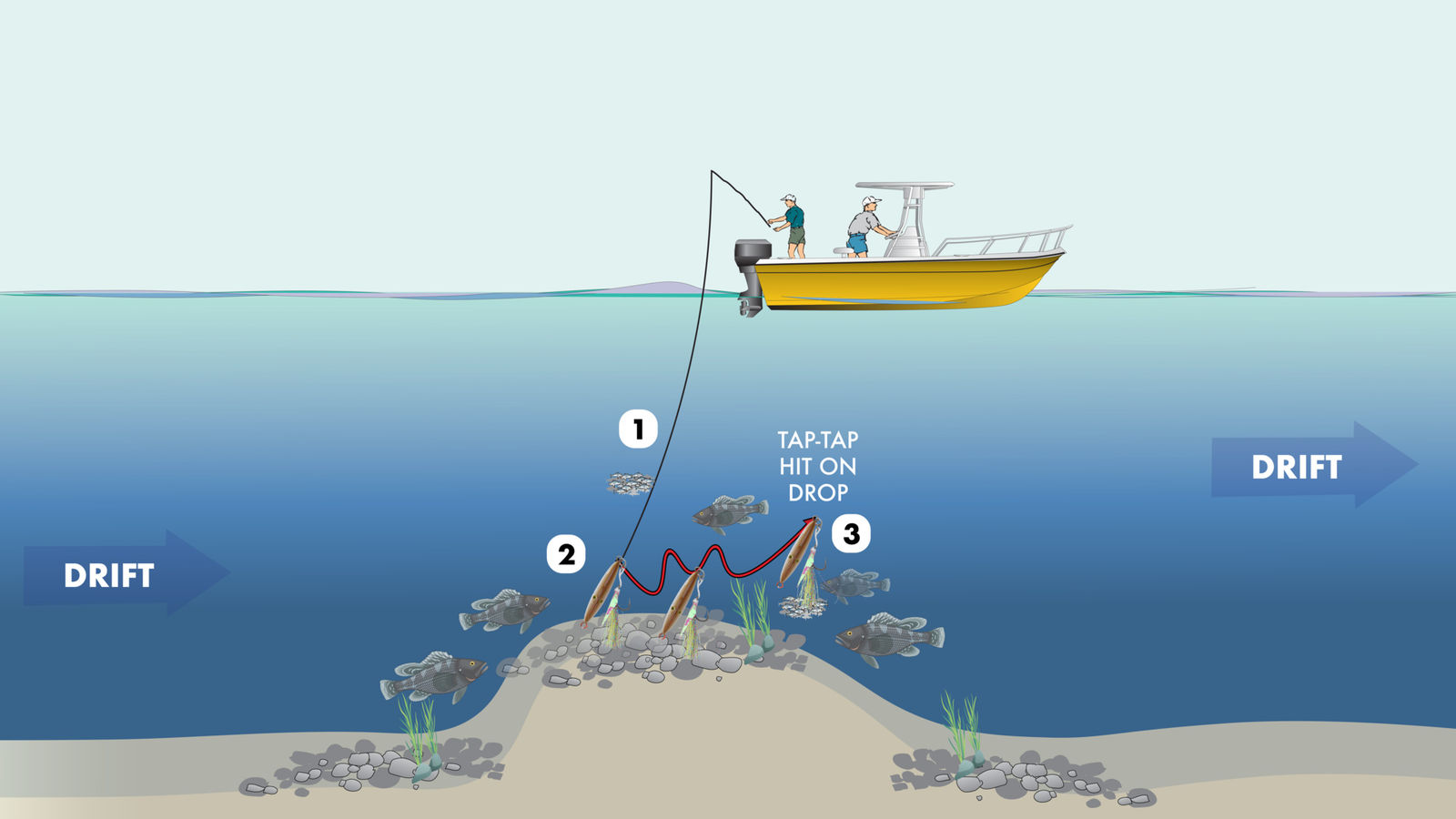
Down the lane: drop, tap, hit on the fall, repeat over live bottom.
Change the action with a reason
I rotate three retrieves and change one at a time, on a clean pass, so I know what earned the bite.
A slow lift and a slow drop, letting the Squinnow flutter. Most bites come on the fall.
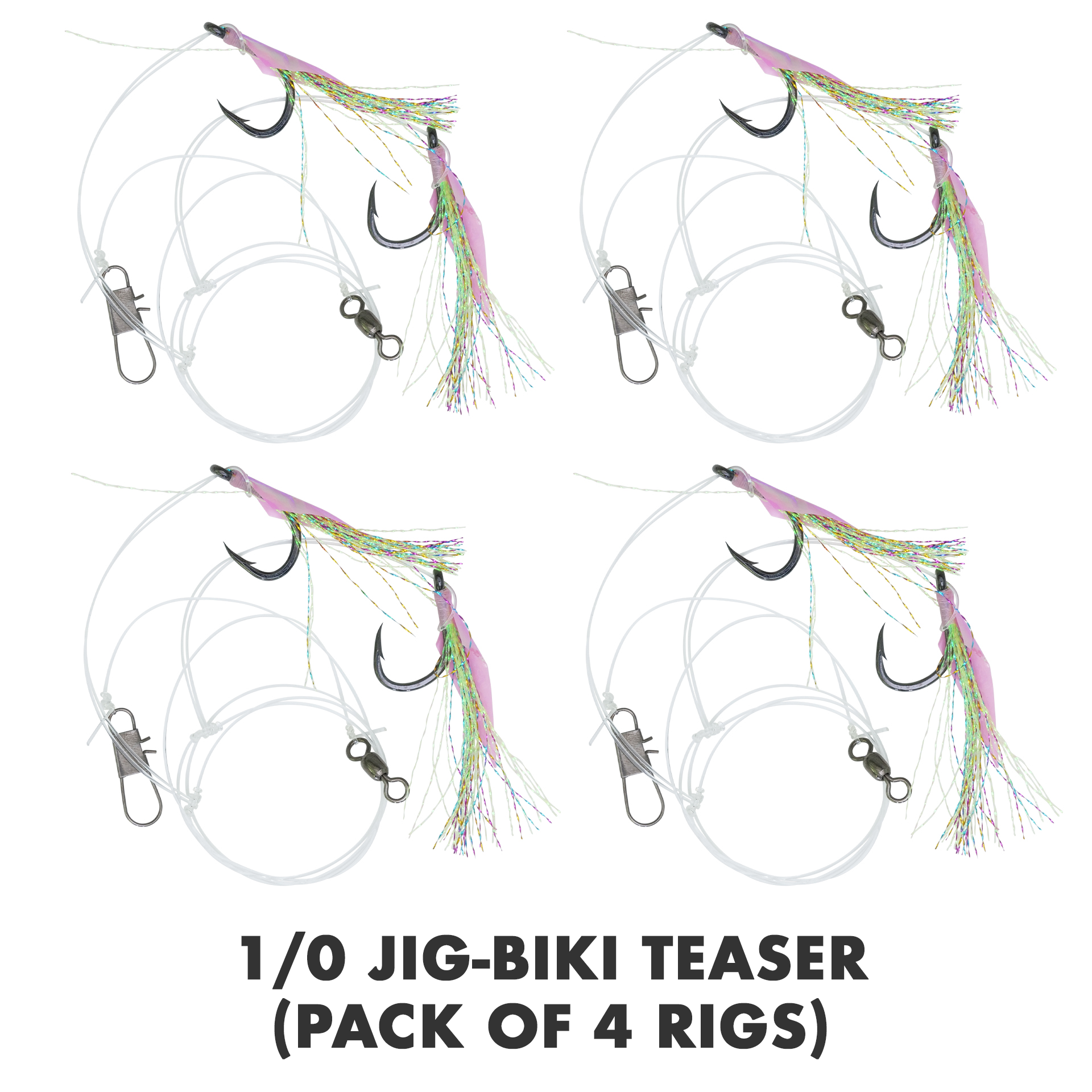
Quick twitches that make the teasers come alive. This is the one when you're marking fish that won't eat.
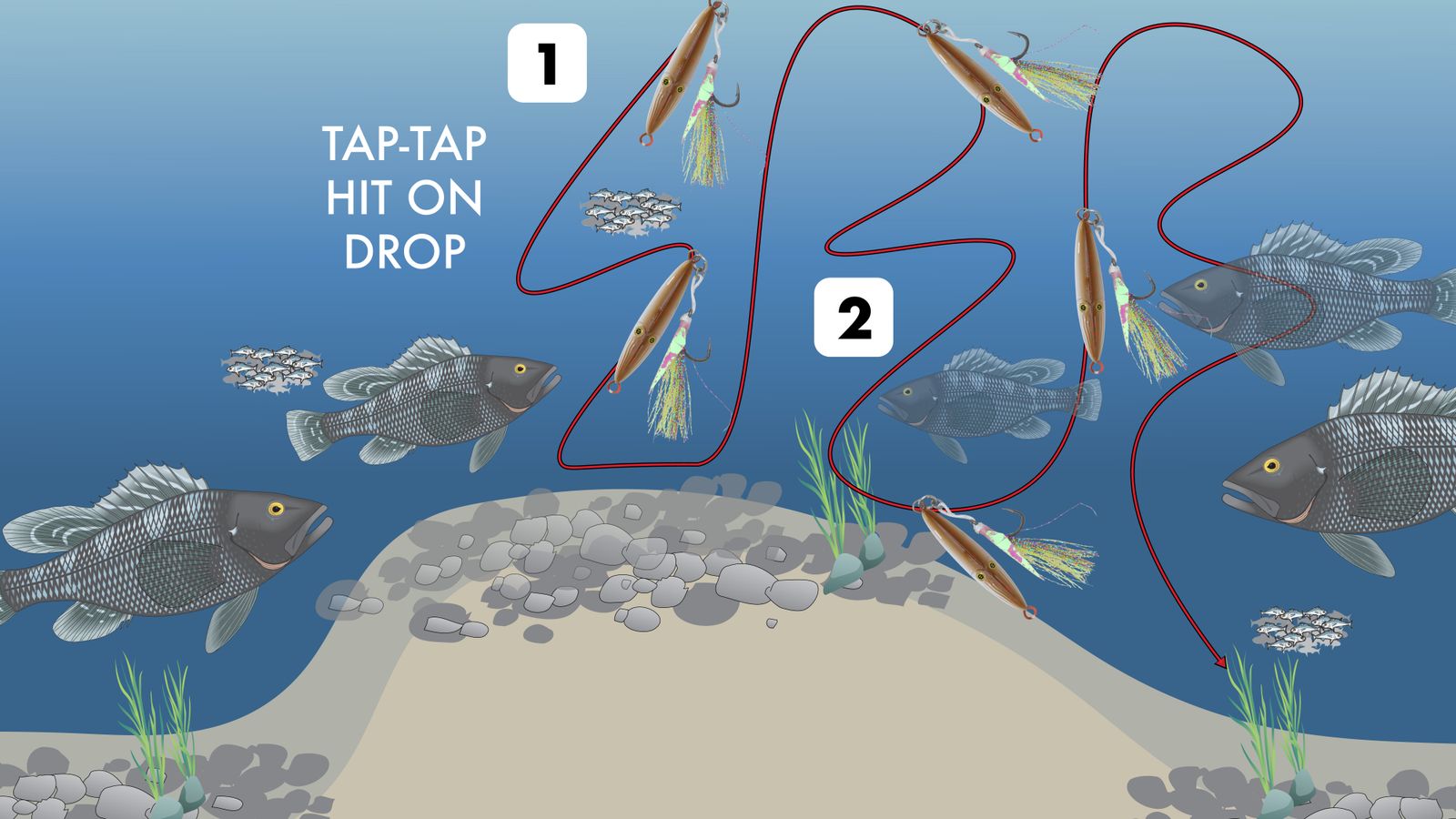
The twitch jig wakes up fish that are marking but not eating.
Leave the jig on the bottom and let the boat and the teasers do the moving.
Often the best change is getting back over the productive stretch sooner.
Moving current, then slack
With the current running, make short drifts across the productive face of the boulders or wreck. Use enough weight to stay near vertical, and reset once you leave the marks.
At slack, those drifts stop covering water. If the sounder still shows fish, stay over them. Shorten the lift, give the fall more time, add a longer pause, or hold the jig still. The Groundfish Biki Jig gives you a thump-and-settle option where its weight can still reach and hold the depth. If it can't, keep the heavier jig down with the fish. Slack doesn't automatically make a light jig the right call in deep water.
The deciding question is whether the fish are still on the piece. A fading drift means change the setup. No marks and no bites means find another edge.
Mark the bite and repeat the lane
Mark the boat's position when the bite comes and note the line angle. In deep water the fish may be behind the boat, not under the waypoint. Use the track, the depth and the next pass to pin it down.
When the bites cluster, stop making the long scouting drift. Circle wide of the lane, reset up-drift of it, and fish it again. Watch for the tide to move the bite onto a different edge.
On ground with a lot of piles, you can pound one or drift and cover them all. Both work. Some of my biggest sea bass have come from the stretches in between the hot spots. Just match the fleet: if everyone is drifting, don't anchor in their lane, and if they're anchored, don't drift through them.
Know when to change the program
Two clean drifts with no marks and no bites is a good reason to look at another piece. Marks you can't fish properly means fix the presentation first. A drift that keeps snagging means shift onto the edge, cut the scope, or fish higher over the structure.
Tog are a different decision. When they're tight to one small piece, anchoring over it with a crab on a Biki Jig makes more sense than drifting past again and again. Don't force a broad sea bass drift to do a precise tog setup's job.
Salty Cape TV: Squinnows for sea bass drifting the boulders at Gay Head and Devil's Bridge.

Leave a comment
All comments are moderated before being published.
This site is protected by hCaptcha and the hCaptcha Privacy Policy and Terms of Service apply.