













Rules of Thumb: Top 10 Tog Tips
Small rocks, small moves, big fish. Tog reward the angler who sweats the details: the exact rock, the anchor line, the size of the crab, and the moment the rod loads.


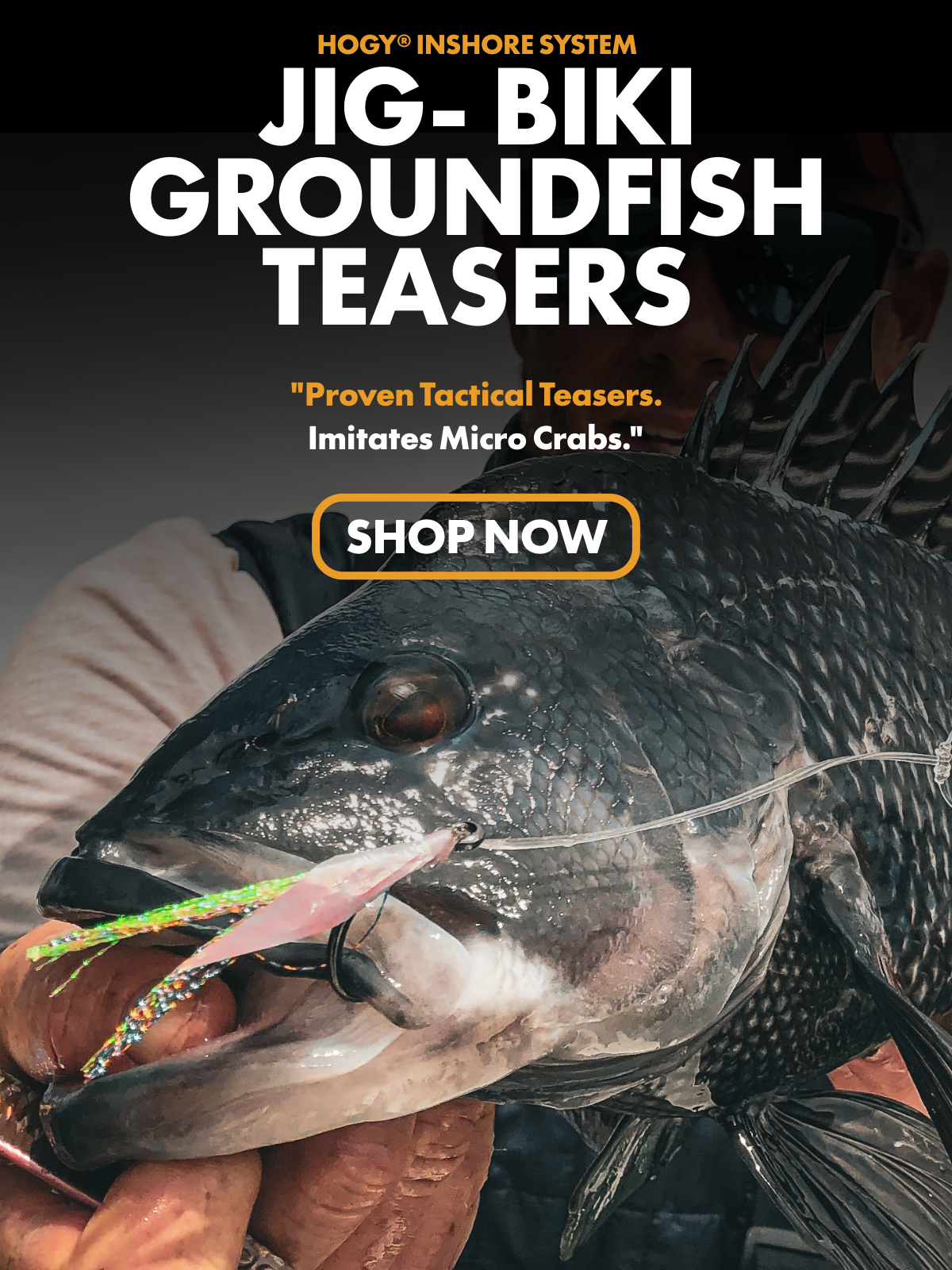
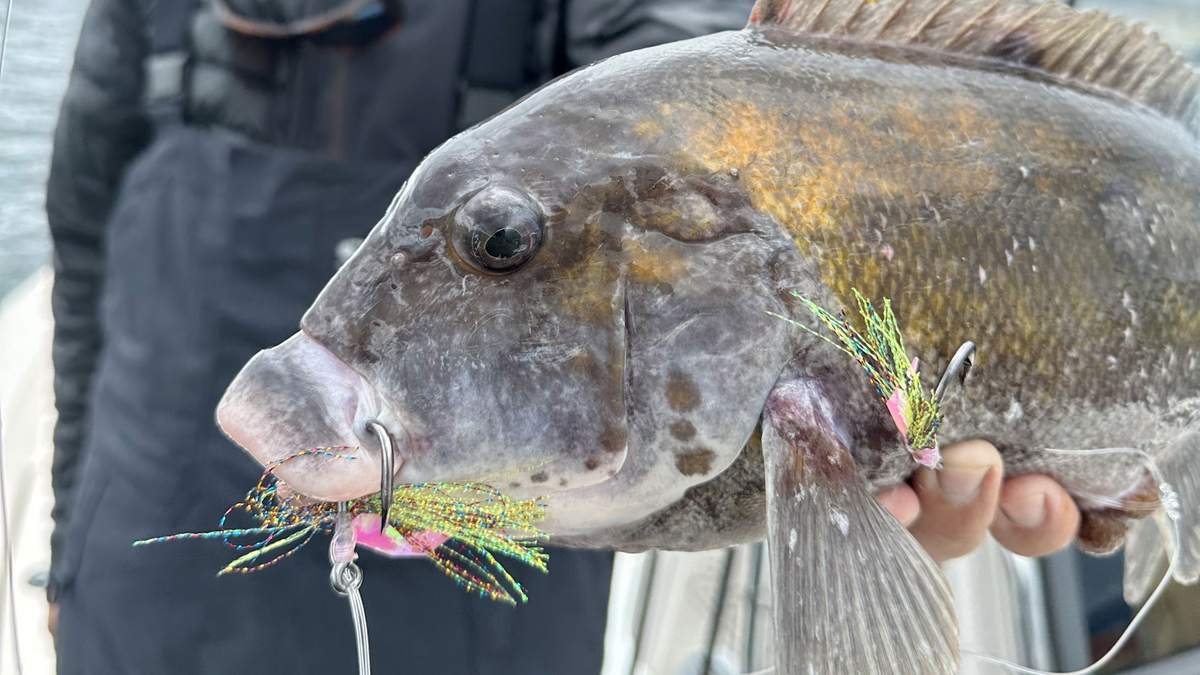
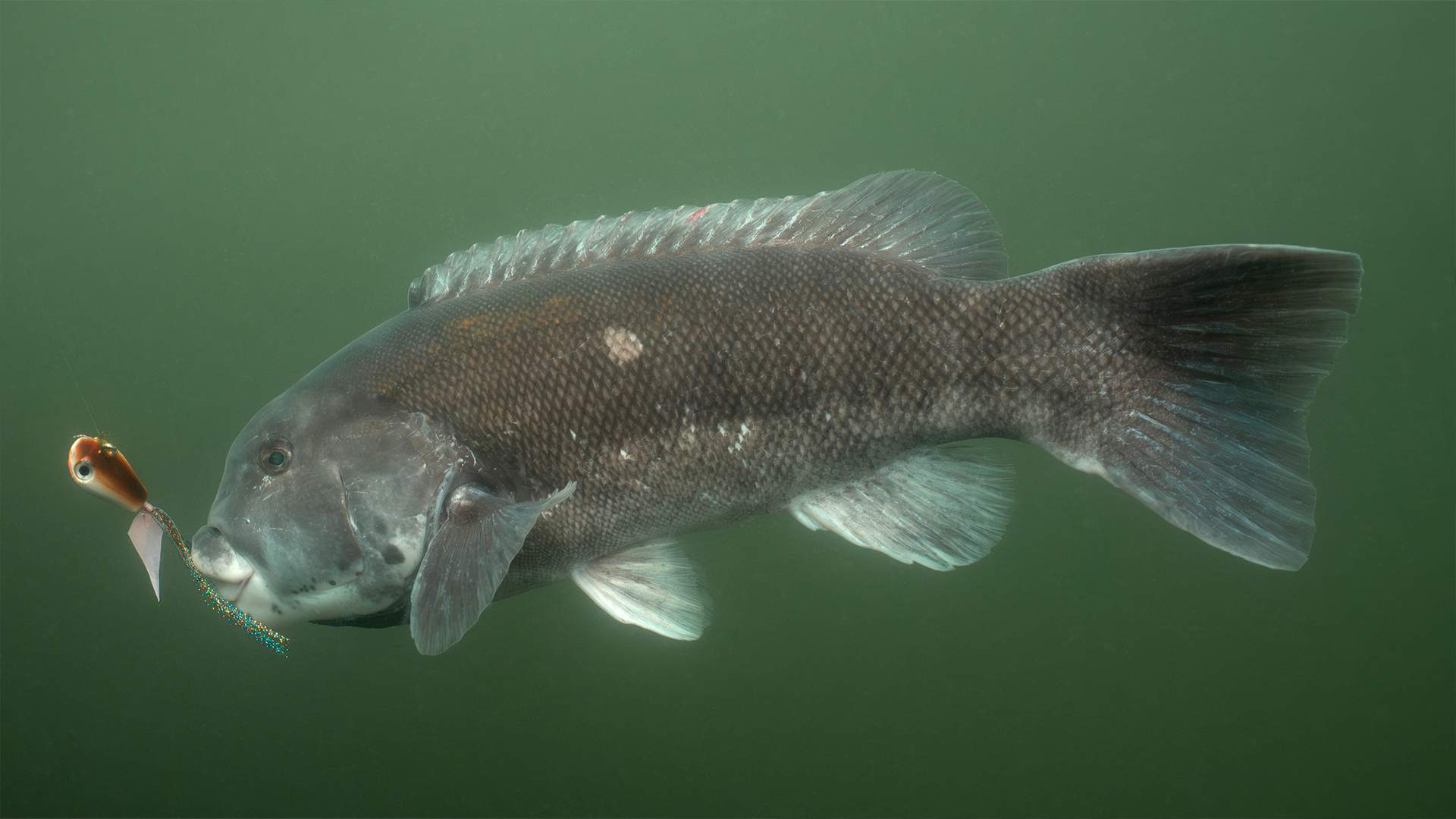
A tog on the Groundfish Biki Jig. Small jig, single bait, light tackle.
One of the things I like most about tog fishing is its simplicity. A rock pile in 20 to 25 feet of water, a few crabs, a light rod, and patience. It's often the kickoff to my season in the spring and one of the last things I do in the fall.
Simple doesn't mean easy. These are the ten habits that make the difference on the rock pile.
1Fish a rock, not a chart
A charted patch of rocks is a starting point. The fish live on a piece of it. Early season, I look at the chart for a series of rock piles in 20 to 25 feet of water. Then I idle over them and watch the sounder for a hard, broken bottom return, a little spike in the bottom line, and marks hugging it. Pick that exact rock before you drop, not the general area.
If one angler gets bit and the other doesn't, look at where their lines enter the water and where their jigs settle. They're probably fishing different sides of the same pile. Move the drop a few feet before you decide the spot is empty.
2Anchor up-drift and fall back on the pile
Getting the anchor in the right zone is the most critical part of the day. Set it up-drift of the structure and let the boat fall back so your baits settle right on the rocks. Allow for swing: a spot that looks perfect can put every drop on the wrong side of the pile when the wind shifts.
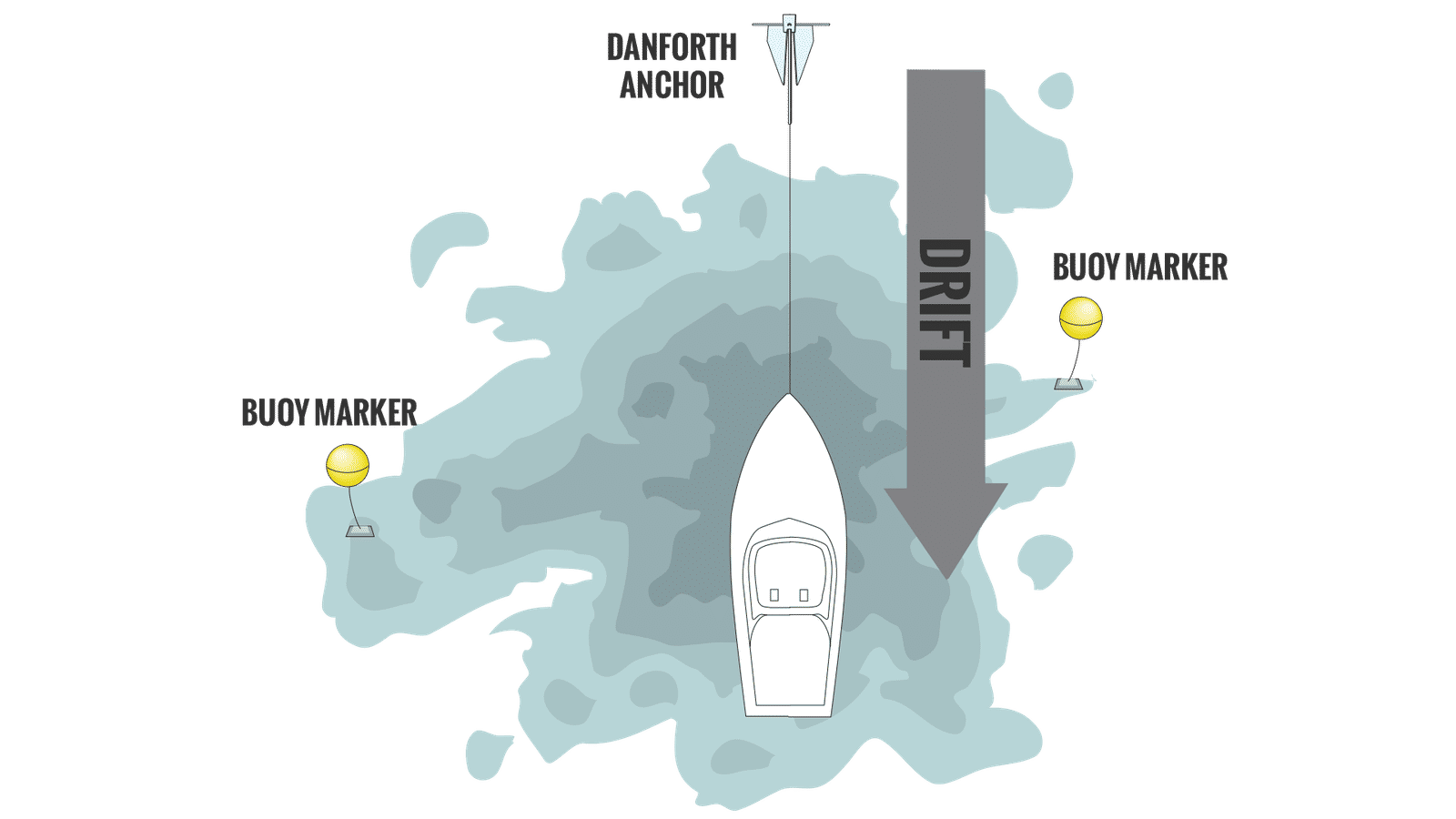
Anchor up-drift, fall back on the pile, and buoy the edges so you know where the rocks are.
If every drop slides off the target, a new color won't fix it. Fix the position, the weight or the timing first. On a bigger pile with a steady breeze, a tactical drift across the rocks works too. Either way, match the boats around you: if they're all drifting, don't anchor in their lane, and if they're anchored, don't drift through them.
3Use the lightest jig that finds bottom
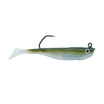
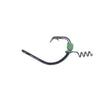
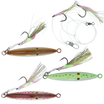
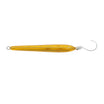
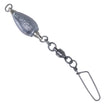
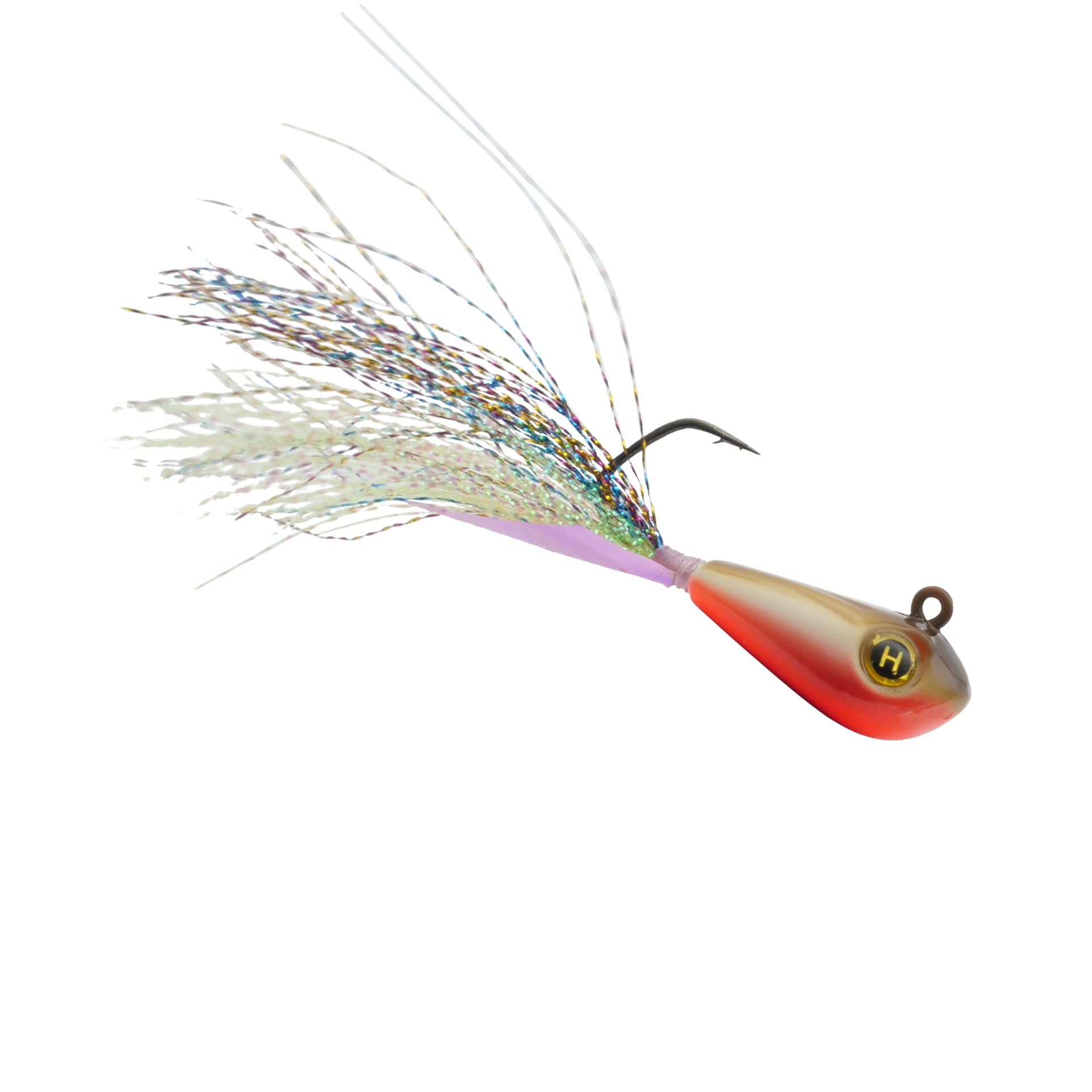
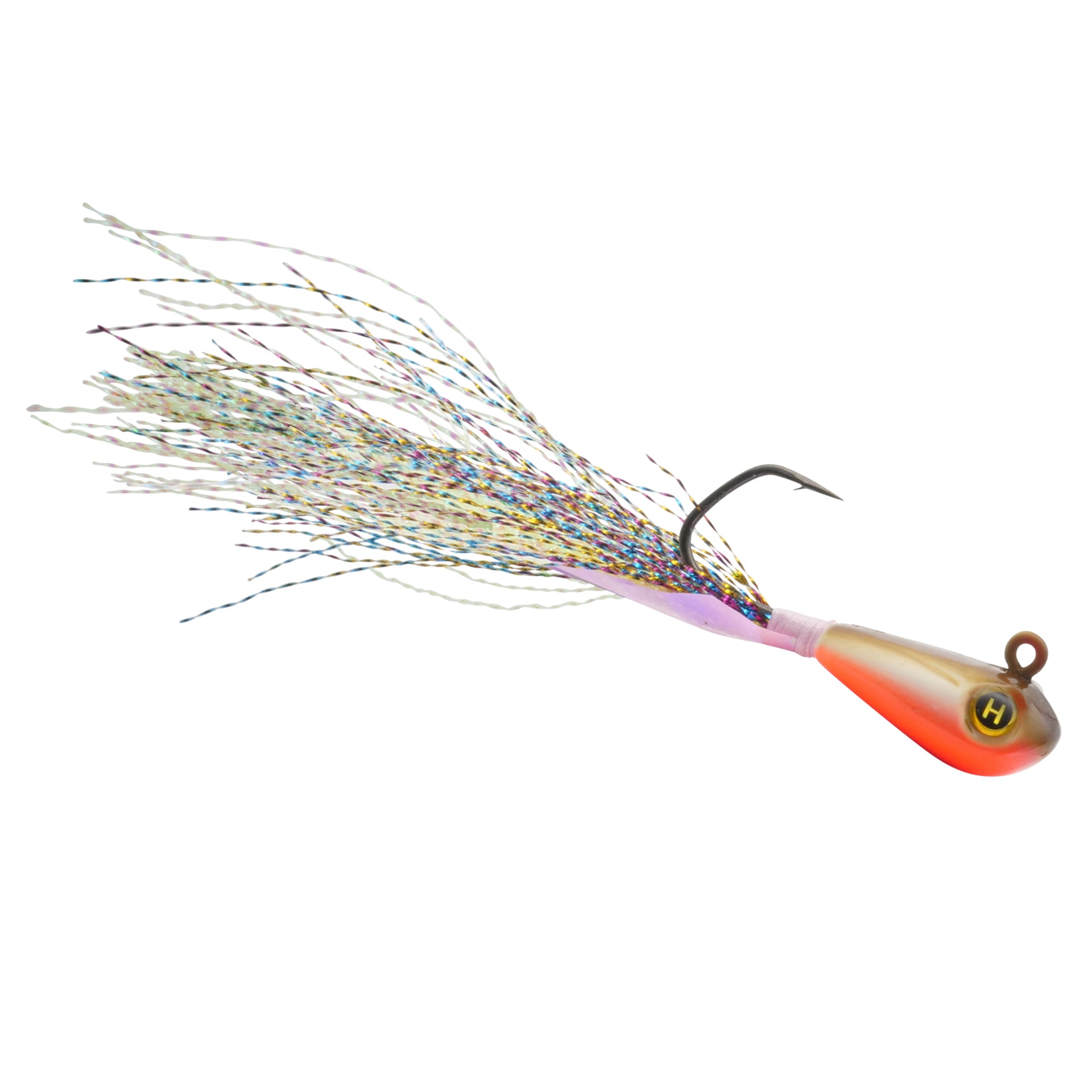
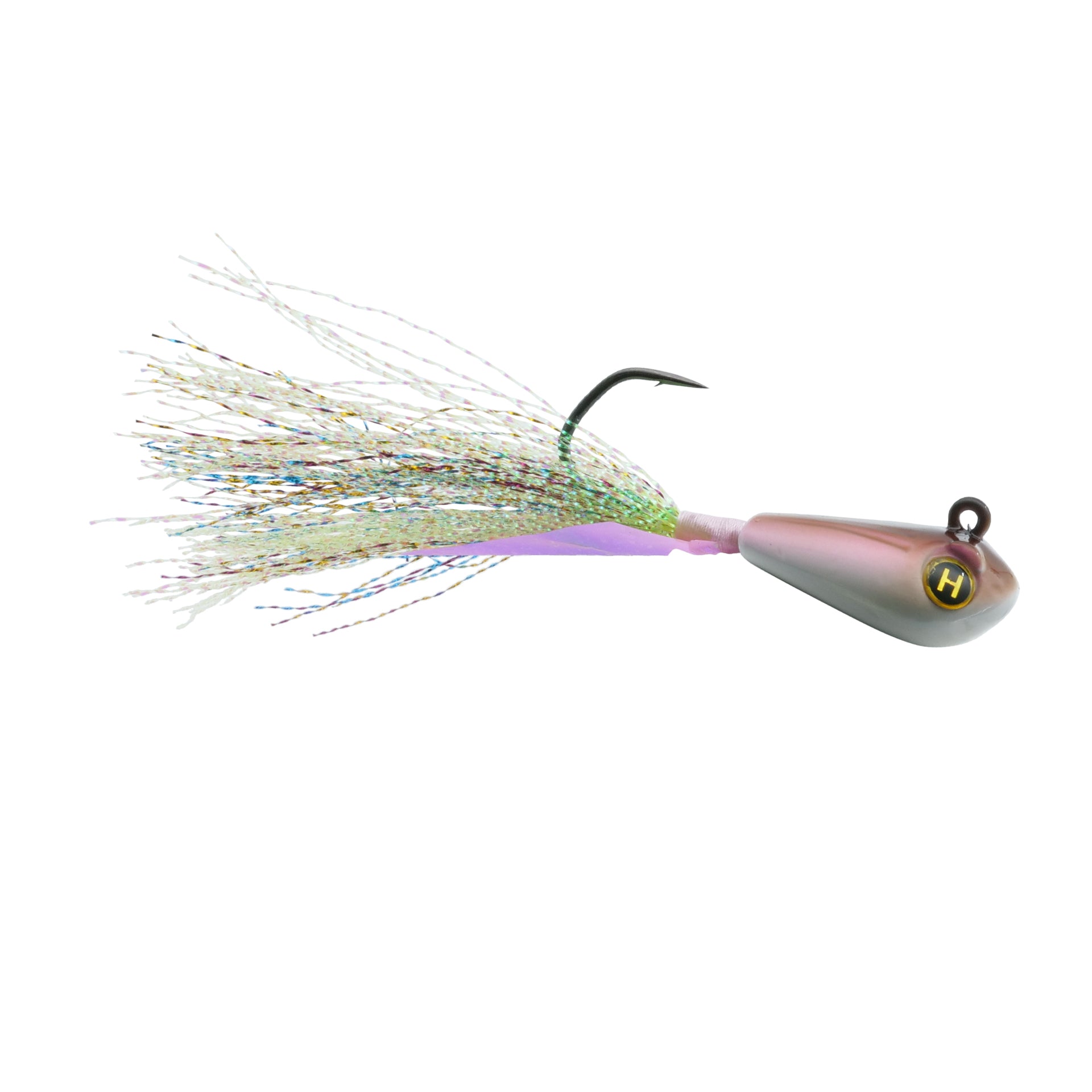
Use as little weight as you can get away with, as long as you feel the bottom every time. Depth alone doesn't decide it; current and line drag get a vote. I start with the 1.0 oz Groundfish Biki Jig on shallow rock, go to the 1.6 oz when it won't hold the pocket, and the 2.0 oz on deeper piles.
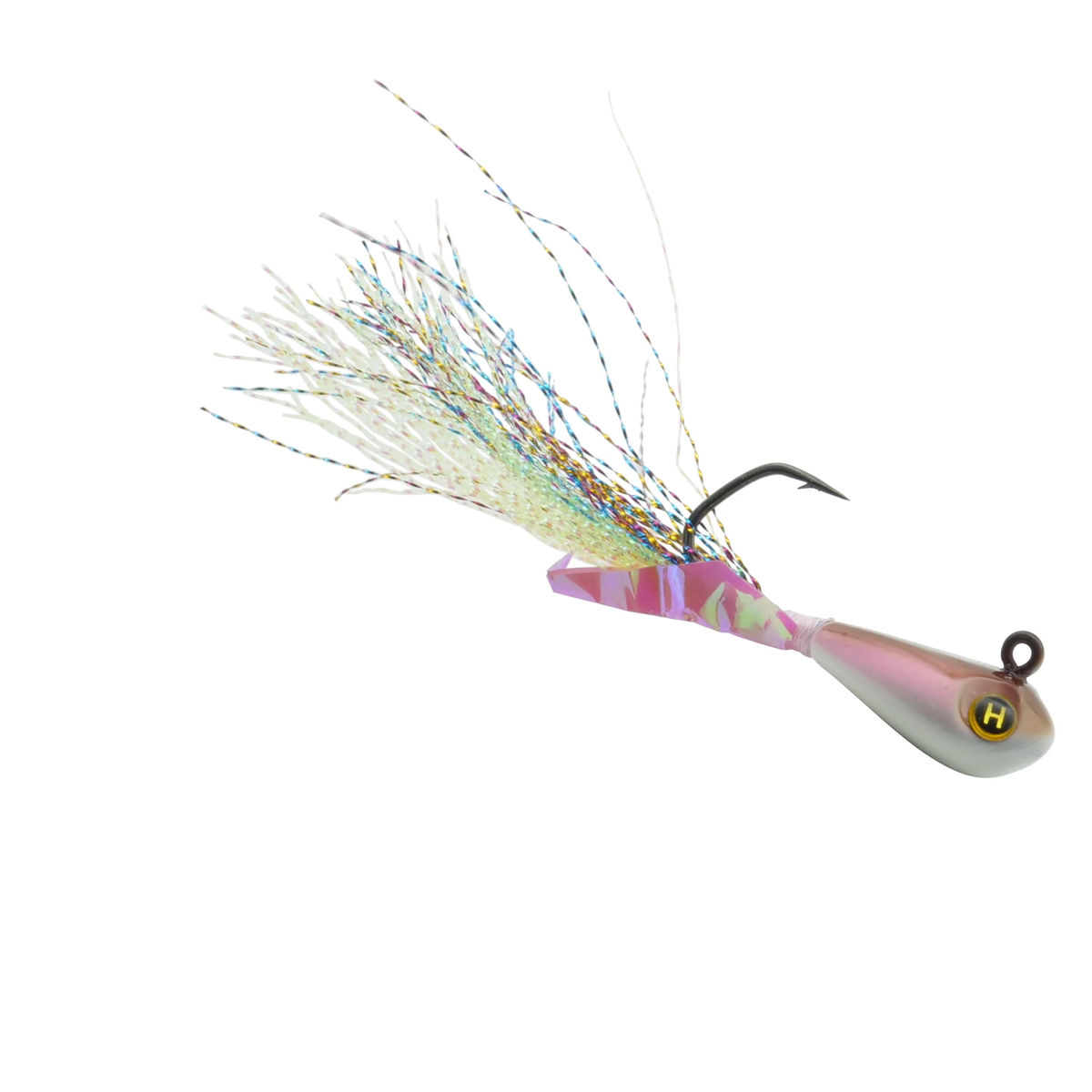
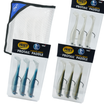
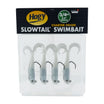
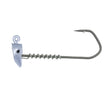
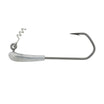
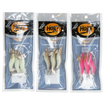
The Groundfish Biki Jig in 1.0, 1.6 and 2.0 oz. The flat head stands it upright so the crab sits just off the bottom.
4Prep the crab like you mean it
Grab a pair of kitchen shears. Cut the legs off, pop the hard top shell and toss it. Small crabs can go on whole with the shell cracked a little for scent. Bigger crabs get split in half, with the hook threaded through a leg so the crab stays put.
Leave the hook point clear. If crabs keep disappearing without a hookup, cut the portion down and check the point before you blame the fish.
5Still means connected
Once the jig is beside the piece, take up the slack and quiet your hands. Lifting the crab off the bottom again and again pulls it away from a fish that's working on it.
Still doesn't mean a loose coil of line on the bottom. Stay in direct contact so you feel every tap.
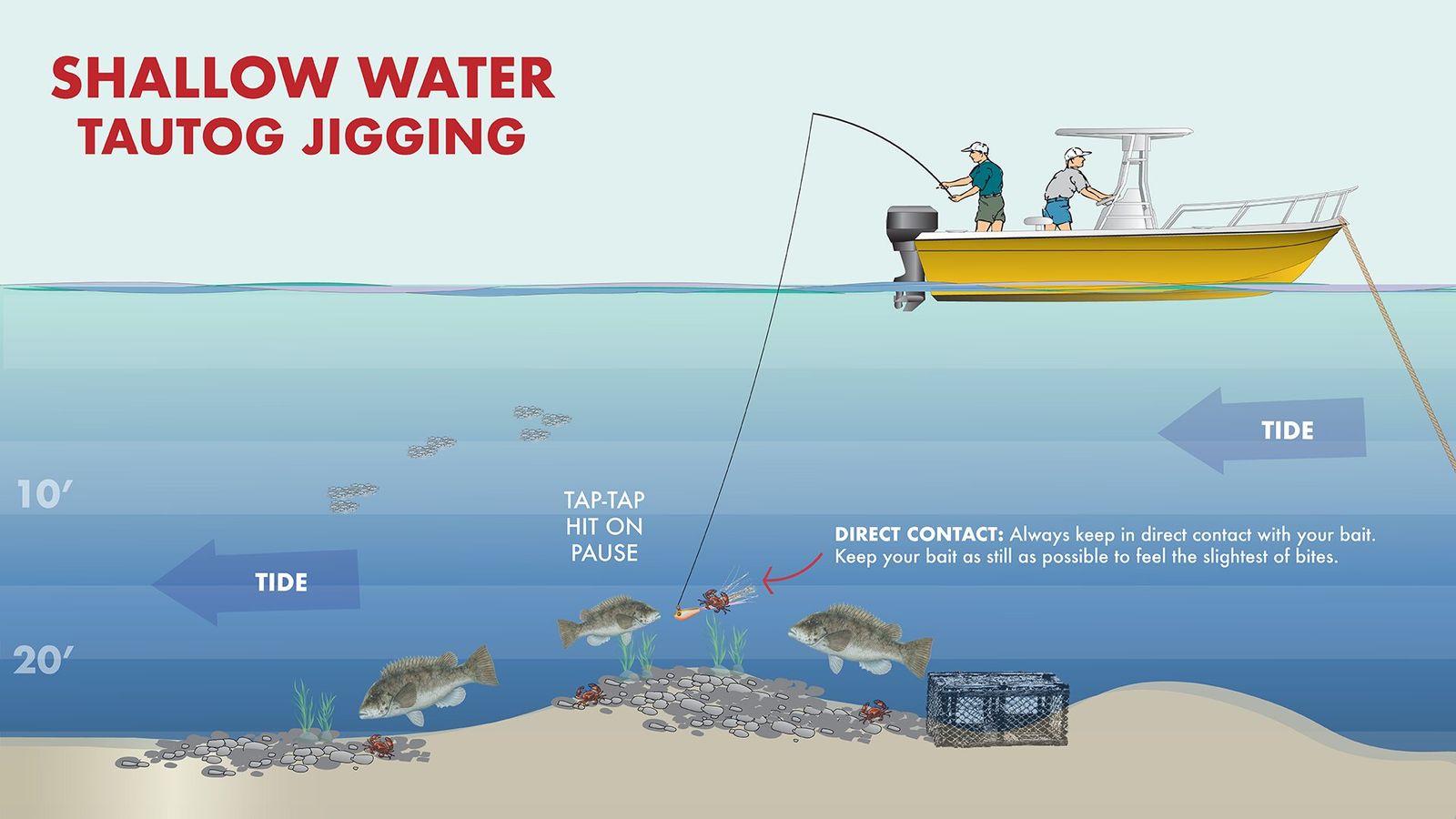
One tap to settle it, then still, in direct contact. Tog work the bait before they commit, and the hit comes on the pause.
6Wait for weight, then sweep
You'll feel the tap-taps first. Let them take a couple of whacks. I'm waiting for the change from picking to sustained weight. When the rod loads, I sweep, let the rod bend into the fish, and keep the pressure on to move it off the rocks.
A peck, a bottom tick and a committed bite all feel different. Skip the countdown and let the rod tell you which one you've got.
7Have the rod and drag ready before the drop
Set the drag before the jig goes down. A tog heads straight back to the rocks, and you need pressure the second it does.
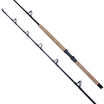
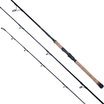
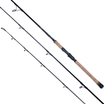
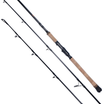
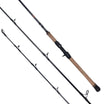
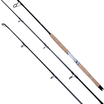
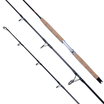
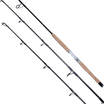
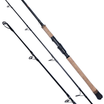
On shallow rock with the 1.0 or 1.6 oz, a 7' Medium (HLTI7M) is plenty. My crew fished one in New Bedford with 25 lb braid and about a 40 lb leader. For the 2.0 oz, big fish or nasty rock, I fish the 7' Medium-Heavy (HLTI7MH). Run mono leader on hard rock and check the last few feet after every fish.
Why moderate-fast, not fast. Both of those rods are moderate-fast. The top 18 inches bend first, then the bend rolls into the midsection. A fast rod bends in that same top section and stops there. Below it, the blank is stiff. On a tog, that difference shows up twice.
The hook set. A tog crunches the crab before it takes the hook. Sweep a fast rod and the whole force of the swing hits the hook at once, because the stiff blank has nothing left to give and braid barely stretches. That yanks the jig and the crab out of its mouth before the point is in. A moderate-fast rod spreads the same sweep across the bend, so the pressure climbs and the hook goes in.
The fight. A vertical fight is bouncy. The tog is under the boat on a short line, every swell lifts the boat and drops it, and the fish kicks for the rocks. A stiff rod turns each lift into a jolt and each drop into slack, and that's how a tog bounces off the hook. The midsection bends deeper on the lift and straightens on the drop, so the pressure stays even. The lower third is still stiff enough to turn the fish away from the rocks.
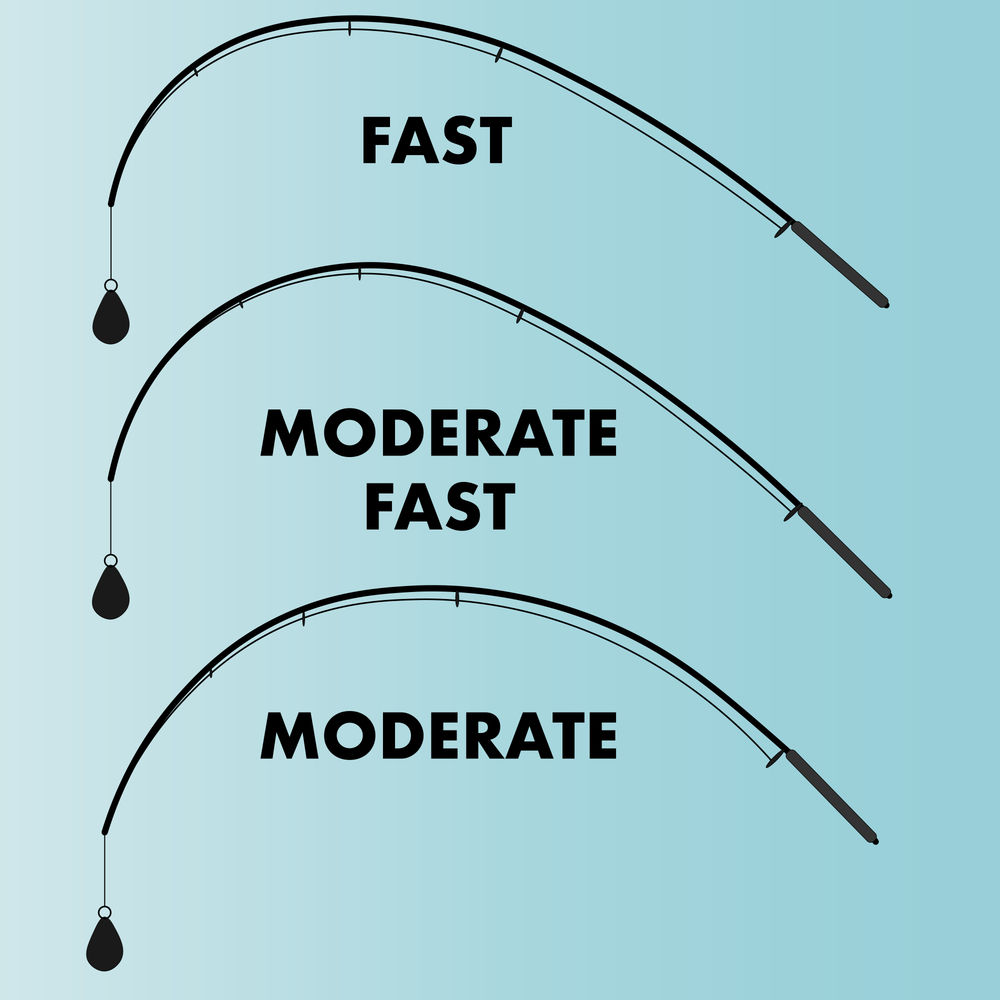
A rod that bends into the midsection lets the tog load it before you sweep, and keeps the hook in on the way up.
8Try the albie jigs already in your crate
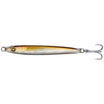
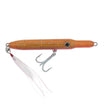
This is the best-kept secret in tog fishing. Drop a Hogy Epoxy Jig or Heavy Minnow tight to the rocks and thump it slow. Tog eat it. No crabs, no bait bucket, and you're back in the pocket the second a fish comes over the rail.
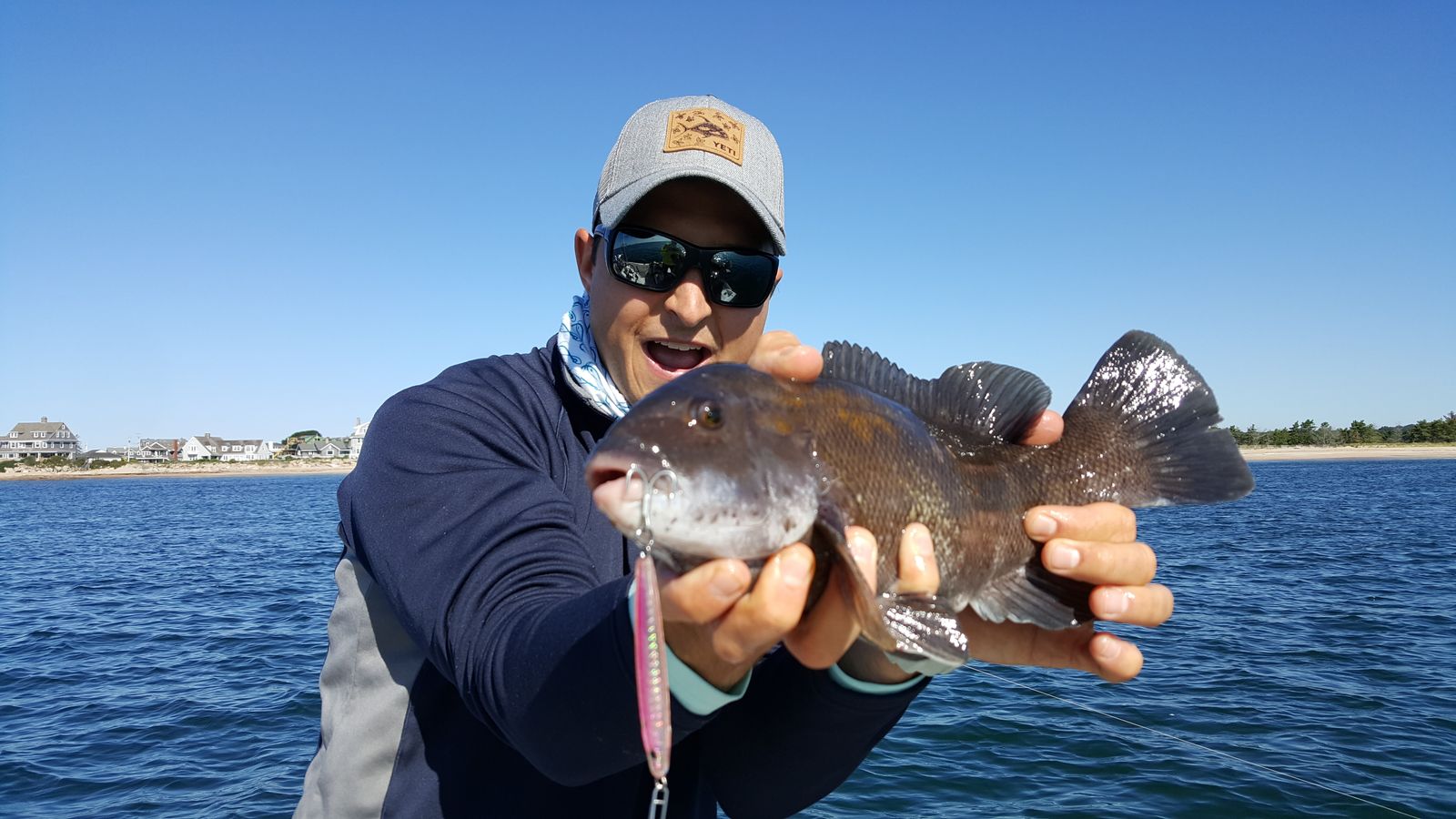
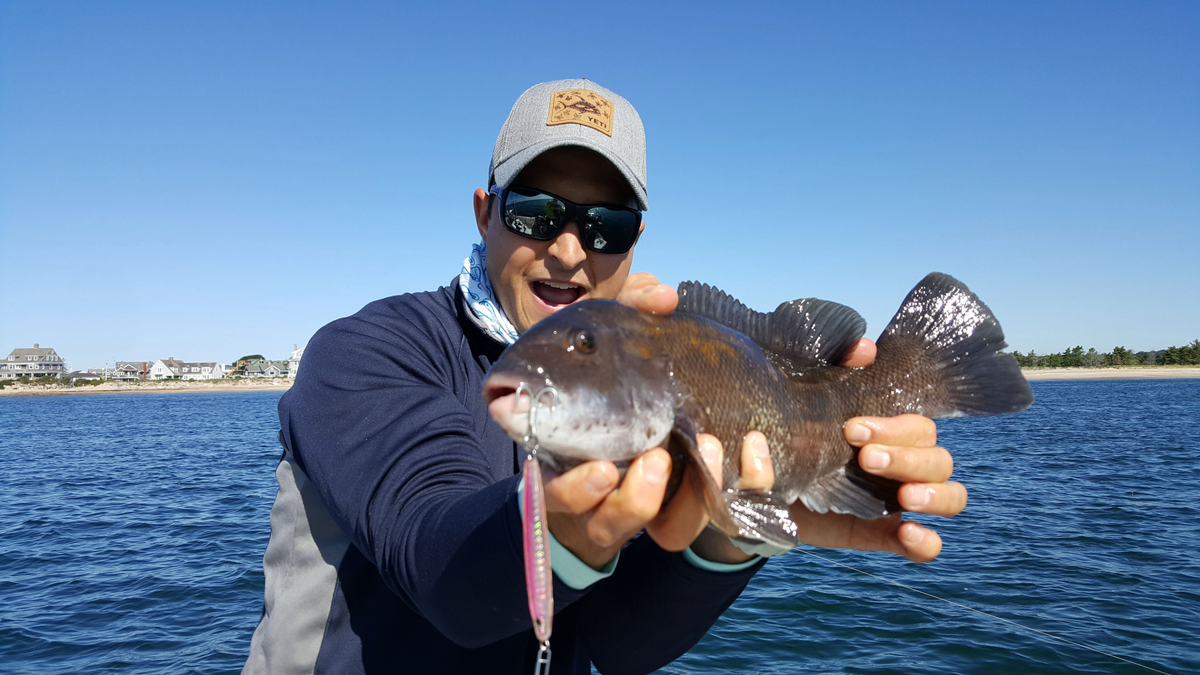
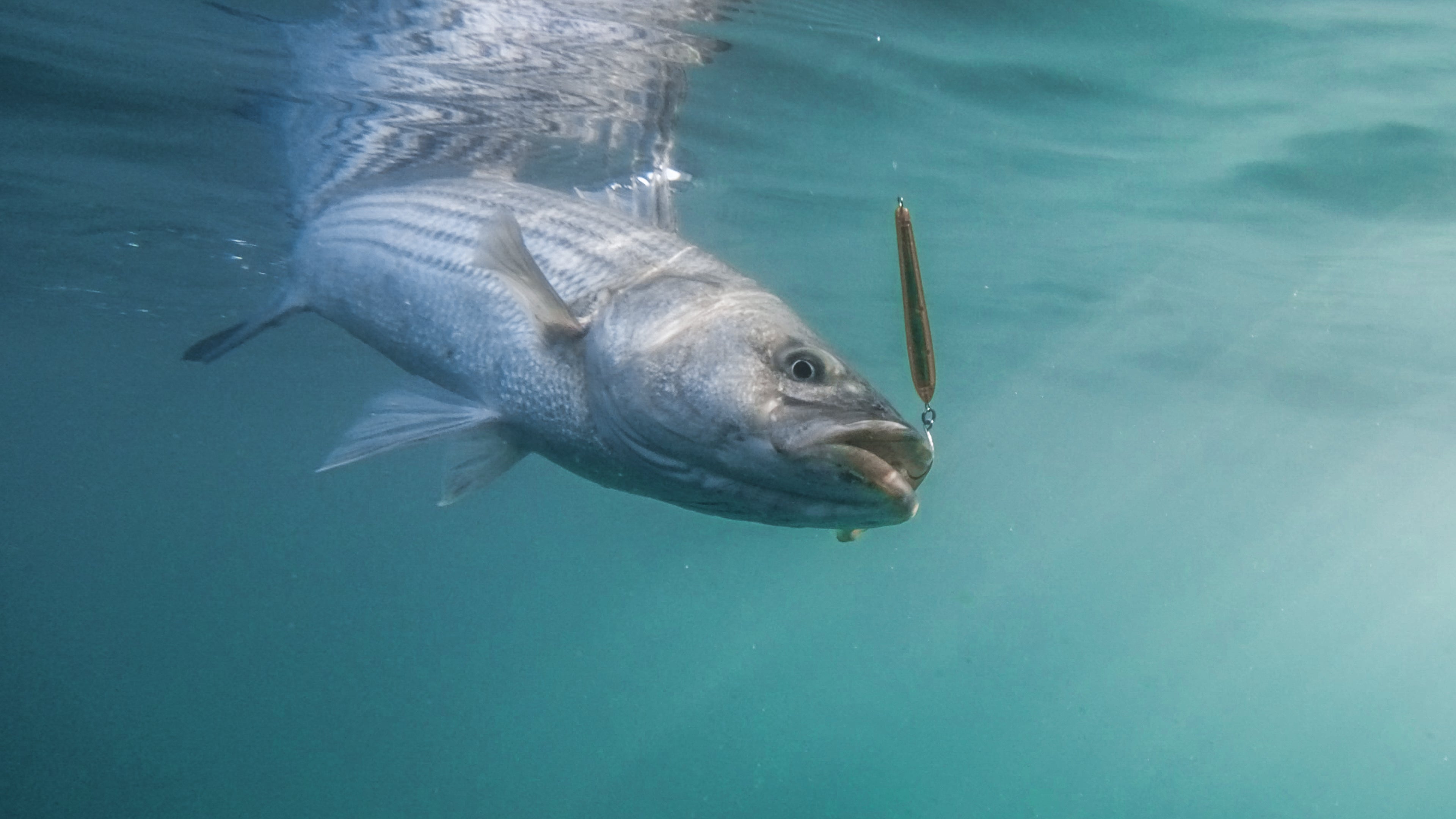
A tog on a pink Epoxy Jig. The full method is in "Hogy How-To: Tactical Jigging For Tog (Lite Jigs)."
Leave the albie retrieve at home. Short lifts, controlled settles, and stay on the bottom. If the jig won't stay on the piece or the fish won't touch it, the crab is one rod away.
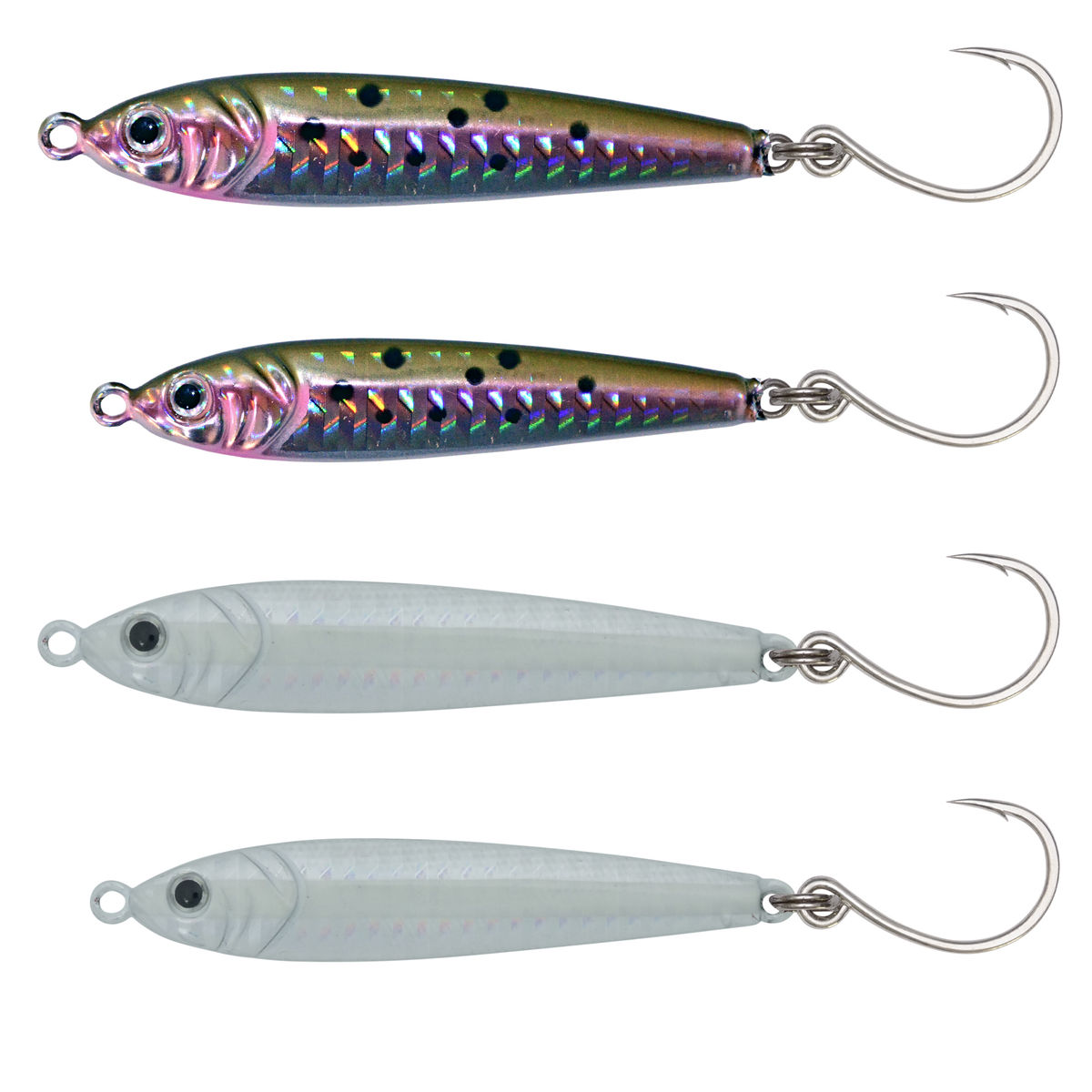
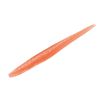
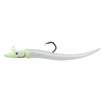
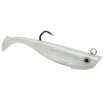
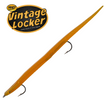
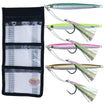
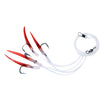
Heavy Minnows on inline singles, straight from the albie crate. The single hook snags less in the rocks.
9Leave a rod's length of line
When the fish comes up, leave about a rod's length of line out. Put the rod in the holder, grab the line and swing the fish right into the boat. Both hands are free, the deck stays clear, and the next angler can fight his fish without you in the way.
Then check the leader and the hook point before you drop back into the same pocket. Move the drop before you move the boat, and change one thing at a time so you know what worked.
10Measure, count, and check the date
Keep a measuring board handy and count fish as they come aboard. Individual bags, boat caps, big-fish allowances and opening dates differ by state. Massachusetts and Rhode Island private-vessel tog limits include a ten-fish boat maximum, New York runs separate Sound and Bight calendars, and in New York green crabs must be dead before you use them as bait. Those were checked October 5, 2026.
A lot of good tog rock sits close to the Massachusetts and Rhode Island line, and the two states don't always match. The rules for where you fish and where you land can both come into play, and it gets gray. I've been checked by an Environmental Police officer near the line and come away unsure who read it right. Know the regs for both sides before you go, and when it's gray, keep only fish that are legal under both. "Quick Reference: Northeast Groundfish Regs (Fall 2026)" has the full fall tog table.

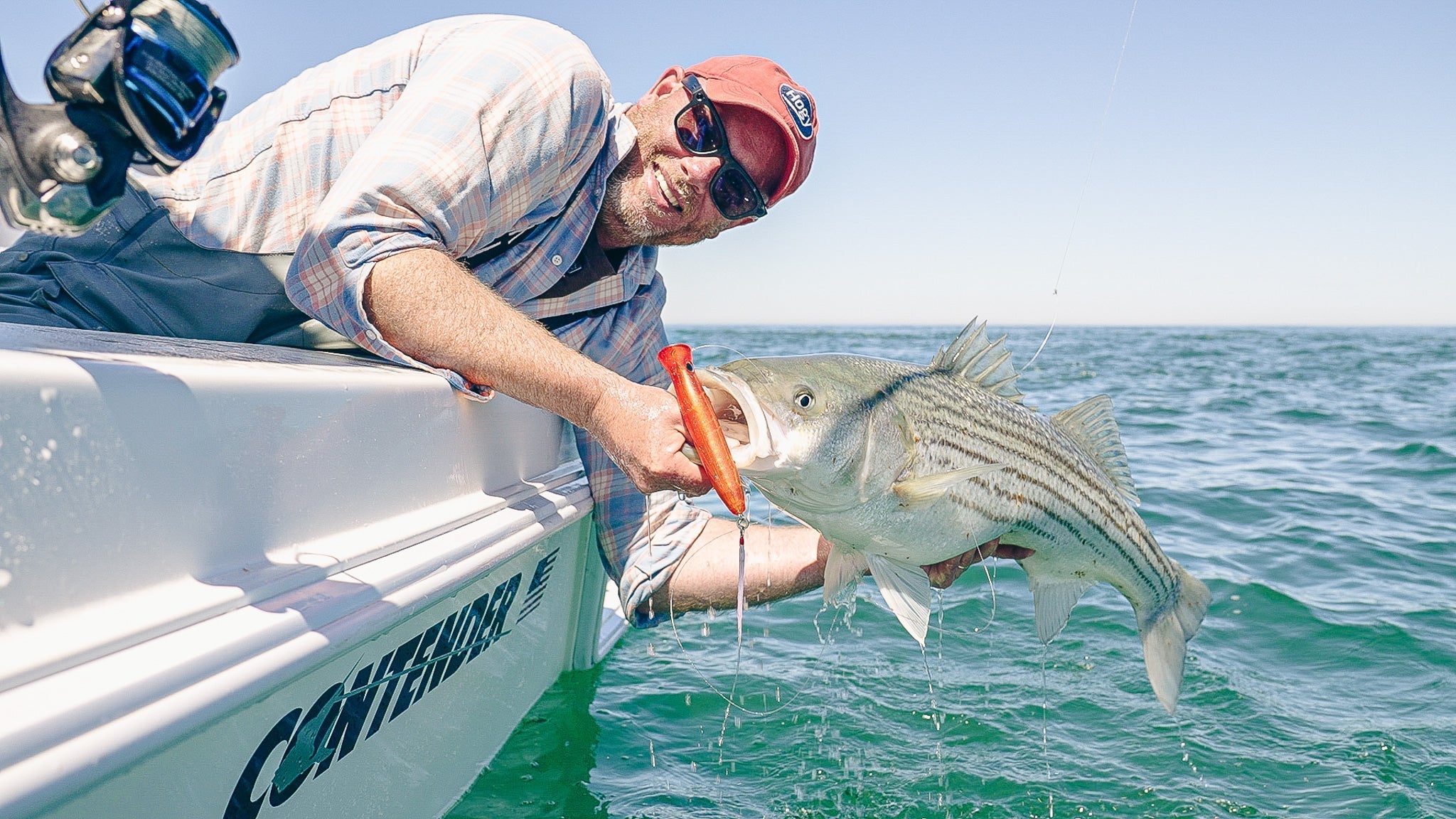
Measure, decide, and send the big females back.
Fix the problem you actually have
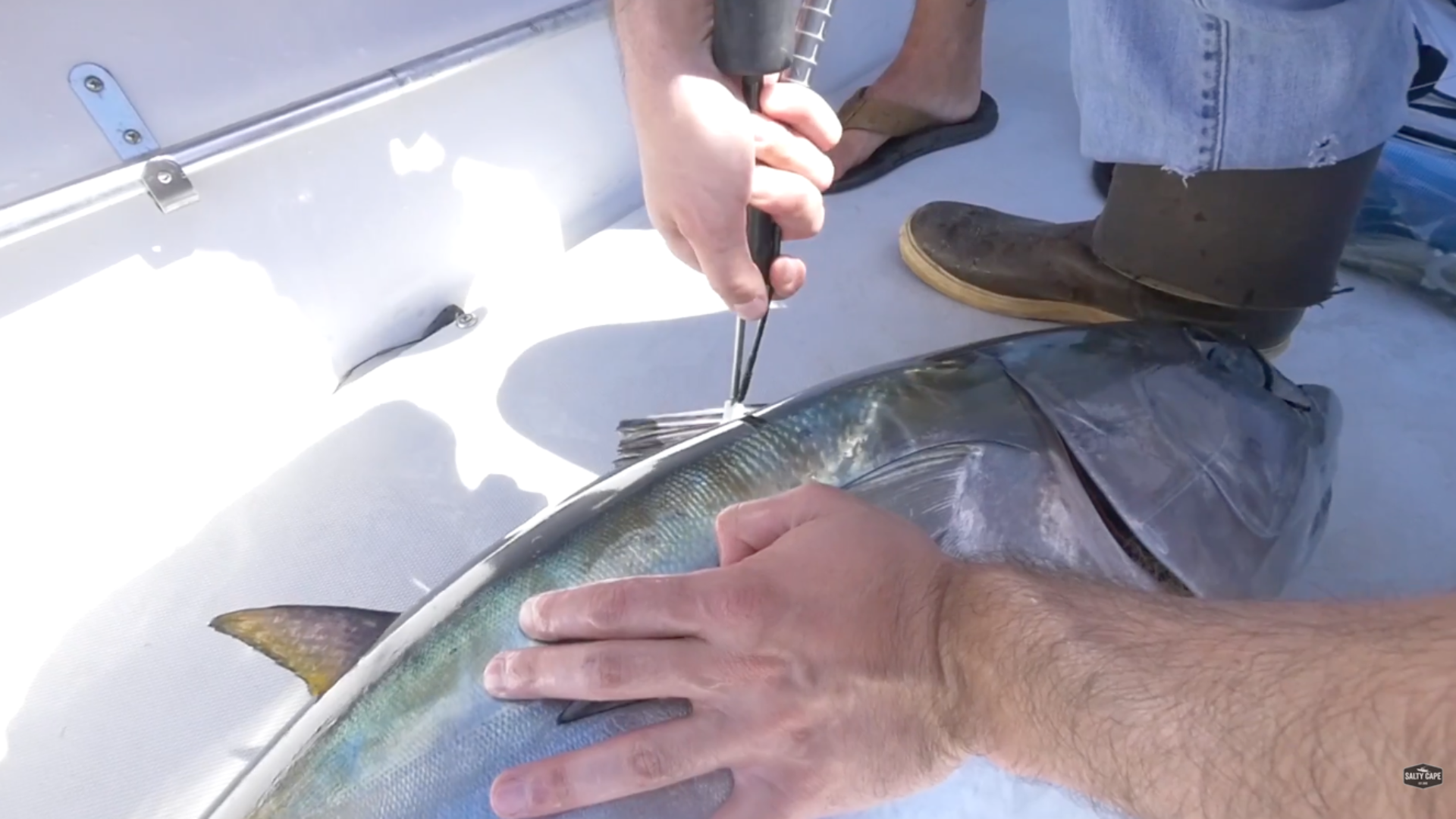
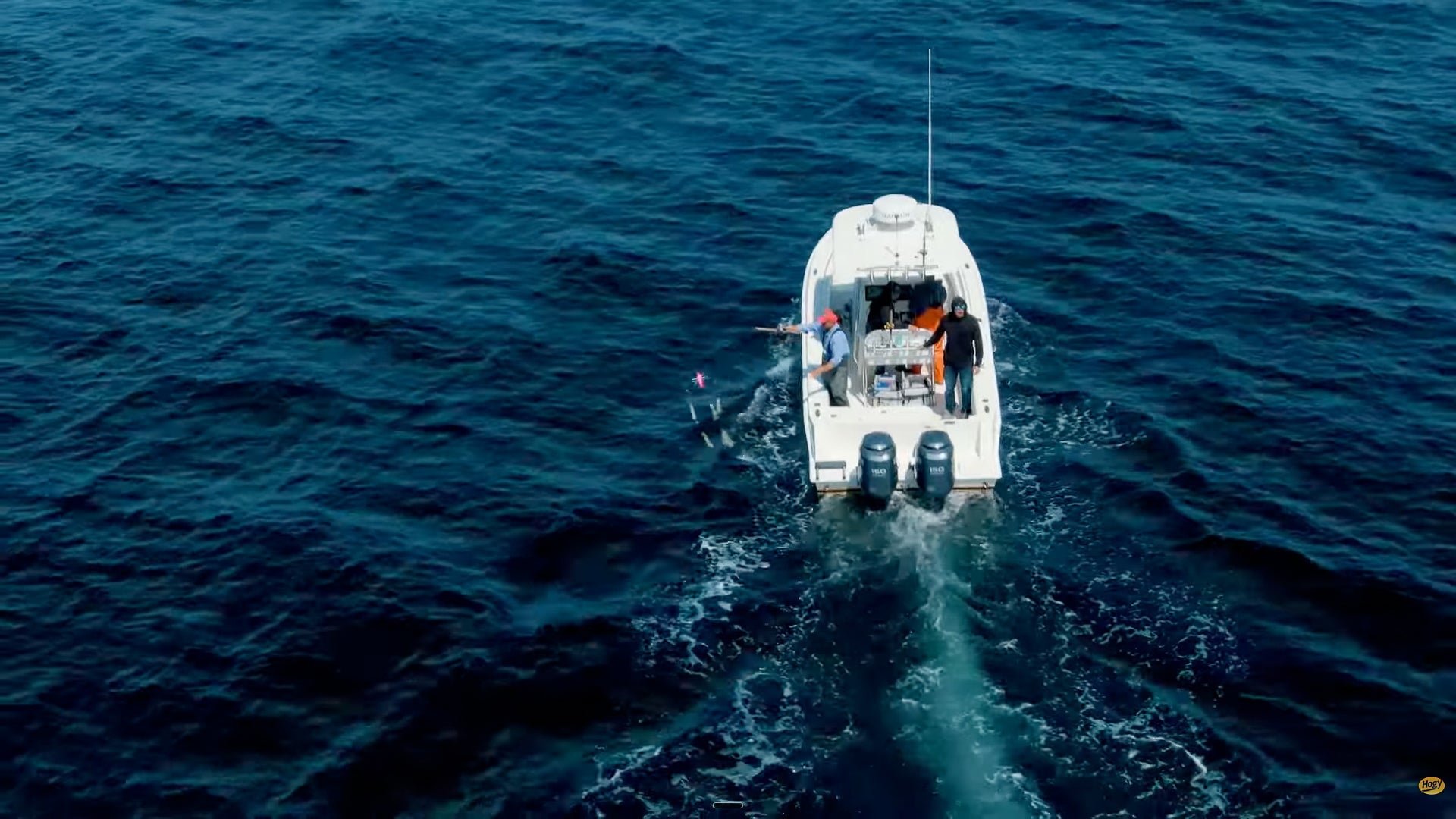
Salty Cape TV: early May tog on Buzzards Bay rock piles, with John Burns. Anchoring, crab prep and the rod's-length trick.


Leave a comment
All comments are moderated before being published.
This site is protected by hCaptcha and the hCaptcha Privacy Policy and Terms of Service apply.