







Gear Deep Dive: Albie Rods For Groundfish (Sea Bass + Tog)
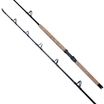
My albie rods catch my groundfish. Do you need a dedicated groundfish stick? My case for no.

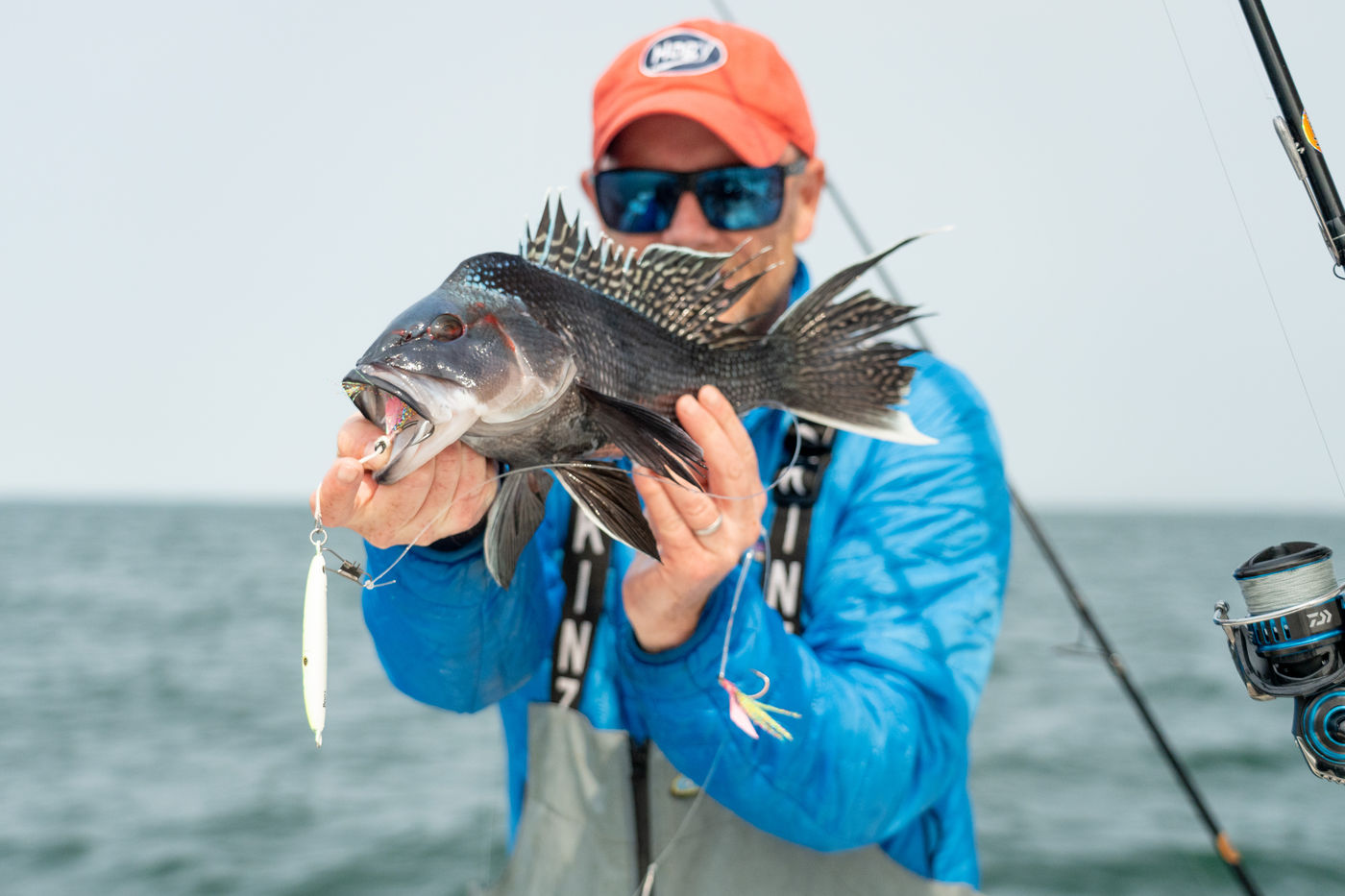
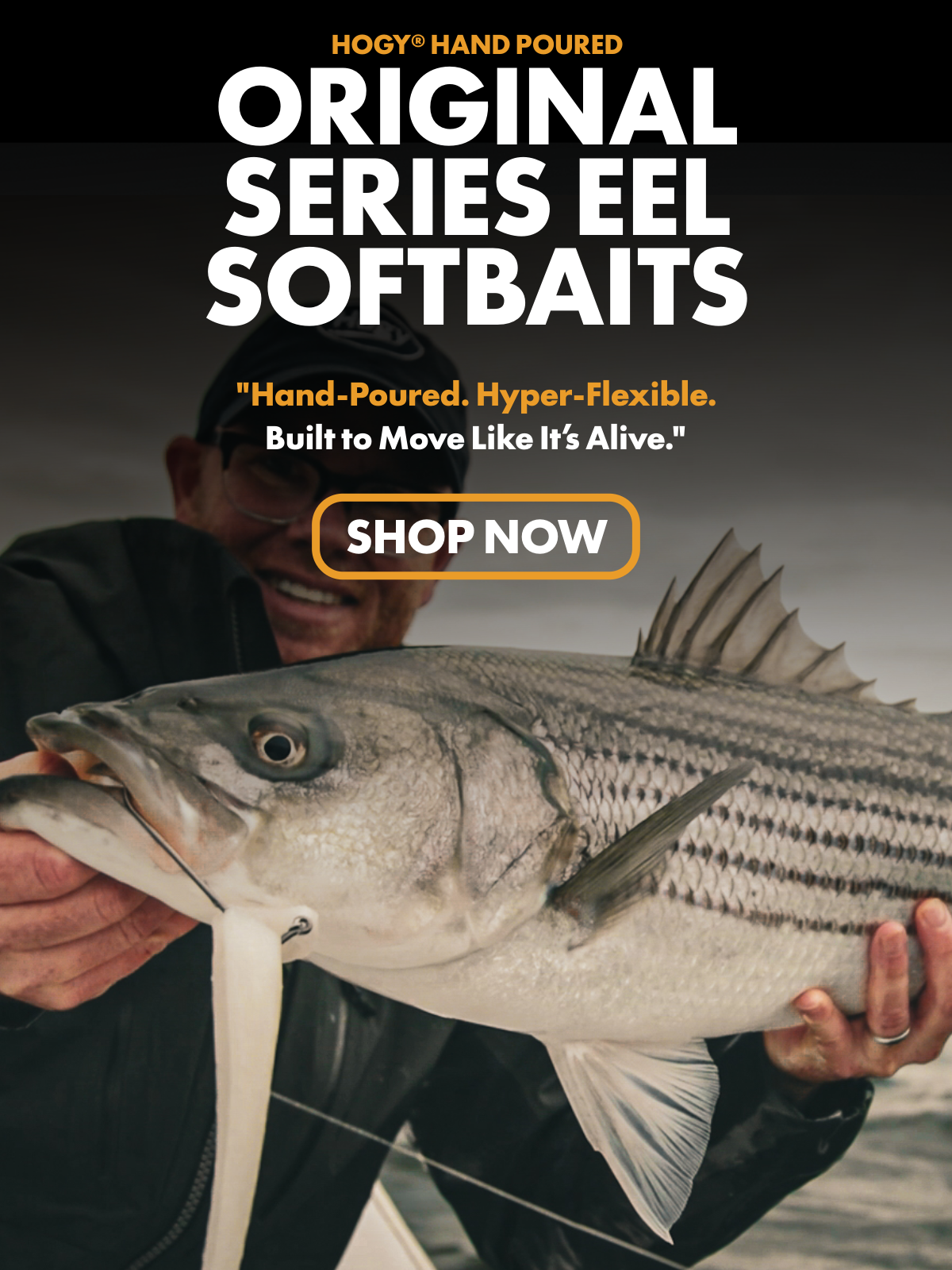
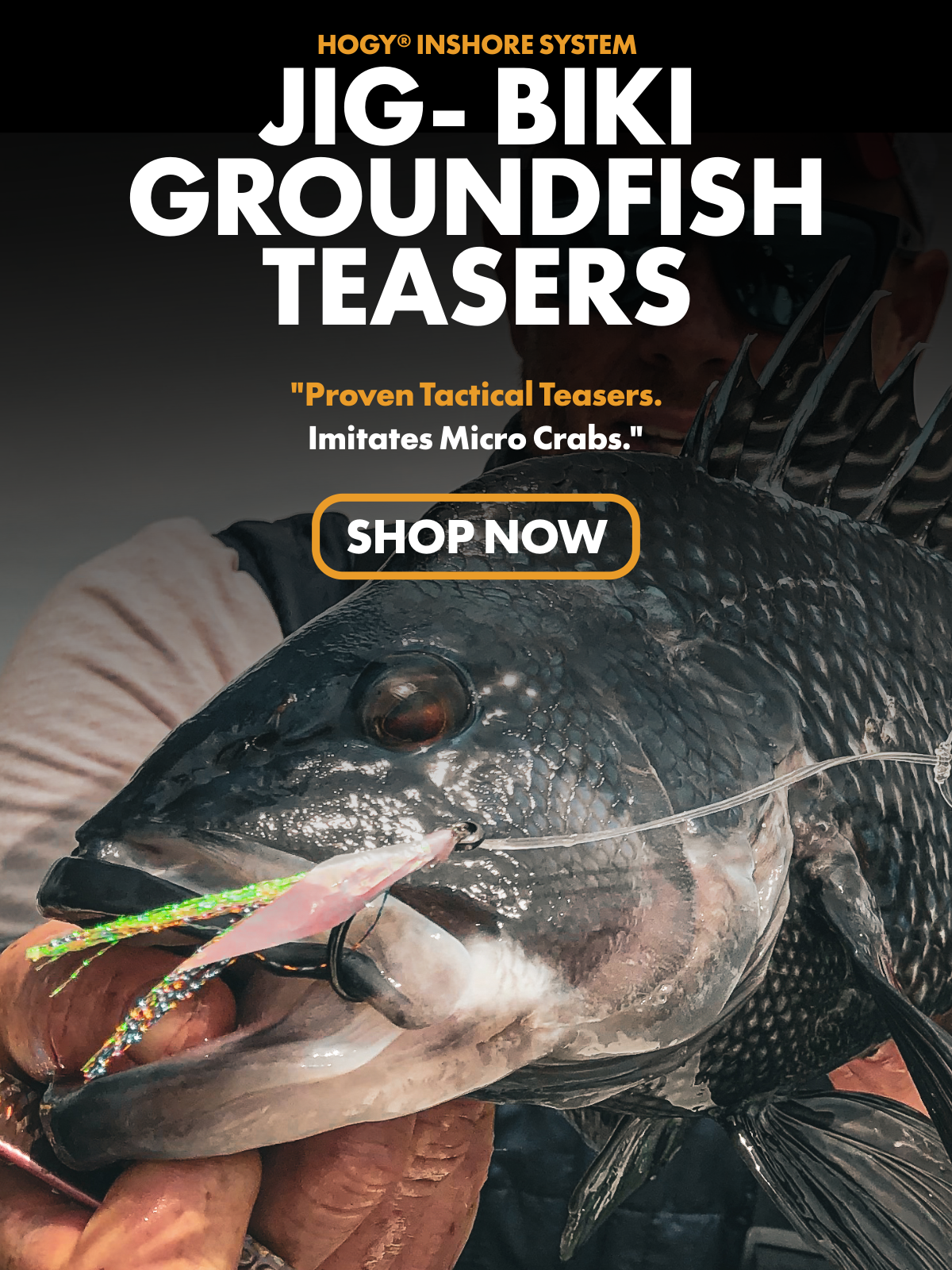
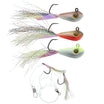
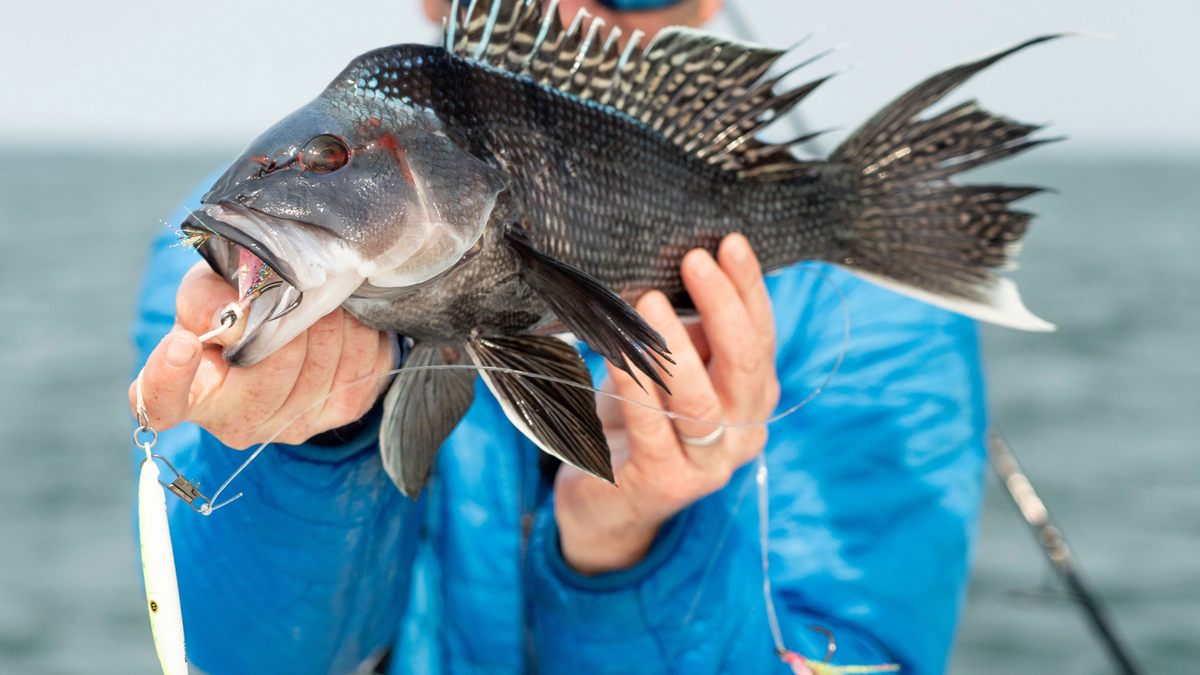
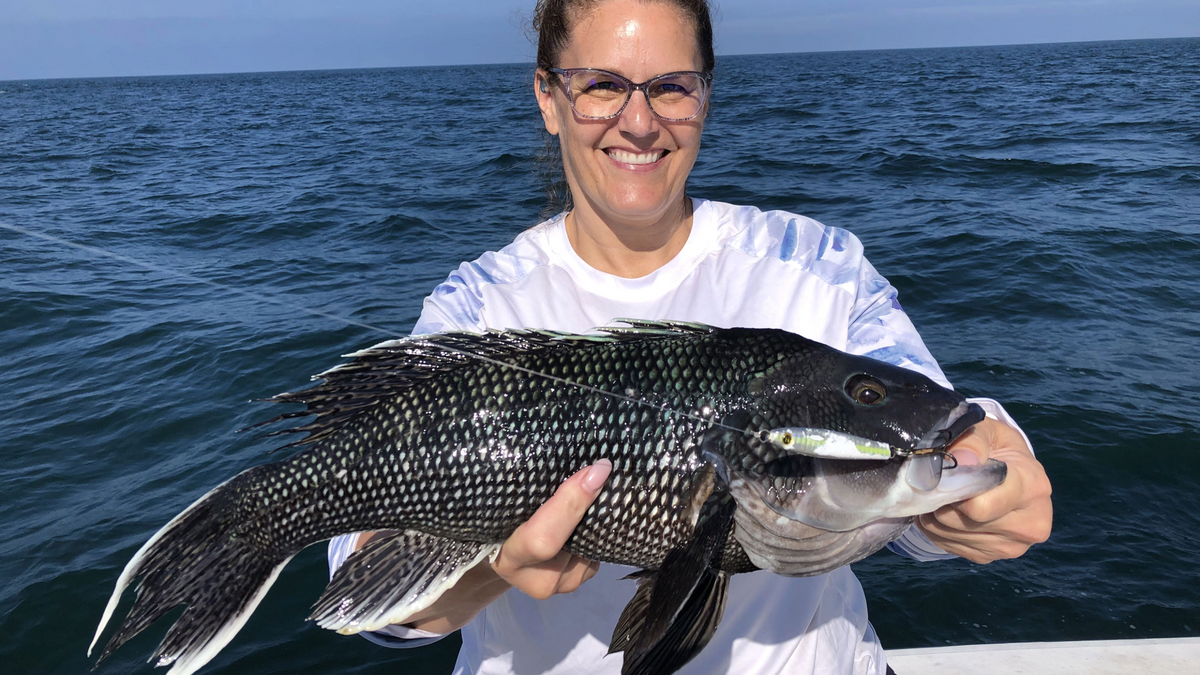
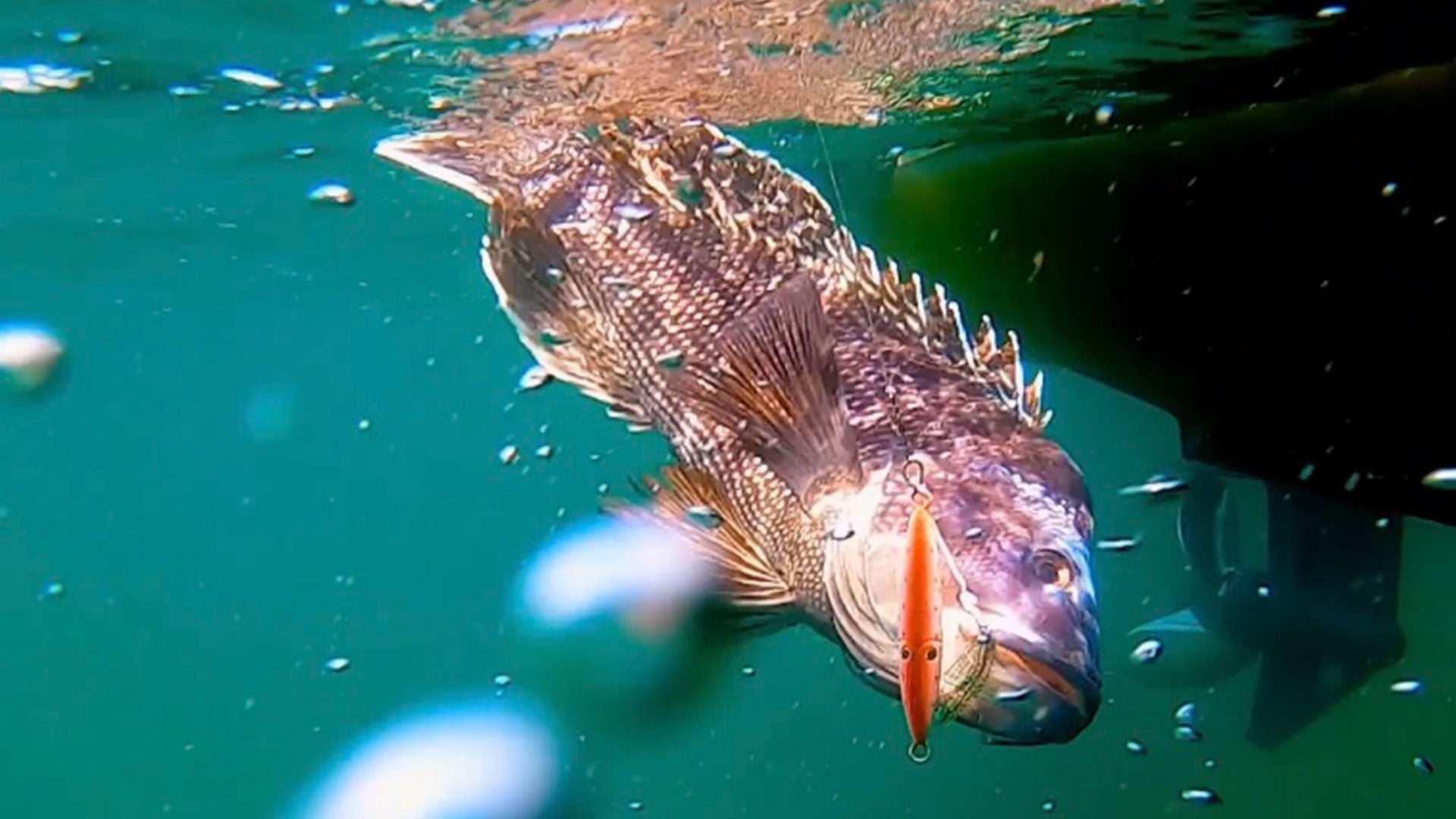
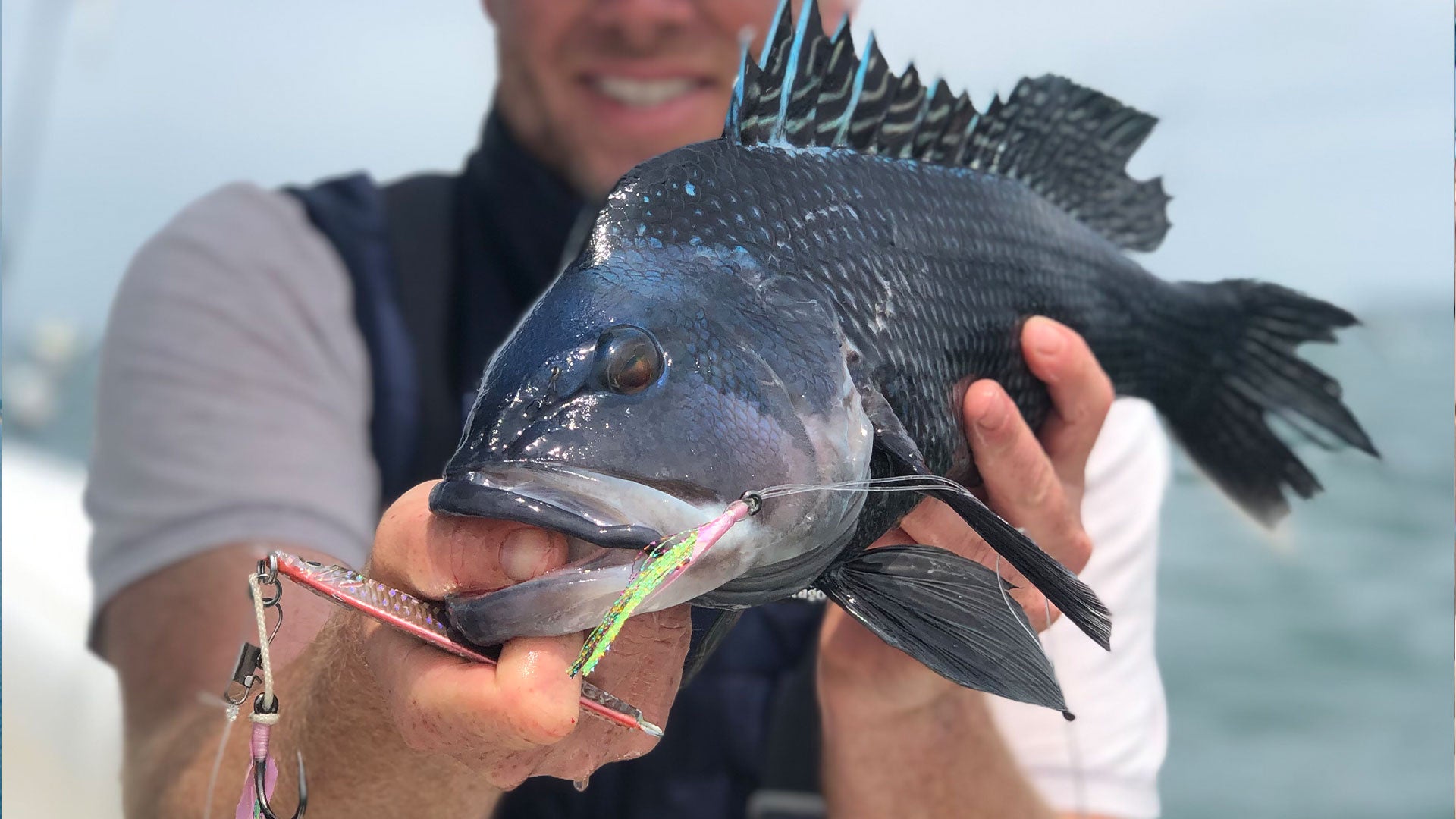
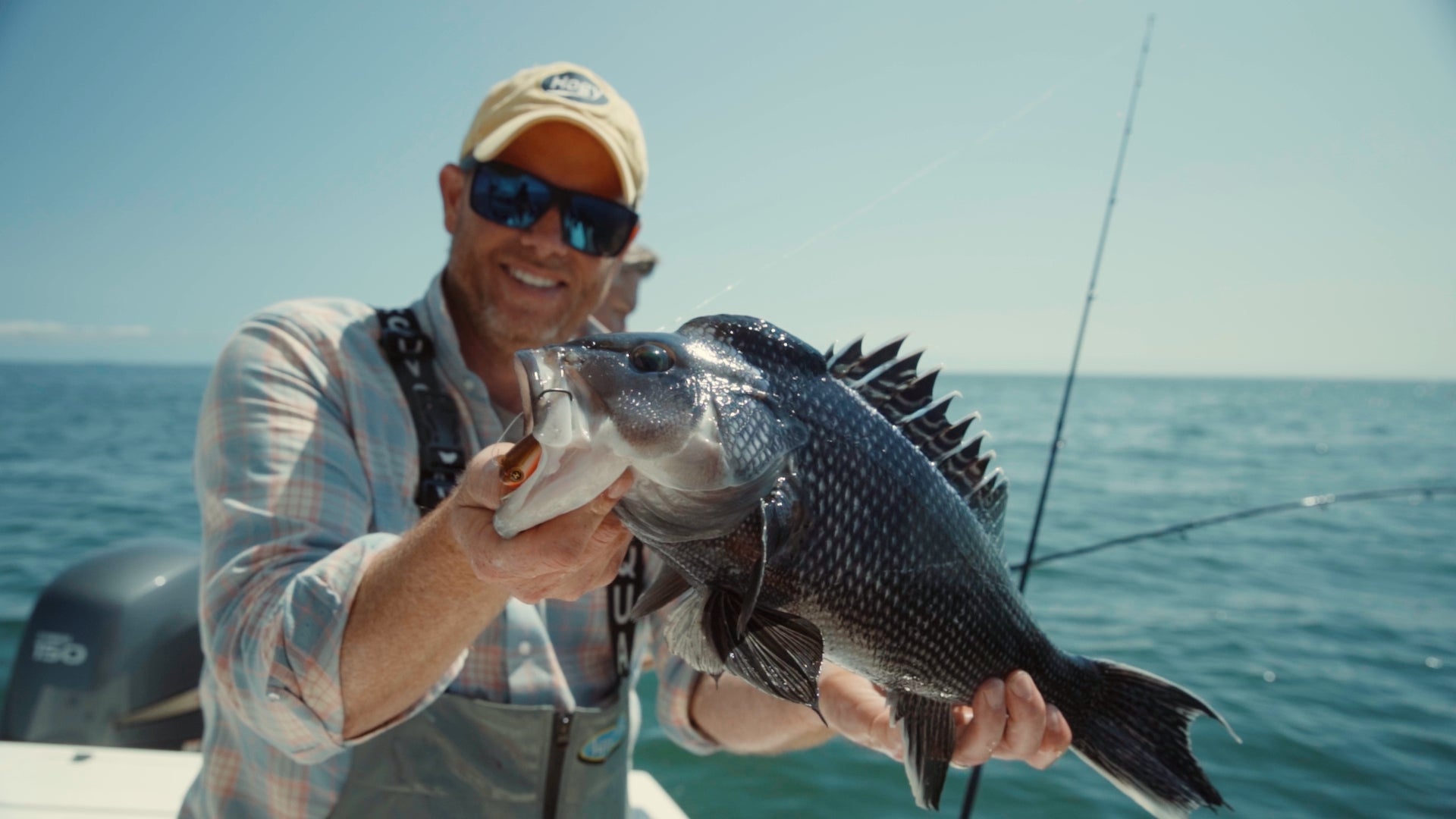
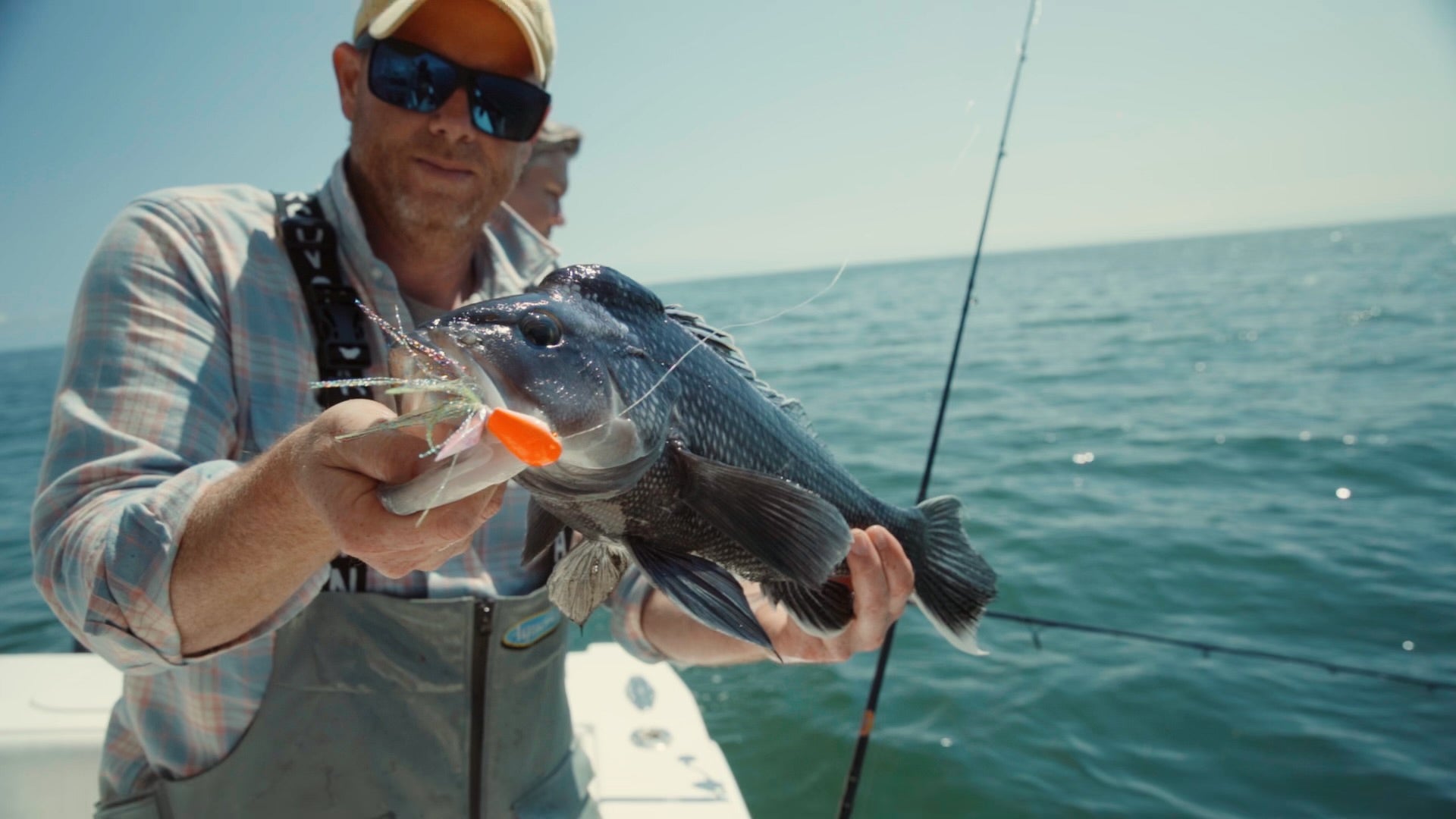
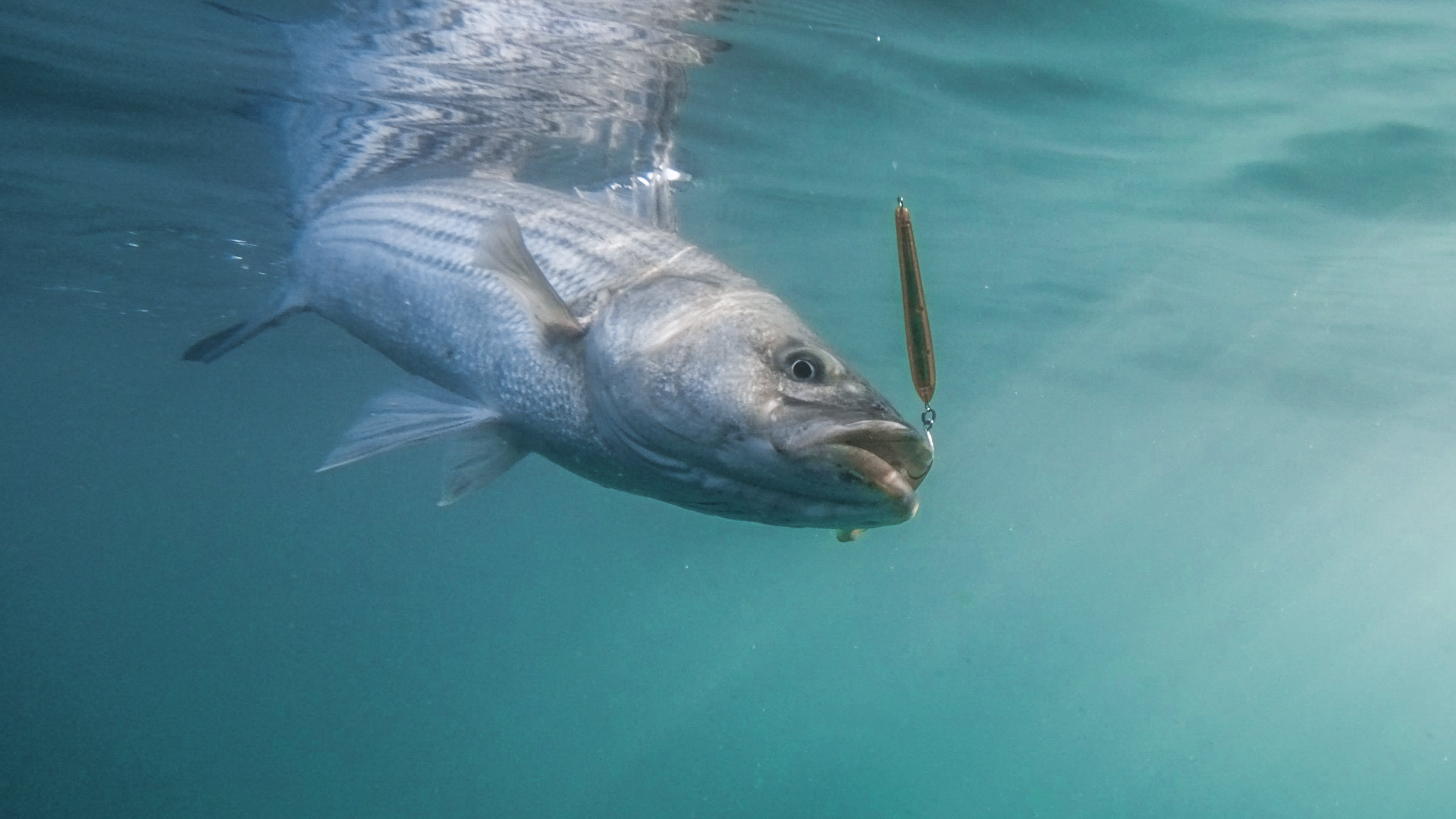
A sea bass on the jig and teaser, caught on the same rod I throw at albies.
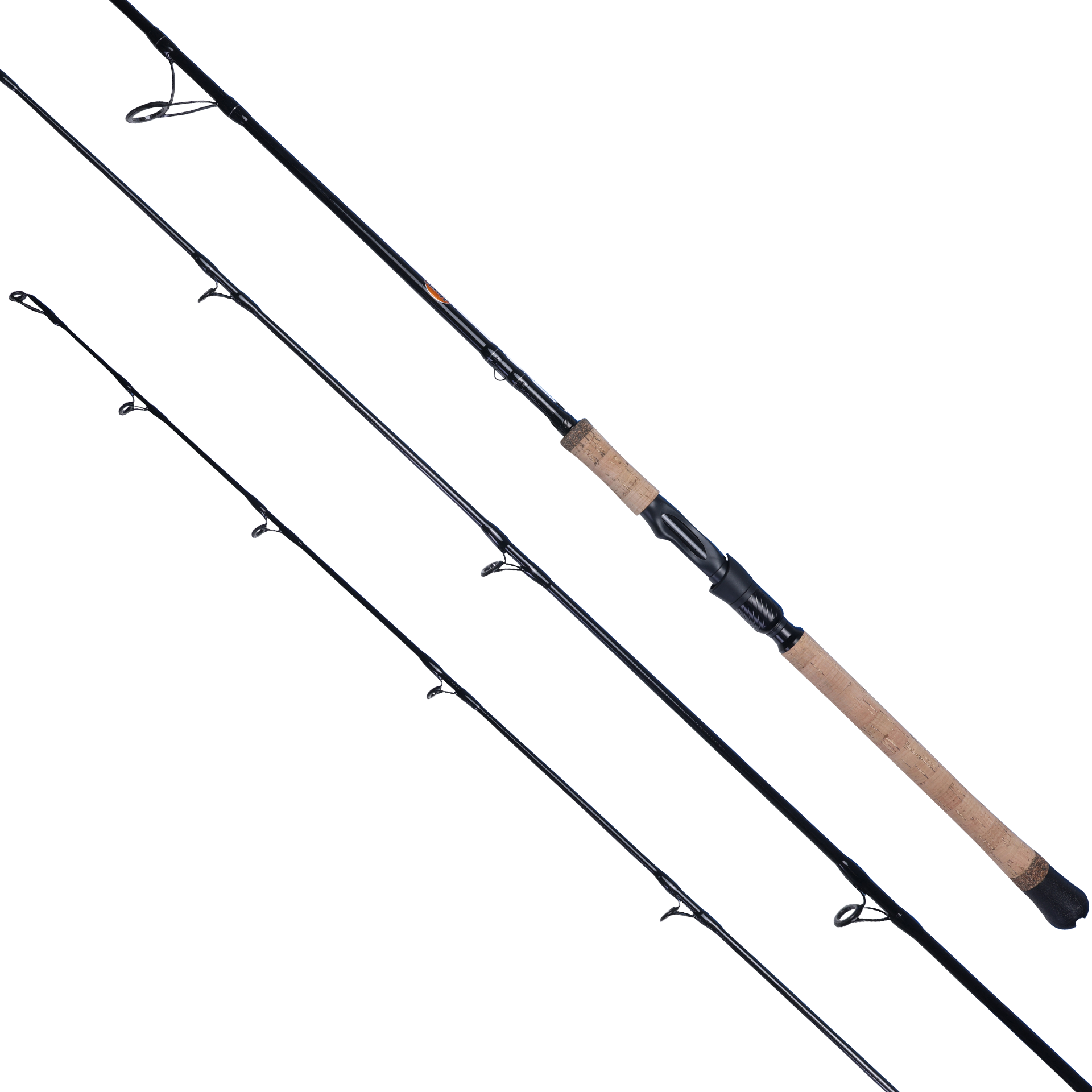
Walk into any high-end tackle shop this fall and you'll find a selection of groundfish rods: slow-pitch sticks, tog rods with broomstick butts, fluke rods with tips like a whisker. I walk right past them.
The same rods I throw at albies in September jig my sea bass, tog and scup in October. I'm a minimalist on the boat. Every rod I add is one more thing to rig, rinse and trip over, and the three I already carry cover the whole program.
The case for no
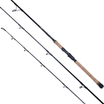
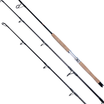
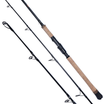
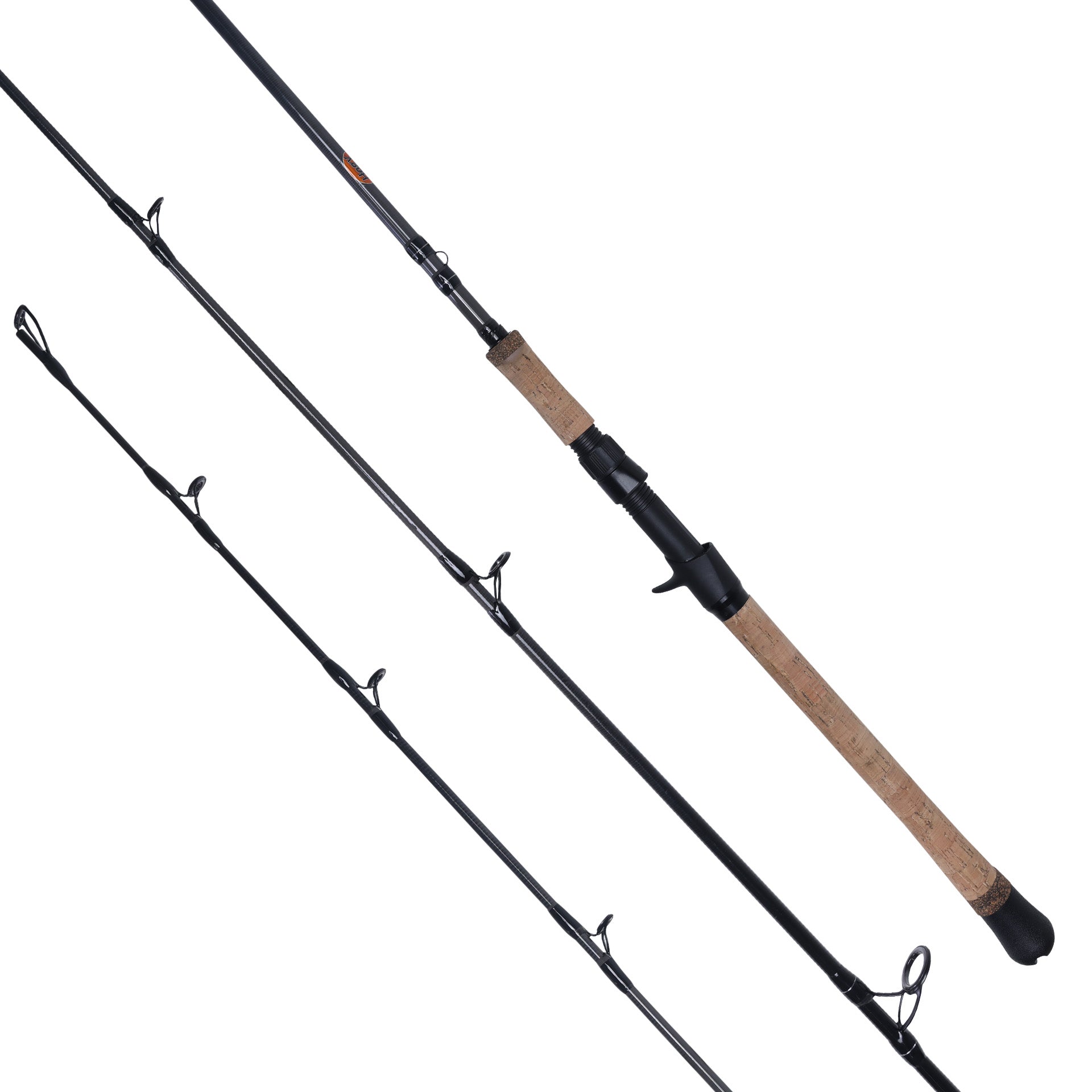
Three rods, split by the weight it takes to hold bottom. Depth and current set the jig weight, and the jig weight picks the rod.
| Jig weight to hold bottom | Rod | Typical depth | What I drop |
|---|---|---|---|
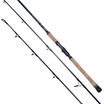
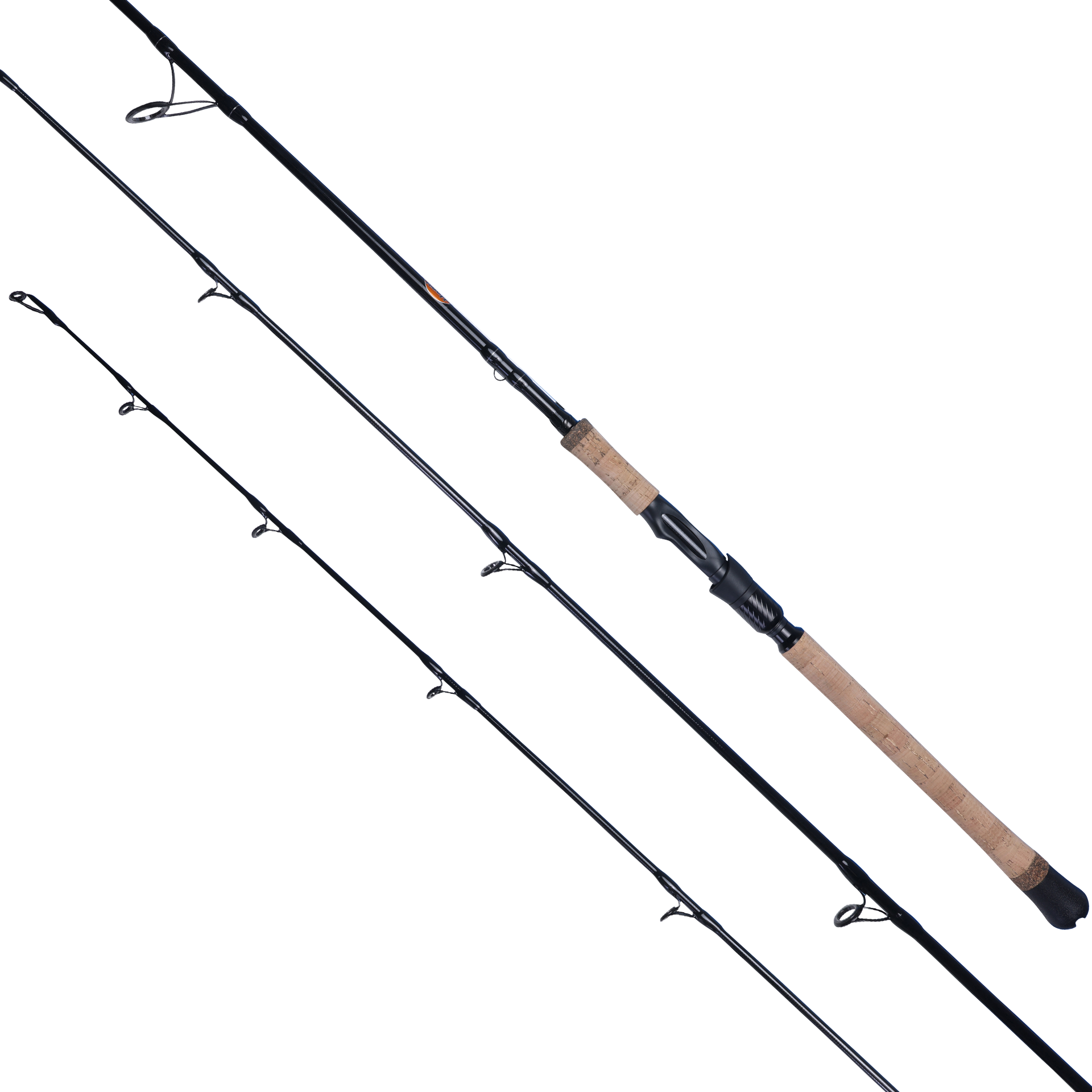
| Up to 2 oz | 7' Medium (HLTI7M) | Inside 60 ft | Biki Jig 1–2 oz, Squinnow 1–2 oz, teasers above |
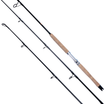
| 2 to 6.5 oz | 7' Medium-Heavy (HLTI7MH) | To 130 ft, depending on current | Squinnow to 6.5 oz with a Biki teaser; Biki Jig 2–4 oz with green crab for tog |
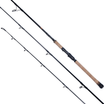
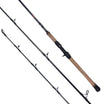
| 6.5 to 8.5 oz, or heavy current | 7' Heavy Hybrid (HCR7MHM) | To 140 ft | Squinnow 6.5 oz, Sand Eel Jig to 8.5 oz |
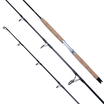
| More than 8.5 oz | That's conventional territory: 5'6" Hybrid Conventional (HHR56MHM) | Past 140 ft | Sand Eel Jig 10–16 oz |
The test is simple. Can you feel bottom, work the jig on purpose, and lift a hooked fish clear of the structure? If one of those fails, change that one thing.
The power of parabolic (sort of)
I love that phrase, so here's the fine print: my rods are moderate-fast. A true parabolic blank bends in one arc from tip to butt. Mine load the top first, then roll into the midsection. For groundfish, that second stage is the part that matters.
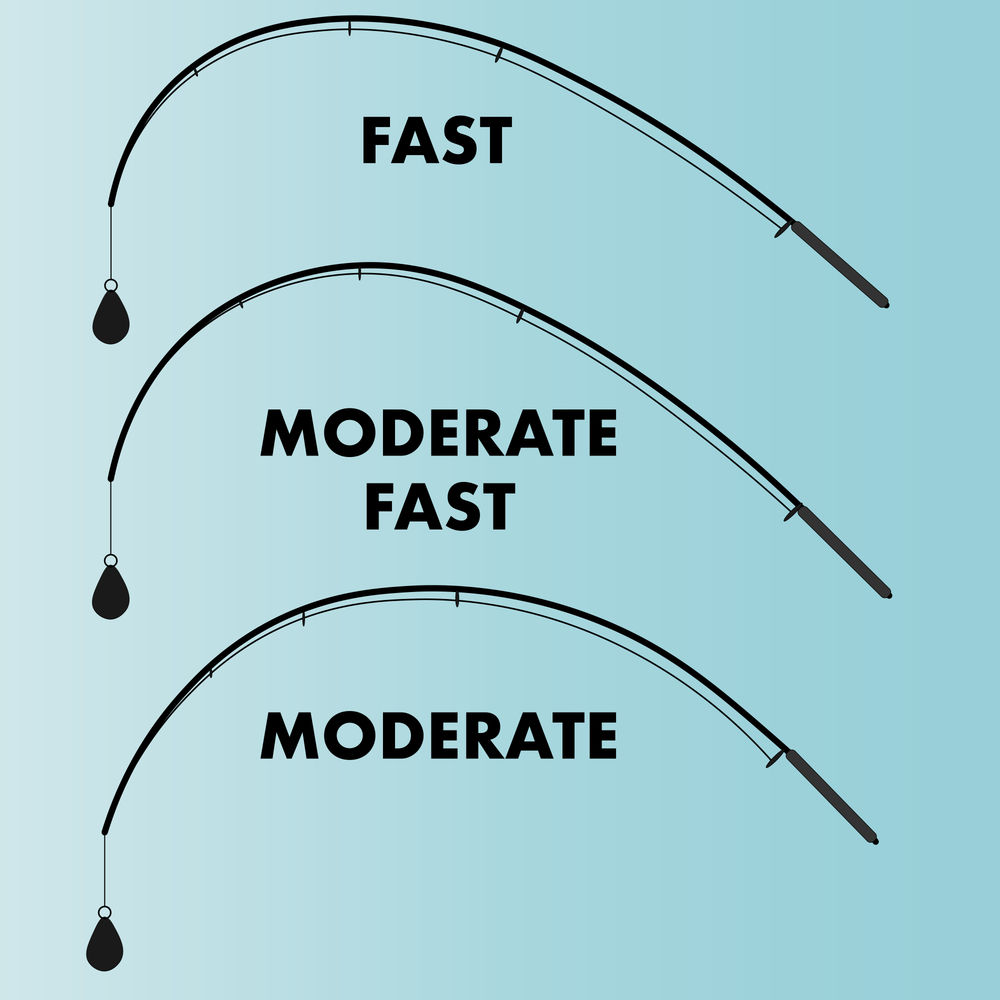
Moderate-fast loads the tip first, then rolls into the midsection. For groundfish, that second stage is the part that matters.
Vertical fishing is a game of taps. A sea bass bumps the jig on the fall. A tog crunches the crab. A fluke just gets heavy. A stiff, fast rod snaps the jig away from that bite, or rips the hook out of a soft mouth.
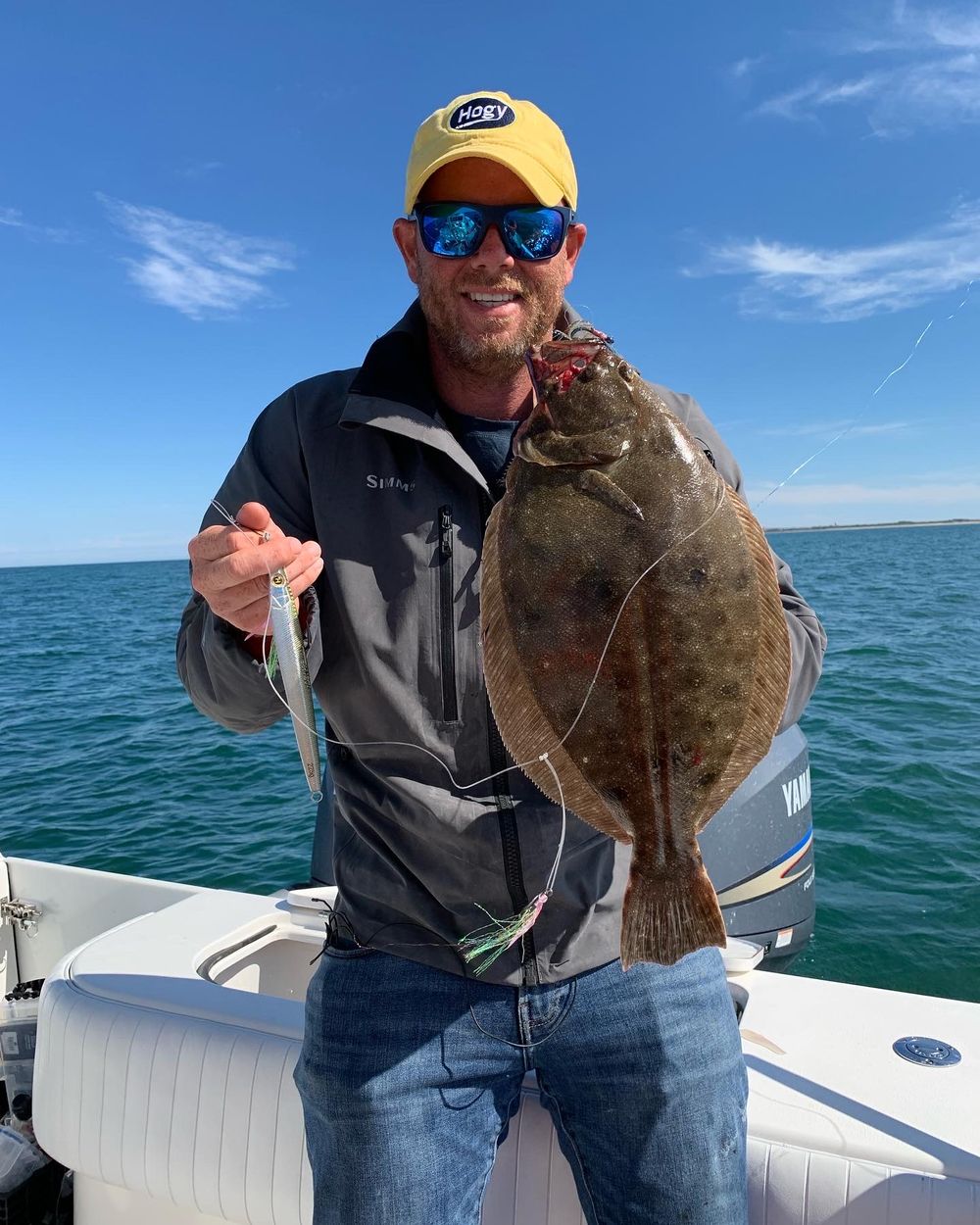
A fluke on the Groundfish Biki Jig. Some bites tap. A fluke just gets heavy.
A rod that bends into the mid does the opposite. You come tight with a slow sweep, the blank loads, and the hook finds a home without you swinging for the fences. It forgives a late reaction, a rocking boat and a double on the teasers.
I won't make too much of it. Any inshore rod with a real midsection will do this. The one case where I'd think twice is if your inshore rods are the extra-fast, stiff-to-the-tip kind.
We were looking for albies in Buzzards Bay and found the finder loaded with weakfish in 40 feet. Weakfish have notoriously soft mouths, and vertical jigging in skinny water gives you a hookup 15 feet under the boat with a very green fish. The softness of the 7' Medium saved us a lot of fish. Same Surface Erasers, same outfit, and we caught bass, blues and albies on it that day too.
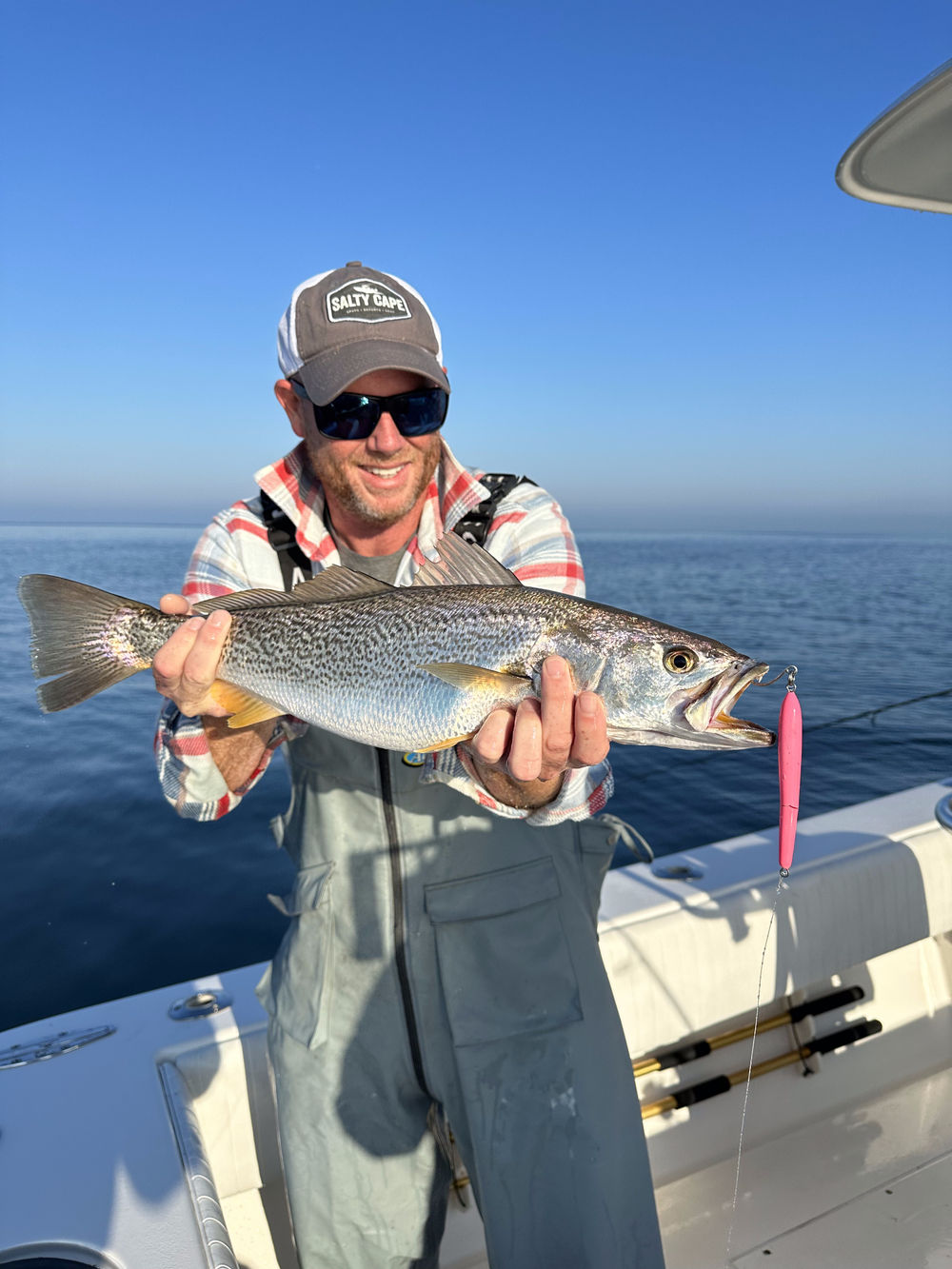
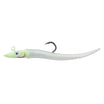
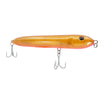
A weakfish on the pink Surface Eraser. That soft mouth is why the rod matters.
Why the bend wins on the bottom
That weakfish day is the whole lesson in one trip. Two moments decide whether a groundfish makes it to the boat: the hook set and the fight straight up and down. Rod action changes both. Here is the short version, then the why.
| Moment | Fast rod | Moderate-fast rod |
|---|---|---|
| The tap | Shows it | Shows it. The fast top and the braid carry it up the line. |
| The hook set | Force spikes. A soft mouth tears, or the jig snaps out before the point catches. | Force climbs as the bend rolls into the midsection. The point gets driven in. |
| The boat lifts on a swell | A jolt goes straight to the hook | The bend deepens and soaks it up |
| The boat drops | Slack line, and the hook can back out | The rod straightens and takes up the slack |
| Head shakes and dives | Every kick hits the hook hole | The midsection absorbs the kick |
| Lifting off the rocks | Plenty of backbone | Plenty of backbone. The lower third is still stiff. |
The hook set
Most of us set the hook hard and fast the instant we feel a tap. On the bottom, the hook usually isn't all the way in yet. The sea bass has the jig by the lip. The tog has the crab, not the hook.
A fast rod bends in the top third, roughly the last 12 to 18 inches, and the rest of the blank is stiff. Once that tip is bent, every inch of your swing goes straight down the line. Braid barely stretches, and with the fish right under the boat there isn't much line out to stretch anyway. The force hits the hook all at once. In a soft mouth it tears the hook out. If the fish hasn't closed on the jig yet, it snaps the jig away before the point catches.
A moderate-fast rod takes the same swing in two stages. The tip loads first, then the bend rolls into the midsection. That second stage spreads the pull over a longer stroke, so the pressure climbs instead of spiking. Steady, climbing pressure is what drives a hook point home. Same swing, same guest, and the hook stays in.
The bouncy fight
A vertical fight is bouncy by nature. The fish is under the boat on a short, straight line. Every swell lifts the boat a foot or two and drops it again. The fish shakes its head and kicks back toward the bottom. The angler pumps the rod.
With a stiff rod, each of those is a jolt on the way up and slack on the way down. The jolt widens the hole the hook made, and the slack gives the hook room to fall out. That's how a groundfish bounces off the hook halfway up.
A rod that bends into the midsection works like the shock absorbers on your truck. When the boat lifts, the rod bends deeper. When the boat drops, the rod straightens and takes up the slack. The pressure on the fish stays close to even the whole way up, so the hook stays where you set it. It does the same job on a double, when two fish on the teasers are pulling against each other.
Rig for contact, then account for the rocks
Braid shows you what's happening below the boat. Add a leader that handles abrasion. I run fluorocarbon where it's shallow and clear, and mono on hard bottom, where rock chews leader faster than fish inspect it. Run the last few feet through your fingers after every few drops, and retie when it feels rough.
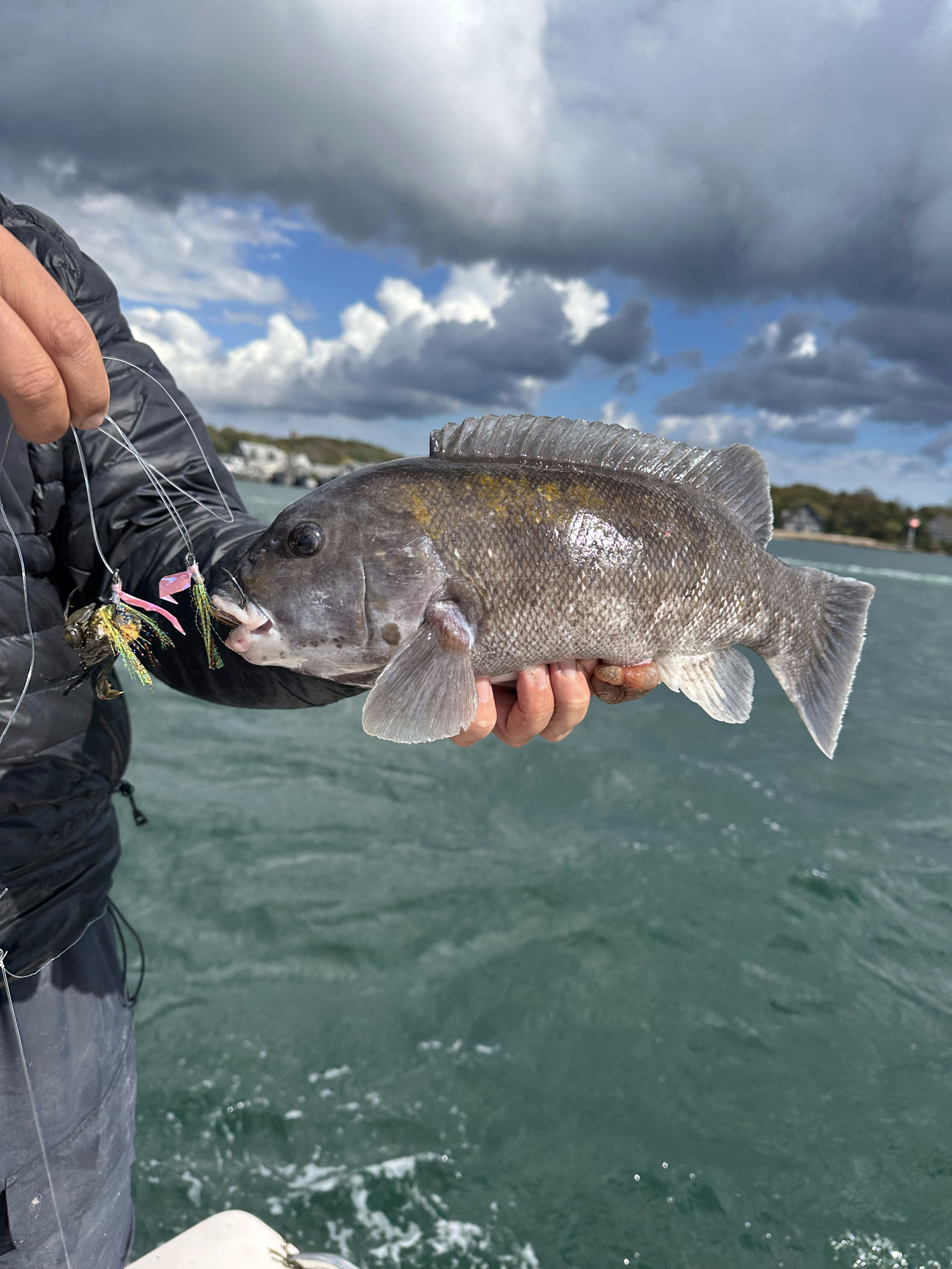
Tog on the Biki Jig and a light inshore rod.
My crew ran a mid-April tog trip out of New Bedford with Capt. Ray Jarvis on a 7' medium, 25 lb braid and about a 40 lb leader, a small jig and crab on a rock pile. Every drop got a whack. That was my lucky setup, and I never got it back. Treat those numbers as a working example, and fit them to your piece of rock.
Set the drag before you drop. A tog heads straight back for cover, and you need pressure the second it does. If the rod can't move the fish without going past its useful range, pick up the heavier outfit or fish an easier piece.
The heavy hybrid for deep water
For deep sea bass I grab the 7' Heavy Hybrid, the same rod I bomb XL Dog Walkers with in a rip. Pair it with a 6.5 oz Squinnow when that weight holds bottom in the current you have.
The heavier blank carries the jig through a smooth, deliberate lift. You feel it return, and you feel the extra weight of a fish. On a Fourth of July trip in 96 feet, a heavy fish folded it in half and turned out to be two sea bass at once. Big jigs and big fish are exactly what that rod was on board for.
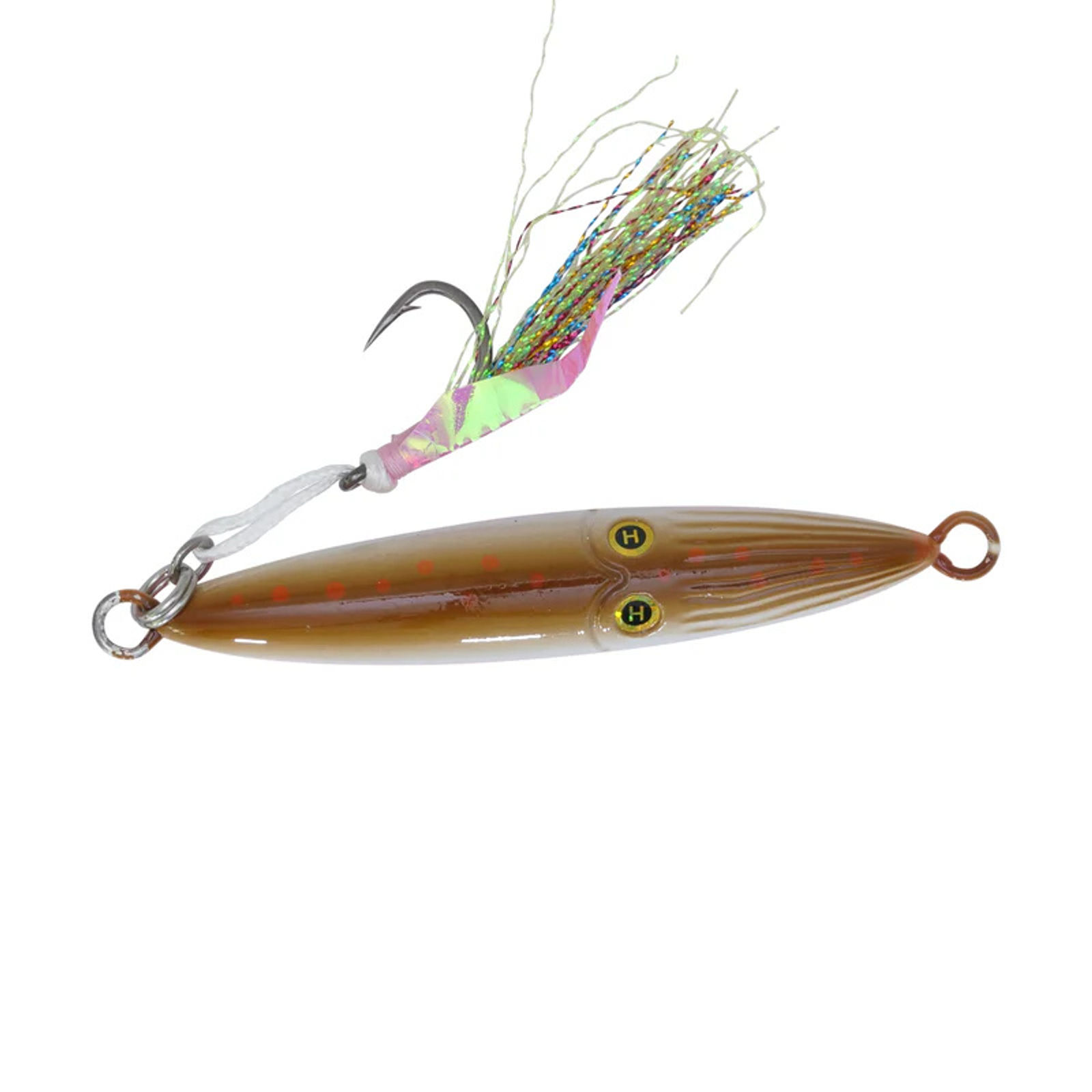
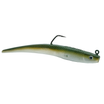
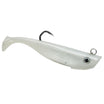
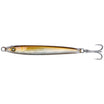
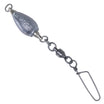
The Squinnow: the 6.5 oz is the heaviest in the line, and the deep-water job for the Heavy Hybrid.
Treat it as a vertical outfit here. The weight a rod jigs below the boat and the weight it casts are two different ratings, so don't lob a heavy jig overhead just because the rod handles it vertically.
What the specialists are fishing, and why
Plenty of good anglers are buying dedicated groundfish gear right now. Each of these does one job a little better.
Slow-pitch rods. Light, deeply parabolic, rated by jig weight, usually paired with a small conventional reel. They make a slow-pitch jig flutter and fall the way it was designed to. They're a blast, and a hobby of their own.
Tog sticks. A fast tip on a broomstick butt. Built to feel the crab get crunched and to winch a fish out of the rocks before it wedges.
Fluke rods. Long and light, with sensitive tips for bucktail-and-teaser drifts, often on a baitcaster.
Light conventional jigging outfits. Level-wind or line-counter reels for depth control on deep drops.
The gearhead math
Here's the part that never makes the hang tag.
That 1.5% runs a few hundred dollars, plus the reel that matches it, the special braid that matches the reel, another rod holder, and a corner of the garage you swore you were cleaning out this winter. Then you need a second one, in case the first one has a bad day.
Slow-pitch, tog, fluke or a light conventional. Each does one job a little better.
Feel bottom, work the jig on purpose, and lift a hooked fish clear of the structure.
Then there's the real reason most of us buy one: we like it. A slow-pitch stick throbbing with a flutter jig in 90 feet is fun. Feeling a tog crunch the crab through a fast tip is fun. I bust chops, but liking a rod is one of the best reasons there is to fish it. If a specialist rod puts a grin on your face, buy the rod.
My case for rod minimalism
I run charters, and I fish a lot of days in a row. Here's what three rods buy me.
Three rods go in the holders at the dock and come out at the end of the day. No sorting, no rod-tube puzzle, less to rinse.
Fewer rods means fewer tangles, fewer tips snapped in a hatch, and more room for guests to move when a fish runs around the bow.
The jig weight picks the rod, so the rod question answers itself. My head stays outside the boat: the drift, the marks, the birds, the tide.
I'd rather spend the minute coaching a lift-and-drop than re-rigging a specialty outfit. Fish come from reading the water and putting people on it, and the last 1.5% of rod rarely changes that.
The guest who learned the 7' Medium-Heavy on stripers in June already knows how to fight a sea bass on it in October.
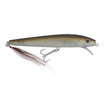
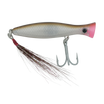
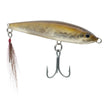
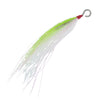
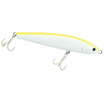
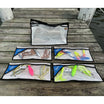
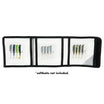
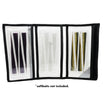
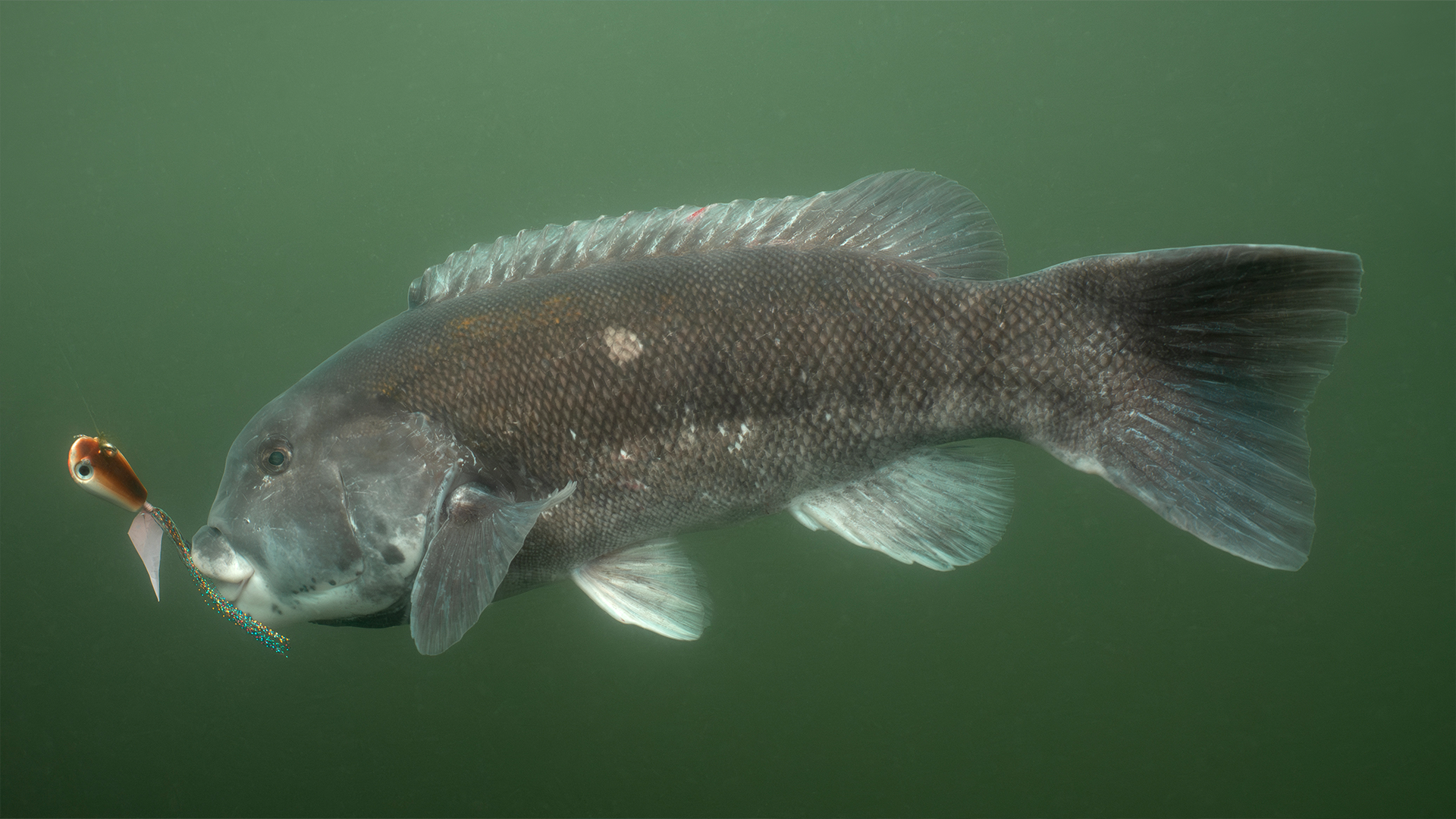
The same thinking goes for lures. The Epoxy Jigs and Heavy Minnows from my albie crate catch tog, which is the best-kept secret in tog fishing. Same rods, same jigs, no crab bucket. The full method is in "Hogy How-To: Tactical Jigging For Tog (Lite Jigs)."
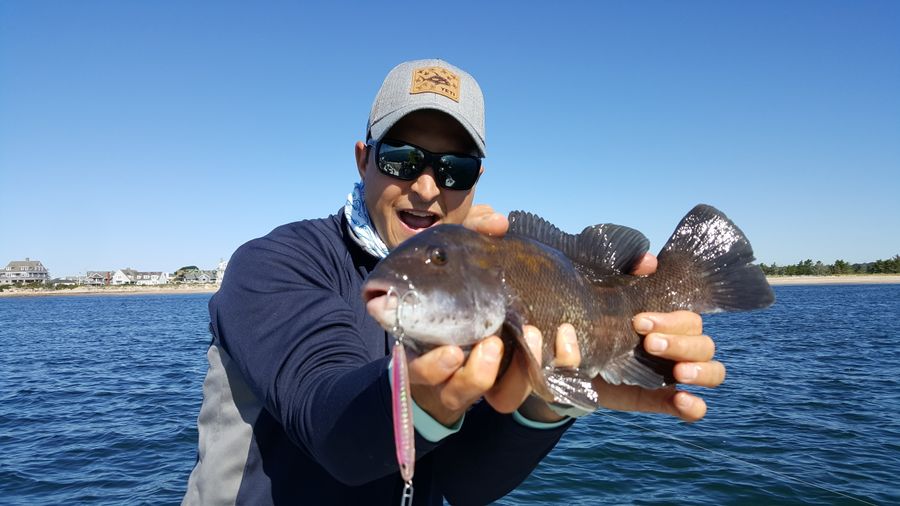
Tog on a pink Epoxy Jig.
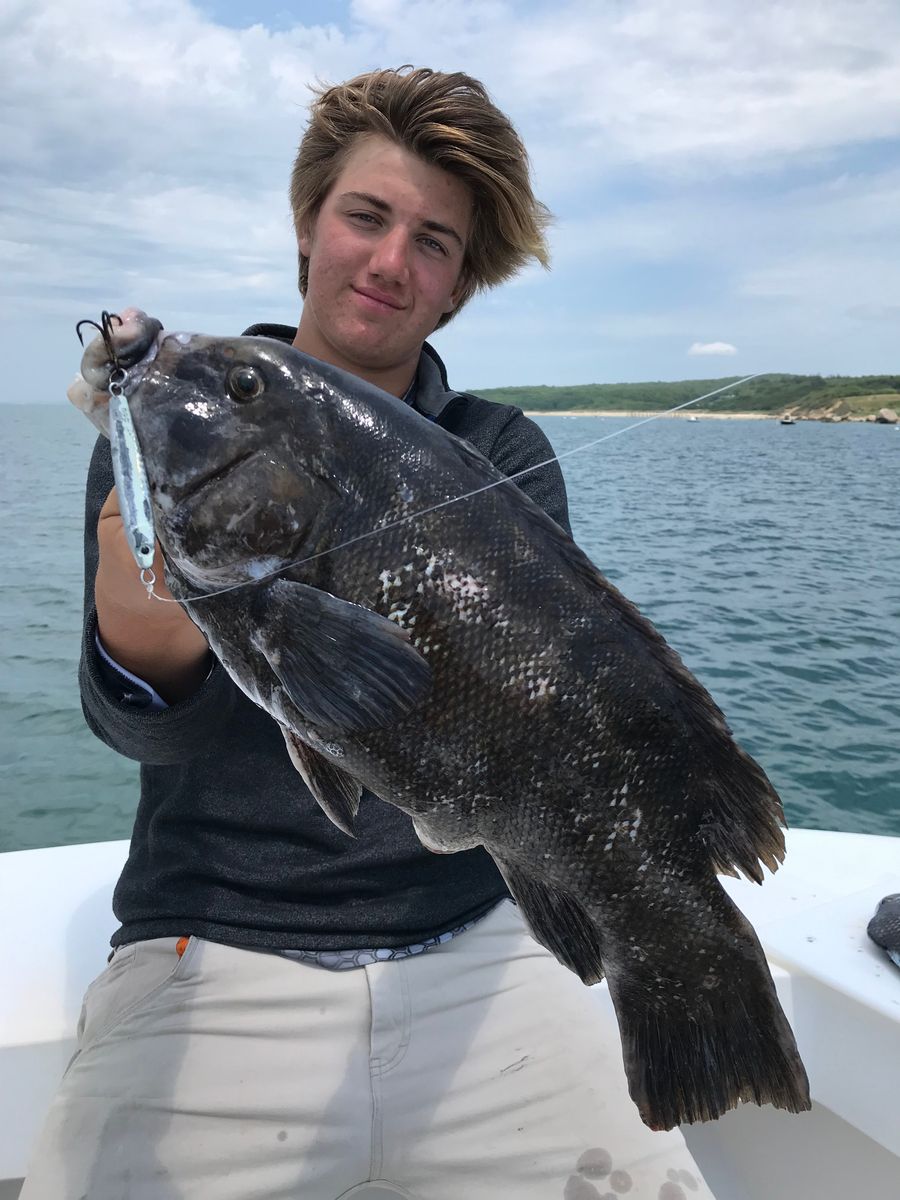
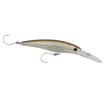
Tog on a Heavy Minnow.
When a specialist rod earns a spot
If groundfish is your main fishery, go ahead: tog every weekend from October to December, fluke tournaments, or a slow-pitch habit.
- Groundfish is my main fishery.
- I fish tog every weekend from October to December.
- I fish fluke tournaments.
- I have a slow-pitch habit.
- My inshore rods are the extra-fast, stiff-to-the-tip kind.
Check any box and a specialist stick earns its spot. If one puts a grin on your face, buy the rod.
If the rest of your season runs stripers and albies, the rods you already own are 98.5% of the way there.



Leave a comment
All comments are moderated before being published.
This site is protected by hCaptcha and the hCaptcha Privacy Policy and Terms of Service apply.